Chankillo
Chankillo, Peru
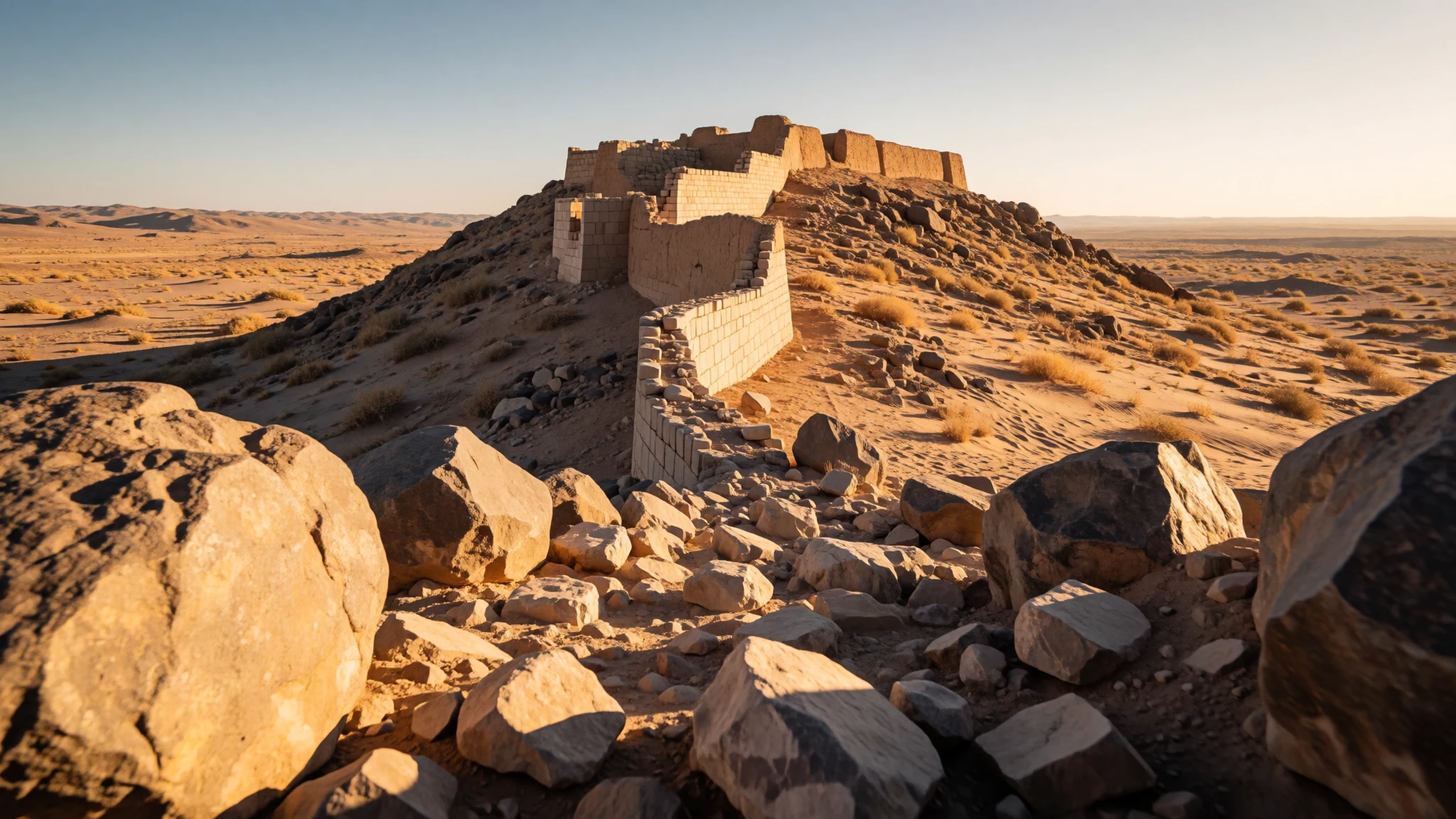
Chankillo offers a rare window into ancient human ingenuity, holding the oldest known solar observatory in the Americas within an arid coastal desert landscape.
The place
Chankillo spans about four square kilometres of stark, sun-baked landscape in the Casma-Sechin basin of the Áncash Department. Positioned in the arid Peruvian coastal desert, the archaeological complex comprises several distinct zones that together form a monumental ancient landscape. Visitors arriving at Chankillo encounter an austere environment where pale stone walls, earthen mounds, and sandy expanses stretch beneath an intense equatorial sky. The site includes a hilltop fortification with thick defensive perimeter walls, staggered gates, and parapets overlooking the dry valleys below. Nearby, a series of aligned stone structures forms the famous solar marker array, while other sectors contain spacious plazas, residential quarters, and gathering spaces used by ancient communities long before the rise of the Inca Empire. The surrounding coastal desert remains largely untouched by modern development, preserving the quiet isolation of these ancient ruins. Walking between the stone structures reveals subtle shifts in colour across the desert floor as the sun moves overhead, casting long shadows across walls that have stood exposed to the elements for millennia. The extreme climate means that midday heat can be fierce, and visitors must navigate sandy trails and rocky slopes without the shelter of shade trees or modern amenities. Despite these rustic conditions, the stark beauty of the coastal desert and the monumental scale of the architecture create a powerful impression of an ancient civilization deeply attuned to its natural environment and the movements of the cosmos.
Its story
Chankillo was constructed around three hundred before the common era by the ancient Casma-Sechin culture, a society that flourished in the river valleys of coastal Peru long before the expansion of the Inca state. For generations, archaeologists debated the primary purpose of the complex, initially interpreting the hilltop structures purely as a defensive fortress due to the thick walls, parapets, and restricted access points. However, detailed archaeoastronomical research revealed that the famous row of thirteen stone pillars functioned as a sophisticated solar observatory. By observing the rising and setting sun from specific vantage points within the complex, ancient astronomers could track the solar year with remarkable precision, determining solstices, equinoxes, and agricultural cycles with seasonal accuracy. This integration of monumental architecture and celestial observation highlights the sophisticated knowledge held by early Andean societies, who relied upon accurate calendars to manage agricultural production in a challenging desert environment where river flows fluctuated drastically. The culture responsible for Chankillo also left behind remarkable stone carvings and ceramics that depict ritual combat and captive figures, suggesting that the site served religious and social functions alongside its scientific and defensive roles. Following centuries of active use, the complex was eventually abandoned, leaving the stone towers and defensive walls to stand in quiet isolation as shifting desert sands gradually reclaimed the surrounding river valleys until modern excavations brought its remarkable heritage back to light.
What to see
- Chankillo Fortaleza — Hilltop sector, Chankillo archaeological complex
Perched dramatically on a rocky desert hill, the main hilltop fort features thick defensive stone walls, terraced ramparts, and restricted serpentine entryways designed to control access. Visitors walking through the ruined stone corridors can inspect the weathered masonry techniques employed by the ancient builders while taking in panoramic views across the arid Casma-Sechin basin.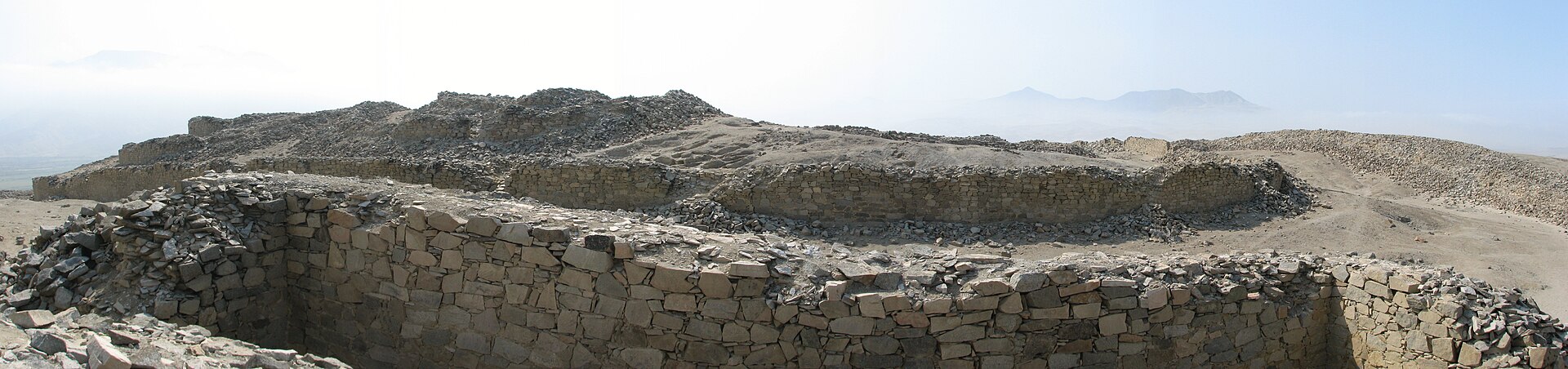
- The Thirteen Towers — Central ridge, Chankillo archaeological complex
Stretching across a low ridge, this unique row of thirteen stone structures acts as a monumental horizon calendar for tracking the sun throughout the year. Standing at the designated observation points allows visitors to appreciate how ancient astronomers used the gaps between the towers to mark solstices and agricultural cycles with astonishing precision.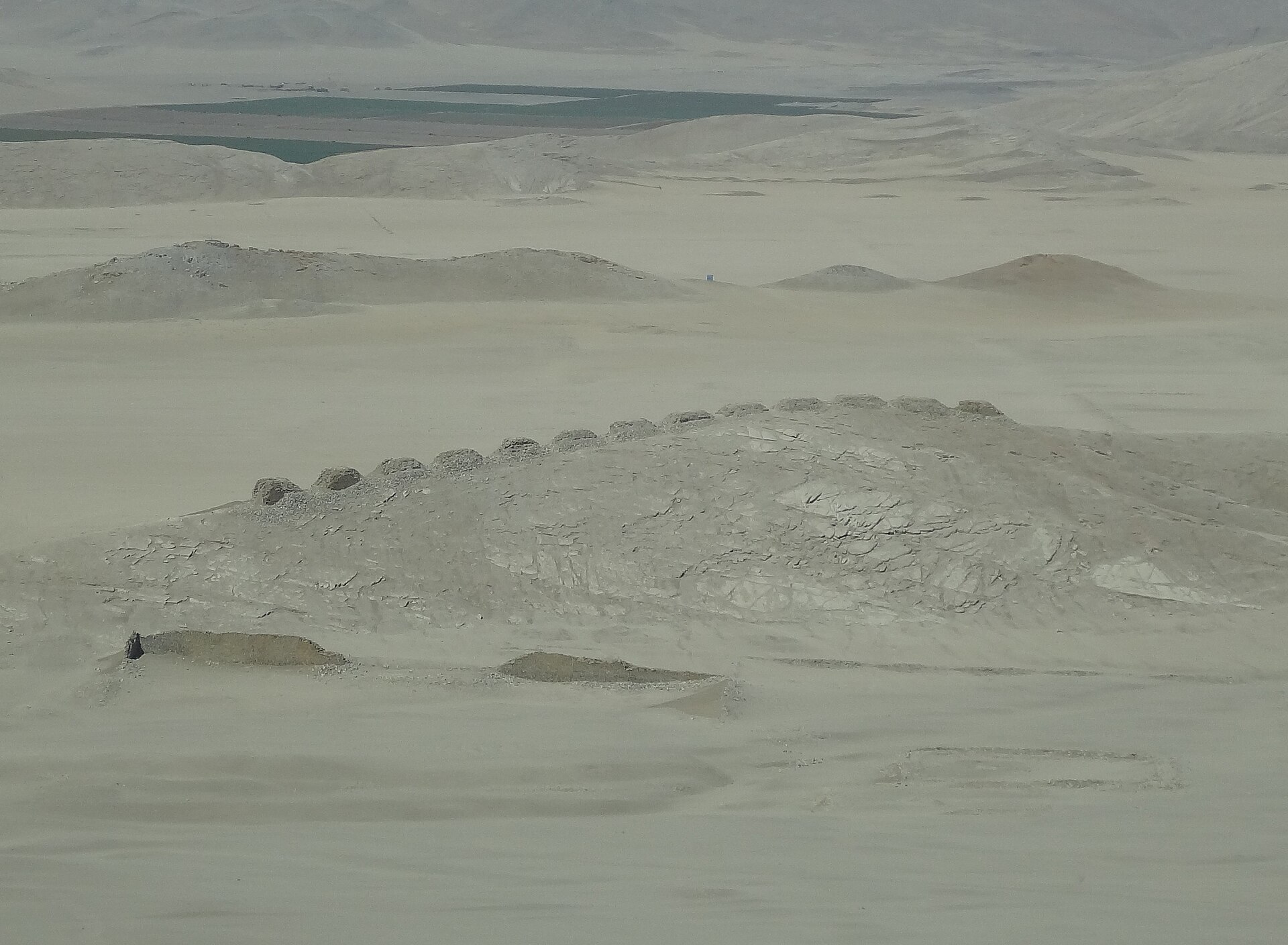
- Casma-Sechin Valley Ruins — Casma-Sechin basin lowlands
Sprawling across the wider river valley surrounding the main complex, these contemporaneous archaeological remains provide crucial context about the agricultural communities that sustained the builders of Chankillo. Exploring the eroded adobe mounds and scattered stone foundations reveals the broader settlement patterns of the ancient coastal culture.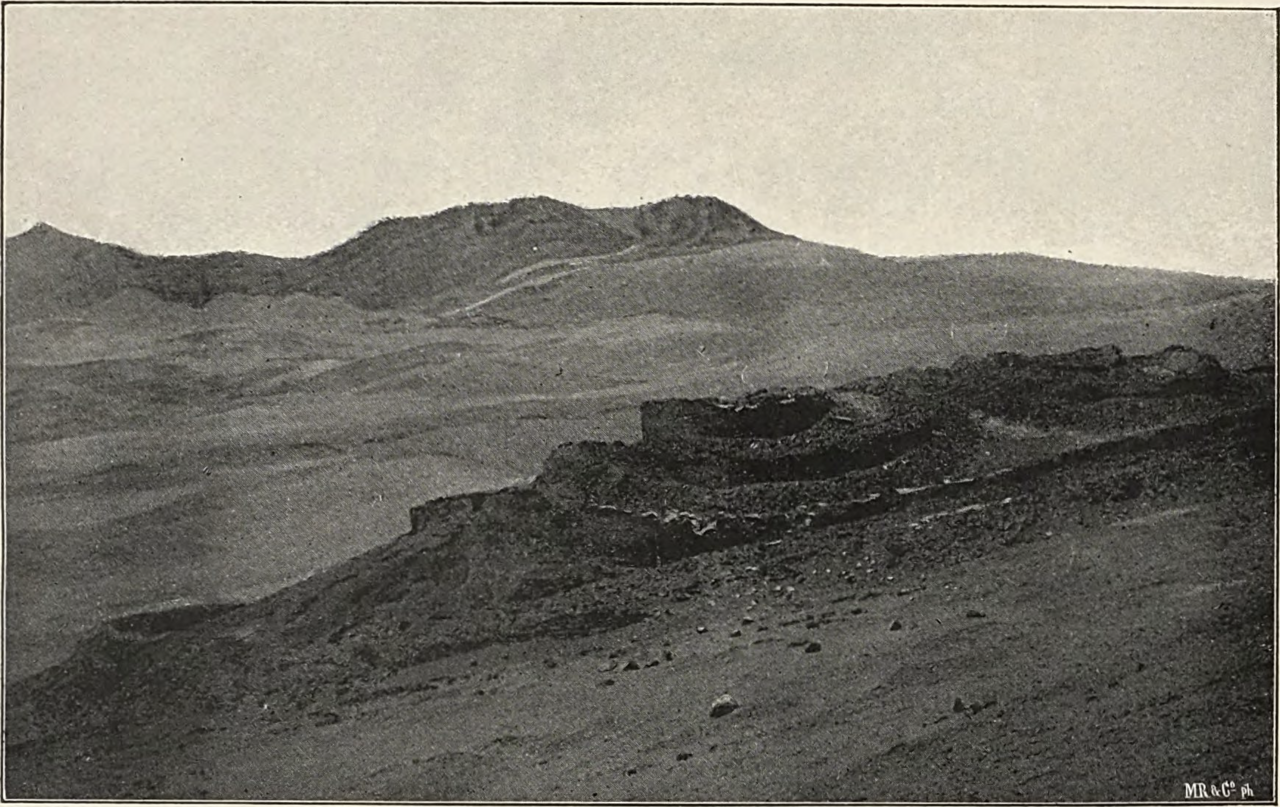
- Ceremonial Plaza — Central gathering sector, Chankillo
Located between the main architectural groups, this large open gathering space was likely used for communal rituals, public assemblies, and religious observances by the ancient inhabitants. Walking across the compacted earth floor offers a tangible sense of the communal life that once animated this stark and remote desert sanctuary.
Culture
Chankillo sits within a region steeped in the rich heritage of Peru, where rural communities maintain deep connections to ancestral traditions, local agriculture, and regional folklore. Across the country, many Peruvians express profound national pride in their deep pre-Inca history, ancient civilizations, and diverse natural resources, even while frequently maintaining a healthy skepticism toward government institutions and official politics. Visitors exploring rural areas near Chankillo will often encounter warm greetings and friendly curiosity from local residents, though social interactions are shaped by traditional customs and etiquette. It is customary to respect local sensibilities regarding terminology; using terms such as el indígena is preferred, while outdated or insensitive labels should be avoided entirely. Travellers should also be mindful of local agricultural practices and social rituals, including the traditional chewing of coca leaves, which has been practiced across the Andes for centuries as a social, medicinal, and ritual component of daily life. When visiting archaeological sites or rural communities near Chankillo, always ask for permission before photographing local residents and dress modestly out of respect for local customs.
What to wear
Chankillo visitors encounter a climate defined by intense desert sun and heat, making practical outdoor attire essential. Traditional dress in rural Andean and coastal communities often features vibrant hand-woven textiles made from sheep or alpaca wool, including colourful blankets, traditional ponchos, and embroidered hats that reflect local heritage and regional identity. However, people living and working near the coastal desert now typically wear standard contemporary casual clothing such as sturdy denim trousers, cotton shirts, and durable footwear suited to dusty environments. For travellers exploring the ruins of Chankillo, protective clothing is vital due to the lack of shade and strong ultraviolet radiation. Visitors should wear lightweight, breathable long-sleeve shirts, wide-brimmed sun hats, and UV-blocking sunglasses to guard against sunburn during extended outdoor exploration. Sturdy walking shoes or hiking boots with good grip are strongly recommended for navigating the loose gravel, uneven stone staircases, and sandy desert trails across the complex. Carrying a light windbreaker or fleece is also advisable, as coastal desert temperatures can drop rapidly once the sun sets behind the hills.
What to eat
- Platos Criollos — Traditional family eateries and local markets across coastal towns
A vibrant cornerstone of Peruvian gastronomy that blends indigenous ingredients with Spanish, African, and Asian culinary traditions, resulting in richly seasoned dishes usually anchored by rice, potatoes, or maize. These flavourful homestyle meals can be found in traditional eateries and local markets throughout the coastal towns near the Casma valley. - Anticuchos — Evening street food stalls and traditional grill eateries
Skewered and grilled beef heart kebabs marinated in a robust mixture of garlic, vinegar, cumin, and spicy aji panca chilli peppers, offering a tender texture and smoky flavour. This popular traditional street food is frequently served in evening food stalls and local grill houses throughout the region. - Cau-Cau — Traditional lunchtime eateries and neighbourhood home-cooking spots
A comforting traditional stew made from tender pieces of tripe simmered alongside diced potatoes, onions, peas, and carrots in a bright yellow sauce flavoured with turmeric and aji amarillo. This hearty dish is commonly featured in traditional family-run lunch spots across Peruvian towns. - Mate de Hojas de Coca — Local cafes, roadside beverage stalls, and regional guesthouses
A soothing herbal infusion brewed from whole coca leaves, traditionally enjoyed across the Andean foothills and coastal regions to aid digestion and help counter fatigue. This warm herbal tea is readily available in local cafes, roadside stalls, and guesthouses throughout the region.
Plan it
Best time. March to November offers the most pleasant weather for exploring Chankillo, as skies remain mostly clear and dry, avoiding the heavy coastal mists and humid summer heat.
How long. 1–2
Getting there. Fly into Lima, travel north along the Pan-American Highway by bus or car to the coastal city of Casma, and take a local taxi or arranged transport for the final desert leg to Chankillo.
Budget. mid
Tips
- Bring plenty of drinking water as there are no facilities at the archaeological site
- Start your visit early in the morning to avoid intense midday desert heat
- Wear sturdy hiking boots with good grip for walking on loose sand and rocky slopes
- Carry cash in local currency for transport and small purchases in nearby Casma
- Apply high-factor sunscreen and wear a wide-brimmed hat for protection against strong UV rays
Etiquette
- Always ask for permission before taking photographs of local residents in nearby rural settlements
- Respect all ancient stone walls and structures by refraining from climbing on fragile masonry
- Dress modestly when visiting populated rural communities near the archaeological site
Nearby
Sources
- Wikidata Q1062357 (CC0)
- Wikipedia (rev 1365732160) (CC-BY-SA 4.0)
- Wikivoyage (rev 5386000) (CC-BY-SA 4.0)