Celje
Celje, Slovenia
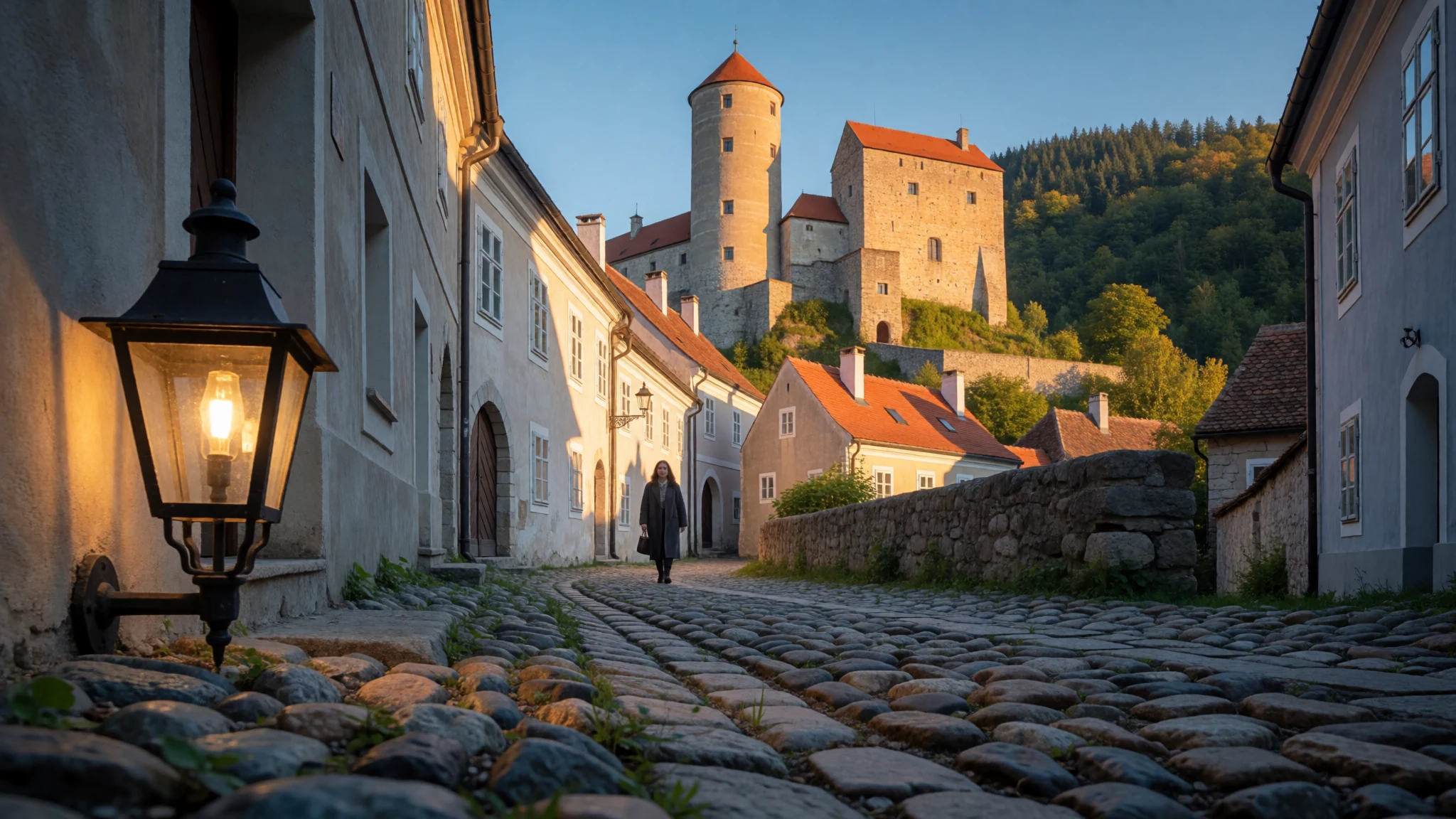
Celje is a calm Slovenian river town where Roman streets, a medieval comital castle and café-lined lanes sit within an easy walk.
The place
Celje sits in the lower Savinja Valley in eastern Slovenia, where four rivers meet: the Savinja, Hudinja, Ložnica and Voglajna. The old town lies directly beneath the ruins of Upper Celje Castle, and the wooded hill behind it gives the place a compact, enclosed feel. With about 37,000 people, it is the regional centre for Styria, the traditional province of this part of the country, and the seat of its own urban municipality. The town stands about 238 metres above sea level, low enough for warm summers and cool, often grey winters, in the oceanic pattern that climate maps label Cfb. Its position explains much of its history. Roads linking Ljubljana, Maribor, Velenje and the Central Sava Valley cross here, and the A1 motorway and the main railway line between the capital and Maribor run along the same corridor. That makes Celje a town people often pass through rather than aim for, which is a pity, because it rewards a slow day. The centre is largely pedestrian, with façades from several centuries, cafés spilling onto the streets and cobbles in places. The mood is sleepy rather than polished: few queues, few tour groups, and a local rhythm of shopping, coffee and football. The German name, Cilli, still turns up on old maps and in family histories, a reminder that this was long a Habsburg borderland where Slovene and German speakers lived side by side.
Its story
Celje has been settled since the Hallstatt era, and Celtic communities here were known to Greek writers as Kelea; finds suggest they minted their own Noric coinage. Rome absorbed the area in 15 BC, and the town became Celeia, a prosperous colony with walls, towers, marble houses and broad squares. Its wealth earned it the nickname of a small Troy, and a road through it linked Aquileia with Pannonia. Slavic tribes razed the city during the Migration period, but the site was resettled, and a chronicle written at Admont abbey in the early twelfth century gives the first medieval mention, as Cylie. The town's golden age came with the Counts of Celje, who ruled from here between 1341 and 1456 and rose to princely rank in 1436. Count Frederick II granted formal town privileges in 1451, the date Wikidata gives for the town's founding. When the dynasty died out in 1456, the Habsburgs inherited the lands and ran them through the Duchy of Styria. Walls and a moat followed in 1473. The townspeople held off Ottoman raids, and in the peasant revolt of 1515 rebels seized the Old Castle. Many local nobles turned Protestant in the Reformation, but the region returned to Catholicism afterwards. In 1846 the Vienna–Trieste railway brought its first trains through Celje, tying the town to the wider empire.
What to see
- Stari Grad (Old Castle) — Hill above the old town
Celje's ruined castle crowns the hill above the old town and is the best place to understand the layout of the valley. The Counts of Celje were its masters, and the walls, towers and a tall keep still stand. Wear proper shoes for the climb and check the official site for opening arrangements.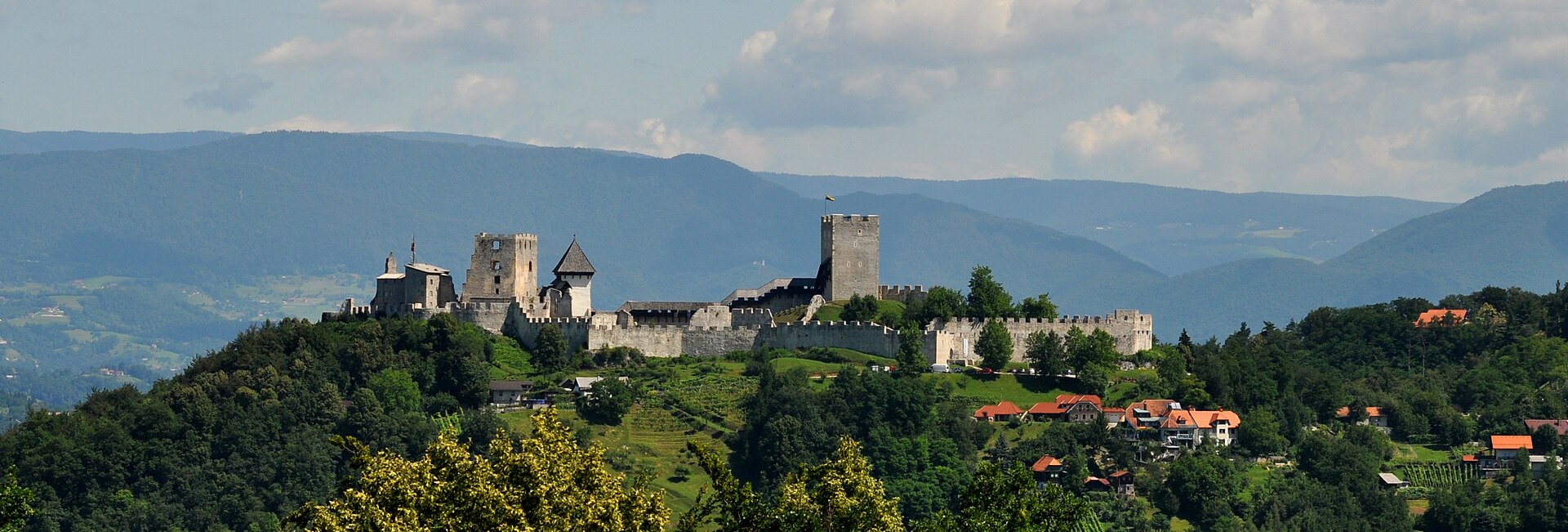
- The old town core — Pedestrian centre
The historic centre is small enough to cross in minutes, but it works best as a wander. Look for the original cobbled stretches, the two churches and the old quarter, where façades from different centuries stand shoulder to shoulder. It is quiet, so photography is easy and the pace unhurried.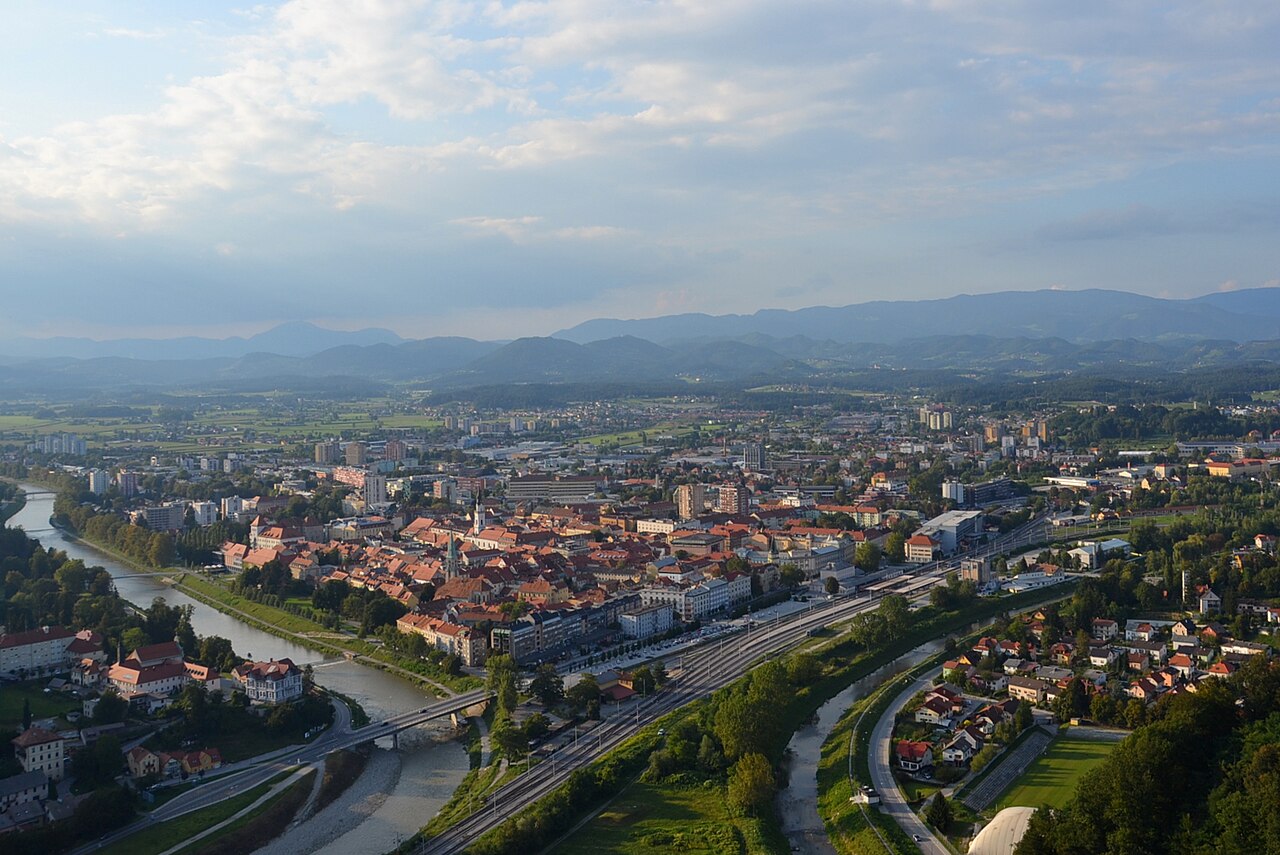
- Celje Regional Museum and Roman Celeia — Old town, Stara grofija area
The regional museum holds remains from the Roman town, including finds from graves and roads. Fragments of buildings and of the ancient walls also lie scattered through the streets, so the city itself is part of the exhibition. It makes a good rainy-day stop and puts the story of Celeia into focus.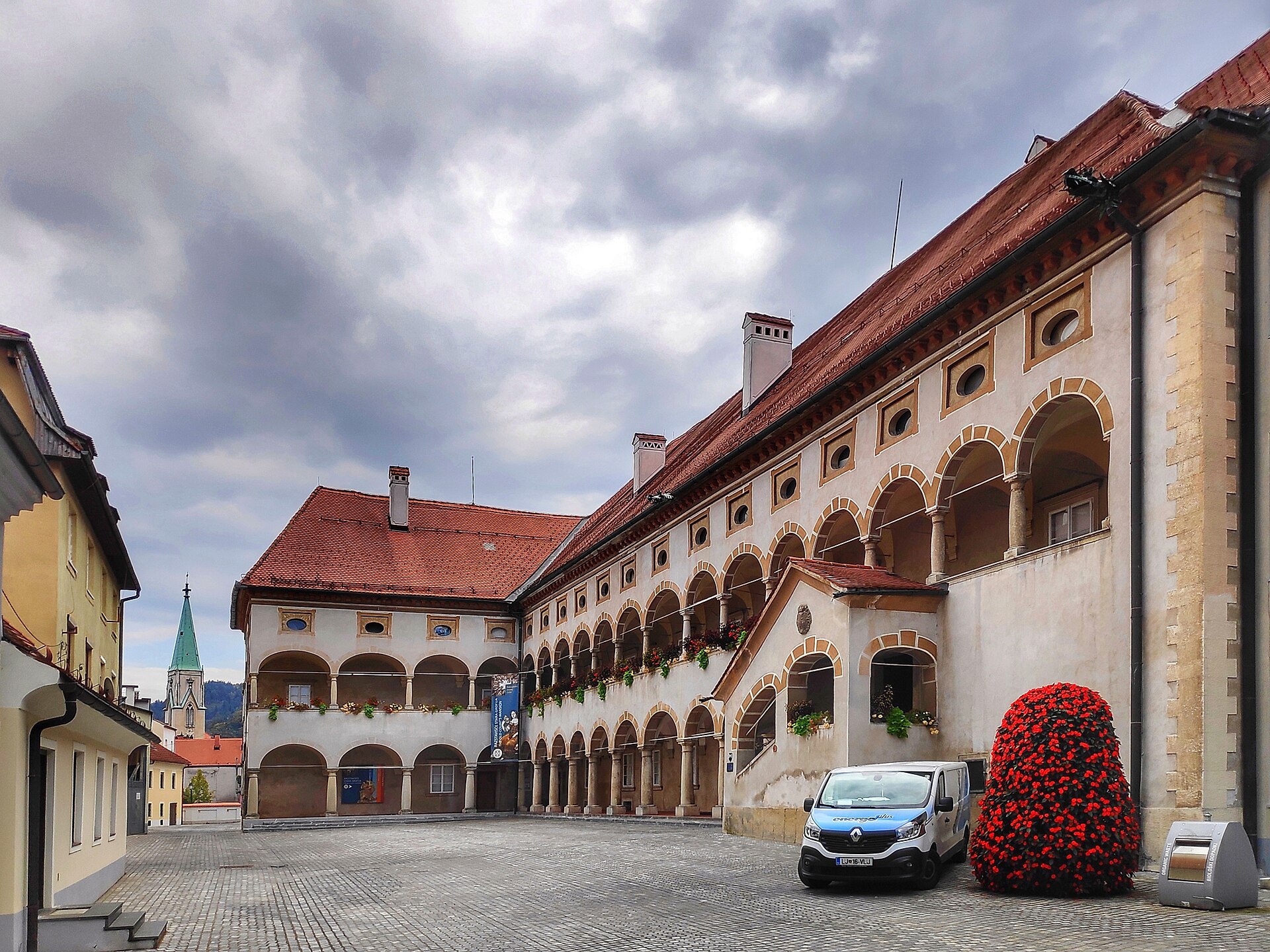
- Lemberg castle — North of Celje
Lemberg is a castle site north of Celje that suits travellers with a car and half a day to spare. It offers a quieter, more rural side of Styria than the town itself, with green hills around. Check the official tourism site for access before setting out. - Šmatinsko jezero — Just outside the city
This artificial lake just outside the city was built in the 1970s to hold back floodwater. It has since become a pleasant place for a stroll, a picnic or a gentle swim in warm weather. It is local rather than famous, and a good break after the sights.
Culture
Celje has a layered identity. For centuries it was a Habsburg town where German was the language of officials and trade, while Slovene was spoken in the surrounding countryside and, increasingly, in the streets. That tension left its mark on the buildings. The Celje National Hall, a late nineteenth-century Slovene cultural centre, is a statement of local pride, and the older Celjski dom shows the town's civic ambitions. Before them came the Counts of Celje, whose rise and extinction still shape local stories, and before the counts came Roman Celeia, whose stones surface in museums and street corners. Today the culture is quietly regional. Coffee is a long, unhurried habit, and Saturday mornings tend to belong to the market and the café terrace. Football matters more than visitors might expect, and the local club, NK Celje, plays in the top division. Churches remain part of the townscape rather than museums, and local people use them for worship. Slovenes are generally friendly and practical, and many people speak good English, though a few words of Slovene are always appreciated. In a church, keep your voice low, step back from any service in progress, and greet shopkeepers with a quick 'dober dan' when you walk in.
What to wear
Celje belongs to the Styrian dress tradition, and its folk costume draws on the same materials as the rest of Alpine central Europe: wool, linen and cotton, often with embroidered waistcoats, aprons, hats and tailored jackets. These outfits appear at folk festivals, village celebrations, choir performances and some weddings, rather than on ordinary days. Everyday clothing in Celje today is much like anywhere in central Europe: jeans, trainers, practical jackets and understated neat layers. People dress up a little for the theatre, concerts and restaurant evenings, but flashy clothing is rare, and comfortable, tidy casual wear fits in everywhere. Visitors should dress for the weather and the terrain. Summers are warm, so light cotton and a hat are sensible, while winters are cool and damp and call for a proper coat. A light waterproof is useful in any season, since the oceanic climate brings rain at any time. Wear sturdy shoes with grip, as the old town has cobbles and the path to the castle hill is uneven. For churches, cover bare shoulders and avoid very short shorts. Beach clothing belongs at the lake rather than in the town centre.
What to eat
- Štruklji — A traditional inn (gostilna) in or near the old town
Rolled dumplings of thin dough filled with cottage cheese, walnuts or tarragon, boiled or baked and served as a side or a sweet course. They are a staple of Slovene home cooking and appear on the menus of traditional inns. - Žganci — A country inn or gostilna around Celje
A rustic dish of buckwheat or cornmeal cooked into crumbly mounds and served with cracklings, sour milk or stew. It is simple, filling food from the farming tradition of the region, best eaten at a country inn. - Pumpkin-seed-oil salad — Restaurants and markets in town
Styrian cooks drizzle dark green pumpkin seed oil over salads, soups and even ice cream. The oil is nutty, deeply flavoured and slightly bitter. A simple green salad with it is a good first taste of local cooking. - Potica — Town bakeries and the weekly market
A rolled yeast cake spiralled with walnut filling, and a festive favourite across Slovenia. It is sold as a slice in bakeries and is a good companion to coffee in the afternoon. - Coffee and cake — Cafés in the pedestrian precinct
Café culture is part of daily life here, with strong coffee, local cakes and long conversations. Sit at a terrace in the pedestrian precinct and let an hour pass. It is the easiest way to see how the town lives.
Plan it
Best time. May–June and September–October, when the oceanic climate is mild, the terraces are open and the castle hill is pleasant to climb. Summer can be warm, and winter is cool and often grey.
How long. 1–2
Getting there. Arrive at Ljubljana airport and catch the Maribor-bound train; Celje sits on that route, serving it with trains every 30 minutes on workdays. Driving is an option too, roughly an hour from either city via the A1 motorway. The old town is a short walk from the station.
Budget. mid
Tips
- Give the old town a slow morning and the castle hill an afternoon
- Pack a light waterproof, since rain can arrive in any season
- Check the official site, celje.si, for castle and museum opening arrangements
- Carry some cash for small cafés and market stalls, though cards are widely used
- Combine Celje with Ljubljana or Maribor on a day trip, since it sits roughly halfway between them
Etiquette
- Greet shopkeepers with a quick 'dober dan' when you enter
- Keep voices low in churches and stay clear of services
- Wear sturdy shoes on the cobbles and the castle path
Nearby
Sources
- Wikidata Q1012 (CC0)
- Wikipedia: Celje (rev 1378527674) (CC BY-SA 4.0)
- Wikivoyage: Celje (rev 5397201) (CC BY-SA 4.0)
- Photo: Staro mestno jedro Celja leta 2016 (Pv21) (CC BY-SA 4.0)
- Photo: View of Celje (Bernd Thaller) (CC BY 2.5)
- Photo: Celjski dom (Reisevogel) (CC BY-SA 4.0)
- Photo: Celje - Stara grofija (Petar Milošević) (CC BY-SA 4.0)
- Photo: Assumption of Mary Church, Celje (Janezdrilc) (CC0 1.0)
- Photo: Celje National Hall (Krzysztof Golik) (CC BY-SA 4.0)
- Photo: Celje Castle as seen from Pečovnik (Smihael) (CC BY 3.0)
- Print: Vischer, Topographia Ducatus Stiriae, Cilli – Celje (Public domain)


