Castel Gandolfo
Castel Gandolfo, Italy
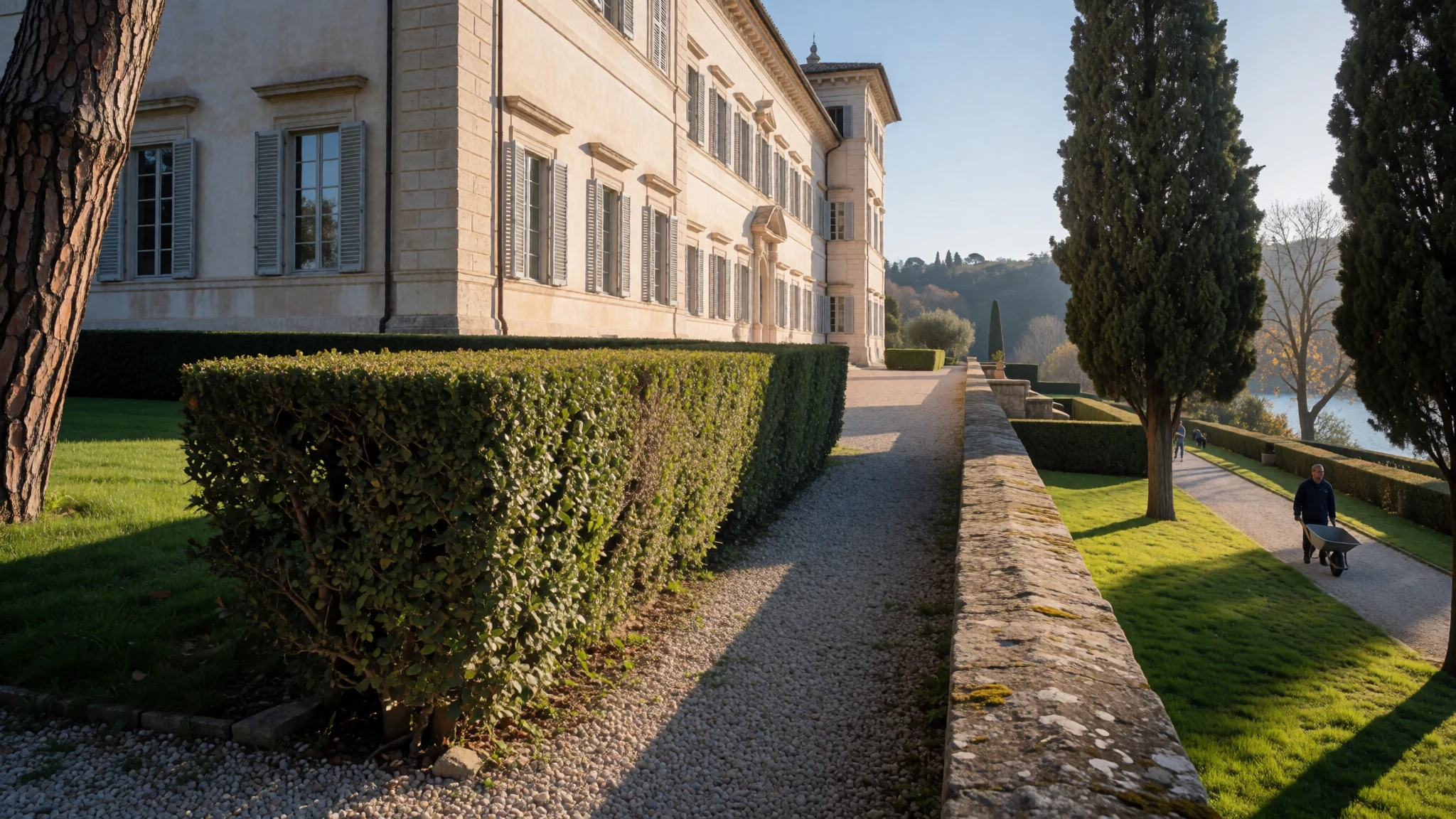
Castel Gandolfo is the pope's hilltop summer retreat above Lake Albano, a cool, quiet day out from Rome with a lake walk and palace gardens.
The place
Castel Gandolfo sits on a ridge above Lake Albano, in the Alban Hills south-east of Rome, on the north-western edge of the area known as the Castelli Romani. The town is small and tightly packed. Its lanes gather around a main square with the papal palace along one side, and the ground drops steeply to the water below. The palace is the reason most people come. It is a seventeenth-century villa standing in large gardens, with a working farm and an astronomical observatory in the grounds, and for centuries it has served the pope as a place to escape the city's summer heat. The whole complex belongs to the Holy See rather than to Italy, an arrangement fixed by a treaty between the two. The main palace is open to visitors as a museum. The complex has resumed its summer role for the pope, who stays at Villa Barberini, so the official Vatican State page should be checked before any trip. Even with the palace doors closed, the town repays an afternoon: the square, the lanes that lead down towards the lake, the views across the water to the wooded crater rim opposite. The air is cooler than in Rome, which is the old reason popes came, and day-trippers still come for the same relief in July and August. Weekdays outside summer are quiet. Crowds build when a papal blessing is announced for the square.
Its story
Castel Gandolfo's story reaches back to imperial Rome, because the palace gardens cover the grounds of a villa that belonged to the emperor Domitian. A medieval castle later stood here, and the Vatican took it over in 1596 when the Savelli family could not repay a debt. The present palace came a generation on. Carlo Maderno, an architect born in Switzerland and working in Rome, designed it for Urban VIII, who stayed there for the first time in 1626. About half of his successors have followed the habit. The long gap came after 1870, when the popes and the Italian state fell out over territory and the pontiffs stayed inside Vatican City. The Lateran Treaty of 1929 settled the dispute and made the palace and the neighbouring Villa Barberini the property of the Holy See. Pius XI modernised the buildings and began using them again in 1934. The place also has a graver chapter. In 1944 people sheltered in the grounds from Allied bombing, and many died when the area was hit. Jewish refugees were also given shelter there during the war. Two popes died here, Pius XII in 1958 and Paul VI in 1978. In 2013 Benedict XVI came to the palace on the day he stepped down, and Francis chose not to spend his summers here, which led to the main palace opening as a museum.
What to see
- Papal Palace — Piazza della Libertà, town centre
The seventeenth-century palace fills one side of the town square and is the most recognisable building in Castel Gandolfo. From outside, the plain, pale façade and the long frontage onto the piazza are easy to appreciate. Interior access has varied over the years, so check the official site for current arrangements.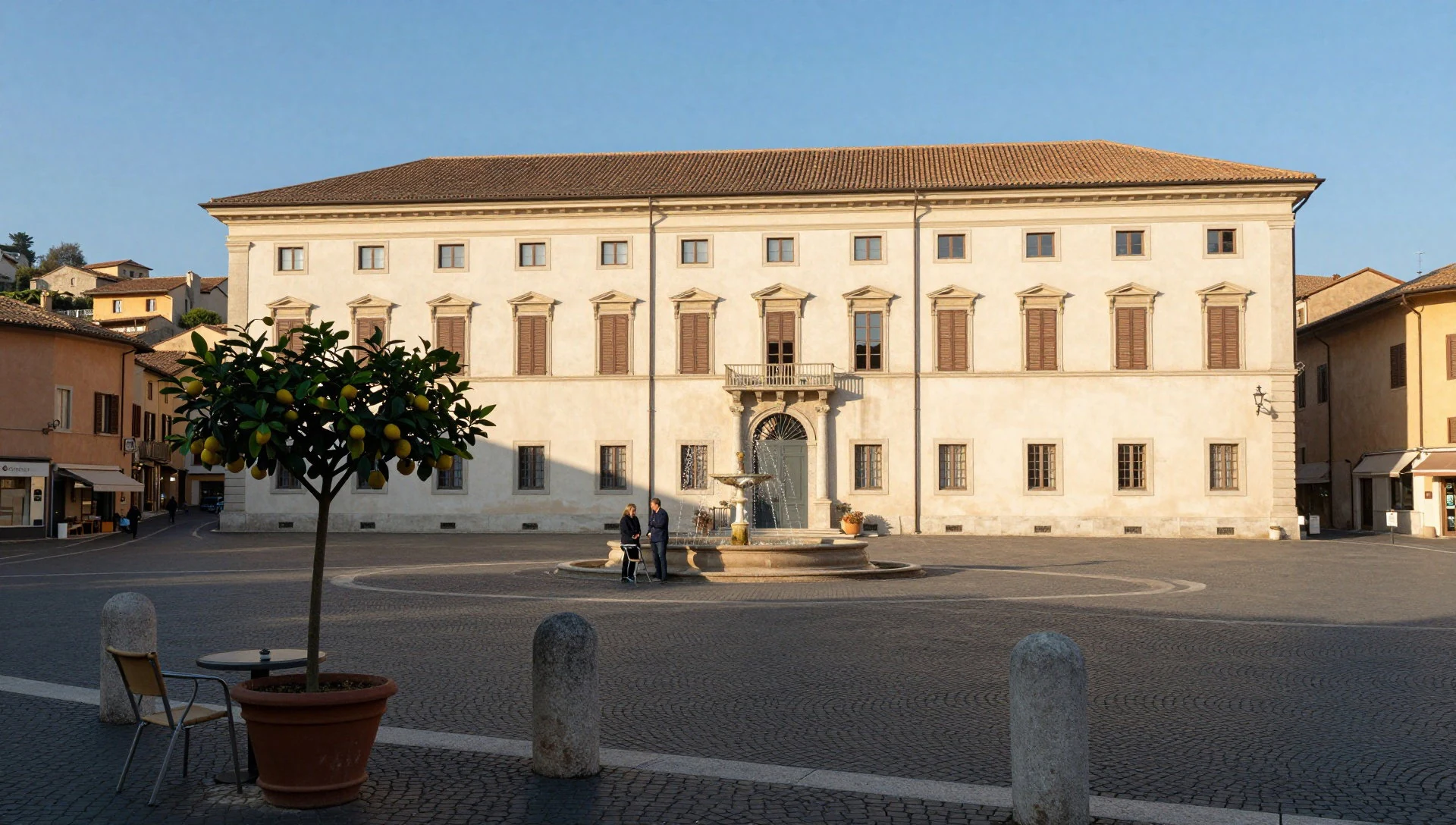
- The town square — Town centre
The square is the town's living room: a fountain, a church, cafés and the palace front. Old engravings show it much as it looks now, with the church opposite the palace. Come early or late for a quiet look, and linger in the lanes leading off it.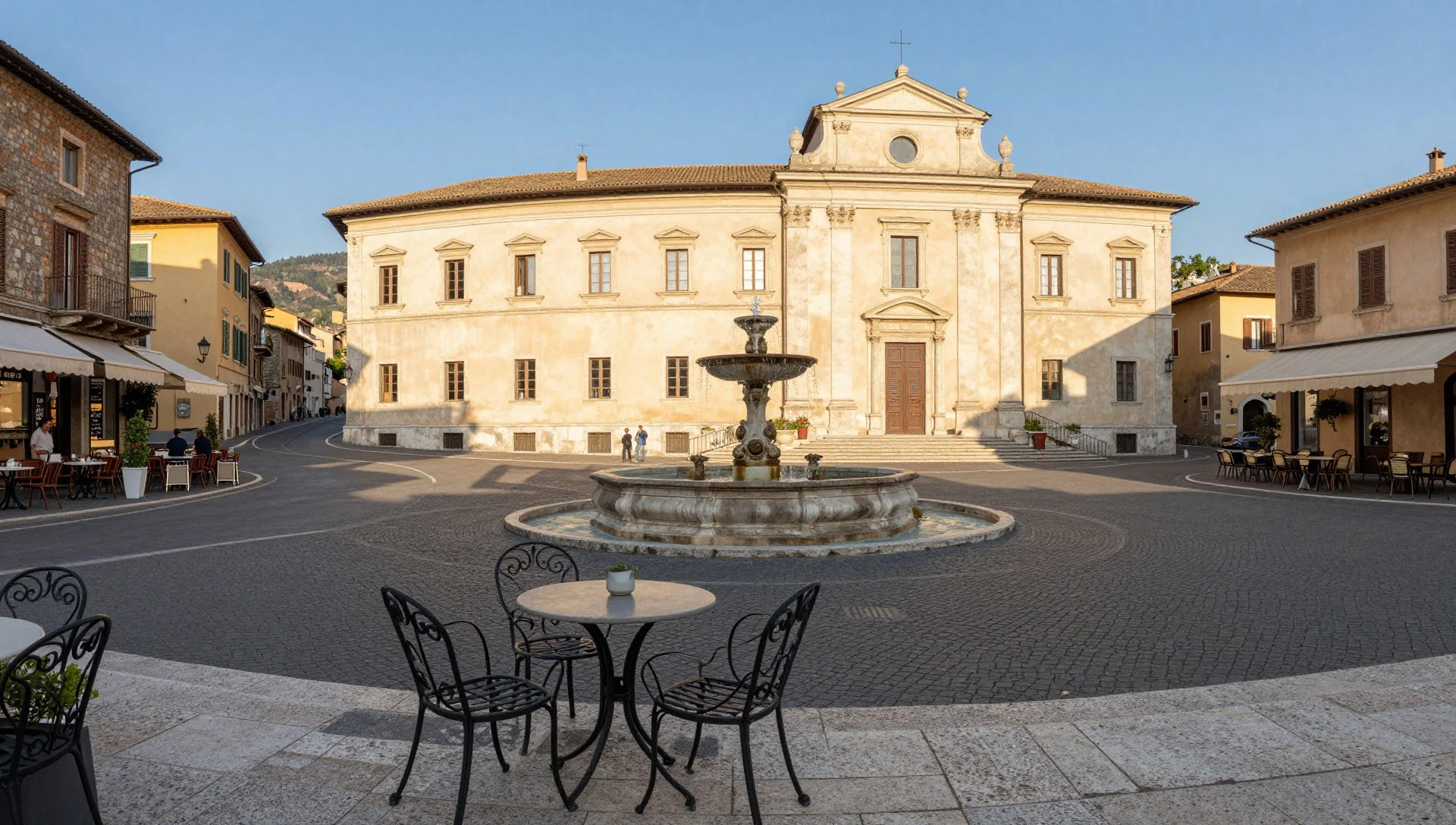
- Vatican Observatory domes — On top of the palace
The observatory's telescopes were used here from the 1930s until the 1980s, and have since moved to Mt. Graham in Arizona. The telescopes are not a visitor attraction in the usual sense, but the observatory's history is worth knowing when you visit the palace.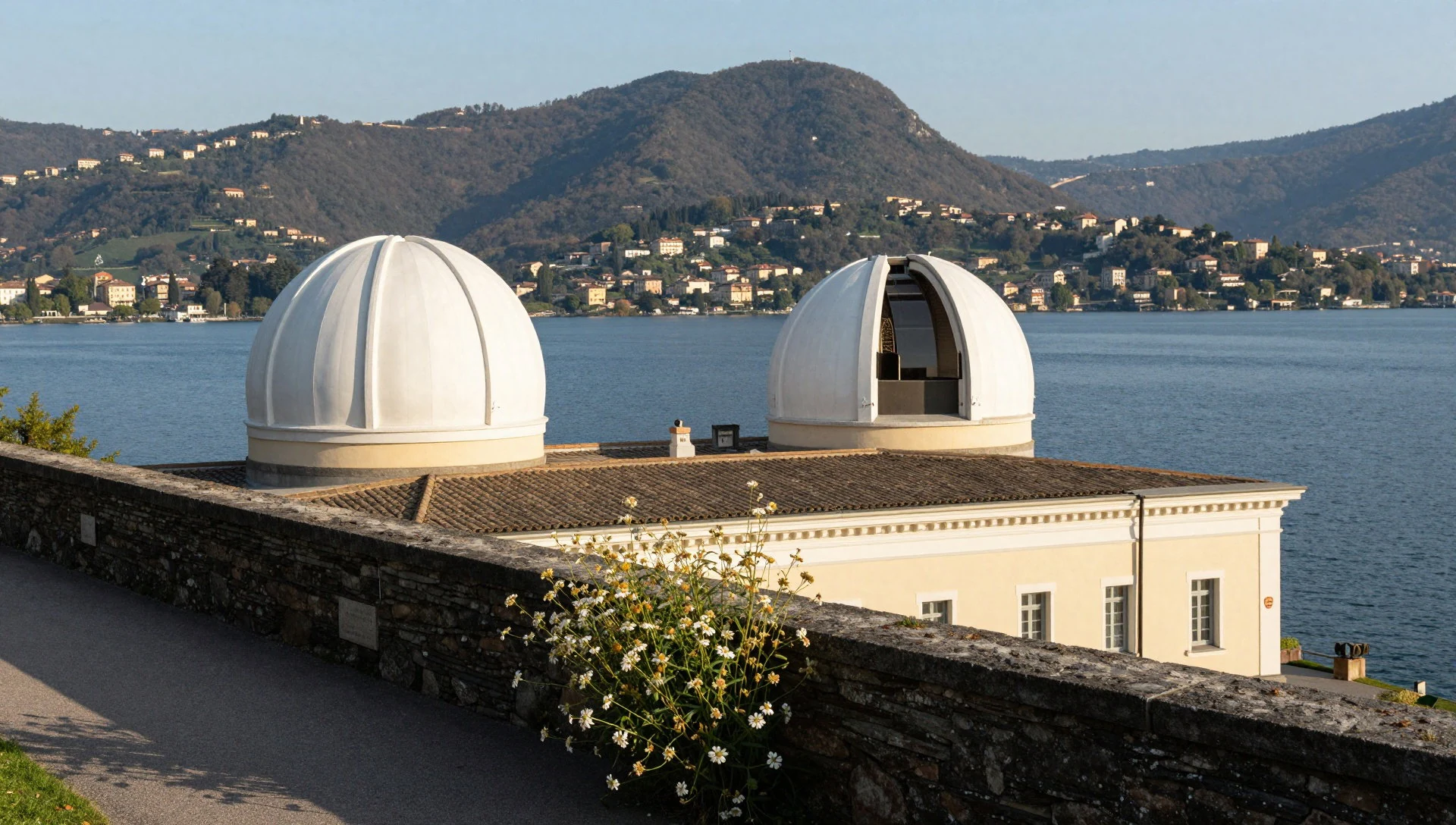
- Barberini Gardens — Beside the palace
Villa Barberini and its gardens were added to the papal estate in the twentieth century. Some years ago they were opened to escorted visits on mornings other than Sunday. Arrangements may have changed since, so check the official site, and expect clipped hedges, old trees and views over the lake.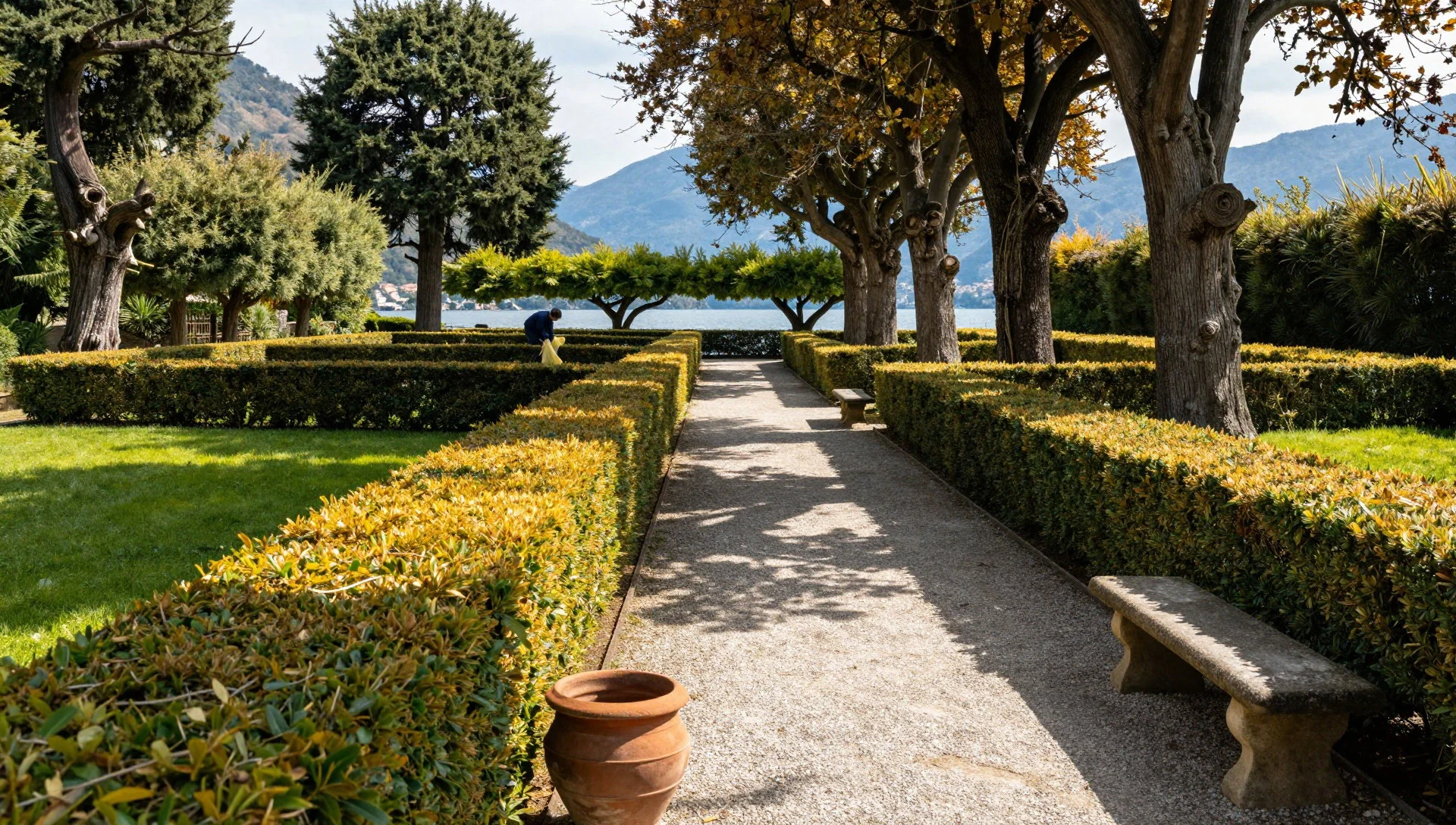
- Lago Albano — Below the town
The lake fills a volcanic crater, and a path runs right round it, mostly along the road with a few stretches on rough track through woodland. Swimming is possible, with small beaches of dark volcanic sand. It is good for a slow walk, particularly in the cooler months.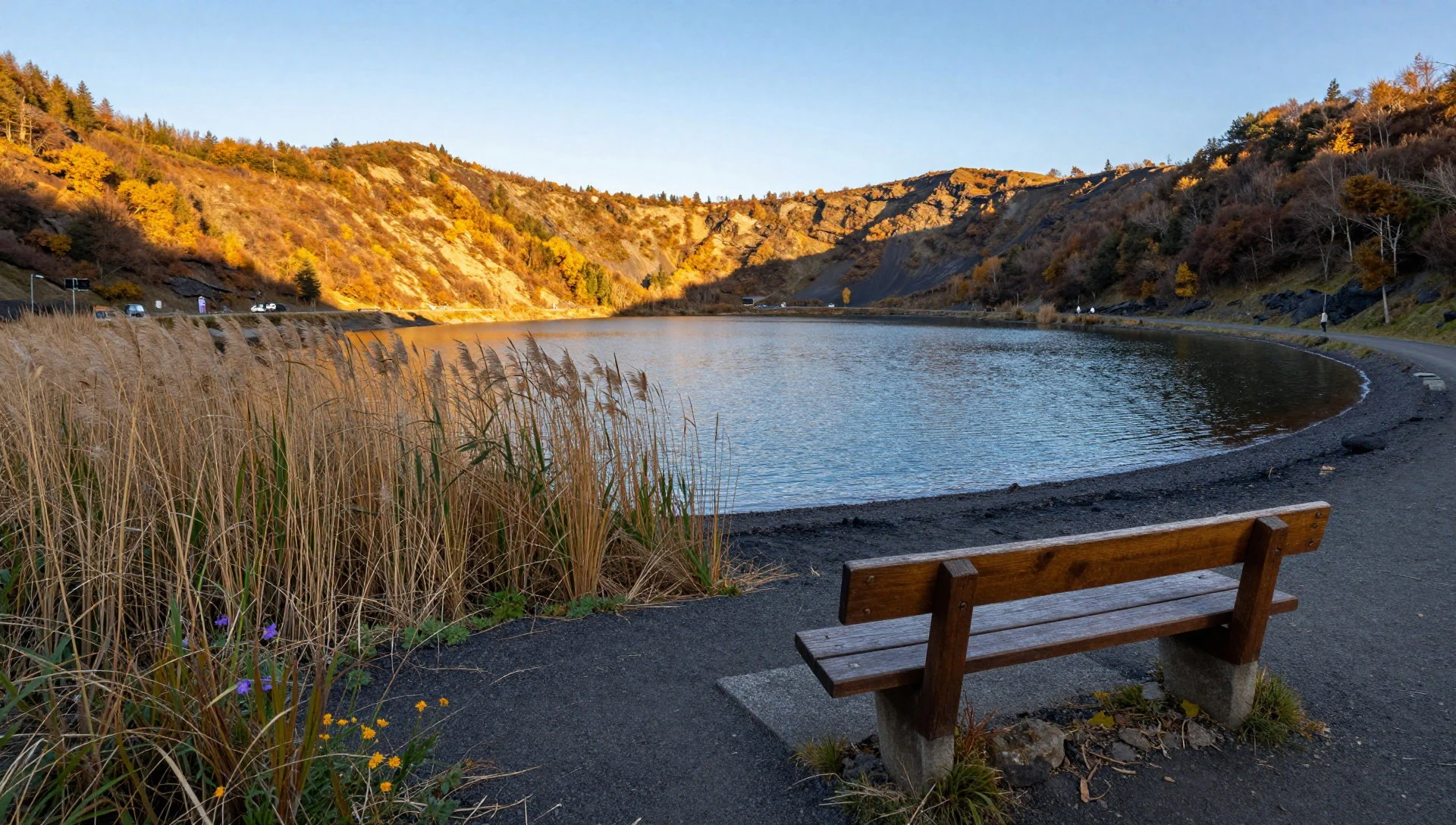
Culture
Castel Gandolfo carries a double identity: a small Italian hill town with its own bakers, church bells and Sunday lunches, and an outpost of the Catholic Church. The papal link shapes the calendar. When the pope is in residence, or leads a prayer from the palace window, the square fills with pilgrims, flags and cameras, and the mood turns quietly devout. At other times the town goes about its business, and residents have a settled, unhurried relationship with the palace on their doorstep. Rome's Castelli Romani villages share a strong eating-and-drinking culture, with long weekend lunches and local wine, and families from the city drive up for exactly that. The lake adds a leisure side: walkers, swimmers and rowers use it much as they did before the popes arrived. Religion here is lived rather than staged. Church doors stay open for prayer, and visitors who step in are welcome if they behave as worshippers would. Because the grounds are Holy See property, security staff and police are visible, and rules about photography and access inside the estate are enforced politely but firmly. Dress modestly in the church and in the palace precinct, keep your voice low when a service or blessing is under way, and follow the instructions of the guards without argument.
What to wear
Castel Gandolfo has no everyday traditional costume. Italy's regional dress survives mostly in festivals, where towns of the Lazio hills bring out embroidered bodices, wool skirts, linen aprons and headscarves, and these are worn on feast days rather than in the street. The clearest example of formal dress here is clerical: the pope's white cassock, made in wool or silk and worn for public appearances, is part of why the palace feels distinct from other Alban Hills towns. Day to day, locals dress as people do around Rome: neat, casual and a little polished, with linen shirts, light trousers, loafers and sunglasses in summer, and wool jackets and scarves in winter. Visitors should plan around three things. Summer is hot, so breathable cotton or linen and a sun hat help. The town is hilly with cobbled and sloping lanes, so wear shoes with grip, and trainers or sturdy sandals suit the lake path. Churches and the palace precinct expect covered shoulders and knees, so carry a light shawl or overshirt for visits. In spring and autumn evenings turn cool on the ridge, and a layer is worth packing.
What to eat
- Frascati wine — Trattorie in the town and wine bars in Frascati
The white wine of nearby Frascati is the standard accompaniment to lunch in the Castelli Romani. It is dry and light, and it goes with salty cured meats and roast pork. Ask for it by the glass or carafe at a trattoria or a wine bar.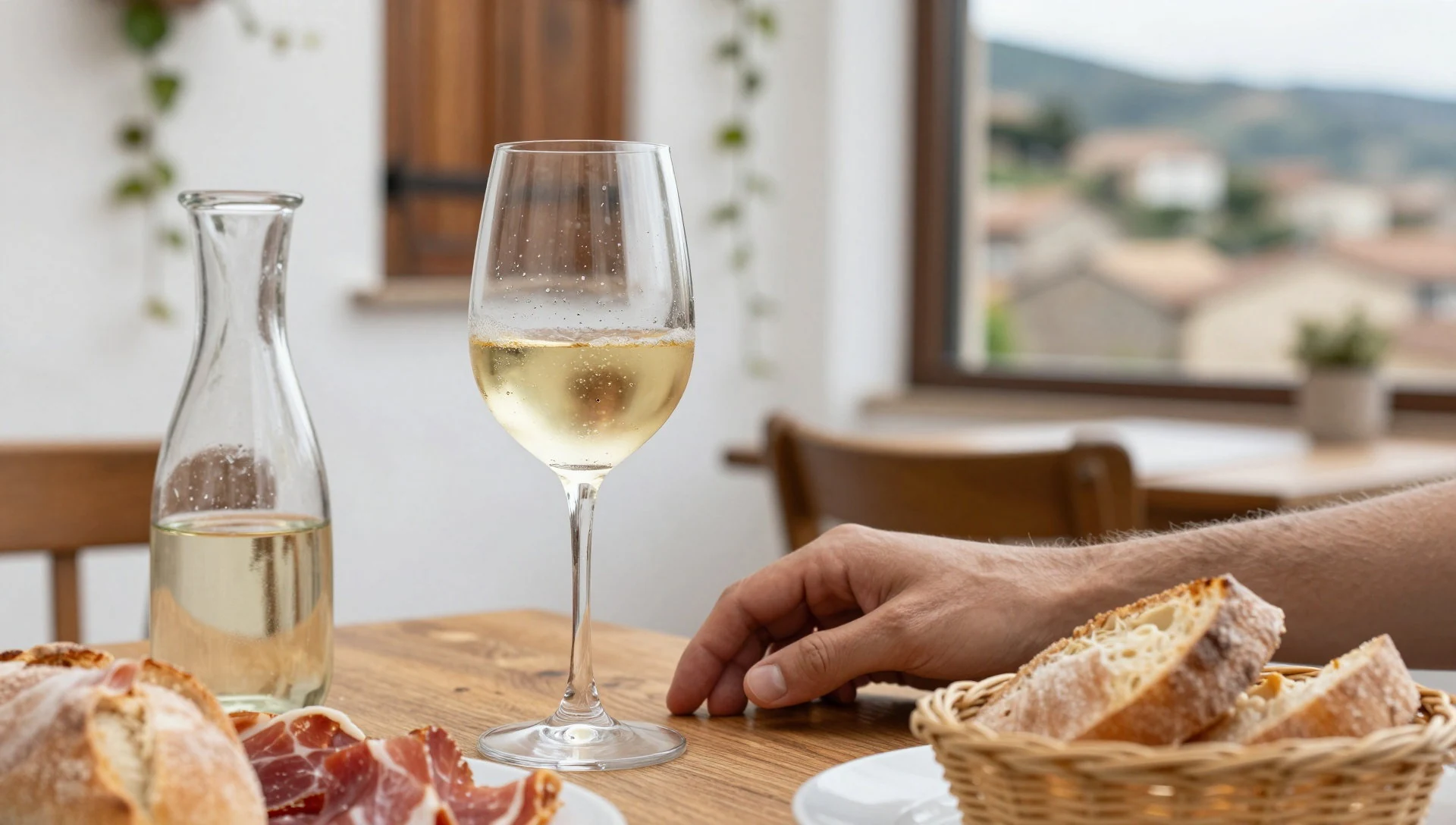
- Porchetta — Delis, market stalls and roadside vans in the Castelli Romani
Roast pork seasoned with garlic, herbs and plenty of salt, sliced thick and served in a bread roll or on a plate. It is a staple of the hill towns around Rome, and a roll makes an easy lunch on a lake walk.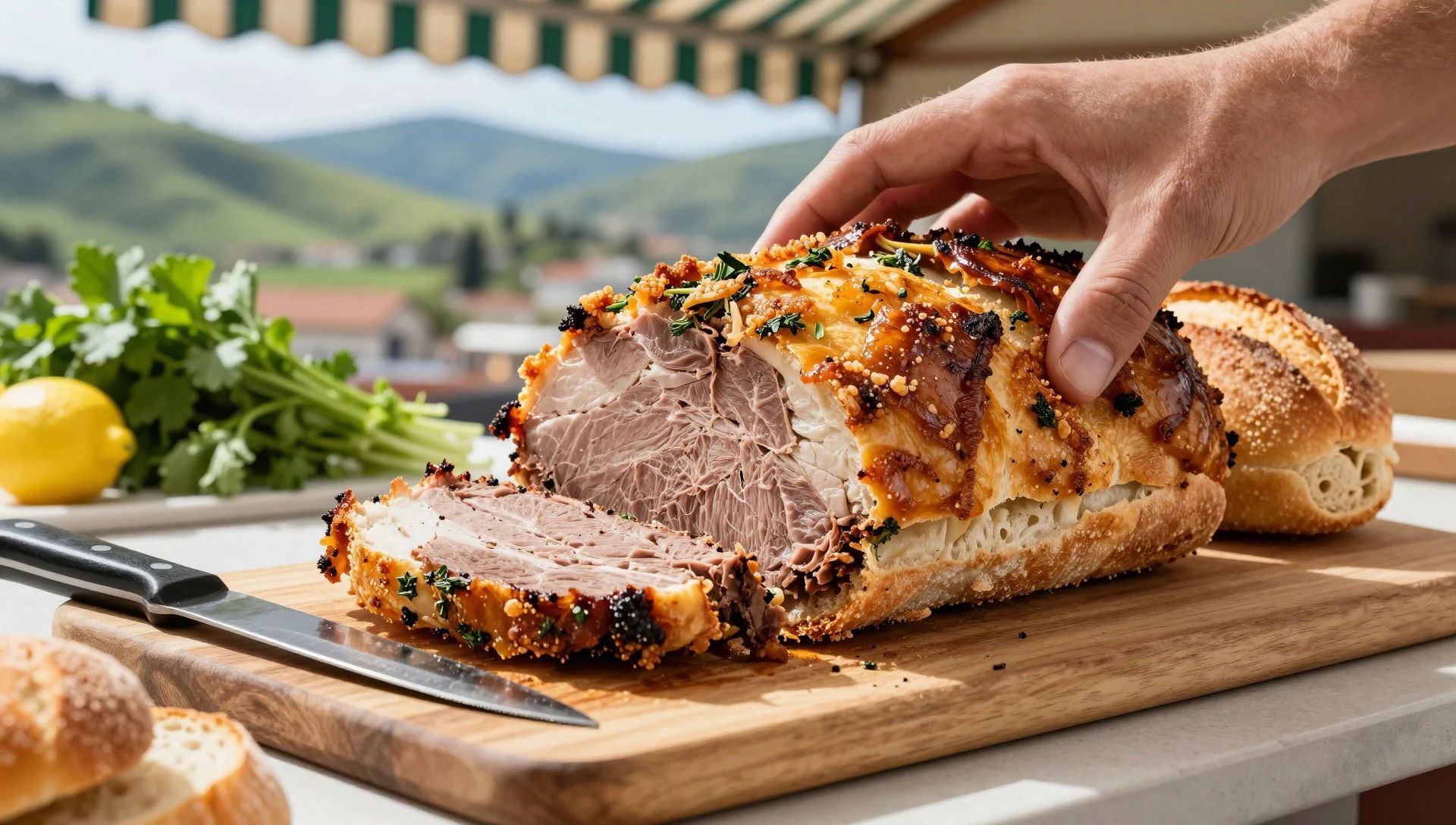
- Cacio e pepe — Family trattorie around the square
A Roman pasta of pecorino cheese and black pepper, with nothing else but starchy cooking water to bind it. Simple, sharp and filling, it is on most trattoria menus here and is a good test of a kitchen. - Fresh lake and hill produce — Lakeside restaurants and small town eateries
Local greens, beans, mushrooms and seasonal fruit appear on menus in the hill towns, often simply cooked in olive oil. Order the contorno of the day and ask what is in season. - Ciambelle al vino — Town bakeries and pastry shops
Crisp, ring-shaped biscuits made with wine and sugar, a traditional Lazio sweet. They are dry enough to dunk in a glass of sweet wine or coffee, and they are sold loose by the bag.
Plan it
Best time. May–June and September–October: the weather is warm without being fierce, the lake path is pleasant, and the ridge stays cooler than Rome. July and August are hot and busier with day-trippers from the city, though the hill air helps. Winter is quiet and often damp.
How long. 1
Getting there. From Rome, trains run from Termini station to Castel Gandolfo but are infrequent, so check the timetable first. By road, follow the Appia Nuova out of Rome and turn up the hill a few kilometres after Ciampino Airport. Ciampino is the nearest airport, and most long-haul flights land at Rome Fiumicino.
Budget. mid
Tips
- Check the official Vatican State page (http://www.vaticanstate.va/content/vaticanstate/en/monumenti/castel-gandolfo.paginate.1.html) for palace and garden access before you go
- Arrive in the morning to avoid the midday heat and have the square to yourself
- Check the train timetable at the outset, since services are infrequent, and have a bus or car as backup
- Carry water and a hat for the lake walk, which is mostly on open road
- Pair the visit with Frascati, about 10 km away, for wine and Renaissance villas
Etiquette
- Cover shoulders and knees in churches and around the palace
- Follow guards' instructions on photography and access
- Keep quiet during any blessing or prayer in the square
Nearby
Sources
- Wikidata Q2739100 (CC0)
- Wikipedia, Palace of Castel Gandolfo (rev 1384361560) (CC BY-SA 4.0)
- Wikivoyage, Castel Gandolfo (rev 5349598) (CC BY-SA 4.0)
- Photo: Pontifical Palace of Castel Gandolfo, Livioandronico2013 (CC BY-SA 4.0)
- Photo: Prospetto della Piazza di Castello Gandolfo, Giovanni Battista Falda (Public domain)
- Photo: Pontifical palace and Vatican Observatory, H. Raab (CC BY-SA 4.0)
- Photo: Altra Veduta di Castello Gandolfo, Giovanni Battista Falda (Public domain)
- Photo: Veduta dalla parte del Palazzo e Giardino, Giovanni Battista Falda (Public domain)
- Photo: KSA Romebedevaart 1950 Castelgandolfo, Felici (Rome) (CC BY-SA 4.0)
- Photo: 1958 Pius XII blessing, Bram Luyten (CC BY 4.0)
- Photo: 1958 Pius XII, Bram Luyten (CC BY 4.0)


