Casbah of Algiers
Casbah of Algiers, Algeria
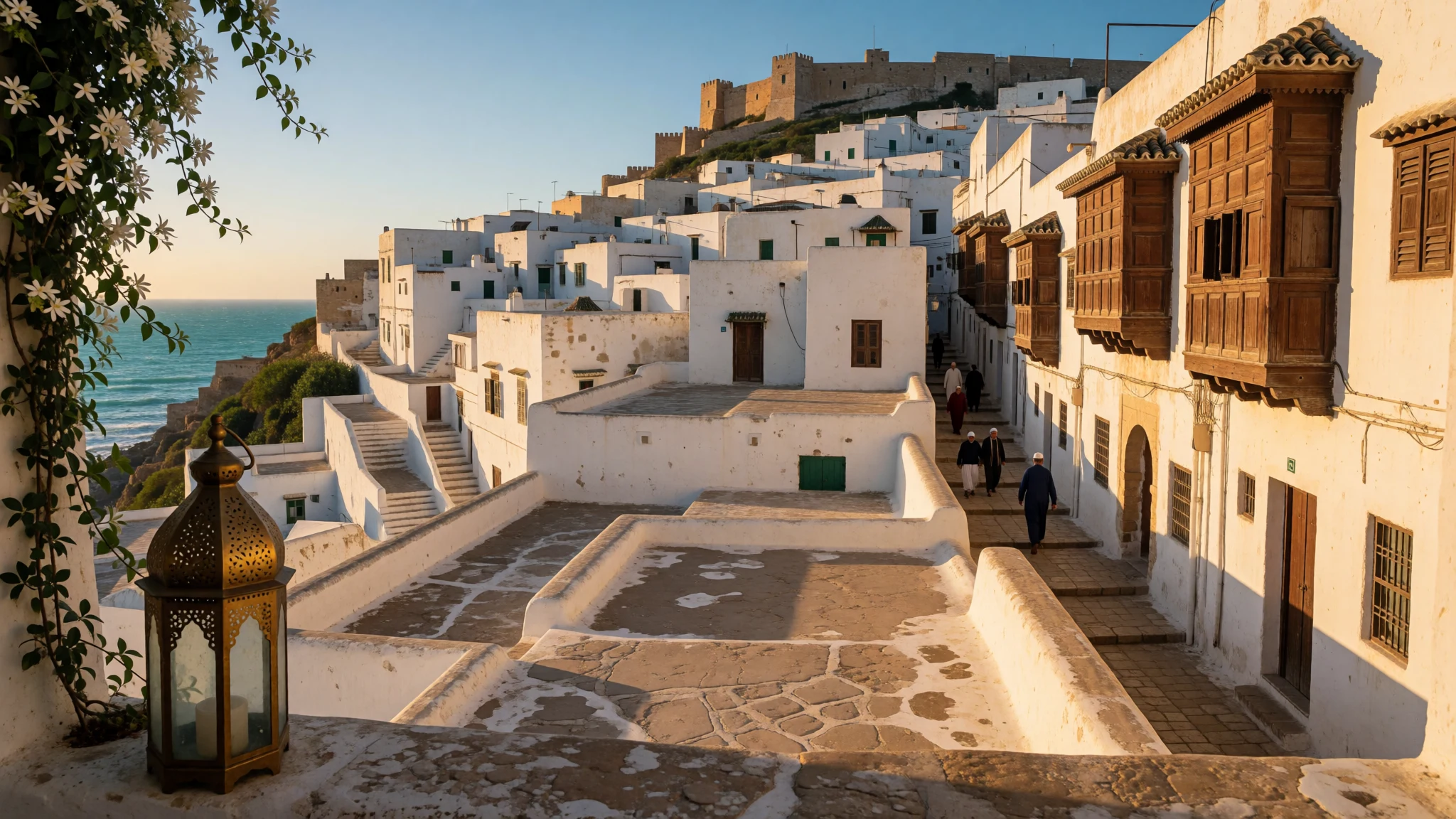
Casbah of Algiers is a living old town: winding medina streets, brasswork heritage, and layers of history tucked into tight hillside housing.
The place
Casbah of Algiers (often simply “the Casbah”) is the historic medina area that forms the older core of Algiers, with the citadel character that gives it its name. The place is shaped by old urban planning: narrow lanes, stone houses rising on slopes, and little pockets of daily life packed tightly together. It’s a citadel-and-neighbourhood rather than a single building, so the experience is less “tour stop” and more “maze you learn to read”.
The Casbah is also an architectural and cultural reference point for Arab-Berber medinas: a dense street network, small trade-specialised areas, and crafts that used to thrive within the neighbourhood structure. Today, the craft scene isn’t as robust as in its former heyday, but you can still feel the identity of the place through surviving workshops and the way streets funnel people towards markets and artisans’ front doors.
As a UNESCO-listed site, the Casbah is treated as heritage, yet it remains lived-in. That means you’ll see repairs, storefront changes, and the ordinary bustle of people moving between home, work, and errands. Crowds can be patchy: some lanes feel busy while others are startlingly quiet, and the atmosphere shifts hour to hour depending on prayer times and day-to-day rhythm.
Weather matters in Algiers: the best months are typically the milder periods you’d expect for a coastal city, while warmer conditions can make walking feel longer than it looks on the map. A good plan is to pair a slow exploration of lanes with a few anchor viewpoints and craft-focused stops so the place stays readable rather than simply labyrinthine.
Its story
Casbah of Algiers carries a long timeline in its stones, starting with the region’s deep past and layering into the present. The medina’s origins are tied to ancient settlement around Algiers—first as an established port, then through successive cultural horizons—before the existing urban framework took on the form associated with the Zirid era.
Even when particular prehistoric traces aren’t clearly visible within the Casbah itself, the surrounding Algiers Sahel shows habitation evidence, and the Casbah’s continuous urban occupation explains why earlier layers may be hidden under centuries of dense building. When you walk the lanes, it’s worth remembering that the street network is not random: it reflects how communities organised space for defence, trade, and daily movement.
The Casbah reached a notable high point when it functioned as the seat of political power during the Regency period, later losing some of that centrality when colonial administration and subsequent power centres shifted to newer parts of the city. That change didn’t erase the neighbourhood’s role in everyday life; instead, the Casbah kept a distinct identity.
Through periods of conflict and independence, the area also became a stronghold for independence fighters, reinforcing the Casbah’s symbolic weight in modern Algerian history. After independence, the neighbourhood remained part of the city’s lived fabric, though it did not return to the same central political role.
Today, the story you sense in the Casbah is not only about wars and dynasties. It’s also about artisans, specialised street rhythms, and a craft culture that shaped the place’s texture—plus the ongoing challenge of preserving that texture while the area adapts to modern life.
What to see
- Ruelle lanes (the medina texture)
In the Casbah of Algiers, the “what to see” starts with the ruelles—tight stone corridors, doorways at different heights, and glimpses of sky between buildings. Walk with your eyes up as much as forward; every bend reveals another small scene.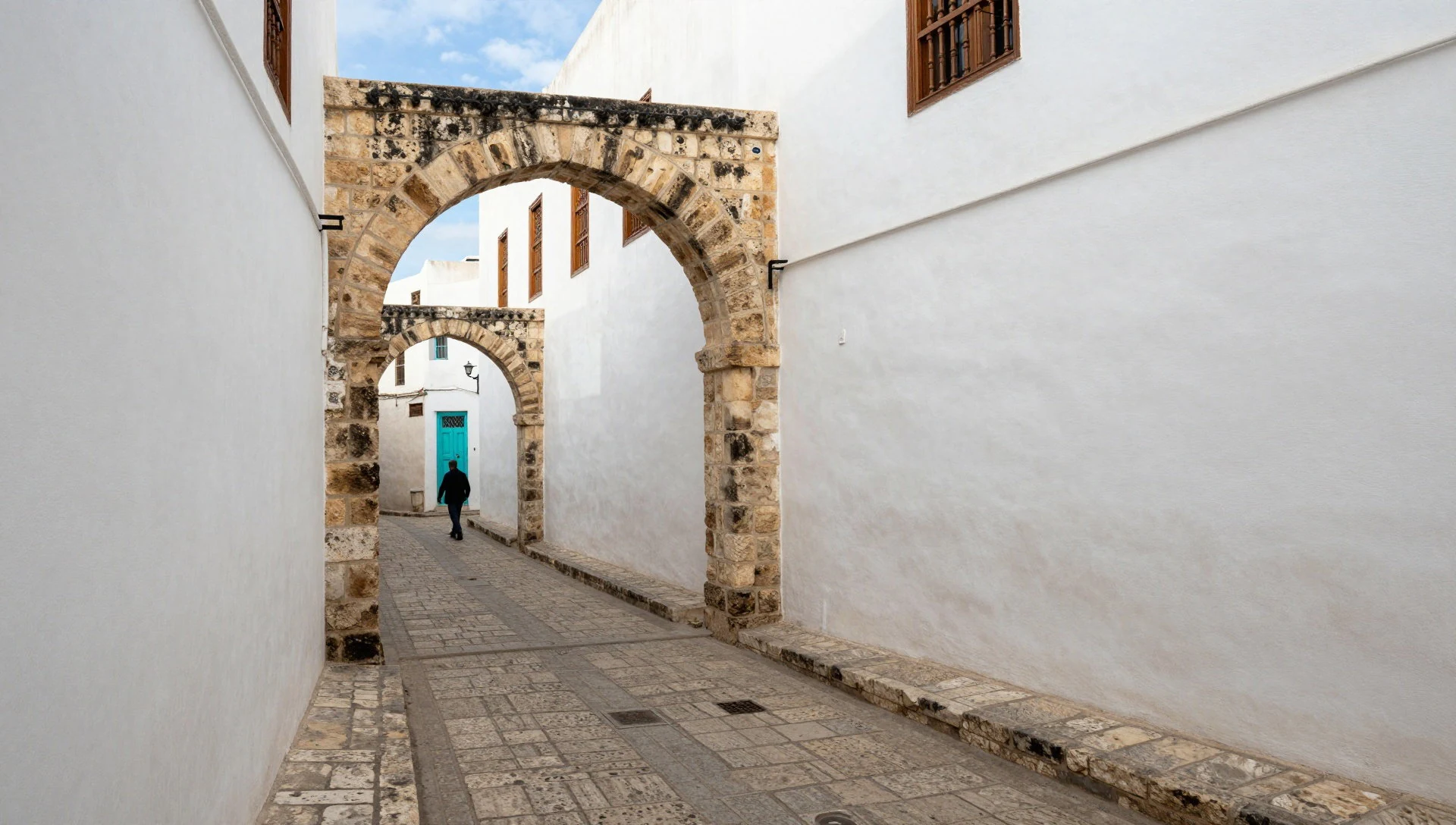
- Alger seafront viewpoints over the Casbah
From the waterfront, Algiers shows a clear contrast: blue harbour lines below, and the white-and-stone Casbah perched above. It’s a helpful way to understand the Casbah’s hillside setting before going back into the dense streets.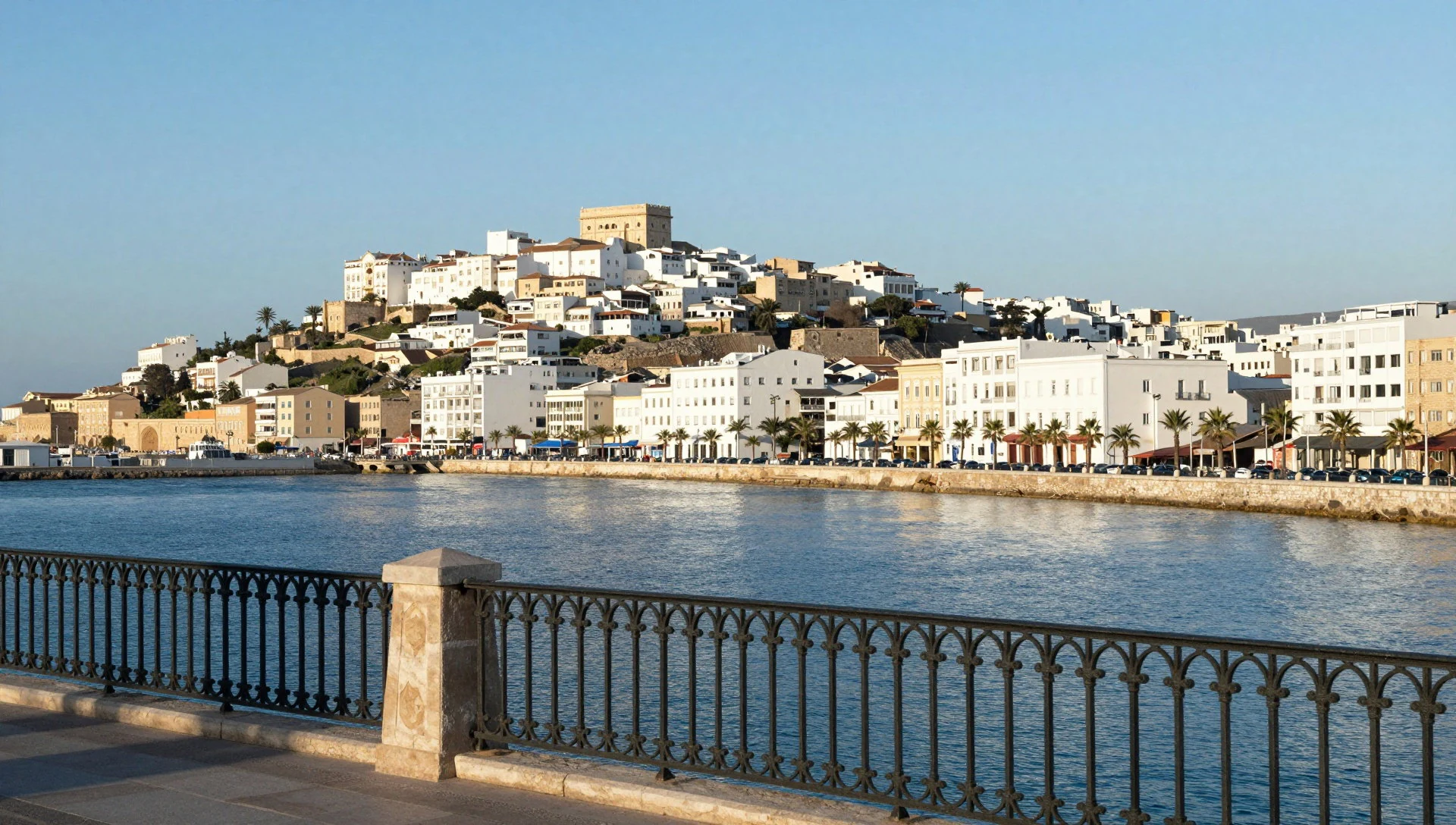
- Casbah plan & historic limits (orientation)
Use a Casbah map as a walking guide: the historic limits help explain why lanes feel enclosed and why certain streets lead into specific pockets of the medina. It also clarifies how the citadel concept relates to the wider old-town area.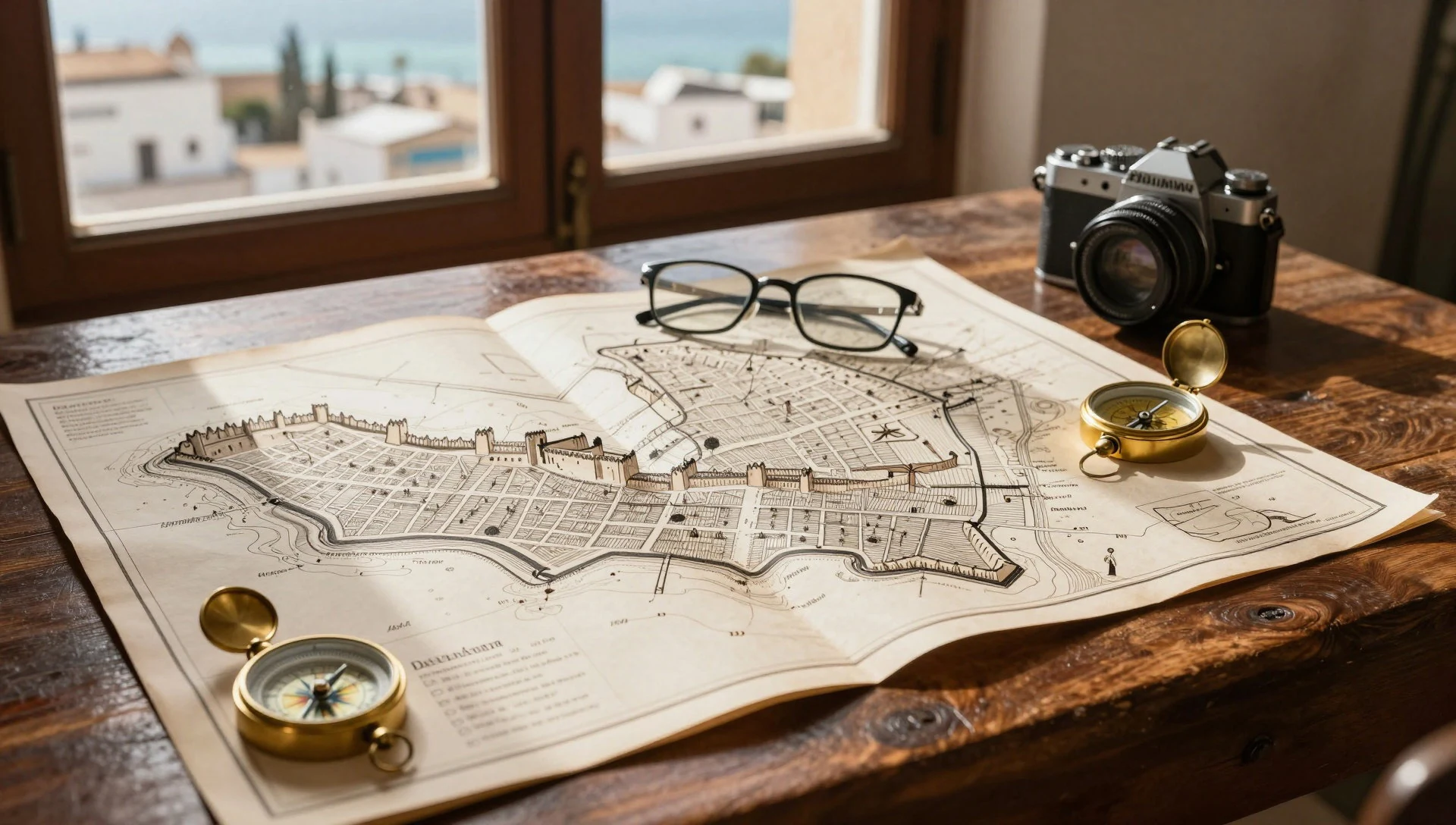
- Heritage streetscape & the organised city
In the Casbah of Algiers, the historic layout reflects how trades and community life were organised along narrow streets. Look for clusters of similar activity—craft fronts, gathering points, and the subtle transitions from residential calm to busy commercial edges.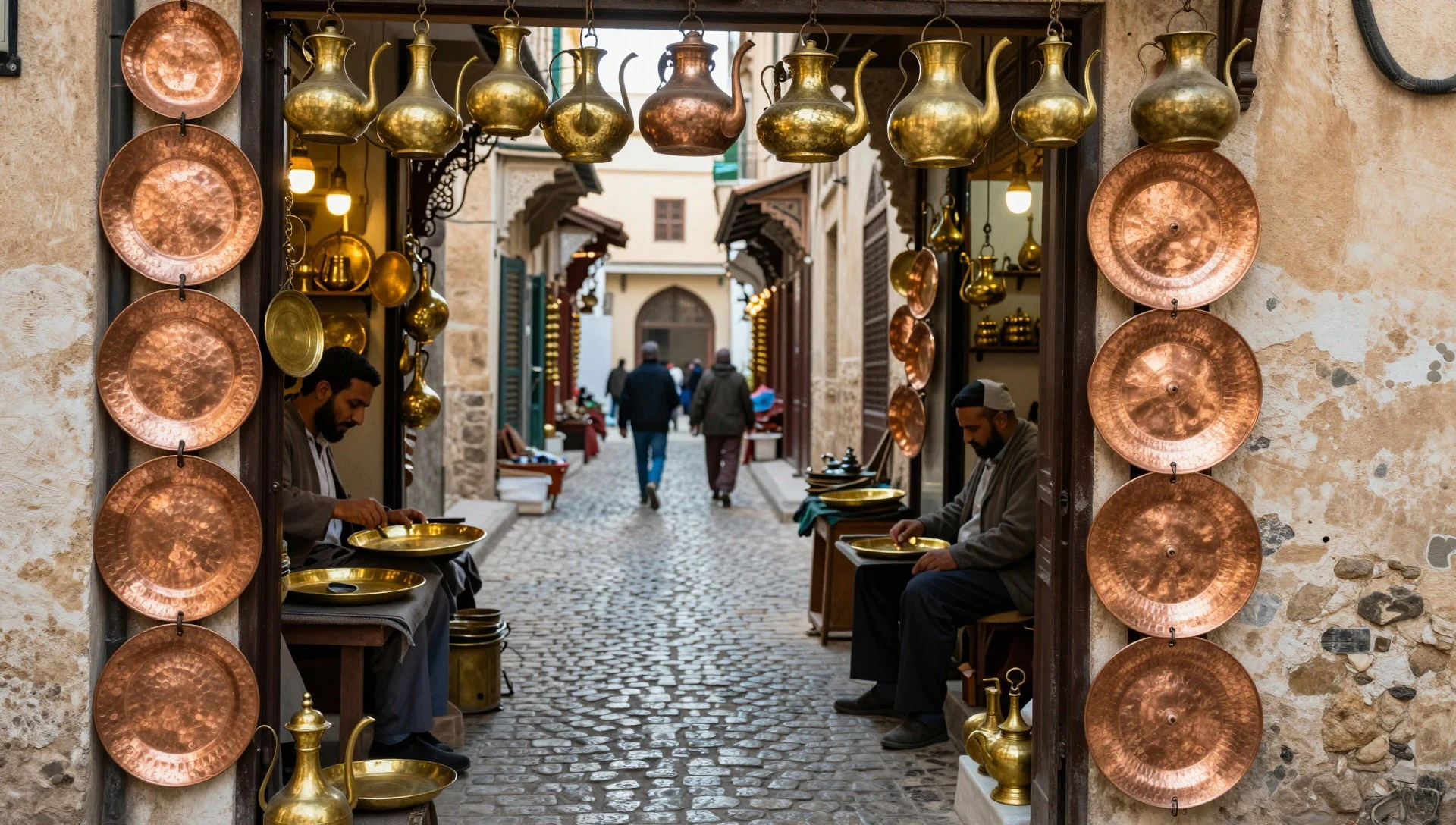
- Marine district: an antique well area
The Marine quarter includes a historically described “antique well” area, often linked with the older fabric of the neighbourhood. Even without digging, the value is in the context: this is where daily movement has layered on top of long settlement.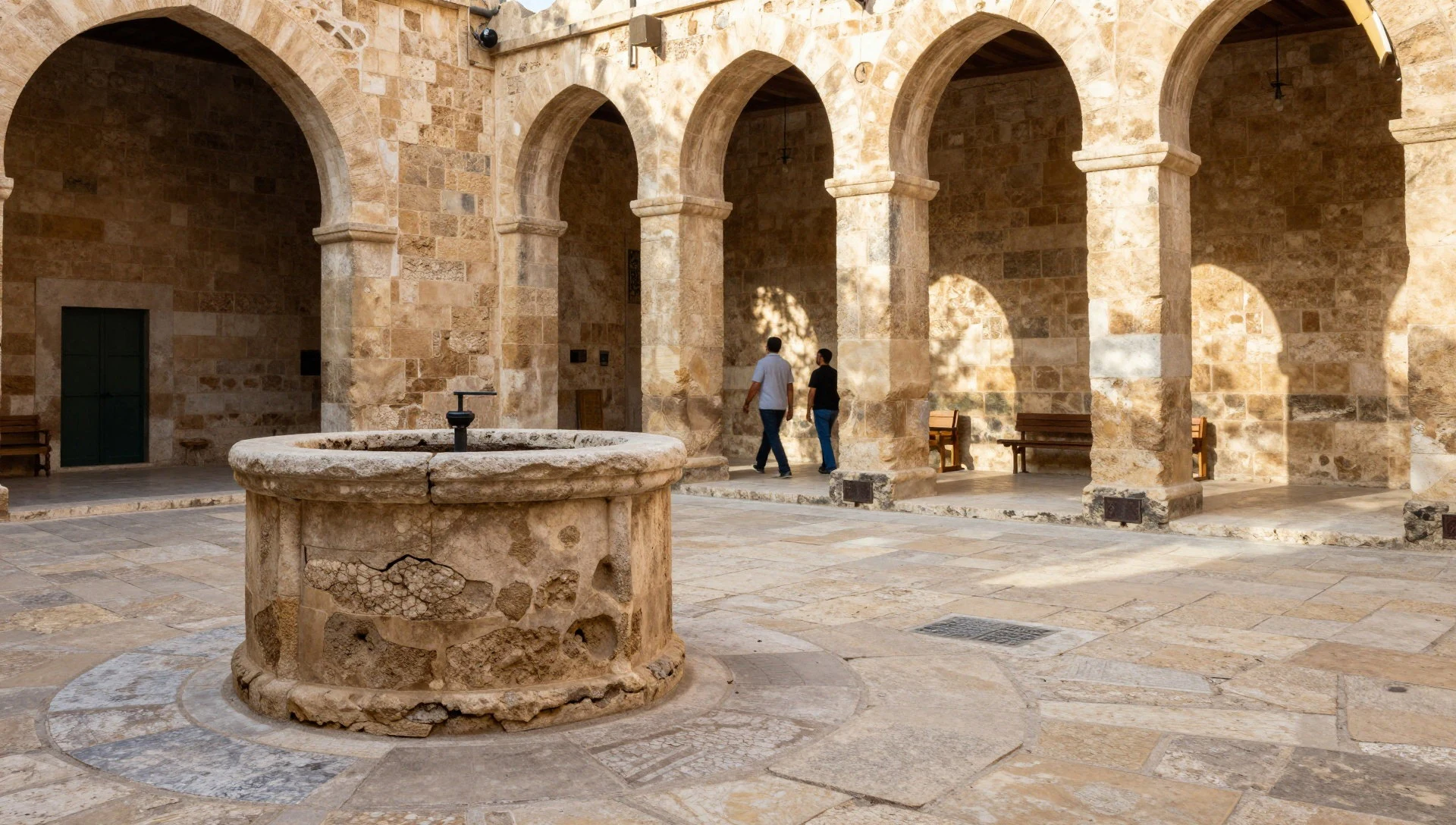
Culture
Casbah of Algiers is shaped by craftsmanship, even if the craft sector has faced decline. Traditional brasswork remains among the best-known legacies: brassworkers (dinandiers) historically produced objects such as richly decorated copper trays, incense burners, ewer-and-basin sets, tea pots, and conical-lid couscous steamers, often using geometric and floral motifs.
That heritage is tied to how the medina used to organise work: specialist districts and narrow lanes (often referenced as trade-focused streets) helped artisans sell directly within the neighbourhood. Today, those structures are still visible through the way streets support small workshops and display pieces—though manufactured goods and higher costs have increasingly shifted what people can buy.
Because the Casbah is a lived-in UNESCO site, visitors should expect more than “museum craft”. You’ll often be looking at ongoing small-scale work: conversations, producing, repairing, and setting out goods. If a shop keeps its door open, that doesn’t automatically mean everything is for sale at first glance; people may need time to answer questions or translate what they’re proudest of.
Try to engage respectfully: ask about materials and techniques, and show interest in the craft process rather than only bargaining for a finished item. Visitor etiquette matters most where workshops sit right in the flow of everyday street life.
If entering a workshop doorway or viewing craftsmen at work, keep noise low, ask before photographing people, and don’t block entrances while talking or filming.
What to wear
Casbah of Algiers has an everyday dress code rather than a strict uniform, but modesty still matters, especially when passing through places where locals are praying or gathering. Traditional North African brass-and-craft heritage is a reminder of older textures, yet what you’ll see now is a mix: many people wear modern clothing—T-shirts, long tops, jeans or trousers—alongside traditional garments.
Traditional dress in the wider Algerian context often includes garments such as a long robe (djellaba-style) and headscarves, with fabrics ranging from light cotton for warmer periods to heavier weaves when it’s cooler. Jewellery and patterned textiles—sometimes linked in look to motifs you might see in brasswork—often appear in everyday styling.
For visitors, the practical recommendation is comfort with modest coverage: choose breathable layers that cover shoulders and knees, particularly when wandering between homes and small shops. Sturdy footwear helps because the medina is a dense mix of steps, uneven stone, and slopes.
In warmer coastal conditions, lighter fabric and a hat make a bigger difference than you’d expect, but still keep clothing reasonably conservative to avoid drawing unwanted attention in residential lanes.
What to eat
- Mint tea (atay) and pastries — neighbourhood cafés and tea stops in the medina
Have mint tea with small sweets in the Casbah’s casual tea stops—often where locals pause between errands. The “how it works” is simple: slow drinks, quick bites, and conversation in a shaded corner.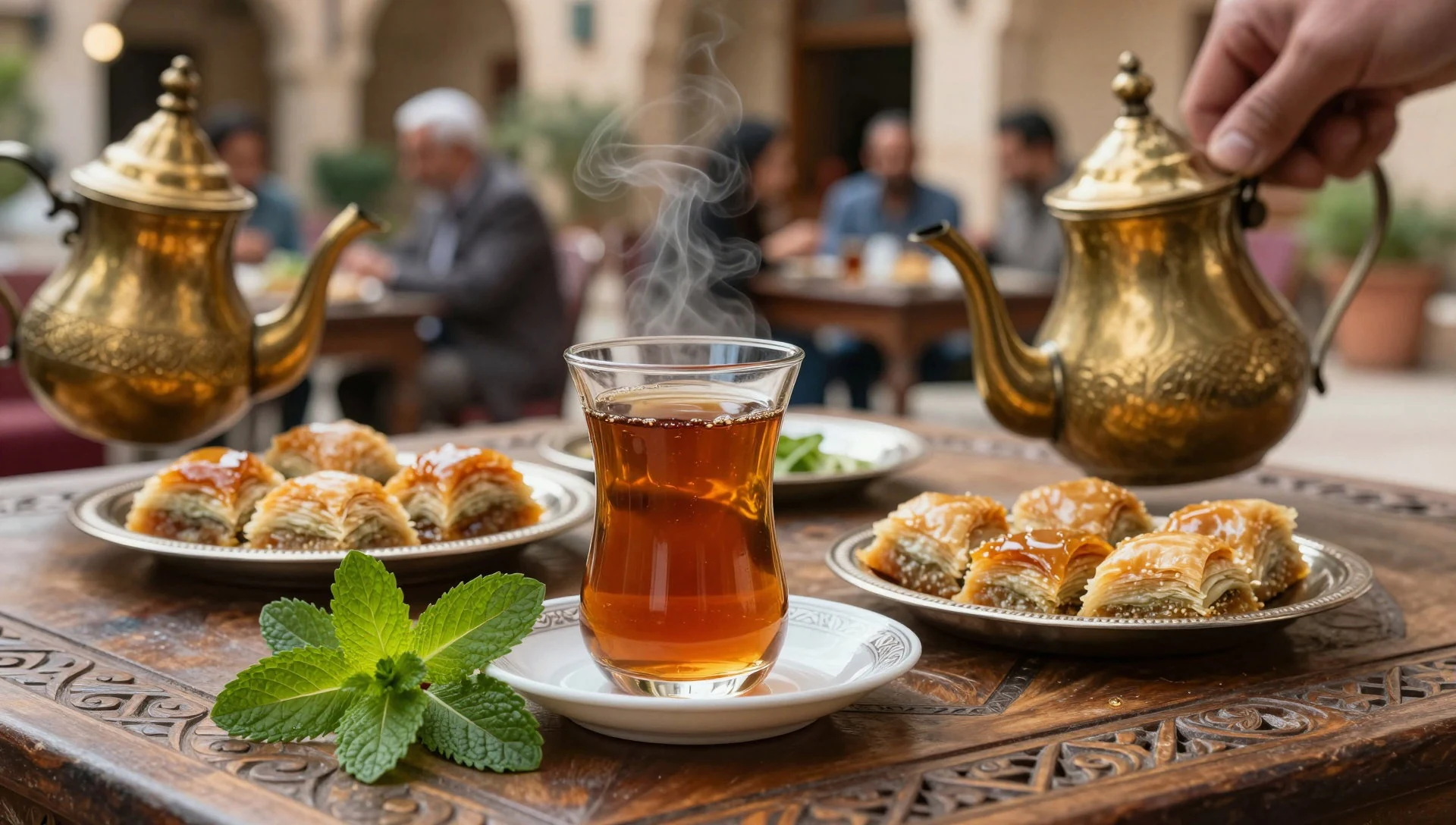
- Couscous-style meals — local eateries and family-run restaurants around the Casbah
Couscous is a staple comfort meal in Algiers, and you’ll commonly find it as a full plate with vegetables and sauce. Look for places that serve slow-cooked staples and see what’s cooking that day.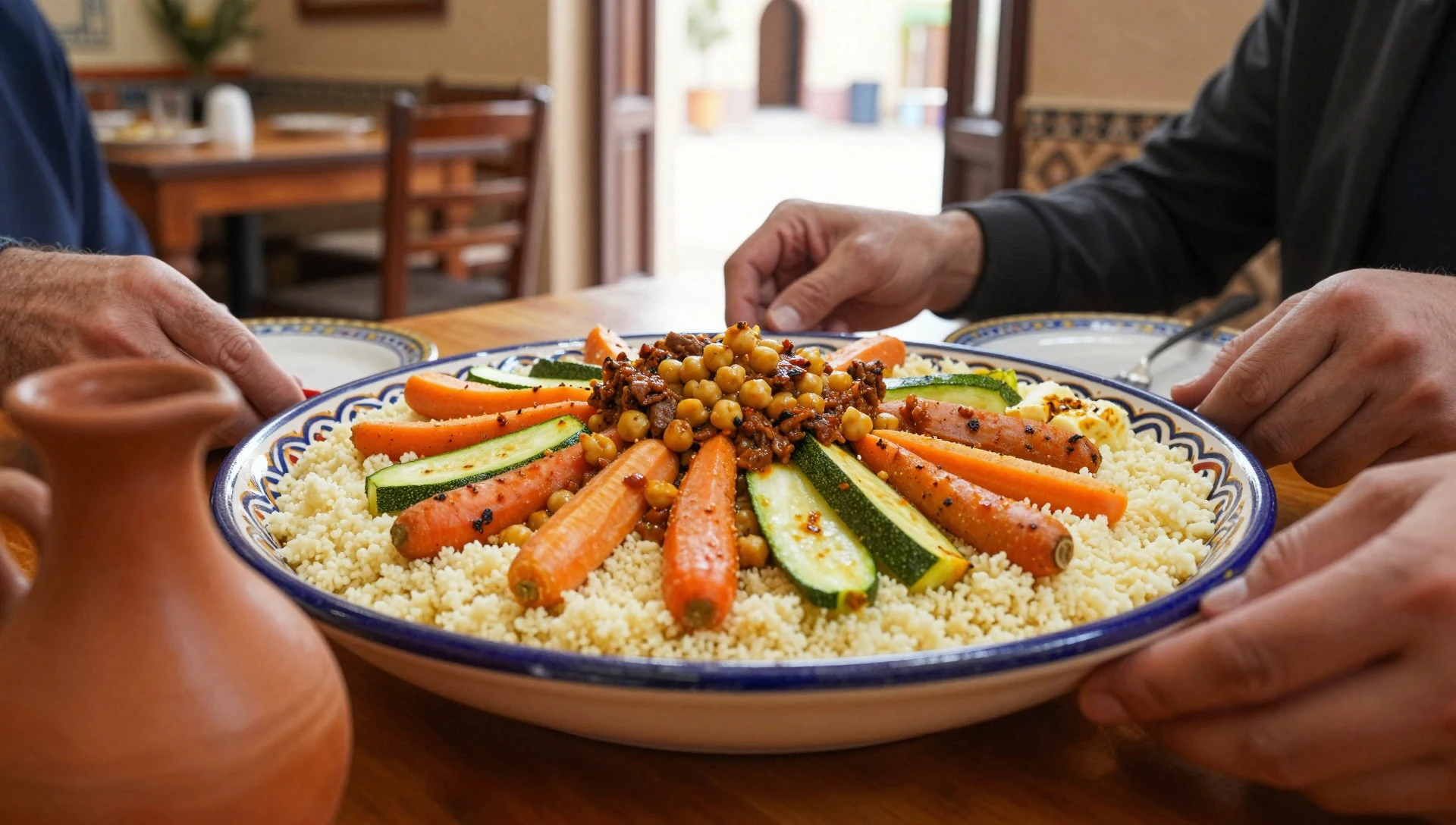
- Harira-style soup — street-food counters and small eateries near busy lanes
Warm, hearty soup is a good bet when you want something filling after walking lanes. In Algiers, expect recipes that balance vegetables with warming spices, typically served with bread. - Street-grilled meats (kebab-style) — grill stalls along busier edges of the old town
For an easy, hands-on meal, find a grill serving kebab-style meats with bread. It’s ideal after sightseeing because it’s quick, hot, and straightforward, though busy times can mean a wait. - Market fruit and nuts — small market strips and roadside stalls in and around the medina
As you wander between shops, grab seasonal fruit or a small packet of nuts to keep energy up. It’s a low-fuss way to snack without committing to a full meal mid-walk.
Plan it
Best time. March–May are the hottest stretch, with May the warmest month, and November–December are the wettest, with November the rainiest; for the most comfortable walking, aim for June (warm days with low rain), when the weather is driest and still pleasant compared with the cooler, wetter winter months.
How long. 3–4
Getting there. Fly into Algiers (nearest main airport servicing the capital), then take a short local transfer into the Casbah area for the final approach on foot and by taxi where needed.
Budget. mid
Tips
- Plan a slow morning start to make the lanes feel less crowded and easier to navigate
- Use a printed map or offline map before diving into the densest streets
- Carry cash for small purchases around workshops and market-style stalls
- Bring water and light sun protection, even outside peak heat
- Schedule at least one viewpoint or waterfront orientation so the medina layout clicks
Etiquette
- Ask before photographing people, especially inside shop doorways or workshops
- Dress modestly for residential lanes and any areas where locals are gathering
- Keep pathways clear—don’t stop in the tightest bottlenecks
Nearby
Sources
- Wikidata Q662102 (CC0)
- Wikipedia (Casbah of Algiers, rev 1383659167) (CC BY-SA 4.0)
- Photo photos/01-algercasbah.jpg (CC BY-SA 2.0)
- Photo photos/02-algerfront.jpg (CC BY-SA 2.0)
- Photo photos/03-location-map-algiers-kasbah.png (CC BY-SA 2.0)
- Photo photos/04-plan-casbah.png (CC BY-SA 4.0)
- Photo photos/05-puit-antique.png (CC BY-SA 4.0)
- Photo photos/06-cassbah-au-xvis.jpg (Public domain)
- Photo photos/07-stoopendael-algiers-1680s.jpg (Public domain)
- Photo photos/08-exp-dition-de-charles-quint-contre-alger-l-on-galibert-p-184.jpg (Public domain)
- Wikivoyage (CC BY-SA 4.0)


