Carthage
Carthage, Tunisia
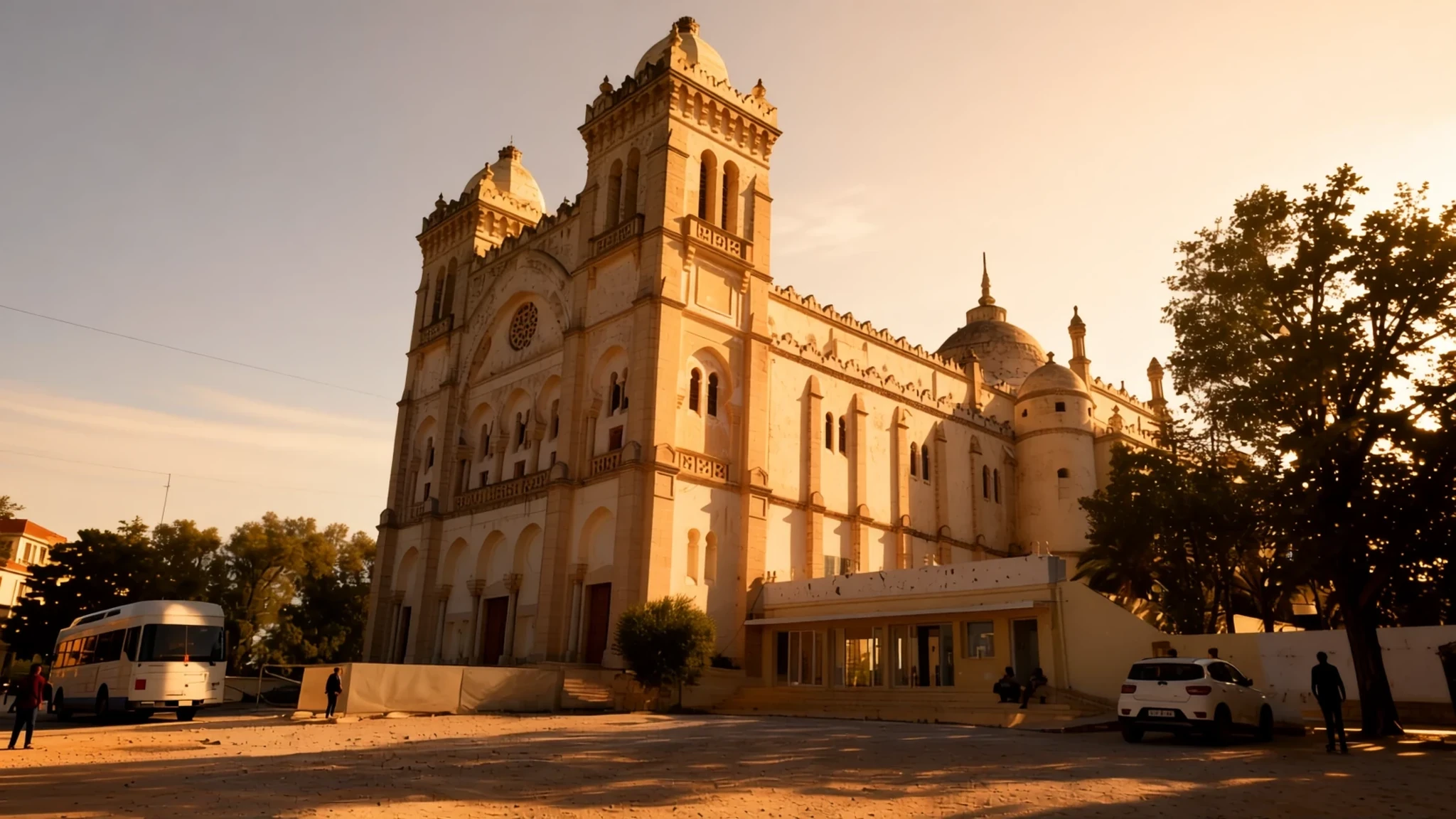
Carthage is a sprawling set of Punic, Roman and Christian ruins on the edge of Tunis, reachable by a short train ride.
The place
Carthage stands on the eastern side of the Lake of Tunis, on the north coast of what is now Tunisia. Its origins lie in a Phoenician colony, and tradition credits its founding to Dido, a princess from Tyre whose historical existence scholars still debate. Over the first millennium BC the settlement grew into a trading power with reach across the southwest Mediterranean, and it became one of the wealthiest cities of the classical world. Its ships, harbours and colonies made it the centre of a Punic empire, with the city itself at the heart of that commerce.
The ancient city is now a scatter of ruins, museums and open ground beside a modern suburban district. The surviving remains show the layers of its history: Punic houses and burial grounds, Roman baths and an amphitheatre, a Christian basilica and a long aqueduct that once carried water from the hills. The main sites can be covered on foot, but the distances are real and much of the ground has little shade.
Today the area is a residential suburb, with quiet streets and cafés near the shore and the bay within sight. The Roman city that succeeded the Punic one lies largely under later building, so most of the visible history belongs to the Punic and Roman periods rather than to the centuries that followed.
Its story
Carthage's story begins with a myth about land. According to the tradition, the Phoenician princess Dido, who had come from Tyre, asked a local people for a plot of ground. They agreed to give her only as much as an oxhide could cover. She cut the hide into thin strips, joined them end to end and enclosed a far larger site. Historians treat the tale with caution, but it shows how the city's founders liked to be remembered.
What is clearer is the city's commercial success. Carthage grew from a colony into the capital of a Punic empire, and it sent its own colonists and magistrates to govern settlements abroad. Its merchants traded across the western Mediterranean, and its wealth made it a rival of Rome. That rivalry ended in war. After a long siege during the Third Punic War, Roman forces destroyed the city in 146 BC, and the question of why Carthage declined has stayed alive in writing and debate ever since.
Rome did not leave the site empty. A century later the city was rebuilt as the major city of the Roman province of Africa. Under the Byzantine Empire it kept a cultural and economic role. In 698 Umayyad forces sacked and destroyed it, partly to stop a Byzantine reconquest, and afterwards it survived mainly as a fortified outpost.
Its final loss came in the thirteenth century, when Crusaders took the fort from the Hafsids during the Eighth Crusade and its inhabitants were massacred. The Hafsids then dismantled its defences so that no hostile power could use the site as a base again. Much of what stands today is the ruined shell of those earlier centuries.
What to see
- Antonin Baths — Carthage-Hannibal area
Ruins of what Wikivoyage describes as the largest Roman baths outside Rome itself, spread across a site that also holds a Punic cemetery, a few old houses, some Punic kilns, a small chapel and mosaics. Allow a good hour to walk the ground. A small cafe on the premises sells hot and cold drinks and snacks, which helps on a warm day.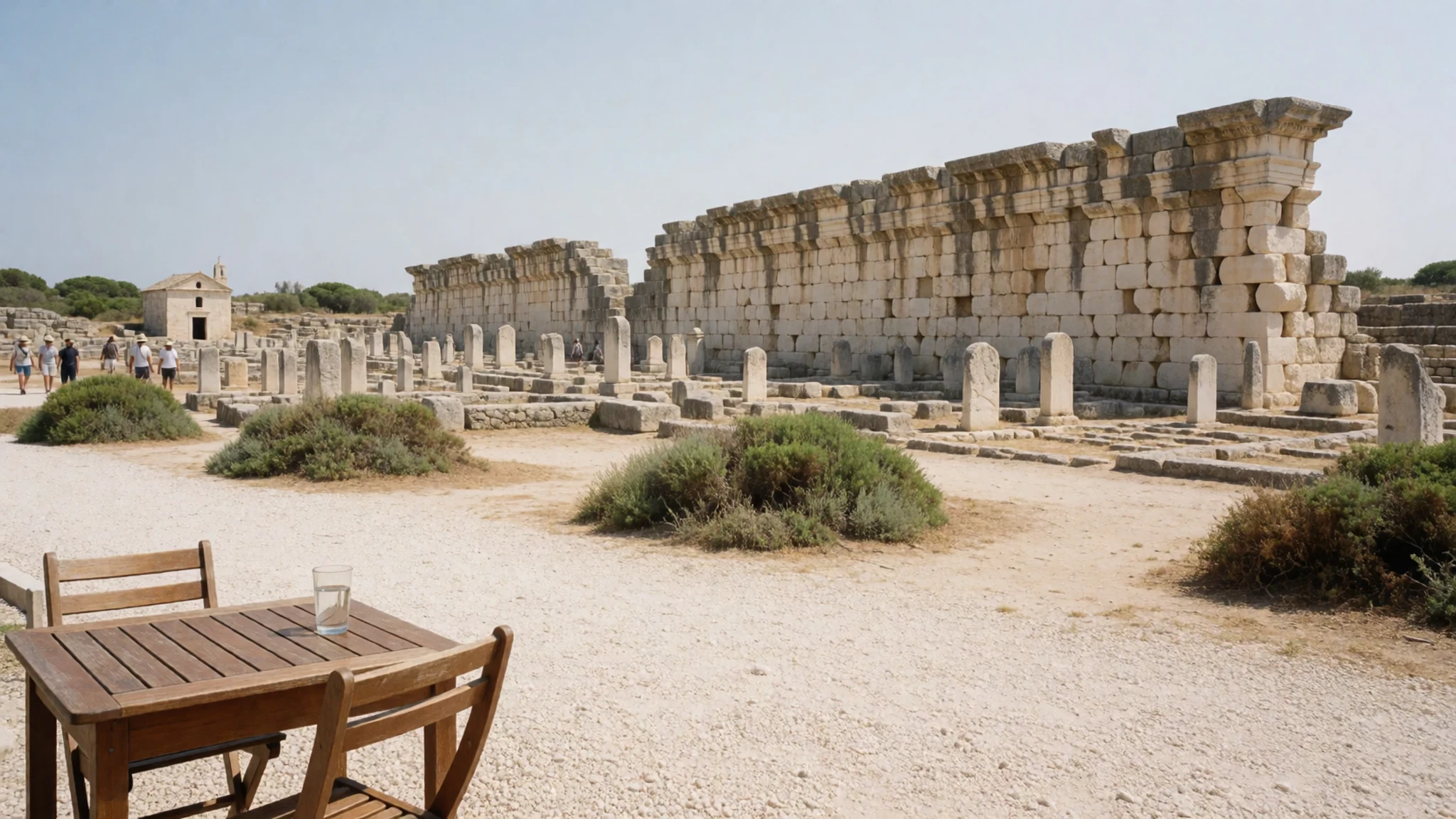
- Carthage Museum on Byrsa Hill — Byrsa Hill
Housed on Byrsa Hill, the museum holds most of the remnants excavated from the ruins, covering both the Punic and Roman periods in a large, echoing building. Labels are in Arabic and French, so a printed guide or a good audio companion helps. The cathedral forming one edge of the complex is generally closed, so do not count on going inside it.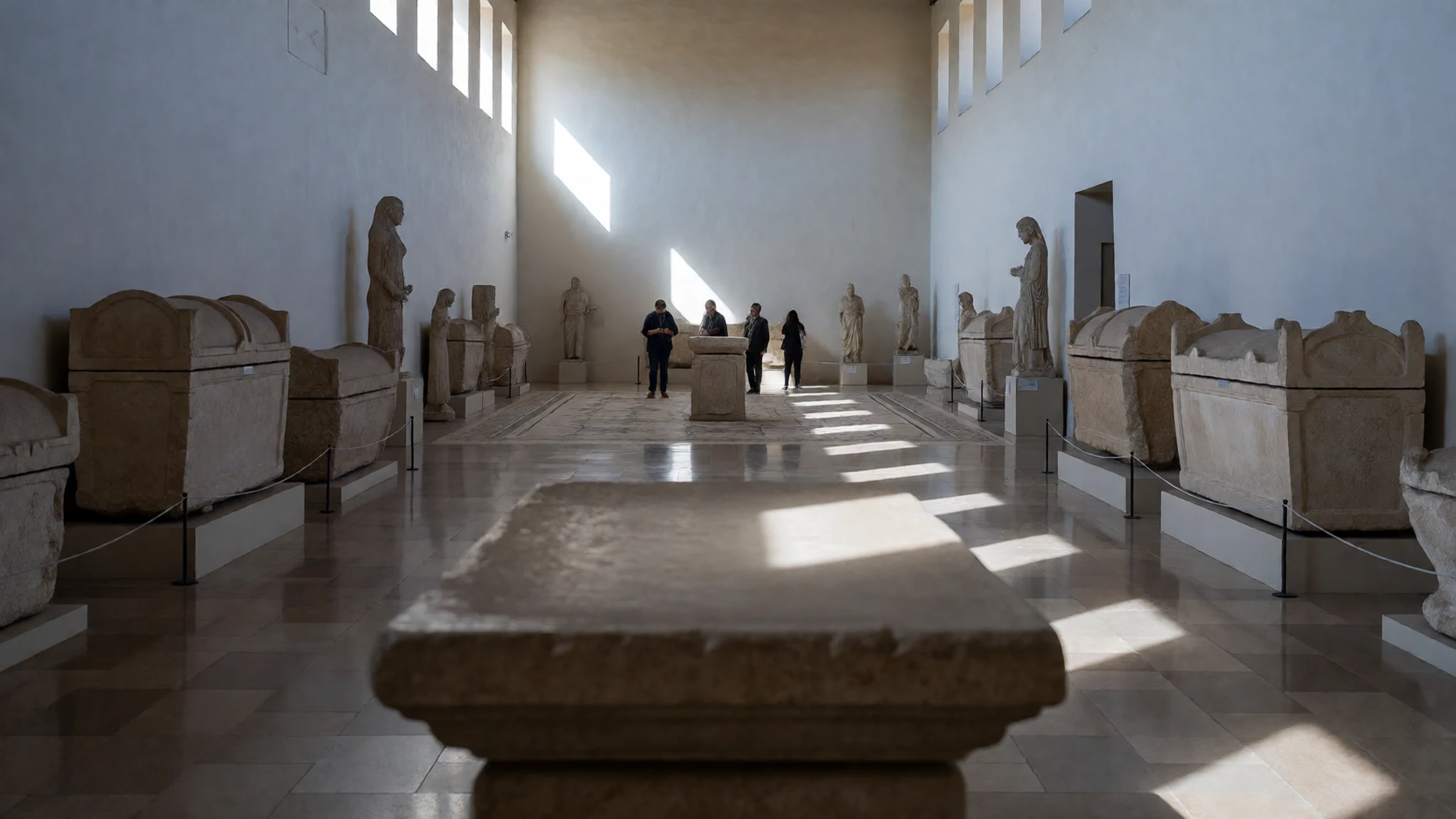
- The Water Cisterns — Western residential edge of the site
A large series of water cisterns that once distributed water at the end of a long aqueduct running from the hills to the south. The remnants of that aqueduct's terminus still stand, and the reservoirs give a clear sense of how the city managed its supply. It is a quieter spot than the main ruins, with little shade, so bring water and a hat.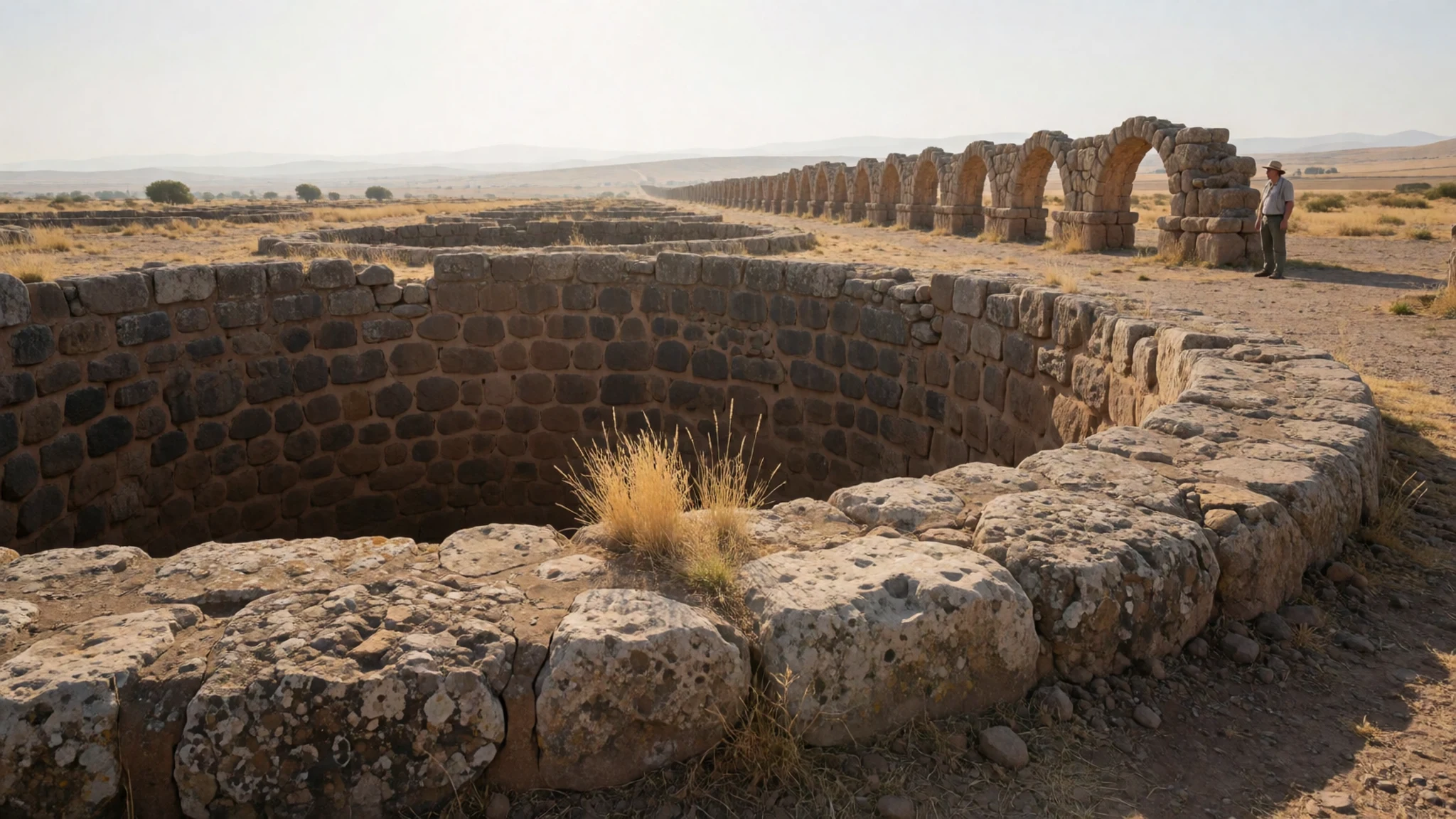
- The Roman Amphitheatre — Western part of the archaeological area
An amphitheatre built in the first century CE, now largely stripped down to its shape, with forested, rolling hills around it. It has no labels in any language, so it works best as a quick stroll rather than a full visit. Go early or late in the day, when the light across the stone is softer and the paths are cooler.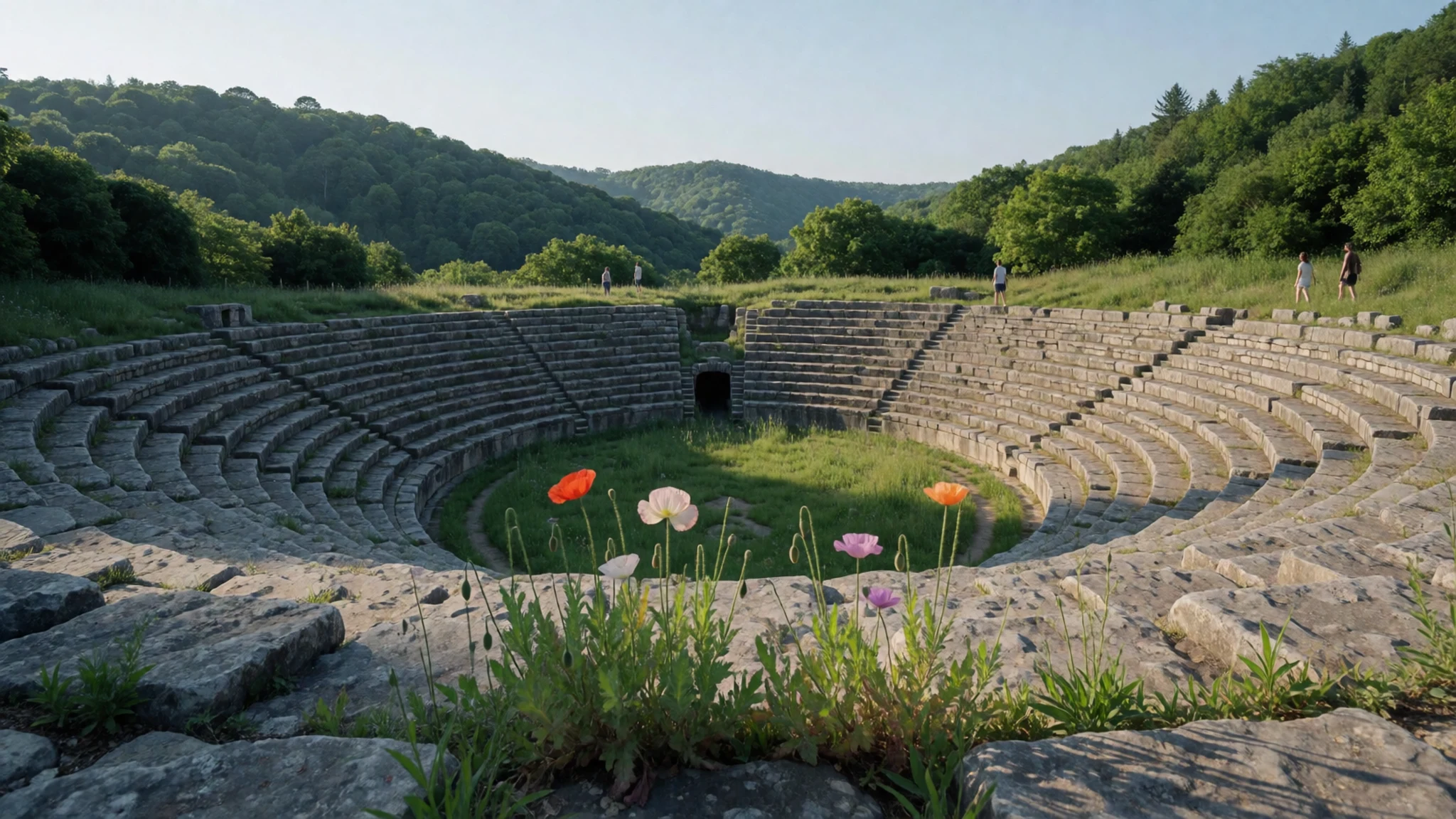
- Punic Tophet — Carthage-Byrsa station area
A large field of carved stones, many of them thought to mark children's graves, with simple symbols cut into their faces. A few half-buried structures lie among them. Signs are scarce, so the site is hard to interpret without background reading first. It is best reached from Carthage-Byrsa station and pairs well with a lunch stop on the nearby road.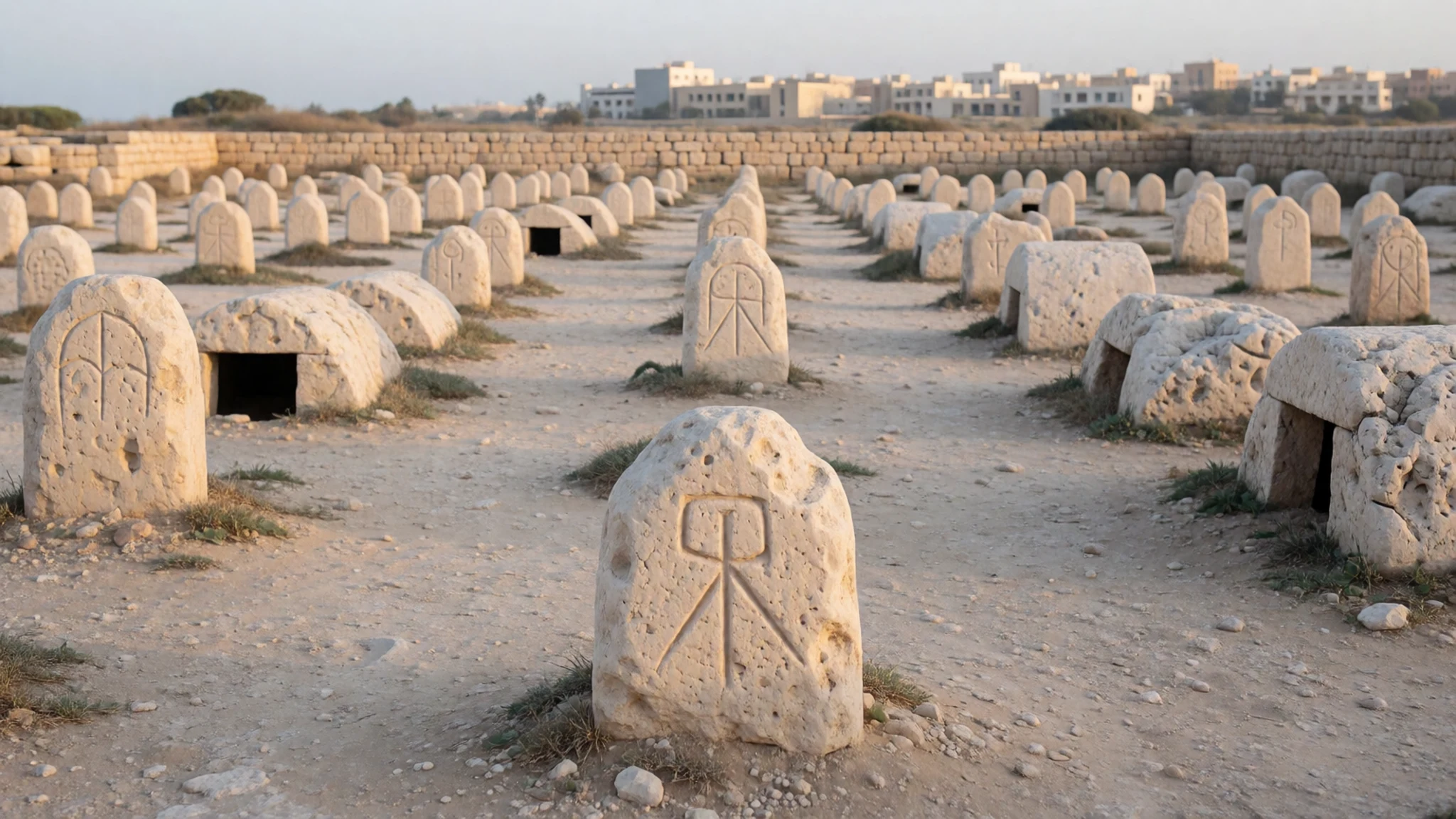
- Basilica of Saint-Cyprien — Carthage-Présidence station area
A historic Christian church surrounded by a vast cemetery, a reminder of the city's later religious history. The walk from Carthage-Présidence station passes the grounds of the presidential palace, so keep photographs of the palace to a minimum. Dress modestly, since it is a place of worship.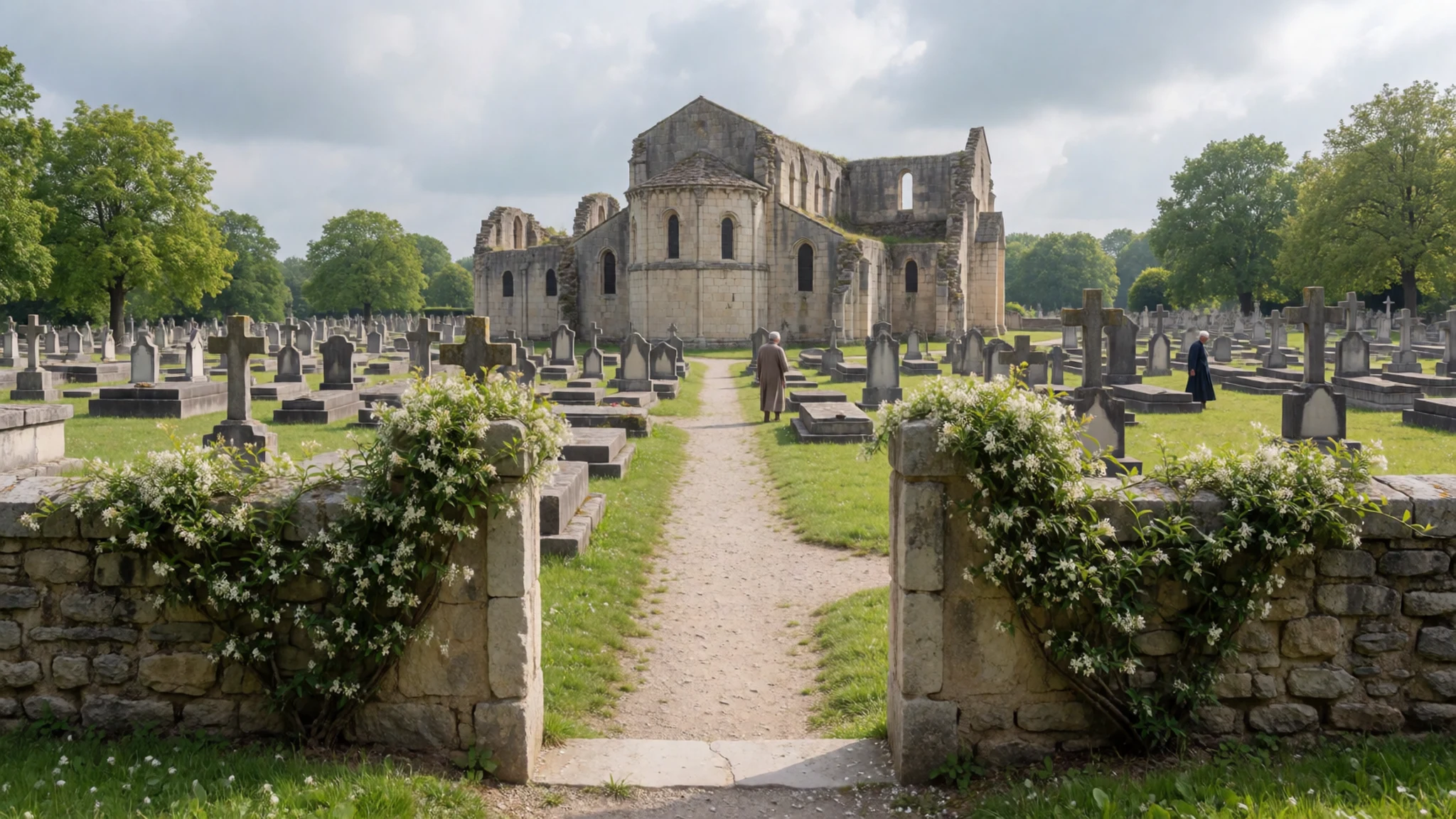
Culture
Carthage is a place of layered history, and visitors move between Punic graves, Roman stonework and a Christian basilica in a single morning. Most of the sites are open-air ruins, but a single 20 DT ticket covers ten sites and museums, so the atmosphere is orderly rather than relaxed, and the Tophet and the basilica call for more care. Tunisians speak Arabic and French, and many people in Tunis and around the sites use both, so a few words of either will go a long way when you greet a shopkeeper. Greetings are usually warm and unhurried, and a short conversation before a purchase is normal. Tipping is customary in cafés and for guides, though the amount is a matter of judgement rather than a fixed rule. Photographing the ruins is generally fine, but ask before photographing people, especially women and families. The residential streets around Carthage-Présidence are part of an everyday neighbourhood, so keep noise down as you walk through. At the basilica and the Tophet, dress modestly, speak quietly and do not climb on fragile walls or stones.
What to wear
Carthage has no costume of its own, so this section draws on the dress of Tunisia more broadly. Traditional women's dress has long centred on the malia, a wide silk or cotton wrap draped over the head and body, usually in plain or striped colours and worn for weddings and celebrations. Men's traditional clothing includes the jebba, a long wool or cotton coat, and the chechia, a red felt cap. The fouta, a striped cotton cloth woven by hand, is used as a wrap, towel or sarong and is still sold widely in markets.
Day to day, people in Tunis and its suburbs dress much as Europeans do, in jeans, shirts, dresses and trainers. Many women wear headscarves in a range of styles, while others do not cover their hair. Traditional pieces are more often seen at formal occasions and among older generations.
As a visitor, pack light cotton or linen that covers the shoulders, with trousers or a skirt that falls below the knee for the basilica and any church or mosque you enter. The ruins are open and sunny, so bring a hat, sunglasses and sunscreen. Flat shoes with good grip are essential, as the paths are uneven and the stones can be loose.
What to eat
- Brik — Small sandwich shops north of Carthage-Byrsa station
A thin pastry parcel, usually filled with egg, tuna or potato, then fried until crisp. It makes a filling snack between sites and is a good way to start a day among the ruins.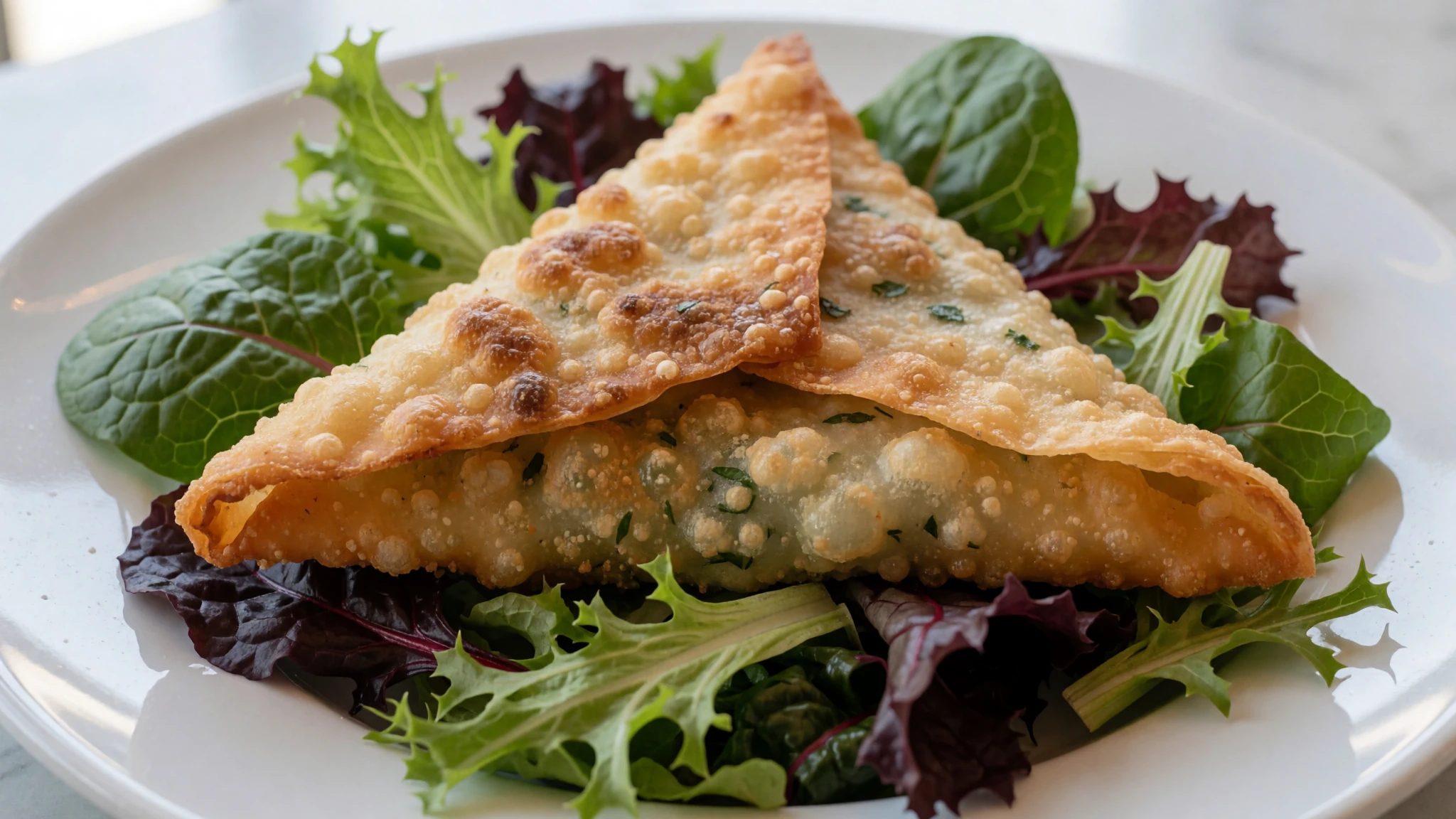
- Mint tea with a pastry — The cafe on the Antonin Baths premises, or any café near the station
Sweet green tea poured from height and served in small glasses, often with a light pastry. It is a relaxed way to rest between the baths and the museum.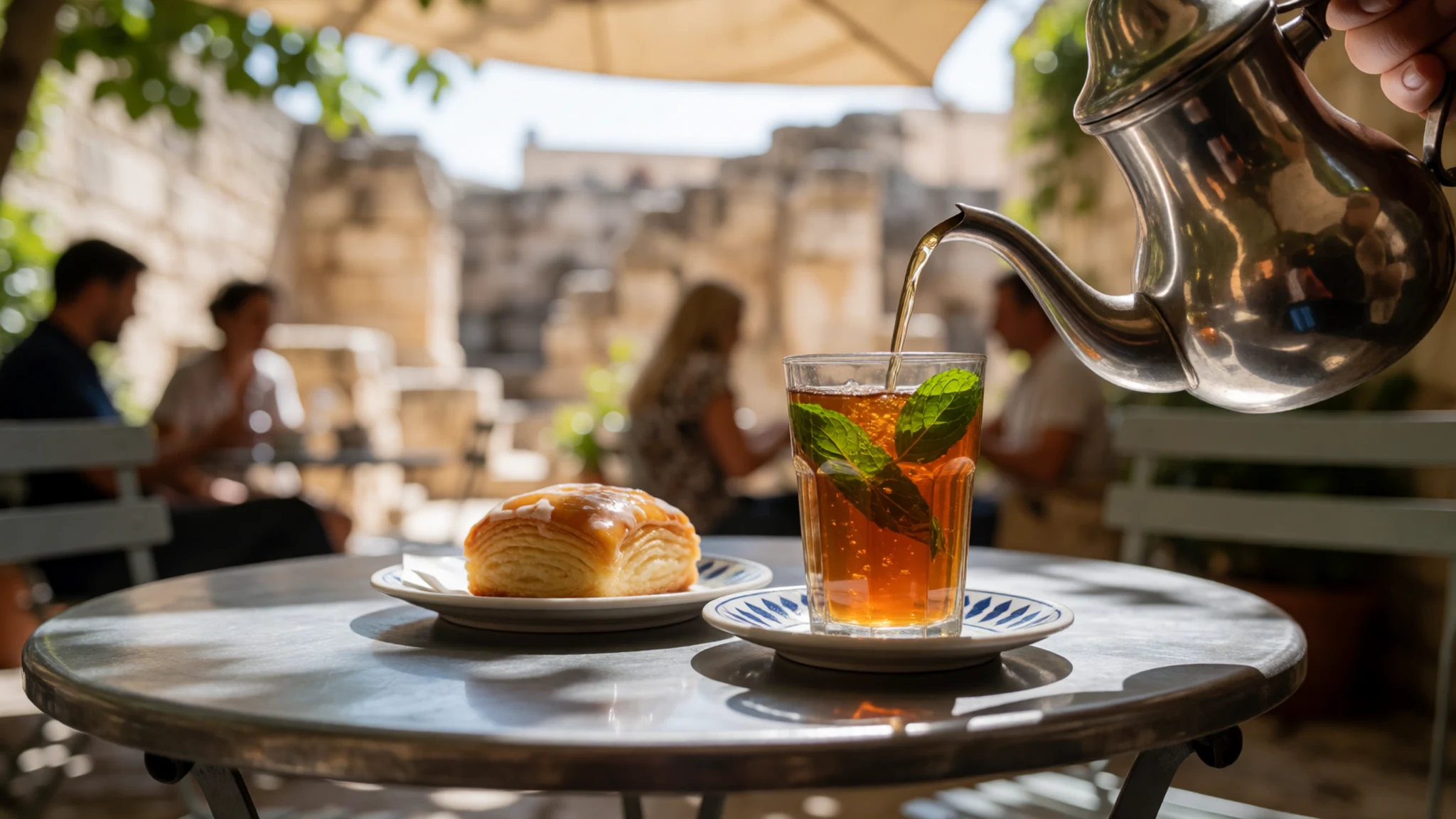
- Salads, meat dishes and pizza — Main road between Carthage-Byrsa and Carthage-Salammbo stations
Salads, meat dishes, sandwiches and pizza are all on the menu of a restaurant along the main road between Carthage-Byrsa and Carthage-Salammbo stations. It is an unfussy stop after a long morning on foot, and a good place to refuel.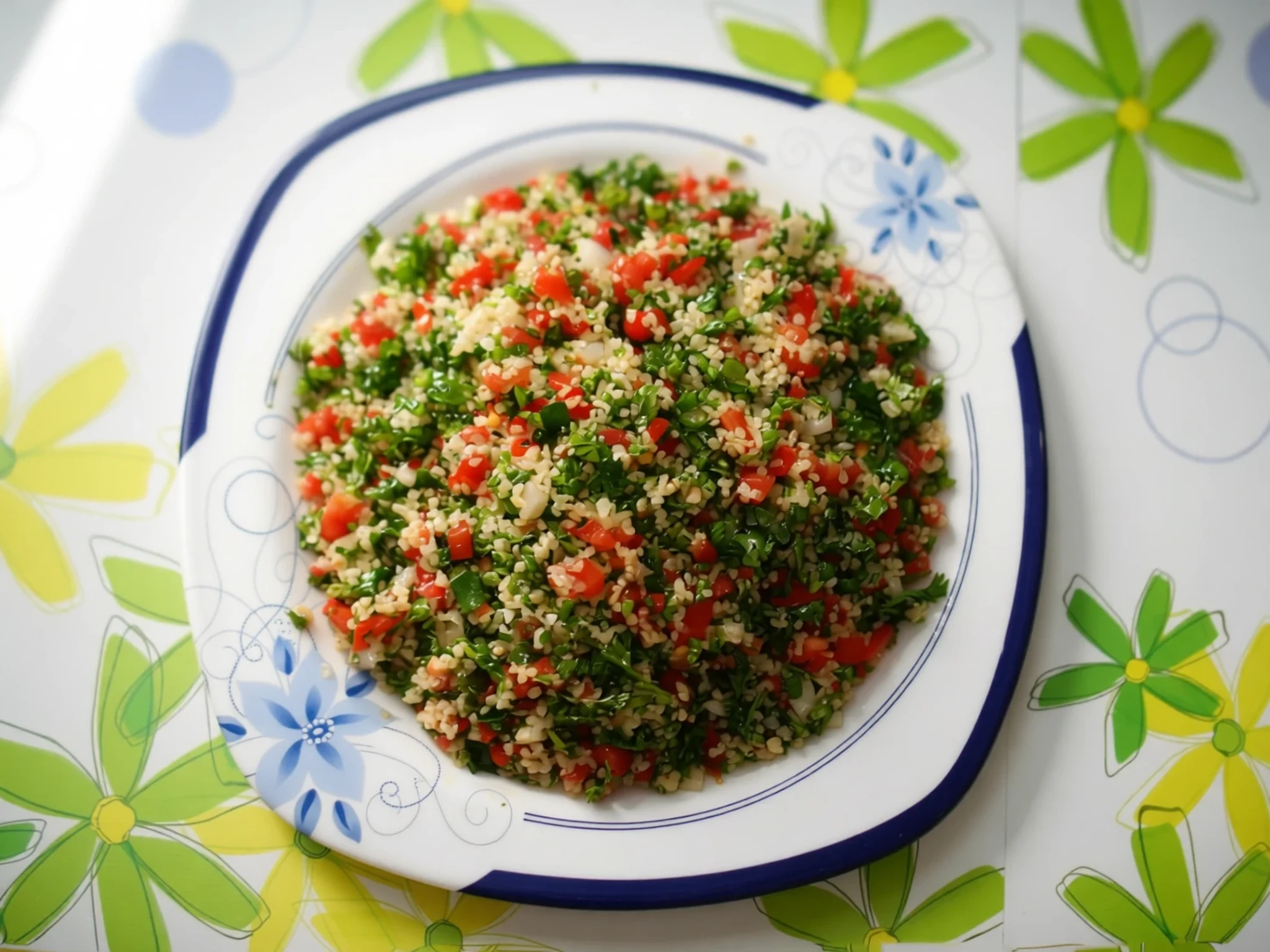
- Mediterranean dinner with a view — Hillside restaurant with views over the bay
Mediterranean cooking in a smart dining room with wide views over the city and the bay, the kind of place to linger over a long lunch or an early dinner. It sits at the higher end for the area, so expect to pay more than at a café. - Tunisian wine — Restaurant-hotel on Rue de Hannibal, near the Punic Tophet
Tunisian wines are the local choice at the restaurant-hotel on Rue de Hannibal, near the Punic Tophet. The selection is broad and includes white and red, though prices run on the high side for a typical day out.
Plan it
Best time. April and November are the most comfortable months for walking open ground, with highs near 27 to 28 C. Summer sun is strong on the ruins, so plan early starts if you travel then, and check the forecast before you set out.
How long. 2–3
Getting there. Fly into Tunis, then take the TGM light rail from central Tunis. Carthage-Hannibal serves most of the main sites, Carthage-Byrsa is the stop for the Tophet and the museum hill, and Carthage-Présidence is the stop for the basilica.
Budget. mid
Tips
- Allow a full day on foot, since the sites are spread across several stations
- Start at the Antonin Baths or Byrsa Hill before midday, when it is cooler
- Carry water and a hat, as many of the open sites offer little shade
- Carry some cash for small cafés and markets
- Check opening times on the official site before you go, as hours can change
- Combine the visit with Sidi Bou Said, a few train stops away, for a meal and the sunset
Etiquette
- Dress modestly at the basilica and other places of worship
- Ask before photographing people
- Do not climb on ruined walls or fragile stonework
Nearby
Sources
- Wikidata Q6343 (CC0)
- Wikipedia (rev 1383005843) (CC BY-SA 4.0)
- Wikivoyage (rev 5397019) (CC BY-SA 4.0)
- Tunisie Carthage Photographie prise par Patrick GIRAUD (CC BY 3.0)
- Montage de photos de la ville de Carthage (CC BY 3.0)
- Representation of the Punic city in the Carthage National Museum (CC BY-SA 2.0)
- maison punique n°4 de l'ilôt C, byrsa (Carthage) (CC BY-SA 2.0)
- Archaeological Site of Carthage (Tunisia) 130237 (CC BY-SA 3.0 igo)
- Archaeological Site of Carthage (Tunisia) 130238 (CC BY-SA 3.0 igo)
- Archaeological Site of Carthage (Tunisia) 130239 (CC BY-SA 3.0 igo)
- Carthaginian empire through the Punic wars (Public domain)


