Cardiff
Cardiff, United Kingdom
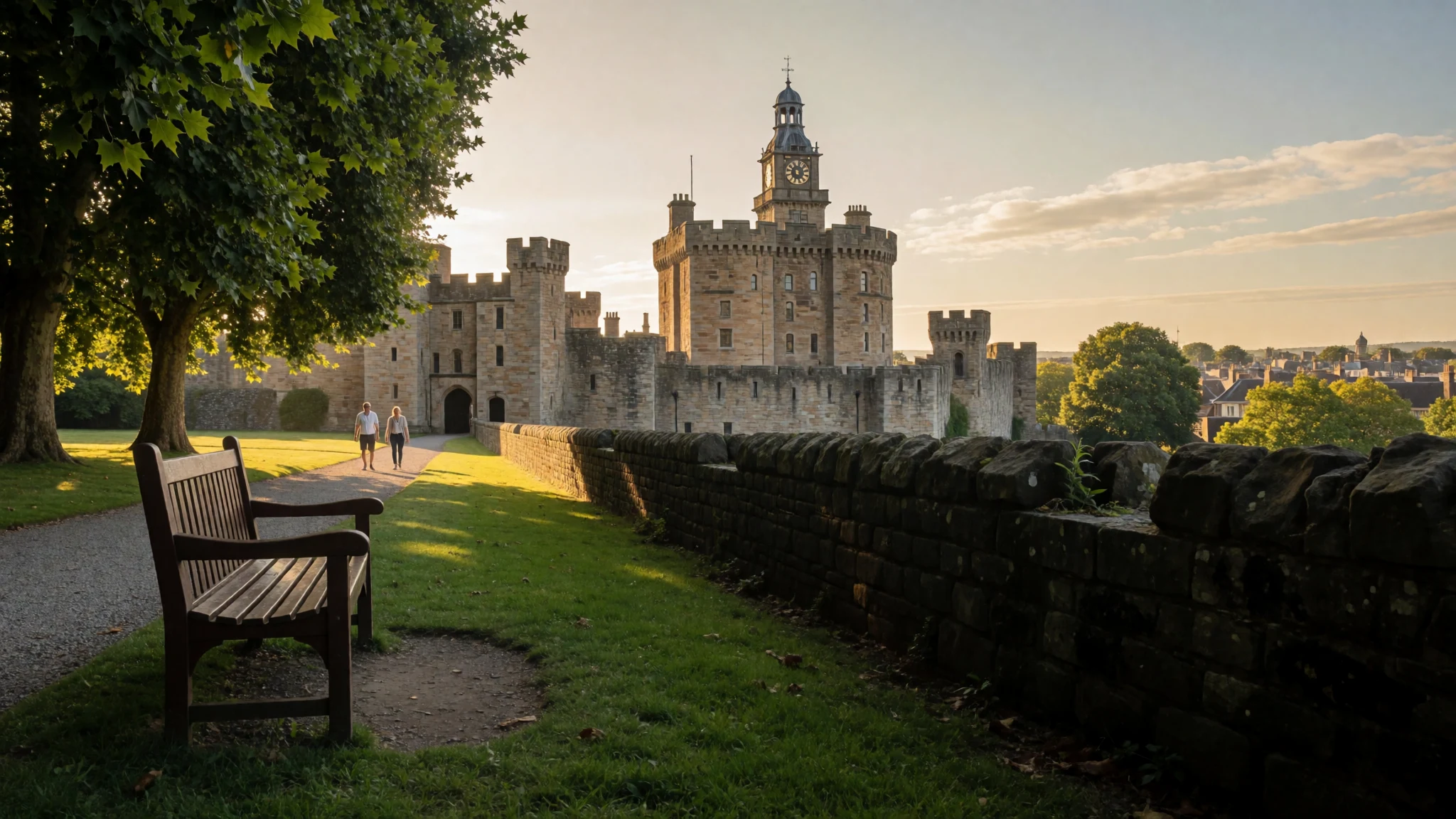
Cardiff is a walkable Welsh capital where a Roman-founded castle, a rugby stadium and a waterfront parliament sit within an easy stroll.
The place
Cardiff is the capital of Wales, a low-lying port city of about 384,000 people on the south-east coast, where the River Taff runs out into the Bristol Channel. The centre sits just 41 metres above sea level, and it is easy to cover on foot: the castle, the shopping arcades, the main railway station and the rugby ground are all within a few minutes of one another. A short walk or ride south leads to Cardiff Bay, an old dockland that has been redeveloped and now holds the Senedd, the Welsh Parliament, an arts centre and a line of waterside cafés. In the north-west, the district of Llandaff keeps a village feel around its cathedral, and long stretches of parkland follow the river. Official documents call the city and its surroundings Dinas a Sir Caerdydd, and signs, announcements and bus fronts are routinely in both Welsh and English. Cardiff is the main commercial centre of the country, and the wider Cardiff Capital Region holds roughly 1.5 million people, about half of Wales. That gives the place a lived-in, working character rather than a museum feel. It is a city of offices, universities, rugby crowds and Saturday shoppers, with plenty of green space and a climate that is mild but rarely dry. Newcomers who expect a sleepy town are often surprised by the energy on match days and festival weekends, and equally by how quickly the streets empty on a wet Sunday evening. It works well as a base for the coast and the valleys, but it rewards a couple of days on its own, especially for anyone who likes a compact city with real history underfoot, from Roman foundations to Victorian excess.
Its story
Cardiff's name carries much of its history in a few syllables. In Welsh the city is Caerdydd, which grew out of the older form Caerdyf: caer means fort and Taf is the river, so the name amounts to the fort on the Taff. The fort in question was Roman, and its outline still shapes the ground beneath the castle. The antiquarian William Camden, writing in the sixteenth century, offered a different idea, that the name honoured a Roman governor called Didius, but the river explanation is the one that fits the language. The English spelling came about when the Welsh f was written as ff, the same change that gives Taff and Llandaff their doubled letters. Wikidata gives 1081 as the founding date, which places the town firmly in the Norman era, and for centuries afterwards Cardiff stayed modest, a market and county town rather than a great port. The turn came in the early nineteenth century, when coal mined in the valleys to the north began to be carried down to the sea here, and the docks and the population grew together. In 1905 Cardiff was granted city status, and in 1955 it was proclaimed the capital of Wales. The later arrival of the Senedd on the waterfront added another chapter, placing national government on the same bay that once shipped coal around the world.
What to see
- Cardiff Castle — City centre
Cardiff Castle stands in the middle of the city, and its foundations rest on a Roman fort. In the nineteenth century it was one of the homes of the Marquis of Bute, who had the interiors remodelled in lavish Victorian taste. Check the official site for opening times and tour options before going.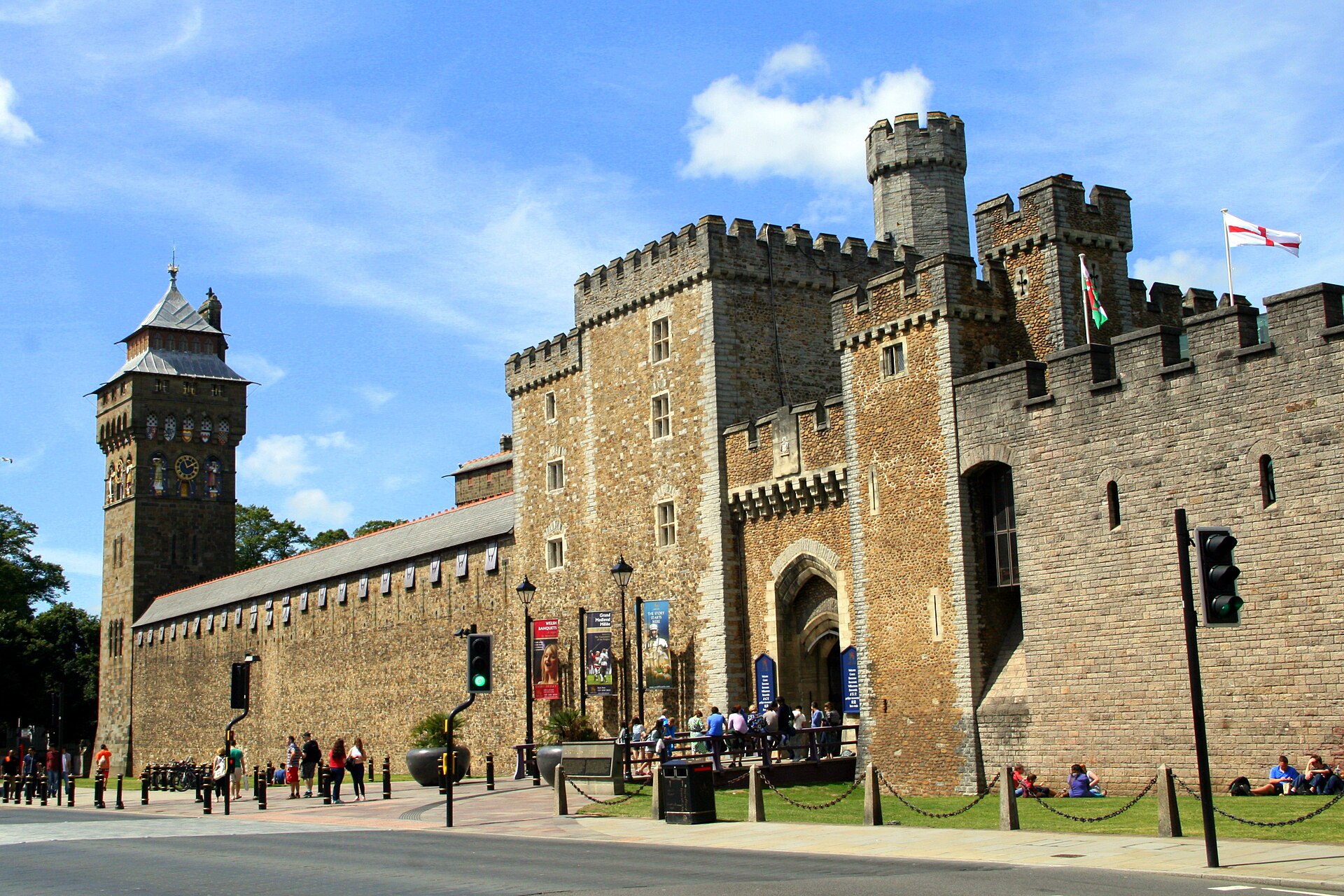
- Principality Stadium — City centre, beside the Taff
The Principality Stadium, also known as the Millennium Stadium, rises beside the River Taff in the city centre. It opened for the 1999 Rugby World Cup and is home to the Wales national rugby team. Match days fill the surrounding streets with red shirts and singing, so plan transport and meals around the fixtures. - Wales Millennium Centre — Cardiff Bay
The Wales Millennium Centre sits on the Cardiff Bay waterfront and has hosted opera, dance and touring musicals since it opened in 2004. Its slate-clad exterior carries huge lettering in Welsh and English, and the public foyers are pleasant to wander through. Performance schedules and tickets are on the official site. - The Senedd — Cardiff Bay
The Senedd, seat of the Welsh Parliament, stands on the edge of Cardiff Bay and was opened on St David's Day, 1 March 2006. The low, glass-fronted building is designed so that the public can see in, and there is a visitor area. Check its own website for tours and closures.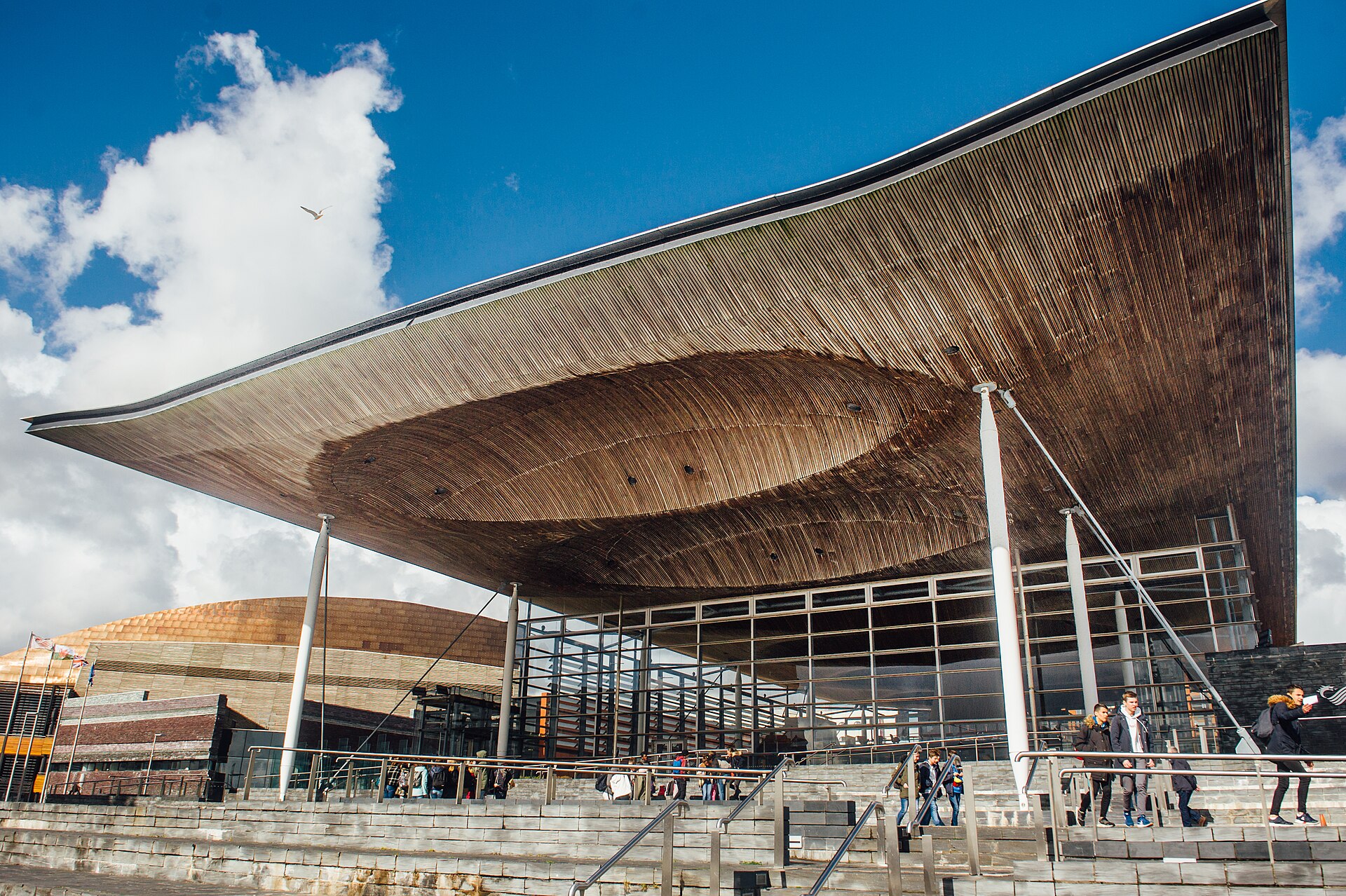
- The Norwegian Church — Cardiff Bay
The Norwegian Church was built in the bay to serve the many Norwegian sailors working in the docks. The author Roald Dahl was christened at its original site. The white timber building is now used as an arts centre and café, and it makes a quiet stop on a walk around the waterfront. - Llandaff Cathedral — Llandaff, north-west Cardiff
Llandaff Cathedral lies in the north-west of the city, in what was once a separate cathedral village. Worship has taken place on the site for a very long time, and the building shows layers of medieval stone alongside later rebuilding. Its green, hushed setting is a calm contrast to the stadium and the shopping streets.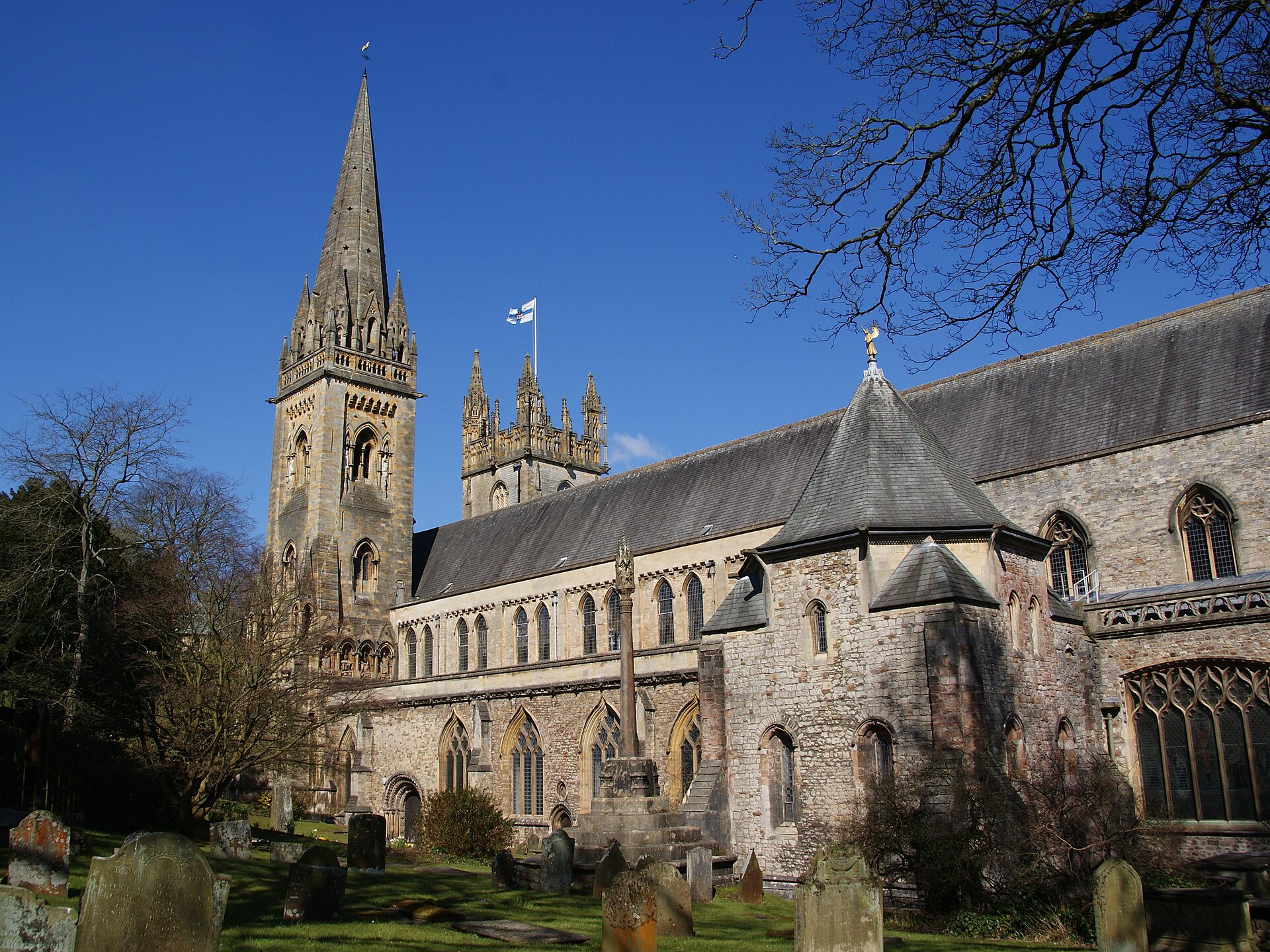
Culture
Cardiff wears its Welshness lightly but unmistakably. Welsh is heard on buses, read on every road sign and taught in a growing number of schools, so the city is properly bilingual rather than bilingual for show. Rugby is the great shared passion: on international days the centre turns red, pubs fill early and strangers sing together on the walk to the stadium. Choral singing, brass bands and poetry competitions belong to the same tradition of making music in groups, and chapels and concert halls across the city still keep it going. The arts have a strong profile here, with theatre and opera at the Wales Millennium Centre, museums in the civic buildings of Cathays Park, and a lively live-music scene in small venues. The city was a finalist for European Capital of Culture in 2008, which helped to shape the way it presents itself to visitors. Cardiff is also a university city, so term time brings students, cheap eats and late-night bars, while summer brings festivals and outdoor events along the river and bay. Beneath all this runs a friendly, direct manner: people chat in queues, joke with strangers and are happy to give directions. The country's history with England is a sensitive subject, and pride in a separate Welsh identity is real. Do not call Wales or its people English, and wait your turn in the pub rather than waving for service at the bar.
What to wear
Cardiff's traditional dress is the Welsh national costume, a nineteenth-century image that is now worn mainly for celebration. Women's versions combine a tall black hat, a shawl, a striped flannel skirt or petticoat and a red woollen cloak, all rooted in the country's long wool trade. Children wear it to school on St David's Day, and it appears at choral and cultural festivals. Woven Welsh blankets, with their bold geometric patterns, are the textile most often bought as a souvenir. Day to day, Cardiffians dress practically and casually: jeans, trainers, a waterproof jacket and layers are normal, with smarter clothes for theatre nights and weekend evenings out. On rugby days, red replica shirts, scarves and bucket hats are almost a uniform, and the city looks like one large supporters' club. Students add their own mix of hoodies and vintage finds around the university district. A visitor should plan for changeable weather, since the climate is mild but often cloudy, wet and windy. Pack a light waterproof, a warm layer even in summer and shoes that cope with wet pavements and cobbles, because most sightseeing is on foot. There is no strict dress code at the castle or at Llandaff Cathedral, though covered shoulders and quiet voices are polite inside the cathedral. For an evening at the opera or a good restaurant, smart casual is plenty.
What to eat
- Cawl — Pubs and tea rooms in the city centre
Cawl is the Welsh national stew, traditionally made with lamb or beef and root vegetables such as leeks, swede and potato. It is warming, filling and best on a cold, wet day. Look for it on pub menus that feature Welsh dishes, usually served with bread and cheese. - Welsh rarebit — Cafés and pubs around the arcades
Welsh rarebit is a sharp cheese sauce, often mixed with mustard, ale or Worcestershire sauce, poured over toast and grilled until bubbling. It is simple comfort food and a common lunch order. Many cafés in the Victorian arcades near the centre offer their own version. - Welsh cakes — The covered market in the city centre
Welsh cakes are small, round griddle cakes made with flour, butter, sultanas and a hint of spice, sold warm and lightly sugared. They are good with tea and easy to carry. Market stalls and bakeries in the central market sell them fresh. - Glamorgan sausage — Pubs with vegetarian and Welsh menus
The Glamorgan sausage is a meat-free classic, made from Caerphilly cheese, leeks and breadcrumbs, shaped like a sausage and fried until crisp. It suits vegetarians and is widely served as a starter or main. Several city pubs list it among their Welsh dishes. - Fish and chips — Chip shops in the city centre and Cardiff Bay
Fish and chips is as much part of a Cardiff evening as it is anywhere on the British coast. Battered fish, thick chips and a side of mushy peas or curry sauce are the standard order. Eat them from the paper beside the water at the bay. - Bara brith — Tea rooms and market bakeries
Bara brith means speckled bread in Welsh, a fruit loaf made with dried fruit soaked in tea and sliced thickly with butter. It keeps well, so it makes a practical gift as well as an afternoon snack. Tea rooms and bakers stock it, especially in cooler months.
Plan it
Best time. May to September is the easiest stretch, with warm, longer days; July is the warmest month, with daytime highs averaging about 22°C, and also the sunniest. Spring and autumn are mild, around 15°C by day, but rain is possible in any month, and winter is wet and short on daylight.
How long. 2–3
Getting there. Cardiff Central railway station is the main arrival point, with direct trains from London Paddington, Bristol and other cities, and the centre is a short walk from the platforms. Cardiff Airport lies outside the city; check the official site for the latest rail and bus links, or fly into Bristol and continue by train.
Budget. mid
Tips
- Carry a waterproof whatever the forecast, since showers arrive without warning
- Book restaurants ahead for Friday and Saturday evenings, when tables fill quickly
- Check the rugby and concert calendar before booking, as match days push up prices and crowd the centre
- Walk or cycle the riverside path from the castle to Cardiff Bay instead of paying for a taxi
- Check the official site, https://www.visitcardiff.com/, for current opening times and tours
Etiquette
- Queue in order at bars, bus stops and ticket desks
- Keep voices low inside Llandaff Cathedral and during services
- Say thank you to bus drivers when stepping off, as locals do
Nearby
Sources
- Wikidata Q10690 (CC0)
- Wikipedia: Cardiff (rev 1384245635) (CC BY-SA 4.0)
- Wikivoyage: Cardiff (rev 5396915) (CC BY-SA 4.0)
- Photo: Cardiff montage, MichiganCharms (CC BY 3.0)
- Photo: Cardiff's skyline 2020, Richard Szwejkowski (CC BY-SA 2.0)
- Photo: Senedd, Senedd Cymru / Welsh Parliament (CC BY 2.5)
- Photo: Llandaff Cathedral, Bill Boaden (CC BY-SA 2.0)
- Photo: Cardiff Castle, Tevfik Teker (CC BY 3.0)
- Photo: Cardiff, 22 August 2014, Mario Sánchez Prada (CC BY-SA 2.0)
- Photo: National Museum Cardiff, Ham II (CC BY 3.0)
- Photo: Cardiff Central Library, Dominic Nelson (CC BY-SA 4.0)


