Cannon Beach, Oregon
Cannon Beach, Oregon, United States
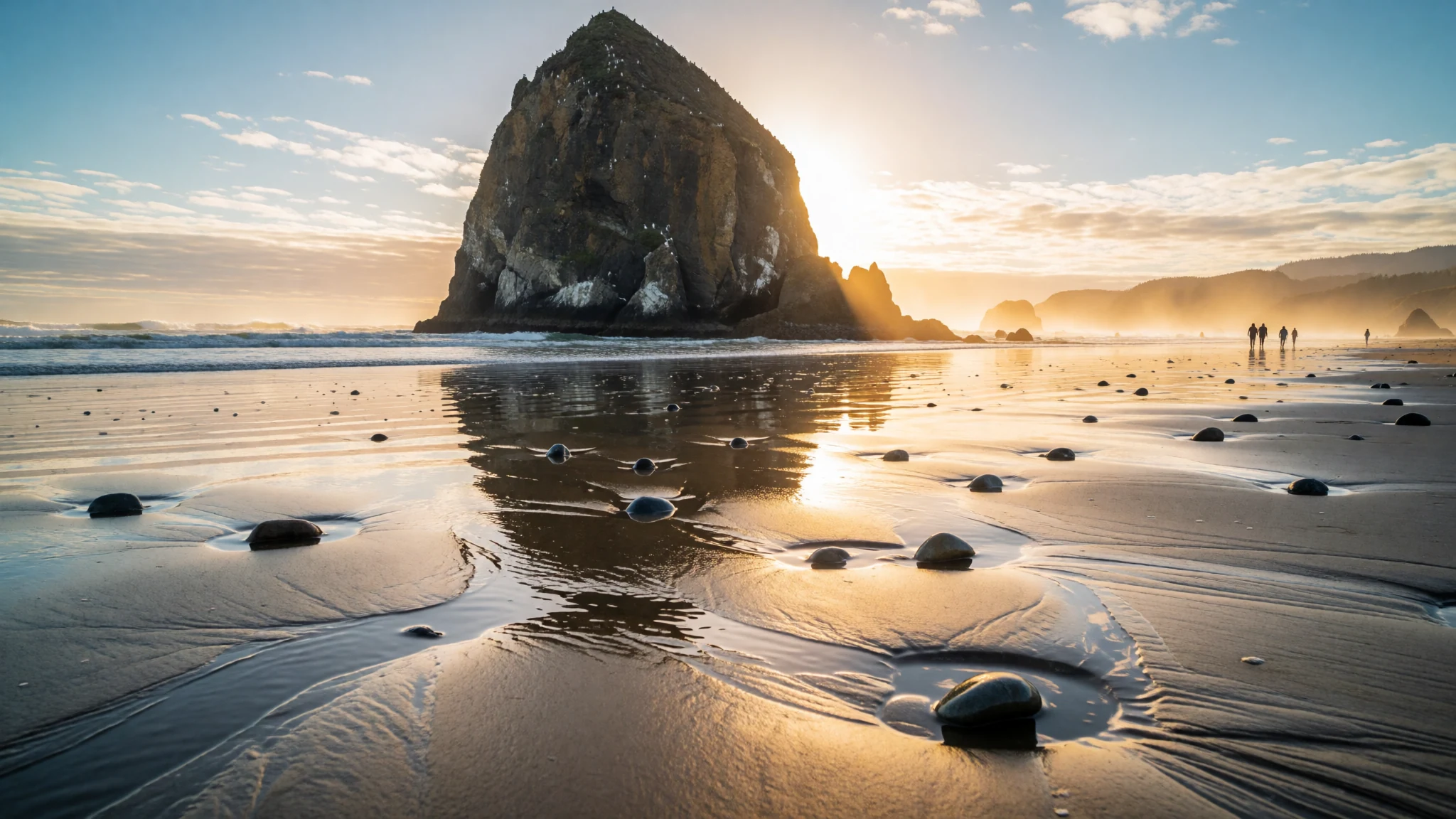
Visit Cannon Beach to walk across wide golden sands beneath the dramatic silhouette of Haystack Rock along the Pacific Northwest coast.
The place
Cannon Beach is a coastal city located in Clatsop County, Oregon, United States. Set against the vast expanse of the Pacific Ocean, the settlement occupies a compact area along the shoreline, featuring the quieter Tolovana Park neighbourhood towards its southern end, adjacent to the Tolovana Beach State Recreation Site. The local climate is characterised by mild, dry summers that typically avoid excessive heat, earning the region a warm-summer Mediterranean climate classification. The town serves as a celebrated coastal retreat, drawing travellers from nearby urban centres with its expansive shores and striking natural landforms.
The defining geological feature of the area is Haystack Rock, a massive sea stack that towers right along the water's edge. This monolith dominates the shoreline, anchoring the identity of the entire settlement and drawing naturalists, photographers and beachcombers alike. Beyond the main beach, the surrounding coastal geography includes dramatic headlands, old-growth forests and sheltered coves that invite exploration on foot. Despite its popularity as a weekend escape, the municipality has carefully protected its village atmosphere by discouraging large corporate chains, allowing independent artisan shops, local galleries and family-run eateries to define the streetscape. The interplay between the roaring surf, the misty Pacific air and the rugged cliffs creates an atmospheric, restorative landscape that feels entirely removed from the bustle of modern city life.
Its story
Long before European settlers arrived, the coastal lands around present-day Cannon Beach were settled by the Tillamook people, who harvested the rich marine resources of the Pacific shore. In the winter of 1805, members of the historic Lewis and Clark Expedition journeyed south from their base at Fort Clatsop after hearing reports of a whale that had washed ashore near the mouth of Ecola Creek. Expedition leader William Clark later travelled to the site himself, recording his awe at the sweeping ocean vistas from the rugged western cliffs of the headland, a viewpoint now preserved within Ecola State Park.
Clark and his companions completed a challenging three-day journey to the stranded whale on January 10, 1806, where they encountered a group of Tillamook boiling blubber for storage. Through peaceful bartering, Clark successfully acquired a substantial quantity of blubber and whale oil to supplement the expedition's winter provisions before returning north to Fort Clatsop. The encounter is remembered today through a commemorative public sculpture situated at the northern end of Hemlock Street. Clark also applied the Chinook Jargon word for whale, ekoli, to the nearby creek, which eventually evolved into the modern name Ecola, cementing the deep historical ties between the indigenous stewards of the coast and the early American explorers.
What to see
- Haystack Rock and Tolovana Beach — Southern beachfront
This immense sea stack anchors the coastline, drawing visitors who comb the tide pools at low tide to observe starfish, anemones and nesting seabirds. Stretching south, the adjoining recreation area provides wide, peaceful expanses of sand for walking and beach sports.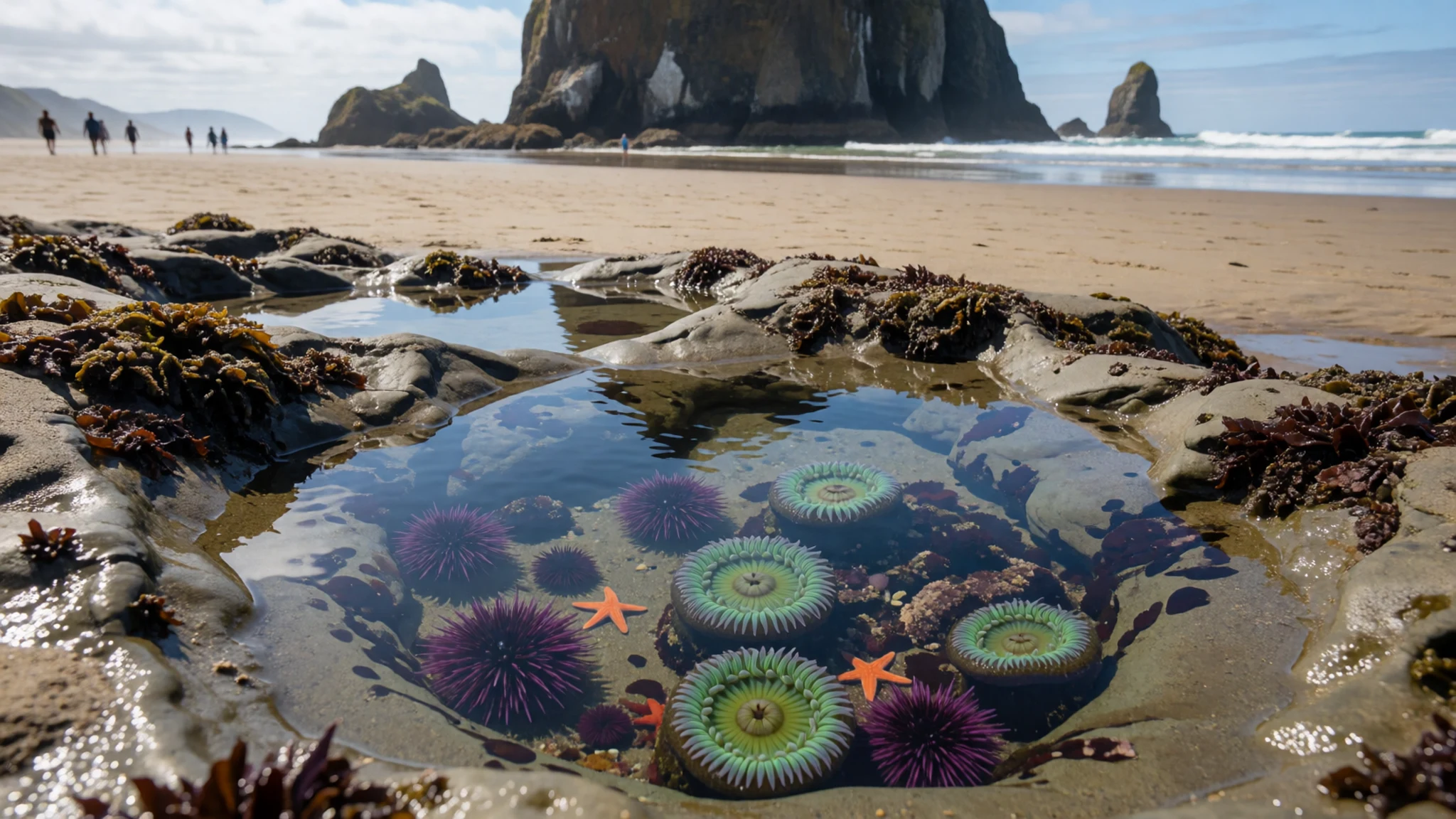
- Ecola State Park — Northern headlands
Situated at the northern edge of town, this protected park rises steeply above the Pacific with sweeping overlooks and forested walking trails. It offers classic coastal panoramas and access to secluded coves where movie scenes and historical expeditions once took place.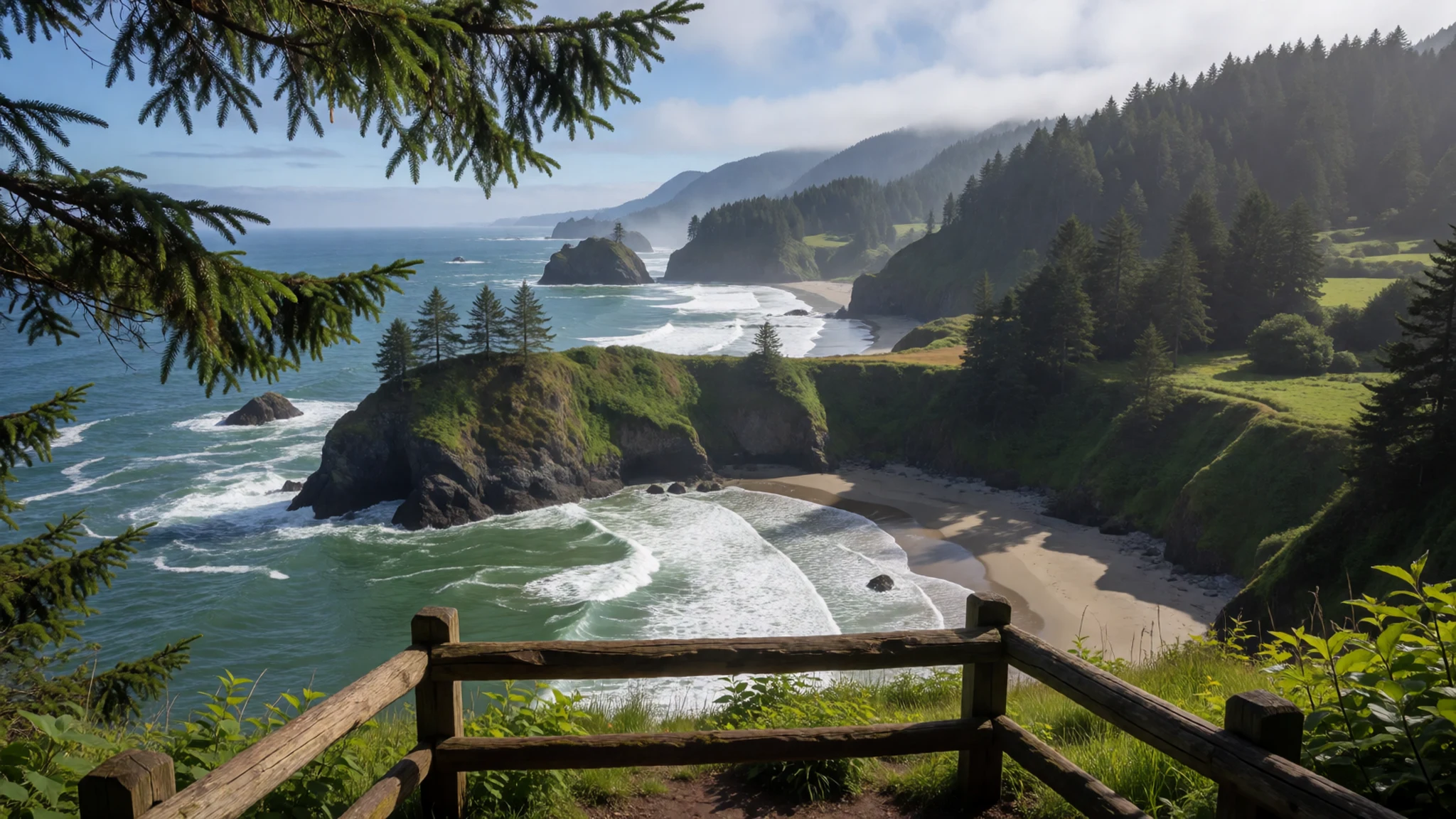
- Cannon Beach Historical Center and Museum — Downtown core
A modest cultural repository preserving the rich heritage of the northern Oregon coast. Exhibits explore indigenous Tillamook life, the arrival of the Lewis and Clark Expedition, local shipwrecks and the development of the coastal community through early photography and artifacts.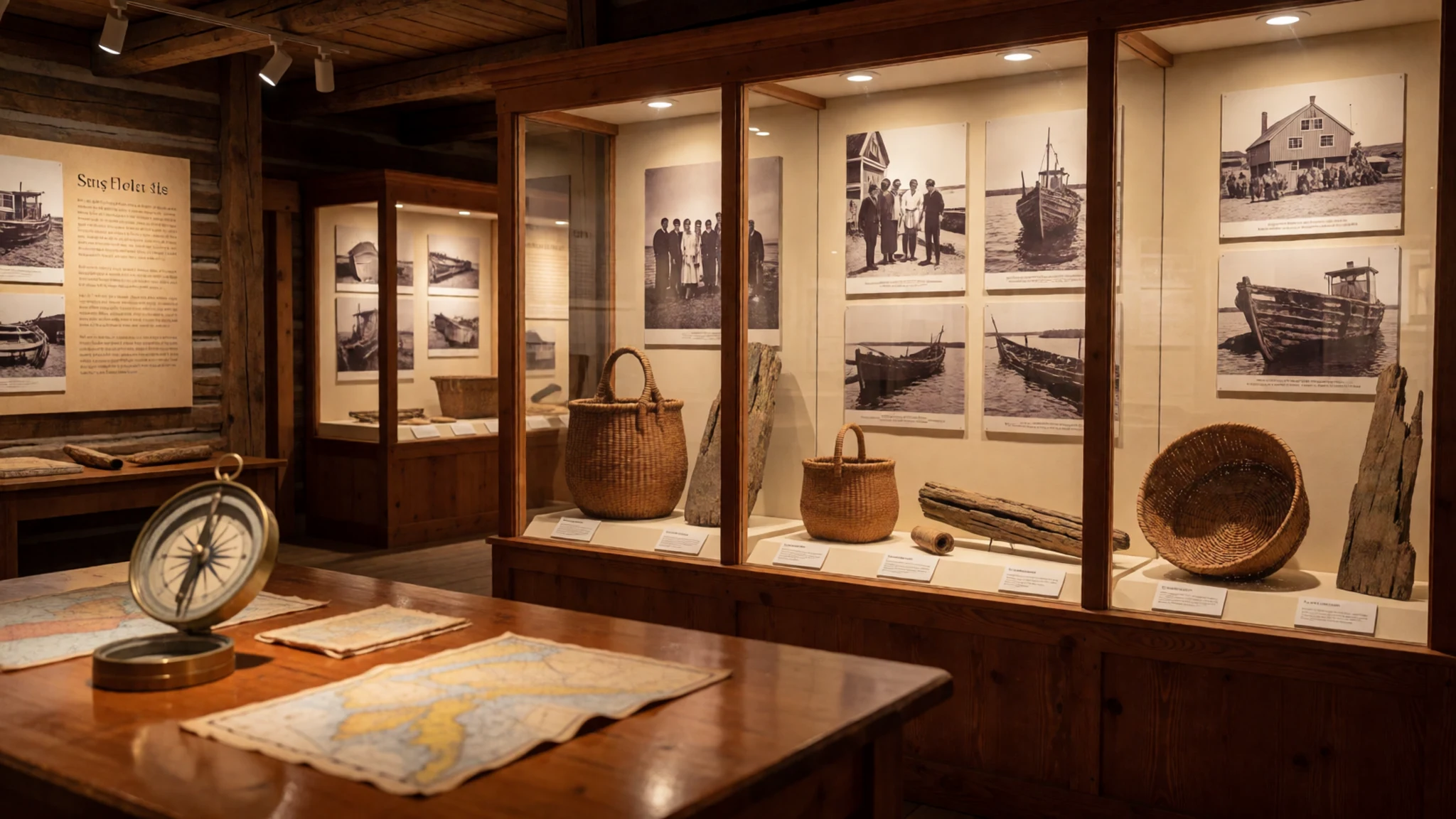
- Coaster Theatre Playhouse — Hemlock Street
Housed in a historic building that once served as a lodge and riding academy, this community venue stages regular theatrical productions, musicals and dramatic plays, providing a vibrant cultural anchor for residents and visitors during chilly coastal evenings.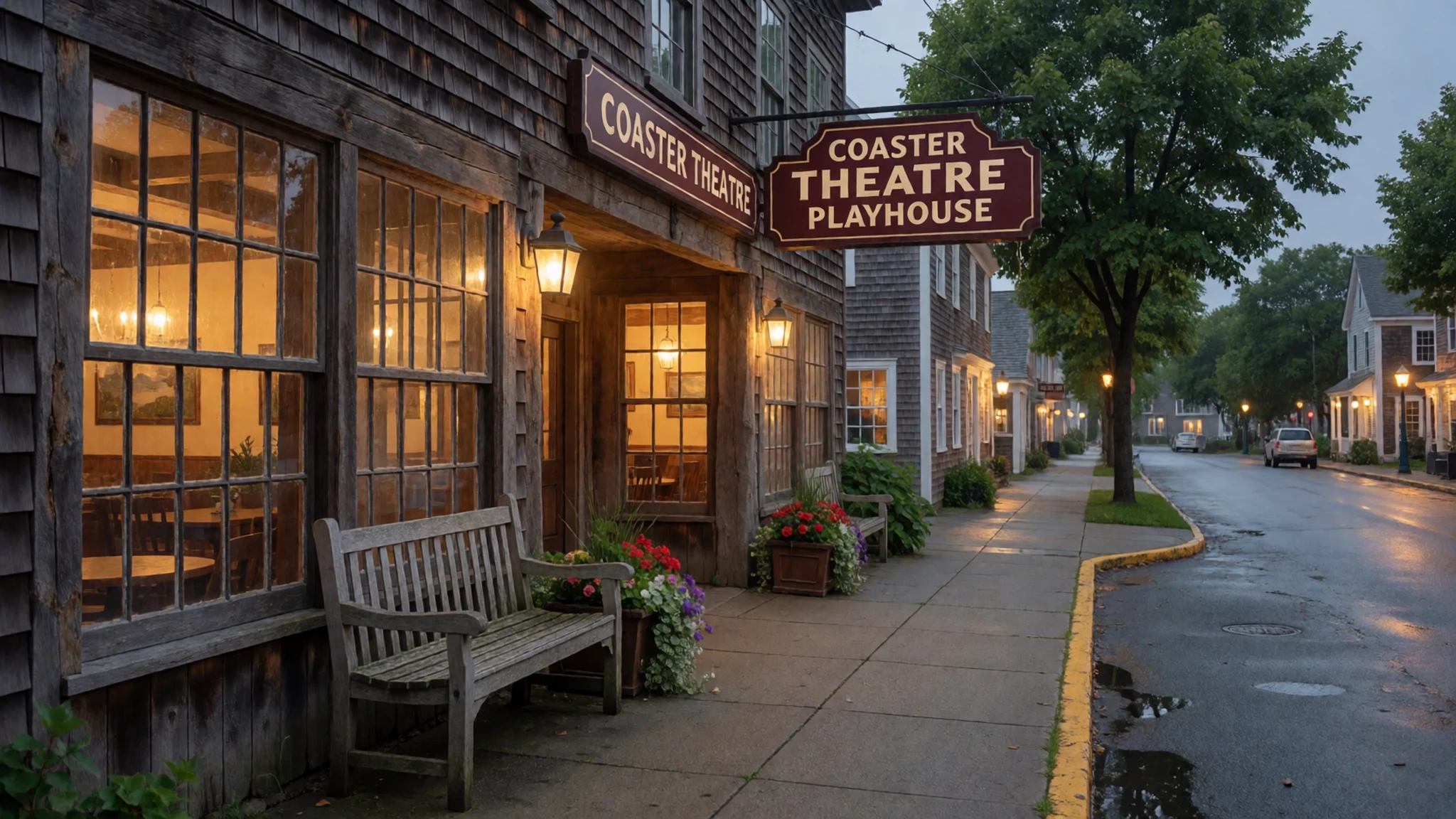
- Hug Point State Recreation Site — South of town
A historic coastal spot where travellers once bypassed rocky headlands via carved wagon ruts in the sandstone cliffside. Visitors can explore sandstone caves, small waterfalls and tide pools accessible exclusively during the lowest tidal windows.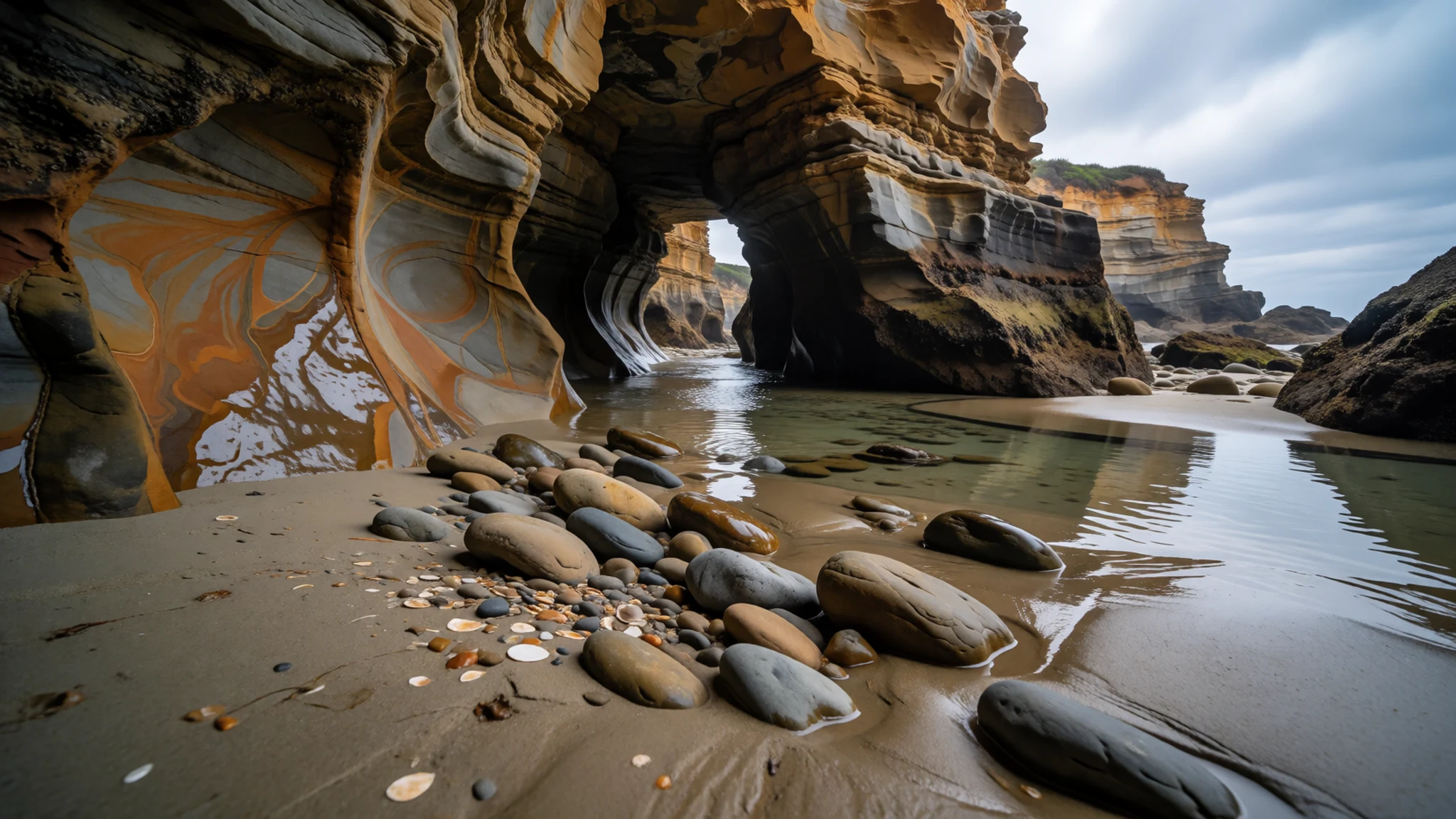
Culture
Cannon Beach functions as a vibrant creative enclave, deeply tied to the rhythms of the Pacific Northwest natural world. Throughout the year, the town plays host to several notable cultural gatherings that celebrate both the arts and the coastal environment. In June, local artisans and visitors gather on the sands for an annual sand castle-building contest, transforming the shoreline into ephemeral sculpture galleries. The community also marks national holidays with festive parades featuring traditional processions and lighthearted community groups. Art appreciation takes centre stage during seasonal festivals such as the Spring Unveiling in May and the Stormy Weather Arts Festival in November, when regional painters, sculptors and craftspeople showcase their portfolios across independent local galleries. These events underline a collective commitment to supporting independent creators and preserving the relaxed, artistic character of the settlement. When visiting local art galleries and small boutiques, always respect requests regarding food, beverages and photography inside exhibition spaces.
What to wear
Clothing in Cannon Beach is defined by practicality, comfort and protection against the bracing elements of the Pacific Northwest coast. There is no historical traditional costume unique to the modern town outside of the functional woollens and waterproof gear historically worn by indigenous coastal fishers and early European explorers. Today, residents and visitors dress in casual, weather-appropriate layers suited for sudden shifts in coastal weather. Standard daily attire consists of sturdy walking shoes or waterproof boots, durable denim or canvas trousers, warm woollen sweaters, fleece jackets and reliable wind-resistant rain shells. Because ocean breezes remain brisk even during dry summer afternoons, visitors should always pack a warm outer layer regardless of the season. When exploring tide pools, rocky headlands or forested trails, appropriate footwear with good tread is essential to navigate slippery surfaces safely.
What to eat
- Pacific Salmon and Local Seafood — Traditional sit-down restaurants along Hemlock Street
Freshly caught salmon, razor clams and Dungeness crab served simply grilled or pan-seared, highlighting the rich bounty of the cold Oregon coastal waters.
- Artisanal Craft Beer and Root Beer — Local brewpubs and neighbourhood taverns
Locally brewed ales, IPAs and small-batch house-made root beer crafted on-site to complement hearty pub menus.
- Clam Chowder — Cosy coastal cafes and casual dining lounges
A thick, warming cream soup loaded with local clams, potatoes, celery and onions, served piping hot in a bread bowl or cup. - Coastal Bakery Pastries and Confections — Independent bakeries and sweet shops dotted through the village
Freshly baked morning cinnamon rolls, artisan breads and handmade saltwater taffy prepared daily by local confectioners. - New York Steaks and Wood-Fired Pizza — Family-run neighbourhood restaurants
Classic comfort dishes featuring seasoned prime cuts of beef and hand-stretched pizzas topped with regional ingredients.
Plan it
Best time. June to September offers the driest weather and mildest daytime temperatures for exploring the beaches and coastal trails.
How long. 2–3
Getting there. Fly into Portland International Airport (PDX), then rent a car or catch a regional connecting bus via Highway 26 for an hour-and-a-half drive west to the coast.
Budget. mid
Tips
- Check local tide tables before walking out towards Haystack Rock or exploring coastal headlands to avoid getting stranded by incoming waters.
- Rent a car or bring your own vehicle, as public transit between remote coastal viewpoints is limited.
- Pack waterproof outerwear and layers, as coastal fog and brisk ocean breezes occur year-round.
- Support independent local businesses and artisan galleries, which form the heart of the village economy.
Etiquette
- Respect wildlife protection zones around nesting seabirds and marine life near Haystack Rock.
- Pack out all litter and respect natural habitats within state parks and beaches.
Nearby
Sources
- Wikidata Q988747 (CC0)
- Wikipedia (rev 1379934929) (CC BY-SA 4.0)
- Wikivoyage (rev 5349511) (CC BY-SA 4.0)