Bou-Hedma National Park
Bou-Hedma National Park, Tunisia
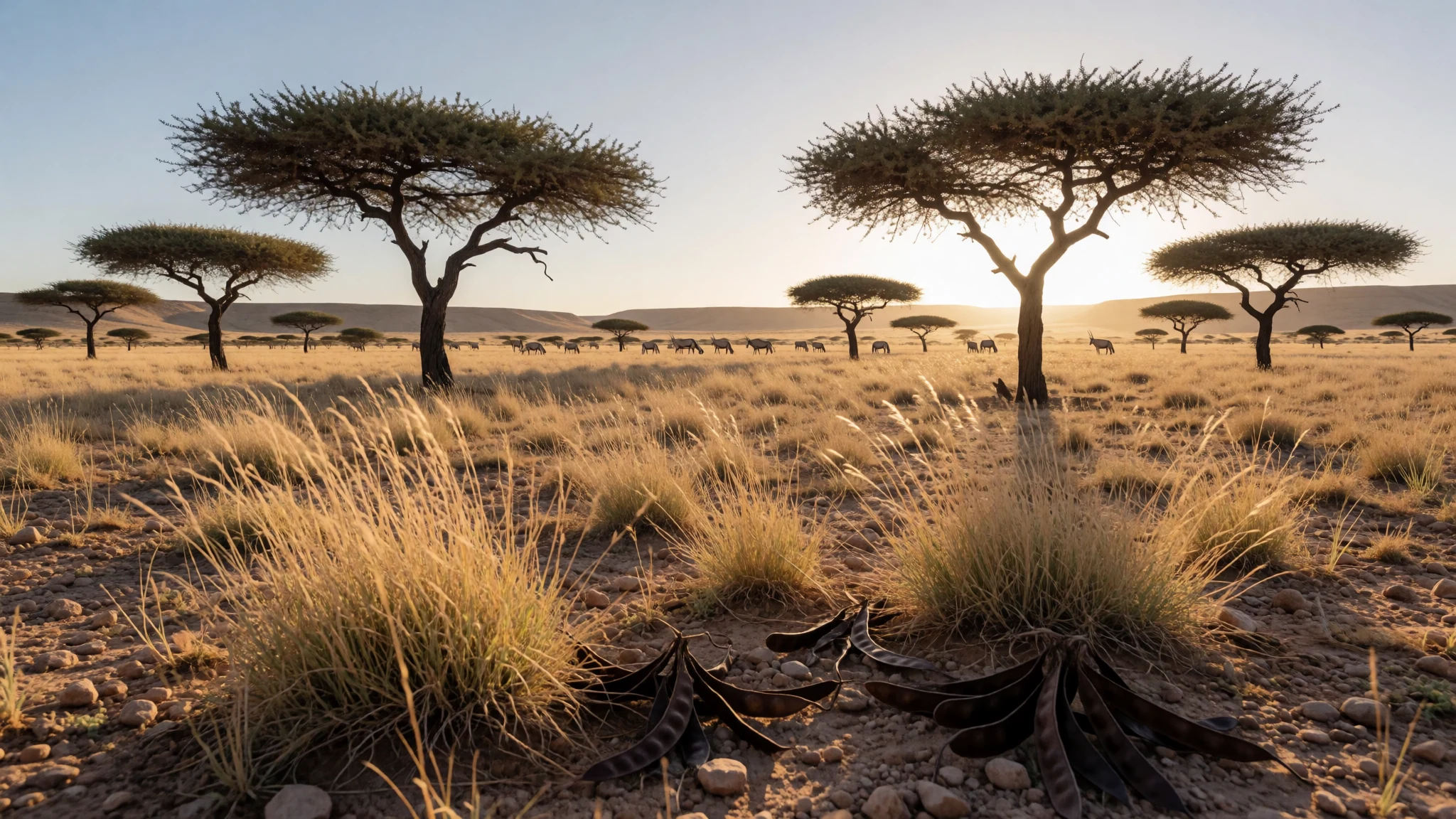
Bou-Hedma National Park is a quiet acacia savanna in southern Tunisia where lost desert antelope and ostriches have been brought back.
The place
Bou-Hedma National Park sits in south-central Tunisia, across the governorates of Gafsa and Sidi Bouzid, where steppe begins to give way to the Sahara. It is a mountain park only in a loose sense. The relief is modest, with low ridges and wide plains, and the real interest is the vegetation. Acacia trees stand singly over open grassland, a scene closer to the Sahel than to the olive-and-coast Tunisia most visitors know. Acacia raddiana, with its flat crown and curled pods, is the tree that defines the view.
The park was created in 1980 to protect this dry savanna, and it has since become a refuge for animals that had disappeared from the wild across North Africa. Scimitar oryx, addax, dama gazelle and North African ostrich have all been reintroduced. Seeing them takes patience and a good guide's eye rather than luck alone.
The mood is quiet. Expect a low-key visit rather than a polished safari circuit, and check with the park authority before travelling about access, guides and which areas are open. The nearby towns are working places, not resorts. Summers are punishingly hot, so the park suits an early-start visit in the cooler months. Roman remains in the area, including a bridge, old pools and an aqueduct, give a second reason to come. Anyone hoping for crowded wildlife sightings should adjust expectations: this is a recovery project in a hard landscape, and its appeal is subtle.
Its story
Bou-Hedma National Park lies in country that has been farmed and fought over for a very long time. Southern Tunisia was part of the Roman world after Rome destroyed Carthage, and the park still holds traces of that era: village foundations, a bridge over a seasonal river known as Wadi Bautista, water pools and stretches of aqueduct. They show that Roman engineers managed to hold and move scarce water in a land that gets little rain. Those remains make the area archaeologically important as well as ecologically so.
After Rome came Vandals, Byzantines, the Arab conquests and eventually Ottoman rule. Through those centuries the dry plains were grazed, cut for fuel and thinned of wildlife. Large antelope that once ranged across the Saharan fringe were hunted out, and the ostrich vanished from much of the region as well.
Protection arrived in 1980, when the park was established. The aim was to let the acacia woodland recover and to give threatened species somewhere safe to live. Over time, scimitar oryx, addax, dama gazelle and North African ostrich were brought back, animals now rare or gone elsewhere in their natural range. Bou-Hedma is therefore two stories at once: an ancient landscape of water management, and a modern attempt to undo some of the damage of later centuries. Neither story is dramatic on the surface. Both reward a slow walk and a guide who knows where to look.
What to see
- The acacia plains — Central plains of the park, Gafsa and Sidi Bouzid governorates
The heart of Bou-Hedma is its open grassland dotted with acacia trees, which look almost East African in the right light. Walking or driving slowly across them, with a guide, is the best introduction. Go early, when the air is cool and animals are more likely to be moving.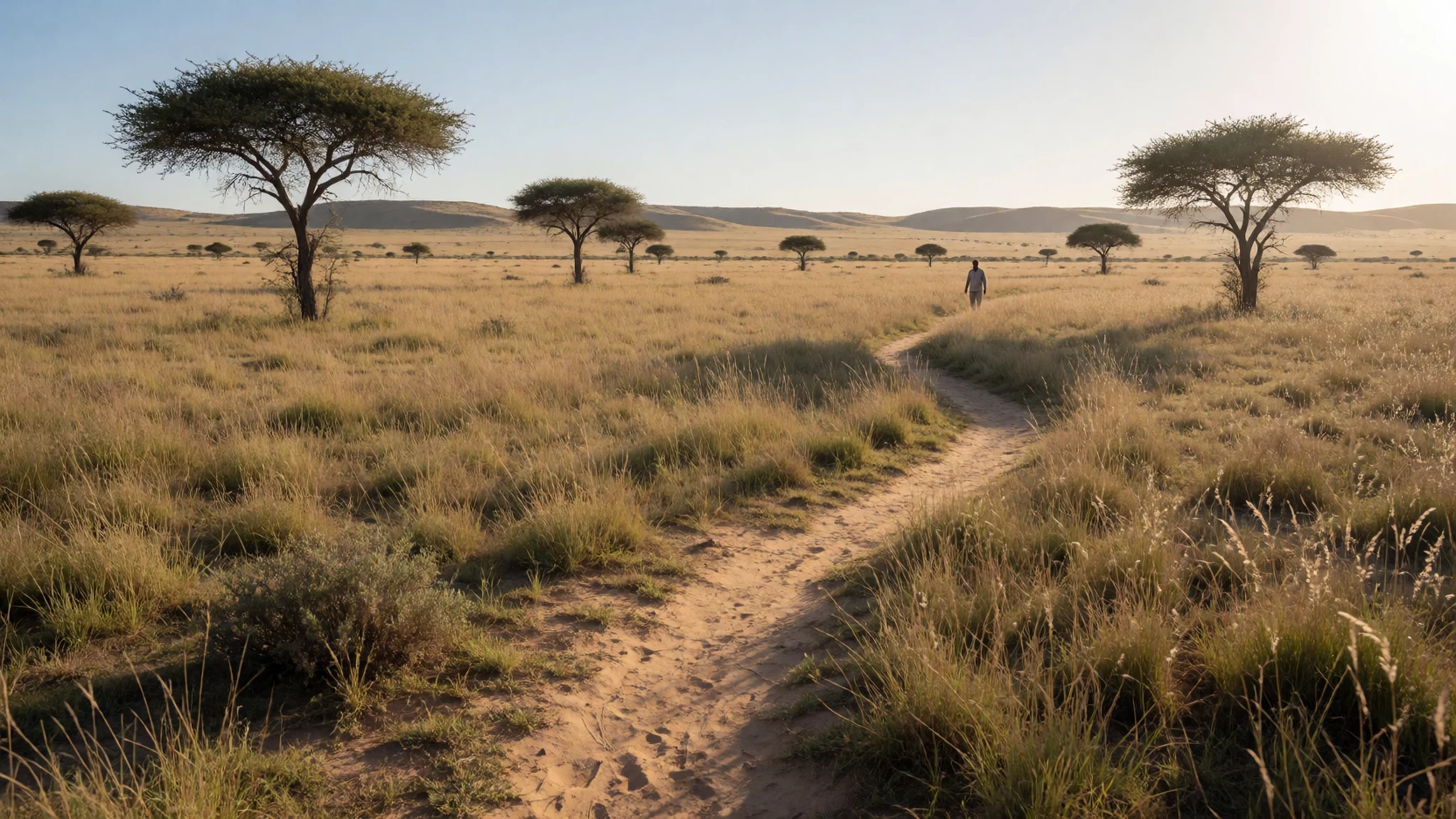
- Reintroduced antelope and ostriches — Protected areas inside the park; ask park staff where animals are being seen
Scimitar oryx, addax and dama gazelle were returned here after vanishing elsewhere, and North African ostriches roam too. Sightings depend on season, heat and where the animals are feeding. A ranger or local guide improves the odds a great deal, and binoculars help more than a long lens.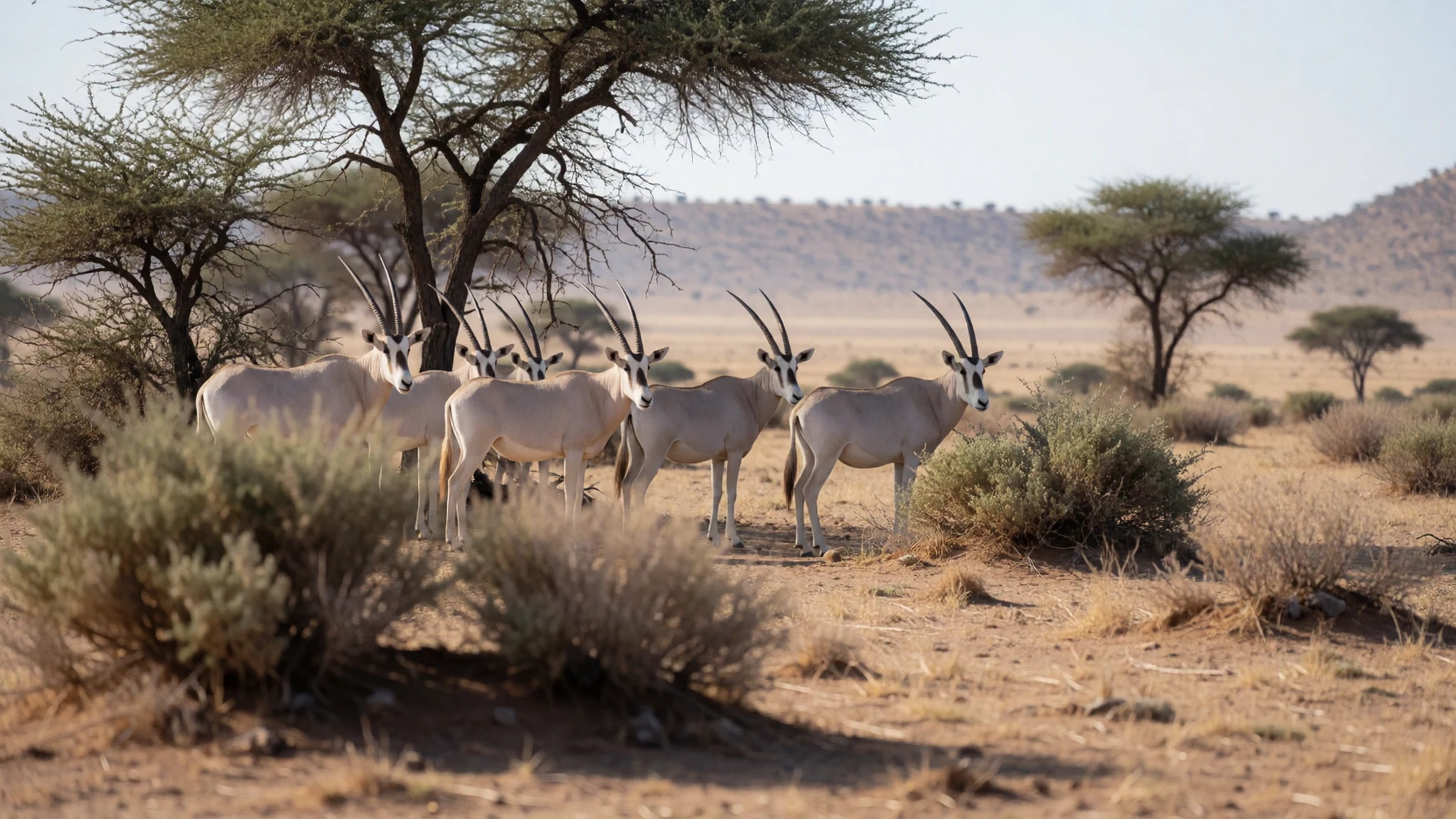
- Acacia raddiana up close — Scattered across the savanna, easiest to reach near the main tracks
The park's signature tree rewards a closer look. Its flat crown gives rare shade, its pods curl in tight spirals, and its thorns explain why grazers treat it with care. Photographers do well here in low morning or evening light, when the bark and pods show their texture.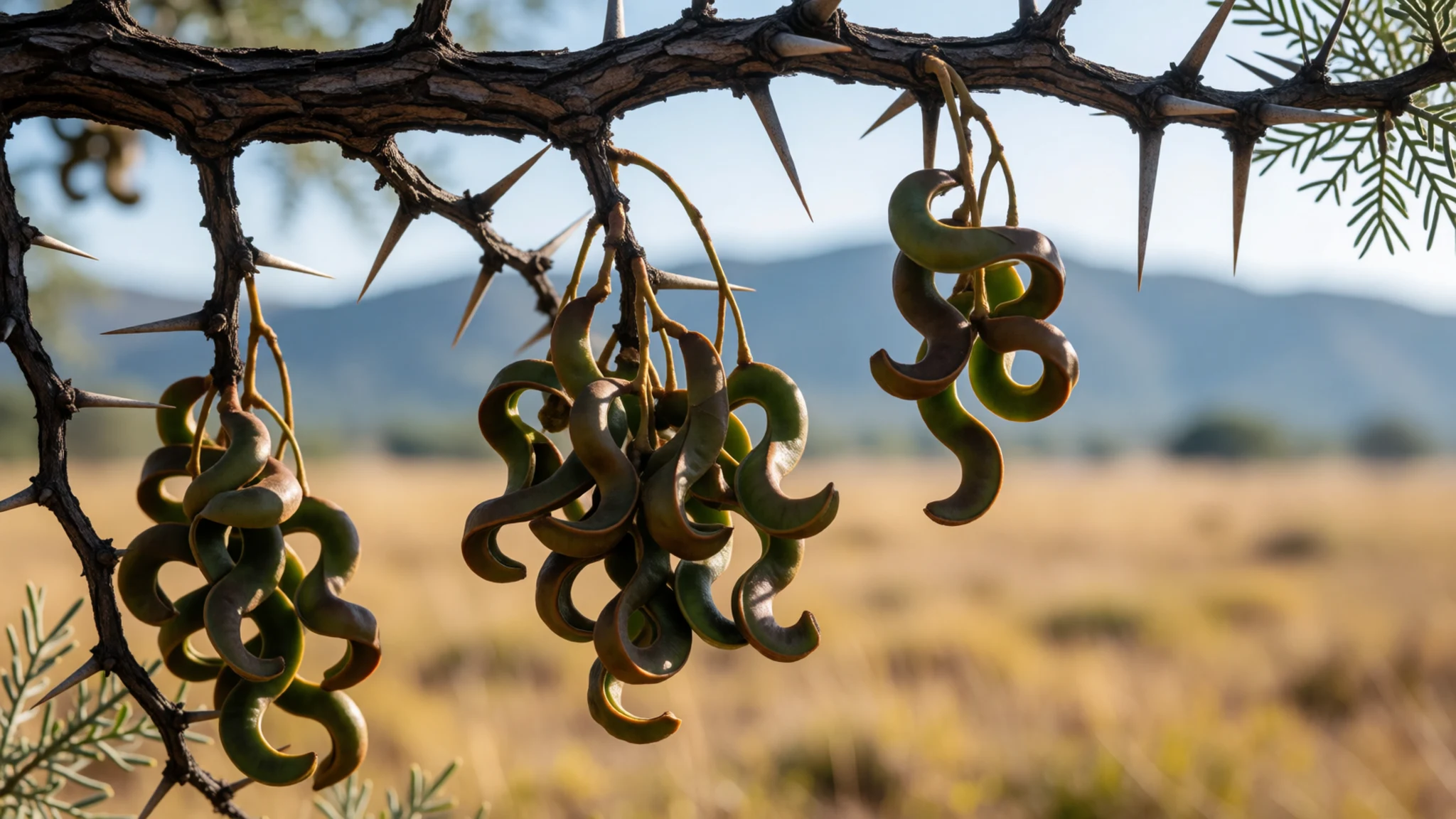
- Roman bridge, pools and aqueduct — Wadi Bautista area and the Roman village sites within the park
Roman remains are spread through the park and its surroundings: a bridge over Wadi Bautista, old water pools and sections of aqueduct. They are weathered and lightly signed, so the visit works best with someone who can point them out. Expect stones and context, not a tidy archaeological site.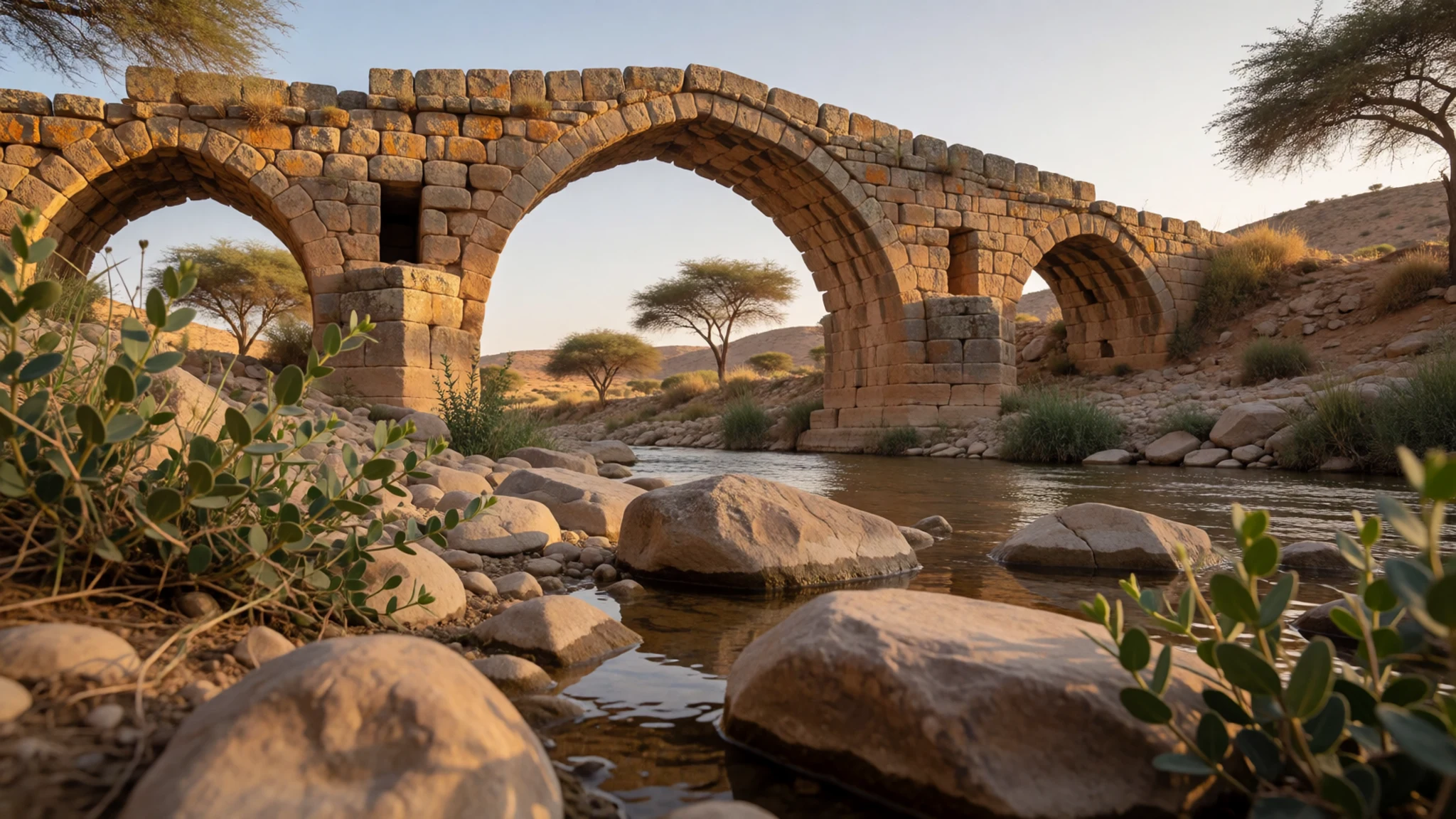
- The park's hill edge — Hills along the edge of the park; confirm routes with staff
Beyond the plains, the land rises into low hills that give the park its mountain label. A short climb or a viewpoint walk shows the acacia country spread out below, with the desert beyond. Wear proper footwear, carry water, and finish before the midday heat arrives.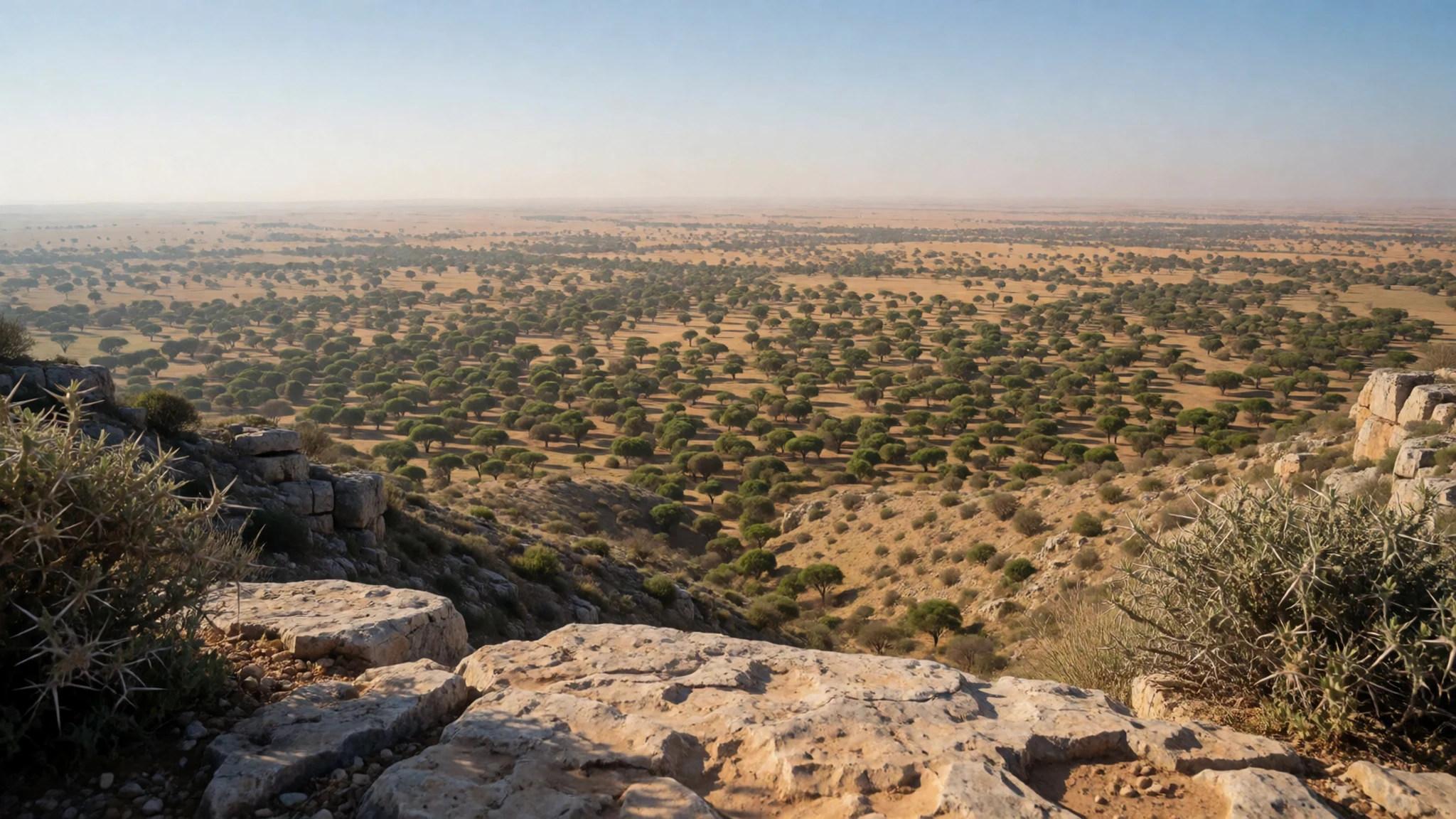
Culture
Bou-Hedma National Park lies in southern Tunisia, a region more conservative and traditional than the capital or the coastal resorts. Tunisia is a Muslim-majority country, and in the south daily life is shaped by family, faith and a strong tradition of hospitality. Visitors who greet people politely, in French or a few words of Arabic, usually meet warmth in return.
The countryside here has long been herding and farming land, and Bedouin heritage still colours local identity. Livestock, olive groves and small-town markets matter far more to the economy than tourism does. Conservation is a relatively new idea in this setting, so the park's rangers and guides often act as translators between local use of the land and its protection.
The calendar matters too. During Ramadan, many cafés and eateries in smaller towns close in daylight hours, and the pace of the day shifts towards evening. Shops may open late, and travel plans that rely on daytime meals need some forethought. After sunset, towns come alive with shared meals and visiting.
Tunisia also has long-established Christian and Jewish minorities, and religious diversity is part of the national picture. Even so, the further south one goes, the more modest public behaviour tends to be. Dress, tone and affection in public are all worth keeping low-key.
Ask permission before photographing people, and avoid eating, drinking or smoking openly in daylight in small towns during Ramadan.
What to wear
Bou-Hedma National Park is in southern Tunisia, where dress mixes Maghrebi tradition with practical desert habits. The classic men's garment is the jebba, a loose robe of wool or cotton, often worn with the red felt chechia cap. Women have traditionally worn the safsari, a large wrap, and in rural areas colourful cotton and wool shawls and headscarves are still common. Woven wool blankets and striped fabrics also come from this part of North Africa. Traditional clothes appear mostly at weddings, festivals and on older people.
Day to day, most people wear modern clothes: trousers or long skirts, shirts and jackets, with a headscarf for many women. Younger people in the towns follow the same trainers-and-jeans style seen across the Mediterranean, though in the south hemlines and necklines stay conservative.
Visitors should dress for sun, dust and local norms at once. Light, loose, long-sleeved shirts and long trousers or skirts keep the sun off and avoid unwanted attention. Bring a wide-brimmed hat, sunglasses and a scarf or buff for wind and dust. Sturdy closed shoes or light boots suit rough tracks and thorny ground, since acacia thorns are real. Evenings can turn cool outside summer, so pack a warm layer. Swimwear and sleeveless tops belong on the coast, not in this region.
What to eat
- Brik — Family-run eateries and street stalls in Gafsa and Sidi Bouzid towns
A fried parcel of wafer-thin pastry folded around an egg, parsley and onion. Tuna and minced lamb versions are common. It is eaten with the fingers, and the runny yolk needs careful handling. A popular starter, and a popular snack.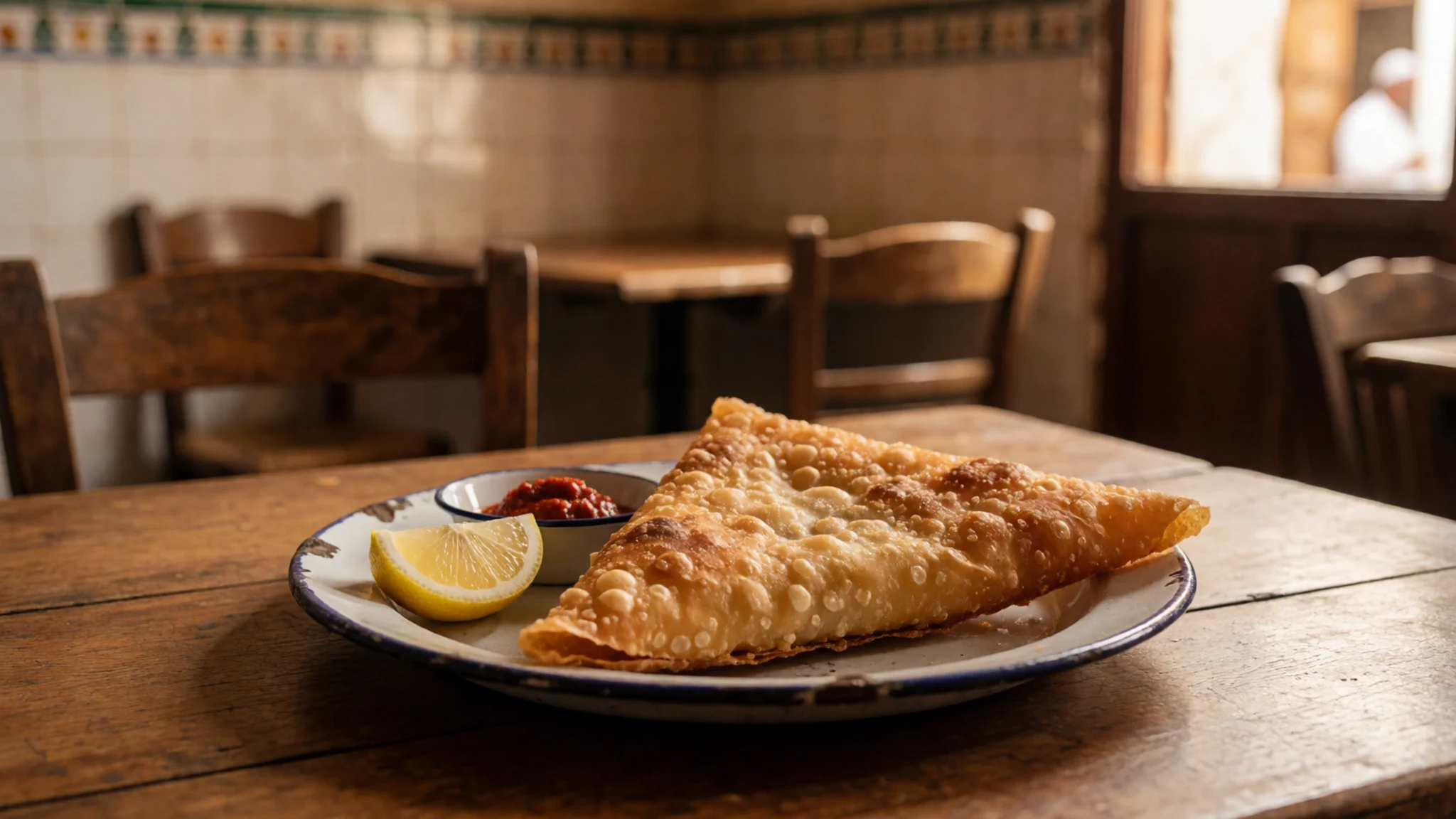
- Harissa — Almost any eatery or market stall; jars sold in town markets
A fiery red chilli paste, sometimes softened with carrot or yoghurt. It arrives early on the table with bread and a pool of olive oil. Start with a small dab, then judge the heat. Locals use it on nearly everything.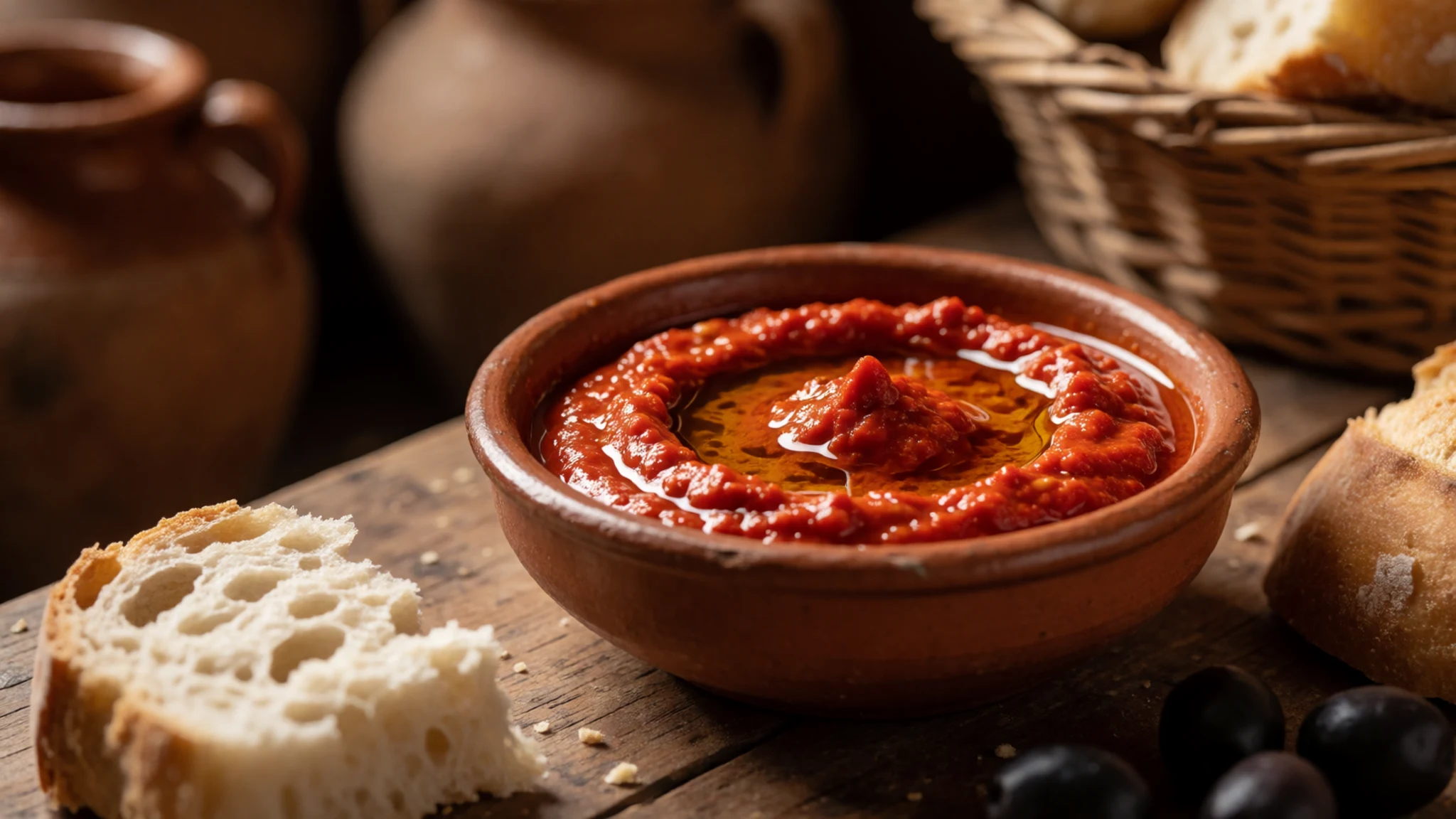
- Khobz tabouna — Neighbourhood bakeries and roadside ovens in small towns
Flatbread baked against the wall of a clay oven, with a lightly charred crust and soft centre. It is the everyday bread for dipping, scooping and wrapping. The smell from a busy oven tends to give the bakery away before the sign does. - Shorba frik — Simple family restaurants and home-style eateries in the towns around the park
A warming lamb soup thickened with cracked green wheat, usually brightened with tomato and herbs. It suits cool evenings and is often served as a starter, especially during Ramadan. The wheat gives it a nutty, slightly smoky depth. - Coucha — Traditional grill houses and local restaurants in Gafsa and Sidi Bouzid
Lamb shoulder cooked slowly with warm spices until it falls from the bone. This is a dish for sharing, with bread to mop up the juices. Lamb is the main meat across Tunisia, and this is one of the more satisfying ways to eat it.
Plan it
Best time. November–February, when highs run about 23–31 °C and walking is comfortable, are the easiest months to visit. Summer is very hot and dry, so keep visits to early morning, and winter nights can be cold.
How long. 1–2
Getting there. Fly into Tunis–Carthage or Djerba, then continue by road towards Gafsa or Sidi Bouzid, the governorates the park spans. A hire car or a driver is the practical last leg; confirm the entrance and current access with the park authority before setting off.
Budget. mid
Tips
- Arrange a guide through park staff or a local operator; animals are easier to find with one
- Start at first light, when it is cooler and wildlife is more active
- Carry plenty of water, sun protection and some cash, as small towns have few card machines
- Fill the fuel tank and check road conditions in the nearest town before heading in
- Consult your foreign office for current travel advice before a trip to Tunisia
Etiquette
- Dress modestly in towns and villages, especially away from the coast
- Ask before photographing people, and keep a respectful distance from wildlife
- Take all rubbish with you and stay on marked tracks
Nearby
Sources
- Wikidata Q894937 (CC0)
- Wikipedia: Bou-Hedma National Park (rev 1364686889) (CC BY-SA 4.0)
- Wikivoyage: Tunisia (rev 5423187) (CC BY-SA 4.0)
- Photo: Parc National de Bouhedma, Slim Alileche (CC BY-SA 4.0)
- Photo: Parc national de Bouhedma, El Golli Mohamed (CC BY-SA 4.0)
- Photo: Acacia – Parc National de Bouhedma, Smailtn (CC BY-SA 4.0)
- Photo: Acacia raddiana in Bouhedma – Fruits, IssamBarhoumi (CC BY-SA 4.0)
- Photo: Acacia raddiana in Bouhedma, IssamBarhoumi (CC BY-SA 4.0)
- Photo: Acacia Tunisie, Smailtn (CC BY-SA 4.0)
- Photo: Bouhedma National Parc, Faouz Kilani (CC BY-SA 4.0)
- Photo: Bouhedma National Park in Tunisia, Faouz Kilani (CC BY 4.0)


