Biogradska Gora
Biogradska Gora, Montenegro
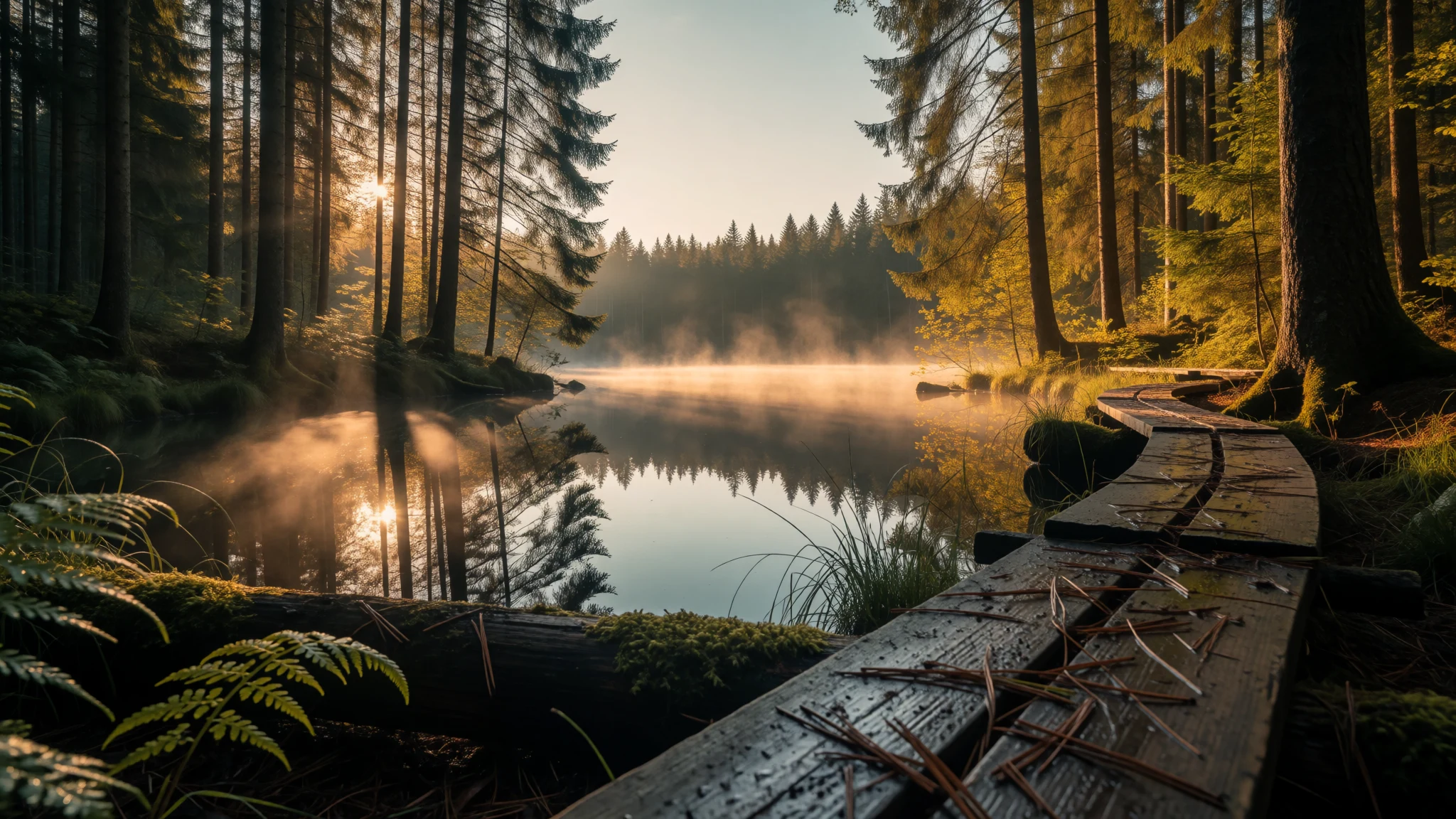
Biogradska Gora is a cool, quiet forest park in Montenegro's mountains, with a glacial lake, shaded paths and high ridges to climb.
The place
Biogradska Gora is a forest national park in the Bjelasica mountains of central Montenegro, set between the Tara and Lim rivers. Most of it lies within Kolašin Municipality, with Mojkovac and Berane as neighbours. Of the country's five national parks, it is the one furthest to the north-east. The park dates from 1952, and the official site is http://nparkovi.me/np-biogradska-gora/. The terrain is a mix of mountain ridges, glacial lakes and temperate forest, with the lake called Biogradsko Jezero at the centre of most visits. The entrance sits on the road linking Mojkovac and Kolašin, roughly five kilometres from the former and seventeen from the latter, so it is simple to reach by road and awkward by almost anything else. Inside, the atmosphere is damp shade, tall trunks, moss and birdsong rather than big panoramas. The wide views arrive only after a climb onto the Bjelasica ridges above the trees. Many Montenegrins and foreign visitors come in summer to get away from coastal heat, so July and August are the busiest weeks, although the paths thin out quickly once they leave the lakeshore. Facilities go well beyond the lake: a visitor centre with its own restaurant and lookout, rowboat and bicycle rental, a 3.5 km open-air train to the lake, and katun cottages for rent, while camping stays limited to designated areas. Anyone planning more than a short stroll should bring supplies, and should expect the weather to turn quickly at altitude, even in midsummer.
Its story
Biogradska Gora owes its survival to a gift. After Kolašin was freed from Ottoman rule in 1878, communities from the Morača and Rovca valleys handed a part of the forest to King Nicholas I Petrović-Njegoš of Montenegro. He kept it protected, and it became known as Branik Kralja Nikole, the bulwark of King Nicholas. That early habit of guarding the trees helps explain why the woodland here still has the feel of old forest, with deep shade and a floor of fallen timber and moss. The lakes themselves are glacial, shaped by ice that once sat on the high ground of Bjelasica, and they remain the park's most photographed feature. The modern chapter began in 1952, when the area was proclaimed a national park. In 1977 it gained a second layer of recognition through UNESCO's Man and the Biosphere Programme, which treats a place as a living landscape to be studied and cared for rather than sealed behind glass. Today the park is run by Montenegro's national parks agency, and the mix of walking, research and light tourism carries on that logic. For visitors, the story is easy to read on the ground: a protected core around the lake, working mountain country beyond it, and a forest that has been looked after for well over a century.
What to see
- Biogradsko Jezero — Lakeshore, centre of the park
Biogradsko Jezero is the park's focal point, a glacial lake ringed by dense forest, with a level path circling the shore. The walk is easy and fits a relaxed morning or afternoon, and on still days the water mirrors the trees. A restaurant and bungalows stand beside it, so this is also where the crowd gathers in high summer.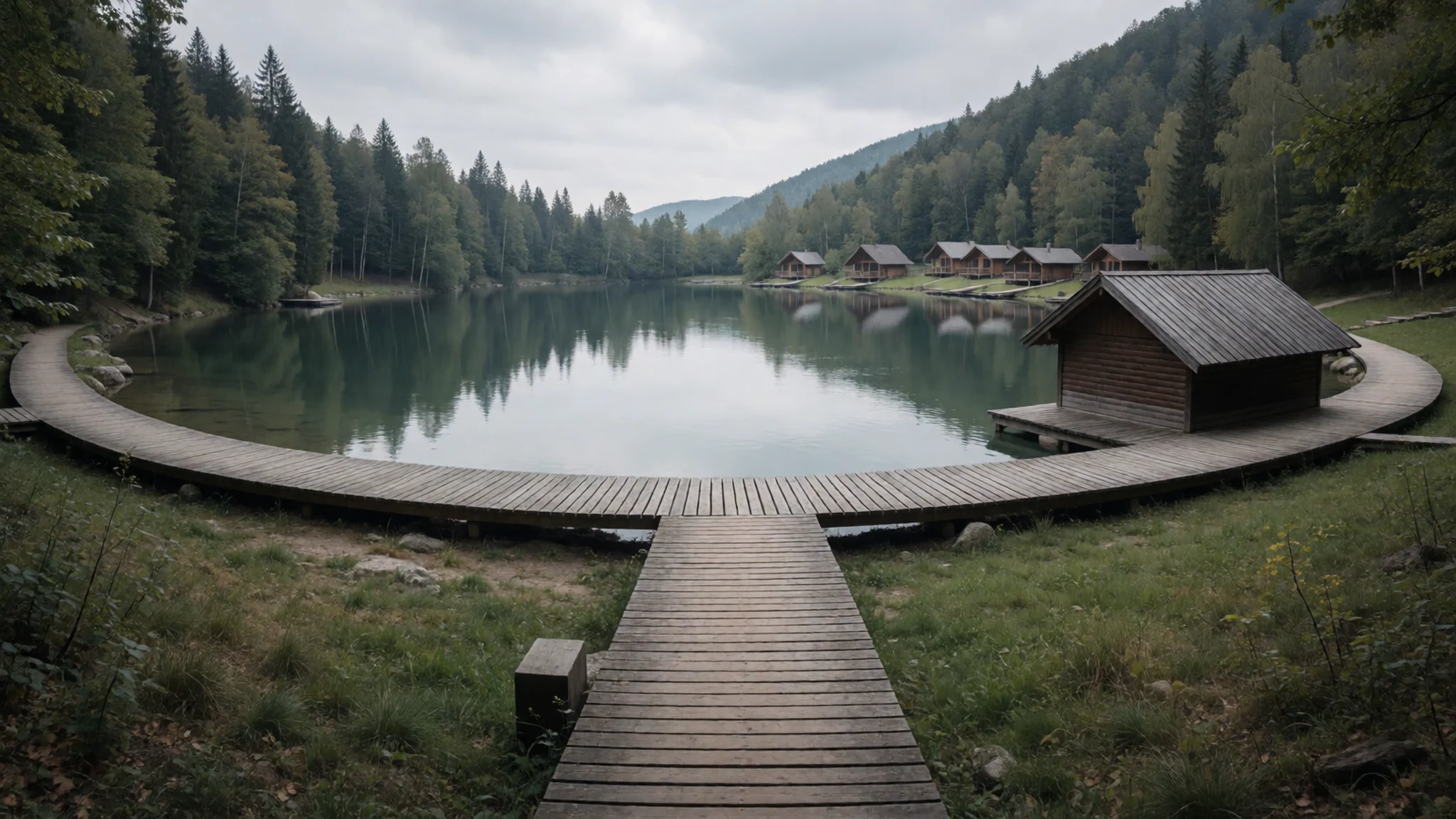
- Forest paths — Forest around the lake
Beyond the lake, marked paths run through old forest where tall trunks, moss and filtered light make the walking quiet and enclosed. Starting early, or choosing a track away from the shoreline, usually means long stretches without other people, even in July. Good footwear matters after rain, when roots and soil turn slippery.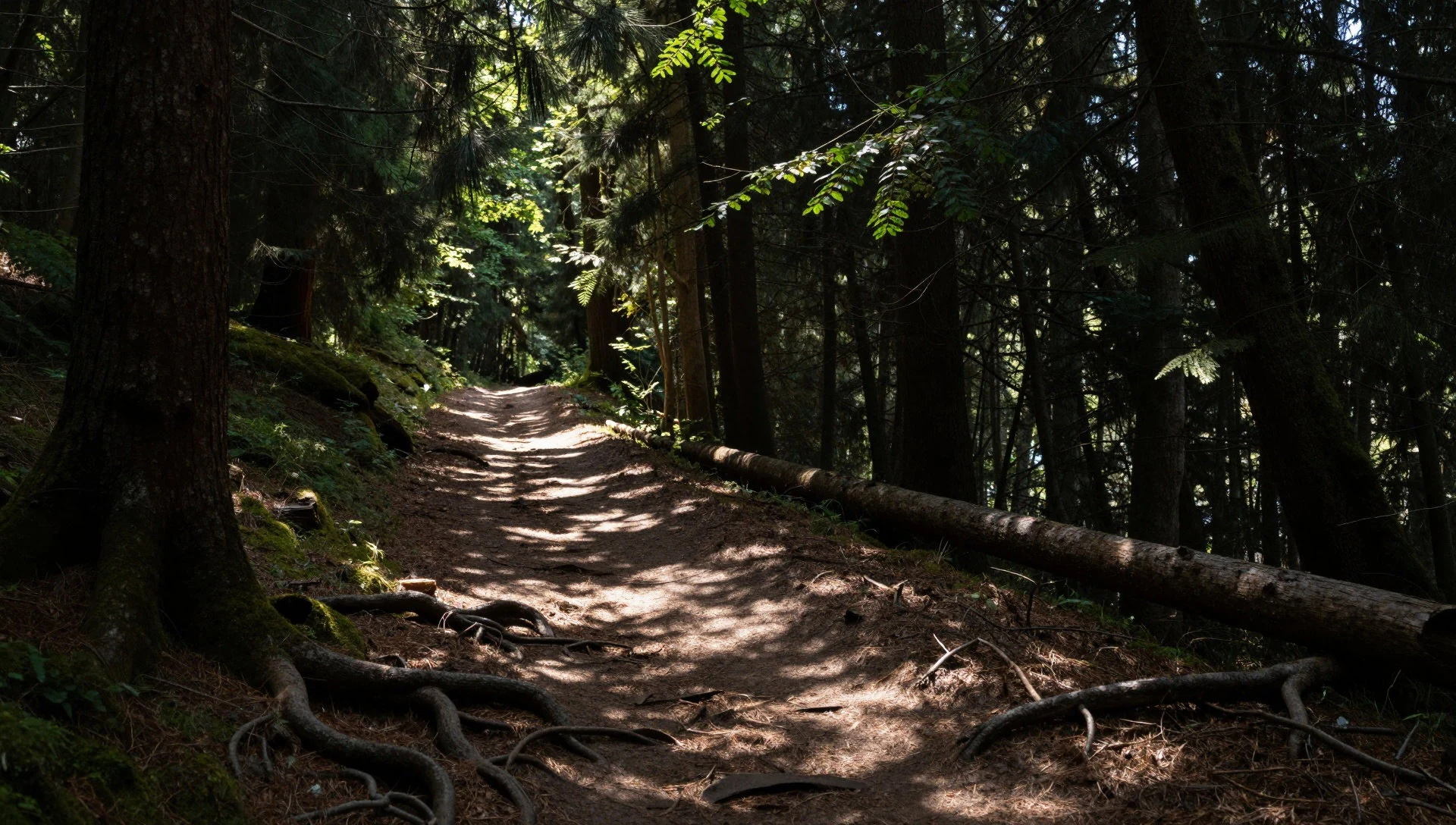
- Bjelasica summits — Bjelasica ridges above the park
The Bjelasica ridges rise above the forest, and the hikes to the summits, which climb past 2,000 m, give the wide views the woodland itself lacks. These are long days with changeable weather, so an early start and spare layers help. Marked mountain-bike trails also cross the area for those who prefer wheels.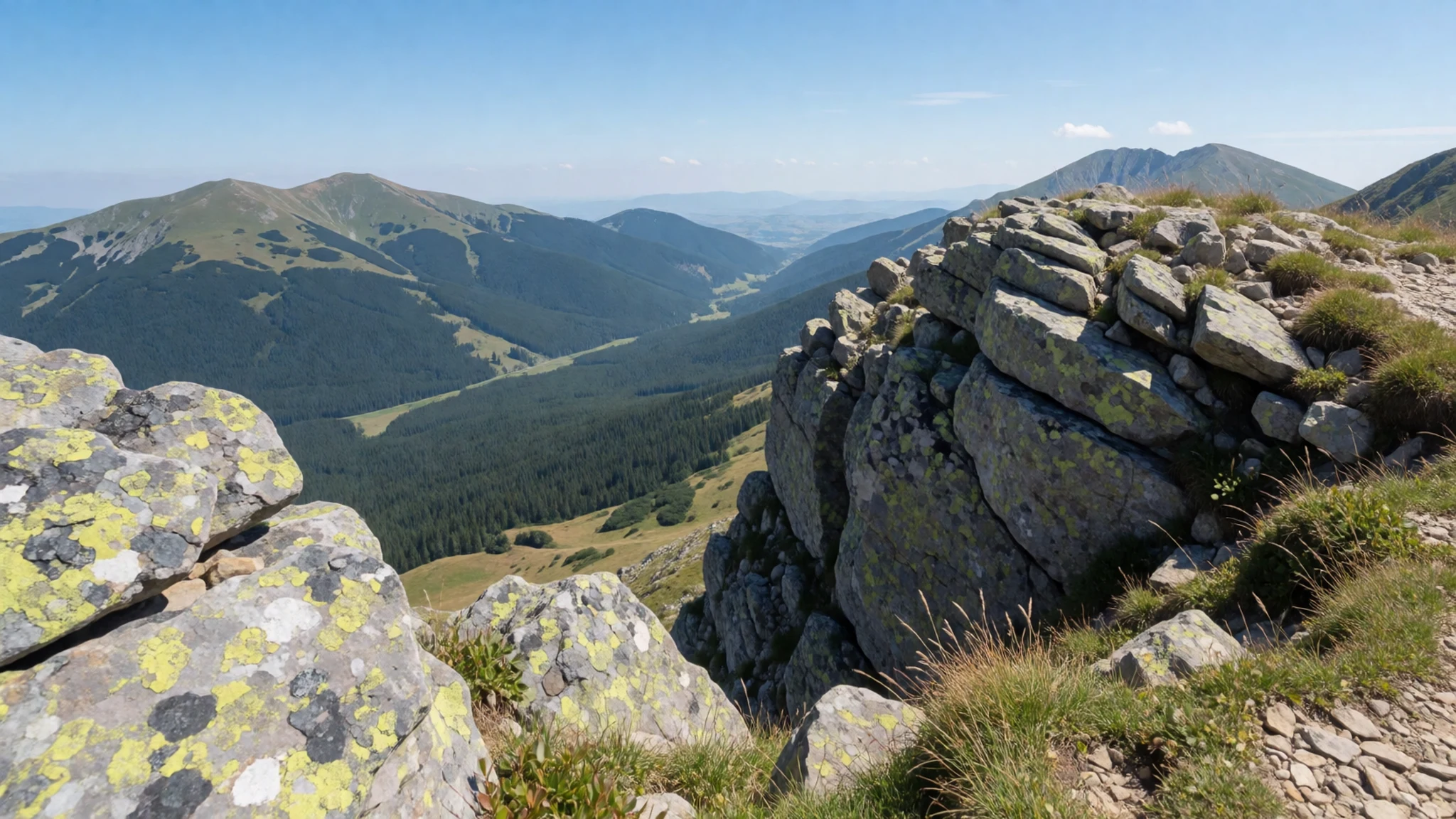
- The CT-1 route — Across Bjelasica and the park
A long-distance route known as CT-1 runs for about 120 km over Bjelasica and through Biogradska Gora, and is walked as a six-day trek. It suits experienced hikers who are comfortable with navigation and variable mountain weather. Shorter sections can be sampled as day walks from the park or from Kolašin.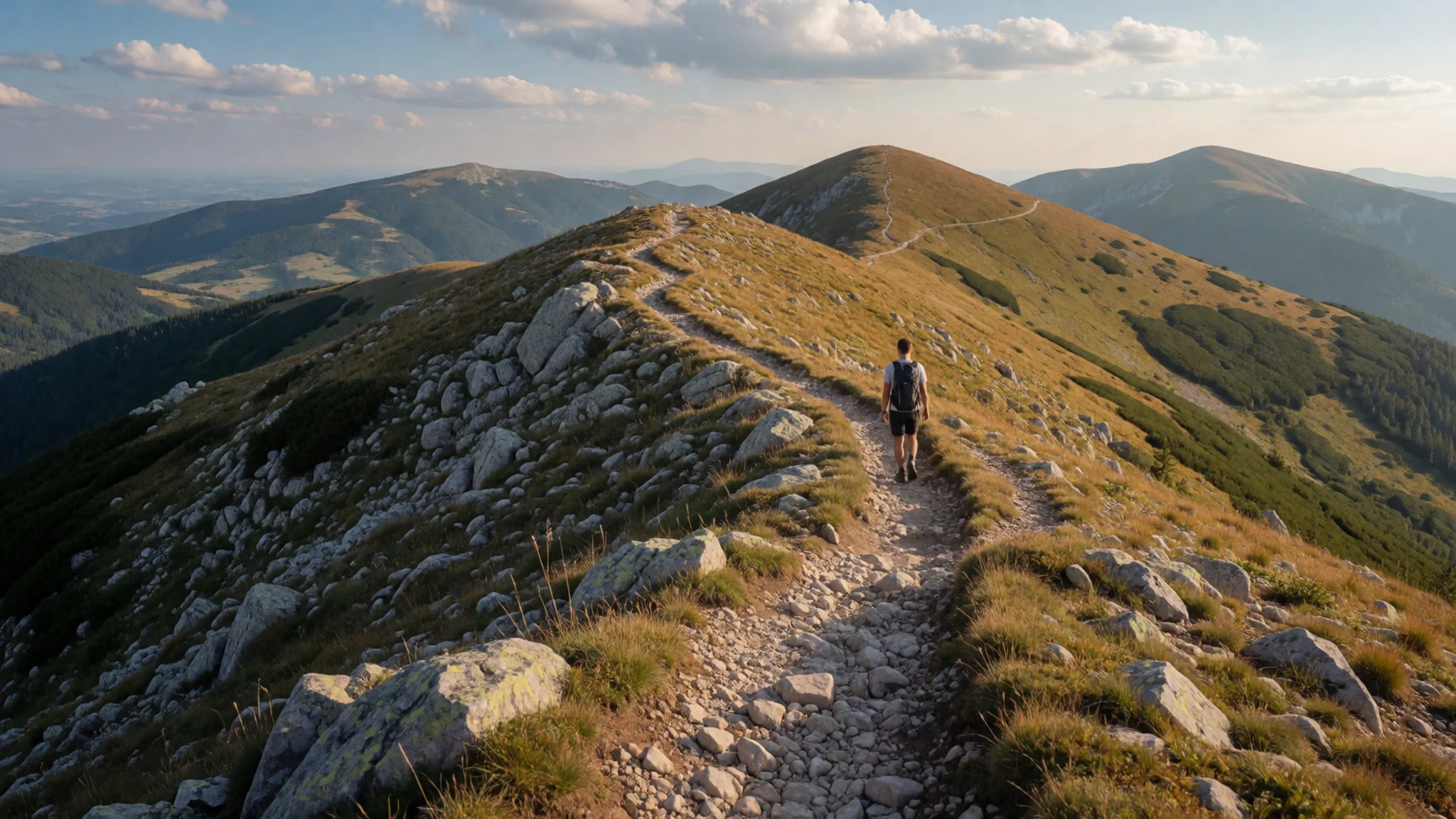
- Jezerine in winter — Northern side of Bjelasica
In winter the focus shifts to Jezerine, a ski resort on the northern side of Bjelasica that opens at the end of December. Its main slope is over 4 km long, and there are ski and snowboard schools and first-aid cover. Snow varies by season, so check local conditions before travelling.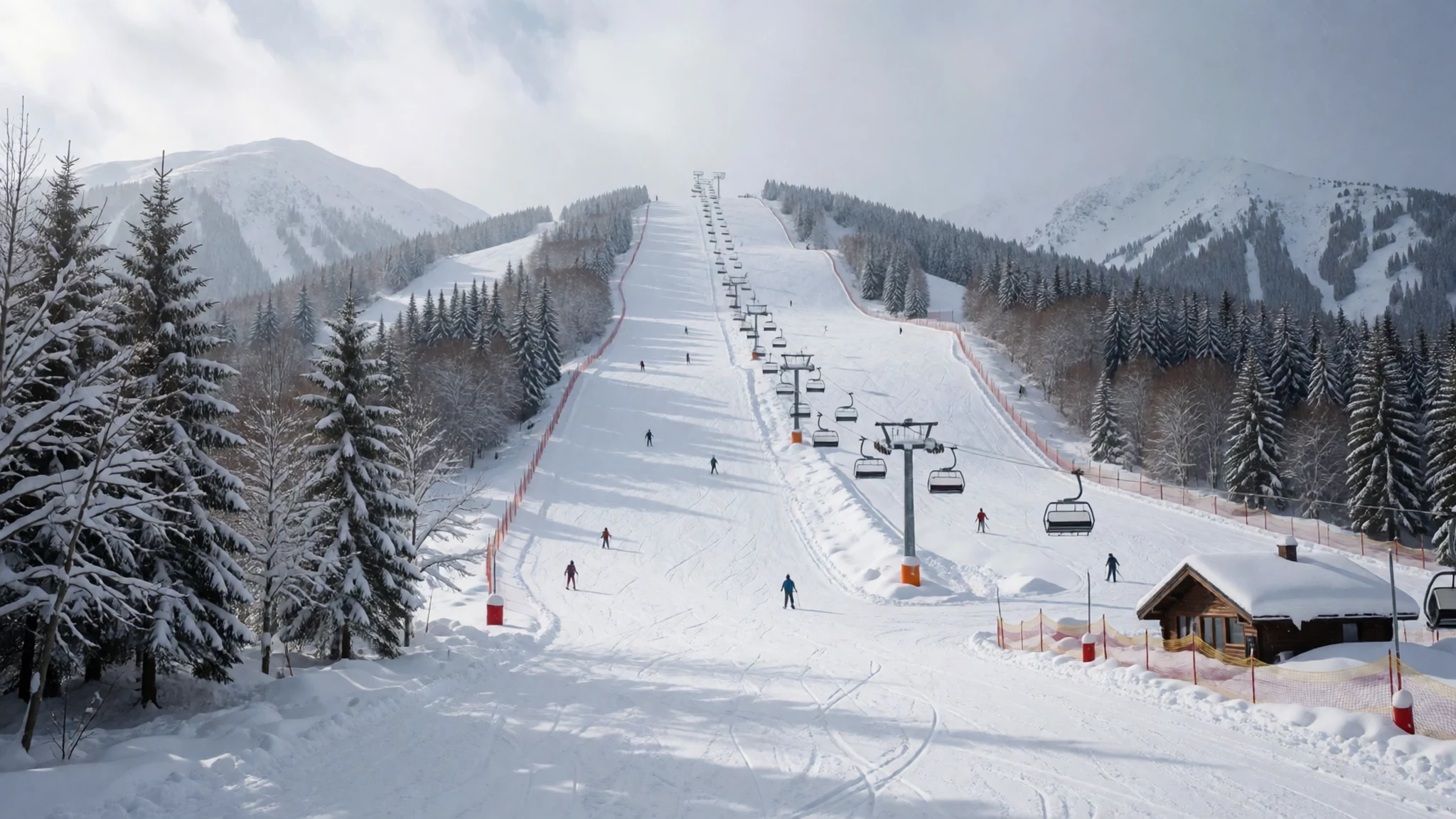
Culture
Biogradska Gora sits in highland Montenegro, where life has long been tied to livestock, forest and the seasons. Families in the Bjelasica area traditionally took flocks up to summer pastures and returned to the valleys when the weather turned, and echoes of that rhythm survive in the cheeses, dairy and slow, hospitable meals of the Kolašin district. Hospitality is a point of pride: a coffee, a glass of rakija or a plate of something home-made is often offered to guests, and refusing everything outright can seem cold. Conversation tends to be direct and warm, and a few words of the local language, such as hvala for thank you, are received kindly. The park's own culture is one of stewardship. The forest was set aside under King Nicholas I in the late nineteenth century, and local people still speak of it with a sense of ownership, as something inherited rather than a product. Mountain weather and distances are taken seriously, so people will often ask where you are walking and when you plan to return, and the question is a courtesy rather than prying. Villages around the park are small, and church and family events shape the calendar more than tourism does. Stay on the marked paths, carry every piece of rubbish out with you, and keep voices low and fires out, because camping is allowed only in designated areas and the forest is fragile.
What to wear
Biogradska Gora lies in a part of Montenegro where traditional dress was shaped by wool, linen and a life among animals. Men once wore embroidered waistcoats over woollen trousers, a sash at the waist, and a distinctive cap, with leather opanci, the soft hide shoes of the Balkans, on their feet. Women wore long dresses with embroidered aprons and decorated waistcoats, usually in handwoven wool or linen. These outfits now appear mainly at festivals, weddings, folk performances and in museums rather than in daily life. Today people in Kolašin and the villages wear ordinary modern clothes, with practical outdoor gear common among those who work or walk in the hills: sturdy boots, fleeces and waterproof jackets. A visitor should dress for mountain forest rather than the coast. Layers are the key, because the shade is cool even on warm days and the weather can shift fast higher up. Bring a waterproof shell, a warm mid-layer and a hat, plus long trousers for brambles and ticks in summer. Boots or trail shoes with a good grip suit the roots and damp ground better than sandals or smooth trainers. Swimwear is not needed, as swimming in the lake is not the point here. In villages and churches, covered shoulders and knees are the polite choice.
What to eat
- Kačamak — Traditional restaurants in Kolašin and Mojkovac
Kačamak is a thick mountain dish of cornmeal cooked with potato or cheese and finished with butter or cream. It is filling, plain and made for cold evenings. It appears on traditional menus across northern Montenegro, including in Kolašin.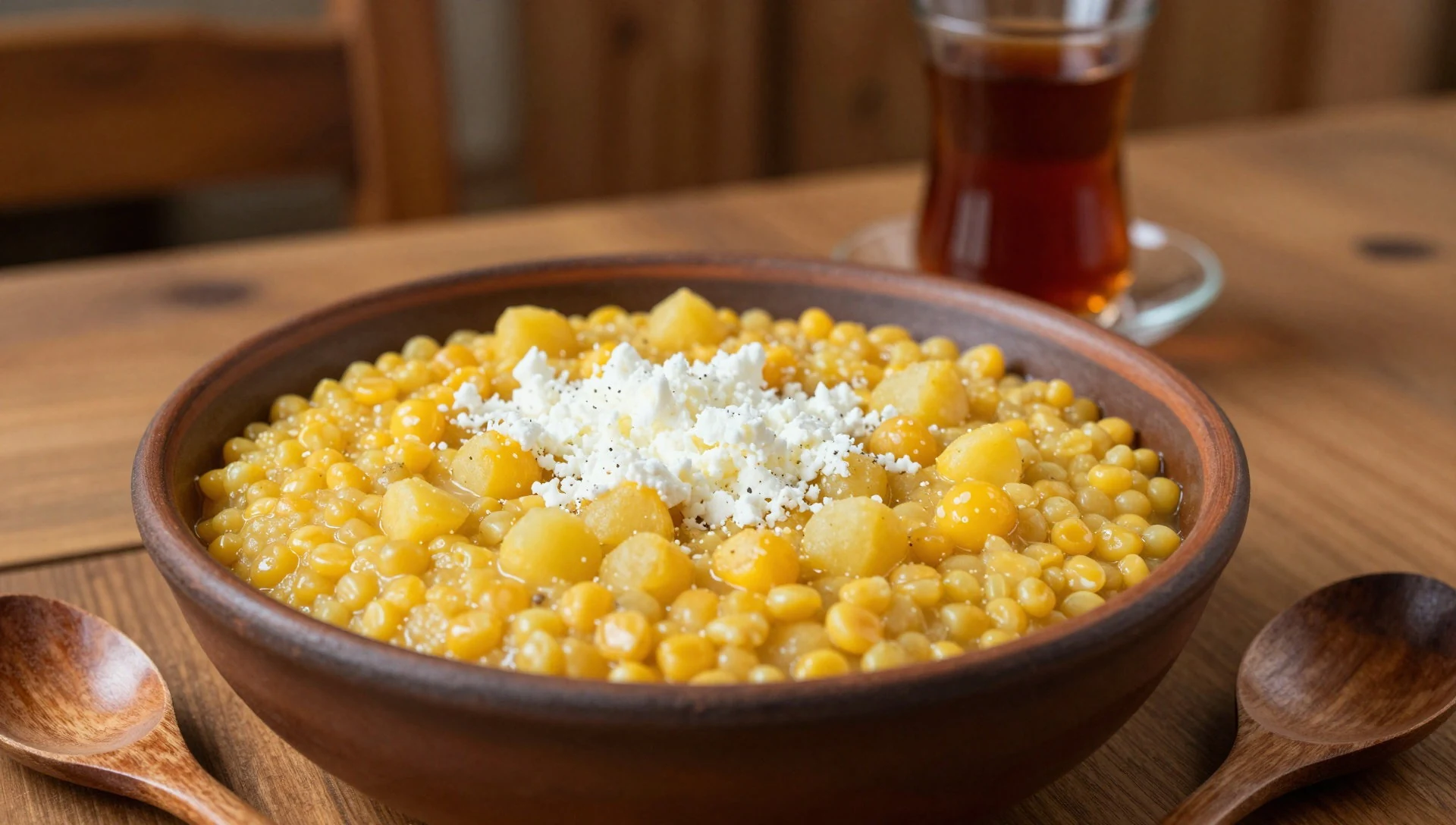
- Cheese and kajmak — Village stalls and the market in Kolašin
Fresh white cheese and kajmak, a soft salted cream skimmed from boiled milk, are staples of Montenegrin highland farms. They are eaten with bread at breakfast or as a starter, and are worth buying from farm stalls on the road.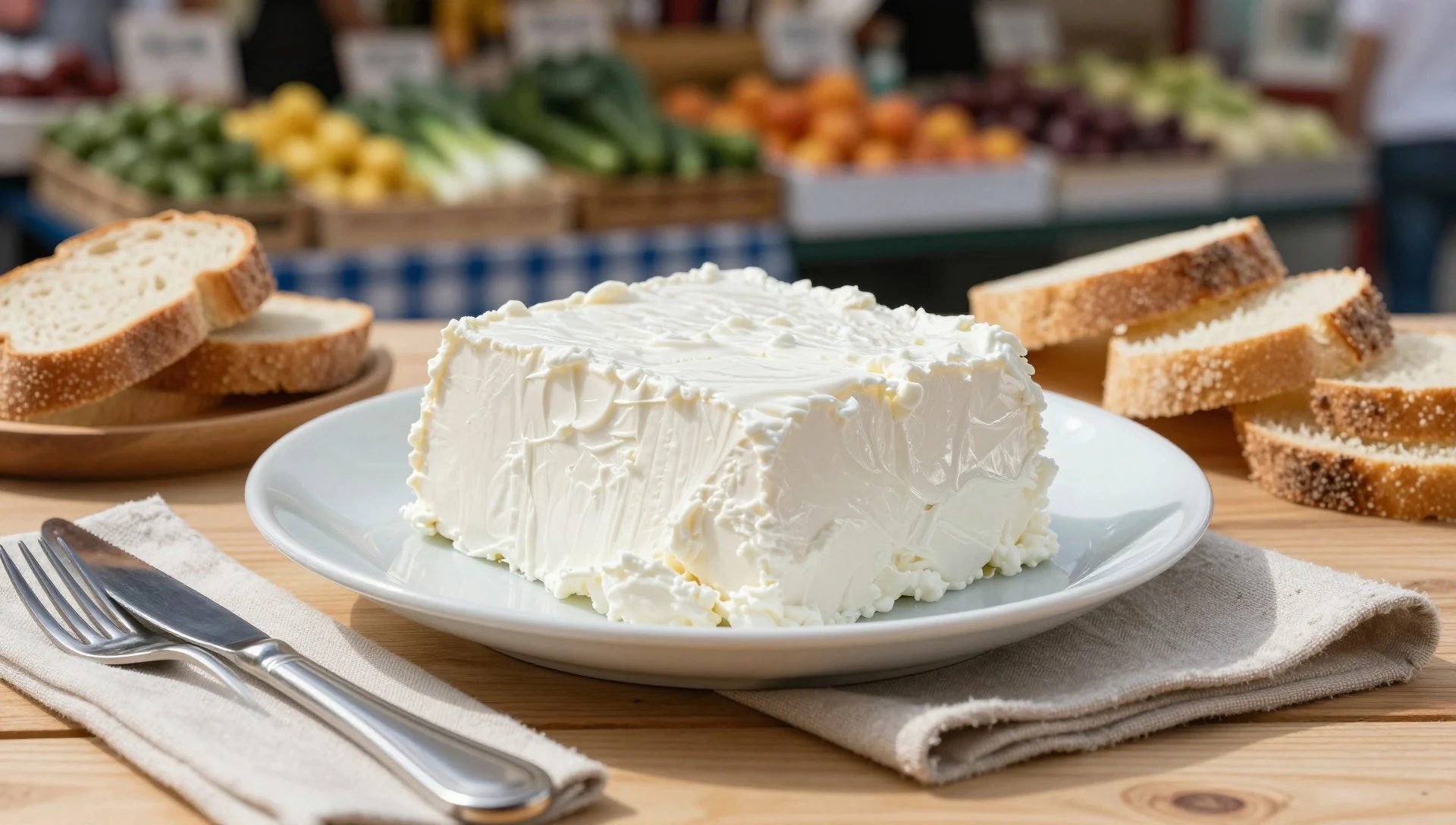
- Lamb under the sač — Mountain restaurants around Kolašin
Lamb cooked beneath a sač, a metal dome covered with embers, is a slow Balkan way of roasting meat with potatoes. It is usually served for groups, and often needs to be ordered in advance. - Proja — Village kitchens and family-run eateries near the park
Proja is a crumbly cornbread, baked in a dish and eaten warm with cheese, yoghurt or soup. It is a humble, hearty staple, and a good fit for a day outdoors. - Čorba — The lakeside restaurant and eateries in Kolašin
Čorba is a warming soup, often made with vegetables, meat or both, served with bread. It is the practical choice after a cold, wet walk. The restaurant beside Biogradsko Jezero and the one at the visitor centre are the places to buy a meal inside the park.
Plan it
Best time. June to September is the main season, when the forest is green, paths are open and the shade is a relief from lowland heat; July and August are busiest. Early autumn brings quieter paths and still-warm days, while winter is for snow and the Jezerine ski area, which opens at the end of December.
How long. 1–2
Getting there. Fly to Podgorica airport, then continue by road or bus to Kolašin, and on to the park entrance, about 17 km from Kolašin and 5 km from Mojkovac. The Belgrade–Bar railway also serves Kolašin and Mojkovac; check current timetables. A car or taxi makes the last leg easiest.
Budget. low
Tips
- Check the park's official site, http://nparkovi.me/np-biogradska-gora/, for entry charges, opening dates and current conditions
- Bring food and water for any long walk, because the park has only two places to eat, by the lake and at the visitor centre
- Arrive early in July and August to enjoy the lake before the crowds, and book lakeside bungalows ahead for summer
- Carry layers and a waterproof, because mountain weather changes quickly
- Camp only in the designated areas
Etiquette
- Stay on marked paths and carry all rubbish out
- Keep noise down so that wildlife and other walkers are undisturbed
- Do not light fires outside permitted areas
Nearby
Sources
- Wikidata Q1258880 (CC0)
- Wikipedia: Biogradska Gora (rev 1383489399) (CC BY-SA 4.0)
- Wikivoyage: Biogradska Gora National Park (rev 4416040) (CC BY-SA 4.0)
- Photo: Biogradska gora, Snežana Trifunović (CC BY 3.0)
- Photo: Biogradska Gora, Ubub92 (Uri Bareket) (CC BY 3.0)
- Photo: Path through the forest around Biogradsko jezero, Ramessos (CC BY 3.0)
- Photo: Biogradska Gora National park, Milica Buha (CC BY-SA 4.0)
- Photo: July 2017 in Montenegro (0156), Rakoon (CC0 1.0)
- Photo: July 2017 in Montenegro (0157), Rakoon (CC0 1.0)
- Photo: July 2017 in Montenegro (0158), Rakoon (CC0 1.0)
- Photo: July 2017 in Montenegro (0159), Rakoon (CC0 1.0)


