Big Bend National Park
Big Bend National Park, United States
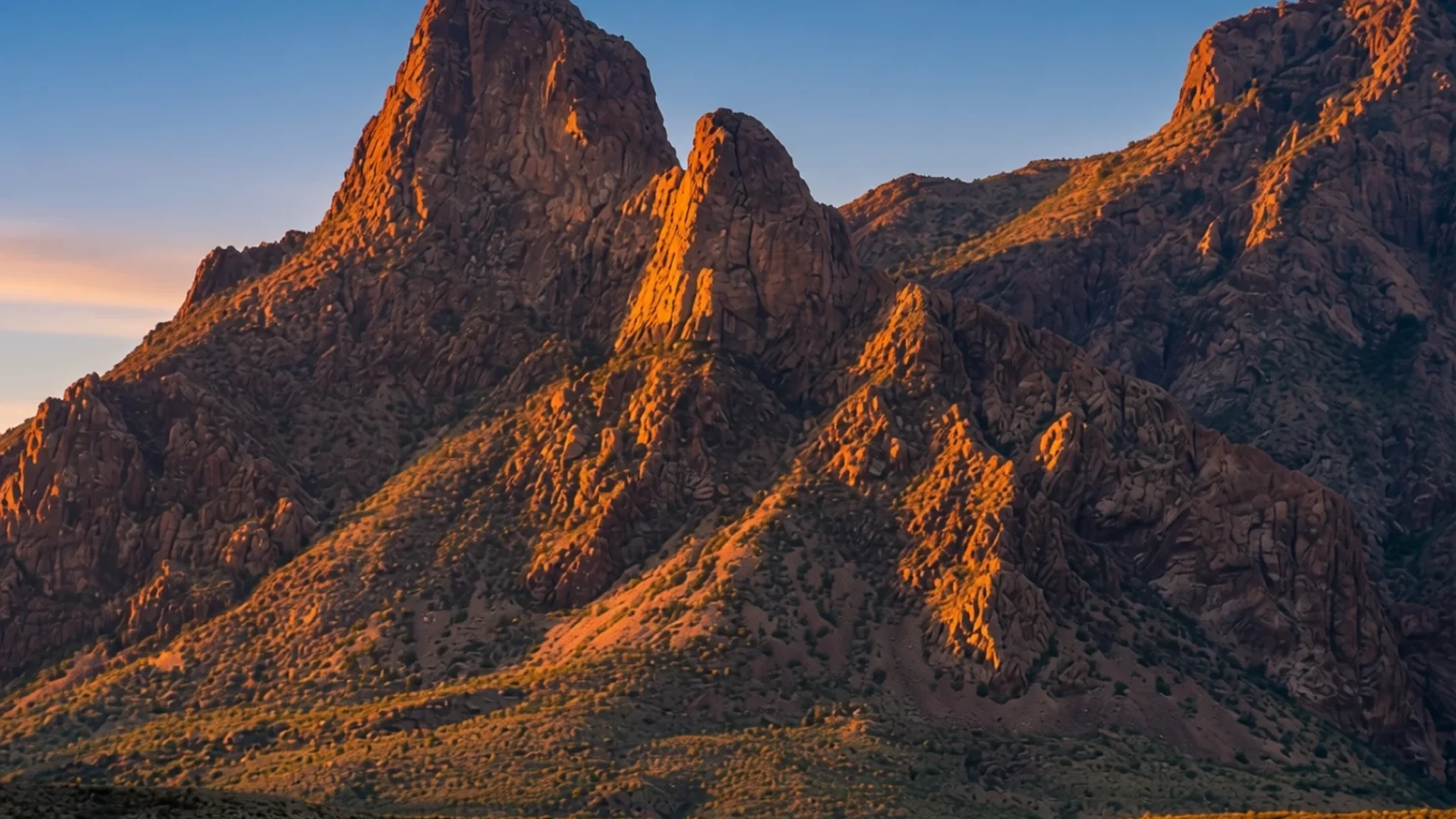
Experience the vast, remote beauty of the Chihuahuan Desert where the Rio Grande carves a dramatic border with Mexico.
The place
Big Bend National Park is a wilderness of staggering proportions located in the far reaches of West Texas. It is defined by the great curve of the Rio Grande, which serves as the international boundary with Mexico. The landscape is a study in contrasts: rolling desert plains, jagged rock outcrops, and the high peaks of the Chisos Mountains. This park protects one of the most significant stretches of Chihuahuan Desert ecology in the United States, providing a sanctuary for hundreds of species of birds, mammals, and reptiles. Because of its extreme isolation, the park feels fundamentally different from the more crowded national parks of the west. Visitors encounter a sense of profound silence and openness, punctuated by the sight of volcanic dikes and ancient sea fossils. The environment is harsh and demanding, with intense heat and a lack of basic services once inside the park boundaries. It is a place for those who appreciate the raw, unvarnished beauty of the borderlands, where the horizon stretches endlessly and the stars are some of the brightest in the hemisphere. Navigating the park requires a spirit of adventure and a respect for the arid climate, as the distance between points of interest is vast and the terrain is uncompromising.
Its story
The history of Big Bend National Park is a layered narrative of survival and migration in a challenging environment. Long before European arrival, the region was home to the Chisos Indians, nomadic hunters and gatherers who moved with the seasons. Their origins remain a mystery, though they shared linguistic ties with the Conchos people of Mexico. Later, the Jumano people traversed the land, often in conflict with the Chisos, before the Mescalero Apaches began to displace earlier groups. The Comanches also utilised the area, crossing the landscape along established trails during raids into Mexico. European contact began in the sixteenth century with Spanish expeditions, including the famous journey of Álvar Núñez Cabeza de Vaca. The geology of the park tells an even older story, revealing a past of ancient seas and volcanic activity. Over millions of years, the Rio Grande carved the deep canyons that now define the geography, while volcanic eruptions left behind the striking dikes seen today. The park was formally established in 1942, preserving a landscape that had seen the rise and fall of various indigenous cultures and the rugged struggles of early ranchers and miners who attempted to tame the desert.
What to see
- Santa Elena Canyon — Rio Grande riverside
One of the most dramatic spots in Big Bend National Park, where the Rio Grande flows through towering limestone walls. The sheer scale of the cliffs creates a narrow, imposing corridor that feels entirely separate from the surrounding desert plains.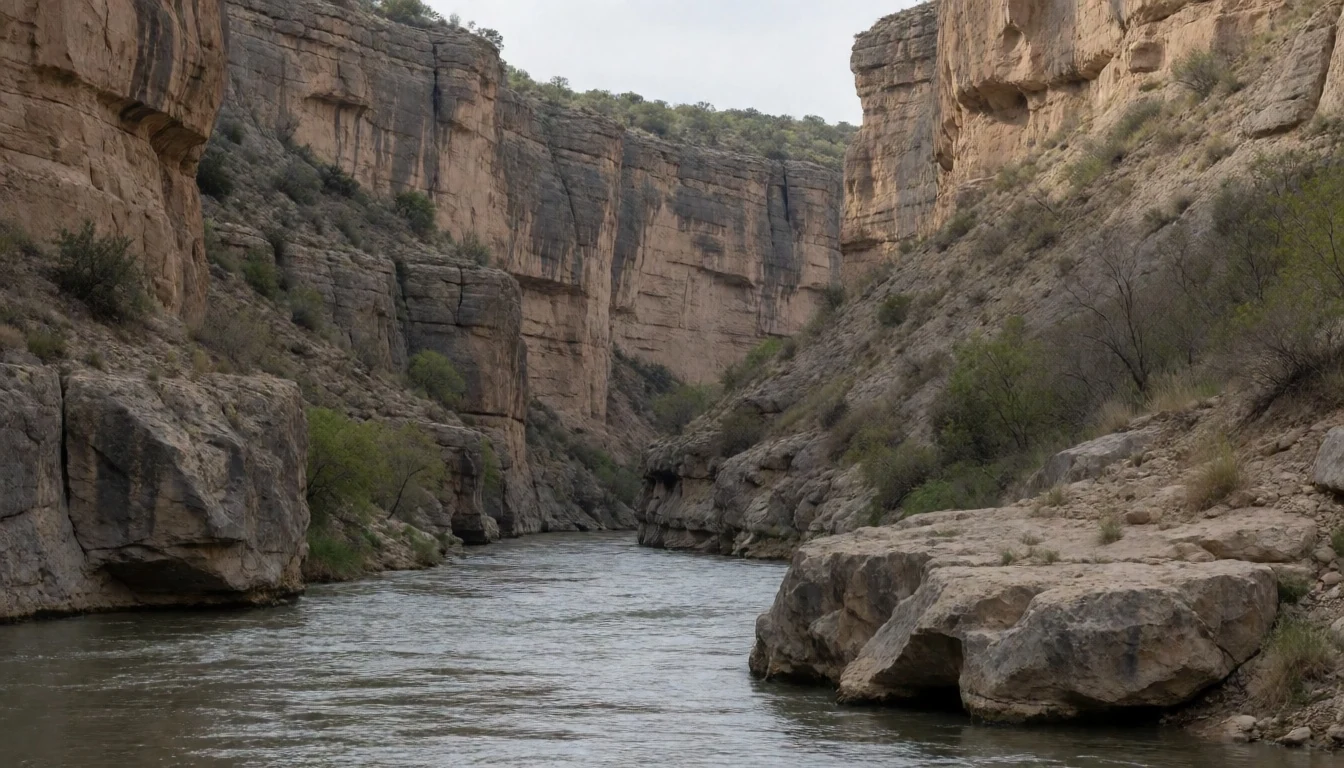
- Chisos Mountains — Central park highlands
The only mountain range in the United States entirely contained within a national park. These peaks offer a cooler climate and lush vegetation compared to the desert floor, providing a variety of hiking trails through rocky ridges and pine forests.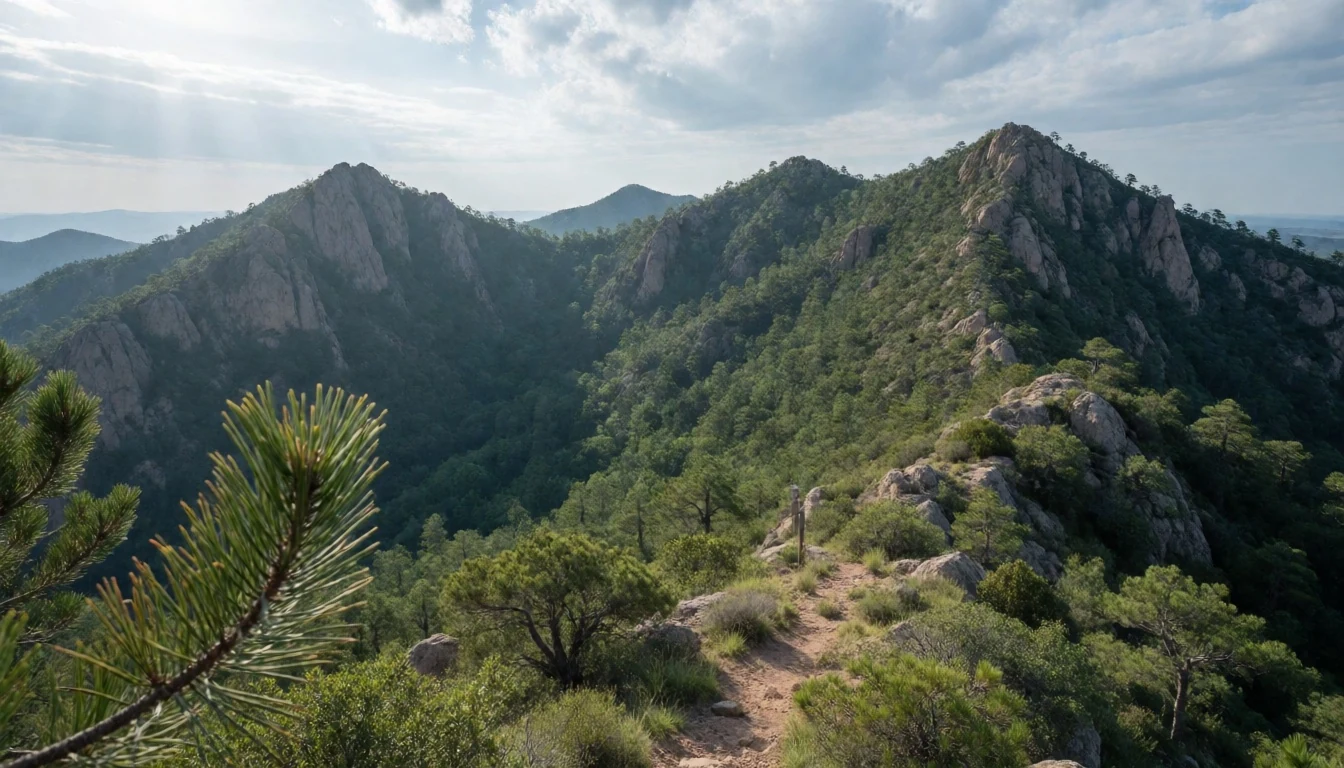
- Ross Maxwell Scenic Drive — Desert plateau
A winding route through Big Bend National Park that showcases the diversity of the Chihuahuan Desert. The drive passes through varied terrains, from volcanic landscapes to river valleys, offering numerous overlooks for photography and wildlife spotting.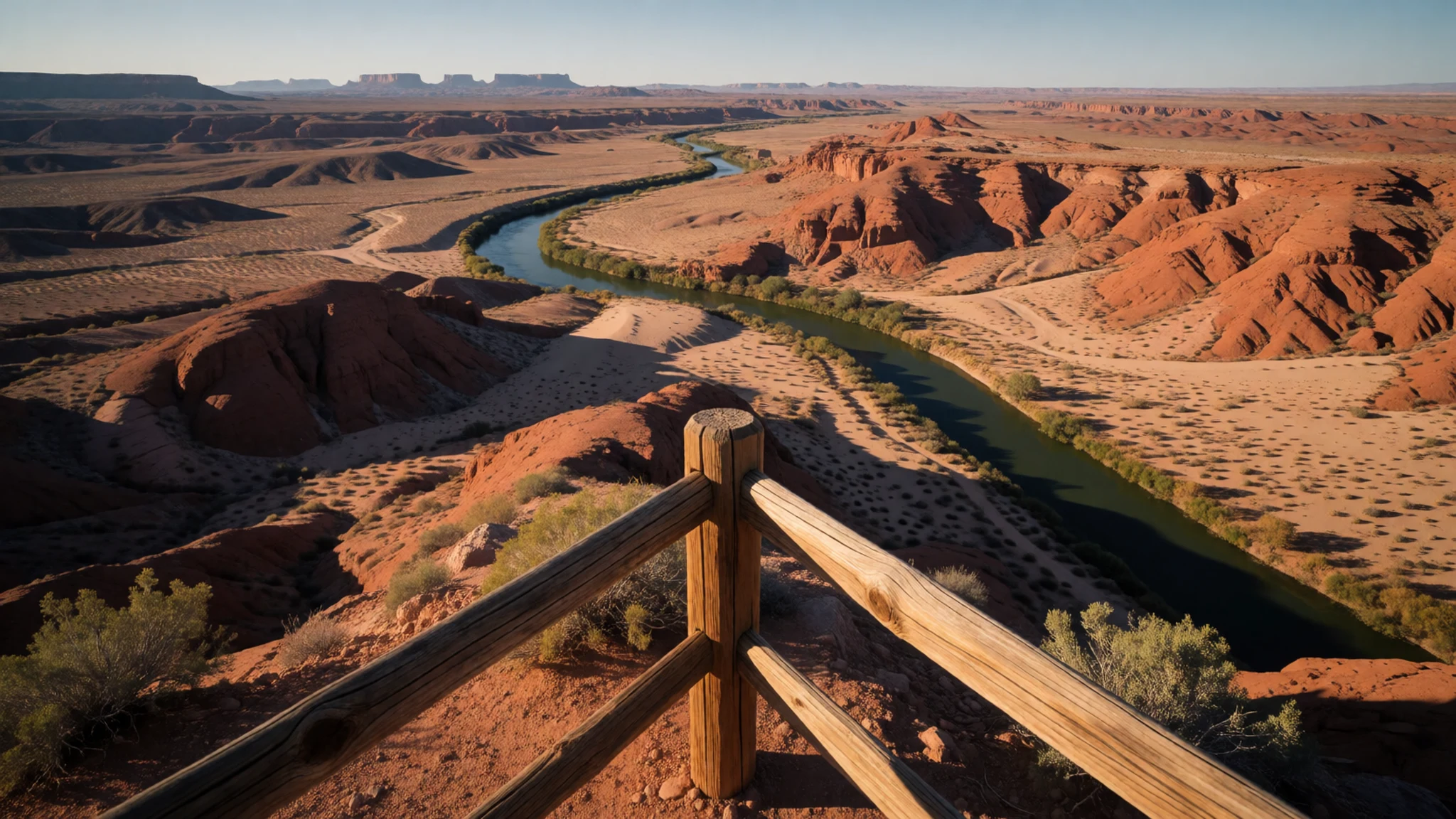
- Big Bend River Tours — Rio Grande riverbanks
Guided excursions that allow visitors to experience the river from the water. These tours provide essential local knowledge about the border ecology and the history of the Rio Grande, often reaching areas inaccessible by car.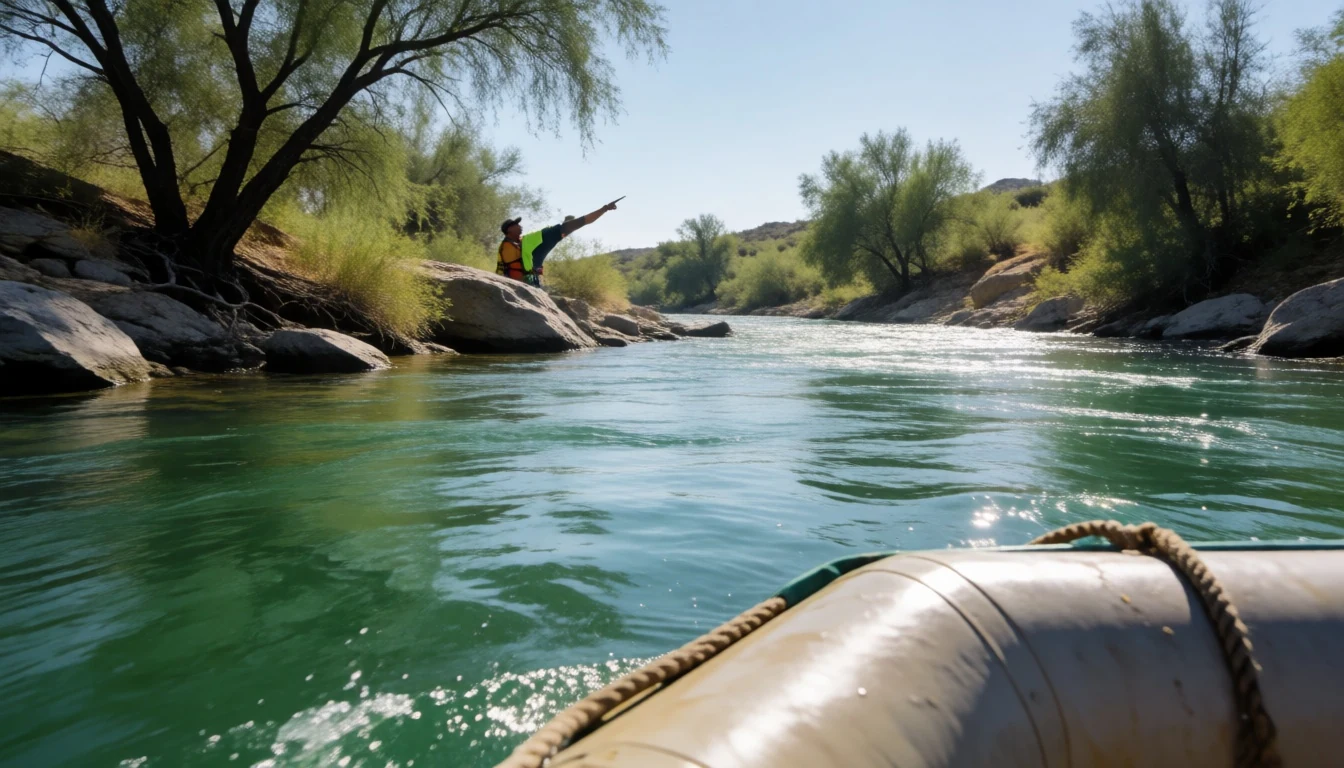
- Desert Sports and Trekking — Park periphery and backcountry
Specialised outfitters providing mountain bike tours and backpacking trips. These guided experiences are ideal for those wanting to explore the deeper wilderness of the park with professional gear and safety support.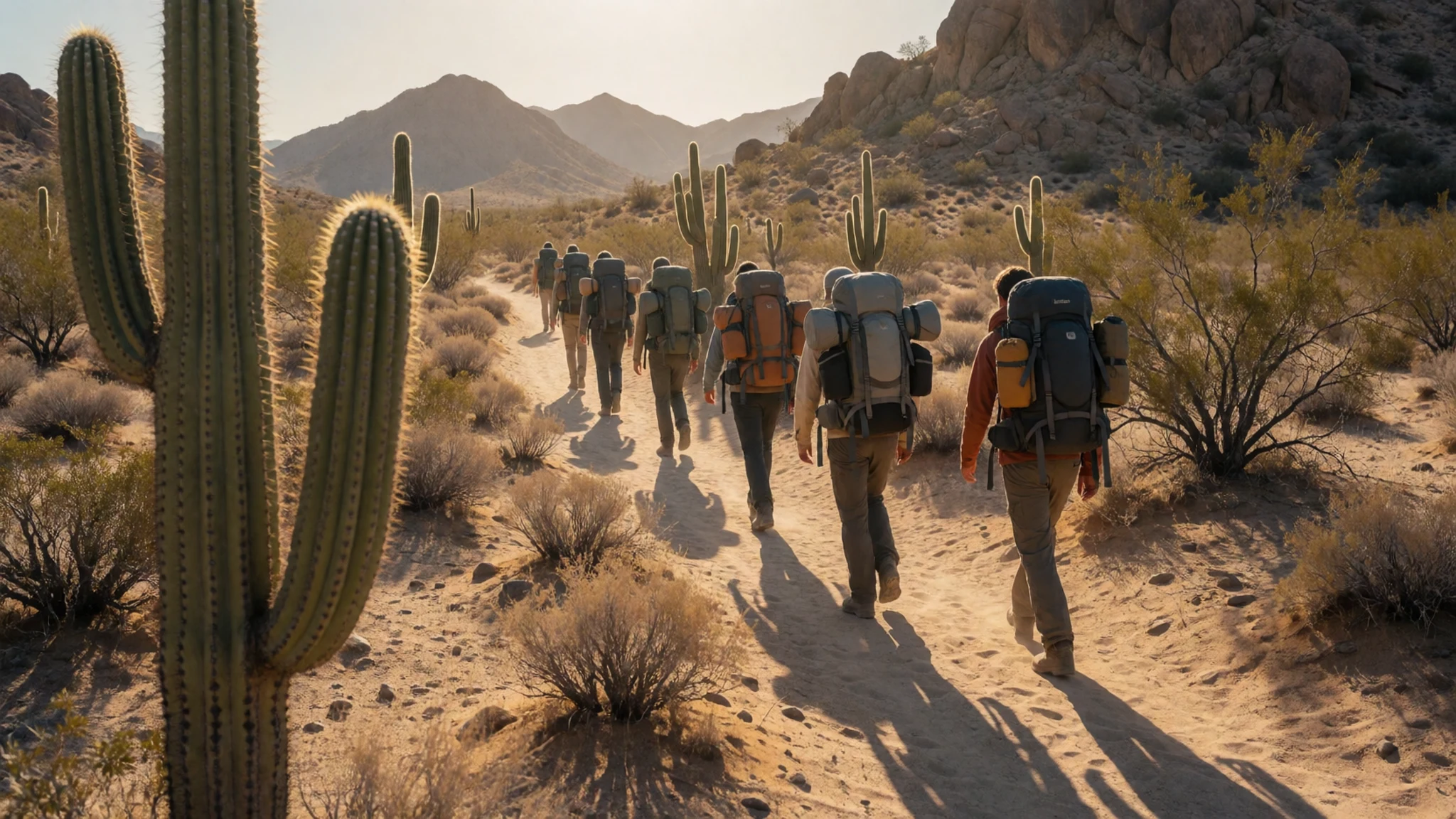
Culture
Culture in Big Bend National Park is a blend of Texan frontier spirit and deep Mexican influence. The park sits on a border that is more a conceptual line than a physical barrier, and the local identity is shaped by this coexistence. From the early Spanish explorers to the rugged cattle ranchers of the nineteenth century, the culture is one of resilience and adaptation to an arid climate. There is a strong tradition of outdoor stewardship and a shared love for the solitude of the desert. Local communities outside the park, such as Terlingua, maintain a unique heritage linked to mining and artistic retreats, where the slower pace of life is prized above all else. Visitors will find a friendly, unassuming atmosphere, though there is a stern respect for the dangers of the wilderness. Understanding the local culture means appreciating the silence of the desert and the modesty of those who call it home. Please ensure you stay on marked trails to protect the fragile desert crust and endangered plant species.
What to wear
Fashion in Big Bend National Park is dictated entirely by the environment. Historically, the traditional dress of the region was the attire of the vaquero and the rancher: heavy denim trousers, leather boots, and wide-brimmed hats to shield against the unrelenting sun. Textiles were functional, favouring durable cottons and wools that could withstand thorns and dust. Today, locals and frequent visitors lean towards 'rugged casual'—sturdy work boots, linen shirts for breathability, and practical outdoor gear. For a visitor, clothing must be strategic. Lightweight, long-sleeved shirts in neutral colours are essential to prevent sunburn and insect bites. Breathable trousers are far better than shorts when hiking through scrubland to avoid scratches. Footwear should be broken-in hiking boots with ankle support for the rocky terrain of the Chisos Mountains. Because temperatures can plummet at night even in summer, a lightweight fleece or jacket is necessary. A high-quality wide-brimmed hat and UV-protective sunglasses are non-negotiable for anyone spending time in the open desert.
What to eat
- Tex-Mex Classics — Chisos Mountains Lodge Restaurant
Hearty plates of tacos and enchiladas featuring local spices and fresh tortillas, often served with a side of pinto beans.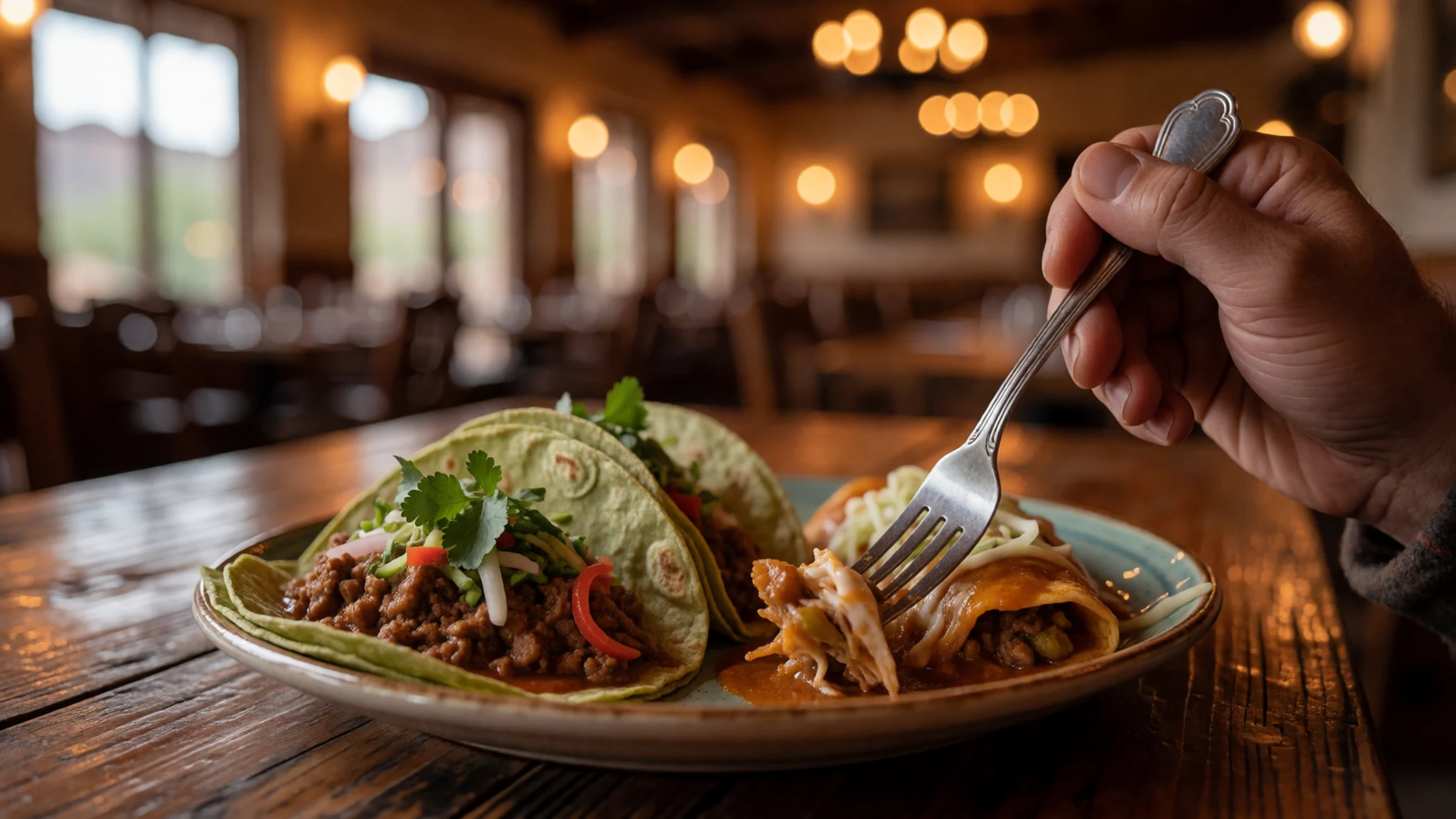
- Desert Comfort Food — Chisos Mountains Lodge Restaurant
Classic American fare such as burgers and sandwiches, designed to refuel hikers after a long day in the sun.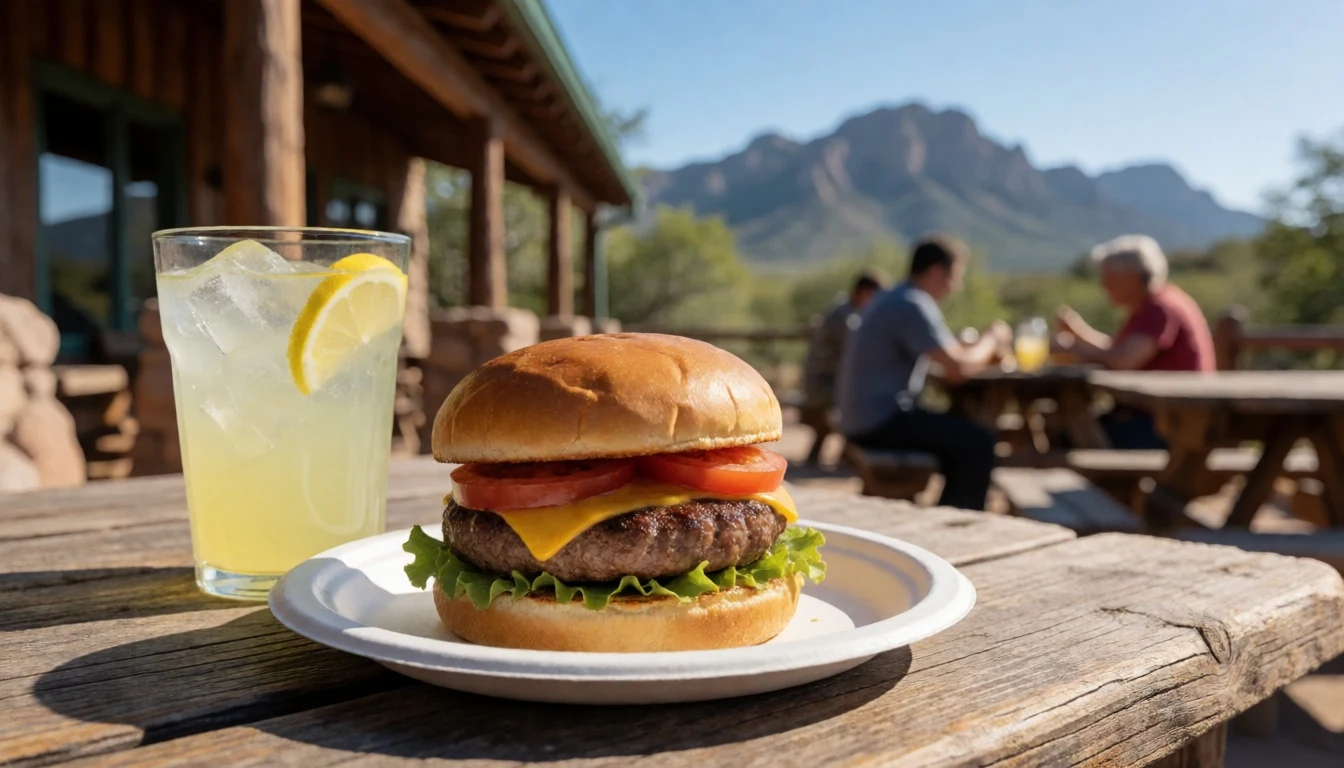
- Borderland Fare — Study Butte-Terlingua area
Authentic regional Mexican dishes and street-style snacks found in the small settlements just beyond the park gates. - Rustic Cafe Meals — Lajitas area
Simple breakfasts and hearty stews served in a no-frills setting, typical of the remote West Texas ranching culture.
Plan it
Best time. March–April and October–November; these months avoid the extreme summer heat and the unpredictability of winter storms.
How long. 3–4
Getting there. Fly into the nearest regional airport, then hire a car. The park is accessed via roads from Marathon or Alpine.
Budget. mid
Tips
- Fill your fuel tank at every opportunity
- Carry significantly more water than you think you need
- Do not rely on mobile phone signals for navigation
- Start your hikes at dawn to avoid midday heat
- Carry a physical map of the park
Etiquette
- Keep all rubbish with you and pack it out
- Respect Border Patrol checkpoints with patience
- Maintain a quiet volume to preserve the wilderness experience
Nearby
Sources
- Wikidata Q1427197 (CC0)
- Wikipedia (CC BY-SA 4.0)
- Wikivoyage (CC BY-SA 4.0)