Berat
Berat, Albania
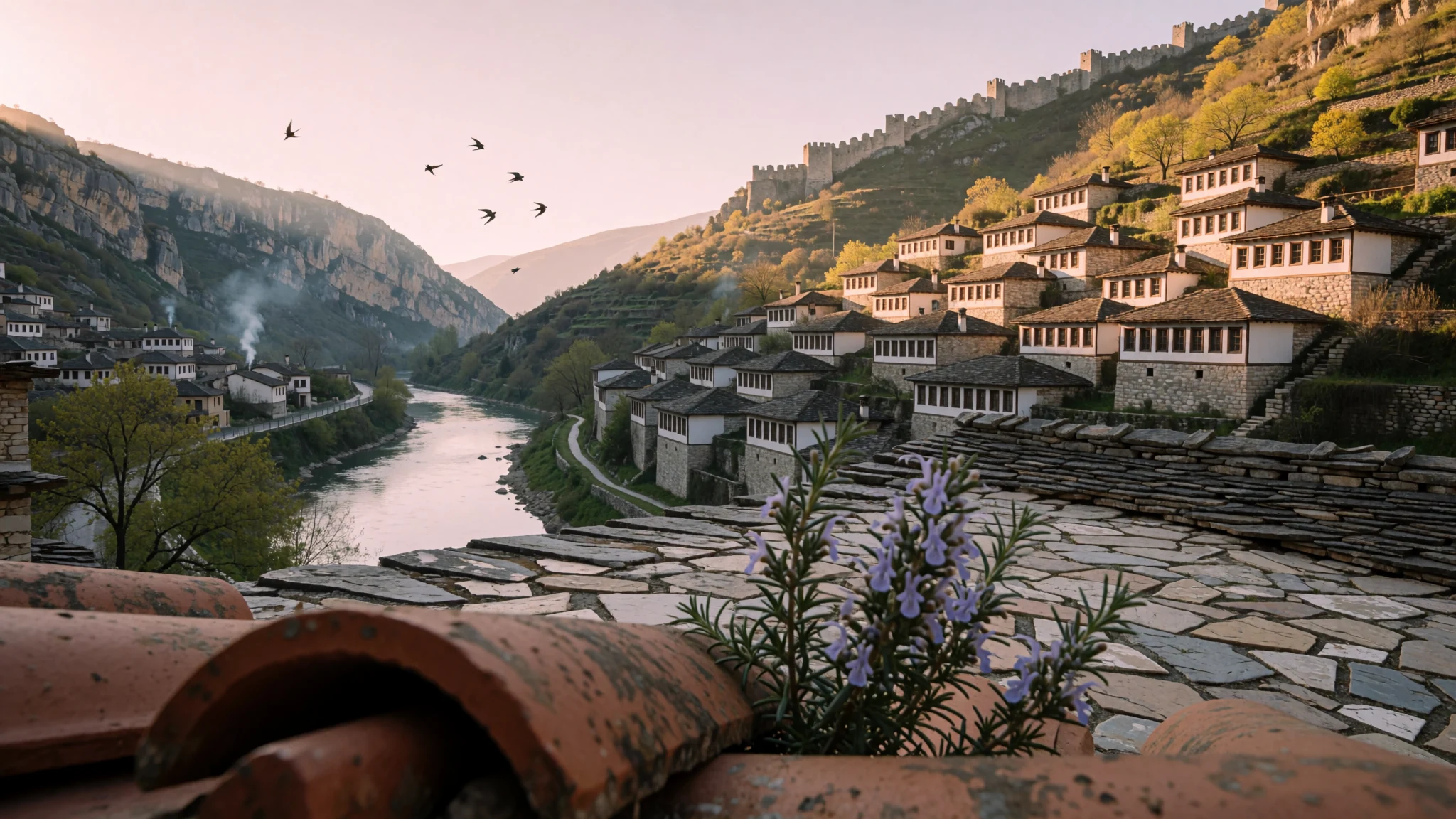
A hillside town of stacked stone houses, churches and mosques above the River Osum, best enjoyed slowly over two or three days.
The place
Berat lies in the south of Albania, on the right bank of the River Osum as it winds past the hills towards the Myzeqe Plain. Mountains and hills ring the town, and the Tomorr massif to the east is protected as a national park, so walking routes begin close to the edge of town. The population is around 40,000, which makes it a small city by any measure. Yet it is one of the country's main cultural centres, and most visitors come for its architecture rather than its nightlife. UNESCO recognised the town in 2008.
The town is really two neighbourhoods on either side of a gully. Mangalem, traditionally Muslim, and Gorica, traditionally Christian, sit close together and are joined by bridges. Their stone houses climb the slope in tiers, with rows of tall windows that explain the nickname City of a Thousand Windows. Above them the old castle quarter, Kala, crowns the rock and can be reached only from the south by steep cobbled lanes.
Berat rewards a slow pace. Distances are short, but the streets are steep and the paving is uneven, so a walk from one church to the next takes longer than the map suggests. Many of the historic houses now operate as guesthouses, and a night or two in one of them lets visitors see the old town before the day trippers arrive.
Its story
The hill above the river was settled long before the town appears clearly in written sources. Early ceramic finds point to an Illyrian presence, and the site is generally identified with the ancient town of Antipatrea. Who founded the city, and when, remains uncertain. Some scholars credit Cassander of Macedon, who took control of southern Illyria around 314 BCE, which is the date most often linked with the foundation.
Antipatrea lay in the middle of a long contest between Illyrian rulers and Macedonian kings. Its walls were substantial enough to set it apart from the smaller fortified sites around it. Roman intervention later reshaped the region, and the town passed between powers over the following centuries.
The medieval and Ottoman periods left the layers that are visible today. Byzantine-era churches, a fortress and several mosques were built on the same rock, and Christian and Muslim communities shared the town for long stretches. Craft guilds grew influential, and their members enjoyed tax exemptions that dated back to the late Middle Ages. Prosperous families later built the stone houses with deep balconies that still define the skyline.
The town's listing as a World Heritage Site in 2008 recognised the value of its old quarters, where traces of many periods sit side by side. Today the historic core is studied, restored in parts and visited for the same reason it has always mattered: its houses and churches tell a long story in a compact space.
What to see
- Berat Castle (Kala quarter) — Kala, the hilltop above the old town
The castle quarter, Kala, sits on the rock above the town. Most of what stands there today dates from the Middle Ages, though its origins go back much earlier. The lanes are quiet and cobbled, and the best way to find the churches is to wander. Visit in the morning or late afternoon, when the light on the stone houses is good and the paths are cooler.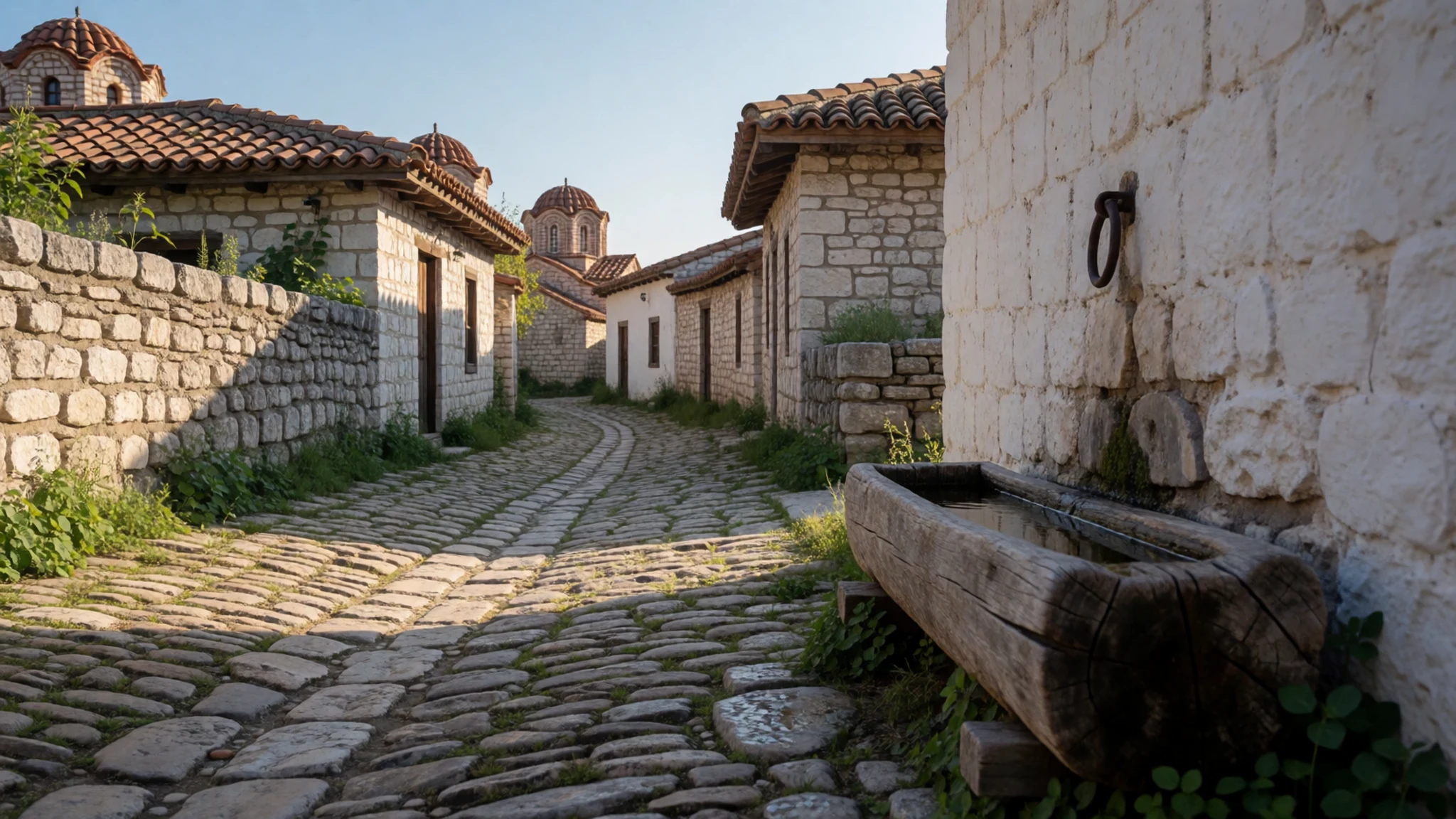
- Onufri Museum — Kala quarter, the castle hill
The Onufri Museum occupies the former cathedral of St Nicholas in the Kala quarter, a church restored for its collection. Its collection of icons is named after the painter Onufri, whose work gives the displays their focus. The restored building itself is part of the visit.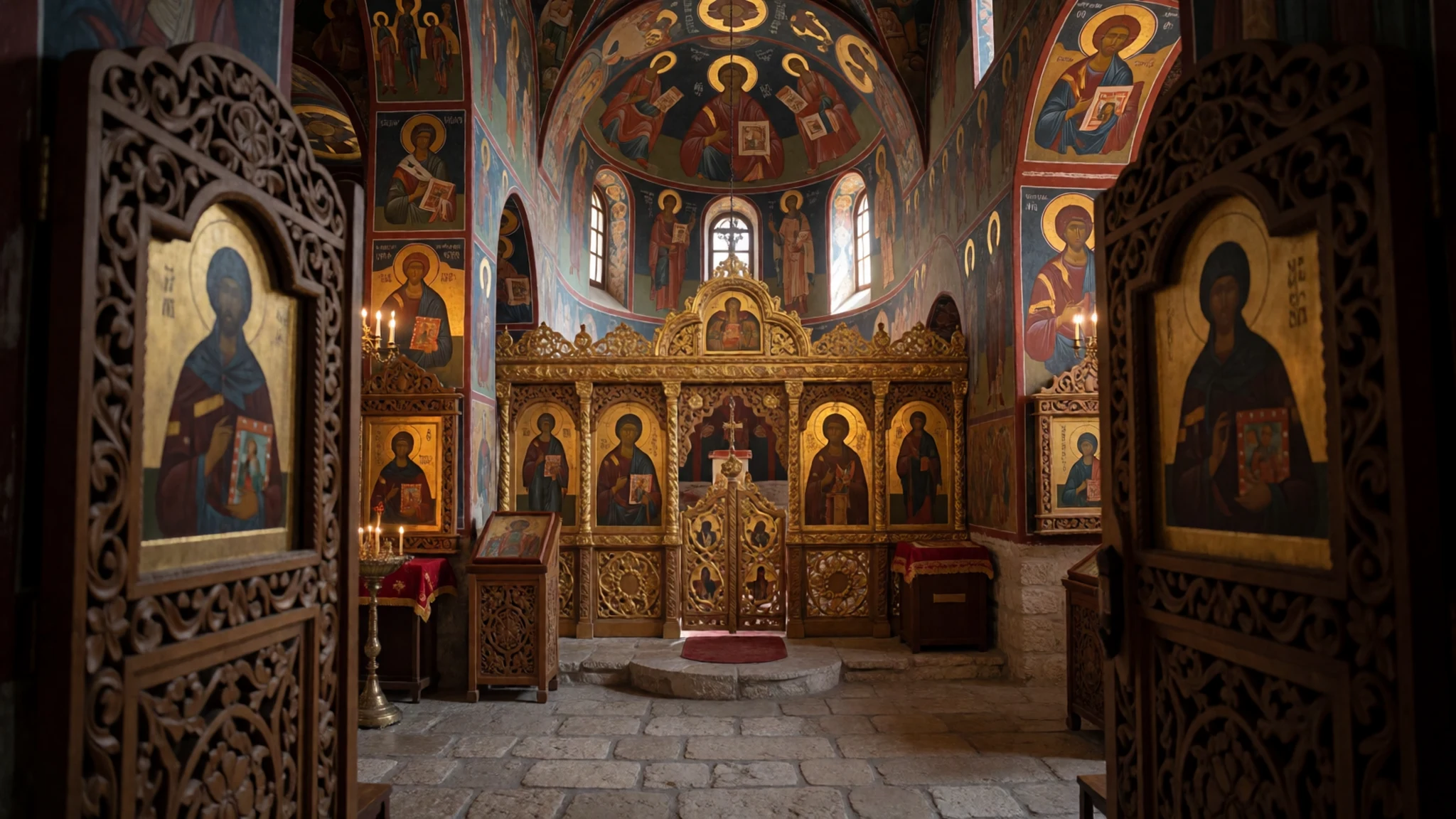
- Berat Ethnographic Museum — The steep path below the castle
The Berat Ethnographic Museum is housed in a traditional Ottoman-period house on the steep path up to the castle, and the building is almost as interesting as its displays. Rooms show domestic life, costume and crafts, which helps explain the guild traditions that shaped the town. Allow time for the climb and the galleries.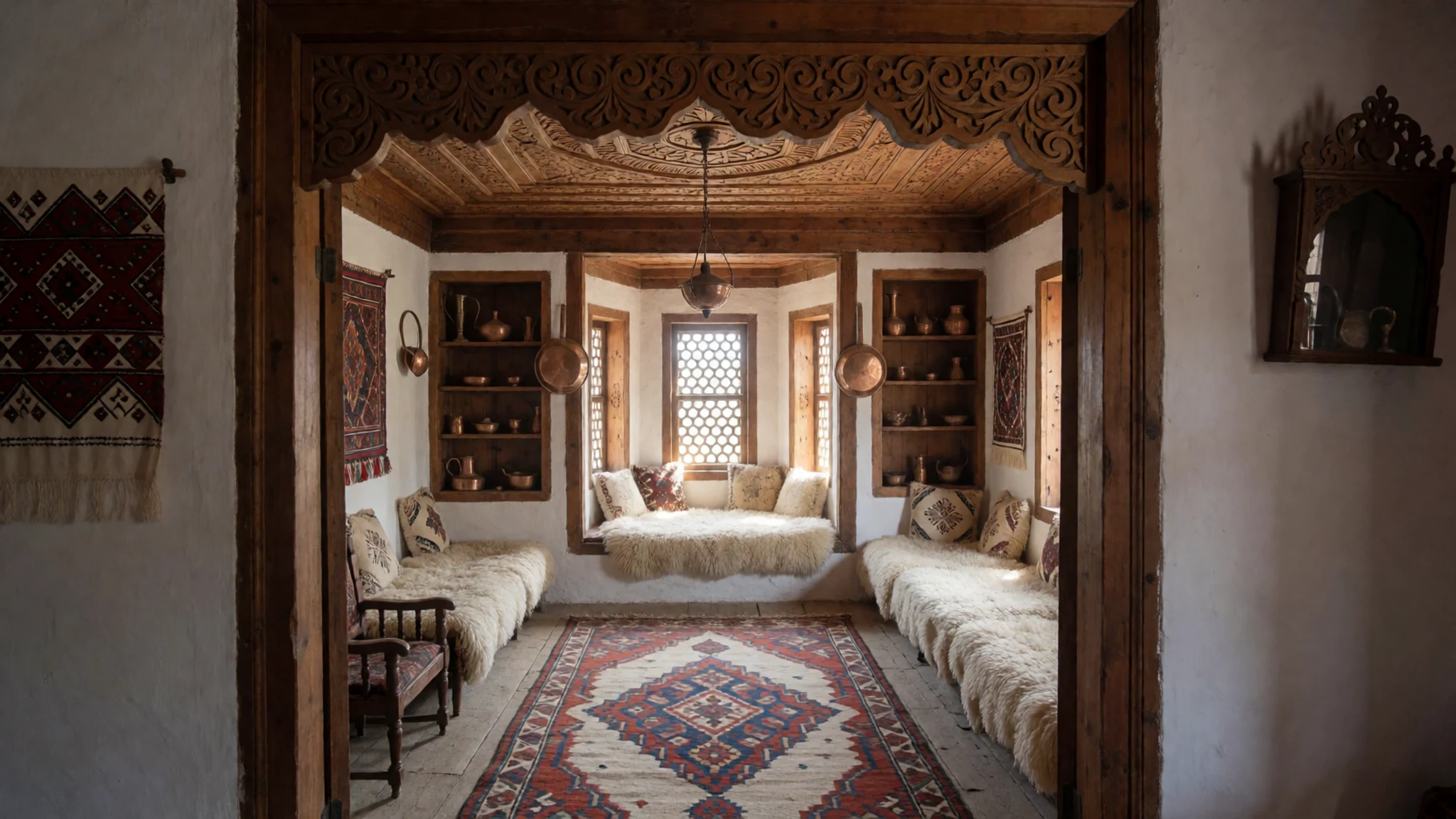
- Mangalem — Mangalem, the slope facing the castle
Mangalem is the traditionally Muslim district on the slope facing the castle, and its tiered houses form the classic view of Berat. Walk its lanes in the morning, when the streets are quiet and shopkeepers are opening up. The King Mosque, known locally as Xhamia e Mbretit, stands here. Dress modestly and remove your shoes where asked.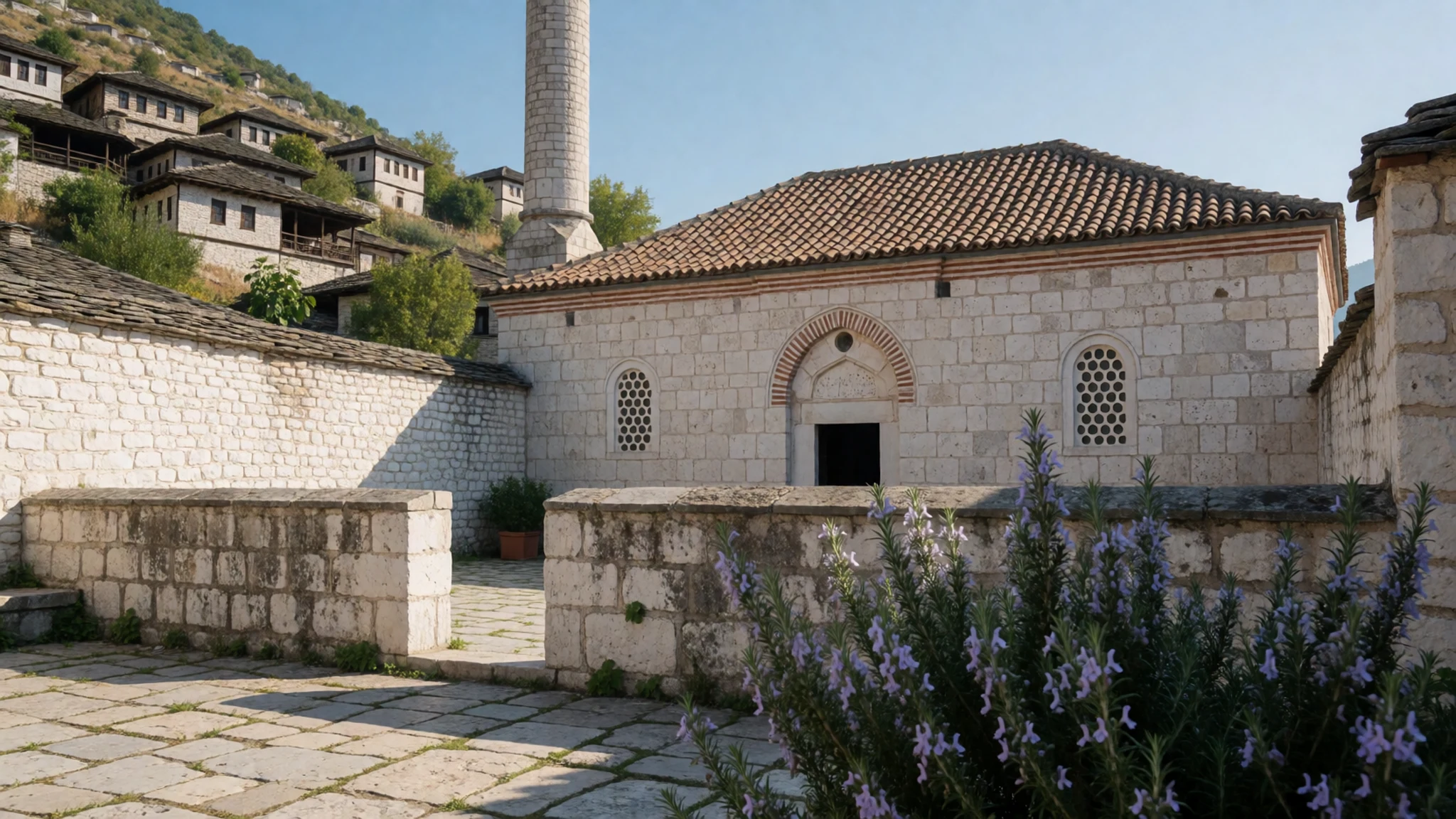
- Gorica — Gorica, across the gully from Mangalem
Gorica is the traditionally Christian district across the gully, linked to Mangalem by bridges. Its churches are the reason to come, with painted interiors and frescoes that have survived many centuries of use. Keep voices low during services and ask before photographing the icons, which are often the focus of a congregation's devotion.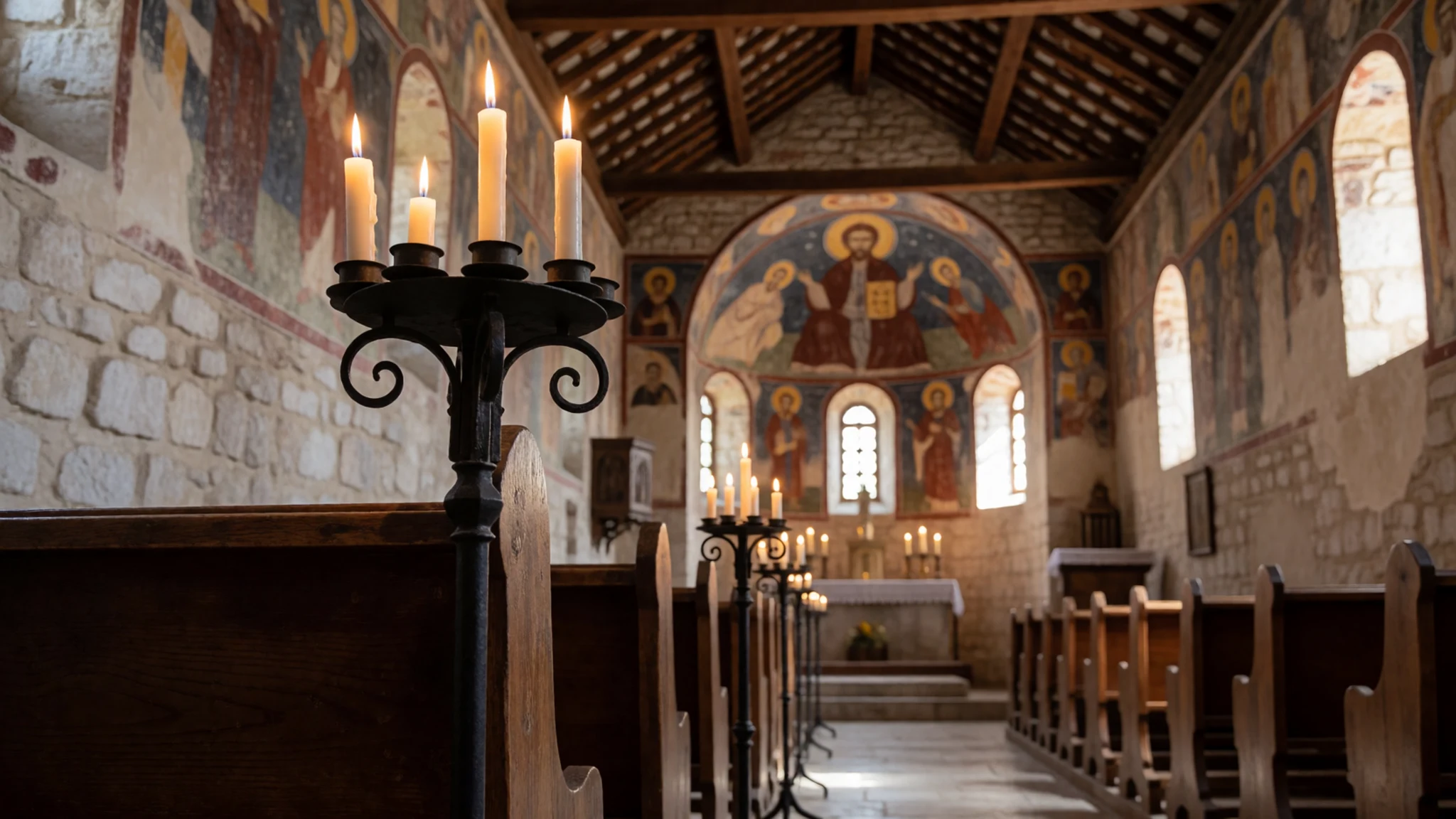
Culture
Berat has long been a place where Muslim and Christian communities lived side by side, and the town's architecture carries that history. Churches with painted walls stand a short walk from mosques, and the traditional houses of both neighbourhoods share the same stone and timber construction. Religious life runs through daily routine: on quiet mornings the call to prayer and church bells can both be heard across the gully, and many older residents still attend services regularly.
Hospitality matters here. Families who run guesthouses in their historic homes often offer coffee to guests, and accepting it is a polite way of showing appreciation. Conversation tends to be direct and warm, and questions about where you come from are usually friendly rather than probing.
Respect is a matter of small gestures. Keep voices low in churches and mosques, dress covered at religious sites, and ask before photographing people in the lanes. Tipping in restaurants is modest, and rounding up the bill is common practice.
Remove your shoes before entering a mosque, and cover your shoulders and knees at every religious site.
What to wear
Traditional dress in the Berat region was built from wool and linen, worn in layers that suited hill winters and warmer days on the plain. Women's costume often included embroidered garments and headscarves, while men wore woollen jackets and sashes. The richest pieces were kept for weddings and feast days. Regional costume survives mostly in museum collections and at festivals, and the Ethnographic Museum is a good place to see it displayed.
Today people in Berat dress much as they would in any Albanian town, in jeans, jackets and trainers. More formal clothes are worn for weddings, funerals and Sunday services, and many residents dress more carefully for church and mosque visits.
A visitor should dress for walking and for religious sites. The old town is steep, with uneven cobbles and worn steps, so flat shoes with good grip matter more than any outfit. Pack a light layer for cooler evenings, sun protection for summer, and a scarf or lightweight long sleeves for churches and mosques, where shoulders and knees should be covered.
What to eat
- Byrek — bakeries near the morning market
Savoury pastry layered with cheese, spinach or minced meat, cut into wedges and eaten warm for breakfast or as a snack. Bakeries near the morning market sell it by the piece, and it travels well in a paper bag for the walk up to the castle.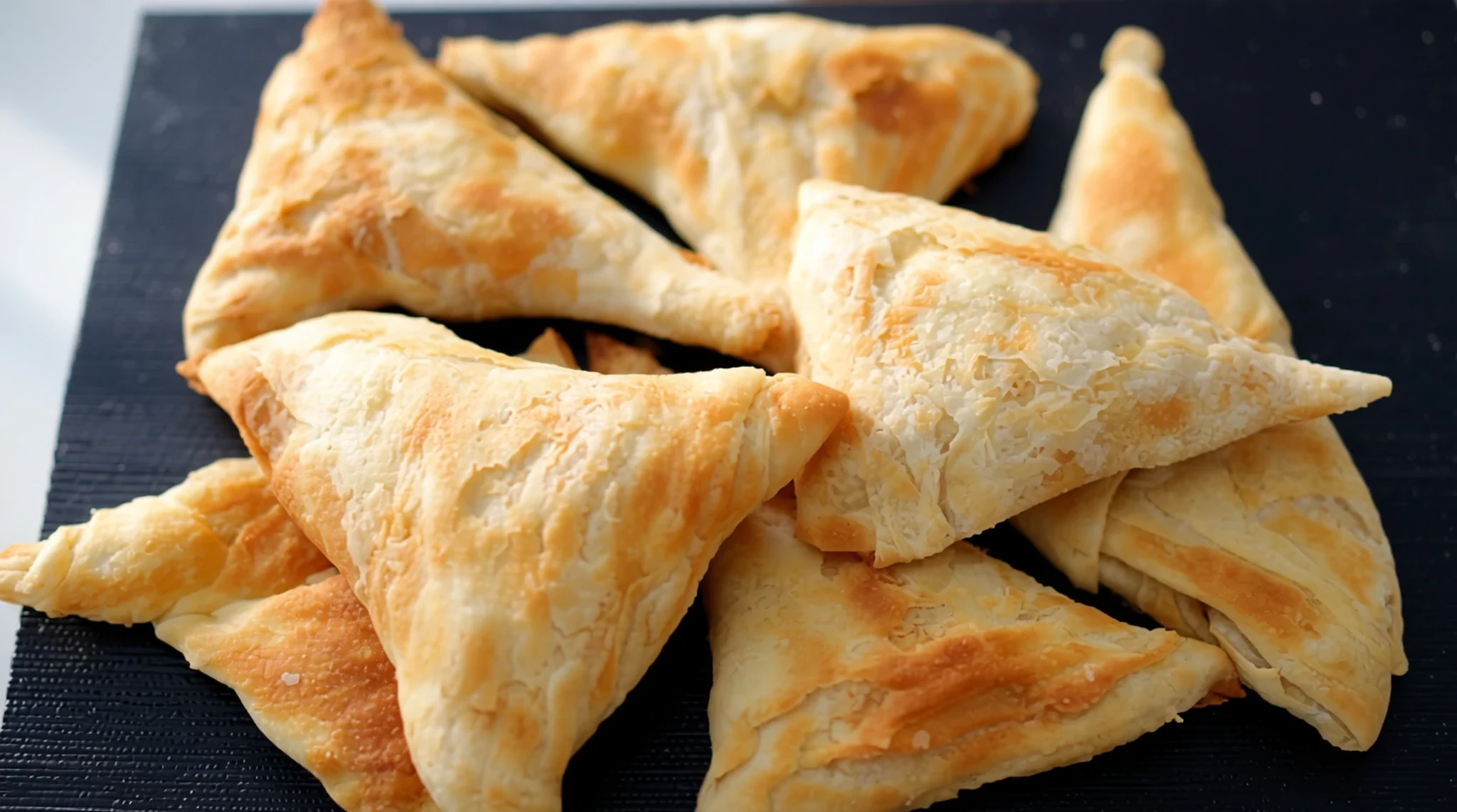
- Tavë kosi — family-run eateries in the Mangalem lanes
Tavë kosi is baked lamb under a crust of yoghurt and beaten egg, a dish that suits the town's stone-walled kitchens. Look for it in family-run eateries in the Mangalem lanes, where it is often served as the main course at lunch.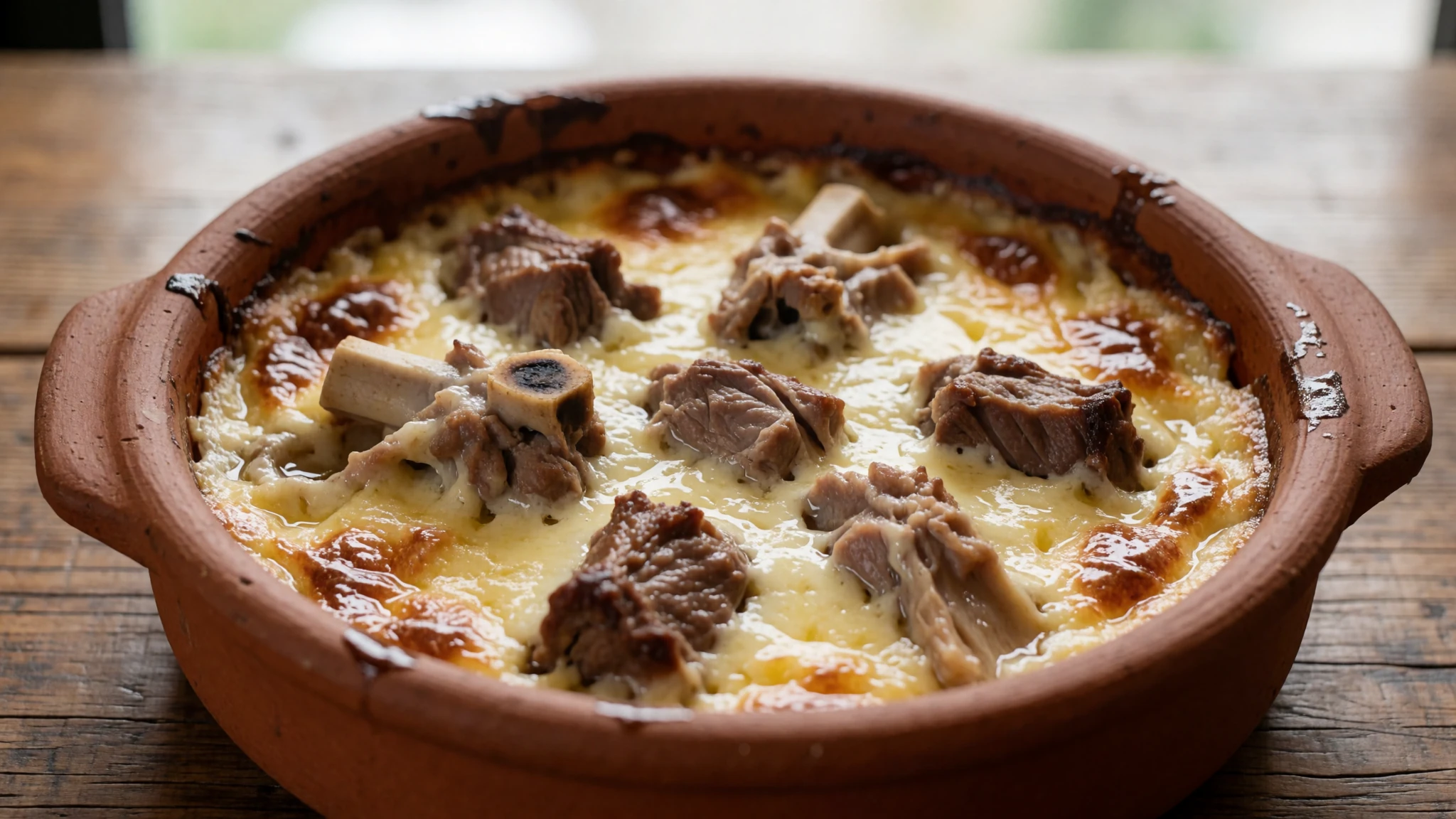
- Fërgesë — restaurants with a view over the river
Fërgesë is a rich mix of melted cheese, peppers and tomato baked in a clay dish, often with sausage or mushrooms added. Ask for it at a restaurant with a river view, where the dish is cooked to order and brought to the table bubbling. - Qofte with raki — grill houses on the lower streets of Gorica
Qofte are small grilled meatballs of minced lamb or beef, often served with a glass of raki, the clear grape spirit common across the country. Grill houses on the lower streets of Gorica are the usual place to order them, and the raki arrives in small glasses.
Plan it
Best time. Spring, especially April, is the easiest time for the steep lanes and outdoor cafés, while October is still very hot and November is the wettest month of autumn. Summers are hot and dry, and winters bring frosty nights and heavy rain.
How long. 2–3
Getting there. Tirana is the nearest international airport. Buses run into Berat from Tirana, Fier, Elbasan and Gjirokastër, and timetables change, so check the operator before travelling. The last leg is usually a local bus or a taxi up from the main road.
Budget. low
Tips
- Book a guesthouse in the old town early for spring and autumn weekends
- Visit the castle early, before tour groups and the midday heat
- Carry cash in lek for small museums, cafés and taxis, as cards are not accepted everywhere
- Wear shoes with good grip, as the cobbles are slippery after rain
- Carry a water bottle and drink regularly on the climb
Etiquette
- Cover shoulders and knees at churches and mosques
- Ask before photographing people in the lanes and at services
- Keep voices low inside religious buildings
Nearby
Sources
- Wikidata Q170244 (CC0)
- Wikipedia: Berat (rev 1383126485) (CC BY-SA 4.0)
- Wikivoyage: Berat (rev 5394906) (CC BY-SA 4.0)
- Photo 01-berat-57.jpg (Arianit) (CC BY-SA 4.0)
- Photo 02-old-town-of-berat-1.jpg (Pero Kvrzica) (CC BY 2.5)
- Photo 03-old-town-of-berat-2-albania-2016.jpg (Pero Kvrzica) (CC BY 2.5)
- Photo 04-berat-unesco-albania-2016.jpg (my_cottage) (CC BY-SA 2.0)
- Photo 05-xhamia-e-mbretit-2024.jpg (Killerdani12) (CC0 1.0)
- Photo 06-panorama-of-berat-albania-2016.jpg (Daniel) (CC BY-SA 2.0)
- Photo 07-berat-albania-15.jpg (dxa5on) (CC BY 2.5)
- Photo 08-andreaimuzakaberat.jpg (Michael Grant) (CC BY-SA 4.0)


