Bengaluru
Bengaluru, India
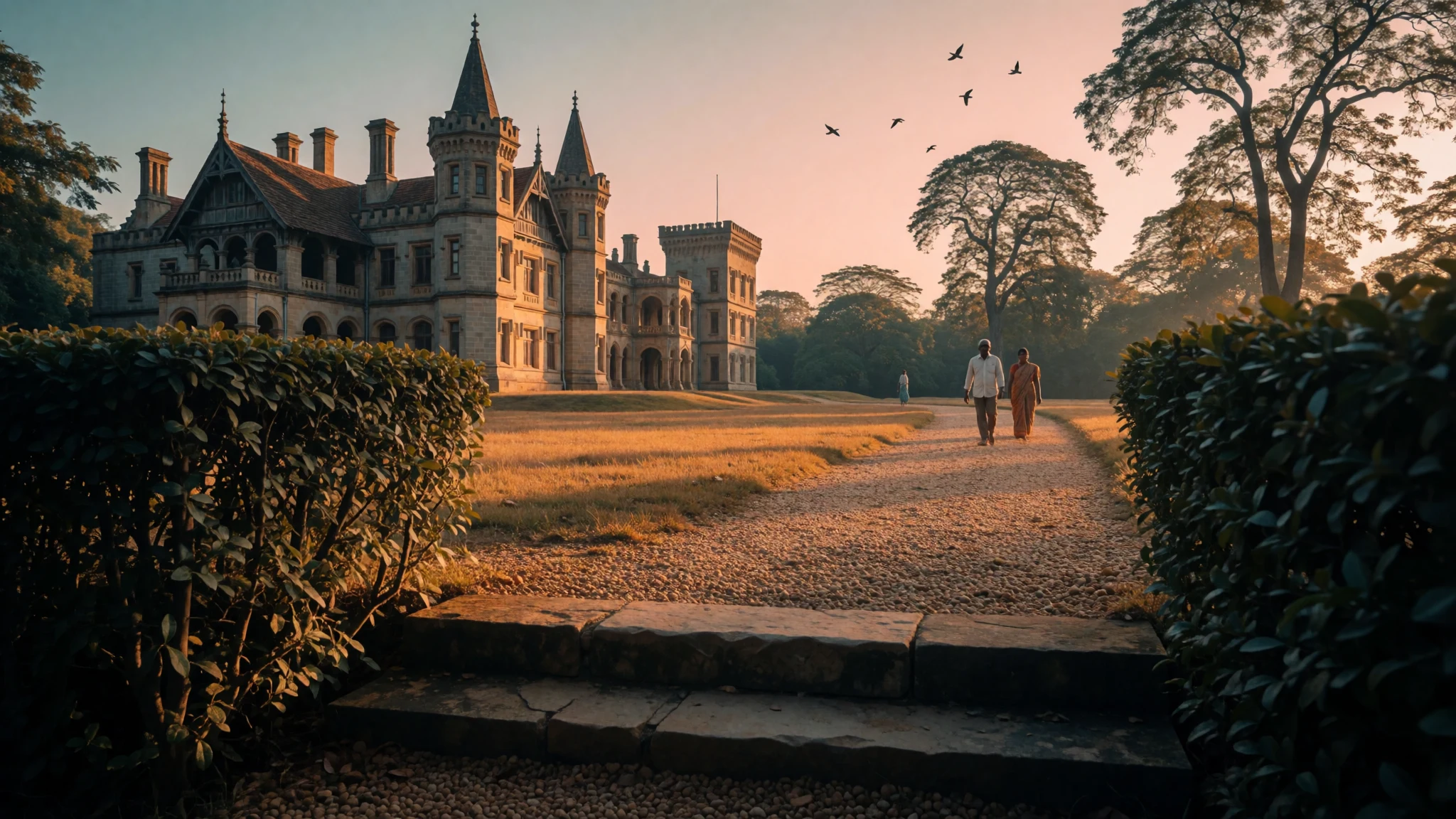
Bengaluru is a cool, green plateau city where old temples, palaces and gardens sit among software campuses, good food and live music.
The place
Bengaluru is the state capital of Karnataka and, with about 12.3 million people in its urban area, a sprawl rather than a single centre. It stands on the Deccan Plateau at about 920 m, high enough that evenings stay cool for much of the year and the heat never turns as heavy as it does on the coast. Many people, and plenty of signboards, still say Bangalore, the older English spelling, and nobody minds which one a visitor uses. The city carries two reputations that sit awkwardly together. One is the Garden City, a place of old parks, avenues of shady trees and a well-loved botanical garden. The other is its role as a major centre of India's software industry, where campuses, start-up offices and glass towers have filled the east and south. Both are real, and the friction between them is much of the city's character: flyovers and metro lines now cut through neighbourhoods that were once leafy bungalow lanes. Traffic is the honest warning. Distances that look short on a map can take an hour or more at rush hour, so it pays to group sights by area and use the metro where it reaches. Beyond the offices, Bengaluru is a good city for eating, for live music, for bookshops and for easy conversation in English, Kannada and Hindi alike. It suits slow days of wandering, with temples, palaces and gardens fitted in around the cafés and the weather.
Its story
Bengaluru's recorded past is longer than its modern image suggests. Tools and burial mounds found on the outskirts show people living here thousands of years ago, and Roman coins turned up in the suburbs hint at links with long-distance trade early in the Common Era. For many centuries the area belonged to a succession of southern powers, beginning with the Western Ganga dynasty, whose rulers left behind a temple at Begur. A Kannada inscription found there, dated to 890 CE, is the earliest known appearance of the city's name. Later the Cholas, the Hoysalas and the Vijayanagara Empire each held the land. The usual date given for the city's foundation is 1537, when Kempe Gowda I, a local ruler answerable to Vijayanagara, built a mud fort. His settlement was organised into petes, market quarters named for the trades and communities that filled them, and several of those districts still bustle today under the same kind of names. After Kempe Gowda the region passed to the Bijapur Sultanate and later to other rulers, and eventually came under Company rule, which left the cantonment, the clubs and the wide tree-lined roads that give the east side its colonial feel. The old petes and the cantonment remain distinct in layout and mood, and walking from one to the other is the quickest way to read the city's layers.
What to see
- Bangalore Palace — Palace area, north Bengaluru
Bangalore Palace is a turreted mansion of stone and timber set in lawns in the north of the city, with an interior of carved wood, painted ceilings and family portraits. It is often used for events, so check the official site before going. The grounds are pleasant in the cooler morning hours.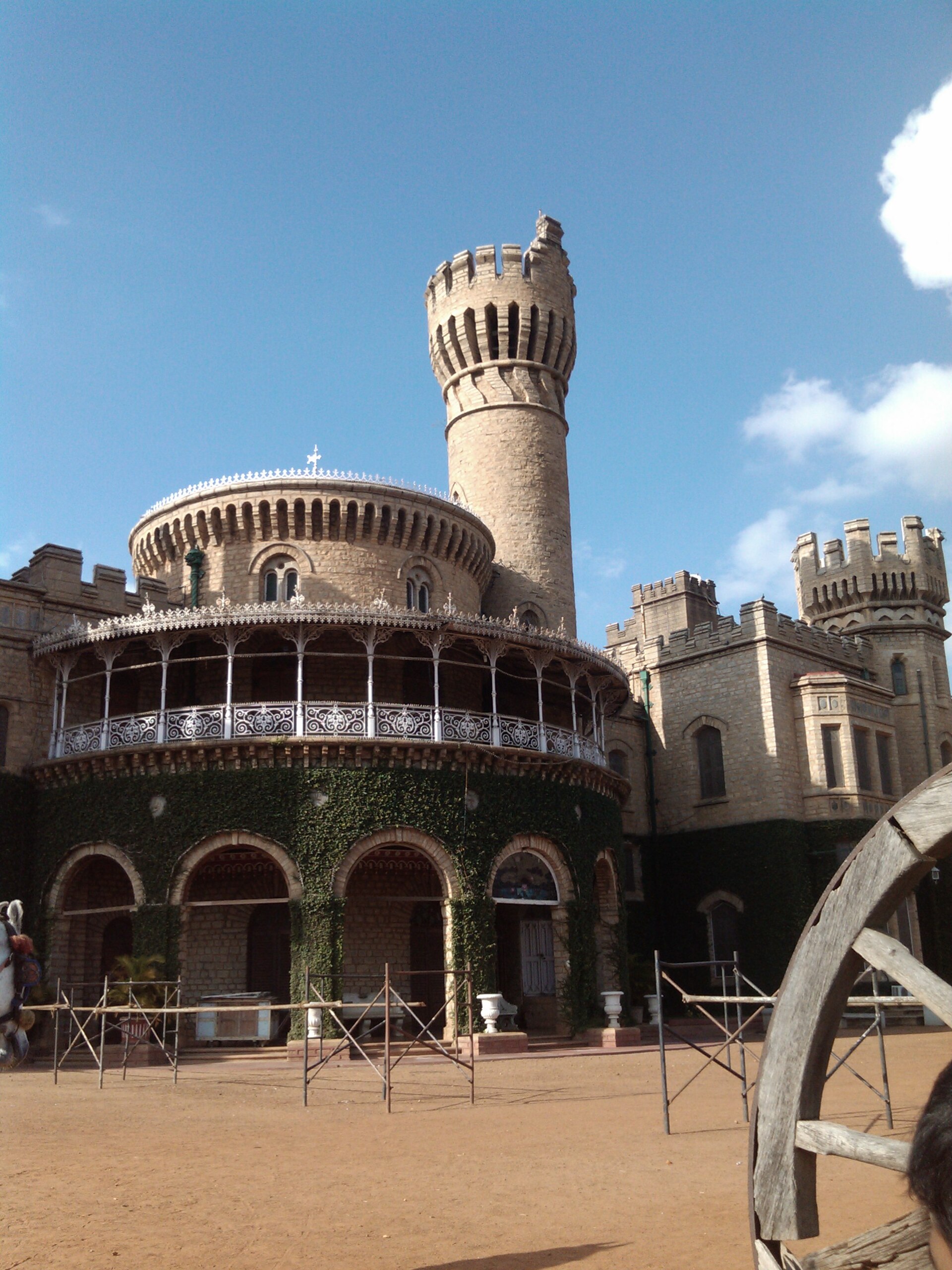
- Lalbagh Botanical Garden — South Bengaluru, near Basavanagudi
Lalbagh is the clearest argument for the Garden City label: old trees, a glasshouse, a lake and rock outcrops that locals treat as a morning exercise ground. Come early for birds and walkers. Flower shows are held at certain times of year, so confirm dates before planning around one. - Someshwara Temple, Ulsoor — Ulsoor, central-east Bengaluru
The Someshwara Temple at Ulsoor has a tall Dravidian gateway tower, or gopura, rising above a busy lakeside district. It is tied to the Vijayanagara period and Kempe Gowda's rule. Visit for the carved tower and the quiet rhythm of daily worship, which carries on alongside the traffic.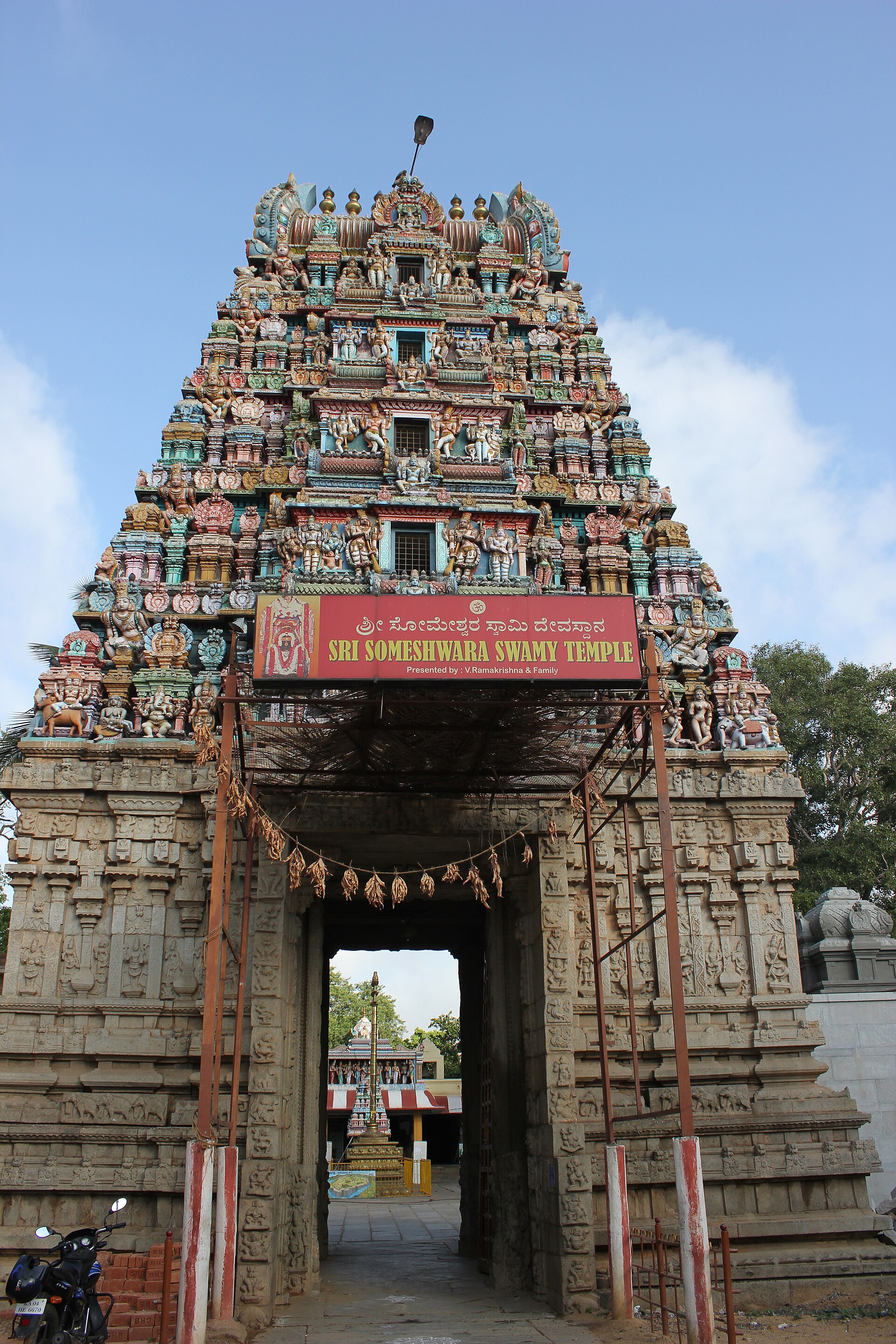
- Begur Nageshwara Temple — Begur, south Bengaluru
This Western Ganga-era temple in the southern suburb of Begur is a quieter stop, linked to the inscription that gives the earliest written form of the city's name. It rewards those interested in early Karnataka stonework. The trip is long in traffic, so combine it with other southern sights.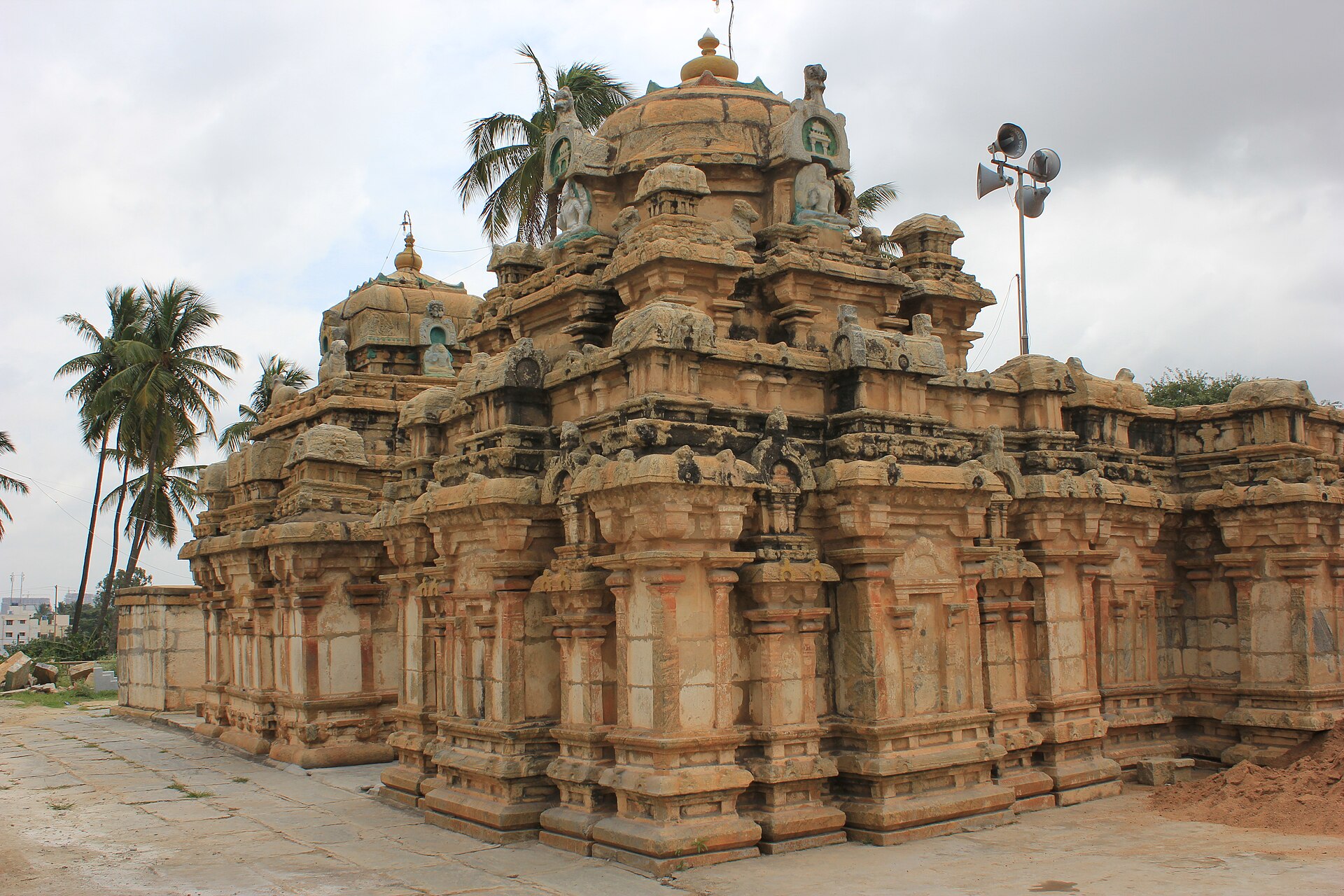
- Tipu Sultan's Summer Palace — Old city, near the fort and City Market
Tipu Sultan's Summer Palace is a two-storey wooden palace with slender pillars, arches and painted detail, set near the old fort in the city's old quarter. Foreign visitors usually pay a higher entry fee than Indians, so check the official listing before going. It pairs well with the nearby markets.
Culture
Bengaluru is a meeting point of Kannada traditions and the habits of a city that draws people from across India and abroad. Kannada is the language of the state, and a few words of it, even a simple greeting, are received warmly, though English and Hindi both work in most places. The city is a significant centre for Indian classical arts. Carnatic and Hindustani concerts, and dance forms such as Bharatanatyam, Kuchipudi, Kathak and Odissi, are staged at halls and cultural societies throughout the year, with two busier music seasons around Ram Navami in spring and Dussehra in autumn. Yakshagana, a theatre form from coastal Karnataka, appears in town halls. Alongside this runs a lively modern scene: the city has its own flavour of rock music, a busy pub and comedy circuit, and film societies that screen world cinema. Temple festivals bring processions, flower sellers and loudspeakers into residential streets, and coffee and tiffin culture shapes the daily rhythm, with queues forming at old-fashioned eateries well before the working day starts. People tend to be reserved at first and friendly once a conversation begins. At temples, remove your shoes at the entrance, dress modestly, and ask before photographing people or the inner shrine.
What to wear
Bengaluru's traditional dress is shaped by Karnataka. The best-known textile is Mysore silk, a fine, lustrous fabric woven into saris and often edged with gold zari, worn by women at weddings and festivals. Ilkal and Molakalmuru saris from the north of the state are also seen on special occasions. Men wear a panche, a white or cream cloth tied at the waist, often with an angavastra over the shoulder, or the shirt-and-dhoti combination at ceremonies. Everyday dress in the city is far more relaxed. In the offices and cafés, jeans, cotton shirts, kurtas, T-shirts and trainers are normal, and many younger people mix Indian prints with Western cuts. Sarees and salwar kameez appear at work and for family events. The weather is mild, so layers matter more than heavy clothing: breathable cotton or linen suits most months, with a light jacket or shawl for cool evenings and an umbrella or rain jacket in the monsoon. Visitors should carry a scarf or wear covered shoulders and knees for temples, and choose shoes that slip on and off easily. Pavements are uneven and often wet, so comfortable closed shoes or sturdy sandals are more useful than anything delicate. Smart-casual clothing is fine for restaurants and pubs.
What to eat
- Masala dosa — Old darshini-style tiffin rooms across Jayanagar and Basavanagudi
A thin, crisp rice-and-lentil pancake folded around spiced potato, served with coconut chutney and sambar. Bengaluru's old tiffin rooms are known for it, and breakfast is the natural time to try it. - Bisi bele bath — Traditional Kannada restaurants and mess-style eateries
A Karnataka comfort dish of rice, lentils and vegetables cooked together with a spice blend and finished with ghee. It is thick, hot and tangy, and often eaten as a hearty lunch. - Idli and vada with filter coffee — Standing-room breakfast counters and darshini cafés
Soft steamed rice cakes and crisp lentil doughnuts, dipped in sambar and chutney, followed by strong coffee with milk, served in a steel tumbler and bowl. A simple, local morning habit. - Meals on a banana leaf — Mangalorean and Andhra-style restaurants across the city
A South Indian thali served on a banana leaf, with rice, sambar, rasam, vegetable sides, pickle and a sweet. Staff refill generously, and the meal often ends with curd rice. - Biryani — Biryani eateries around Shivajinagar and Koramangala
Fragrant rice layered with spiced meat or vegetables and slow-cooked, with regional styles from Hyderabad-influenced to local Donne biryani. It suits a long lunch with friends and plenty of raita.
Plan it
Best time. October to February is the most comfortable stretch, with mild days and cool nights thanks to the plateau height. March to May turns warmer and drier, and the monsoon months bring regular showers and traffic snarls.
How long. 2–3
Getting there. Kempegowda International Airport lies to the north of the city, and a taxi, airport bus or app cab covers the last leg into town; allow plenty of time in traffic. By rail, Bengaluru City Junction is the main station, with long-distance trains from Mumbai taking about a day, so flying is usually quicker.
Budget. mid
Tips
- Group sights by area and use the metro where possible, because road traffic is slow at rush hour
- Start gardens and temples early, when it is cooler and quieter
- Carry some cash for small eateries and temple offerings, though cards and UPI are widely accepted
- Check official sites for palace and museum opening arrangements and any foreign-visitor entry fees
- Rail travel from other cities can run late, so keep buffer time
Etiquette
- Remove shoes before entering temples and dress modestly
- Ask before photographing people, priests or shrine interiors
- Greet with a smile or a few words of Kannada, which are warmly received
Nearby
Sources
- Wikidata Q1355 (CC0)
- Wikipedia: Bengaluru (rev 1382146122) (CC BY-SA 4.0)
- Wikivoyage: Bengaluru (rev 5406626) (CC BY-SA 4.0)
- Photo: UB City (CC BY-SA 2.0)
- Photo: View from Visvesvaraya Industrial and Technological Museum (2025) (CC BY-SA 4.0)
- Photo: Bangalore palace near (CC BY 3.0)
- Photo: Gopura of Someshwara temple (CC BY 3.0)
- Photo: Infosys (CC BY-SA 2.0)
- Photo: Naganatheshvara Temple at Begur (CC BY 3.0)
- Photo: Bangalore palace side view (CC BY-SA 4.0)
- Photo: Map of the city of Bangalore (Baedeker, 1914) (Public domain)


