Baku
Baku, Azerbaijan
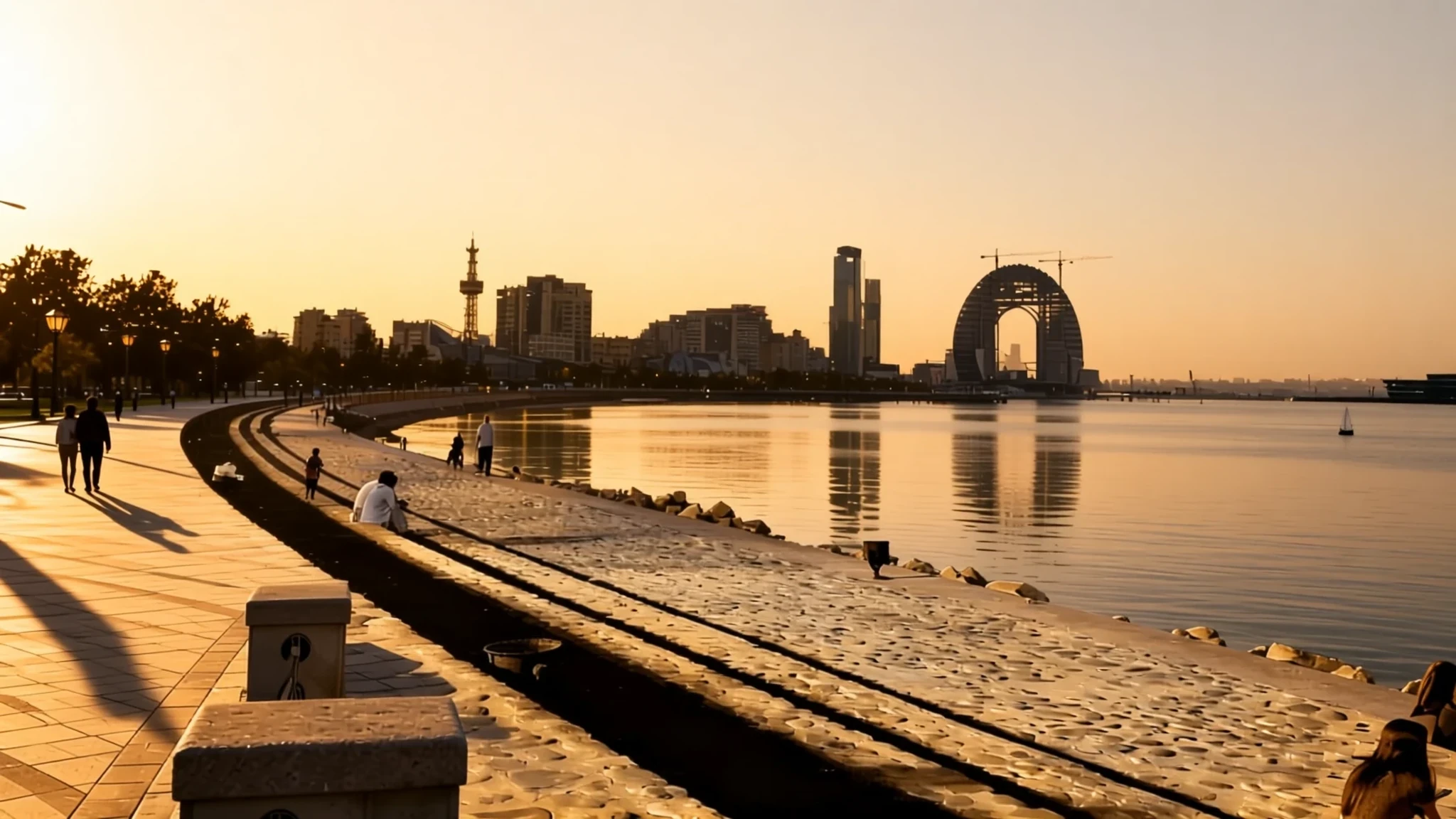
Baku is a Caspian city of old stone and new glass, built on a shore so low it sits below sea level.
The place
Baku is the capital of Azerbaijan and by some distance its largest city. It stands on the southern shore of the Absheron Peninsula, curving around the Bay of Baku on the Caspian Sea, and it holds about 2.3 million people. Since Baku's skyline sits 28 metres under sea level, holding the title of the world's lowest capital, its coast feels like a flat, windy expanse rather than a traditional hilly shoreline.
Two cities sit side by side. The Old City, known locally as Icheri Sheher, is a walled quarter of honey-coloured stone lanes, caravanserais and medieval palaces, and it is the part most visitors come for. Beyond its walls, boulevards laid out during the oil boom, glass office towers and new hotels give Baku a skyline that looks very different, and much of it glows after dark.
The seafront promenade works as the city's living room. Families stroll in the evenings, couples sit by the water, and tea sellers work the benches. The capital doubles as the country’s main hub for industry, research and arts. Expect to see construction everywhere these days, along with heavy traffic, as the city keeps expanding after hosting a string of major global events. Distances look small on a map but add up, so a taxi or the metro often makes more sense than walking.
The Old City rewards slow mornings, and the newer districts reward a late evening walk along the water.
Its story
Baku's history reaches back far beyond the walls of its Old City. Archaeologists have found traces of settlement in the area from the Stone Age, including rock carvings from the Bronze Age near Bayil and a small bronze fish from inside the Old City, which has led some to argue for an early community on the same ground. At Umid Gaya, near Nardaran, carved images of the sun and constellations suggest an early observatory.
Roman forces pushed into the Caucasus in the early centuries of the common era and reached the Baku region as well. Inscriptions cut into rock at Gobustan, near the city, survive from that period and are among the earliest written evidence for a settlement here. A later Christian tradition links the apostle Bartholomew with a city called Albana, which scholars place variously in Armenia or near the Caspian coast; the claim is debated and is best read as tradition rather than fact.
The medieval city grew into a centre under the Shirvanshahs, a local line of rulers whose palace still anchors the Old City. Their stone defences, bathhouses and merchants' inns kept the walled quarter busy with trade, and the Maiden Tower, whose purpose is still uncertain, belongs to the same building period. Scholars have proposed a fire beacon, a fortification, an observatory or a Zoroastrian temple, and no single answer has won.
Later, the city passed under the Russian Empire, then into a short-lived independent republic, and then under Soviet rule. Oil turned Baku from an old port into a fast-growing industrial city, and the wealth from that industry still shapes its boulevards and towers. Independence returned after the Soviet era, and today the old and the new sit side by side across a few compact kilometres.
What to see
- Palace of the Shirvan Shahs — Old City
The palace complex of the Shirvan Shahs, the residence of a local medieval dynasty, sits at the heart of the Old City and is where most visitors start. Its carved stone portals, courtyards and burial vault give a clear sense of how a medieval court lived. Allow about an hour, and check the official site for opening times before you go.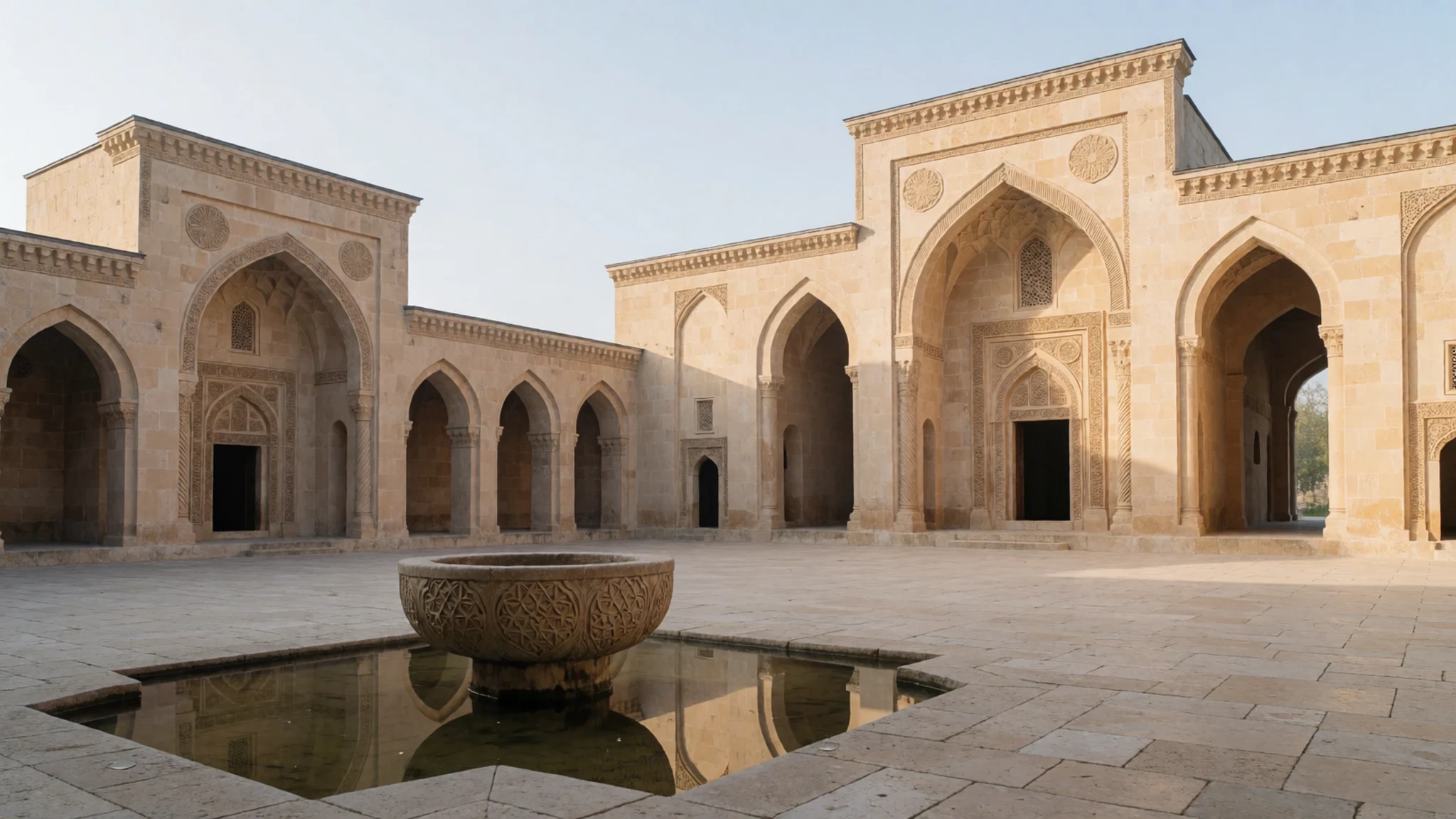
- Maiden Tower — Old City, seafront edge
A round stone tower on the seafront edge of the Old City, its origins remain uncertain. Scholars have proposed a fire beacon, a defensive post, an observatory or a Zoroastrian shrine, and that open question is part of its appeal. Go up if the site is open to visitors, as the view covers the harbour and the Old City roofs.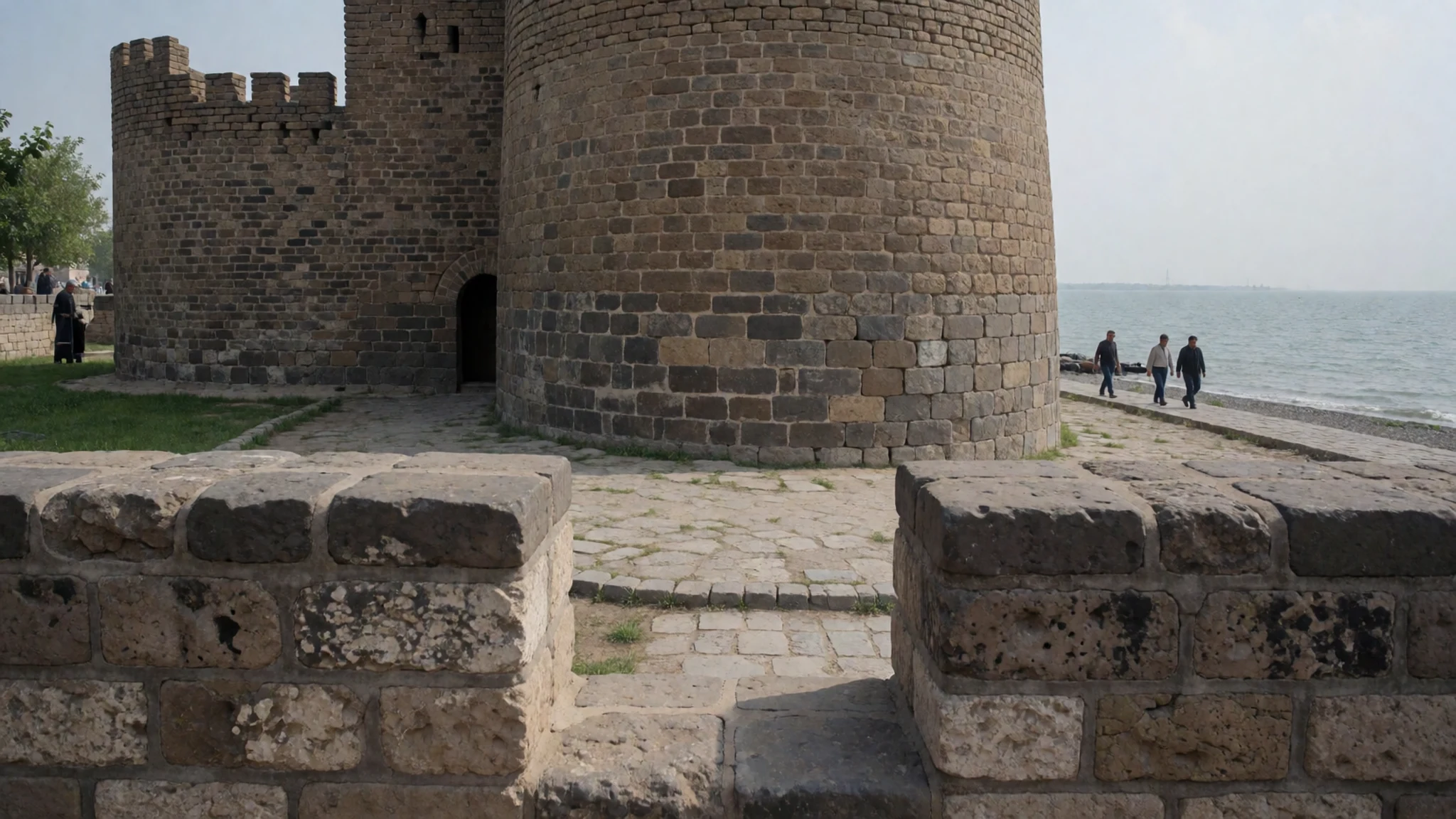
- Saray Mosque — Old City
A small mosque inside the Old City with a rectangular plan, a modest prayer hall and a separate space for women. Its northern doorway is more formal than the eastern one and leads towards the burial vault of the Shirvanshahs. Dress modestly and move quietly, since it is a working place of worship.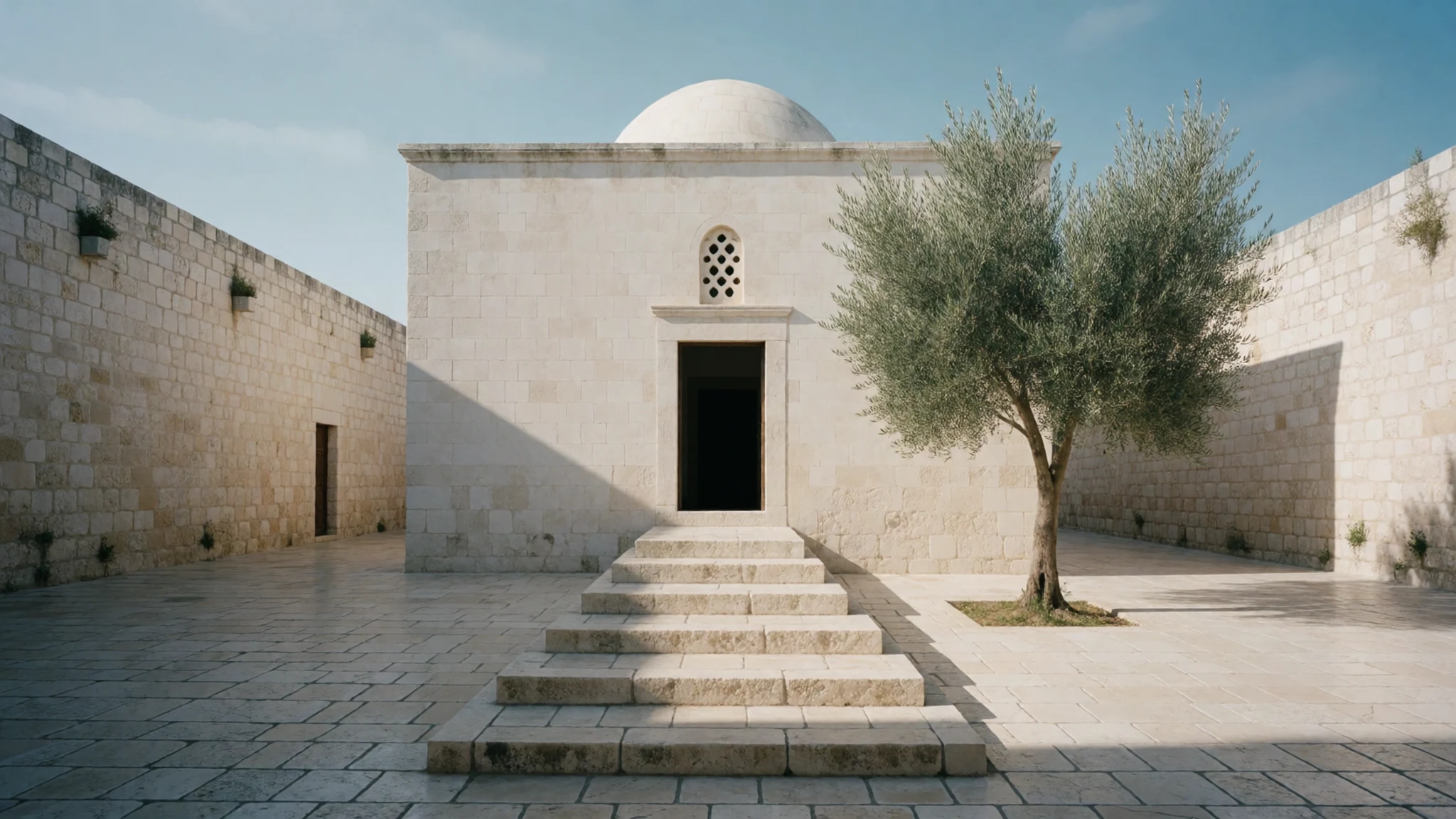
- Bukhara Caravanserai — Old City
A late medieval inn for merchants and their animals, built around a courtyard in the Old City. Caravanserais like this one were the overnight stops along long trade routes, and the stone rooms help picture that trade without a guide. Visit in the morning, when the courtyard is quieter.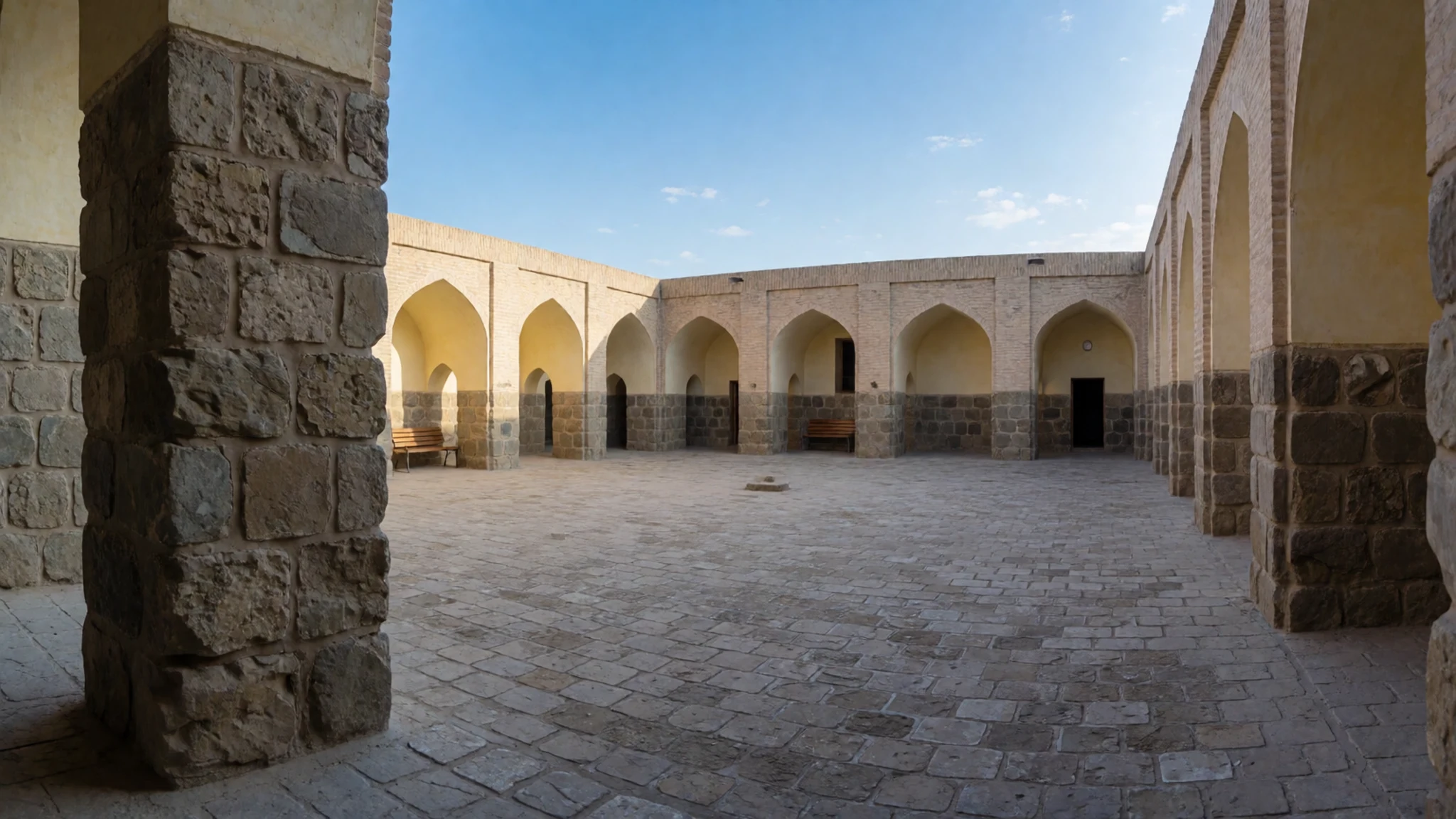
- Hajji Gayyib bathhouse — Old City
A medieval bathhouse with a rectangular entrance portal, one of the old public baths in the Old City that still reads clearly as a building. Public baths were social places as much as places to wash, and this one shows the layout well. Ask at the entrance about visiting, as access can change.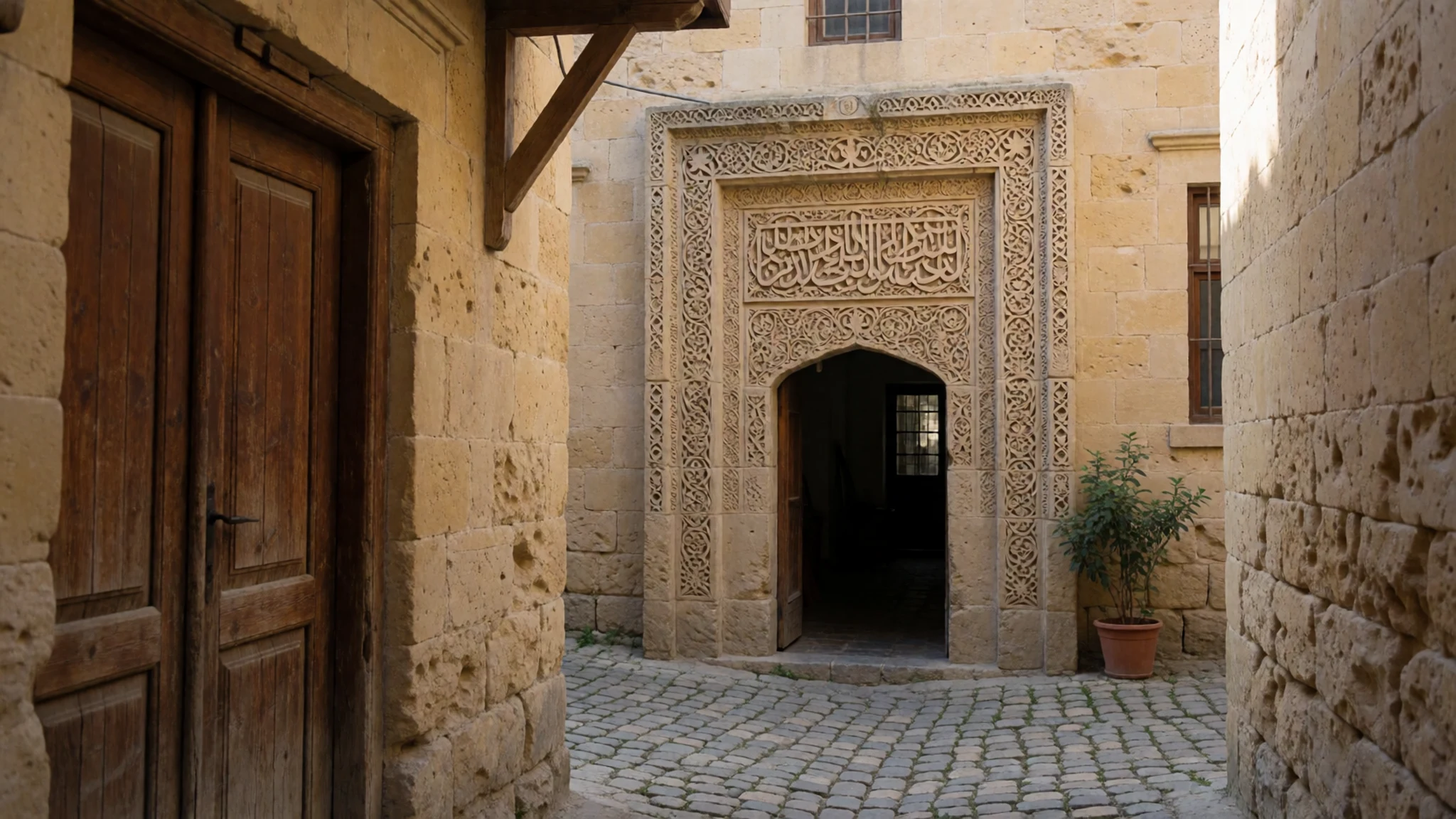
Culture
Baku is often described as a city that blends Caucasian, Persian, Turkic and European influences, and its Old City is the clearest place to see that mix. The Maiden Tower and the Shirvanshahs' Palace sit inside walls that can be walked in an afternoon, and the lanes around them hold souvenir shops, carpet dealers and small cafés. Azerbaijan keeps its crafts alive: carpet-weaving and pottery remain living traditions, and the national carpet museum shows how deep those roots go. The National Art Museum and the National Museum of History display older and contemporary work, while the opera and ballet theatre and the national drama theatre host local and international productions. Hospitality matters here, and a guest is usually offered tea, so accept at least a small cup before leaving. When you enter a mosque, dress modestly, cover your shoulders and knees and remove your shoes where asked.
What to wear
In Baku and across Azerbaijan, traditional dress draws on Caucasian and Persian styles. Men have worn the chokha, a long fitted coat with cartridge-style chest pockets, often over a shirt. Women's costumes feature richly embroidered silk and velvet, with metallic thread and strong colour. Textiles matter as much as tailoring: silk, wool and cotton carry the same geometric motifs as the carpet tradition, showing up in embroidery and weaving alike. These clothes now appear at weddings, festivals and folk performances more than in everyday life.
Day to day, Baku dresses well. On the boulevard and in the business district, people wear tailored suits, fashionable dresses and trainers, and evenings out call for smart clothes and heels. Some women wear headscarves, and many older residents dress conservatively, but the city is cosmopolitan and ordinary Western clothes will not stand out much.
For a visit, pack layers. Spring and autumn days can be warm with cooler evenings, and the wind off the Caspian can be sharp on the seafront. Wear comfortable closed shoes for the Old City's uneven stone paving. Bring a scarf to cover your hair in mosques where women are asked to do so, and keep shoulders and knees covered at religious sites and the palace.
What to eat
- Piti — Small take-away places near the Old City
A filling, slow-cooked stew of lamb, chickpeas and vegetables, served in a small clay pot. Diners tear bread into the broth, and it is hearty enough to be a meal on its own. Find it at the small take-away places near the Old City, where it is a popular, filling lunch.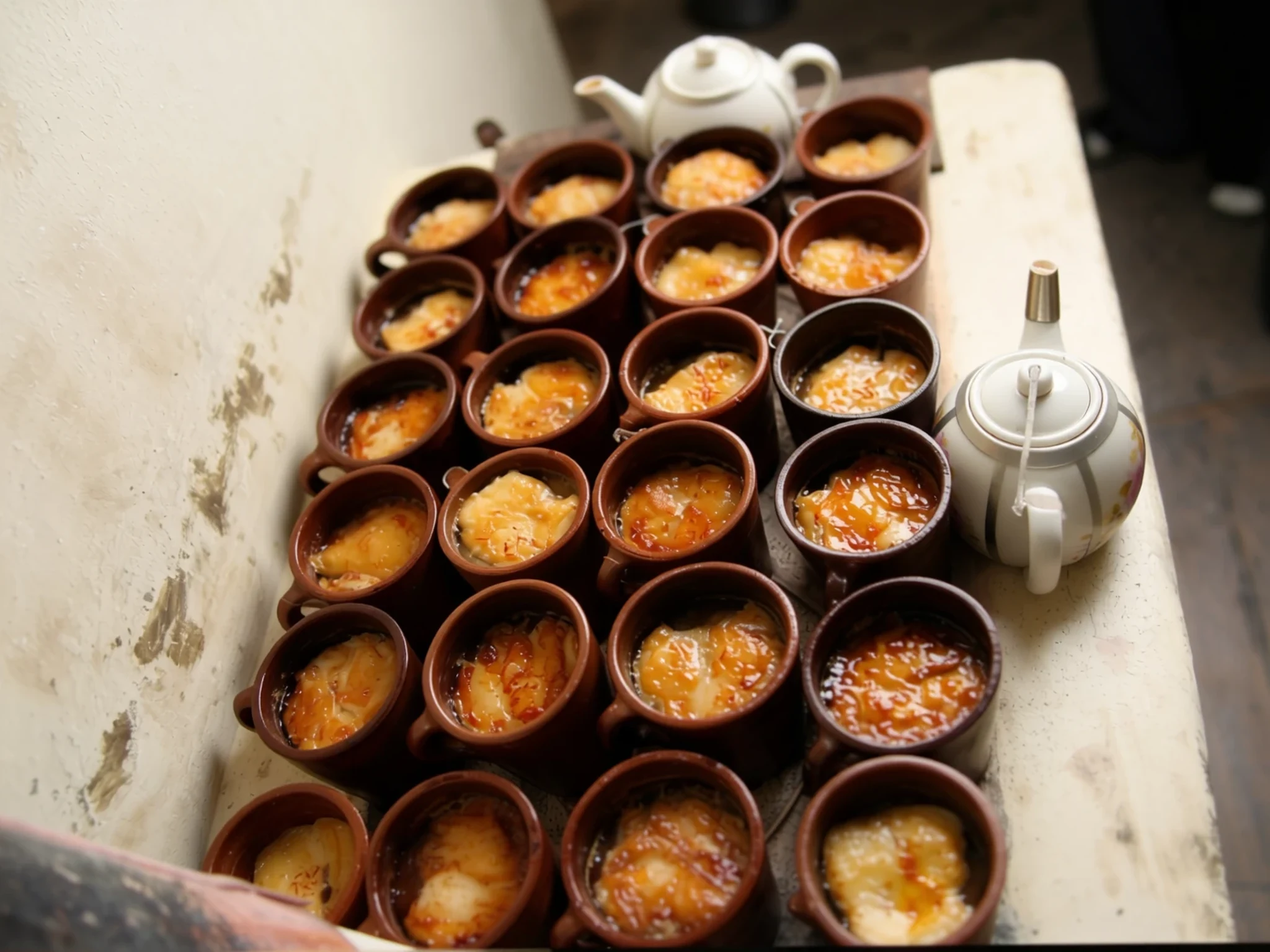
- Dolma — Home-style restaurants and lunch counters across the city
Vine leaves, peppers and aubergines stuffed with rice and herbs, often with minced meat, and served warm or at room temperature. Home-style restaurants and lunch counters across the city keep it on the menu. Ask whether a dish is made with meat or herbs only if you are vegetarian.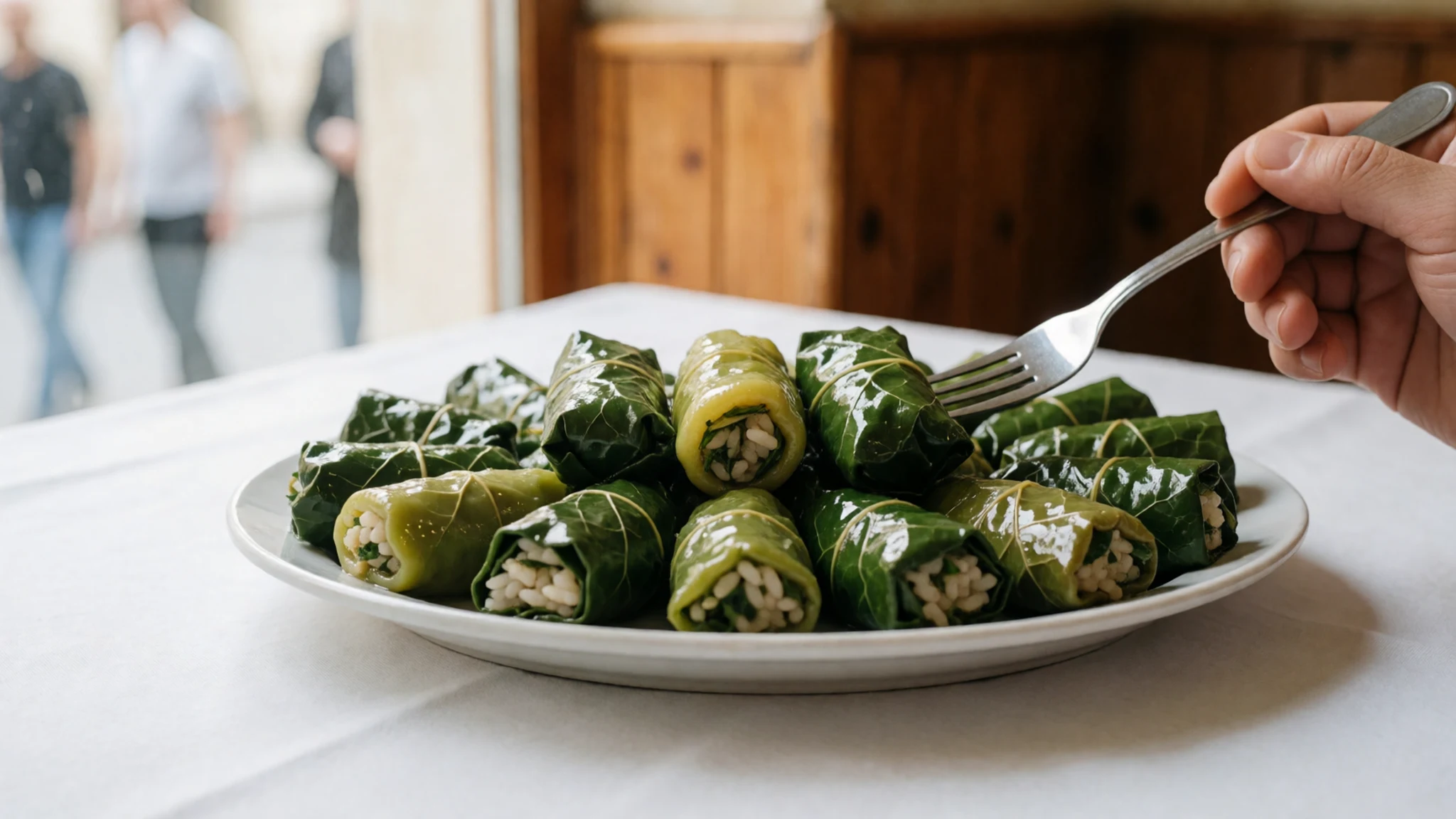
- Plov — Traditional eateries in the city centre
Fragrant rice cooked with saffron, dried fruit, chestnuts and meat, and served on a large platter for sharing. It is a family dish for gatherings, so order it at lunchtime in a traditional eatery.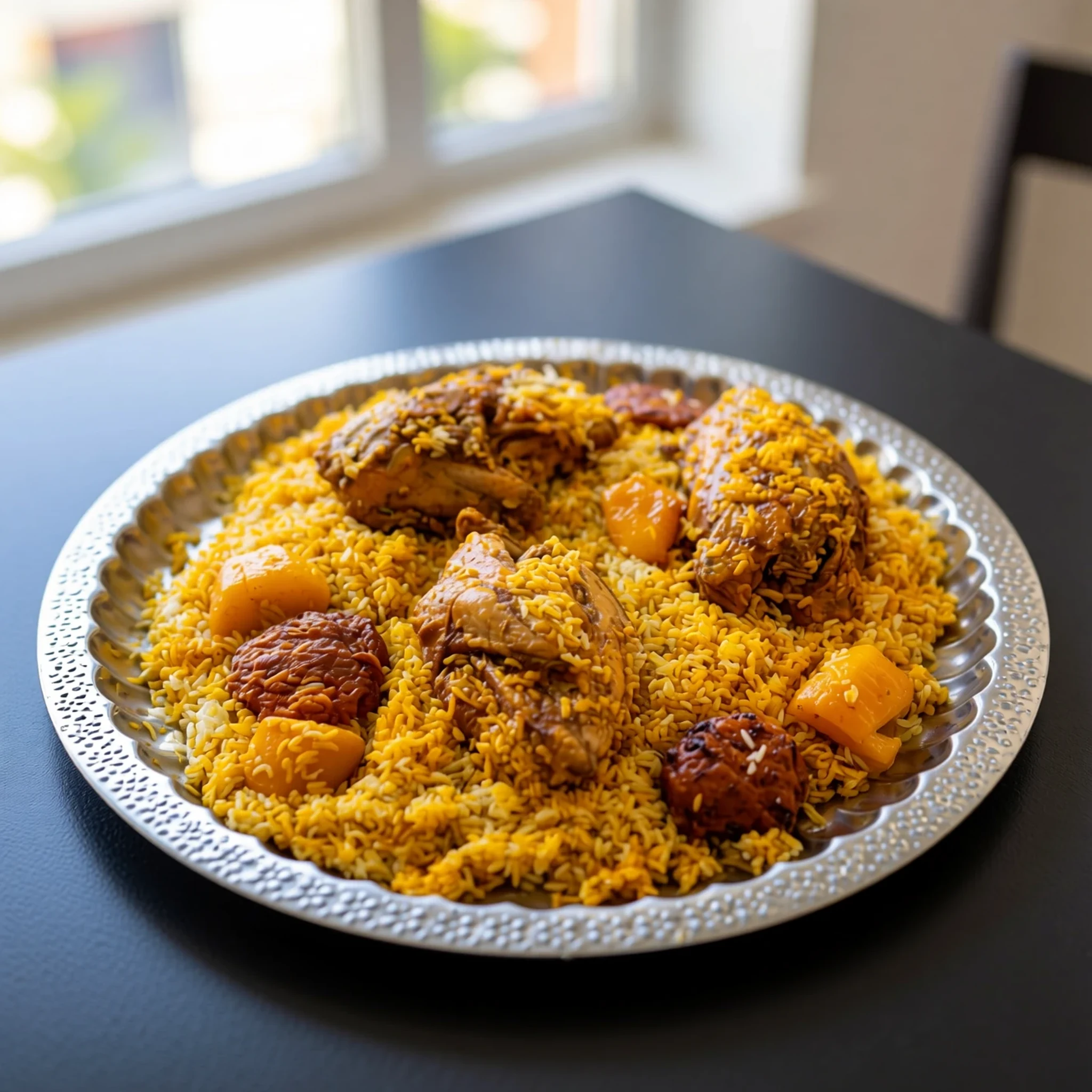
- Kebab — Grill houses along the main streets of the city centre
Grilled lamb on skewers or minced lamb shaped on a blade, served with flatbread, grilled tomato and onion sprinkled with sumac. Grill houses along the main streets make a quick, reliable meal. - Qutab — Bakeries and street counters, especially in the older districts
A thin, folded flatbread stuffed with herbs, greens or minced meat, then cooked on a griddle until the edges crisp. It is a good snack to eat on the move, and bakeries sell it fresh. - Tea — Seafront tea houses and boulevard cafés
Black tea served in tulip-shaped glasses, usually with sugar and a small plate of sweets. Tea is offered at almost every stop, so accept it. Seafront tea houses and boulevard cafés are the easiest places to sit and watch the city go by.
Plan it
Best time. Baku is most comfortable in May and October, when highs sit near 28°C and the sea breeze keeps the seafront pleasant and the Old City easy to walk. Midsummer can be very hot, which makes daytime sightseeing tiring, so plan the big walks for early morning.
How long. 2–3
Getting there. Entry is by air at present, because land borders with the neighbouring countries are closed to most travellers. From the international airport, the airport express bus runs to the railway station, and a city bus runs to Samed Vurgun Park in the centre; each trip takes under an hour. A minibus also links the airport with the metro.
Budget. mid
Tips
- Start the Old City before 9 am, when the lanes and palace courtyards are quieter
- Use a BakiKart for buses and the metro, and carry some cash for small kiosks
- Check the city's official website before you travel for current entry rules and any event closures
- Book central hotels early if a major international event is on, since rooms fill quickly
- Carry water for the Old City walk and the boulevards in summer
Etiquette
- Dress modestly in mosques and religious sites, covering shoulders and knees
- Ask before photographing people, especially women and older residents
- Accept offered tea politely rather than refusing hospitality outright
- Keep your voice low in mosque courtyards and burial areas
Nearby
Sources
- Wikidata Q9248 (CC0)
- Wikipedia (rev 1382133082) (CC BY-SA 4.0)
- Wikivoyage (rev 5398517) (CC BY-SA 4.0)
- Photo 01-baku-004-1953c.jpg (CC BY-SA 4.0)
- Photo 02-baku-city-at-night.jpg (CC BY-SA 4.0)
- Photo 03-smailiyy-palace-main-panoram.jpg (CC BY 3.0)
- Photo 04-bakufortress-gate-004-1022.jpg (CC BY-SA 4.0)
- Photo 05-city-hall-220956691.jpg (CC BY 3.0)
- Photo 06-palace-of-the-shirvanshahs-outside.jpg (CC BY 3.0)
- Photo 07-torre-de-la-doncella-baku-azerbaiy-n-2016-09-26-dd-212-214-h.jpg (CC BY-SA 4.0)
- Photo 08-qobustan-inscription.jpg (CC BY 3.0)


