Bahla Fort
Bahla Fort, Oman
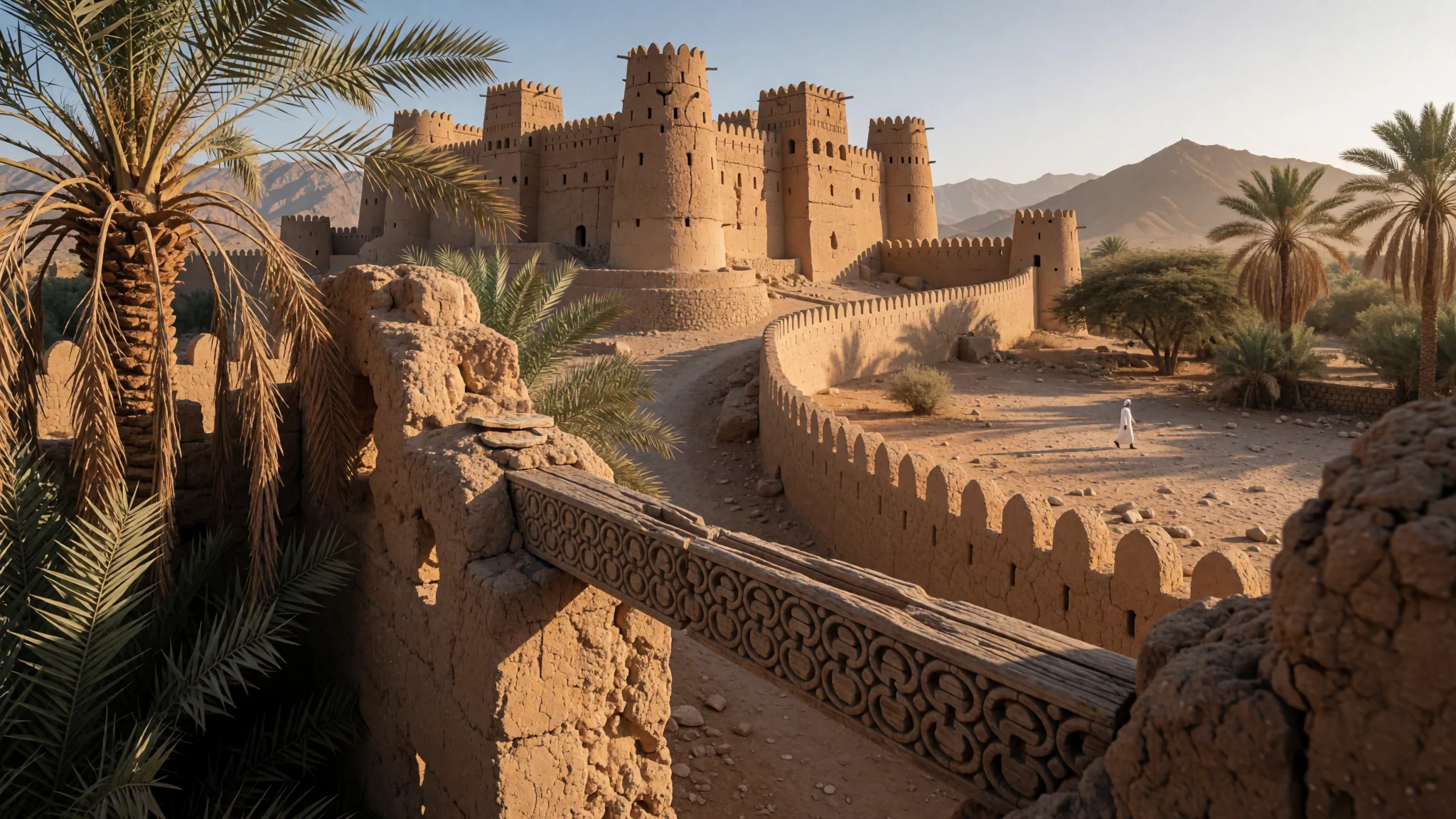
Bahla Fort is a mud-brick medieval fortress in Oman's interior, worth the drive for its towers, its walled town and the folklore that still clings to it.
The place
Bahla Fort stands in Bahla, a town in the interior of Oman, roughly halfway between Nizwa and Ibri, on the road known as Highway 21. It is one of four historic fortresses at the foot of the Jebel Akhdar highlands, and in 1987 it became the first fort in Oman listed by UNESCO, a status that drew wider attention to the town. The fortress and the town share a single enclosure, and the surviving stretch of the wall is long enough to be seen from some distance away.
Most of the buildings around the fort are made of traditional mud brick, and many of them are several centuries old. The fort itself is a compact mass of towers and courtyards rising above the older quarter. Major restoration work was finished and the site reopened in 2012. Visitors should expect little explanation on arrival: there are no exhibits or brochures, and the complex is large and often quiet. A guided tour makes a real difference, or else a slow walk with a rough plan of what to look for.
The finest outlook is from just outside the western entrance, close to the Jabrin junction, where the wall and the towers line up against the palms and the rooftops of the town below. The surrounding landscape has the feel of the old interior of Oman, with farms, date palms and dry hills beyond. Bahla is also known as Madinat Al Sehr, the City of Magic, a name that reflects its long association with spirits and sorcerers. That reputation is still part of local conversation, and it lends the fort an atmospheric, slightly mysterious air in the late afternoon.
Its story
The story of Bahla Fort is tied to the Banu Nebhan, the tribe who held the district when the fort went up on its site. Their standing rested on the trade in frankincense, the aromatic resin that passed through the region on caravan routes. The fortress belongs to the medieval period, and its surviving architecture shows that it was altered and extended over several phases, as the town grew into a regional centre of power and commerce.
Beside the fort lies a citadel oasis, once a working garden watered by channels and encircled by houses. Much of it is now ruined, though the outline of its lanes and a number of houses still stand, and they show how the settlement fed itself. An ancient wall once ran a great distance around the town, and sections of it survive today.
The builders raised the walls from earth mixed with straw, a material that suits the climate but gives way to rain and wind. Over the years erosion ate into the towers and courtyards, and the fort needed serious repair before it could be safely opened. The rehabilitation was extensive, and the fort reopened in 2012 once the work was complete.
Legend has layered itself over the stone. Bahla earned the name Madinat Al Sehr, the City of Magic, through its long link with djinn and sorcerers, a connection that still shapes how people talk about the place. Tales of spirits and hidden powers cling to the fort, the nearby tombs and the old lanes, and they have outlasted the caravans that once made the town rich.
What to see
- Bahla Fort — Bahla town
This fortress is the reason most visitors come. Its mud-brick towers and courtyards stand inside the long wall that encloses the town, and the site is a UNESCO World Heritage Site. Allow plenty of time to climb the stairways and wander the rooms, expect uneven floors and low doorways, and bring water, because shade is limited for much of the day.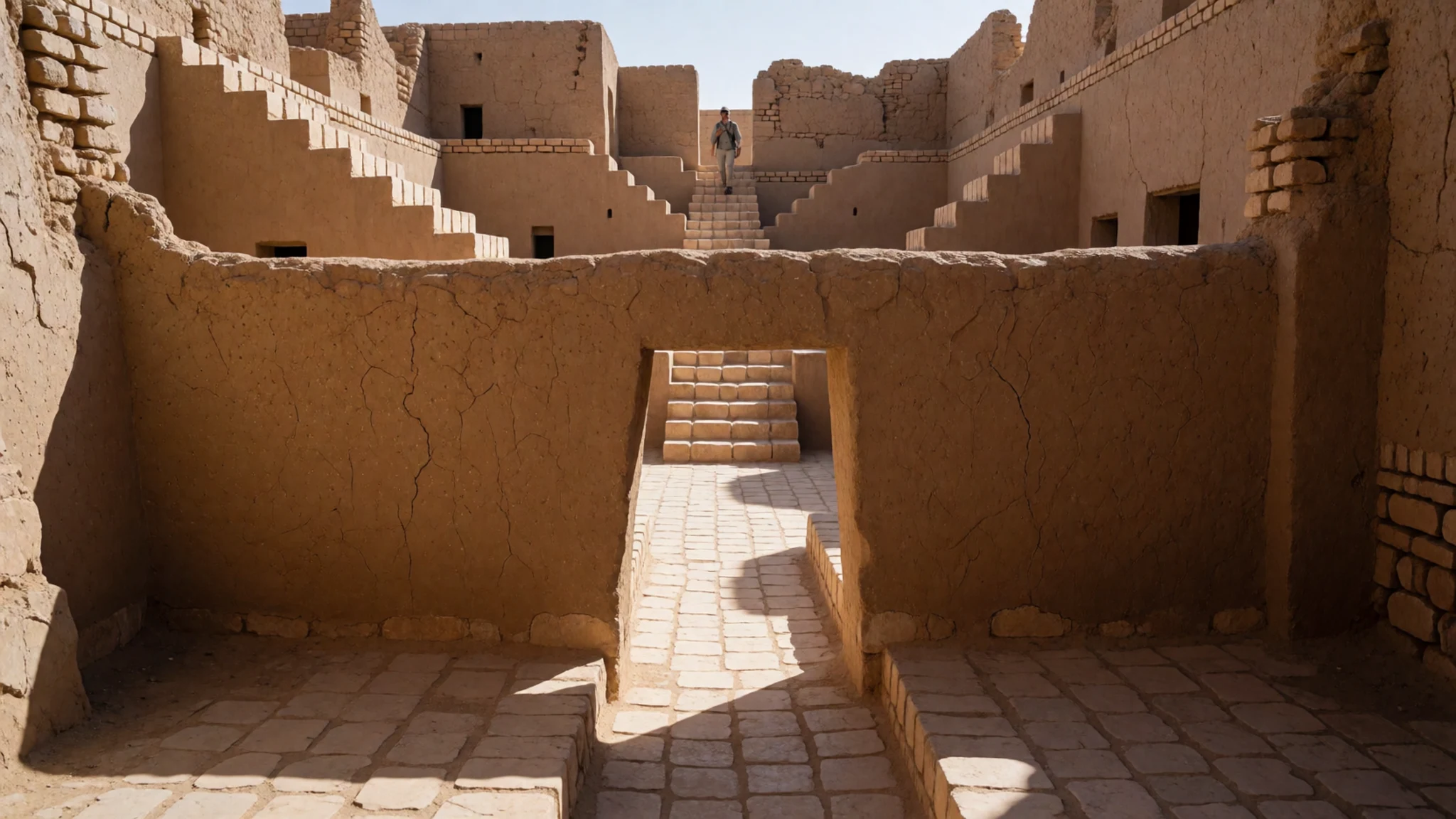
- Mosques of the Saints — Edge of Bahla town, by the old cemetery
Old mosques stand in a burial ground on the edge of town, where medieval mystics are buried, people who local tradition says could speak with spirits. The buildings are small and plain, and the atmosphere is quiet and reverent. Dress modestly, keep voices low, and ask before photographing anyone inside or anyone at prayer.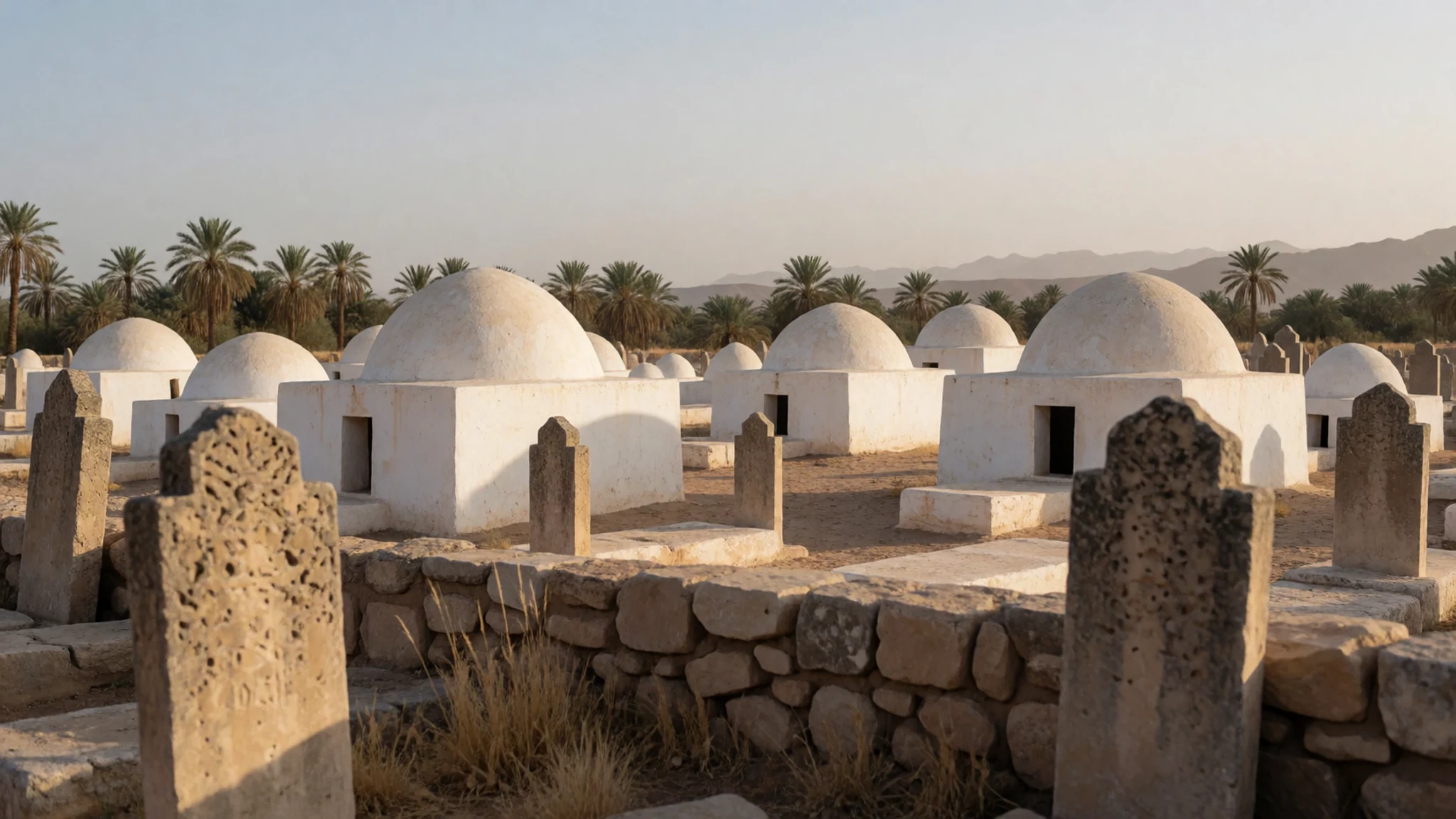
- Jabrin Castle — Jabrin, south-west of Bahla
Jabrin Castle lies a short drive south-west of Bahla. It was built in the 1670s as a home for an imam, and it later became a centre for teaching medicine, astrology and Islamic studies. The courtyards and rooms give a clear sense of how a scholarly household ran. Check the official site for current opening times before you go.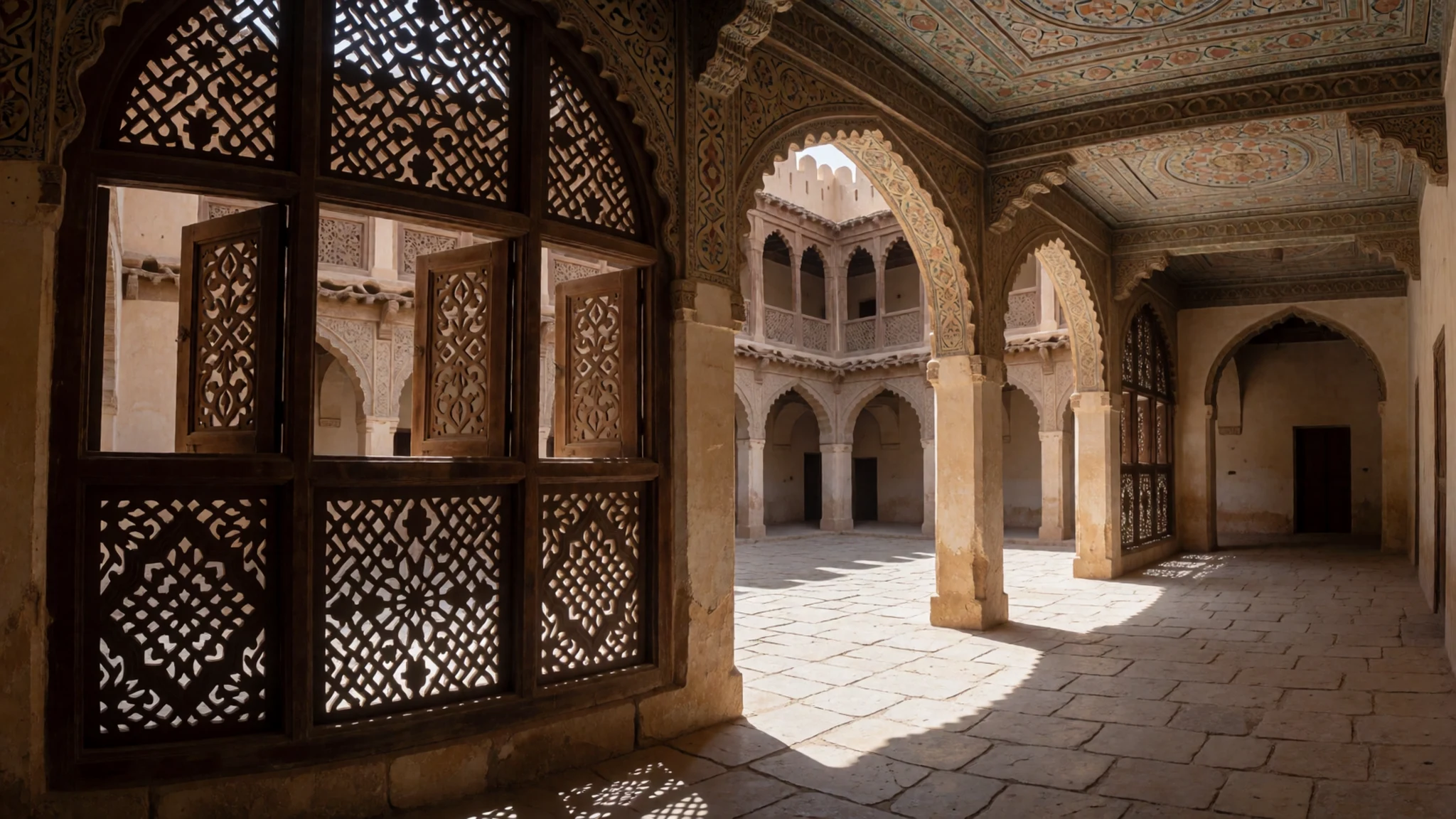
- The western viewpoint — Western approach, near the Jabrin junction
The finest outlook is from just outside the western entrance, close to the Jabrin junction. From here the long wall, the towers and the palms of the oasis line up in one frame. Go in the late afternoon for softer light, and carry water, because there is little shade at the roadside.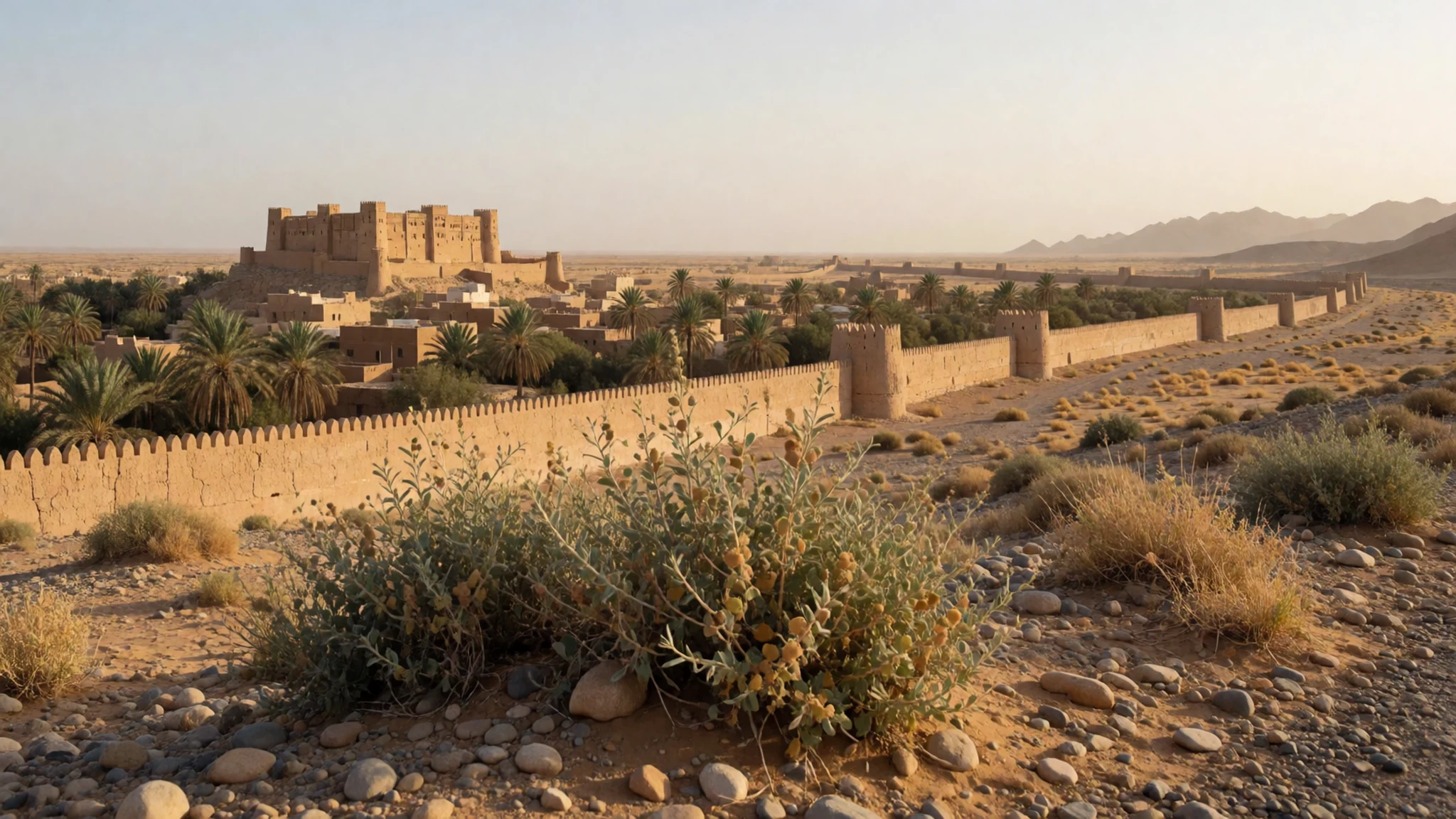
Culture
Bahla is a living town as well as a monument, and families still use the mud-brick quarter around the fort for daily life. Homes and shops sit alongside the old walls, so visitors should keep their voices down in narrow lanes and avoid peering into open doorways. Oman is conservative in public, and this shapes how visitors are received, so a relaxed, courteous manner goes a long way. The Mosques of the Saints need the most care: they are places of worship and burial, and local belief about the saints gives them a serious meaning for people in the town. Photographing the fort from outside is usually straightforward, but ask before photographing anyone, and do not enter a mosque without checking first whether visitors are welcome. Dress modestly, covering shoulders and knees, and ask before photographing anyone, especially women, or entering a mosque.
What to wear
Bahla Fort sits in a town where traditional dress is still part of everyday life. Omani men commonly wear the long white dishdasha, often with a rounded embroidered cap called a kumma, while women usually wear the black abaya over other clothes, with a headscarf in many towns. Colours, cut and embroidery vary by region and occasion, and finer tailoring and decorative stitching are kept for weddings and religious holidays. Cotton and light blended fabrics suit the heat, and silver jewellery has long been part of women's dress in the interior. What people wear now is a mix: men in dishdashas often pair them with trainers or sandals, while younger people in Bahla and Nizwa wear Western clothes alongside the traditional ones. For a visit, choose lightweight, loose trousers or a long skirt, with sleeves that cover your shoulders. Closed shoes with good grip are essential for the uneven mud-brick floors and steps, a sun hat helps in the open courtyards, and a light scarf lets you cover your hair for the mosques.
What to eat
- Omani halwa — Sweet shops and market stalls in Bahla town
A glossy, sticky sweet cooked slowly from sugar, ghee, nuts and rosewater, then cut into small squares. Visitors often receive a piece as a welcome in homes and at coffee gatherings. It keeps well, so it makes a good thing to take home.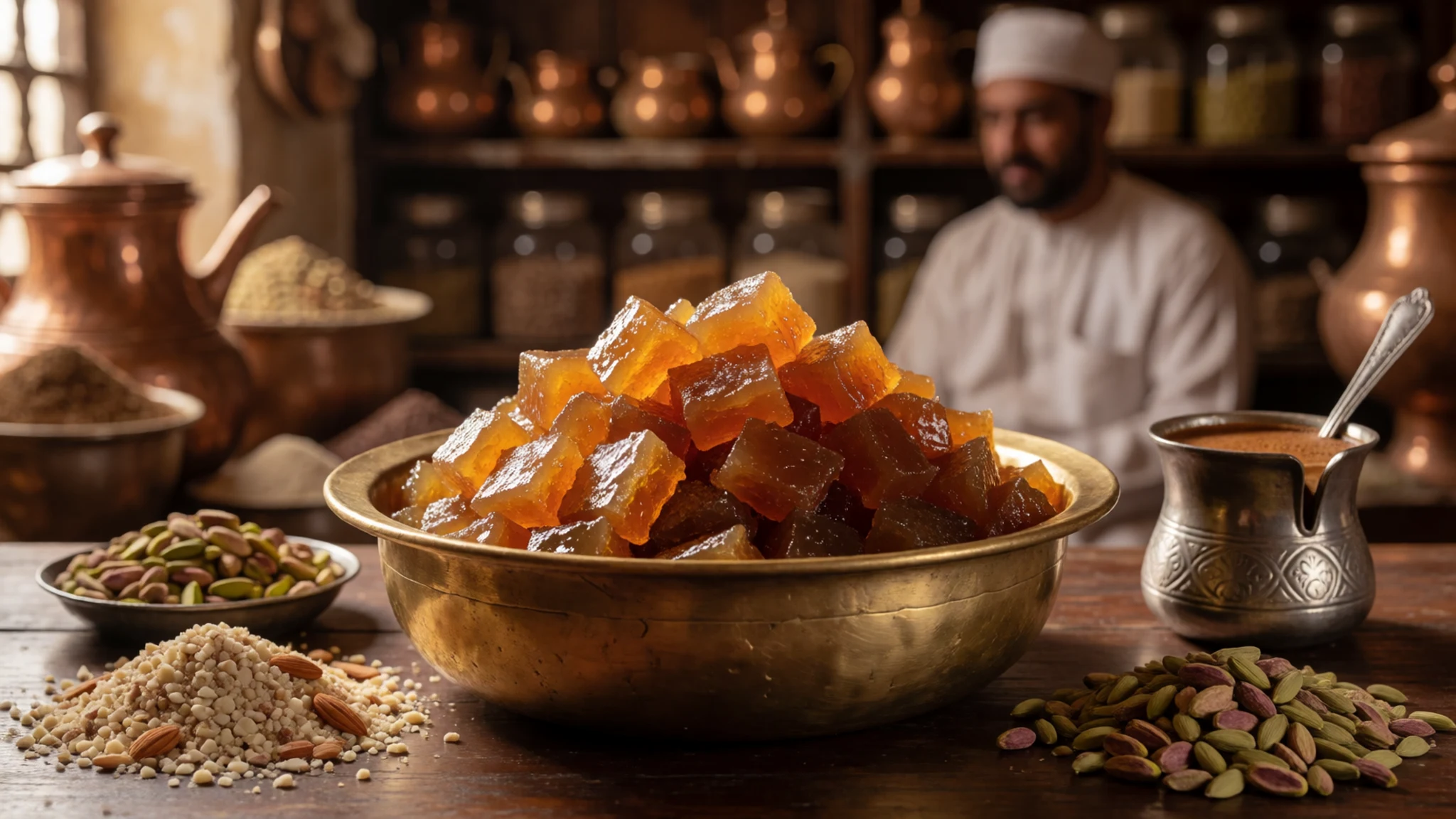
- Shuwa — Restaurants and eateries in Bahla town, or a family celebration if invited
Lamb or goat marinated with spices, wrapped in banana leaves and slow-cooked in an underground pit. It is usually made for feasts and festivals, so ask at a local restaurant whether it is cooked that day before you plan around it.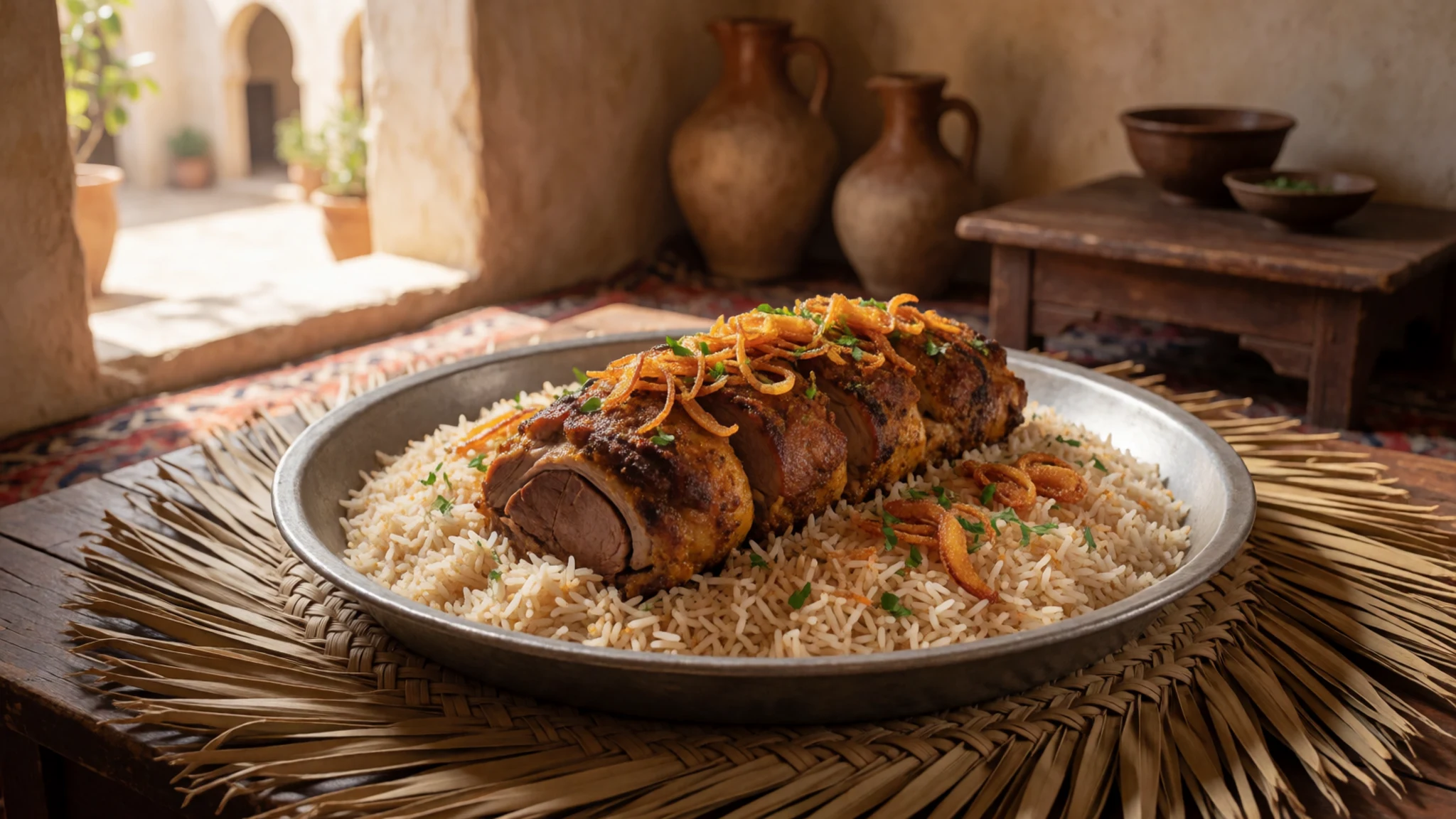
- Kabsa — Local eateries in Bahla town, typically at lunchtime
Spiced rice cooked with meat, often chicken or lamb, with dried lime and cardamom. It is served heaped on a large platter and shared, and it is the usual lunch in local eateries.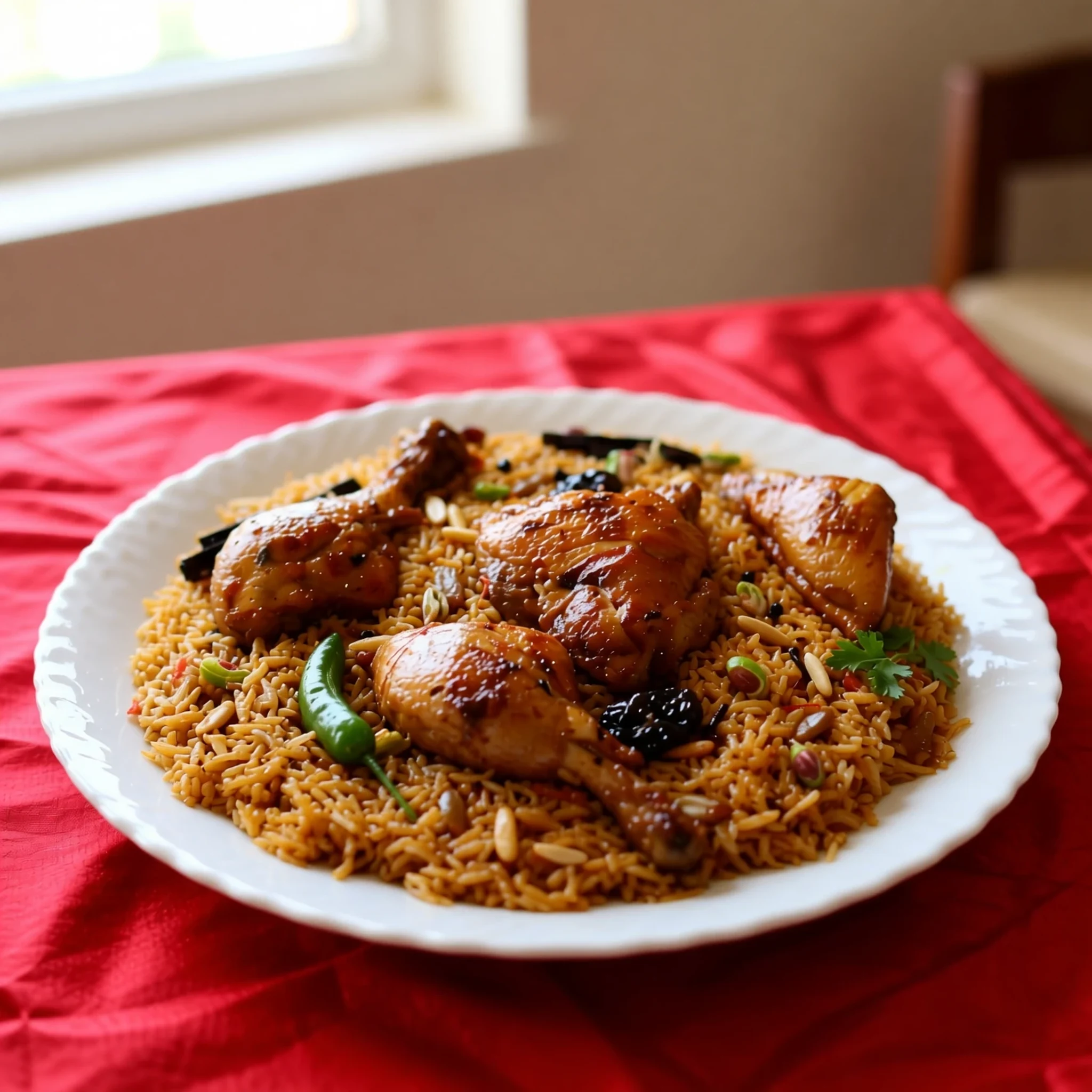
- Mishkak — Roadside grill stalls on the main road through Bahla
Skewers of marinated meat grilled over charcoal and served with bread, a garlic sauce and salad. Stalls selling it are popular in the evening, when the air cools a little. - Qahwa with dates — Traditional coffee houses in Bahla town
Lightly roasted Omani coffee flavoured with cardamom, poured from a long-spouted pot into small cups and offered with dates. Sitting with a cup is one of the easiest ways to join local life.
Plan it
Best time. December to February, when the days are coolest and walking the mud-brick lanes is most comfortable, while the heat builds from March and peaks from May to August. Summer afternoons are very hot, and the fort offers little shade.
How long. 1–2
Getting there. Highway 21 runs through Bahla, so the simplest way to arrive is by hired car or taxi from Nizwa, about halfway along the road to Ibri. Muscat International Airport is the usual gateway, with a long drive inland.
Budget. low
Tips
- Check the official site for current opening times before you go
- Visit early or late in the day to avoid the midday heat
- Book a guided tour if you want the history explained, as there are no exhibits or brochures
- Carry water and a hat, as shade is limited
- Carry some cash for small purchases and check whether cards are accepted before ordering
Etiquette
- Dress modestly across the whole site, including the town
- Ask before photographing people
- Remove shoes when asked, especially in mosques
Nearby
Sources
- Wikidata Q1408909 (CC0)
- Wikipedia, Bahla Fort (rev 1365730641) (CC BY-SA 4.0)
- Wikivoyage, Bahla (rev 5372891) (CC BY-SA 4.0)
- Pevnost Bahla v Ománu, photo 01 (CC BY 2.5)
- Bahla, Oman, photo 02 (CC BY 2.5)
- Another Courtyard, photo 03 (CC BY 3.0)
- Bahla Fort, photo 04 (CC BY 3.0)
- Bahla Fort, Nizwa, Oman, photo 05 (CC BY 2.5)
- Bahla Fort, panoramio (1), photo 06 (CC BY 3.0)
- Bahla Fort, panoramio, photo 07 (CC BY 3.0)
- Bahla Fort 01, photo 08 (CC BY-SA 4.0)


