Amman
Amman, Jordan
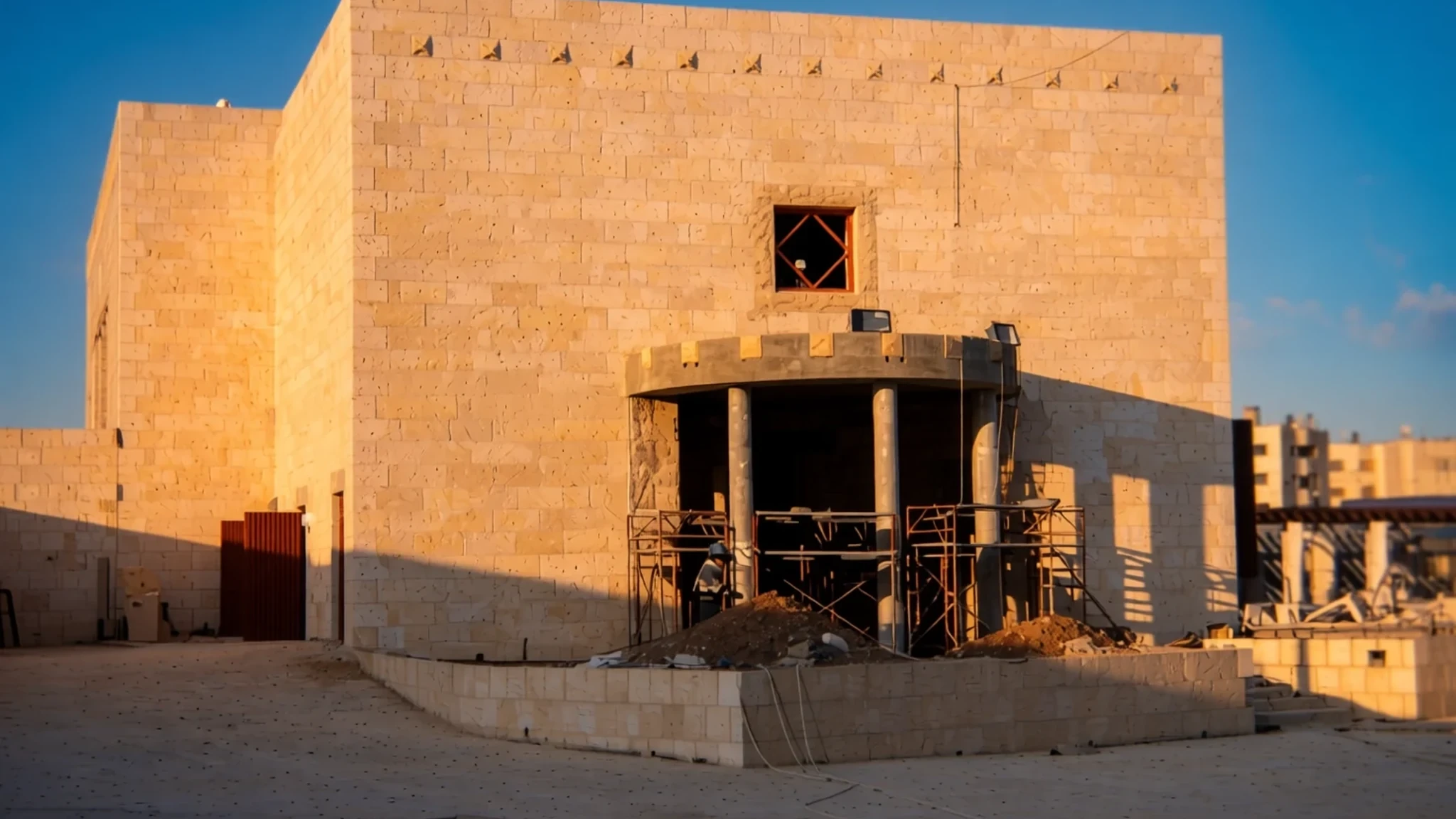
Jordan's capital is a hillside city of pale stone, where Roman columns, Umayyad ruins and modern cafés share the same few streets.
The place
Amman is the capital of Jordan and the seat of government, and it is the main engine of the country's economy and arts scene. It is home to about four million people, which makes it the largest city in the country, and it sits on a cluster of hills at roughly 776 metres above sea level. The city does not follow a grid. Neighbourhoods climb and fall across the slopes, so moving from one district to the next often means a steep stretch of stairs or a short taxi ride. The older core lies around the Citadel in the downtown area, while newer districts spread westwards with office towers and residential blocks. Traffic is heavy at rush hour, and dust can hang in the air on dry days. Evenings are noticeably cooler than the afternoons, even in summer, because of the altitude. Amman is generally seen as more relaxed about everyday life than many cities in the region, which is one reason it attracts students and expatriates who come to study or work. Most visitors stay for a few days and use the city as a base for trips to Jordan's ancient sites and desert landscapes. The sights are spread out, so it helps to plan around two or three areas rather than trying to cover everything in one day. Taxis and minibuses handle most local travel, and agreeing a fare before setting off is normal practice.
Its story
Long before Amman became a capital, people lived on its hills. At 'Ain Ghazal, on the outskirts of today's city, a Neolithic village reached its peak around 7000 BC. It covered about 15 hectares and was home to roughly 3,000 people. The houses were rectangular and built of mud brick, with lime-plastered walls and a main square living room. Road workers uncovered the site in 1974, and excavation began in 1982, by which time a road had already cut through part of it. Despite that damage, the site has yielded a great deal of evidence about early farming life. Its best-known finds came to light in 1983, when archaeologists reached the edge of a large pit holding thirty-two plaster figures with painted eyes. Fifteen were full figures, fifteen were busts and two were fragmentary heads. They are often described as the oldest human statues known. In the Iron Age the settlement, then called Rabat Amman, served as the capital of the Ammonite kingdom. In the 3rd century BC the Greeks took the city and renamed it Philadelphia. It later came under Nabataean and Roman rule, and Roman buildings still stand on the Citadel hill. In the 7th century the Rashidun Caliphate conquered the city and restored its older name. The Islamic centuries brought alternating periods of prosperity and devastation. From the 15th century until 1878 the town was largely abandoned, and that year Circassians were resettled there, which marks the start of the modern city.
What to see
- Amman Citadel — Downtown, Citadel hill
The Citadel stands on a hill at the centre of downtown Amman and is a national historic site. Its walls and buildings reflect a long sequence of civilisations, with each period building on the remains of the one before, from Ammonite times through the Roman and Byzantine eras to the Umayyads. Go in the morning, before the heat builds, and bring water, because the paths are open and exposed.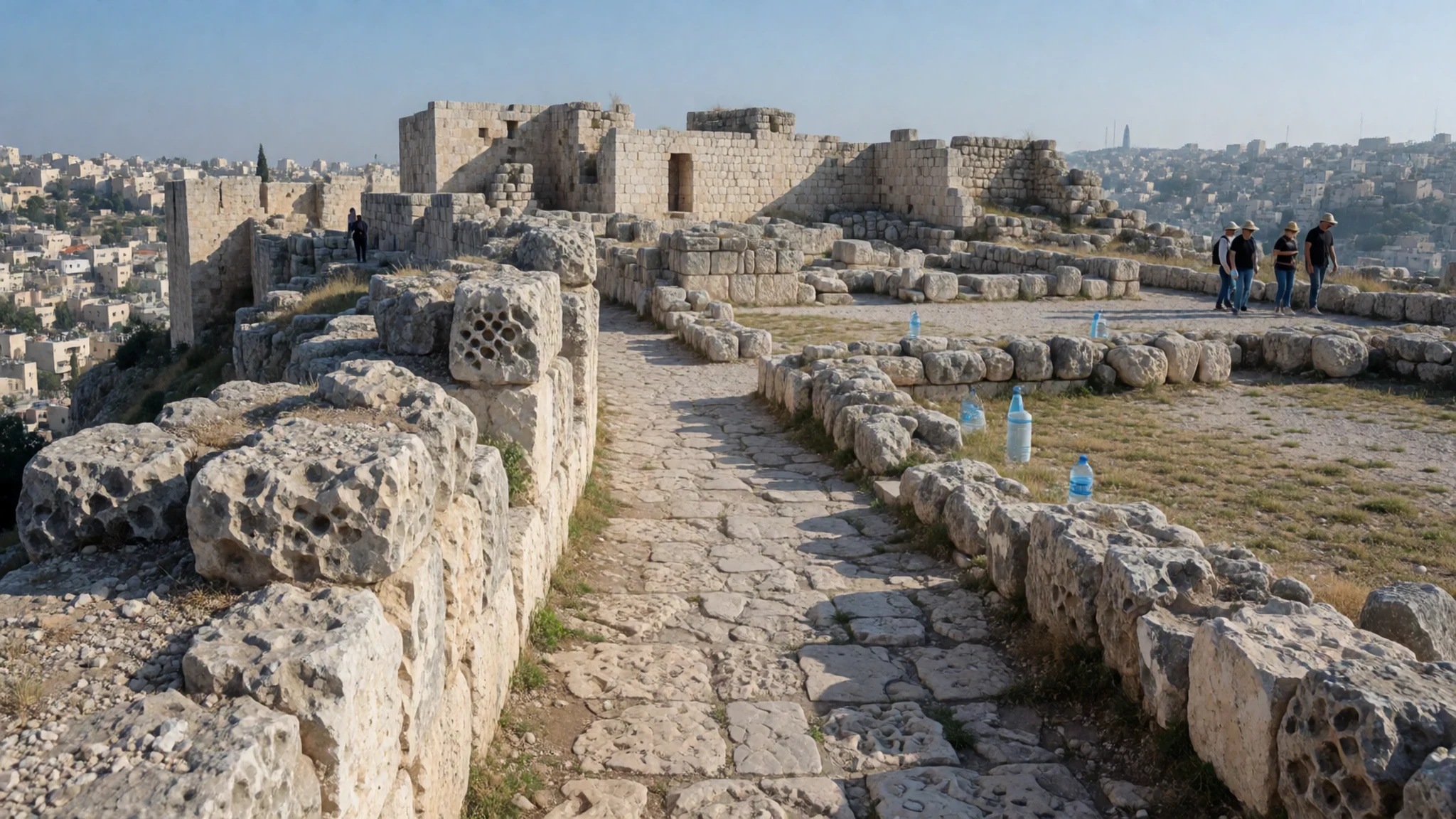
- Temple of Herakles — Downtown, Citadel hill
The remains here date from the Roman period and sit close to the Umayyad Palace on the Citadel. Fragments of a monumental statue were found on the site, and one of the most striking pieces is a large carved hand. Give it time, as the stonework is best seen up close, and check the official site for current access details.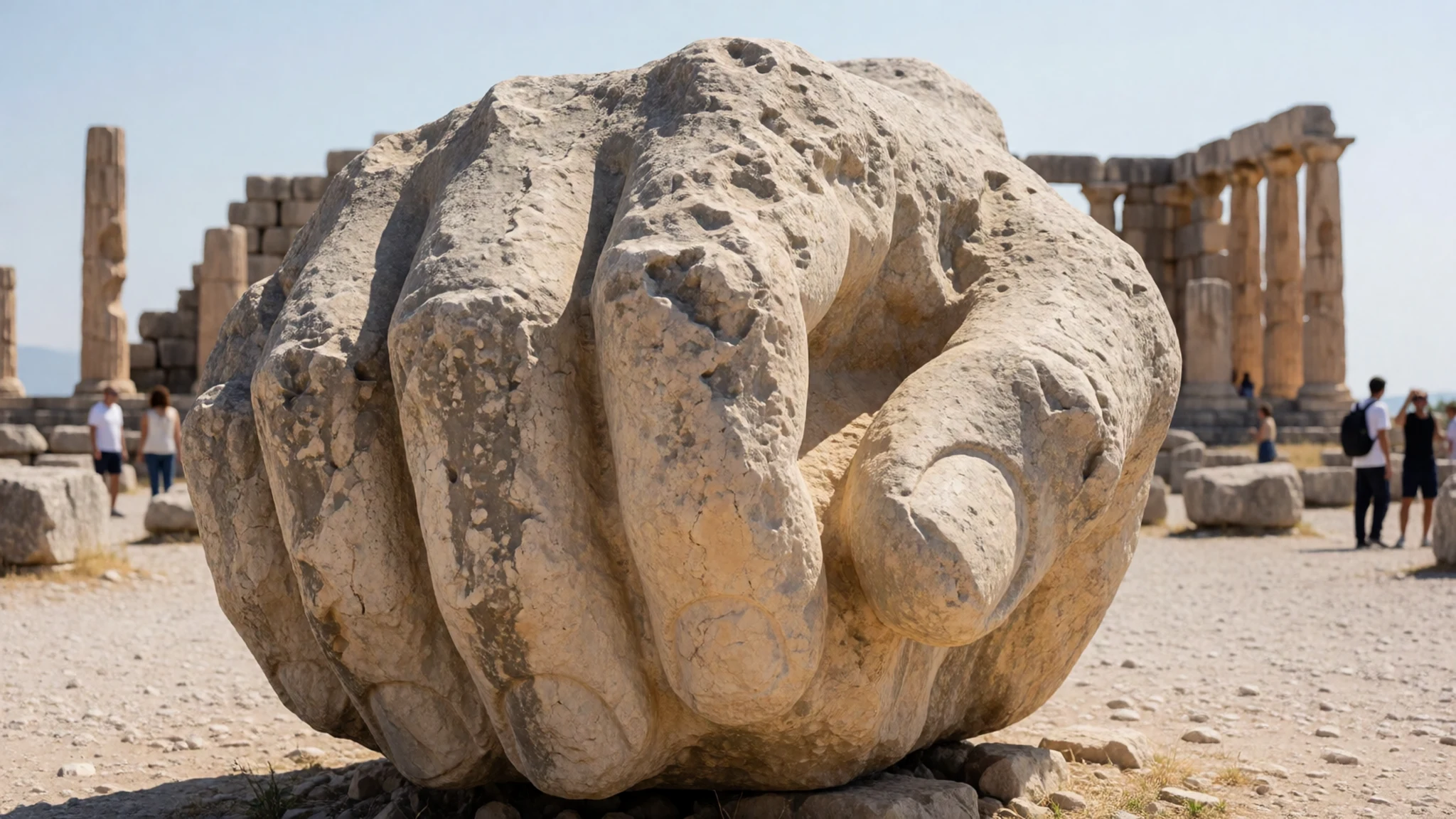
- Umayyad Palace — Downtown, Citadel hill
In the northern part of the Citadel, the Umayyad Palace offers a good view over the city's pale rooftops and hills. Its colonnaded street is one of the clearest pieces of early Islamic urban layout to see in Amman. The site is open to the air and can be hot in midsummer, so a hat and a water bottle are sensible.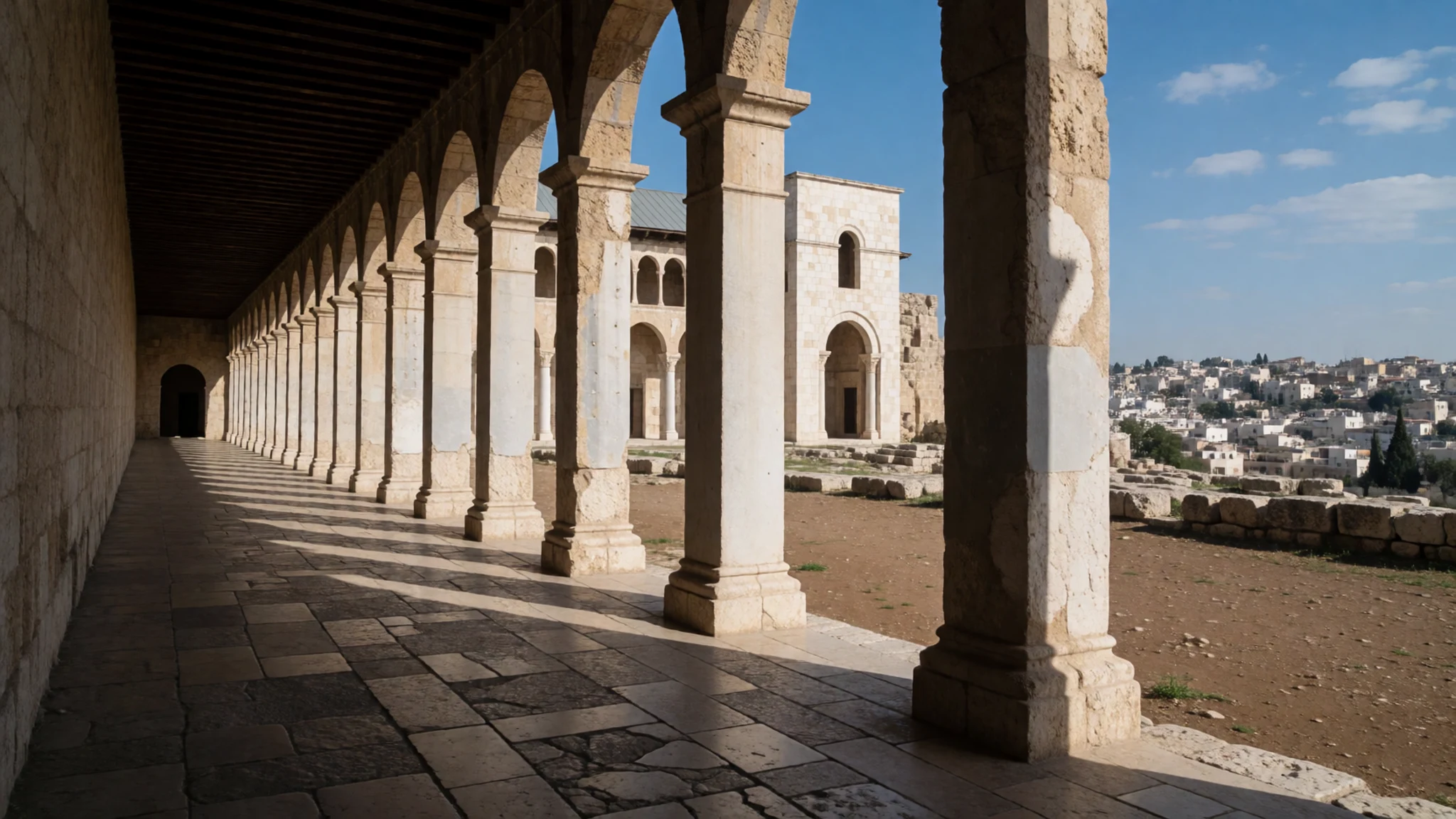
- Roman Theatre — Downtown, at the foot of the Citadel
Built during the reign of Antonius Pius, 138–161 AD, this theatre was cut into the hillside and could seat up to 6,000 people. Its steeply raked seats give a clear sense of its scale, and the stage area is easy to picture filled with an audience. It is close to the modern centre, so it works well as a short walk after lunch. Check the official site for opening times before you go.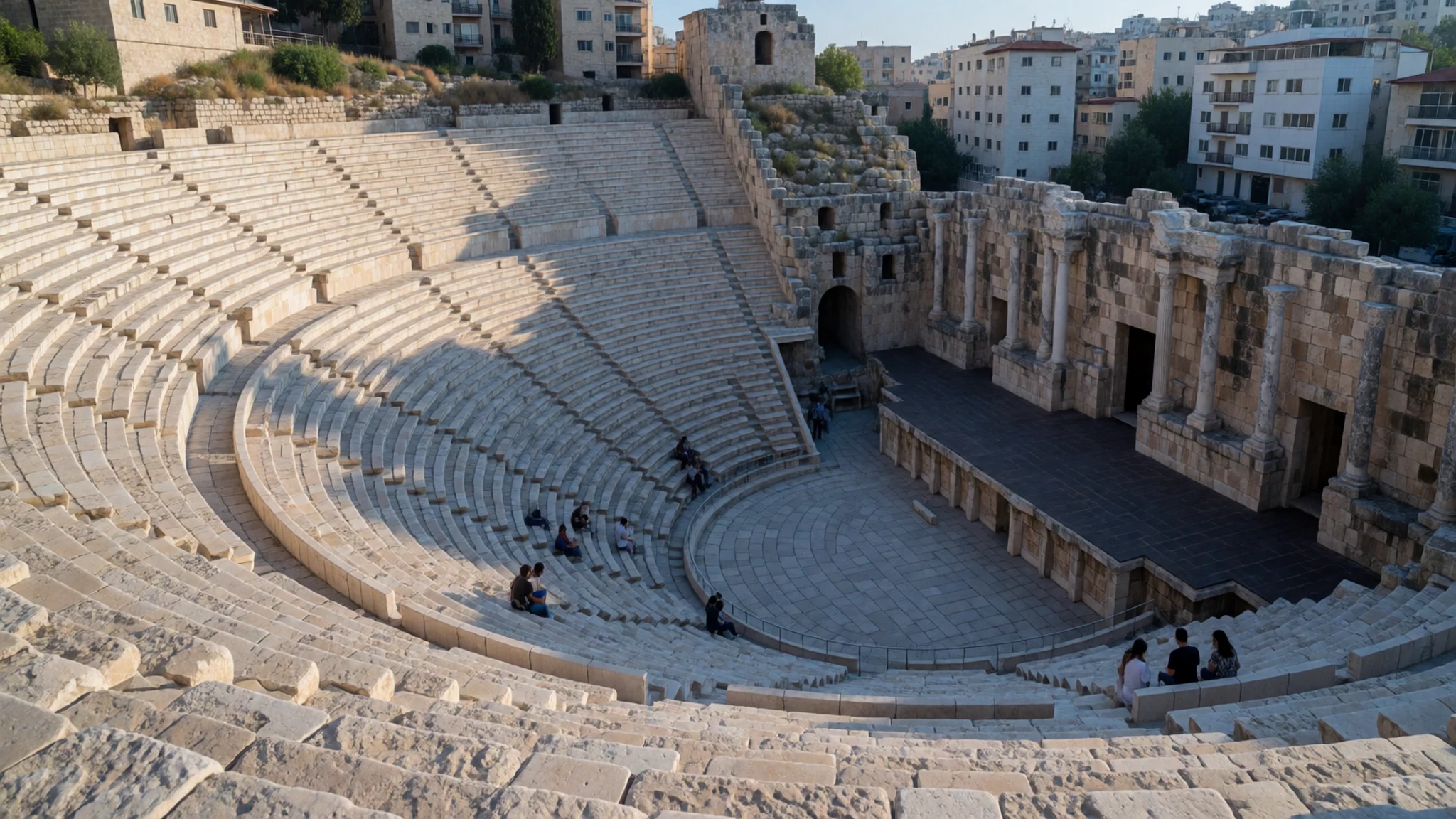
- Jordan Archaeological Museum — Downtown, near the Citadel
This museum holds a small but interesting collection of antiquities from across Jordan, which makes it a useful first stop before visiting the wider country. Fragments of the Dead Sea Scrolls were once displayed here, but they are now being moved to the Jordan Museum, so check ahead which pieces are on show. The rooms are compact, and an hour is usually enough.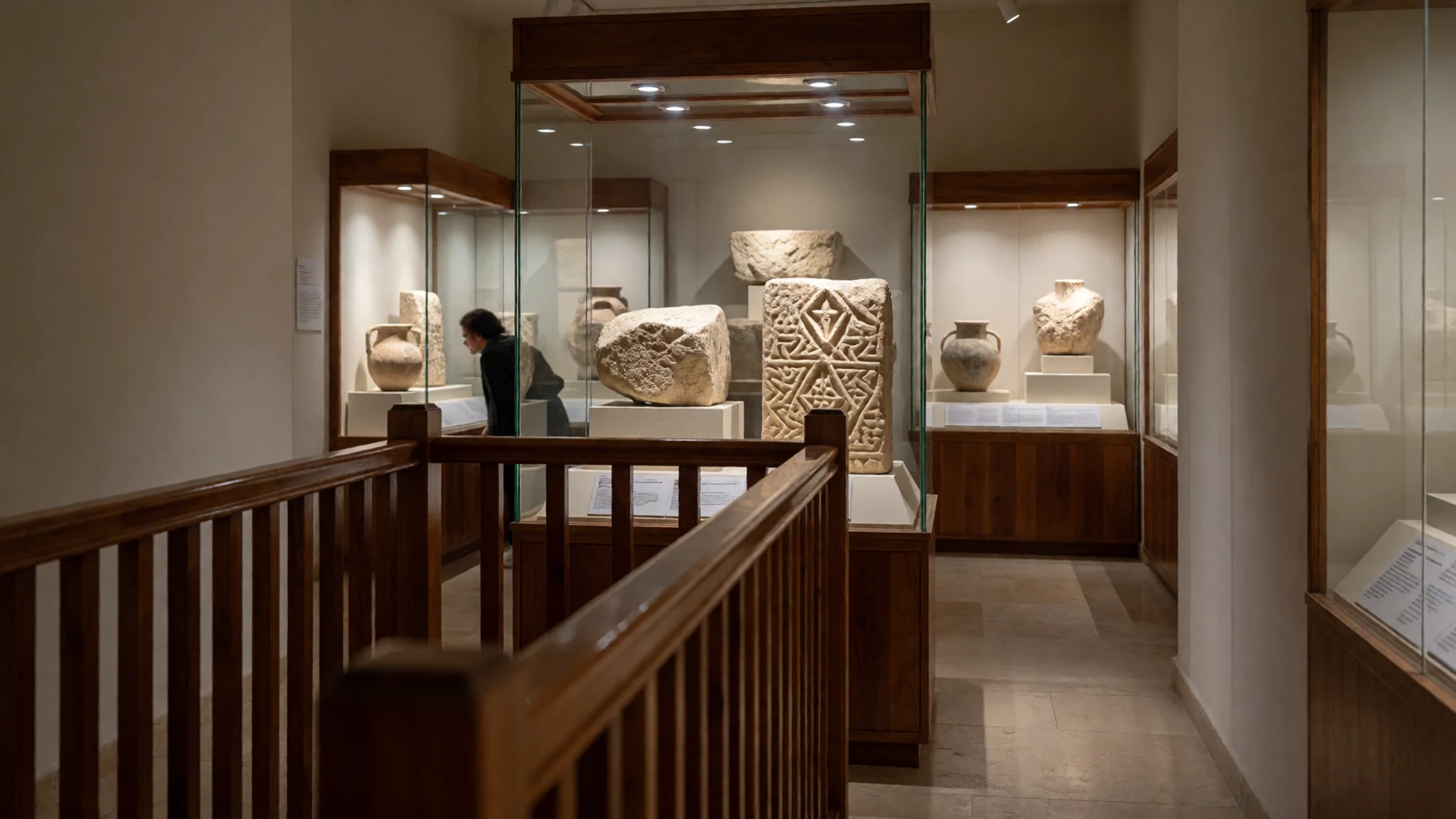
Culture
Amman has a mixed character. Modern cafés, bookshops and galleries sit beside mosques and churches in many of the same neighbourhoods, and the city has a long tradition of hosting students and foreign workers. Museums offer a good way into this. The Jordan Museum, the largest in the country, holds much of its archaeological record, including the Neolithic limestone statues from 'Ain Ghazal and a copy of the Mesha Stele. Smaller collections include the Jordan National Gallery of Fine Arts, the Jordan Folklore Museum and the Royal Automobile Museum. Amman joined UNESCO's Global Network of Learning Cities in 2015, and its universities and cultural institutions remain active. Conversation with shopkeepers and taxi drivers is often friendly and unhurried, so allow time for it. Dress and behaviour matter more in religious spaces and in conservative neighbourhoods than in the central districts. When you visit a mosque or church, dress modestly, covering shoulders and knees, and ask before photographing anyone, especially women.
What to wear
Traditional dress in Jordan includes the thobe, a long, loose robe worn by men, often in plain cotton or wool and sometimes with a band of embroidery at the neck. The keffiyeh, a square headcloth usually in red-and-white or black-and-white checks, is worn by men across the country and is held in place with a cord. Women in rural and Bedouin traditions wore long embroidered dresses in bright cotton, with geometric stitching often worked in red, green and blue. Today, most people in Amman dress in Western-style clothes such as shirts, trousers, jeans and dresses. Men may put on a thobe for weddings, religious occasions and family events, and many women wear a headscarf, while others do not. Visitors should dress for the heat and for modesty. Lightweight, loose clothing that covers the shoulders and knees is comfortable in summer and suits mosques and churches. A light scarf or shawl is useful for covering your shoulders at religious sites. Evenings can turn cool, so pack a layer. The Citadel and the hills around downtown call for sturdy shoes with good grip, because the paths and stairs are steep and can be slippery when dusty.
What to eat
- Shawarma — A street-side kiosk in the downtown streets
Street kiosks across the centre serve shawarma, thin slices of meat cooked on a vertical spit and wrapped in flatbread with pickles and garlic sauce. Some of the busiest stalls draw queues late at night, so the small hours are a good time to join the line.
- Mint tea — A traditional Arab eatery, busy at lunchtime
Mint tea, served sweet in small glasses, arrives with most meals and is a good way to slow down after eating. Ask for it at a traditional eatery during lunch, when the room fills with locals, and let it cool a little before drinking.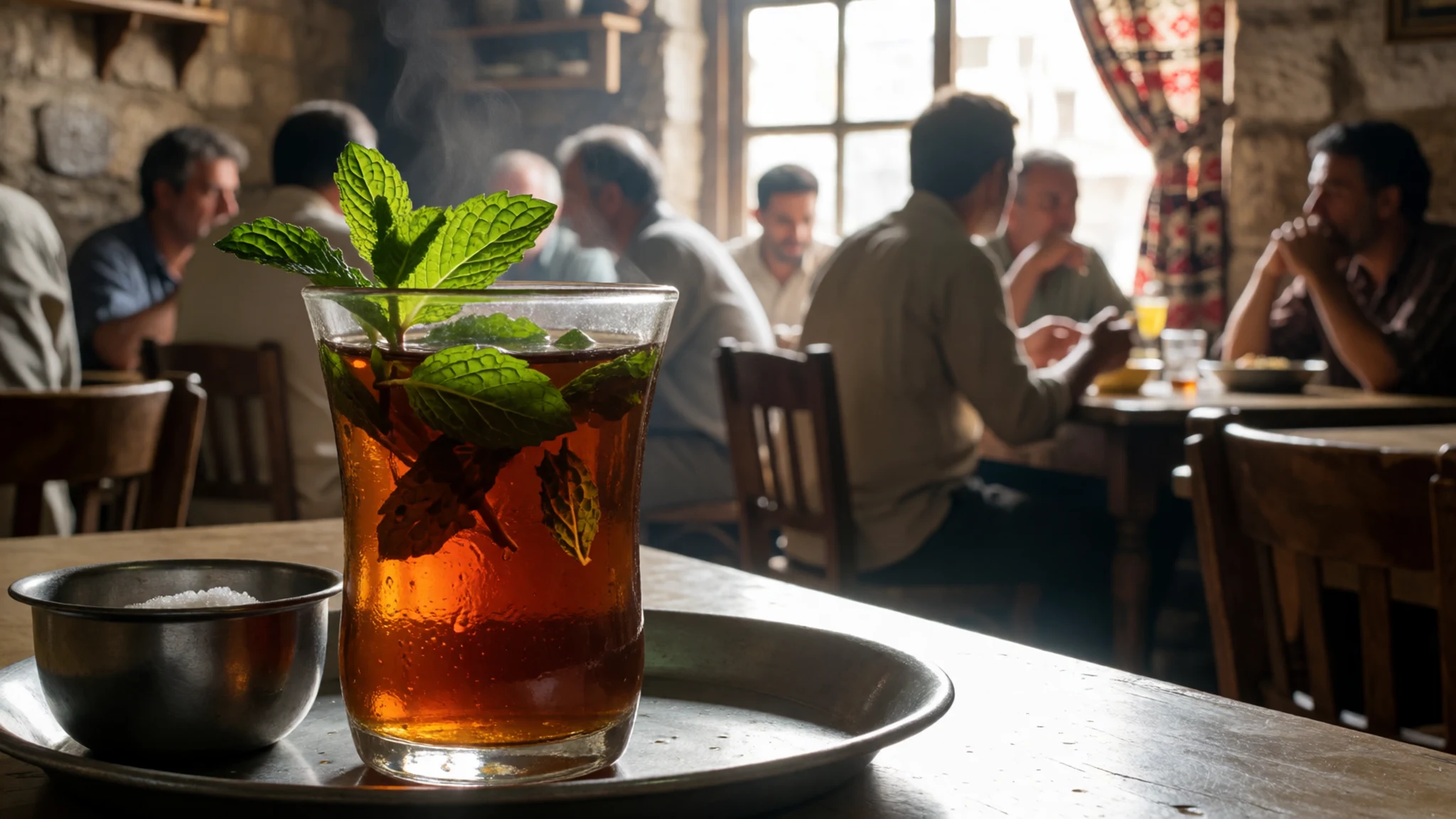
- Grilled meat — Butchers' grill counters in the central districts
Kebabs and cuts of lamb and chicken are grilled over charcoal at butchers' counters, and the meat is often sold by weight. A few butchers have seating beside the grill, where the cooked meat comes with bread, salads and dips. It is a filling, simple way to eat. - Sandwiches and ice cream — Snack bars on the main streets near downtown
Snack bars along the main streets serve Middle Eastern sandwiches, falafel and sweets, and many also sell ice cream and fresh juice. They suit a midday stop between sights, when a sit-down meal can wait until the evening.
Plan it
Best time. Winter, from December to February, is the most comfortable time for walking the hills and visiting the Citadel, although nights are close to freezing and this is also the wettest period. Summer afternoons are hot, although evenings stay cooler at this altitude. Winter is mild by day but brings rain and chilly nights.
How long. 2–3
Getting there. Queen Alia International Airport. Catch the Airport Express at its designated stop on the arrivals floor; it departs on the hour, adds more frequent runs during daylight hours, and does not operate at night. Buy the ticket from the kiosk outside the exit.
Budget. low
Tips
- Carry small notes and some cash, because the airport bus kiosk has often taken cash only and struggled with large bills.
- Visit the Citadel and the Roman Theatre in the morning, before the midday heat.
- Wear sturdy shoes, since the city is built on steep slopes and long flights of stairs.
- Book a driver for day trips to the desert and Dead Sea sites, as distances are long and public transport is limited.
- Check the official site for current opening times before visiting museums and archaeological sites.
Etiquette
- Dress modestly when you visit mosques and churches.
- Ask before photographing people, especially women.
- Use your right hand when eating, passing money or handing over food.
Nearby
Sources
- Wikidata Q3805 (CC0)
- Wikipedia: Amman (rev 1379859416) (CC BY-SA 4.0)
- Wikivoyage: Amman (rev 5393563) (CC BY-SA 4.0)
- Vista sobre Ammán, David Bjorgen (CC BY 3.0)
- New Abdali 2024, Ramzik1999 (CC BY-SA 4.0)
- Hand of Hercules (cropped 2), Kariman Mango (CC BY-SA 4.0)
- The Roman Theater in Amman (2), Dudva (CC BY-SA 4.0)
- Umayyad Palace, Amman Citadel, Prosnu (CC BY 4.0)
- Abdali Boulevard, Amman, Malkawi99 (CC BY 3.0)
- Abdoun Bridge, Feb 10 2024 (3), Malkawi99 (CC BY-SA 4.0)
- King Abdullah I Mosque with Our Lady Church (cropped), Trldp (CC BY-SA 4.0)


