Addis Ababa
Addis Ababa, Ethiopia
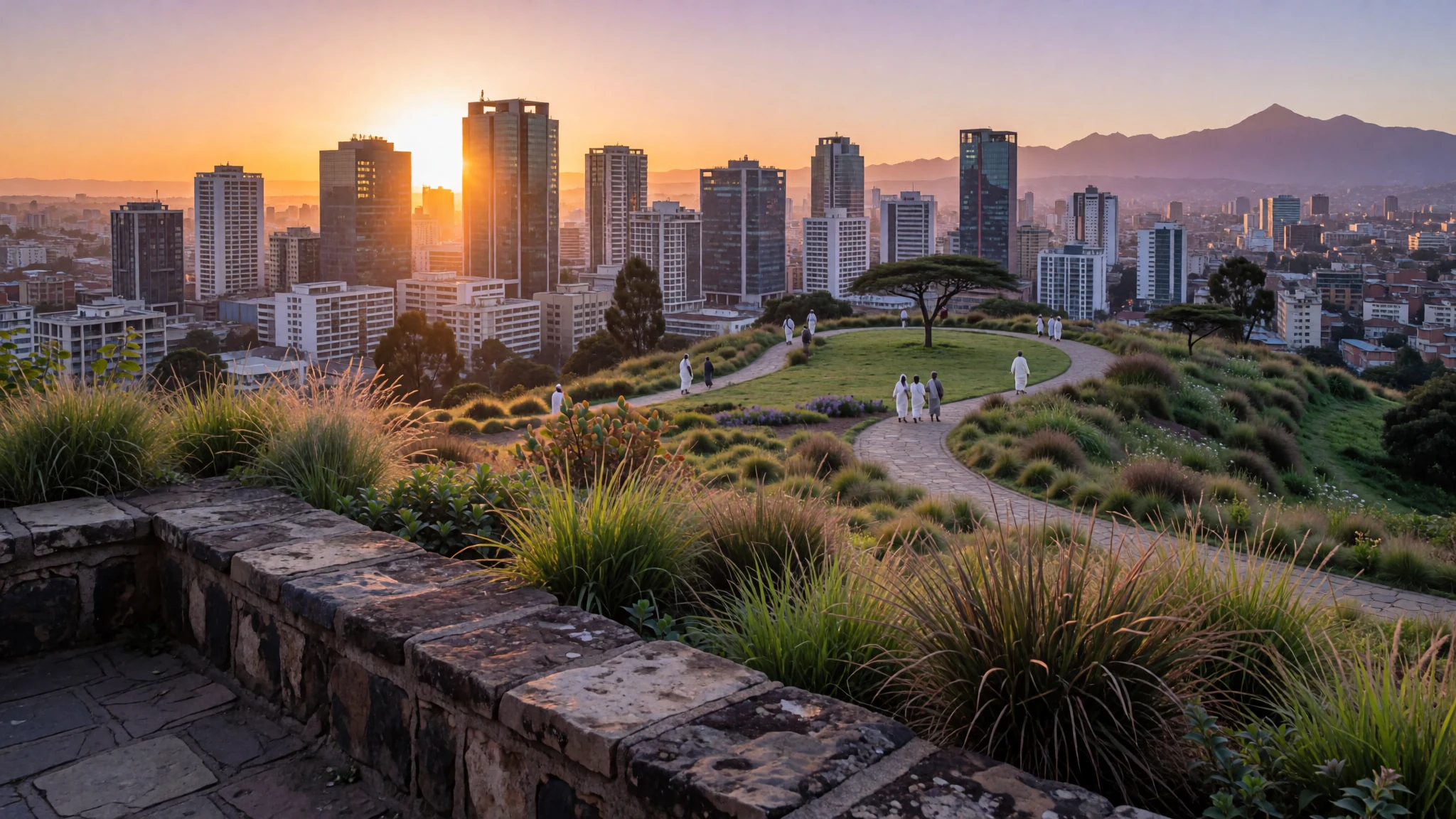
Ethiopia's high, busy capital, where coffee culture, museums and a long human story sit close together at 2,355 metres.
The place
Addis Ababa is the capital and largest city of Ethiopia, and at about 2,355 metres above sea level it is the highest capital in Africa. The name is Amharic for 'new flower'. The population is around 5.7 million, which makes it one of the biggest cities on the continent and gives it a sprawl of districts rather than one tidy centre. Ridges, valleys and steep streets shape daily life, so a morning of walking can feel like a proper workout at this height.
The city is the country's administrative and financial core, and it is also its main hub for culture and the arts. Government offices, banks, universities and theatres cluster in the central districts, and a steady flow of students, civil servants and visitors fills the cafés there through the afternoon. Most getting around is by minibus taxi along the main roads, with shared rides cheap but crowded.
The weather is kinder than the latitude suggests. Days are mild, nights can turn cool, and the main rains arrive in the summer months, when the streets become slick and the hills turn green. Traffic is heavy at lunchtime and during the evening rush, and busy junctions can take a long time to cross. Food and local transport are modest by international standards, though good hotels in the city are not cheap.
Its story
Addis Ababa was founded in 1886 by Menelik II, Negus of Shewa, after he tired of the cold, misty slopes of Mount Entoto and moved his court down to the hot springs below, a move that Empress Taytu Betul chose the site for and persuaded him to make. Before that, Mount Entoto, the high tableland north of the present city, was one of several candidates for a medieval imperial capital known as Barara. This fortified city served successive emperors for a long period until Ahmad ibn Ibrahim's army burned and looted it. Early European mapmakers recorded the wider district, placing the old city between two mountains on their maps.
The modern city began as a resort town. Its mineral springs drew nobles of the empire, then artisans, merchants and foreign visitors, who settled the slopes and valleys near the palace Menelik built soon afterwards. The town became the empire's capital, and foreign embassies followed. Building happened without any overall plan, so the layout still reflects the hills and the paths people walked long before.
The highlands around the city also feature in research into human origins. A study drawing on DNA from people around the world suggests that early humans left Africa from a place close to Addis Ababa, and that genetic diversity thins out the further one's ancestors travelled from the area. In the decades that followed the founding, a middle class grew up, with stone houses furnished with imported European furniture.
What to see
- National Museum of Ethiopia — Central Addis Ababa
The museum is poorly displayed in places, but it is worth the visit for its archaeology. Its best-known exhibit is a replica of Lucy, an early hominid, and the collections reflect one of the oldest civilisations in the world. Ceremonial costumes linked to the Solomonic dynasty and paintings by Afewerk Tekle are also on show. Allow a couple of hours and read the labels carefully.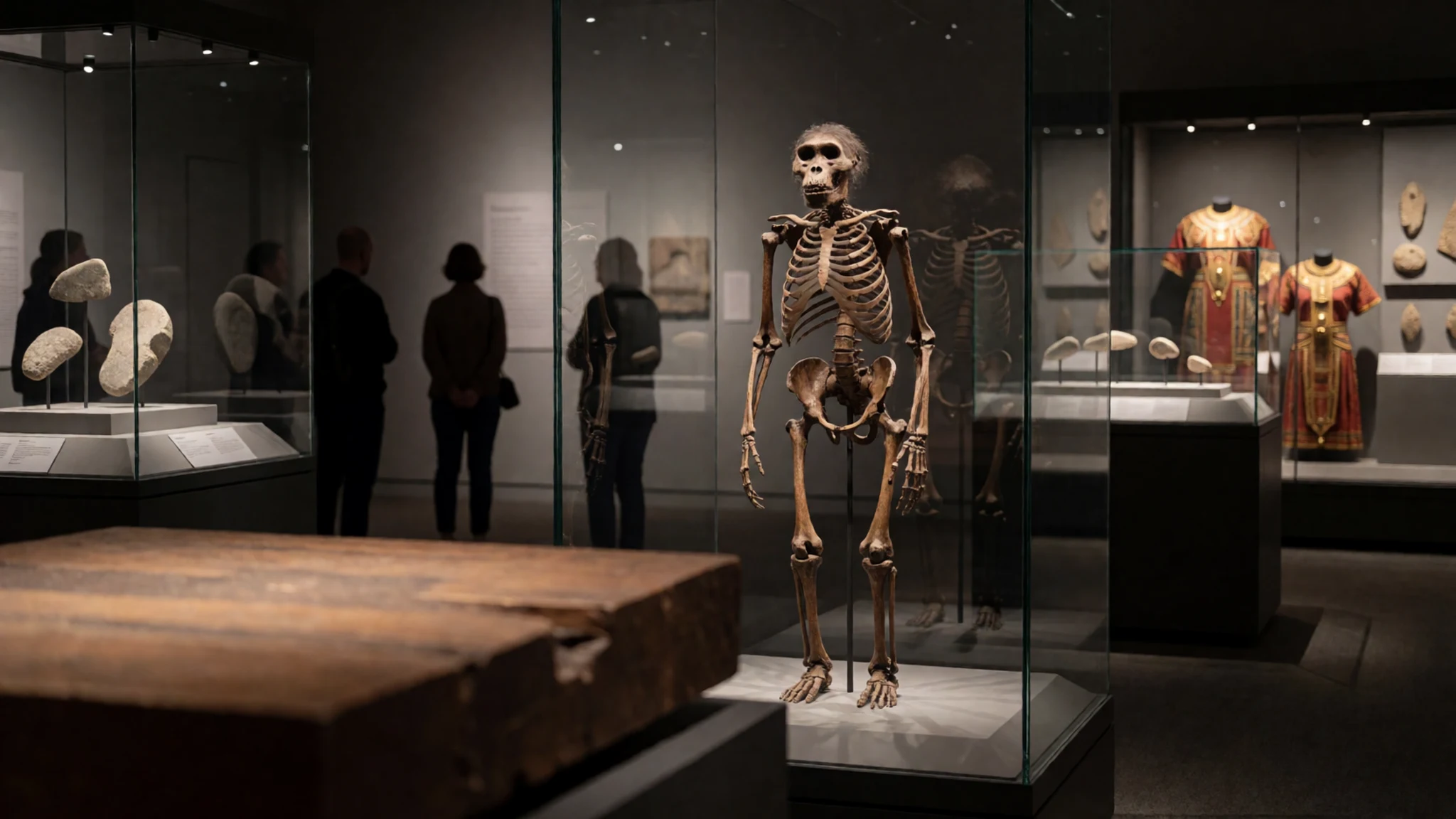
- Ethnological Museum — Institute of Ethiopian Studies campus
Officially the Museum and Library of the Institute of Ethiopian Studies, this museum covers the history and culture of the country's many peoples. Displays bring together objects from different regions, which makes it a useful first stop for understanding Ethiopia beyond the capital. It is quieter than the national museum, so it suits a slower morning.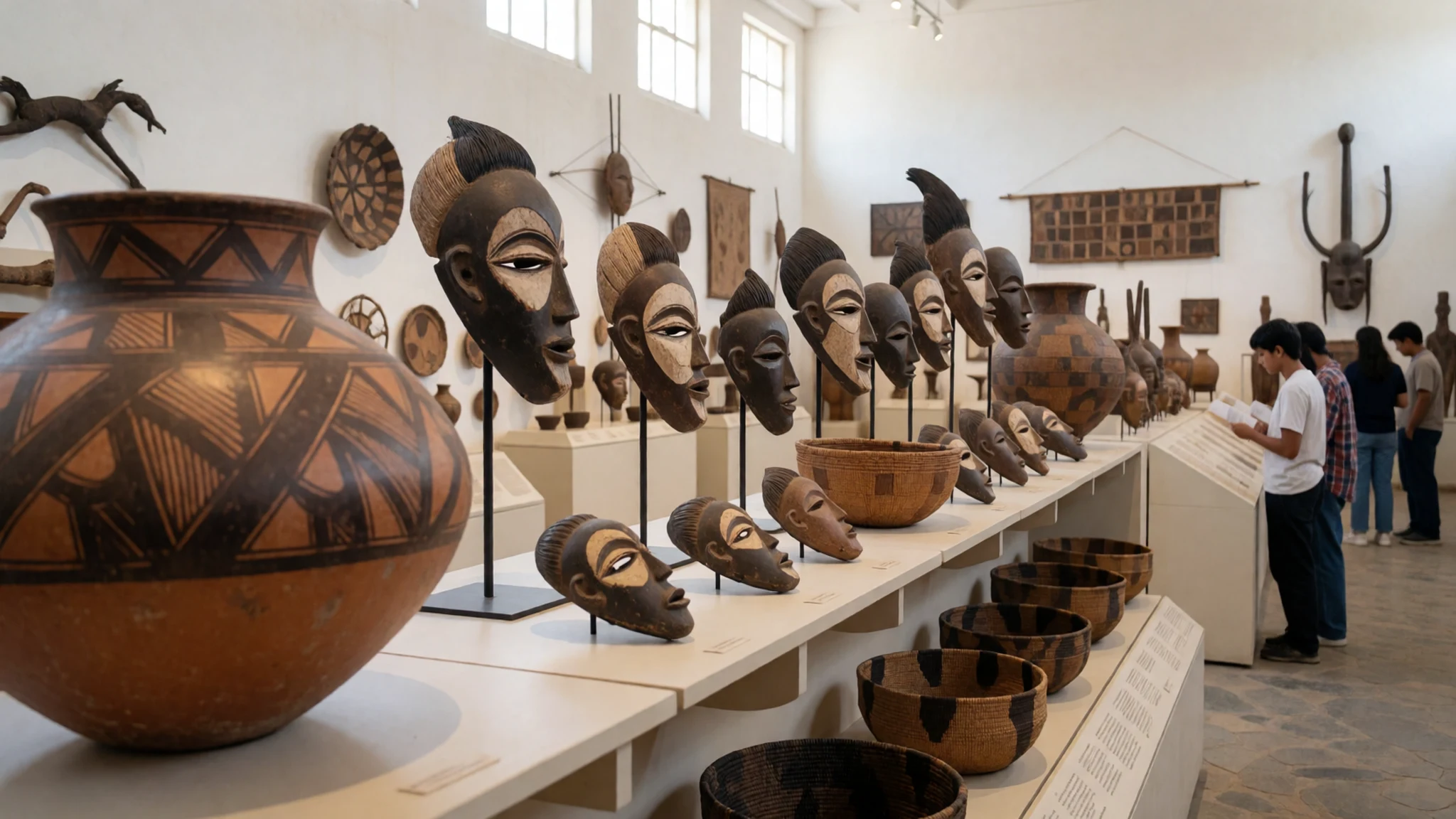
- Red Terror Martyrs Memorial Museum — Central Addis Ababa
This museum remembers those who lost their lives in the Derg period. Its display is modern and well planned, and the exhibits are serious and affecting, so give yourself time to take them in. Visitors often come to learn about a painful chapter of recent history, and the quiet rooms reward a slow pace.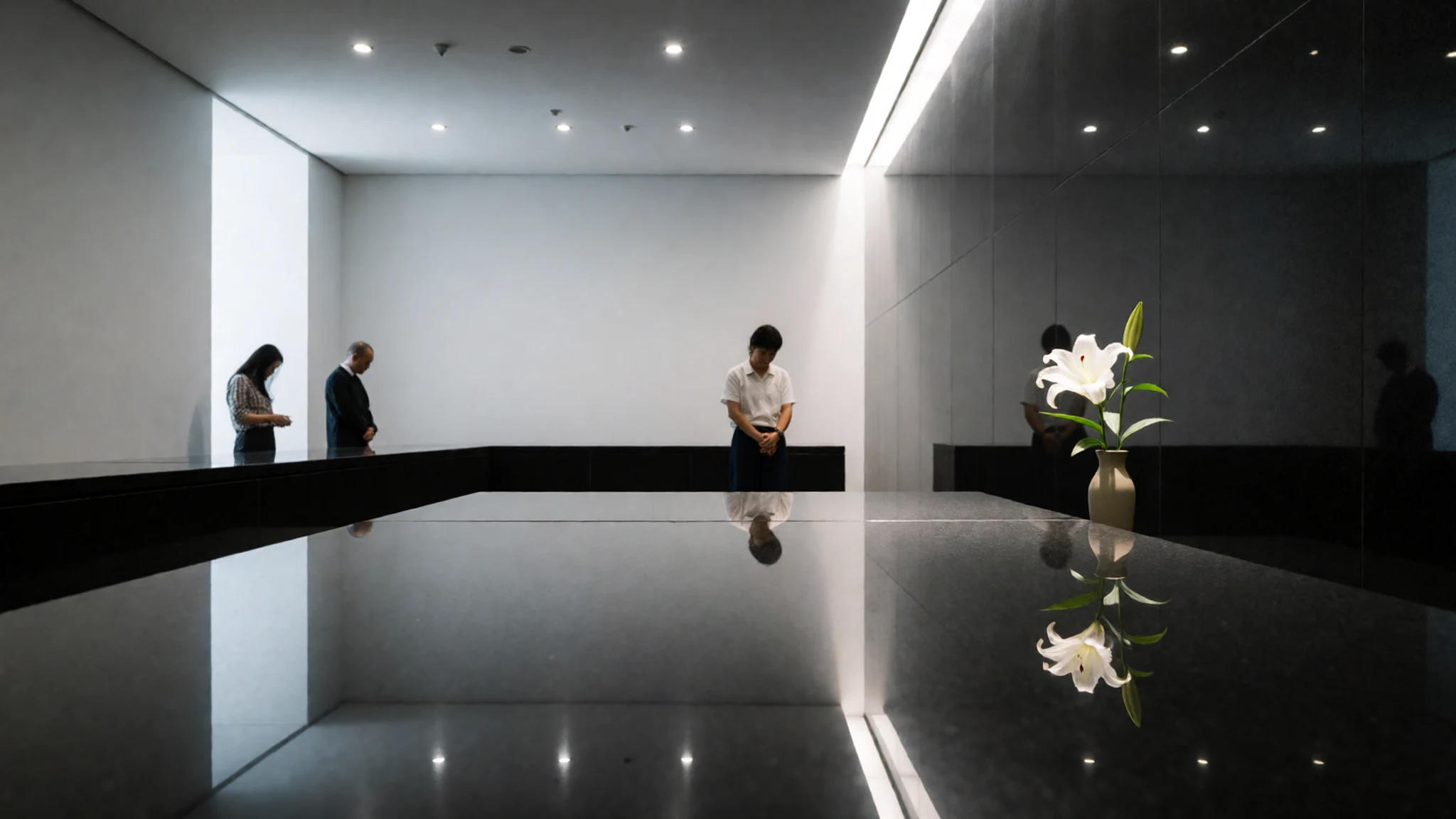
- Addis Ababa Museum — Central Addis Ababa
The building once served as a palace for Ras Biru Habte-Gabriel, a former Minister of War. The museum focuses on artefacts and exhibits from the city itself, so it works well for understanding how Addis Ababa has grown. Combined with a walk through the surrounding streets, it makes a relaxed half-day out.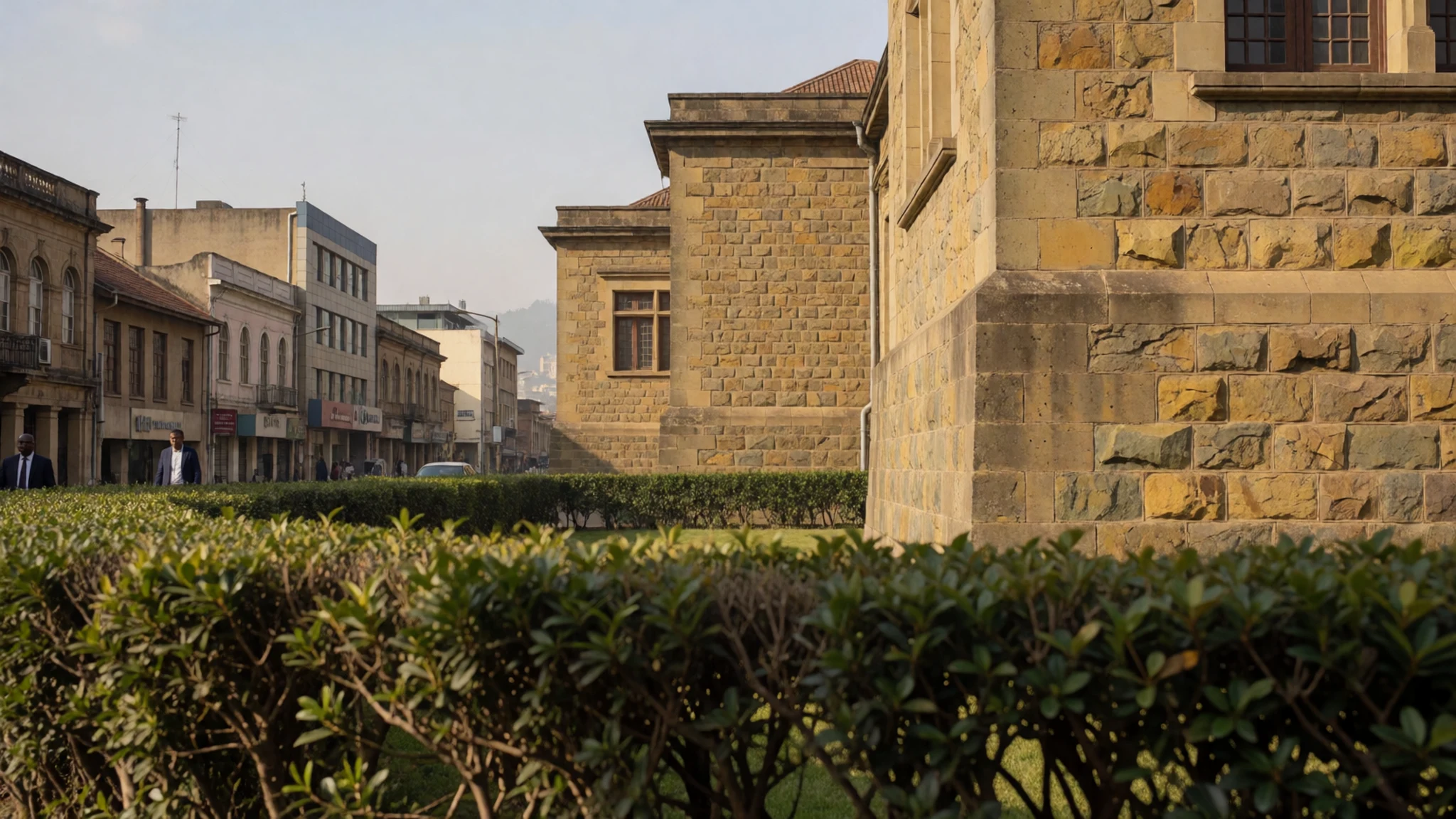
- Ethiopian Railway Museum — Old railway station area
Set in the city's old French-built railway station, the museum has no formal office inside, but its vintage carriages and locomotives stand outside for anyone to see. There is a restaurant and a cafe on site, which makes it an easy place to pause. It works well as a short, unhurried stop.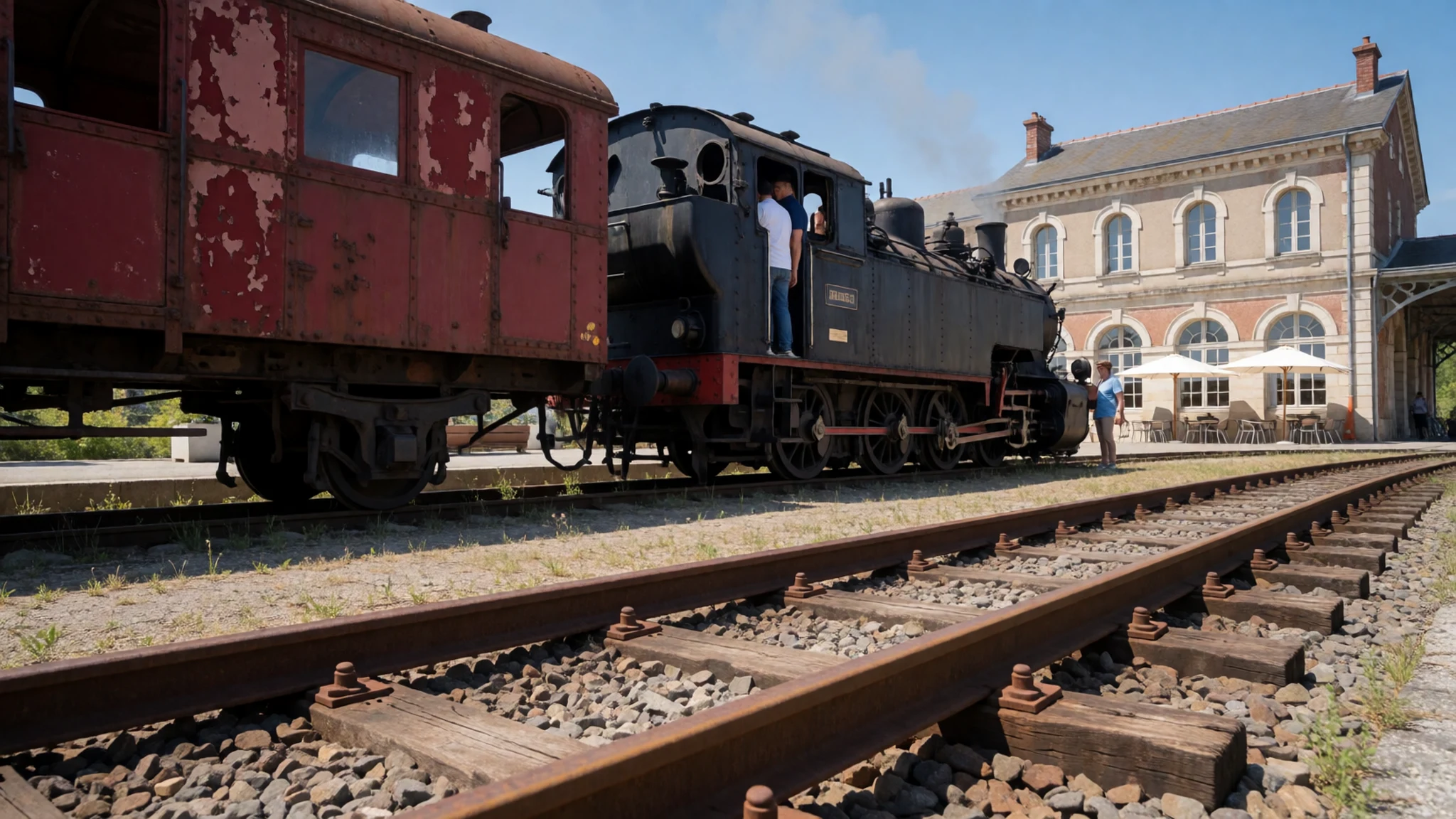
- Zoological Natural History Museum — Central Addis Ababa
Founded some decades ago, the museum displays a large collection of African animal species, which makes it a good stop for families and anyone curious about the continent's wildlife. Exhibits are modest in scale, so it fits neatly into a short visit. It is an easy complement to the more historical museums nearby.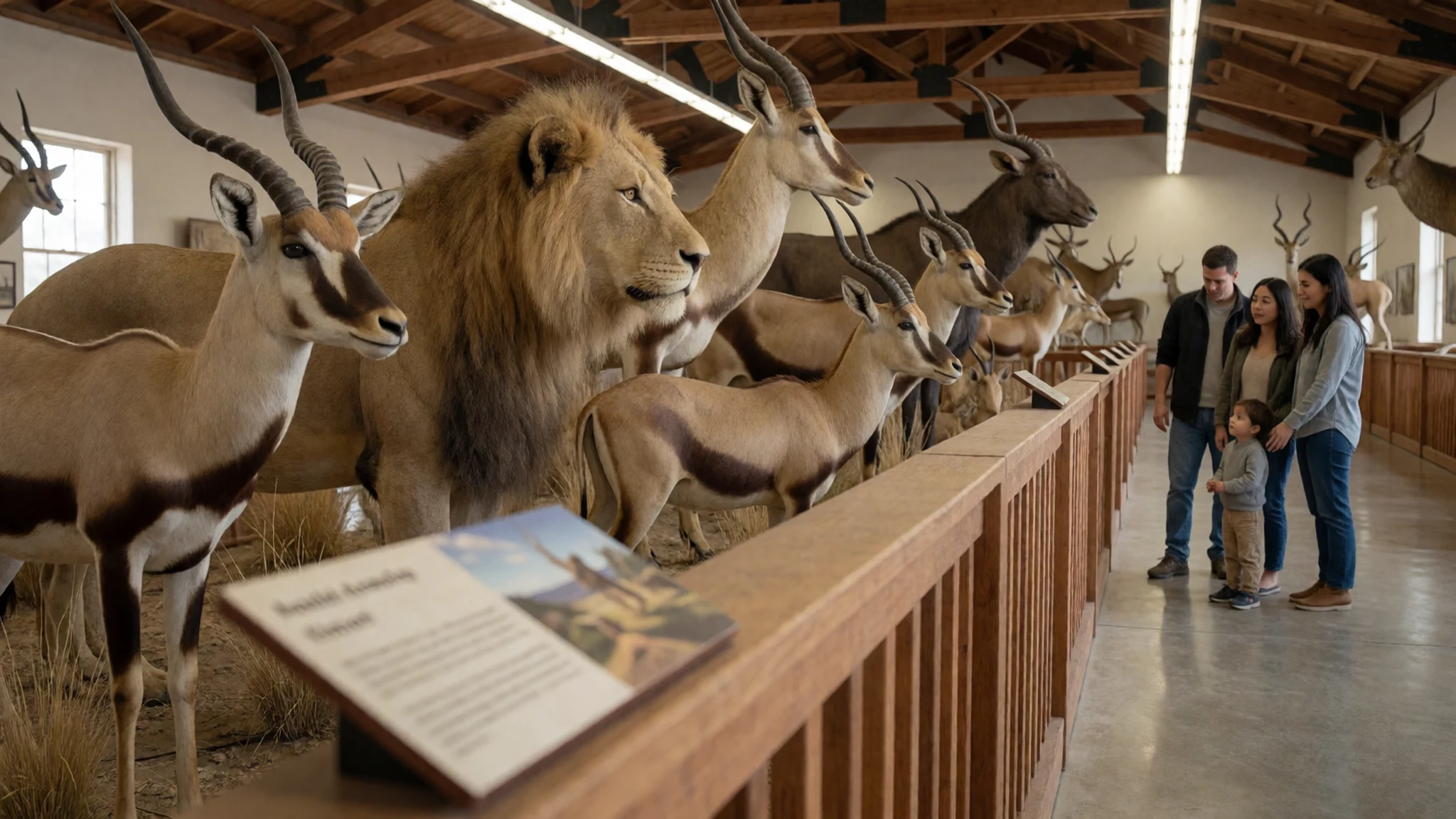
Culture
Addis Ababa is a melting pot of communities from across Ethiopia's regions, and it has long been the place where people from different backgrounds settle and mix. Cultural assimilation is widely seen here, and it shows in the food, music and speech of the streets. Art and performance are part of everyday life. The National Museum holds ceremonial costumes linked to the Solomonic dynasty and works by Afewerk Tekle, whose paintings include the meeting of Solomon and the Queen of Sheba. The city's theatres are busy too: the long-running Hager Fikir Theatre has hosted many prominent performers, and the Ethiopian National Theatre sits close to the centre. Coffee is a social ritual, and many conversations take place over long, slow cups. When you enter a church compound, dress modestly and take off your shoes where the floor is covered in matting.
What to wear
Traditional dress in Addis Ababa and across the highlands centres on cotton, usually hand-woven on narrow looms. The most familiar garment is the shamma, a white or cream wrap, often bordered with coloured stripes, worn over the shoulders. Women often wear the habesha kemis, a long white dress with woven bands at the hem and neckline, with a light netela shawl for church and celebrations. Men may wear the shamma too, or a jacket and trousers. Day to day, people in the city dress much as they would in any capital: jeans, shirts, T-shirts and office clothes, with smarter outfits for weddings and Sunday services.
What should a visitor wear? The evenings are cool at altitude, so a light jacket or layers help, and the midday sun can be strong. Choose clothing that covers shoulders and knees, especially for churches, mosques and museums where a guard may ask. Comfortable closed shoes work best on steep, uneven pavements, and a scarf is useful for church visits.
What to eat
- Injera — Traditional restaurants in the central districts
Injera is a spongy, slightly sour flatbread made from teff. It works as plate and spoon at once: tear a piece and scoop up stew. Find it at any traditional restaurant in the central districts, often arranged on a big round tray.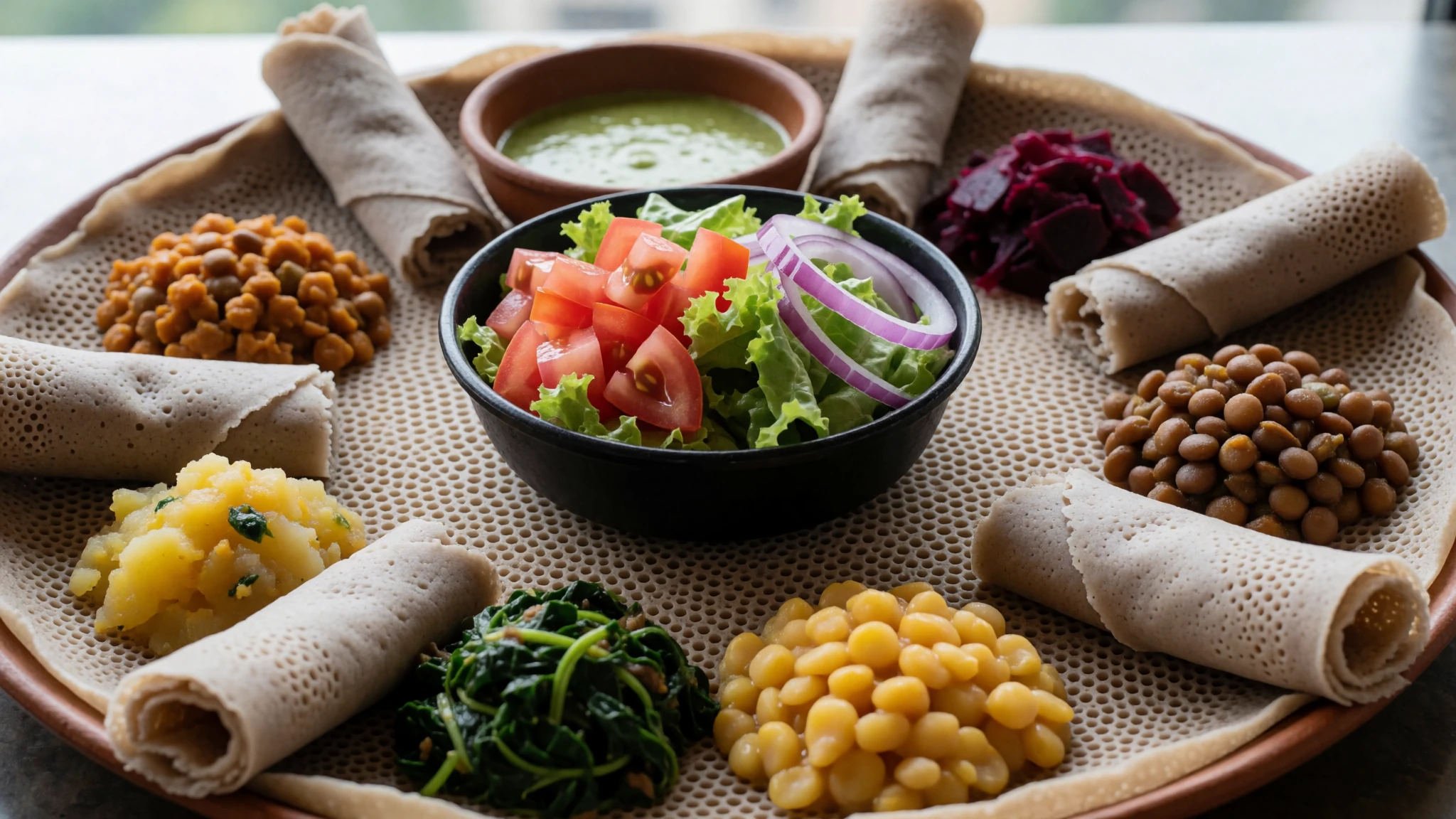
- Doro wat — Traditional restaurants and platter meals in the centre
Doro wat is a slow-cooked chicken stew built on berbere, a red spice blend, with onions cooked down until they are almost jam-like. A boiled egg usually sits in the sauce. Look for it at a traditional restaurant or a platter meal in the central districts.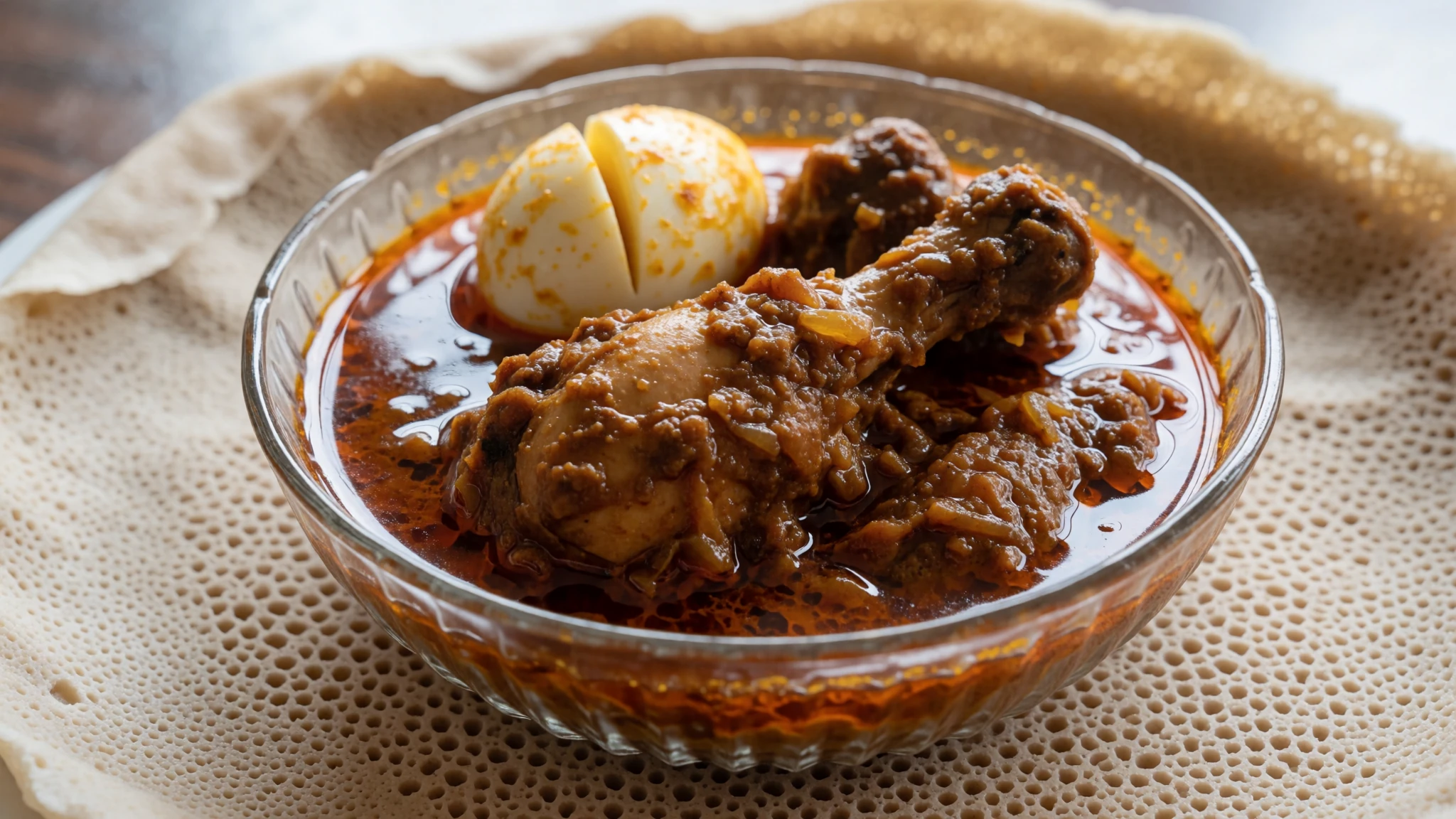
- Kitfo — Outdoor eateries with grills, often on busy streets
Kitfo is finely minced raw beef, mixed with spiced butter and chilli-based powder, and often served lightly cooked if you ask. Eat it with injera and a soft cheese. Outdoor eateries with grills and pavement tables are the classic places to find it.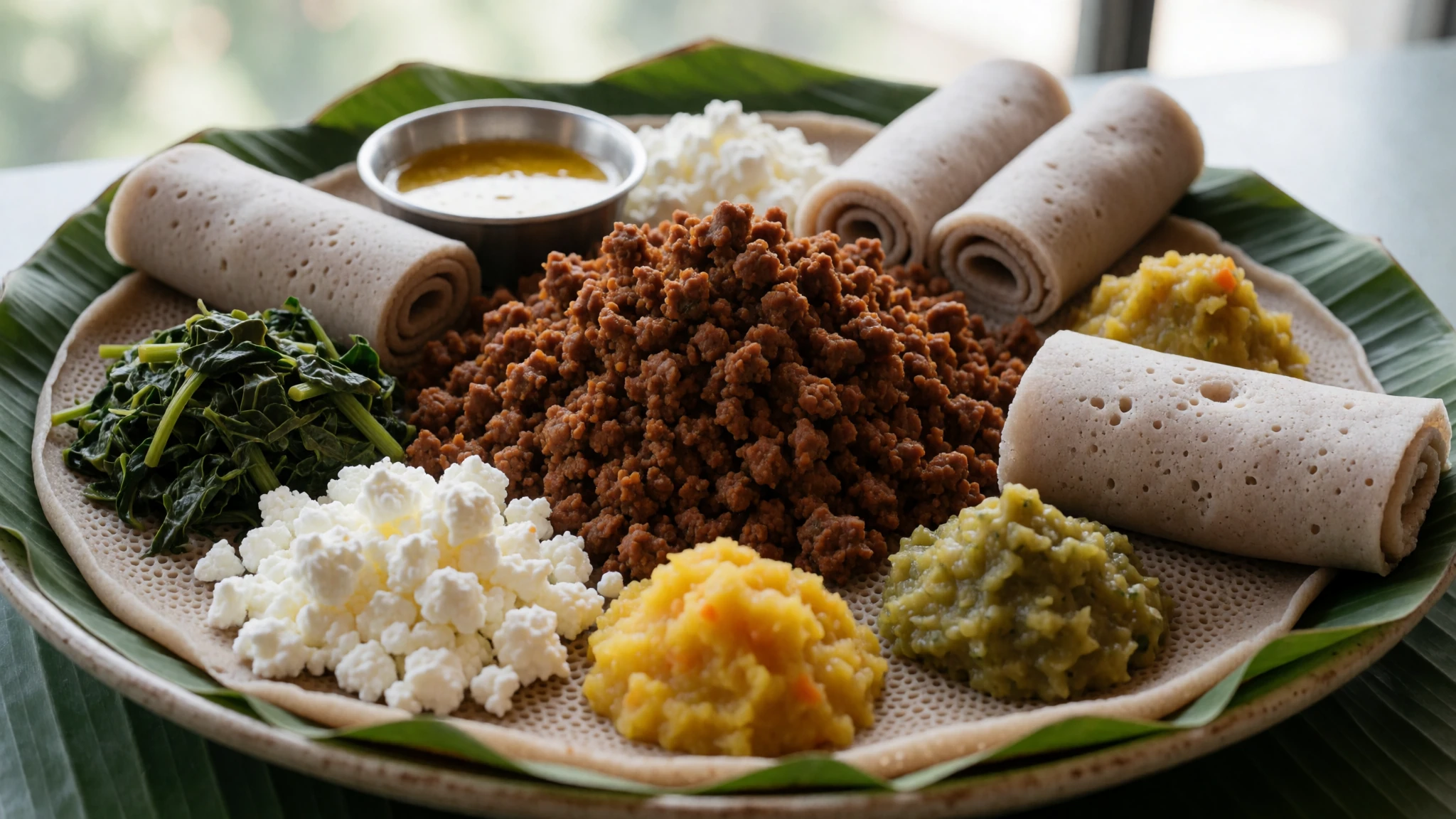
- Shiro — Neighbourhood eateries and vegetarian menus downtown
Shiro is a smooth stew of ground chickpeas or broad beans, cooked slowly with onion, garlic and spice until thick. It suits vegetarians and is a staple on fasting days. Look for it at neighbourhood eateries and at the vegetarian menus of restaurants in the centre. - Tibs — Busy restaurants in the central districts
Tibs is strips of beef or lamb fried quickly with onion, green chilli and rosemary, served sizzling on a hot plate. It is a quick meal for a lunchtime break. Find it at busy restaurants in the central districts, where lunch tables fill fast. - Coffee ceremony — Cafés with a proper coffee menu, or a private home
A coffee ceremony is a slow ritual: green beans are roasted over coals in a pan, ground by hand, and brewed in a clay pot called a jebena, then served in small cups. Sit down for it at any café with a proper coffee menu, or at a home where a host performs it.
Plan it
Best time. Mid-November to January gives dry, mild days and clearer views of the surrounding hills. June to September is the main rainy season, when the city turns green but streets get wet and muddy. February to May brings the short rains, with warm days and showers that are heaviest in April and May.
How long. 2–3
Getting there. Bole International Airport has two terminals. The older Terminal 1 handles domestic flights and most flights to neighbouring countries, while the newer Terminal 2 handles most other international flights, so check which terminal your airline uses. Taxis into town are easy to find at both terminals; agree the fare first or use a ride app. The railway from Djibouti via Dire Dawa is an option if you are travelling by train.
Budget. low
Tips
- Book flights and rooms early for the mid-November to January window, when hotels fill quickly.
- Carry Ethiopian birr for most purchases, and check which ATMs accept your card before you rely on them.
- Start museum visits before lunch, when galleries are quieter and cooler.
- Drink bottled or filtered water and carry some with you, because altitude and heat can dehydrate you quickly.
- Give yourself a day to adjust to the altitude before heavy walking on the steep streets.
Etiquette
- Ask before photographing people, especially at markets, churches and religious ceremonies.
- Dress modestly for churches and mosques, with shoulders and knees covered.
- Eat with your right hand when sharing food from a communal plate, and accept coffee when it is offered.
Nearby
Sources
- Wikidata Q3624 (CC0)
- Wikipedia: Addis Ababa (CC BY-SA 4.0)
- Wikivoyage: Addis Ababa (CC BY-SA 4.0)
- AddisView.jpg (DaneyWiki) (CC BY-SA 4.0)
- Addis in night (Abshewaga) (CC BY-SA 4.0)
- Judskỳ lev, Addis Abeba (Ondřej Žváček) (CC BY 3.0)
- St. George's Cathedral, Addis Ababa (Sailko) (CC BY 3.0)
- Addis Ababa University park (Sailko) (CC BY 3.0)
- Palais de Ménélik, Addis-Ababa (Lamiot) (CC BY 3.0)
- Addis Ababa 1909 map closeup (Bollettino della Società Geografica Italiana) (Public domain)
- Military Parade of Italian Troops in Addis Ababa (1936) (Public domain)


