Đà Lạt
Đà Lạt, Vietnam
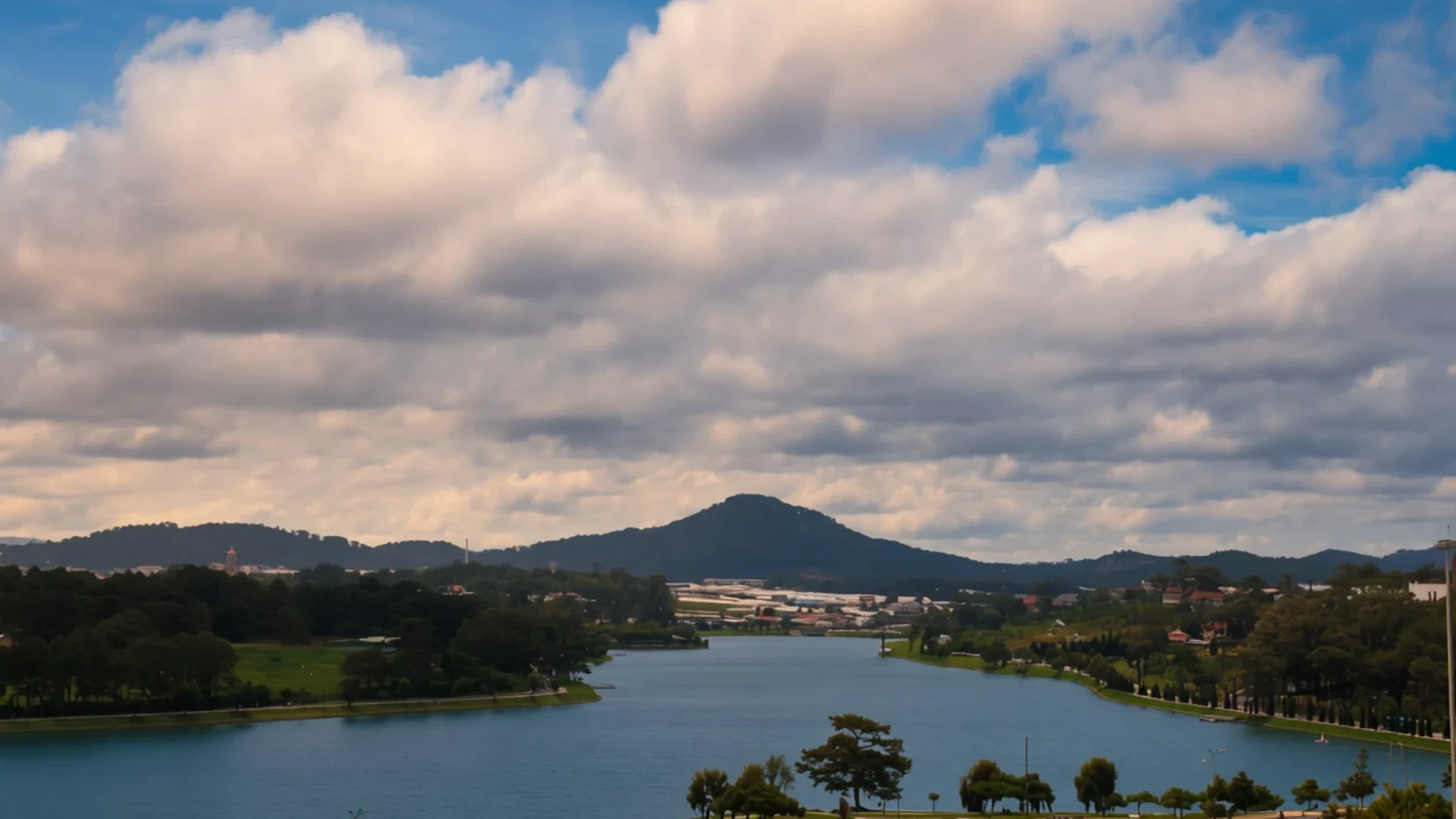
Đà Lạt offers cool mountain air, French colonial villas, and pine forests that contrast with the tropical lowlands of Vietnam.
The place
Đà Lạt sits high on the Langbiang Plateau in the Central Highlands of Vietnam, far above the stifling heat of the southern coast and the Mekong Delta. Perched high above sea level, the settlement enjoys a highland tropical climate that earned it the poetic title of the City of Eternal Spring. Mist drifts across green valleys and wraps around stands of pine trees for much of the year, while winding roads fill with bright yellow marigold and mimosa blossoms when the cooler months arrive. Locals often remark that Đà Lạt compresses all four seasons into a single day: crisp spring mornings give way to warm summer afternoons, mild autumn evenings, and chilly winter nights once the sun drops below the horizon. This distinct climate allows the region to supply vast quantities of temperate agricultural produce to the rest of the country, ranging from globe artichokes, cabbages, and cauliflowers to persimmons, tea, and coffee. Flower farms across the hillsides cultivate characteristic blooms such as hydrangeas, local roses, and golden everlastings, filling local markets with colour. Despite changes in its administrative status, Đà Lạt remains a favourite retreat for travellers seeking respite from lowland humidity, quiet lakeside walks among pine forests, and a slower pace of life set against rolling green hills and misty mountain passes.
Its story
Đà Lạt owes its existence to late nineteenth-century exploration and colonial ambition. During the 1890s, French explorers including the bacteriologist Alexandre Yersin pushed into the rugged interior of the Central Highlands. Yersin, a protégé of Louis Pasteur, urged the colonial governor-general, Paul Doumer, to establish a hill station and health resort in the mountains where Europeans could escape the oppressive heat of Cochinchina. Although the initial site chosen was Dankia, a later expedition proposed the present location. By the early twentieth century, the first hotels were built, and urban planners set to work shaping a European-style retreat among the pine woods. The urban layout was designed with wide boulevards, public parks, schools, and grand villas, intentionally omitting heavy industry to preserve the clean mountain air. Elite families, colonial administrators, and expatriates travelled up the winding mountain roads to holiday in the fresh climate. The settlement also developed a reputation as an educational centre, hosting boarding schools run by French priests and religious orders where children from across French Indochina were educated. This distinctive European architectural legacy, characterized by alpine-style roofs, terraced gardens, and tranquil lakes, survived the turbulence of the twentieth century and continues to define the character of Đà Lạt today, blending seamlessly with the traditions of the Central Highlands.
What to see
- Đà Lạt Market — Central Area
Located in the heart of the city, Đà Lạt Market serves as the primary hub for regional produce and local snacks. Stalls overflow with colourful mountain flowers, dried fruits, fresh strawberries, and locally grown artichokes, offering a lively glimpse into the daily agricultural trade of the plateau.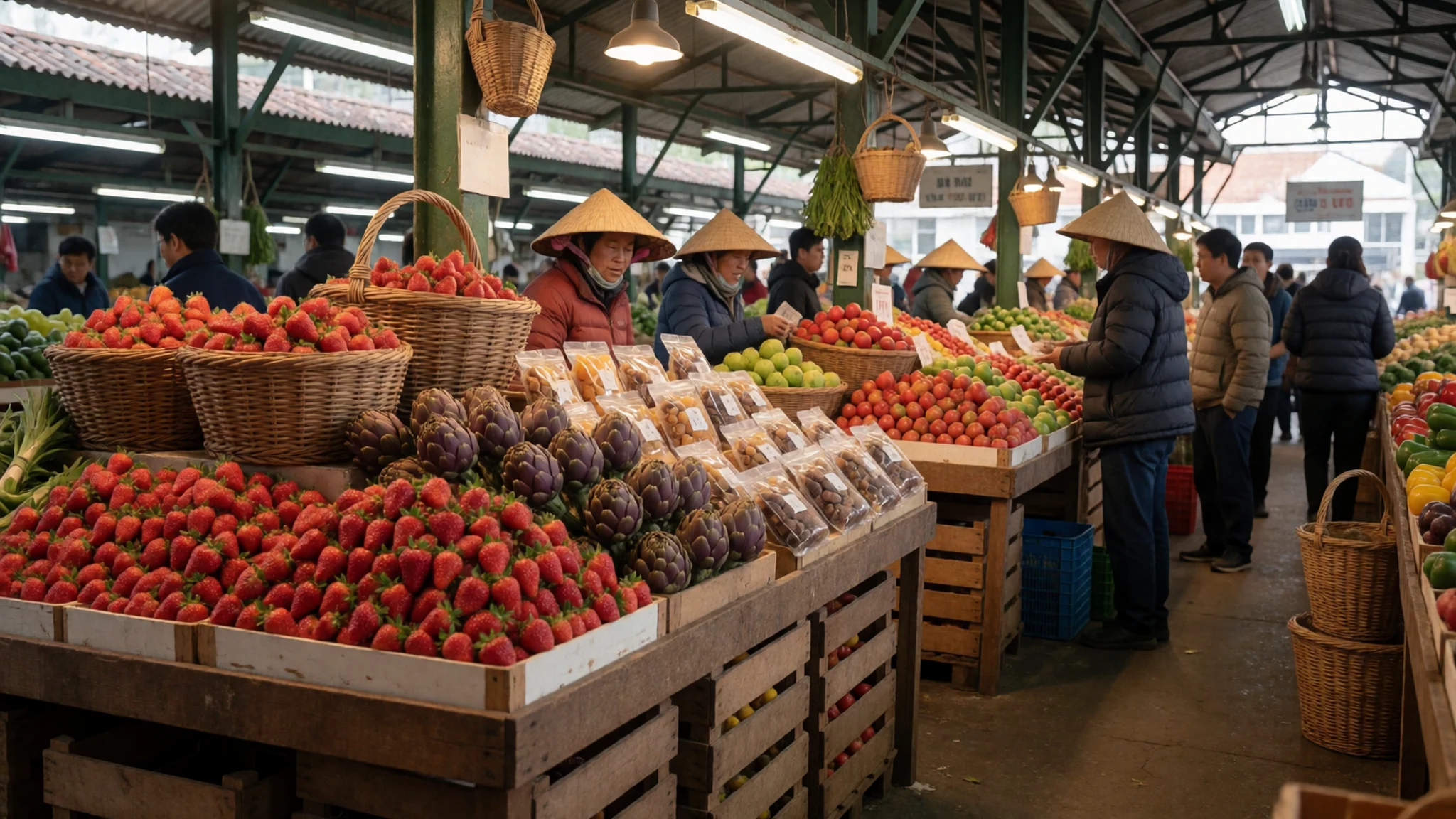
- Truc Lam Zen Monastery — Southern Hills
Perched on a forested ridge overlooking Tuyen Lam Lake, Truc Lam Zen Monastery is an active sanctuary of Buddhist practice and meditation. Visitors frequently take a cable car ride across the dense pine canopy to reach the temple grounds, which feature quiet courtyards, manicured bonsai gardens, and serene prayer halls.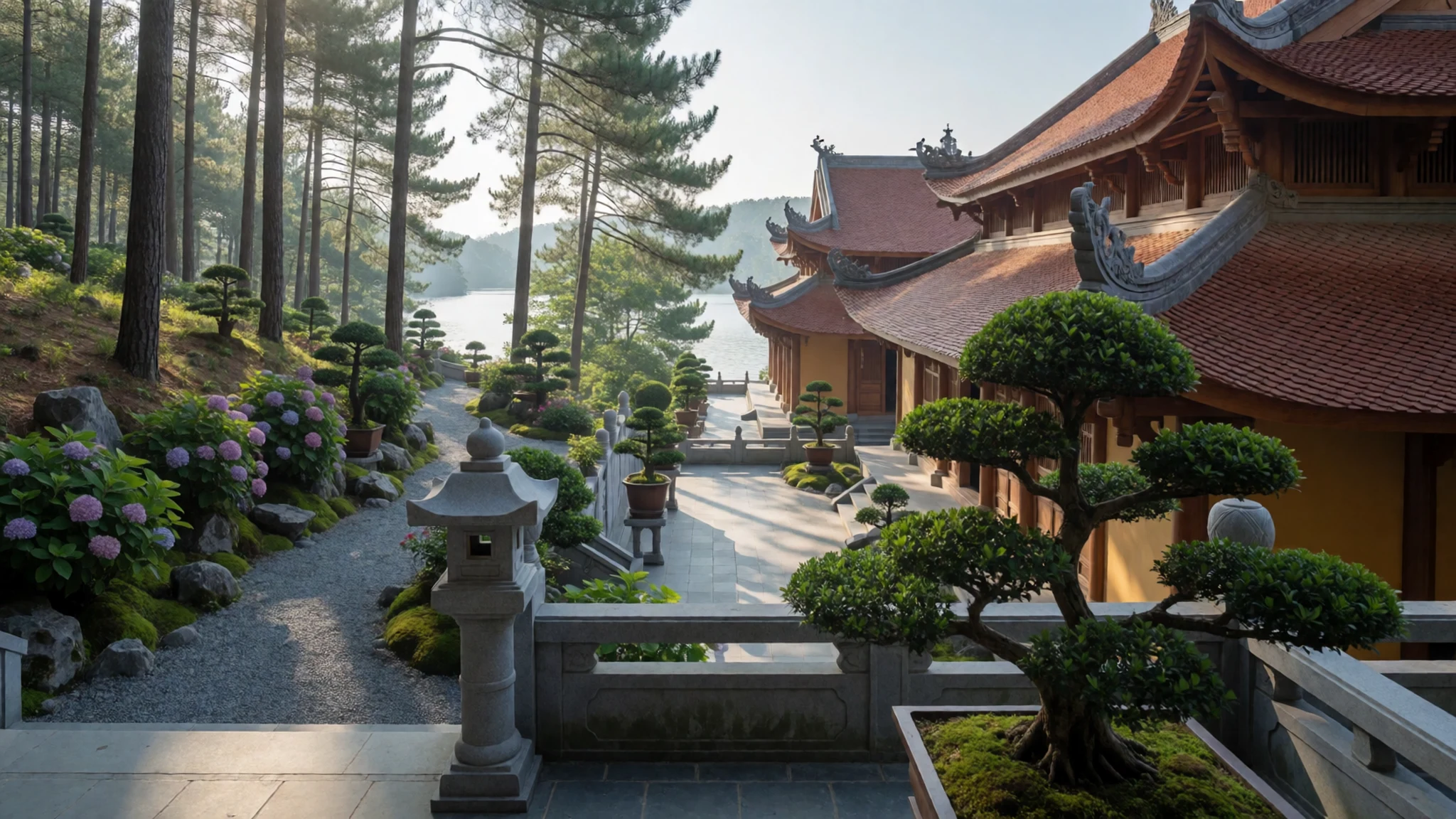
- Đà Lạt Railway Station — Station District
Built during the French colonial era, Đà Lạt Railway Station stands out for its distinctive art deco architecture featuring three pointed roofs that mimic the peaks of nearby Langbiang Mountain. The heritage station preserves vintage carriages and a rare rack railway line that once connected the mountain retreat to the coastal plains.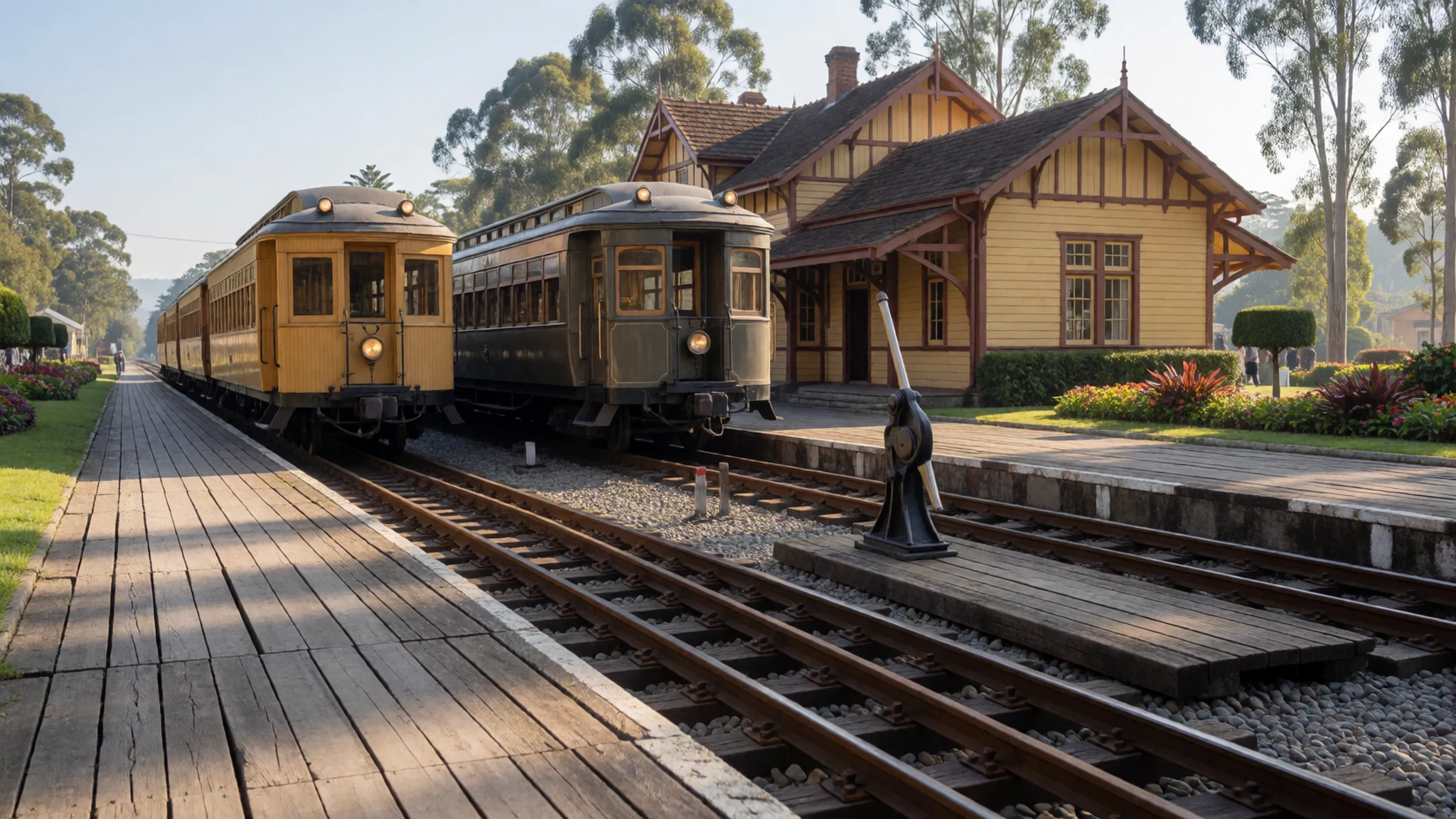
- Bảo Đại Summer Palace — Southern Ridge
Palace III served as the rural residence and summer retreat for Vietnam's final emperor, Bảo Đại. Preserved much as it was during the mid-twentieth century, the art deco mansion offers insight into royal life with its original European furnishings, wood-panelled studies, and sweeping views over surrounding pine forests.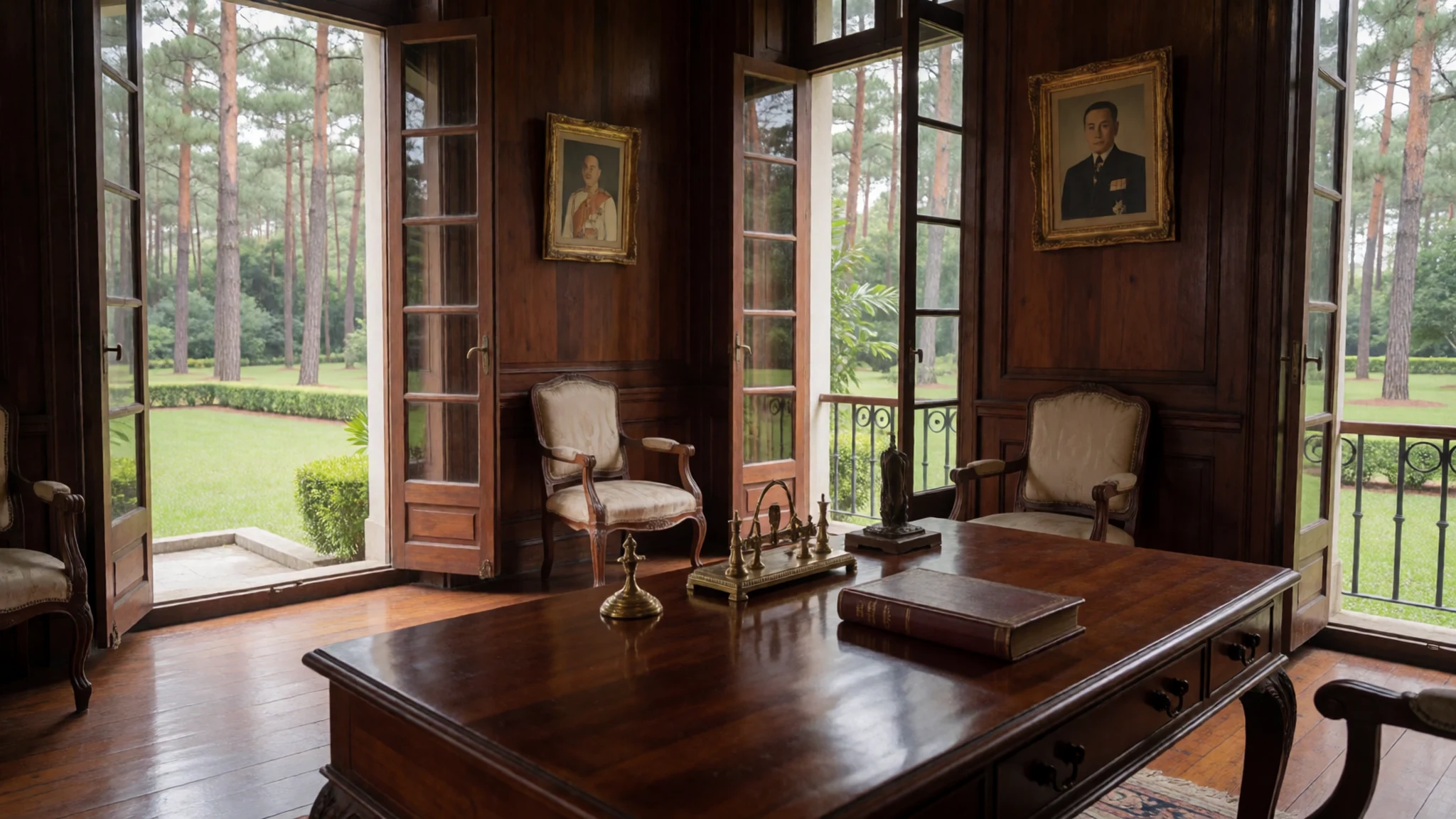
- Trường Cao đẳng Sư phạm Đà Lạt — Eastern Sector
Originally constructed as a French-run secondary school, this architectural landmark in Đà Lạt is renowned for its sweeping curved brick facade and distinctive multi-tiered clock tower. The exposed red brick and tile roof reflect classic European institutional design adapted for the cool highland climate.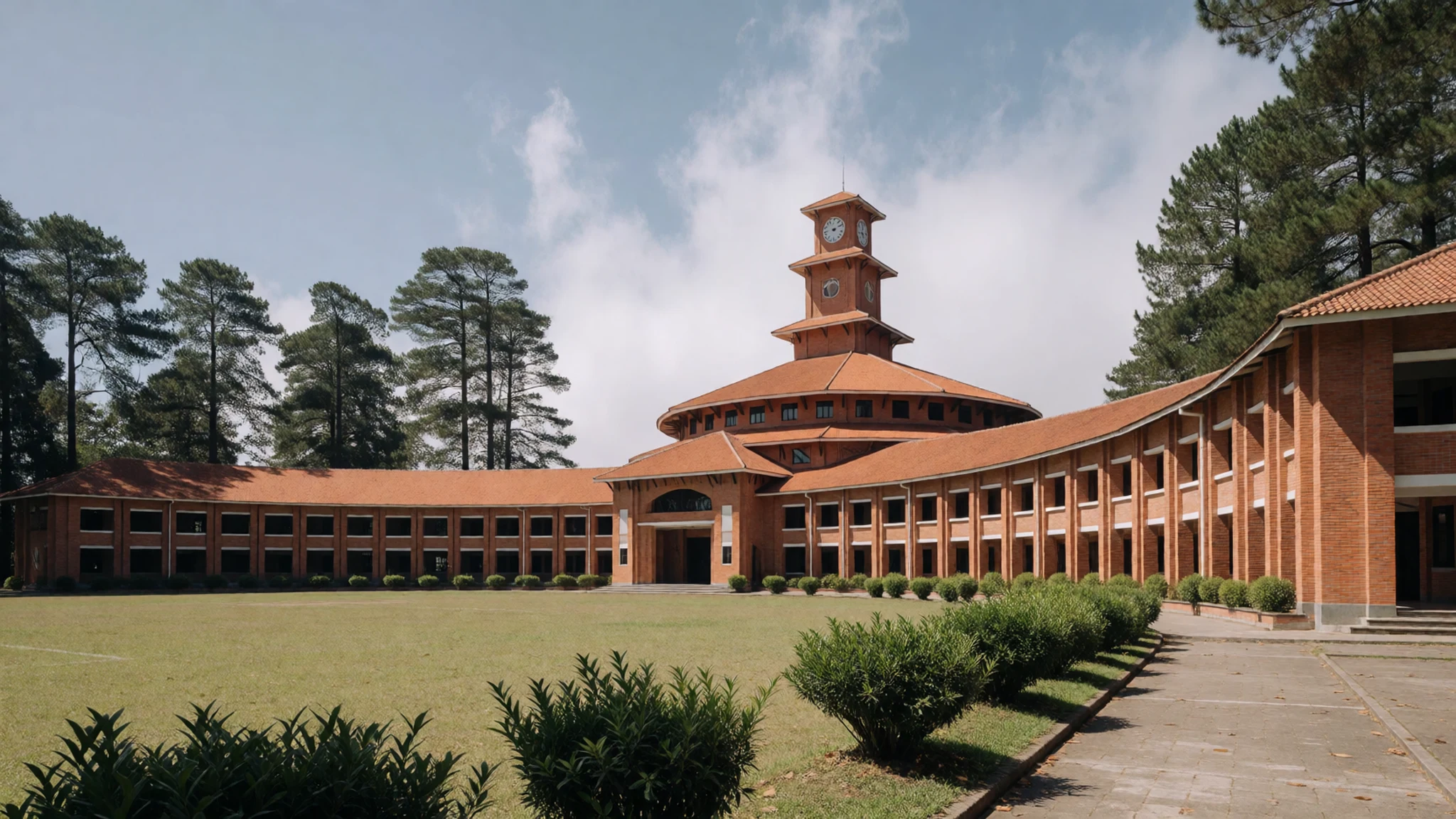
Culture
Đà Lạt reflects a unique blend of highland indigenous heritage and colonial-era Indochinese history, distinct from the coastal lowlands of Vietnam. The region's cultural calendar revolves around seasonal celebrations that pay tribute to its agricultural bounty and natural environment, including the Đà Lạt Flower Festival, the Tea Culture Week, the Cherry Blossom Festival, and traditional Gong gatherings hosted by minority groups of the Central Highlands. Artistic expression here draws heavily from the crisp mountain air, inspiring painters, poets, and musicians who have long sought refuge in its misty pine woods. Visitors will notice a slower, more contemplative rhythm of life compared to bustling southern metropolises like Ho Chi Minh City, with residents gathering in small cafes to sip local coffee or warming themselves with hot soya milk by street corners as evening temperatures fall. When visiting temples, monasteries, or sacred spaces in Đà Lạt, ensure you dress modestly by wearing trousers that cover your knees and tops that cover your shoulders.
What to wear
Fashion in Đà Lạt is shaped heavily by its cool highland climate, setting it apart from the tropical heat found across the rest of southern Vietnam. Historically, ethnic minority groups in the surrounding hills wore traditional woven textiles crafted from natural fibres, while European administrators and residents during the colonial era adopted practical woollen garments, tweed jackets, and sturdy boots suited for alpine weather and damp mountain mist. Today, residents of Đà Lạt embrace contemporary urban styles while keeping warm against the evening chill, frequently layering trench coats, wool jumpers, scarves, and knitted beanies into their daily outfits. For visitors exploring Đà Lạt, layers are essential: lightweight clothing is comfortable during sunny midday hours, but a warm jacket, fleece, or heavy cardigan is required once the sun sets and temperatures drop sharply. Comfortable walking shoes or sturdy boots are also recommended for navigating the hilly terrain, uneven stone paths, and unpaved trails around local lakes and pine forests.
What to eat
- Bánh Mì Xíu Mại — Street stalls and morning markets across the downtown area
A comforting local breakfast favourite in Đà Lạt consisting of warm, crusty bread rolls served alongside a small bowl of savoury spiced pork meatballs in a rich, piping hot broth. - Bánh ướt lòng gà — Specialist eateries near the central market
Soft steamed rice flour pancakes served with shredded free-range chicken, fresh herbs, and offal, tossed together in a sweet and tangy fish sauce dressing. - Sữa đậu nành nóng — Night stalls around the Hoa Binh central area
Hot, freshly pressed soya milk sweetened gently and often paired with small sweet pastries, traditionally sipped from ceramic cups on chilly mountain evenings. - Fresh Artichoke Tea and Produce — Đà Lạt Central Market and local teahouses
Artichokes grown in the cool highland soils are brewed into a cleansing herbal tea or stewed in savoury pork bone broths.
Plan it
Best time. November to April offers the driest weather, clearest skies, and peak flower blooms, while June brings heavy seasonal rain.
How long. 3–4
Getting there. Fly into Lien Khuong Airport, then take an airport shuttle bus or pre-arranged taxi for the 30 km journey into the city.
Budget. mid
Tips
- Pack warm layers, as evening temperatures drop significantly after sunset
- Book airport transfers in advance or agree on a fixed fare before departing
- Rent a scooter or arrange a private car to explore sights scattered across the surrounding hills
- Carry cash for small market stalls and rural temple donations
- Start your visits to popular gardens and monasteries early in the morning to avoid midday crowds
Etiquette
- Dress modestly with covered shoulders and knees when entering monasteries and temples
- Remove your shoes before stepping inside residential homes and sacred prayer spaces
Nearby
Sources
- Wikidata Q25281 (CC0)
- Wikipedia (rev 1380162585) (CC BY-SA 4.0)
- Wikivoyage (rev 5400741) (CC BY-SA 4.0)
- Photo 01-dalat-market-vietnam.jpg (CC BY 2.5)
- Photo 02-xuan-huong-lake-11.jpg (CC BY 3.0)
- Photo 03-truc-lam-zen-monastery-11.jpg (Public domain)
- Photo 04-cathedral-of-da-lat.jpg (CC BY-SA 2.0)
- Photo 05-truong-cao-dang-su-pham-da-lat-tran-huy-phuong-1.jpg (CC BY 3.0)
- Photo 06-bao-dai-s-summer-palace-02.jpg (Public domain)
- Photo 07-da-lat-train-station-21.jpg (CC BY 3.0)
- Photo 08-seal-of-l-t.png (CC0 1.0)


