Yuste Monastery
Yuste Monastery, Spain
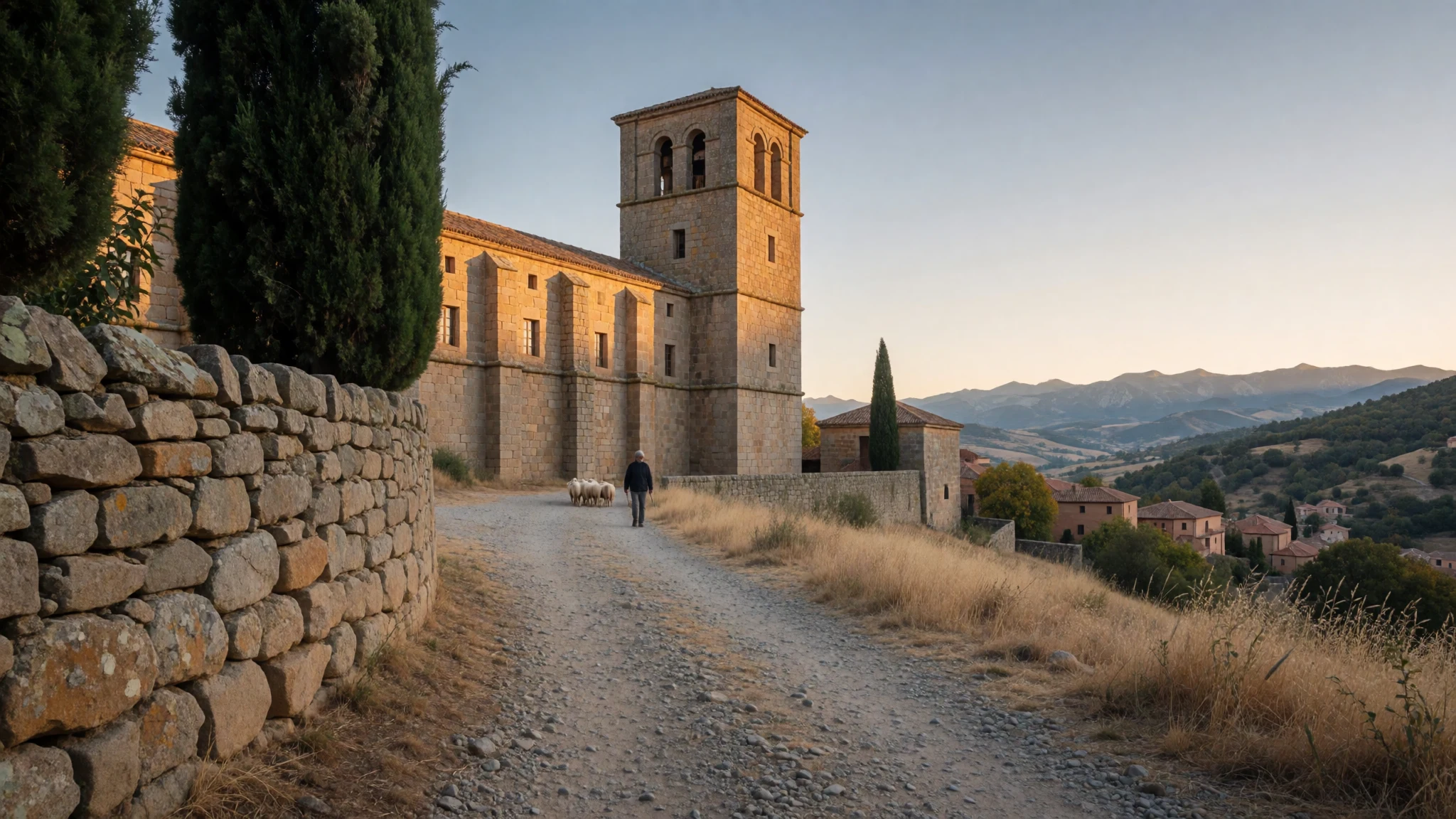
Yuste Monastery is where an emperor chose to retire among Hieronymite monks, in a quiet, wooded corner of Extremadura far from any court.
The place
Yuste Monastery sits just outside Cuacos de Yuste, a small village in the province of Cáceres, in the autonomous community of Extremadura in western Spain. Hieronymite monks founded it in 1402, and for a long stretch it was an ordinary working religious house, set in wooded hill country well away from the big cities. Older books spell the village name differently, as San Yuste or San Just, which is useful to know when reading earlier travel writing.
The monastery is also remembered as the combined monastery and palace where Charles V lived out his last years after giving up his thrones. That double identity shapes the site: part cloistered community, part royal retreat, and still quiet in a way that suits both.
The surrounding area is the La Vera country, famous across Spain for its smoked paprika, and the road to the monastery runs through small farming villages rather than anything resembling a resort. Extremadura's climate is the main practical fact. Summers are very hot and dry, with long droughts, while winters are mild because the Atlantic, close on the Portuguese side, softens the cold. That makes spring and autumn the comfortable seasons for walking between buildings and gardens.
Spanish is the official language, and local speech in the region is often called Castúo. Expect a visit of a few hours rather than a full day, best paired with a lunch in a nearby village and a drive through the valley.
Its story
Yuste Monastery entered European history in 1556, when Charles V, Holy Roman Emperor and king of Spain, stepped down from power. His son Philip II took the Spanish crown, and his brother Ferdinand I received the imperial one. Charles then travelled to Yuste, planning a life of prayer in a remote and little-known house of Hieronymite monks.
Retirement turned out to be less austere than the plan. The buildings had to be enlarged to house the emperor and a sizeable household that came with him. Visitors arrived from time to time, among them his natural son Don Juan de Austria and, later, Philip II. Charles died at Yuste in 1558 and was first buried in the monastery church. His remains were later moved to the royal monastery of San Lorenzo del Escorial.
The place has also found its way onto the stage. Giuseppe Verdi set scenes of his opera Don Carlos here, including an invented moonlit meeting in the final act, so some visitors arrive knowing Yuste from music before they know it from history.
The monastery's fortunes then fell sharply. French troops burned it in 1809 during the Peninsular War, and the later confiscation of church property, associated with Mendizábal, left it without a community to care for it. It stood as a ruin for generations. A state-led restoration began in 1949. The choir furniture, made for the church in the late medieval period, had been dispersed to other churches and was brought back as part of that work.
What to see
- Renaissance cloister — Yuste Monastery, Cuacos de Yuste
The cloister at Yuste Monastery is the calmest part of the visit, with stone arcades around an open courtyard and good shade on a hot day. It rewards slow walking: the light changes through the arches, and the quiet makes the monastic purpose of the place easy to grasp.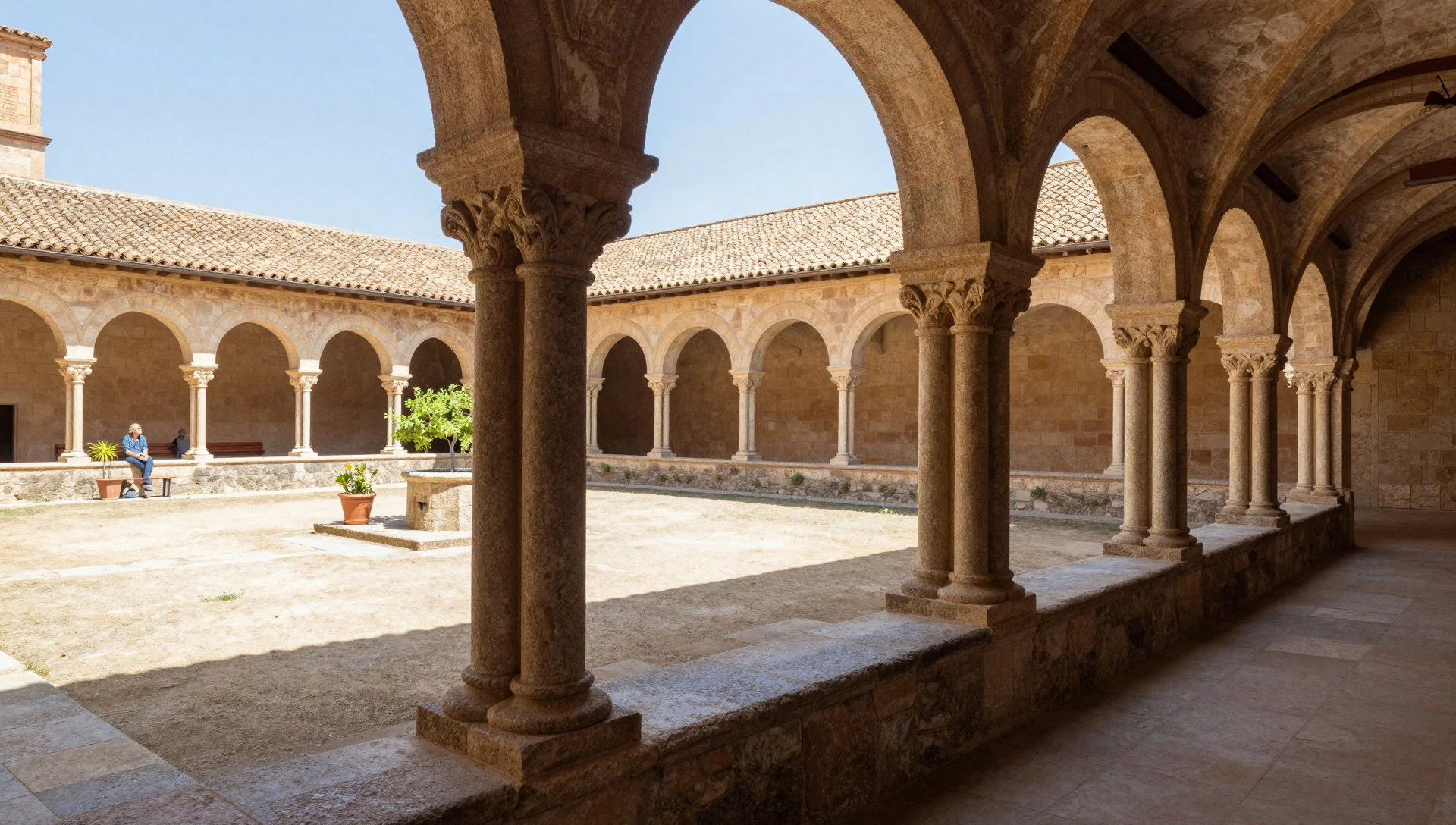
- Gardens and terraces — Yuste Monastery grounds
The gardens at Yuste Monastery give a sense of how the community lived with its landscape, with planted terraces, trees and views over the surrounding hills. They suit a slow lap at the end of the visit, and are especially pleasant in spring when the greenery is fresh.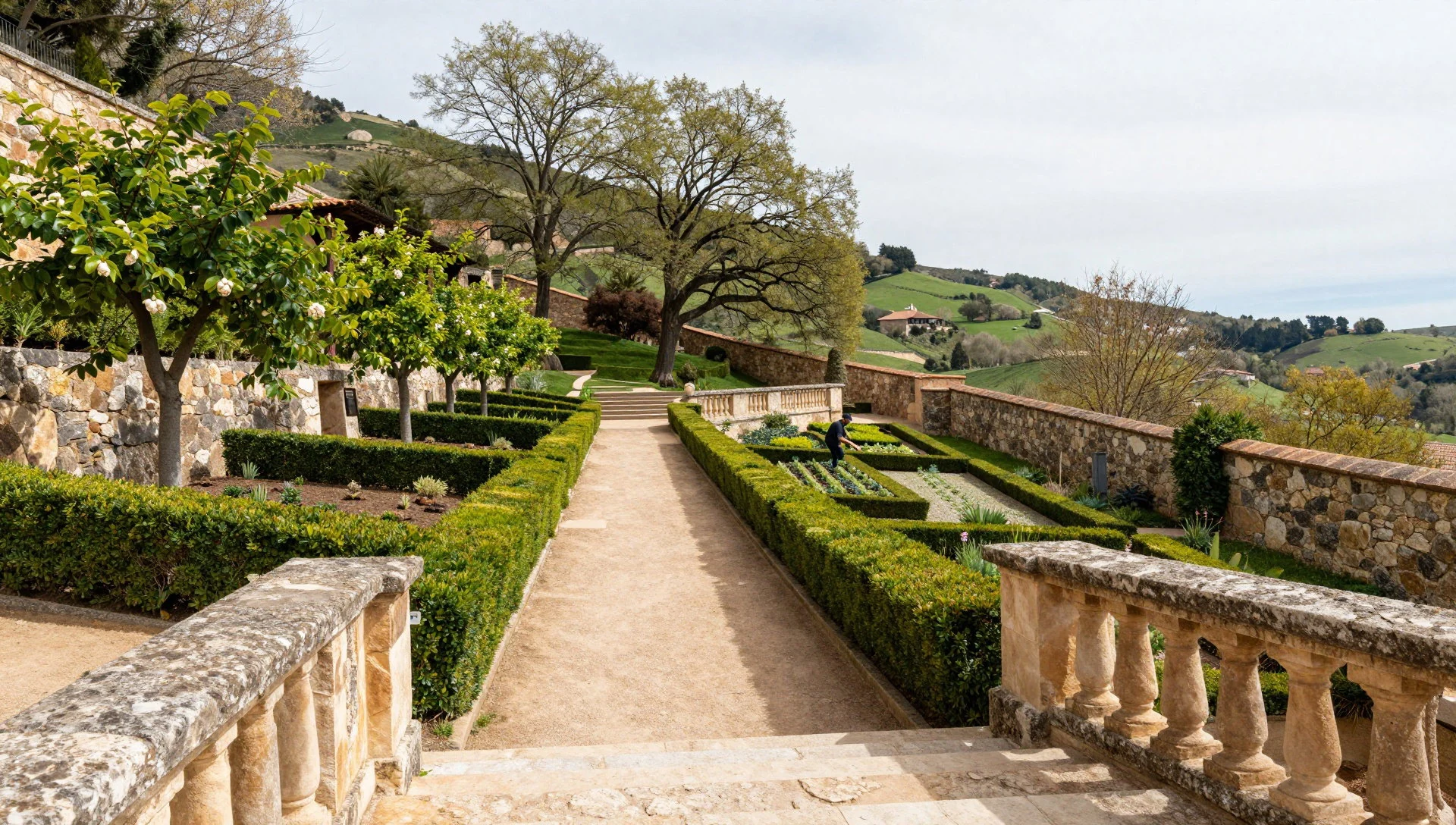
- Views of La Vera — Yuste Monastery, La Vera
From inside Yuste Monastery, windows and openings frame the wooded valley of La Vera. The outlook explains why Charles V and the monks valued the site: it is secluded, green and calm. Photographers do best in soft morning or late-afternoon light.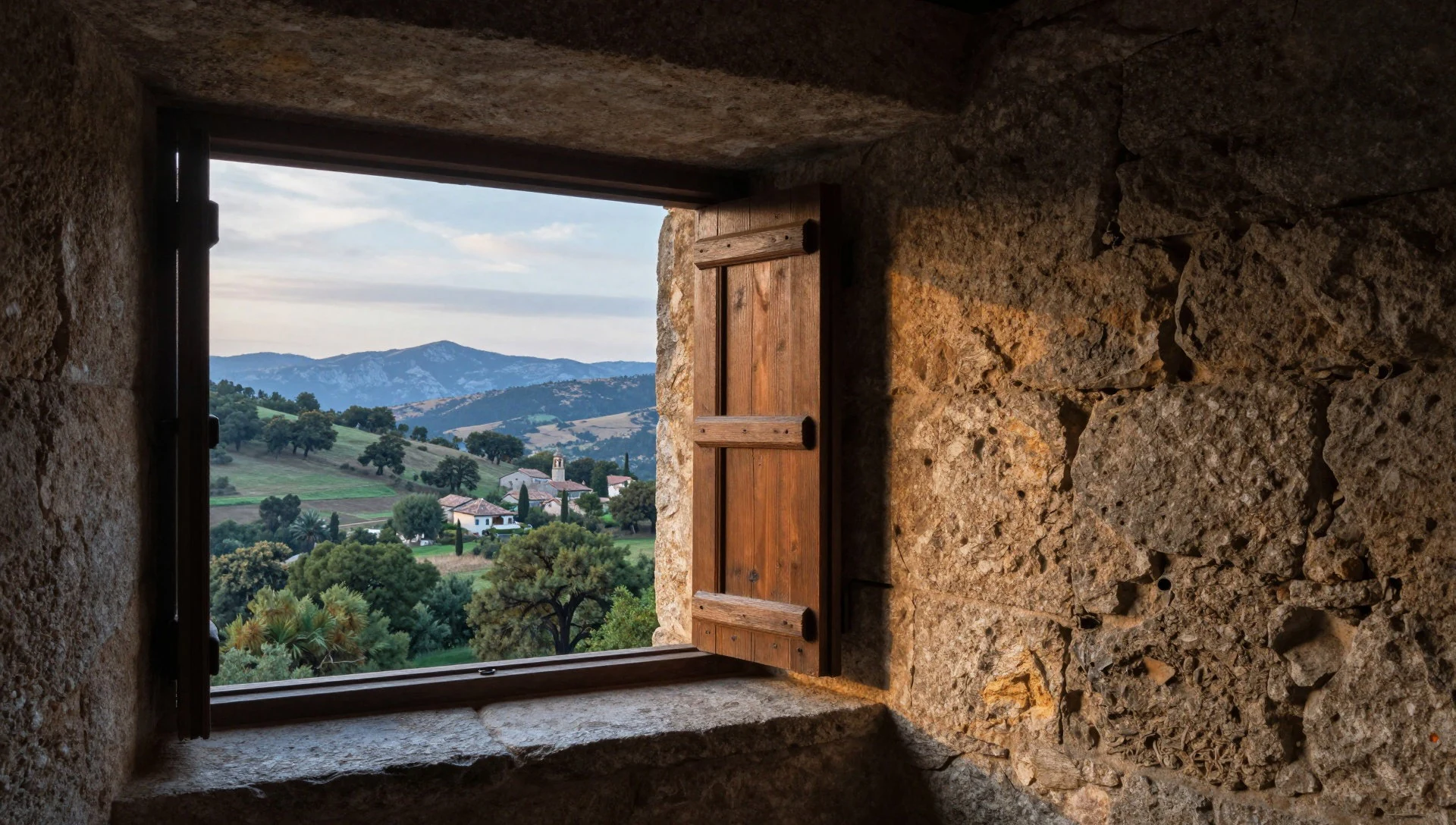
- Church and choir — Yuste Monastery
The monastery church at Yuste is where Charles V was first buried. Its choir furniture, made in the late medieval period, was recovered from other churches during restoration and returned. Rooms and access change, so check the official Patrimonio Nacional site before travelling.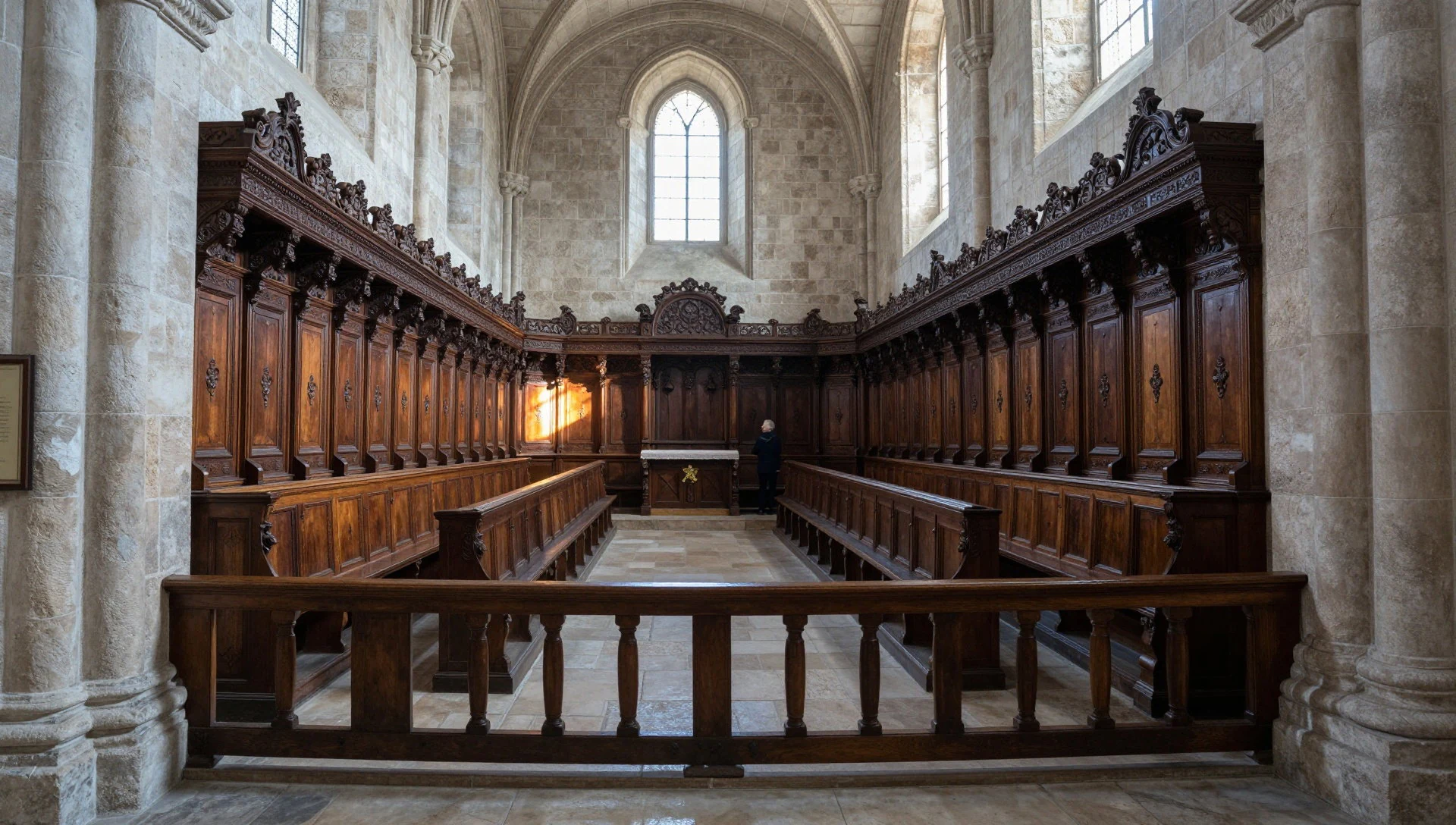
- Monastery of Santa María de Guadalupe — Guadalupe, Sierra de Guadalupe
Guadalupe is a large hilltop monastery town south-east of Yuste, with a church complex that dominates the village below. It makes a good second stop on a longer Extremadura route, and there is a parador, a state-run hotel, among the buildings for those wanting to stay.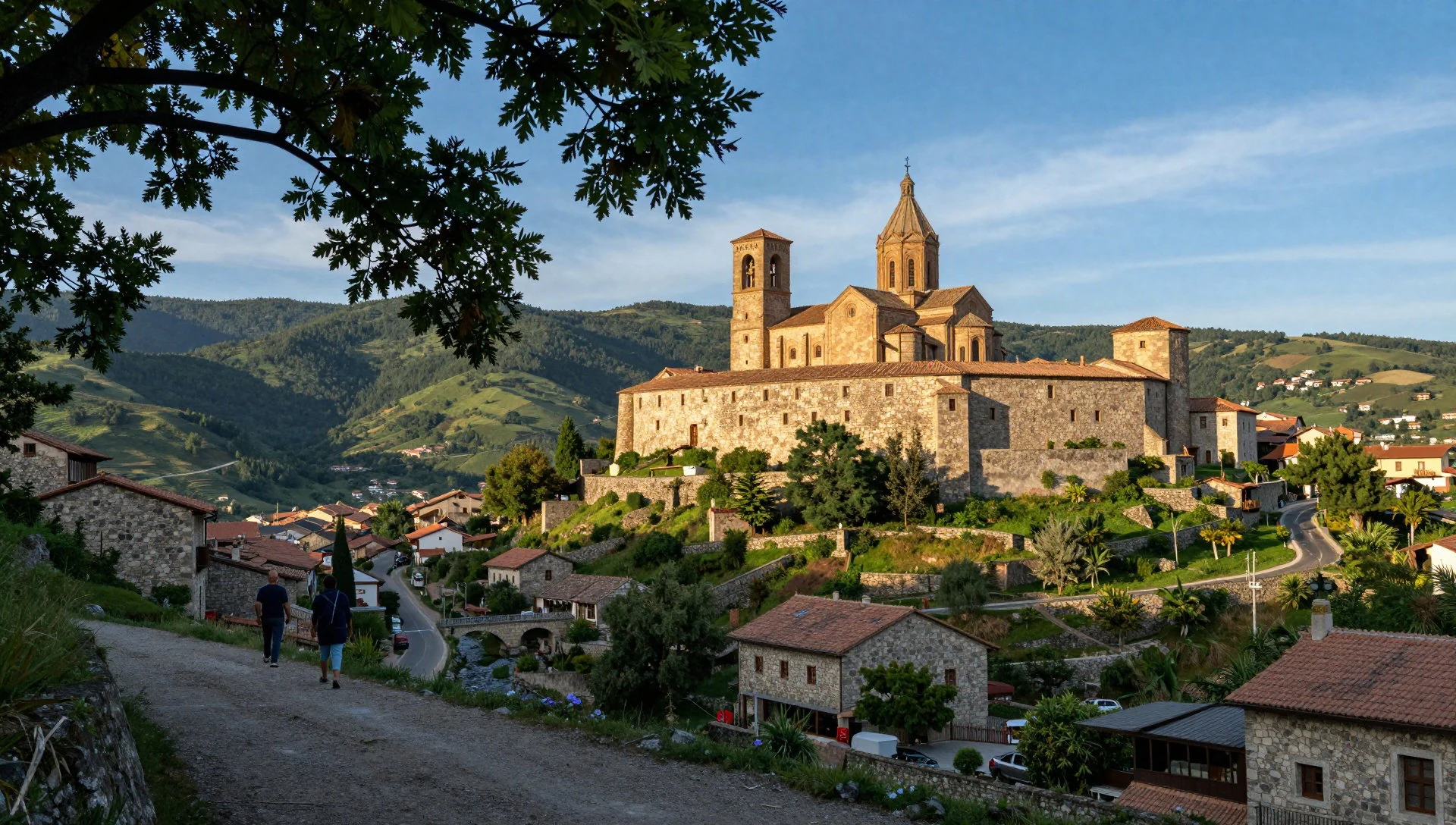
- Monfragüe National Park — Monfragüe, Cáceres province
Monfragüe is the region's best-known wildlife area, with cliffs, rivers and forest where eagles and vultures are the main draw. A hilltop castle looks over the park and adds some history. Binoculars matter more than a long itinerary, and mornings are best.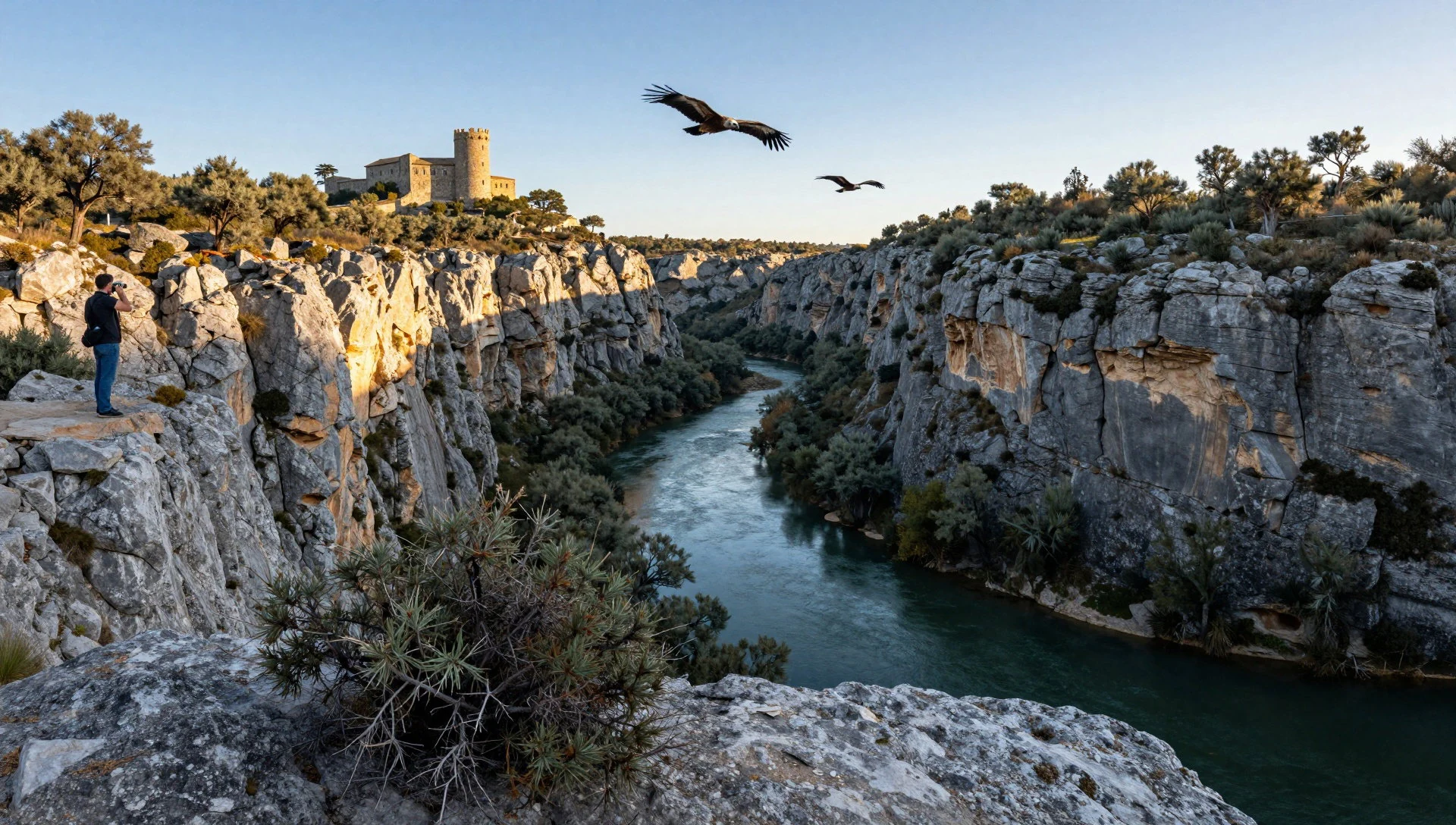
Culture
Culture around Yuste Monastery blends monastic tradition with the rural life of La Vera. The Hieronymite order, a Spanish religious community, shaped the house for centuries, and the monastery's story is tied to Spain's imperial past through Charles V. Spaniards often visit as a matter of national history, so the tone is closer to a reflective heritage visit than a tourist spectacle.
Local culture outside the walls is Extremaduran. Spanish is the official language, with regional speech often called Castúo, and in other parts of the region smaller languages survive, such as Fala in the Jálama valley. Food and the farming calendar matter here: paprika from La Vera is a point of local pride, and village life revolves around cafés, plazas and shared meals more than formal sights.
Opera lovers may recognise Yuste from Verdi's Don Carlos, which uses the monastery as a setting for several scenes. It is a pleasant detail to carry into the visit, though the real site is plainer and quieter than any stage version.
Meal times follow the Spanish rhythm, with lunch often late in the afternoon and dinner later still, so plan around that when choosing where to eat after the visit. Many small places close between meals.
Speak quietly inside the cloister and church, and follow any signs on photography, since parts of Yuste Monastery are still treated as a place of reflection.
What to wear
Fashion in the Yuste area has two threads: the old village dress of Extremadura and the practical clothes people wear now. Traditional Extremaduran costume appears mainly at festivals and folk events. Women's outfits typically feature layered skirts, embroidered shawls and aprons in wool and linen, while men wear waistcoats, dark trousers and wide-brimmed hats. Details vary from village to village, so local dance groups and festival days are the best place to see them. Monastic dress was historically plain, in simple woollen cloth, in keeping with the life of the community.
Day to day, people in Cuacos de Yuste and nearby towns dress casually and neatly: light cotton in summer, jackets and knitwear in cooler months, and good shoes for uneven village streets. Older residents often dress a little more formally for church and market days.
Visitors should plan for the climate first. Summers are very hot and dry, so lightweight, breathable clothing, a hat and sun protection matter, while winters are mild but can feel cool in stone buildings, so a light layer helps. Because the monastery was and is a religious site, covered shoulders and knees are the respectful choice. Wear comfortable, closed shoes with a good grip, since cloister paving, garden paths and village lanes can be uneven. A scarf or thin overshirt is handy for cooler interiors.
What to eat
- Migas extremeñas — Village restaurants and bars in La Vera and Cuacos de Yuste
Migas is the signature dish of Extremadura: fried breadcrumbs seasoned with La Vera paprika and usually served with pork products. It is hearty country cooking, best on a cool day, and appears on menus across the region's village eateries.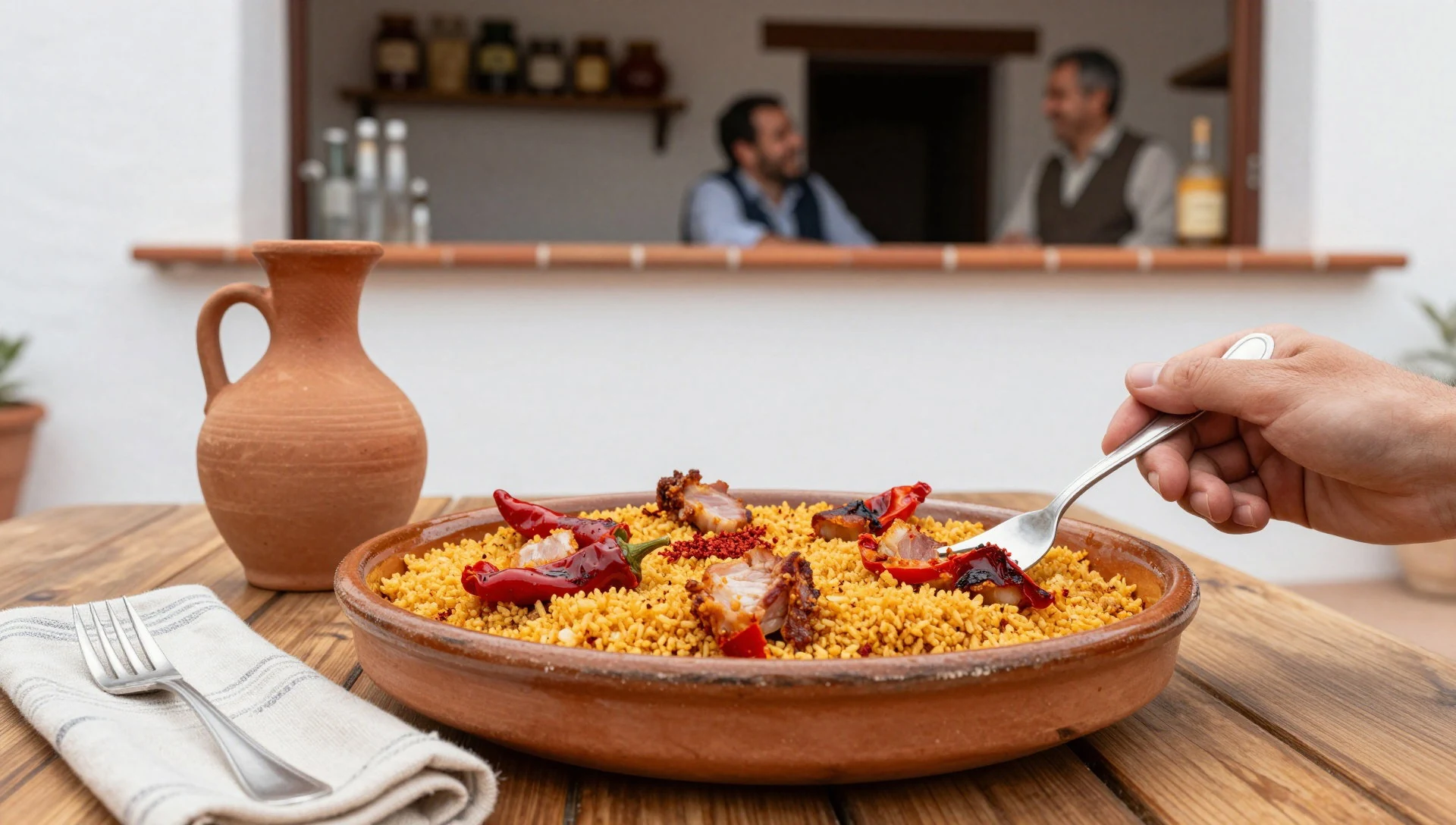
- Iberian pork and sausages — Bars, delicatessens and grill restaurants in nearby towns
Extremadura is known for Iberian pork, from acorn-fed pigs, served as cured sausages, ham and grilled cuts. Order a shared plate of cured meats with bread as a simple introduction to the region's cooking.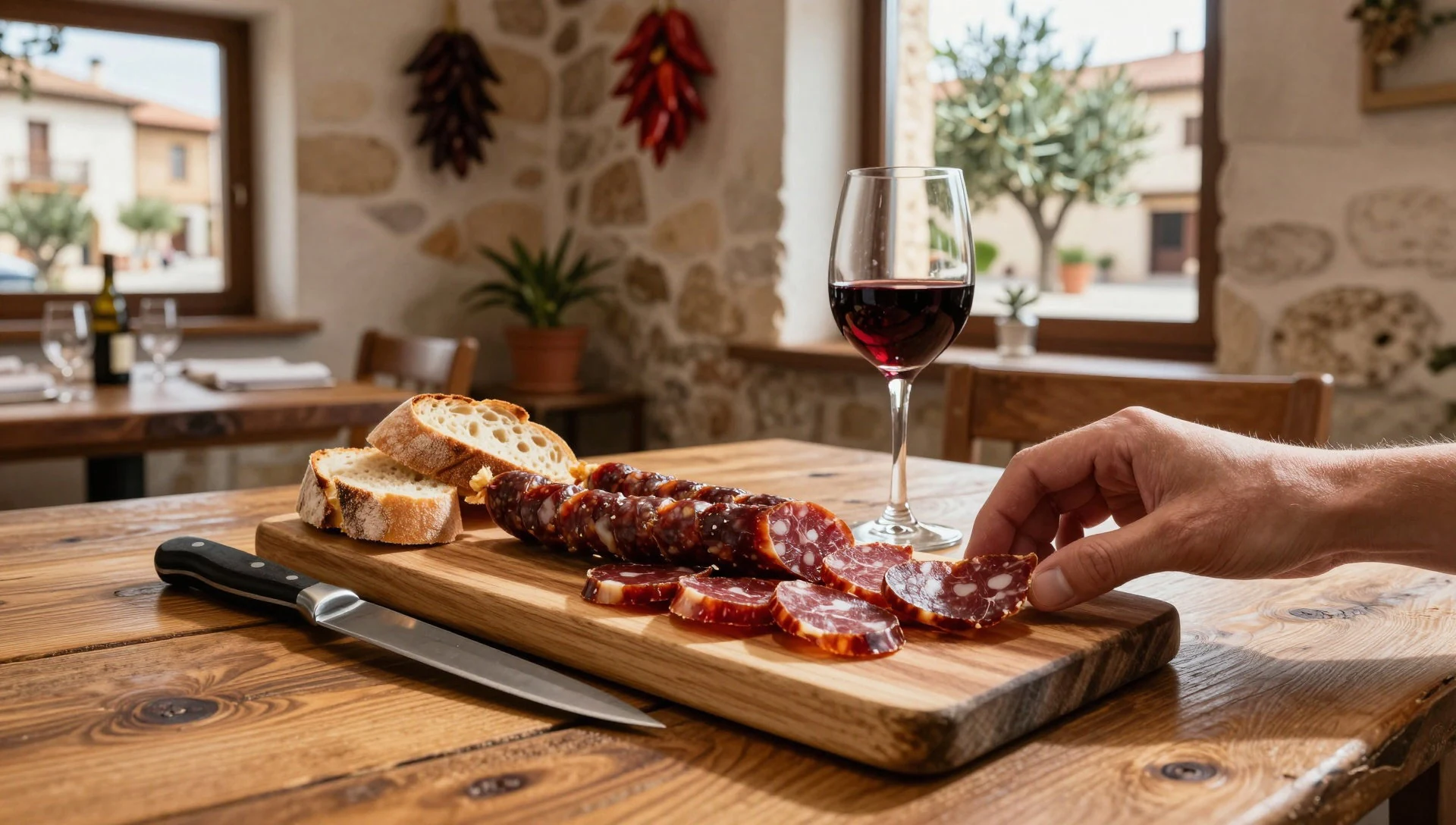
- Pimentón de la Vera — Village shops and weekly markets across La Vera
La Vera paprika is a defining local product, used in stews, sausages and migas. Tins and bags make a lightweight edible souvenir, and tasting it in a home-style dish shows why locals are proud of it. - Torta del Casar and regional cheeses — Cheese shops and tapas bars in Extremaduran towns
Extremadura makes distinctive cheeses, including Torta del Casar, along with cheeses from La Serena and Los Ibores. They are served with bread as a starter or a post-meal plate, and are worth trying alongside local wine. - Jerte valley cherries — Roadside stalls and markets in the Jerte valley
Cherries from the nearby Jerte valley are a seasonal treat when in fruit, eaten fresh as dessert or bought by the bag. Check the season before planning a trip around them, as they appear only for a short spell.
Plan it
Best time. Spring (March–May) and October for mild weather and green hills. Extremadura summers are very hot and dry, while winters are mild.
How long. 1
Getting there. Madrid is the usual international gateway, followed by a long drive west into Extremadura and the La Vera area. A hire car is the practical way to reach Cuacos de Yuste and the monastery; check local bus links before relying on public transport.
Budget. mid
Tips
- Check opening days and ticketing on the official Patrimonio Nacional site before travelling
- Avoid the hottest summer afternoons; morning visits are more comfortable
- Carry water and a hat in warm months
- Combine Yuste with a meal in a La Vera village and a drive through the valley
- Bring some cash for small village shops and cafés
Etiquette
- Keep voices low in the cloister and church
- Follow signs on photography inside the buildings
- Dress modestly, with shoulders and knees covered
Nearby
Sources
- Wikidata Q936453 (CC0)
- Wikipedia — Monastery of Yuste (rev 1287443669) (CC BY-SA 4.0)
- Wikivoyage — Extremadura (rev 5387214) (CC BY-SA 4.0)
- Claustro renacentista del monasterio de Yuste, Cáceres — Alonso de Mendoza (CC BY-SA 4.0)
- Fotografía del monasterio de Yuste, Cáceres, España — pedronchi from Madrid, España (CC BY 2.5)
- Vista del monasterio de Yuste. Plano del monasterio de Yuste. — François Liger / François Jacques Dequevauviller (CC BY 4.0)
- Jardín del monasterio de Yuste, Cuacos de Yuste, Cáceres — Alonso de Mendoza (CC BY-SA 4.0)
- Vista desde el interior del Monasterio de Yuste — Garabata (CC BY 4.0)
- Monasterio de San Jerónimo de Yuste 01 — Zarateman (CC0 1.0)
- Monasterio de San Jerónimo de Yuste 02 — Zarateman (CC0 1.0)
- Monasterio de San Jerónimo de Yuste 03 — Zarateman (CC0 1.0)


