York
York, United Kingdom
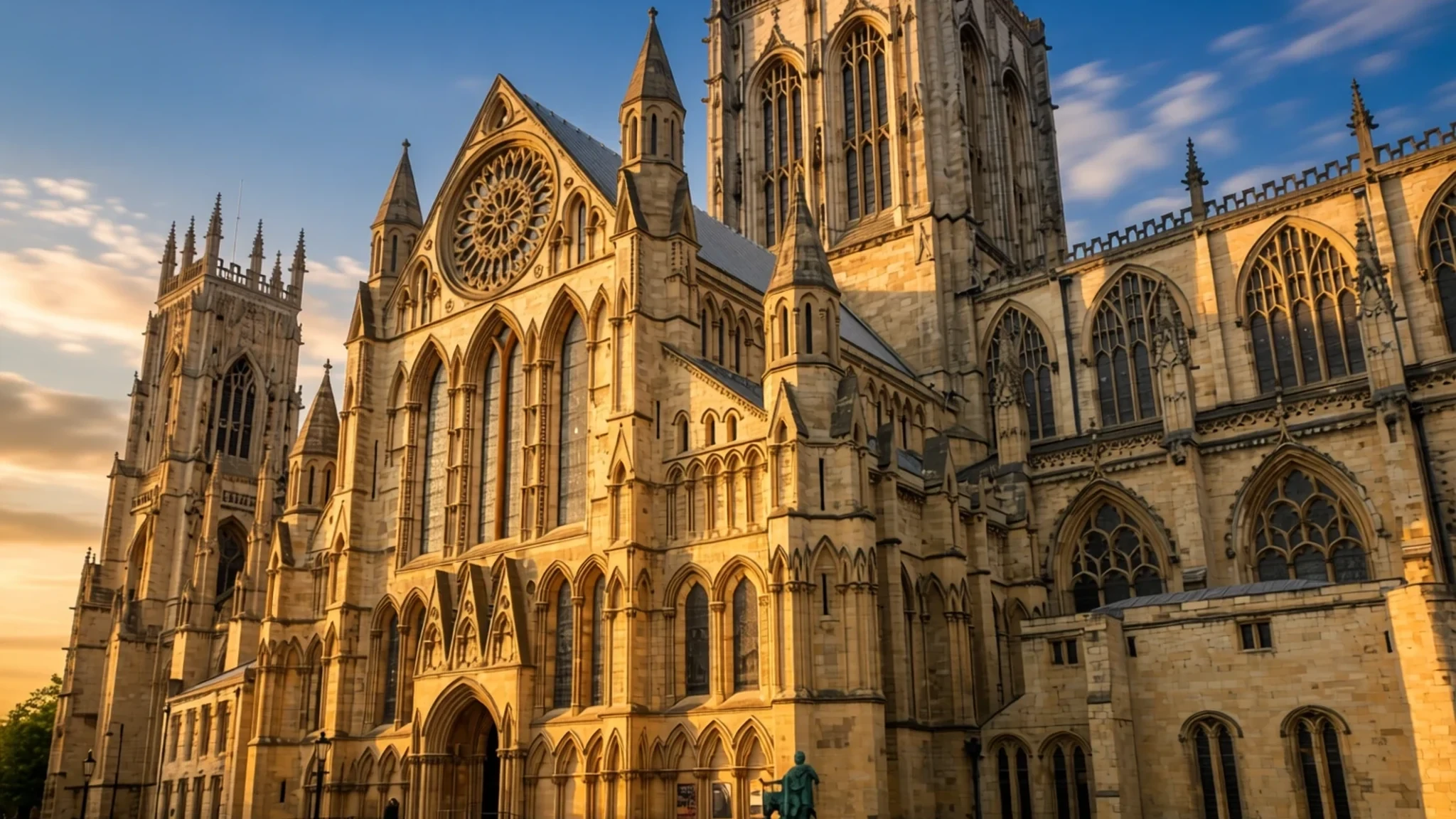
A Roman-founded walled city where a Gothic minster, medieval lanes and a river walk make a short stay feel full.
The place
This English cathedral city sits in North Yorkshire at the place where two rivers, the Ouse and the Foss, meet. {"text":[{"text":"York serves as Yorkshire's historic county seat and manages the City of York district, home to 208,400 residents.","type":"text"}]} The ground sits about 25 metres above sea level, low enough that the two rivers have long shaped how the city grew.
The centre is compact and easy to cover on foot. The minster, the castle and the city walls are all Grade I listed, so the medieval and Roman-era fabric survives in large pieces rather than scattered fragments. Streets such as the Shambles are narrow, timber-fronted and lined with small shops, while the walls offer a long circuit above the rooftops.
The city works as a living place rather than only a museum, with shoppers, students and office workers moving through the same streets as visitors. The centre is busiest on summer weekends and in the afternoons. Aim for the lanes and walls early in the morning or on weekday evenings, when they empty. The weather is changeable through the year, so a light waterproof is a sensible addition to any day, and comfortable shoes matter more than fashionable ones on cobbles.
Its story
The story of York begins with the Roman army. Before the conquest, the area was home to the Brigantes, a tribe whose leaders first allied with Rome and then grew hostile. In AD 71 Roman forces founded a fortress here, named Eboracum, on flat ground above the River Ouse near its meeting with the Foss. Stone walls later replaced the first timber ones, and the fortress housed a large legionary garrison. Beneath the foundations of the minster lie remains of the old headquarters building, which archaeologists have uncovered in the undercroft.
Several emperors held court in the city during their campaigns, and the Roman presence gave York a strategic role for centuries. As Rome withdrew, the city passed through the hands of successive kingdoms. It became a centre of Deira, then of Northumbria, and later a Scandinavian town under Viking rule. Those centuries are less visible on the surface, but they run through the stories told in the city's museums.
The Middle Ages brought the church to the fore. The city became the centre of the northern English ecclesiastical province, and the minster grew as the seat of the archbishop. Wool trading enriched merchants, who built guild halls. The Guildhall and the timbered Merchant Adventurers' Hall survive from that prosperity. After the Norman conquest, a castle was raised on the mound now called Clifford's Tower. In the nineteenth century the railways turned York into a major junction, and confectionery manufacturing gave the city a second industry that still shapes its sweet shops.
What to see
- York Minster — City centre, next to the old Roman fortress site
York Minster is the seat of the Archbishop of York and the largest Gothic cathedral in northern Europe, so its scale is the first thing to notice. The tower dominates the skyline from almost every street in the centre. The site has been a place of worship for many centuries, and the Roman headquarters remains lie in the undercroft below. Allow a couple of hours to see the nave, the stained glass and the chapter house.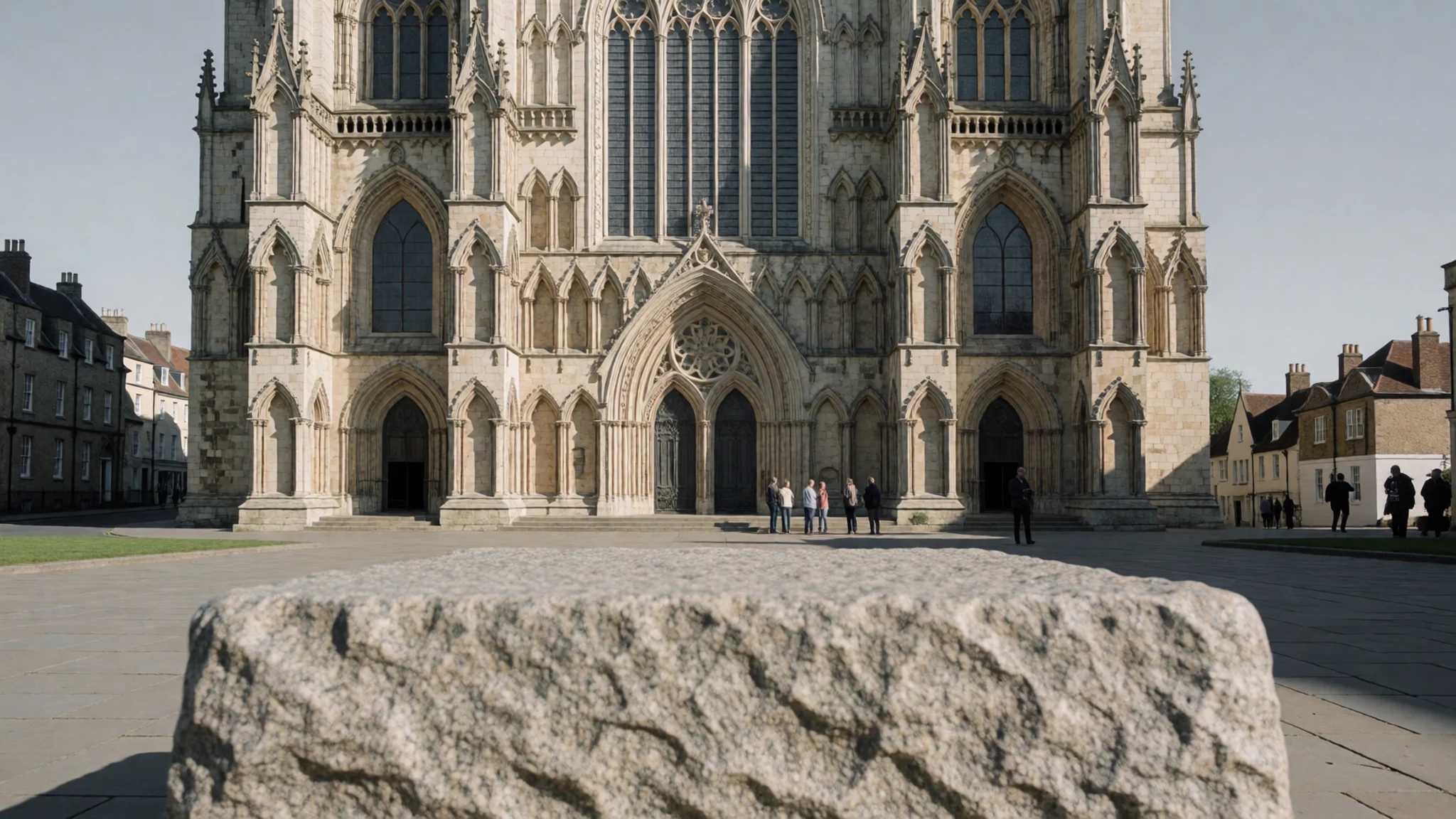
- Clifford's Tower — Castle area, above the River Foss
A Norman castle keep stands on a grassy mound above the River Foss. After the conquest of England, the Normans built a castle here to hold the local population and keep Viking attacks at bay. A short walk from the minster, the mound gives a clear view across the rooftops, and it is one of the simplest places in the city to see how the old defences were laid out.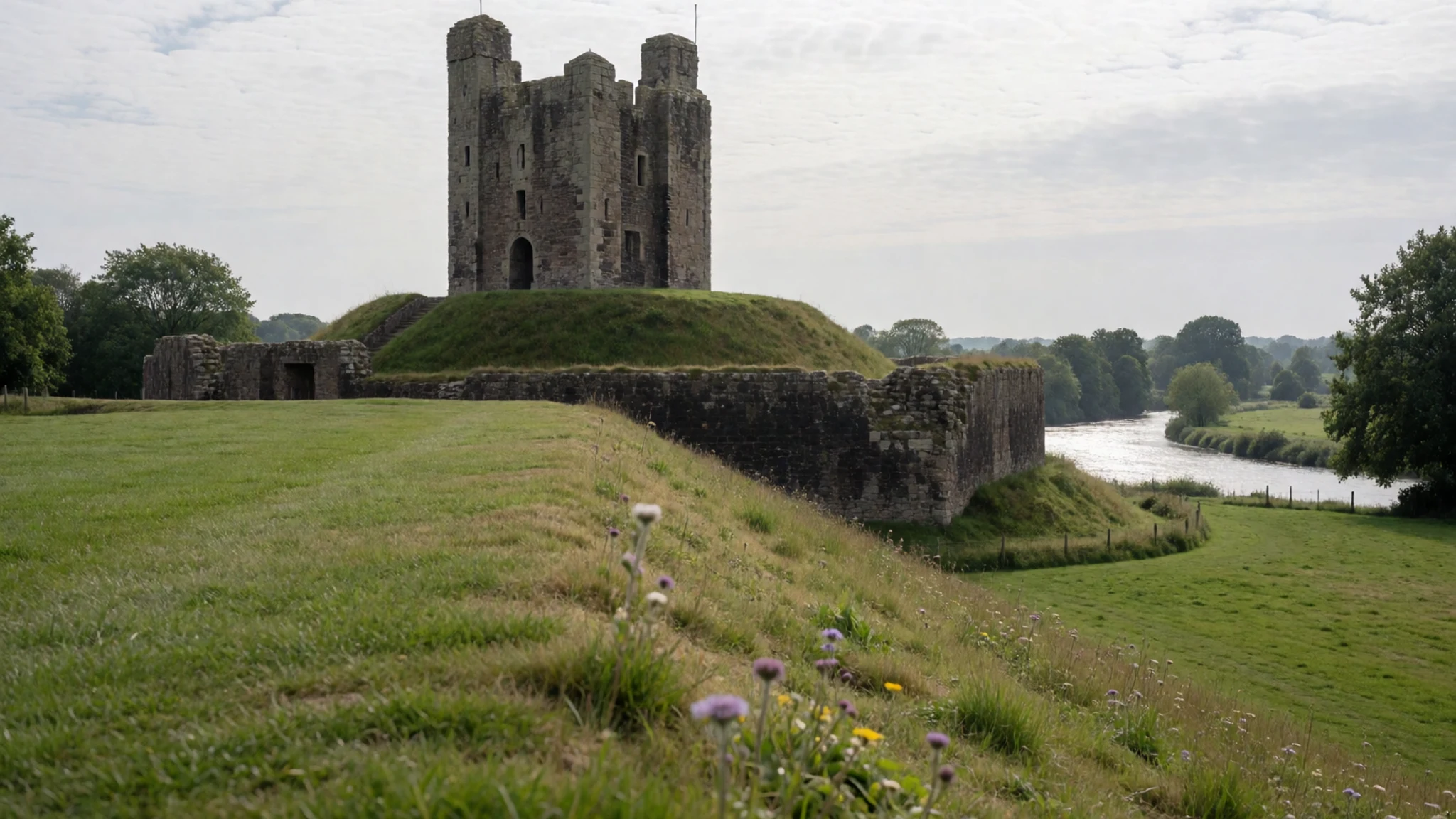
- Guildhall — Riverside district, city centre
Built in the fifteenth century as a meeting hall for the city's guilds, the Guildhall is still home to the council chamber. Because it remains in regular civic use, visiting arrangements can change, so check the official site before going. It makes a good stop between the minster and the Shambles, and it shows how the guilds shaped the city's public life.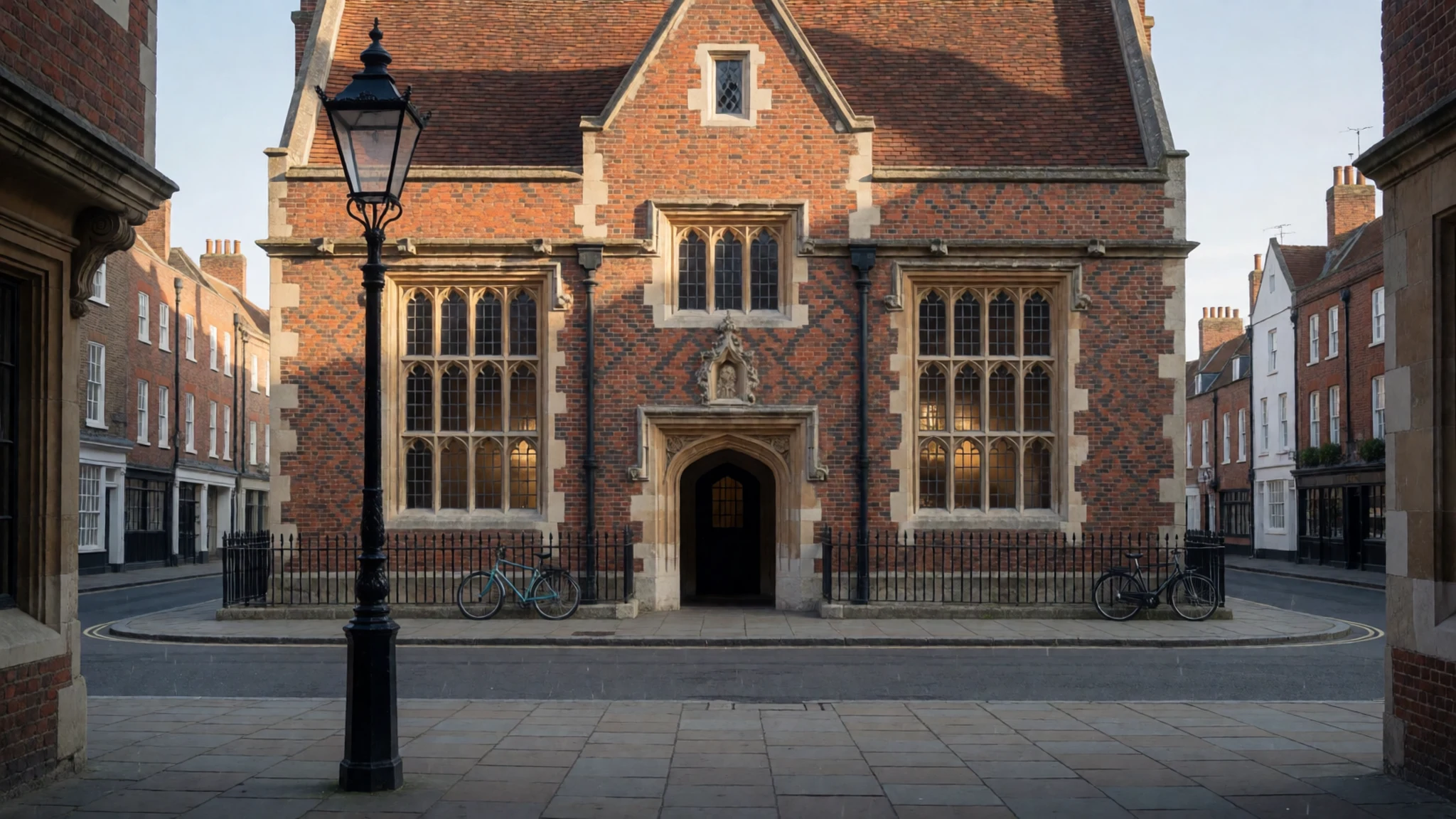
- Fairfax House — Castlegate, close to Clifford's Tower
A Georgian townhouse built as a winter home, now restored to show how a wealthy household lived. The rooms are furnished to recreate aristocratic life, and the collection gives a clear picture of eighteenth-century domestic routine. Check the official site for opening days before planning a visit, as they can vary through the year.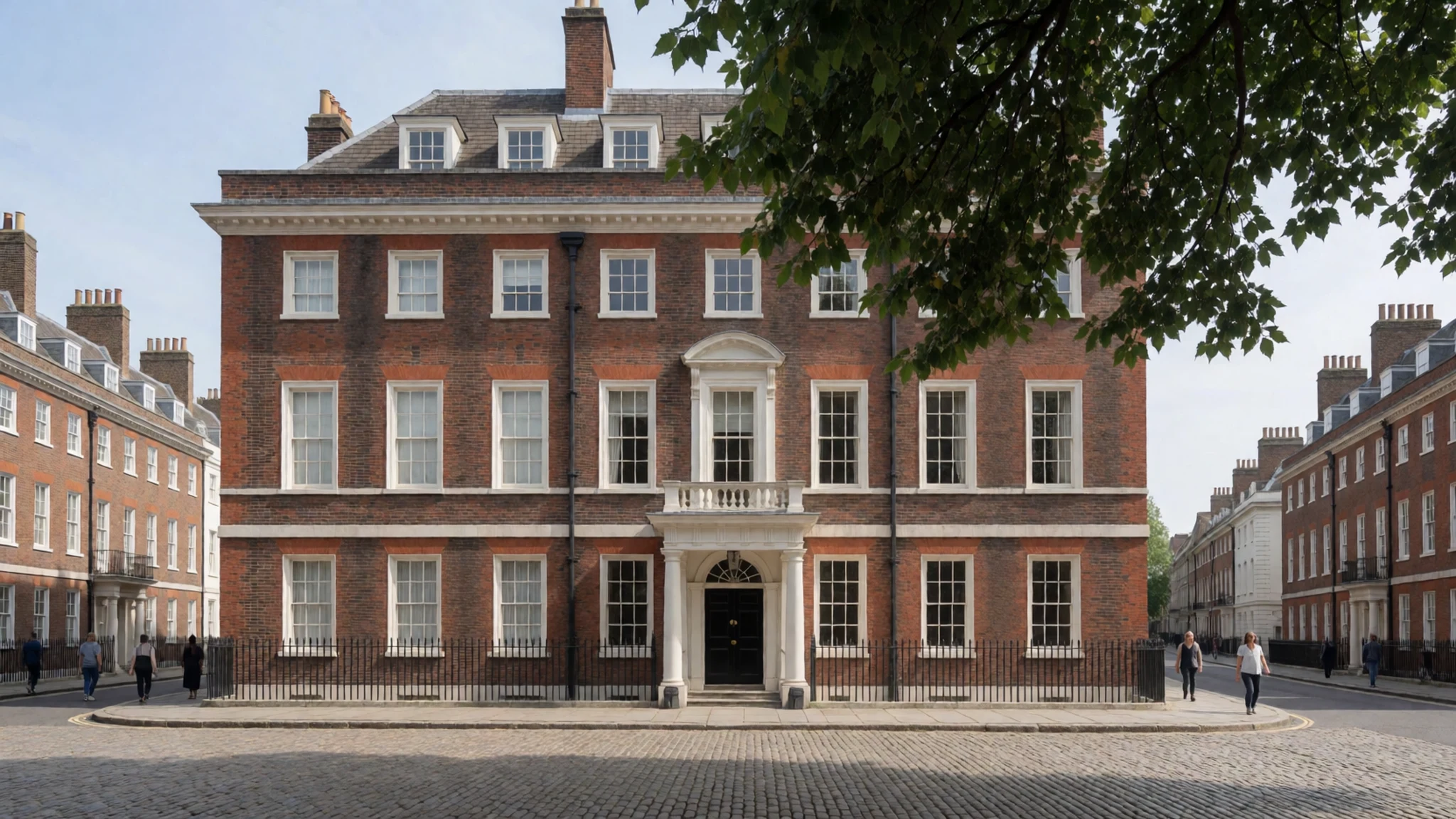
- Merchant Adventurers' Hall — Fossgate, historic centre
A remarkable timbered guild hall built by city merchants in the mid-fourteenth century. It shows how the wool trade put money into York, and the timber frame is striking from the lane outside. The building is a short walk from the Shambles and the minster, so it fits easily into a walking route through the old centre.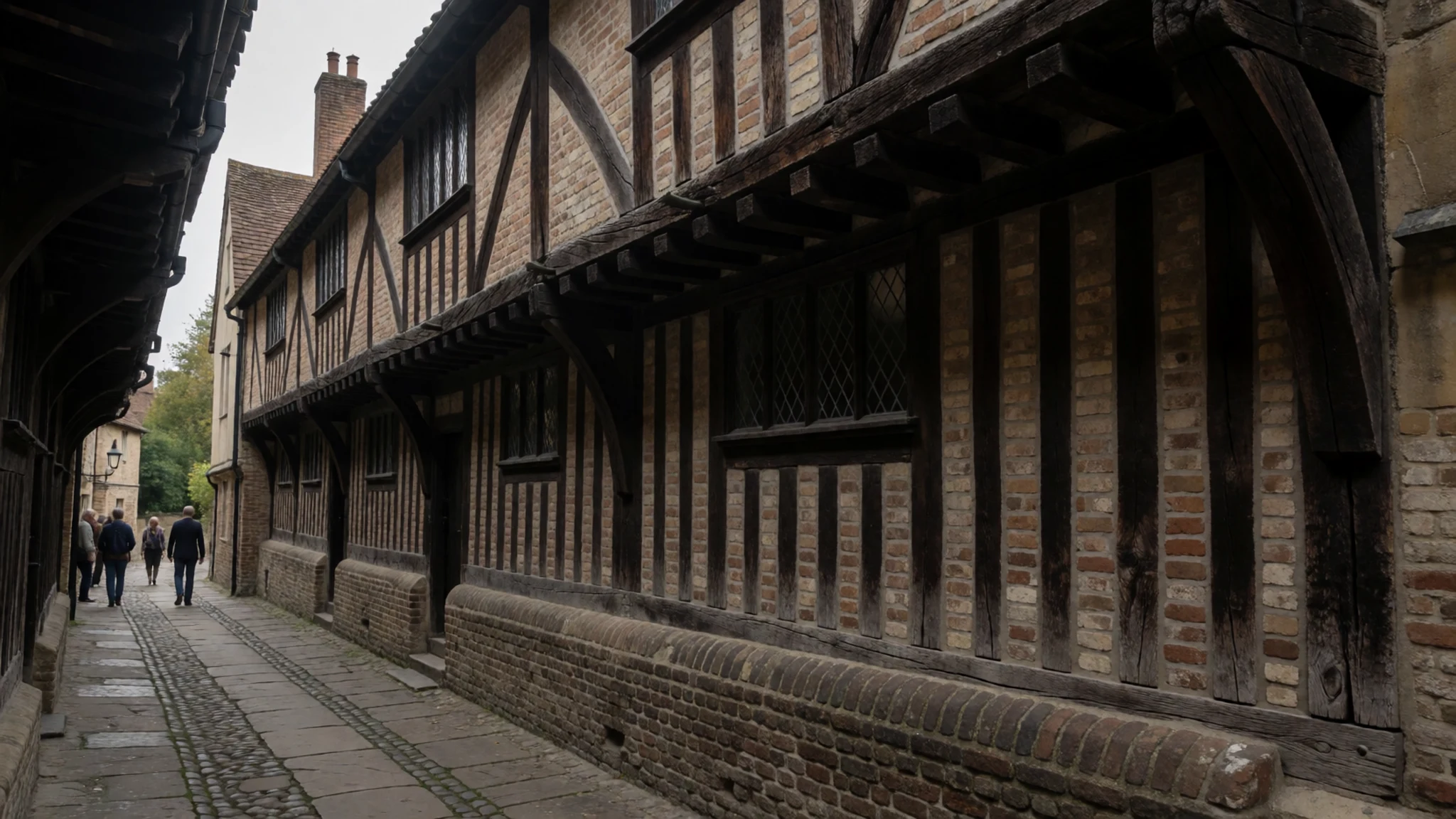
Culture
York's cultural life blends heritage with performance. The city is part of the UNESCO Creative Cities Network as a city of Media Arts, a title it gained after an earlier bid to become a World Heritage Site did not succeed. Theatre is central to local life. The Theatre Royal stages an annual pantomime that draws loyal audiences from across the country, and the Grand Opera House and Joseph Rowntree Theatre run varied productions through the year. Pantomime is a British Christmas tradition, with a male lead playing the dame and plenty of audience participation, so expect shouting and singing if you book one. The Guildhall still hosts council business, so treat it as a working building. Churches and the minster are places of worship as well as landmarks, and services and tours continue around visitors. Keep voices low inside and follow any signs about photography.
What to wear
York has no single regional costume, but its textile history runs deep. Wool cloth made the city prosperous through the Middle Ages, and the merchants and guilds who traded it shaped the buildings still visible today. Historic dress from that period survives mostly in museum collections, so the lasting tradition is the craft of cloth and tailoring rather than a costume worn on the street.
Today people in York dress for the weather more than for any tradition. On a typical day, students wear jackets and trainers, office workers dress smart casual, and visitors arrive in waterproof layers, since rain can come without warning. Shops in the centre sell wool knitwear and outdoor clothing, a practical echo of the city's textile past.
A visitor should pack for changeable weather and uneven ground. Waterproof outer layers, a warm mid-layer and a light scarf or hat cover most days. Footwear matters more than style, because the cobbles and the city walls reward shoes with good grip. For the minster and other churches, cover the shoulders and avoid beachwear or very short shorts inside sacred spaces.
What to eat
- Fish and chips — Family-run chip shops across the city centre
Battered white fish with thick chips, often served with mushy peas and vinegar, is the classic British takeaway. York has several well-regarded family-run chippies, and a portion eaten on a bench by the river makes an easy, affordable lunch.
- Yorkshire pudding with roast — Traditional pubs and carveries in the centre, especially on Sundays
A batter pudding baked in hot fat until it rises into a crisp, hollow cup. It is usually filled with gravy and served with roast beef or lamb, and it is the signature of a Sunday lunch in the county.
- Ale house food — Ale houses around Lendal and the centre, where beer and food are chosen to go together
Good ale houses pair local beer with a kitchen that cooks properly, from pies to slow-cooked stews. Choose a pub with a long menu and check the board for the day's specials. - Afternoon tea — Tearooms and hotel lounges in the historic streets near the minster
Sandwiches, scones with jam and cream, and a slice of cake, served in the afternoon. Book ahead at weekends, since the popular rooms fill quickly.
Plan it
Best time. April and May for spring weather and walking, and September and October for autumn light and somewhat fewer visitors. Summer brings the largest crowds, and winter days are short and cold.
How long. 2–3
Getting there. Manchester Airport has a direct train to York, taking about 1 hour 50 minutes. Leeds Bradford Airport is the closest airport to York by road, and the city is easy to reach from there by car.
Budget. mid
Tips
- Check the official site for current opening times at the minster, the castle and the Guildhall before you go
- Walk the city walls early in the morning, before the day crowds arrive
- Carry a waterproof, because the weather can change quickly above the rooftops
- Cards are widely accepted, but keep some cash for small cafés and market stalls
- Wear shoes with good grip for the cobbled lanes
Etiquette
- Keep voices low and follow photography signs inside the minster, where services may be taking place
- Step aside on the narrow pavements and the walls, and keep bikes and pushchairs clear of the tightest lanes
- Ask before photographing people at close range in the market areas
Nearby
Sources
- Wikidata Q42462 (CC0)
- Wikipedia: York (rev 1382691158) (CC BY-SA 4.0)
- Wikivoyage: York (rev 5393394) (CC BY-SA 4.0)
- York Minster in 2013, FEGreene (CC0 1.0)
- York - Clifford's Tower - 2, Benjamin Smith (CC BY-SA 1.0)
- Guildhall Annex, Municipal Offices and Guildhall, Ian Capper (CC BY-SA 2.0)
- Constantine the Great Statue in York, Carole Raddato (CC BY-SA 2.0)
- Steps on path, City Walls, JThomas (CC BY-SA 2.0)
- Shambles shopper, Peter K Burian (CC BY-SA 4.0)
- York - Remains of St Mary's Abbey church - 3, Benjamin Smith (CC BY-SA 1.0)
- York - River Ouse - 1, Benjamin Smith (CC BY-SA 1.0)


