Yasuni National Park
Yasuni National Park, Ecuador
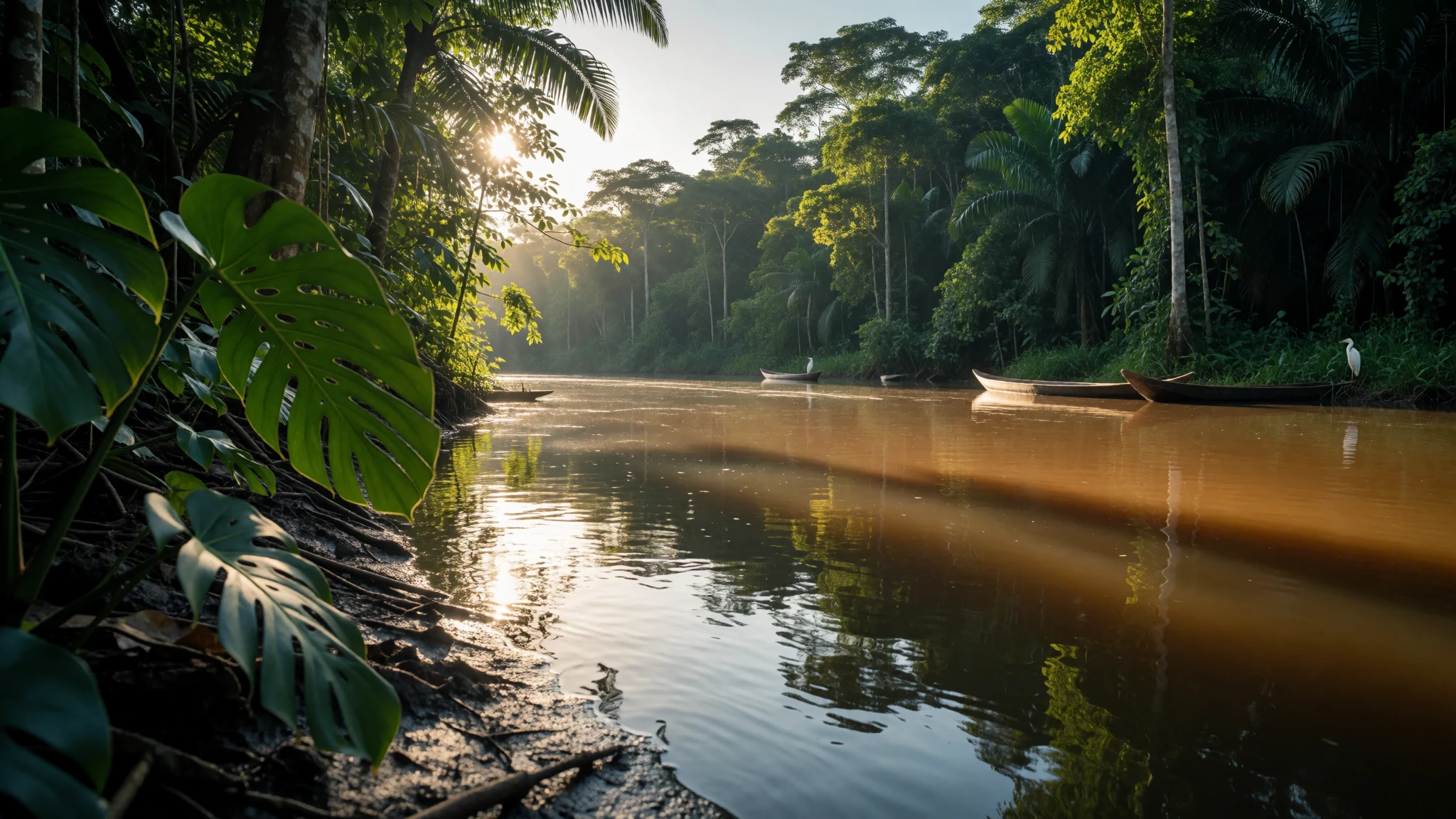
Yasuni is deep Amazon country where rivers, rainforest canopy towers, and clay licks make wildlife viewing feel immersive rather than tidy.
The place
Yasuni National Park (Parque Nacional Yasuní) sits in Amazonian Ecuador between the Napo and Curaray Rivers, with large stretches of rainforest and many river channels that feed into the Amazon system. The park sits low enough that life revolves around water: slow, murky waterways (including “igapós” linked to blackwater rivers) carry tannins, shape the vegetation, and create edges where animals come and go.
Geographically, the area is associated with the Napo moist forests, and on the ground the ecosystem shows up as dense green, constant shade, and humid air that clings to everything. Travel routes inside the park often mean using the riverways as practical transport, so the rhythm of a day is frequently canoe-led rather than road-led.
Yasuni also has a bigger story than scenery. The park lies within the ancestral territory of the Huaorani people and is connected to Indigenous communities living alongside the forest. It is also home to two uncontacted indigenous groups, Tagaeri and Taromenane. That human dimension matters because Yasuni is the sort of place where conservation conversations are not abstract: there has been long-running conflict between environmental aims and oil development interests.
Culturally and biologically, it’s a place built from movement—birds and monkeys shifting through the canopy, animals approaching river edges, and occasional congregations at clay licks—so visits tend to feel like watching processes rather than just ticking off views.
Its story
A visit to Yasuni usually starts with the realisation that this isn’t a “park with paths” in the everyday sense. The terrain is rainforest and river network, and getting around is less about footsteps and more about logistics—getting the right guide, the right timing, and the right kind of patience for humidity and thick vegetation.
Once afloat, the landscape changes by small degrees: the river colour, the density of palms and water-edge plants, and the way the canopy opens and closes with each bend. On calmer stretches, wildlife seems to arrive as if on cue: movement on the waterline, calls from above, and the occasional sighting that only happens when the group pauses long enough to let the forest reset.
Yasuni’s reputation often leans heavily on wildlife, but the other layer is history and land rights. The park sits in Indigenous territory and includes relationships shaped by centuries of living with the forest’s cycles. At the same time, oil development has shaped the politics around conservation, including initiatives launched to protect biodiversity and debates that have continued into recent years.
That tension influences how many trips are run: guides stress safety, respect, and responsible viewing; lodges and tour operators lean into community involvement and guided interpretation. In practice, the “story” of Yasuni is the blend—of rainforest time, river travel, and the understanding that nature here is inseparable from people and decisions.
What to see
- Clay licks
Clay licks in Yasuni are exposed mineral-rich deposits on eroded river bends where birds gather in numbers, especially macaws and other parrots. The appeal is in timing: watch for activity around the clay as daylight brightens, and scan quietly for wing flashes and sudden landings along the edges.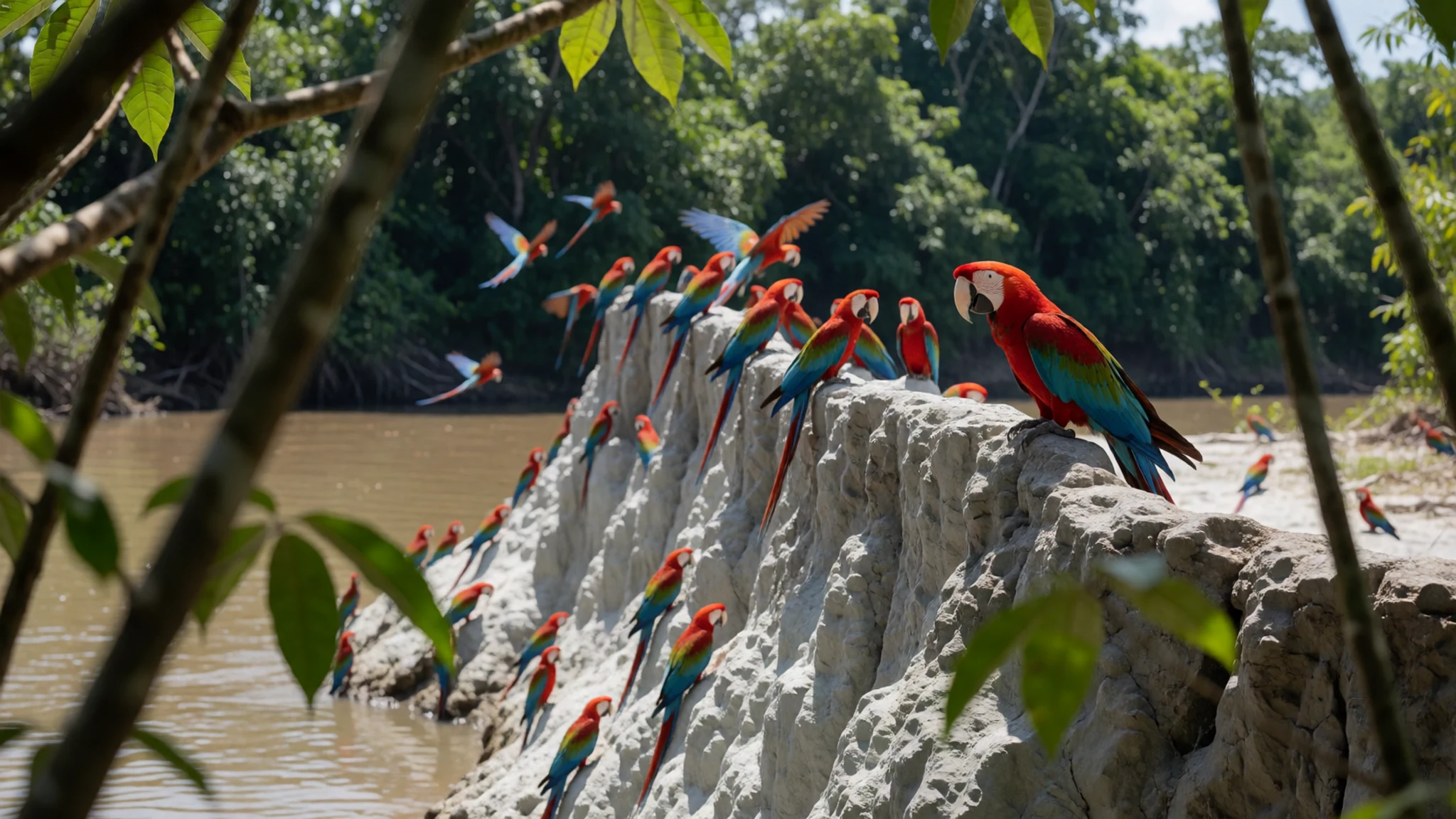
- Birdwatching towers
Birdwatching towers rise above the rainforest canopy with platforms designed for a wide “birds-eye” view. Guides from lodges typically take groups to these viewpoints to help identify quick, skittish birds that are hard to pick out from ground level. The best results come when the group stays still and listens for movement.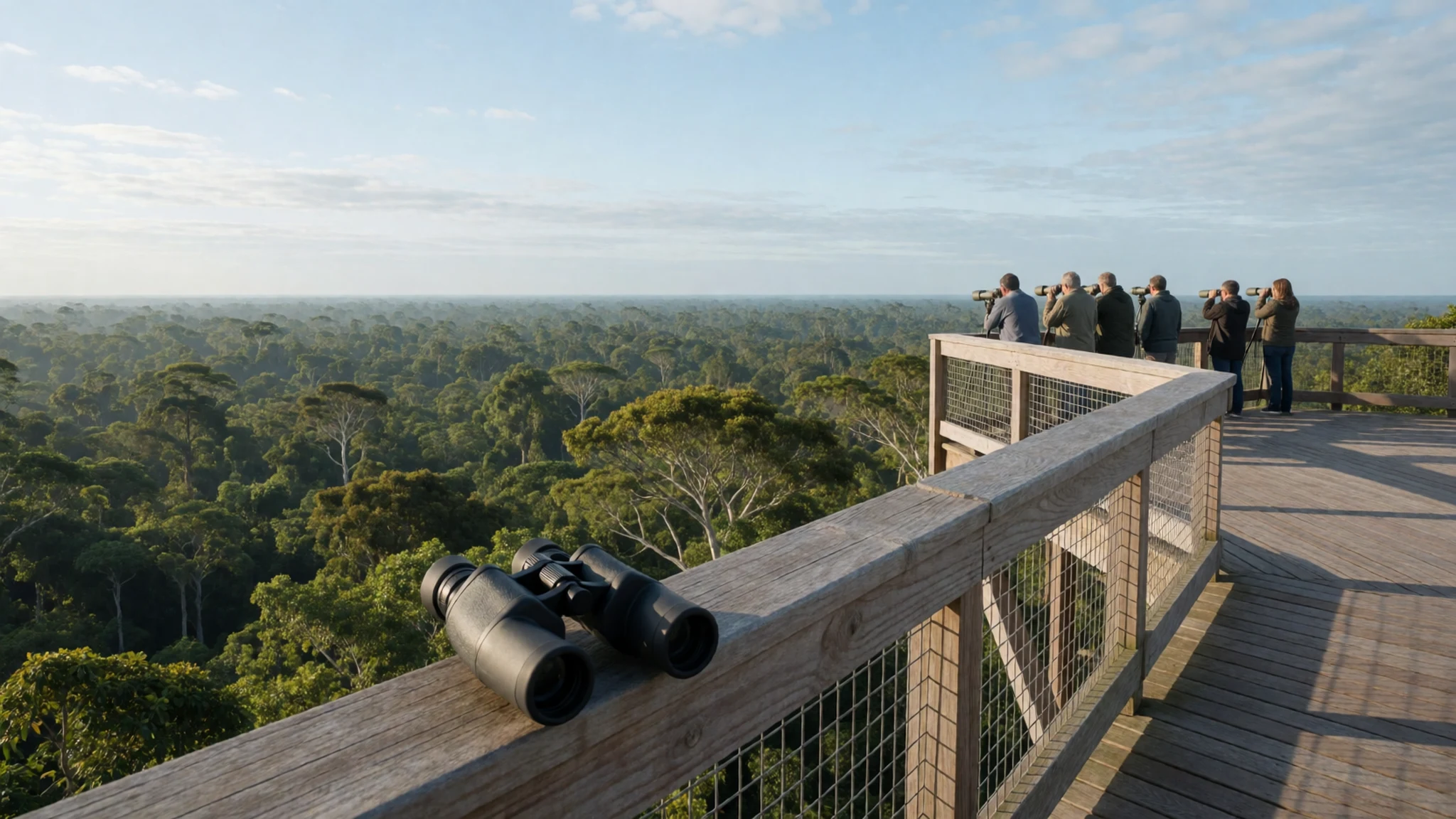
- Night walks
Night walks, offered by many lodges, put visitors back into the rainforest after dark. The aim is different: spotting nocturnal wildlife that is quiet or hidden by day. Expect a strong soundscape—calls, rustling, and the feeling that the forest is active on its own schedule.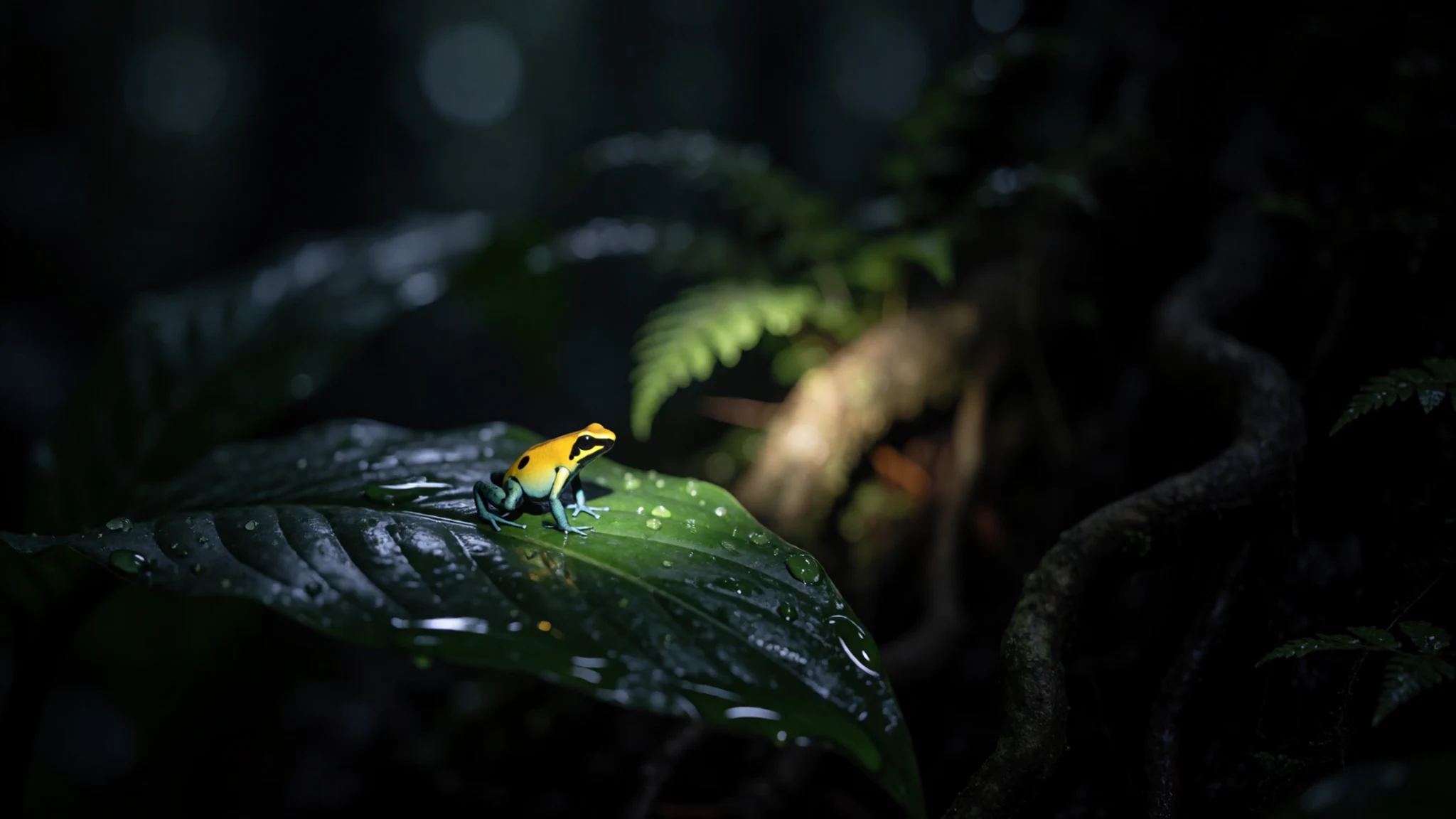
- Indigenous village visit
A day trip to jungle villages where Kichwa or Huaorani communities live offers a look at daily routines shaped by the forest. The experience usually includes time with local community life and often an indigenous-style lunch served during the visit, guided by cultural context rather than “show” activities.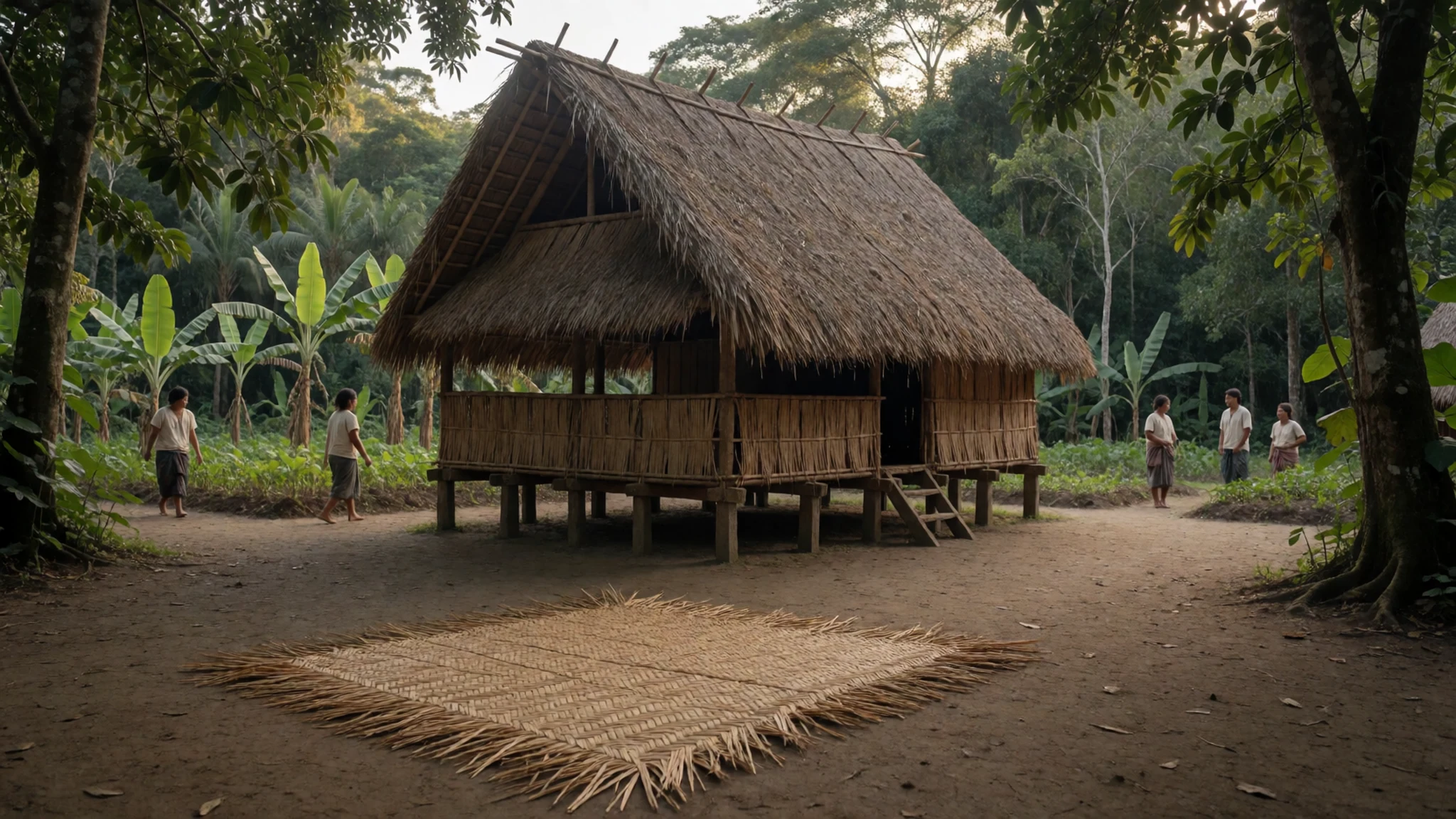
- Kayak on murky rivers
Kayaking on Yasuni’s brown, tea-coloured waterways is one of the more hands-on ways to see river life. Slow paddling helps track monkeys moving overhead, animals visiting the banks, and the chance of seeing caimans or crocodiles resting low in the water, especially when the boat drifts quietly.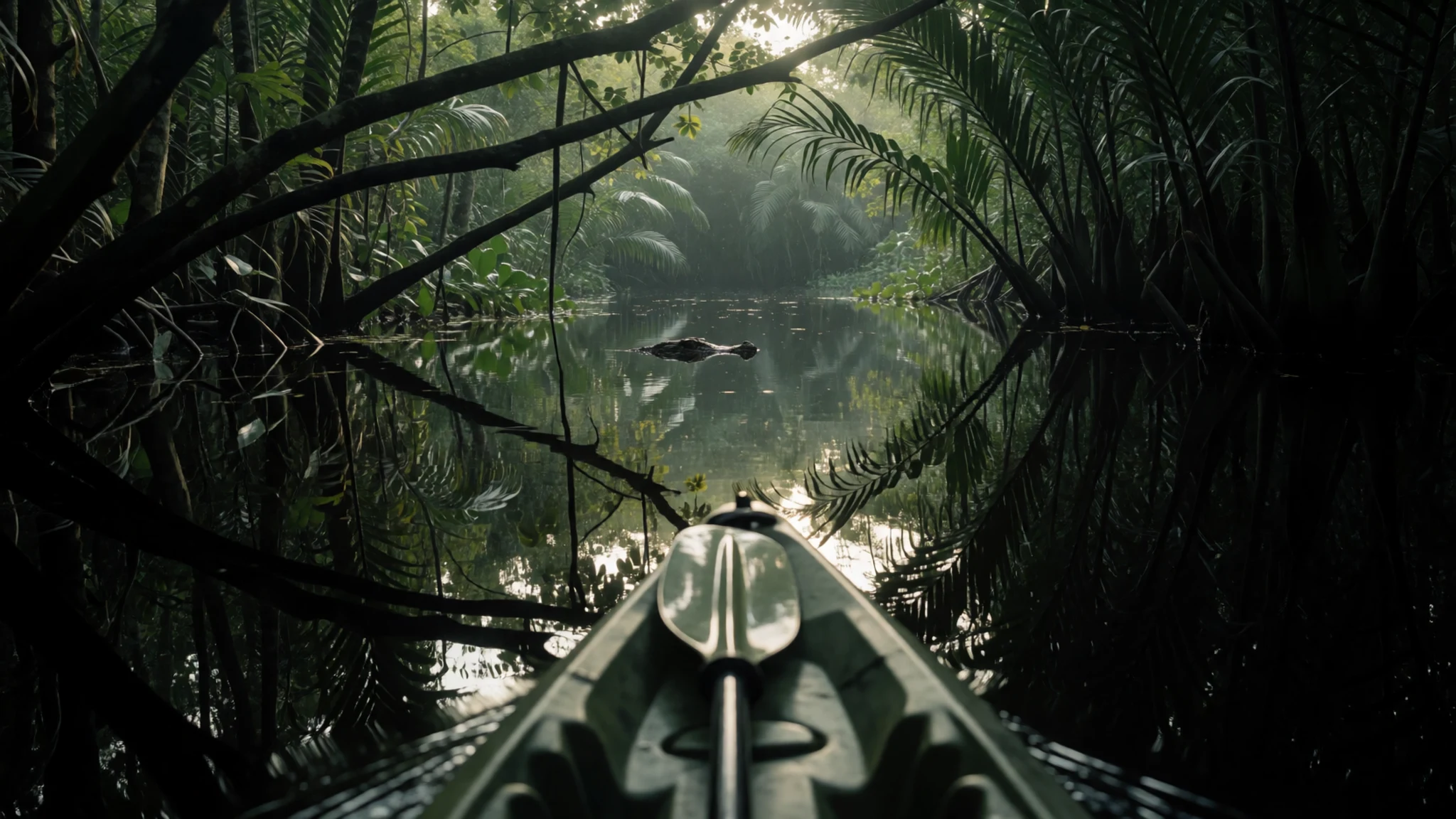
Culture
Yasuni National Park sits within the ancestral territory of the Huaorani people, and the landscape is lived-in, not only “visited”. That matters for how a trip should feel: community relationships, river routes, and knowledge of the forest all shape what’s possible and how activities are explained. Some areas are also associated with two uncontacted indigenous groups, the Tagaeri and the Taromenane, which is a powerful reminder that the park includes fragile boundaries between daily life and strict limits on contact.
In practice, many visitors come through lodge-based programmes where guides interpret the ecosystem and support wildlife viewing responsibly. Village visits can be a way to understand cultural routines and local perspectives on living with the rainforest, rather than treating the forest as a backdrop.
The politics around oil extraction and conservation have also influenced attitudes on the ground, so ethical travel is part of the experience, not an extra. Tours often emphasise preparation, local knowledge, and respect for Indigenous territory.
Visitor etiquette: follow your guide’s instructions on where to go, keep a respectful distance from Indigenous areas and wildlife, and avoid touching anything that looks natural or sacred.
What to wear
In Yasuni, clothing is mainly about dealing with rainforest humidity, insects, and occasional cold drafts under river canopy. Traditional dress varies by community, but in this region the everyday textile context includes locally made clothing and items suited to forest life.
What visitors actually wear today tends to be practical: breathable long-sleeve tops and long trousers for bug protection, plus a brimmed hat for sun exposure in cleared patches. Closed footwear is usually the right default because river-edge paths can be muddy and uneven.
For a visitor’s wardrobe, prioritise layered, insect-friendly coverage: long sleeves, trousers, and a hat that stays put during canoe movement. Many people also pack a light rain layer, since the rainforest makes wet conditions feel constant. If a plan includes village visits or guided walking, modest, non-flashy clothing helps keep the tone respectful, while sturdy shoes handle the real ground conditions better than sandals.
If budget allows, consider insect-repellent clothing or treated fabrics, but even then, bring what’s comfortable for hours in warm, damp air.
What to eat
- Indigenous-style jungle lunch (Kichwa or Huaorani) — Kichwa or Huaorani villages on guided day trips
On village-day trips around Yasuni, a typical indigenous lunch is served during the visit. Expect simple, filling food tied to local routines, often eaten in community spaces as part of the day’s cultural context.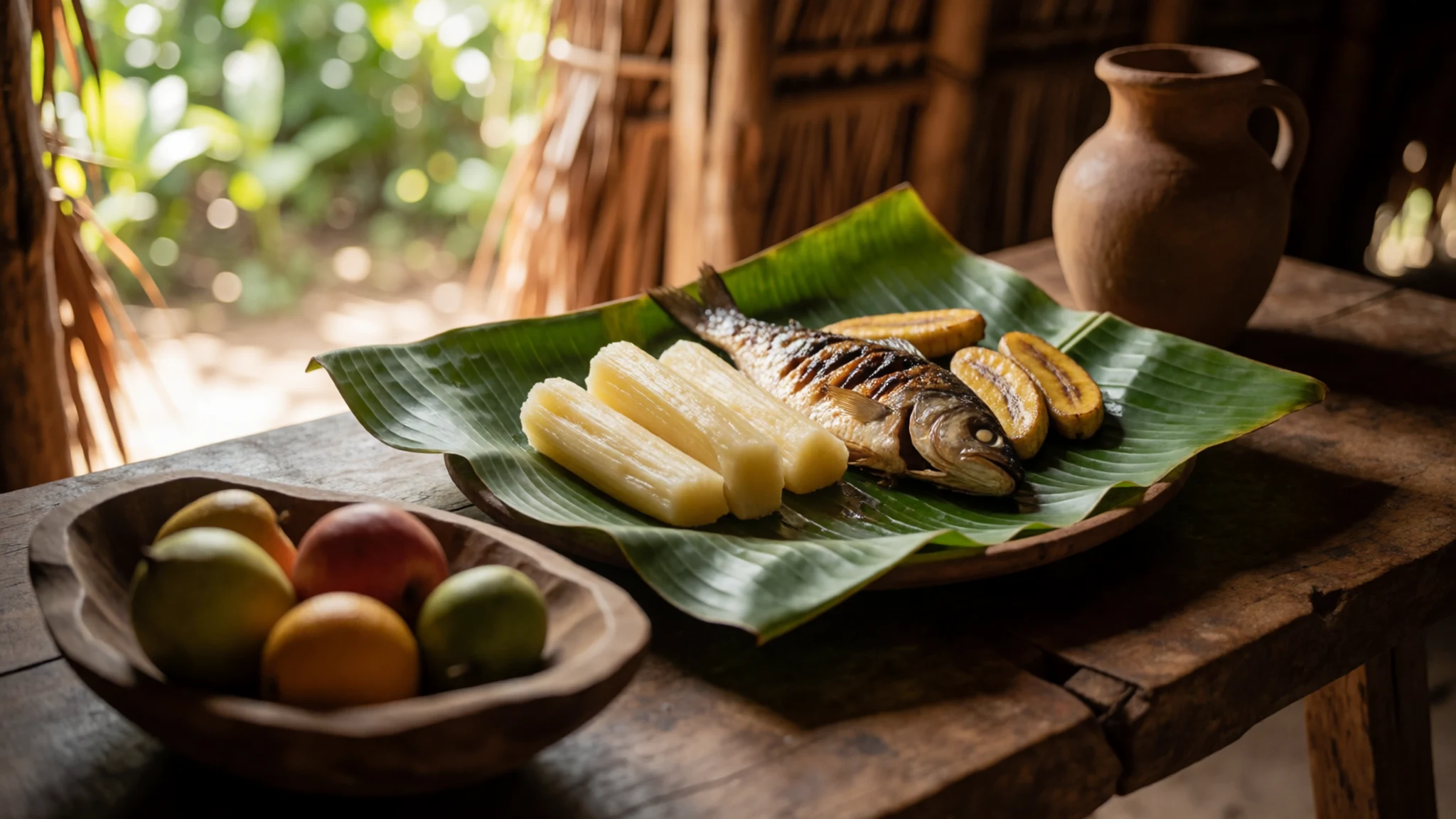
- Lodge-centre meals — On-site at lodges linked to park activities
Most time inside the park is structured around lodge programmes, so meals usually come from the lodging centre. This is where ingredients are prepared for groups arriving after canoe travel and rainforest walks.
- Packable snacks for river and canopy tours — During guided excursions arranged by lodges
Between clay-lick sessions, tower visits, and night walks, day trips commonly rely on snackable foods to keep energy steady during long waits and quiet observation. Think portable bites rather than full “restaurant” meals. - Beverages at lodging centres — Lodging centres in and around the park
While trekking in the rainforest, carrying plenty of water matters, and drinking options are generally tied to what the lodge or guides provide. Alcoholic drinks are served at lodging centres within the park.
Plan it
Best time. April and September to November tend to feel most comfortable, with lower average rain and slightly cooler temperatures than the wettest months. The wettest stretch runs from about March through May, when daily rainfall is highest, so expect more downpours and slippery conditions then.
How long. 3–4
Getting there. Fly to El Coca (OCC) from Quito, then use a motorised river canoe to reach the park entrance (about 3 to 4 hours).
Budget. mid
Tips
- Choose a local guide early and build the itinerary around river travel timing
- Plan for hydration: carry water for the trek segments and rely on potable water provided by the lodge or guides
- For wildlife viewing, keep noise down and let the forest settle before scanning
- Pack insect repellent containing DEET and long-sleeve protection for night walks
- Ask about day trips versus multi-day programmes before committing, since activities depend on where the group is based
Etiquette
- Use only potable water provided by your lodge or guides; avoid natural sources during treks
- Stay on guided routes and do not pick up or touch potentially dangerous animals
- Follow local guidance around Indigenous village visits and keep respectful distance
Nearby
Sources
- Wikidata Q1641326 (CC0)
- Wikipedia (rev 1378937206) (CC BY-SA 4.0)
- Wikivoyage (rev 5414491) (CC BY-SA 4.0)
- Photo photos/01-napo-wildlife-center-ecolodge.jpg (CC BY 3.0)
- Photo photos/02-amazon-a-ecuador.jpg (CC BY-SA 4.0)
- Photo photos/03-napo-wildlife-center.jpg (CC BY-SA 4.0)
- Photo photos/04-estacion-cientifica-yasuni-ecy-yasuni-research-station.jpg (CC BY-SA 4.0)
- Photo photos/05-pithecia-napensis-2.jpg (CC BY-SA 2.0)
- Photo photos/06-yasuni-caiman.jpg (CC BY-SA 4.0)
- Photo photos/07-salt-lick.jpg (CC BY-SA 4.0)
- Photo photos/08-many-parrots-anangu-yasuni-national-park-ecuador-clay-lick-8.jpg (CC BY 2.5)


