wooden churches of Maramureș
wooden churches of Maramureș, Romania
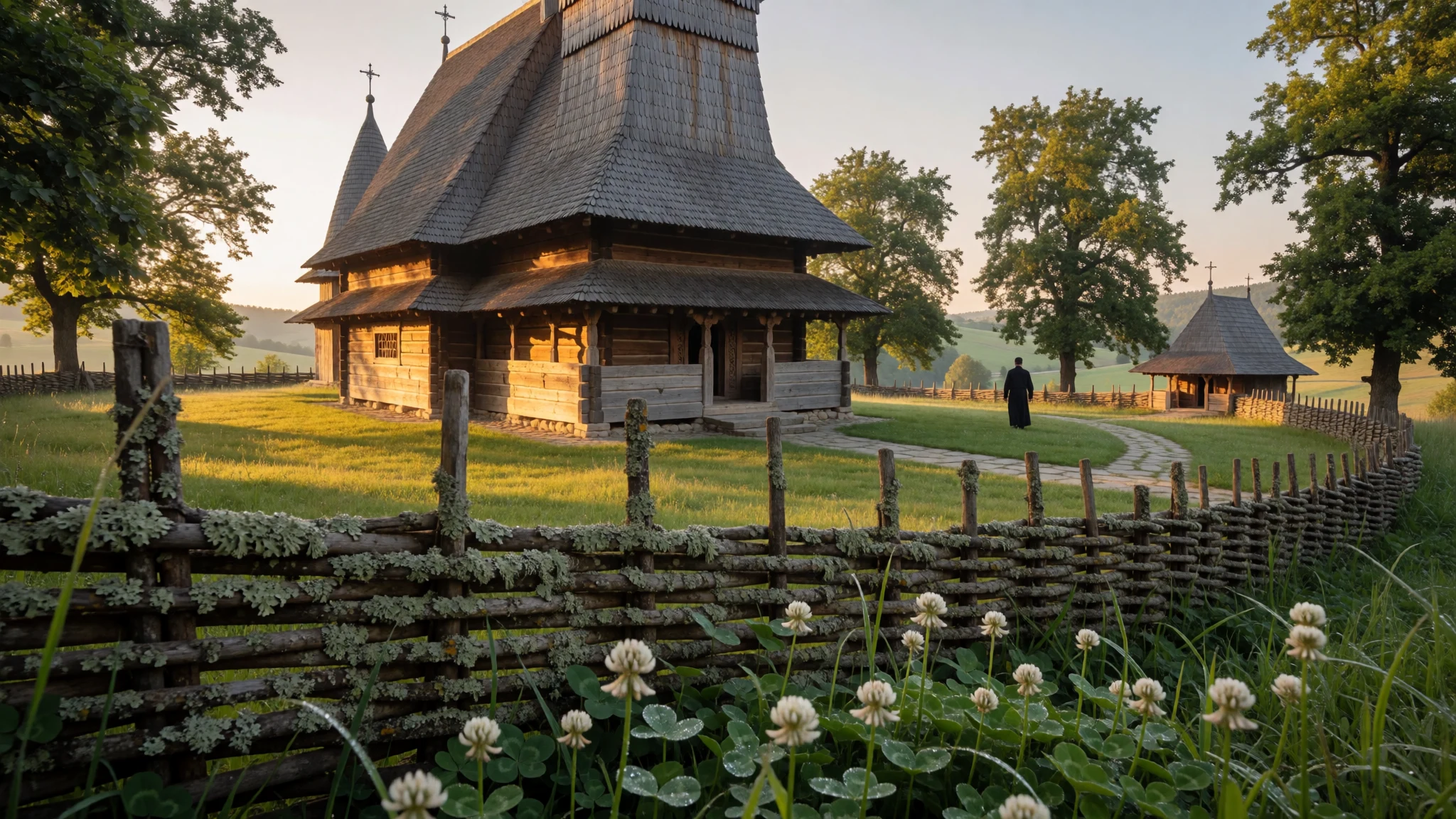
Go to see Maramureș’s Orthodox wooden churches—tall, timber-built landmarks shaped by local craft and centuries of circumstance.
The place
The wooden churches of Maramureș sit in northern Transylvania, in the mountainous Maramureș region, close to the Ukrainian border. This isn’t a single site: it’s a collection of roughly one hundred Orthodox churches (and sometimes Greek-Catholic ones) scattered through villages and valleys. What links them is a shared vernacular logic—high timber construction, log craftsmanship, and that instantly recognisable silhouette: a tall, slim bell tower at the western end of the church, plus a massive roof that can make the whole building look top-heavy.
Most of the churches that still stand were built from the 17th century into the 19th century, with some raised on older foundations. The architecture varies by period and area, but the pattern of thick logs is consistent, and the interiors can feel dark and intimate—like you’ve stepped inside a centuries-old workshop as much as a place of worship. Many churches have painted Biblical scenes in a straightforward, local style, often made by regional painters.
Maramureș is also known for living traditions: well-preserved wooden villages, a traditional lifestyle, and colourful local dress that can still be seen in everyday life. The churches are part of that cultural landscape, so the experience is best when you travel slowly—between church visits, you’ll pass wooden houses, village lanes, and mountain-backed views that make the buildings feel rooted rather than staged.
Eight of these churches are recognised as UNESCO World Heritage Sites (Bârsana, Budești, Desești, Ieud, Plopiș, Poienile Izei, Rogoz, and Șurdești), but even beyond the UNESCO set, the overall “wood-and-roof” character of the region is the real draw.
Its story
In Maramureș, wooden churches tell a practical story as much as a religious one. Local builders used thick logs and refined joinery to create tall timber structures with prominent bell towers—an approach that suited mountain access and the materials the region had in abundance. Over time, the churches also became a canvas for local painted Biblical scenes, giving each village a slightly different personality while keeping the same overall architectural rhythm.
A key chapter in the story is historical pressure. When the Austro-Hungarian authorities prohibited the construction of stone Orthodox churches, wooden building became a way to keep worship alive. The result was a wave of church-building that spans from the 17th century through the 19th century. Some churches were erected on older sites, so the landscape quietly preserves layers of earlier communities.
The shape of these churches reflects both design and environment. The tall, slim western tower acts like a vertical marker across valleys, while the heavy roof reads as protection against winter weather and persistent rain. In a place where a journey can be long and roads can be variable, the church often functions like an anchor point in daily life—something you can reach, return to, and see from far away.
Today, UNESCO recognition highlights eight specific examples, but the wider region is where the context clicks. Maramureș is known for traditions that continued without a full break, so the churches feel less like isolated monuments and more like part of a continuous wooden culture—living villages around them, local dress, and a landscape that still resembles the setting these churches were built for.
What to see
- Sârbi Susani church (Sârbi, near the UNESCO cluster) — Maramureș villages near Sighetu Marmației
Look for the tall, slim bell tower at the western end and the way the roof seems to dominate the building’s shape. Even when the interior feels dim, the timber structure is easy to read—logs, joints, and painted details that catch the eye as your eyes adjust.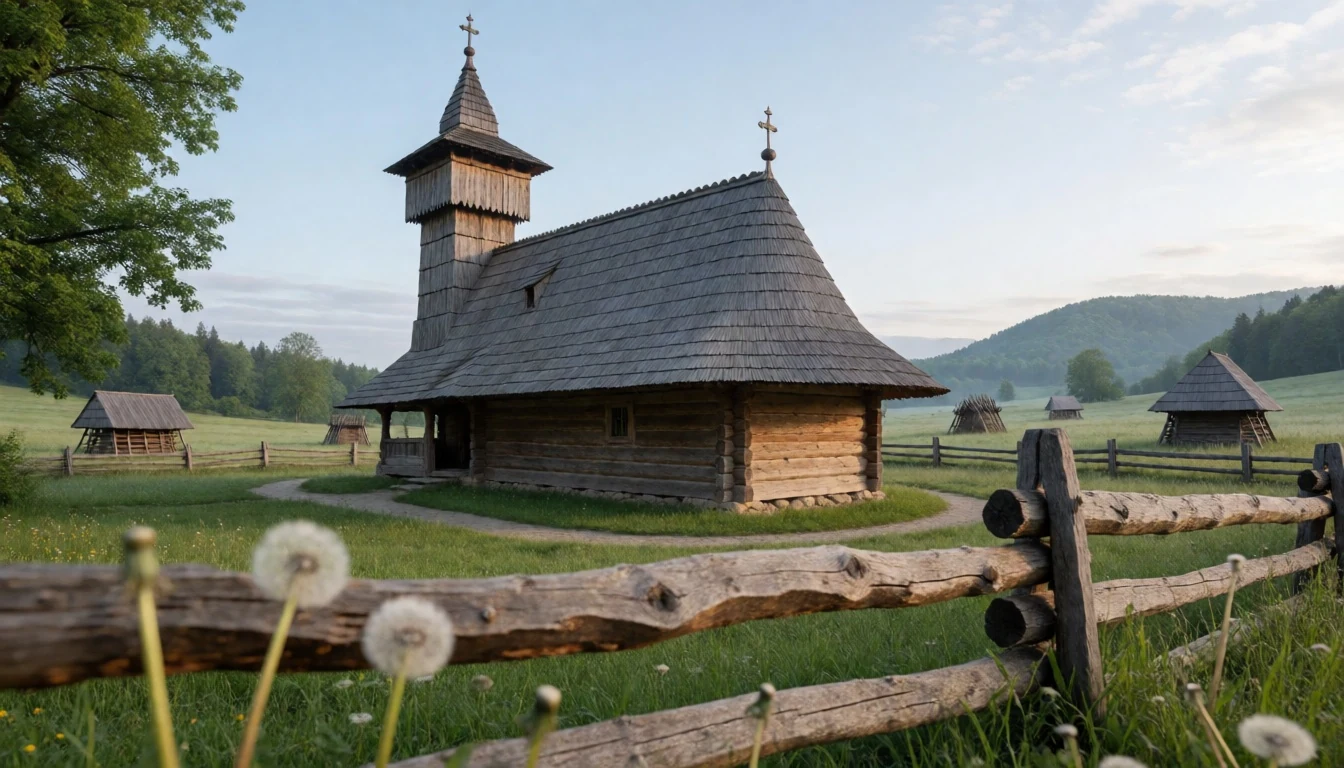
- Bârsana Wooden Church (Church of the Presentation of the Virgin in the Temple) — Bârsana near Sighetu Marmației
Bârsana’s wooden church is one of the better-known UNESCO examples in the wider Maramureș group. Expect a classic Maramureș profile: log walls, a tall entrance area marked by the western tower, and a roofline that feels oversized. Photograph from village lanes if roads are busy.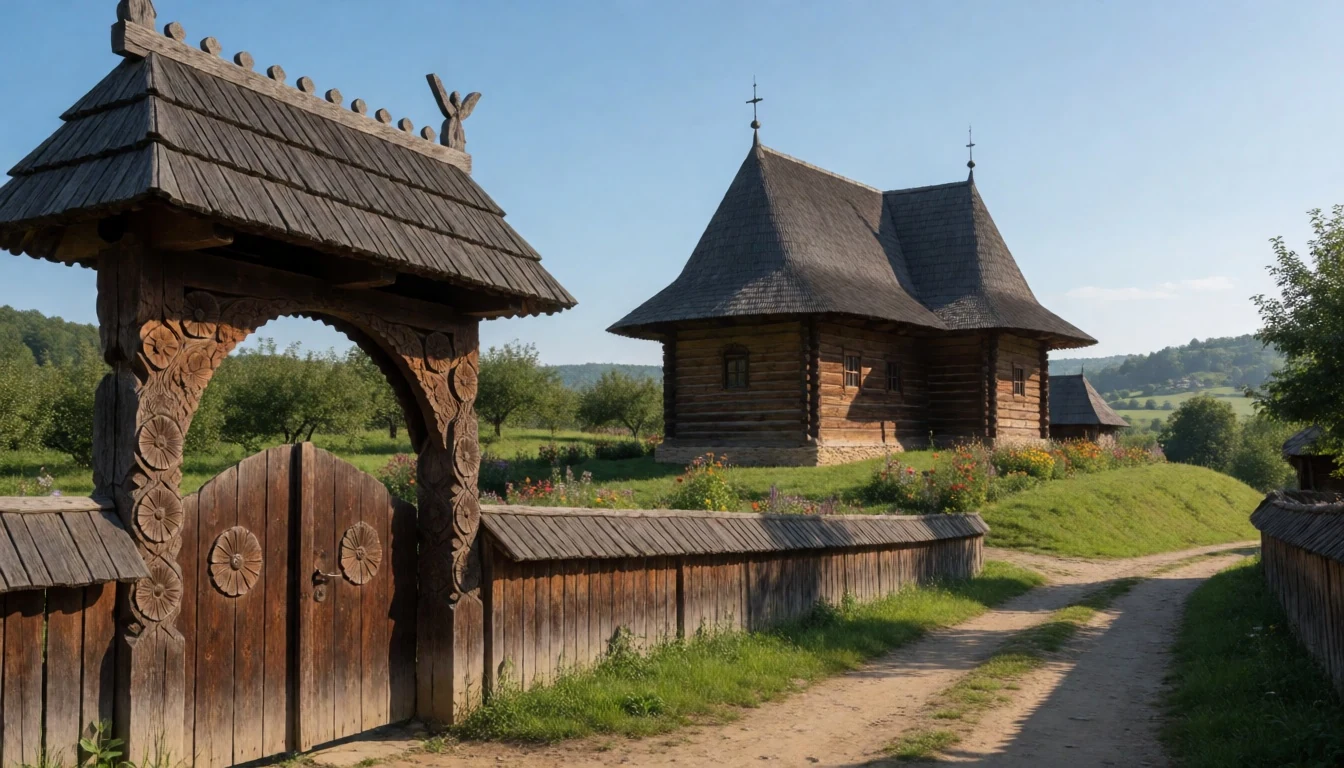
- Desești — Saint Parascheva Church — Desești near Breb
Desești gives you a clean example of how UNESCO-listed churches blend religious function with vernacular carpentry. From outside, focus on the proportions between the bell tower and the main body. Inside, give time for the painted Biblical scenes to emerge in the dimmer light.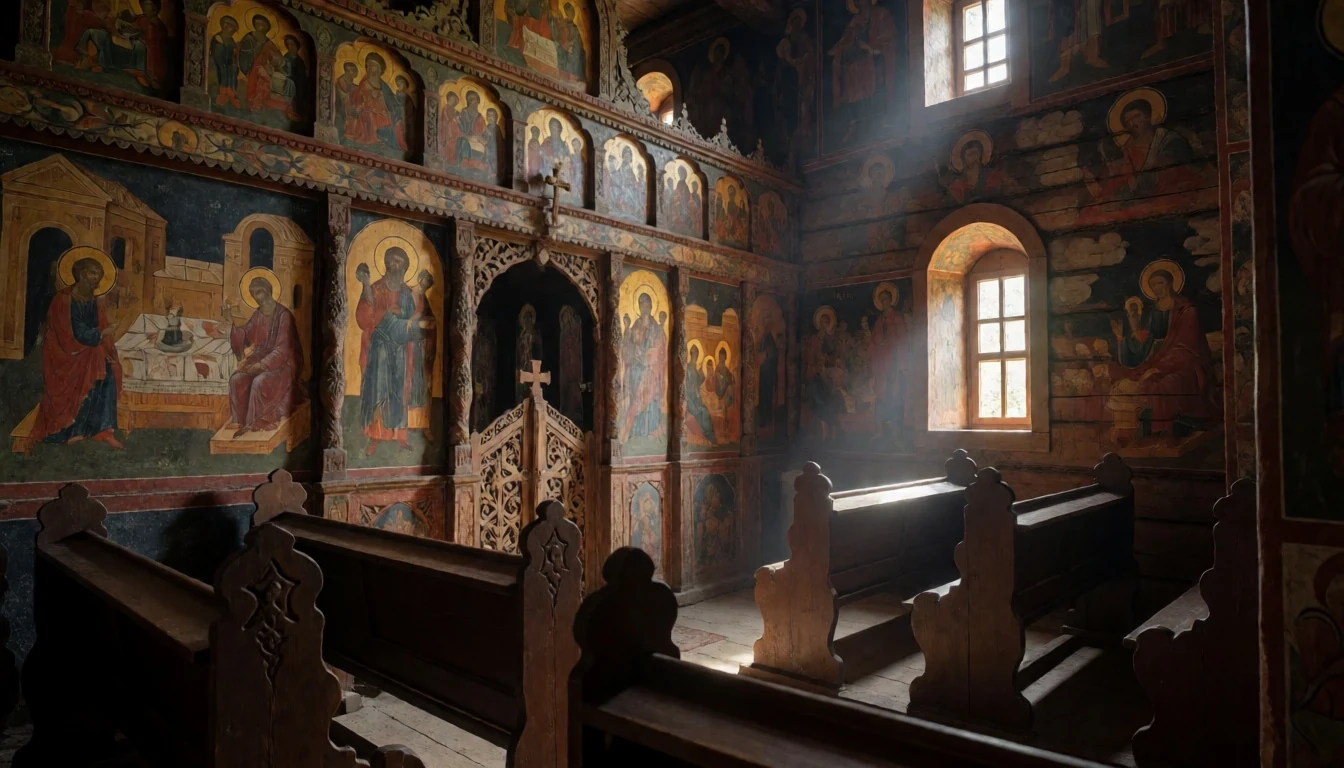
- Poienile Izei — Saint Parascheva Church — Poienile Izei near Ieud
Poienile Izei is about the same church “type” as other UNESCO sites, but the setting and surrounding village lanes change the feel. Watch how the roof mass frames the timber body, and how the tower acts like a landmark. Plan for slow walking—terrain can be uneven.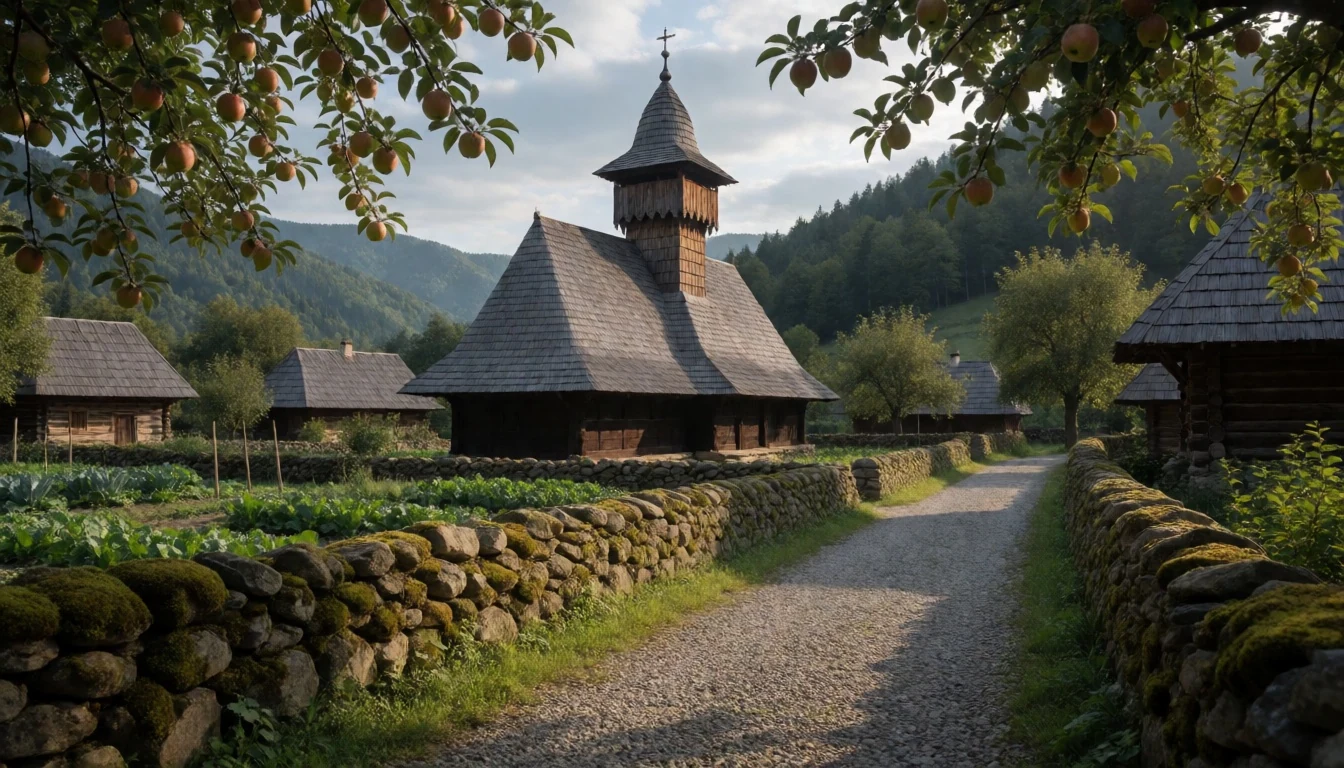
- Rogoz — Church of the Holy Archangels — Rogoz near Târgu Lăpuș
In Rogoz, the timber church’s silhouette stands out against the valley landscape, with the signature western tower drawing your attention first. If you visit on a weekday, you’ll get more time to see the textures of the logs and any painted interior details without constant foot traffic.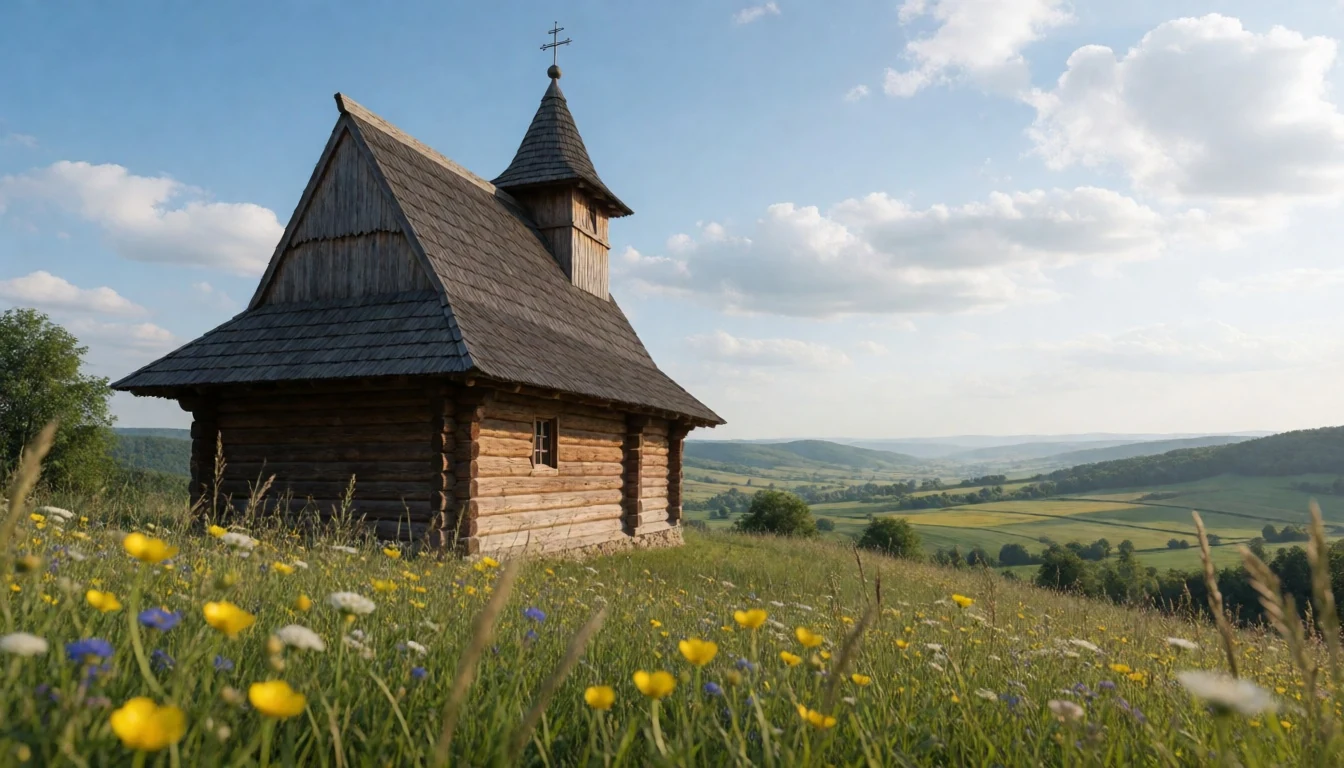
Culture
Wooden churches of Maramureș are Orthodox (and occasionally Greek-Catholic) worship spaces, so the “what to do” is simple: treat visits like you would any church. The wooden interiors can be quiet and dim, and the painted Biblical scenes tend to reward patience—arrive early if you want space to look, or expect more movement at peak daytime hours.
Because many churches sit inside working villages, your approach matters. Keep voices low, avoid blocking doorways (especially near the western entrance where the tower and entry space draw people through), and don’t rush photos—tripods and big bursts of flash aren’t necessary in a space where light is part of the experience.
If you’re visiting the UNESCO-listed churches (Bârsana, Budești, Desești, Ieud, Plopiș, Poienile Izei, Rogoz, Șurdești), you may find interpretive panels, but the real context is in the immediate surroundings: wooden houses, village lanes, and daily life continuing around the church.
Visitor etiquette: remove hats, keep your voice down, dress modestly, and avoid photographing people inside without permission.
What to wear
In Maramureș, traditional dress is part of local identity, though what people wear daily varies by village and season. Traditional outfits often feature richly decorated textiles—woven skirts or embroidered garments, with patterns and colours that stand out against the wooden village backdrop. You may also see head coverings and belts or sashes used to complete the look, along with more formal clothing that locals reserve for events.
For visitors today, the most practical wardrobe is simple: layers, because mountain weather can shift quickly. Church visits usually call for modesty—cover shoulders and choose clothing that doesn’t feel too revealing. Closed shoes matter; paths to churches and around villages can be uneven, and wooden thresholds plus gravel lanes don’t work well with flimsy footwear.
A safe “tour + village + church” outfit is a comfortable long-sleeve top or light jacket, long trousers or a mid-length skirt, and walking shoes. In cooler months (spring and autumn), add a warmer layer; in wetter periods, keep something windproof or rain-ready. If you plan to linger for photos inside dim wooden spaces, bring something easy to move in so you can slow down and look properly.
What to eat
- Horinca — Across Maramureș, especially at local eateries and home-style tastings
A strong fruit spirit from the region, often described as a double-distilled brandy. It’s commonly available across Maramureș, and you’ll typically encounter it through local households or regional places that serve traditional drinks.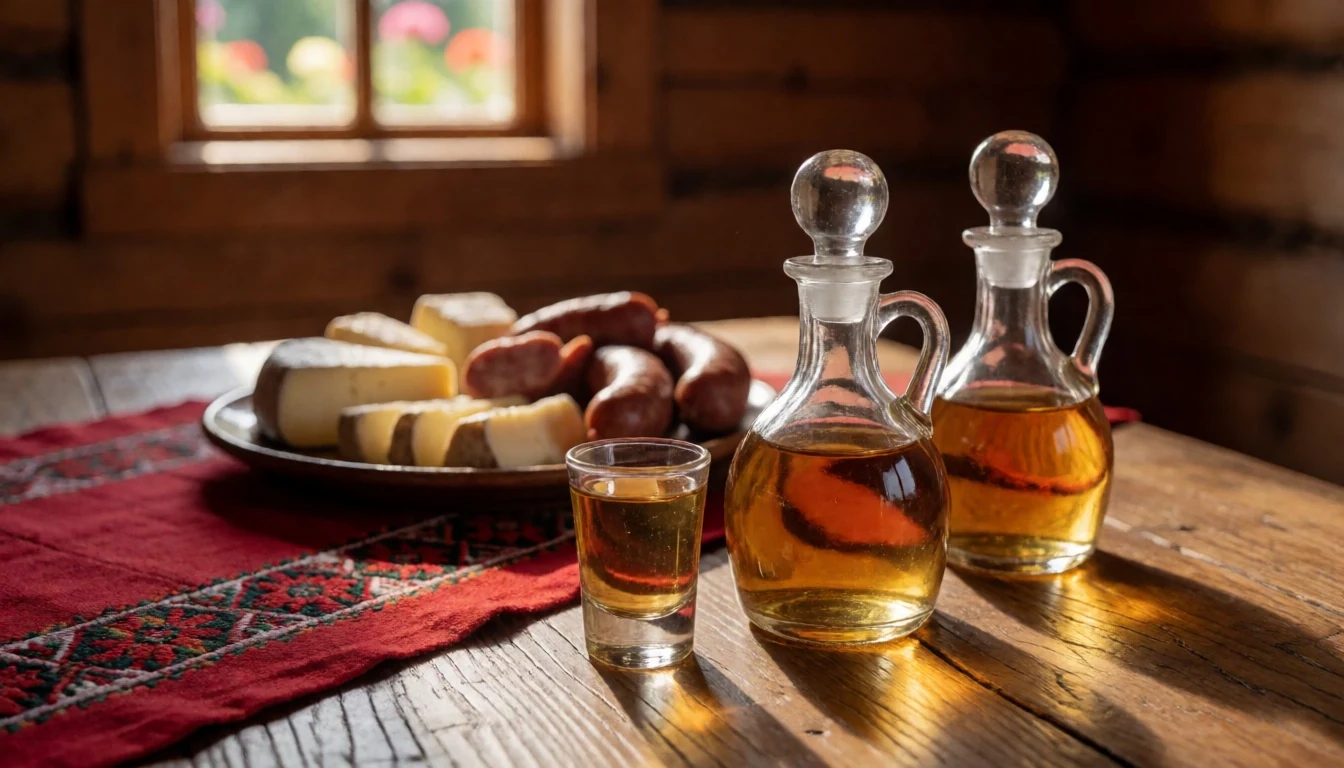
- Ţuică (local plum brandy) — Village restaurants and drink stops throughout Maramureș
Maramureș also has Ţuică, another strong distilled fruit spirit closely tied to regional drinking culture. Look for it alongside other regional spirits when you stop for lunch or an evening drink in the villages.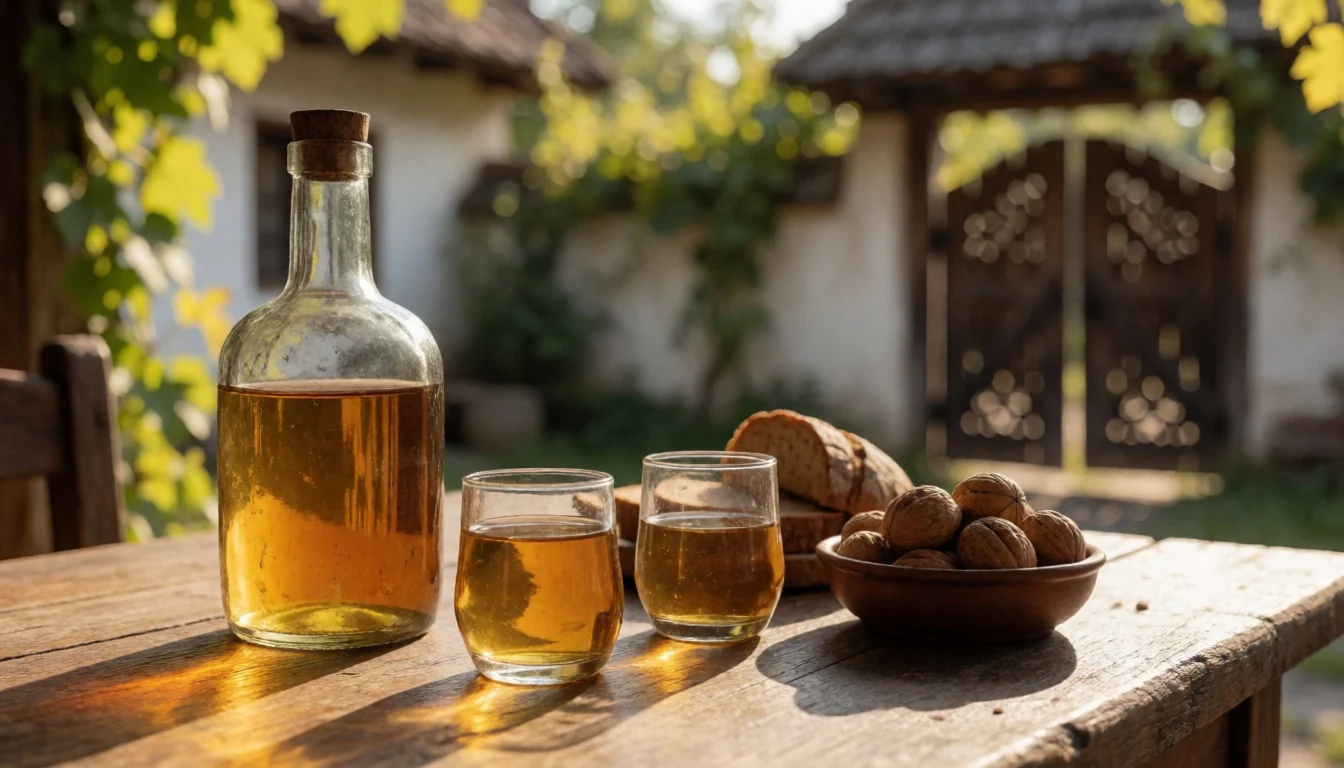
- Woodland-foraged-style meals — Local restaurants in Maramureș towns and villages
In many northern Transylvanian villages, menus lean into hearty comfort food and seasonal ingredients. Expect filling dishes that suit cooler weather—especially when you’re travelling between church stops and want something warming. - Simple village soups and stews — Everyday eaters in Maramureș villages
Stews and soups are a reliable order when the weather turns. They’re the kind of food that fits a day of driving mountain roads—warm, filling, and easy to share after visiting churches and walking village lanes. - Traditional bread and dairy pairings — Local dining spots and village shop counters
With so much pastoral countryside around, you’ll often see straightforward bread-and-dairy staples appear at meals. It’s a good choice for a light break between church visits when you want something local without sitting for hours.
Plan it
Best time. April and early spring (March–April) for clear walking weather, and late October–November for cooler days. June is the rainy season, and August can feel hot and humid in the low valleys.
How long. 3–4
Getting there. Fly to the nearest major hub serving northern Romania, then connect onwards by rail or road to Maramureș. The rail approach commonly uses Baia Mare or Sighetu Marmatiei as bases; check current services and timetables on cfrcalatori.ro, then use local buses/taxis for the final village legs to each church.
Budget. mid
Tips
- Build your route around one valley at a time to avoid backtracking on mountain roads.
- Start church stops earlier in the day to get softer light and fewer crowds in village lanes.
- Carry cash for small purchases and roadside stops where cards may not be accepted.
- Pack a light rain layer for June and check weather before driving between scattered villages.
Etiquette
- Dress modestly and keep your voice low when you enter any church.
- Follow any instructions at the doorway—especially if the interior is actively used for worship.
- Ask before photographing people or close interior details.
Nearby
Sources
- Wikidata Q828412 (CC0)
- Wikipedia (rev 1376276673) (CC BY-SA 4.0)
- Wikivoyage (rev 5391221) (CC BY-SA 4.0)
- Photo photos/01-s-rbi-josani.jpg (CC BY 3.0)
- Photo photos/02-barsana-wooden-church.jpg (CC BY-SA 3.0 ro)
- Photo photos/03-bude-ti-josani-saint-nicholas-church-2023-img-28.jpg (CC BY-SA 4.0)
- Photo photos/04-dese-ti-saint-parascheva-church-unesco-whs-2023-img-19.jpg (CC BY-SA 4.0)
- Photo photos/05-ieud-deal.jpg (CC BY 2.5)
- Photo photos/06-plopismm-147.jpg (CC BY-SA 3.0 ro)
- Photo photos/07-biserica-de-lemn-din-poiana-izei.jpg (CC BY 2.5)
- Photo photos/08-ro-mm-biserica-de-lemn-din-rogoz.jpg (CC BY-SA 4.0)


