Wolin National Park
Wolin National Park, Poland
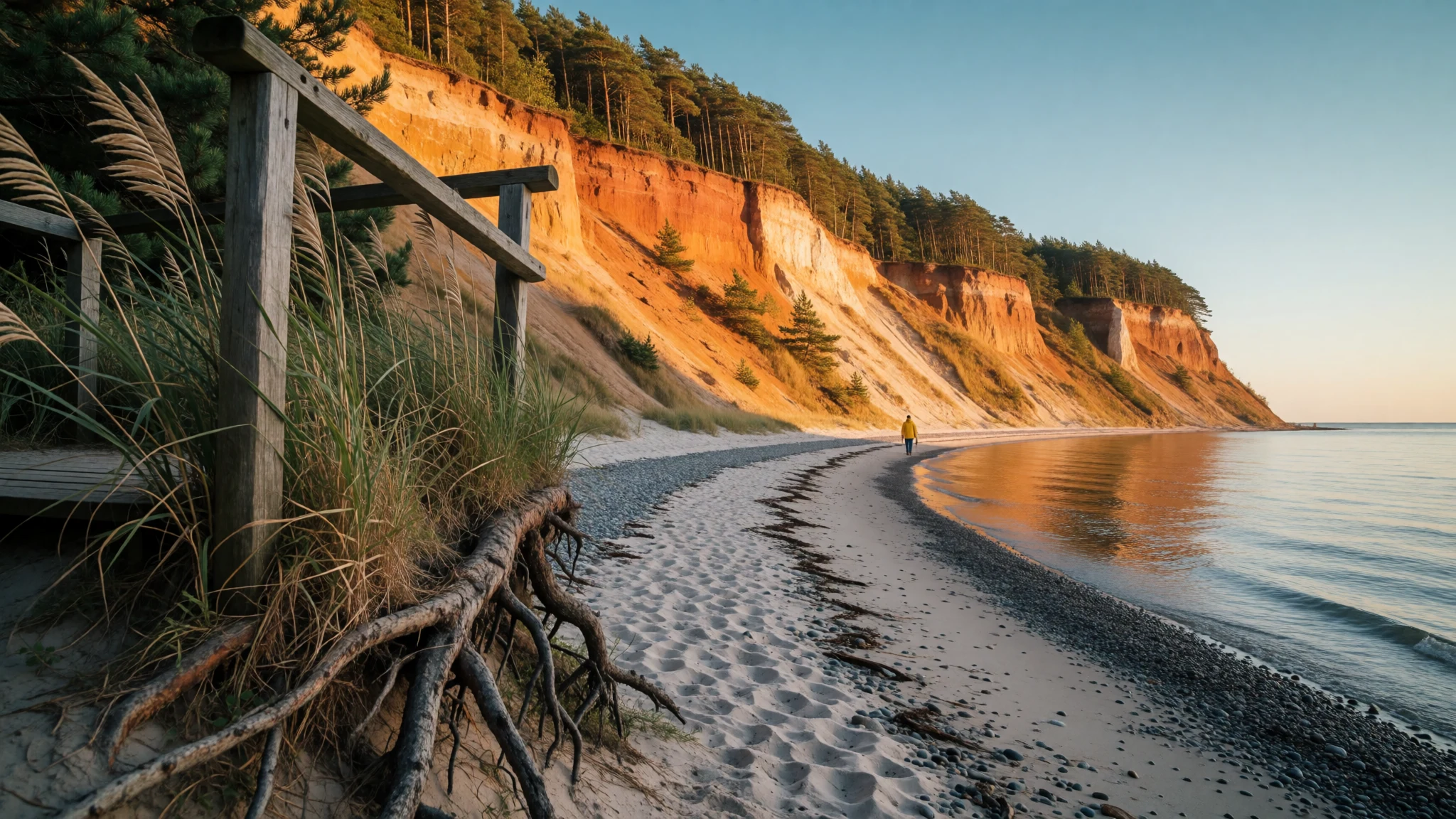
Wolin National Park trades big-city sights for Baltic cliffs, forest walks, and wildlife moments on Poland’s island of Wolin.
The place
Wolin National Park (Woliński Park Narodowy) sits on the island of Wolin in far north-west Poland, in the West Pomeranian Voivodeship. It’s one of Poland’s national parks, shaped by a coastline that swings from sandy stretches to dramatic sea cliffs, and by inland woods that feel properly remote once you’re a little way from the towns.
A good way to picture the park is as “edge of the Baltic” plus “deep greenery”. Along the coast, winds can whip up quickly and the light changes fast, especially around cliff viewpoints like Gosań and Kawcza Góra. Inland, the terrain softens into paths through forests where flora and fauna are the main event. The park also has a wisent (European bison) sanctuary, which is the kind of thing that makes early mornings and patient scanning feel worth it.
Crowds tend to cluster around accessible beach areas and the more popular viewpoints, while the quieter routes are usually the ones that take a little longer to reach. Weather is the real character here. The climate mixes oceanic and continental patterns, so there’s plenty of cloud, and rain can last for stretches that feel unhelpfully long. The coast is often a few degrees milder than the interior, but “milder” still means you should plan for damp boots and a waterproof layer.
For a first visit, base yourself around Międzyzdroje and build day walks outwards. The park’s mix of sea, forest, and wildlife gives it a satisfying rhythm: coastal viewpoints, then woodland paths, then a return to town for food and an easy reset.
Its story
I always associate Wolin National Park with that Baltic sense of scale: not huge mountains, but strong horizons and weather that keeps editing the view. One day can start bright and end in a misty drizzle, and the park doesn’t really care which photos you came for.
The cliffs are a great example of that. Standing at the viewpoints, it’s easy to see why people talk about the coastline the way they do—there’s real drama in the mix of rock, sea, and wind. But the same spot becomes something calmer when clouds roll in, when the horizon turns into a soft line and the whole landscape feels toned down. The walk from cliff lookout to next path point is often the best part: it gives you time to notice wind direction, the slope underfoot, and the small changes in vegetation.
Then there are the forest stretches. In Poland’s Baltic region, the woods can feel a bit different from the inland parks—more damp, more textured, and often less “open” visually. That’s where slow travel wins. You’re not hunting for constant “big hits”; you’re collecting small ones: a clearing, a track that disappears into thicker shade, the sound of birdsong cutting through the grey.
Wildlife adds another layer of patience. The wisent sanctuary presence turns the visit into something more than scenery. Even when you don’t see bison immediately, the act of moving quietly and sticking to safe, respectful distances changes the pace of the day.
Wolin’s best days feel like they’re earned rather than downloaded—cliff air, forest rhythm, and the occasional moment that makes you realise you’re actually in a protected landscape, not just passing through it.
What to see
- Coastal viewpoints (Gosań & Kawcza Góra) — Wolin Island coastline
Wolin National Park’s sea-cliff areas give you the classic Baltic feeling: wind, big horizons and the kind of rock-and-sky views that make weather feel cinematic. Start on firmer footing where paths are clearly marked, then follow the viewpoints line-by-line as the light shifts.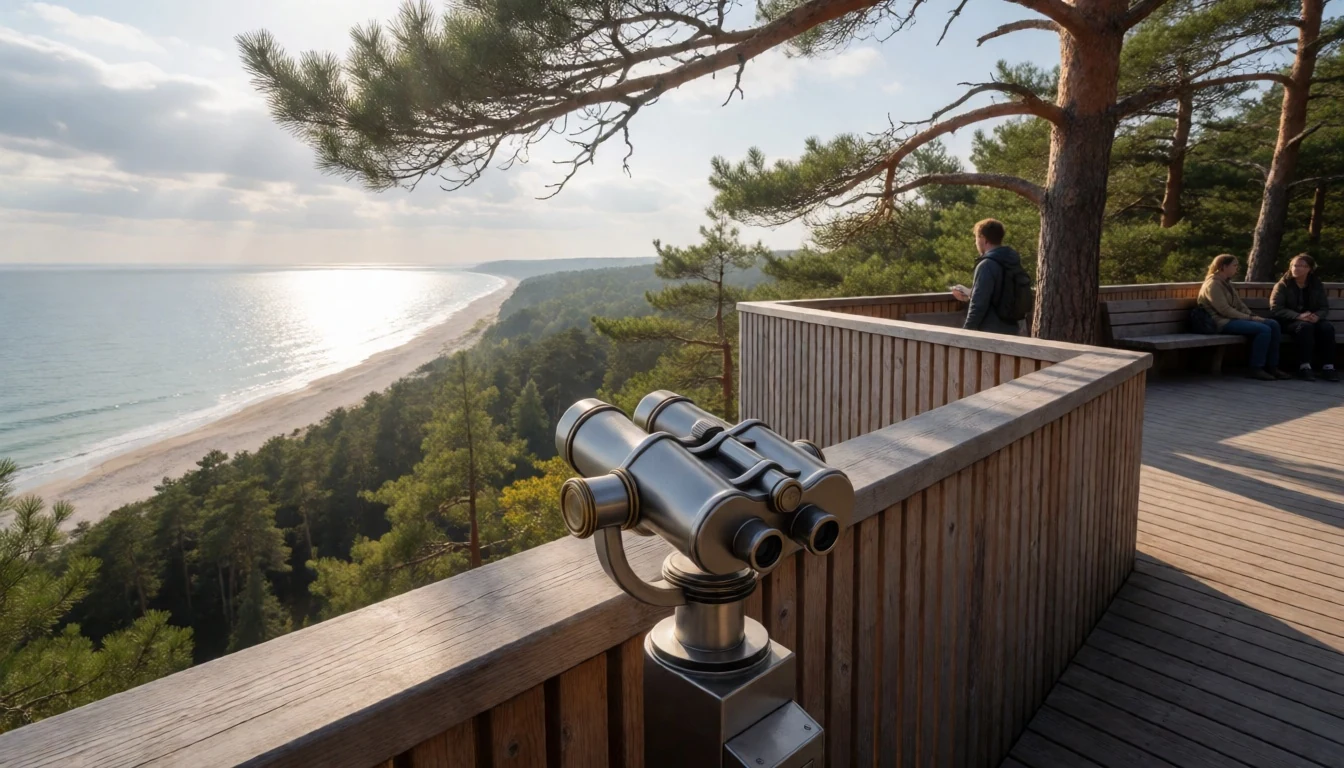
- Shoovareck coast — Coastal Wolin
Shoovareck is the “walkable edge” of the park—an outdoor place where you can linger. Expect sea air, changing clouds and textured shorelines. It’s a good spot for a slower afternoon when the day’s rain clears and the coastline looks sharper.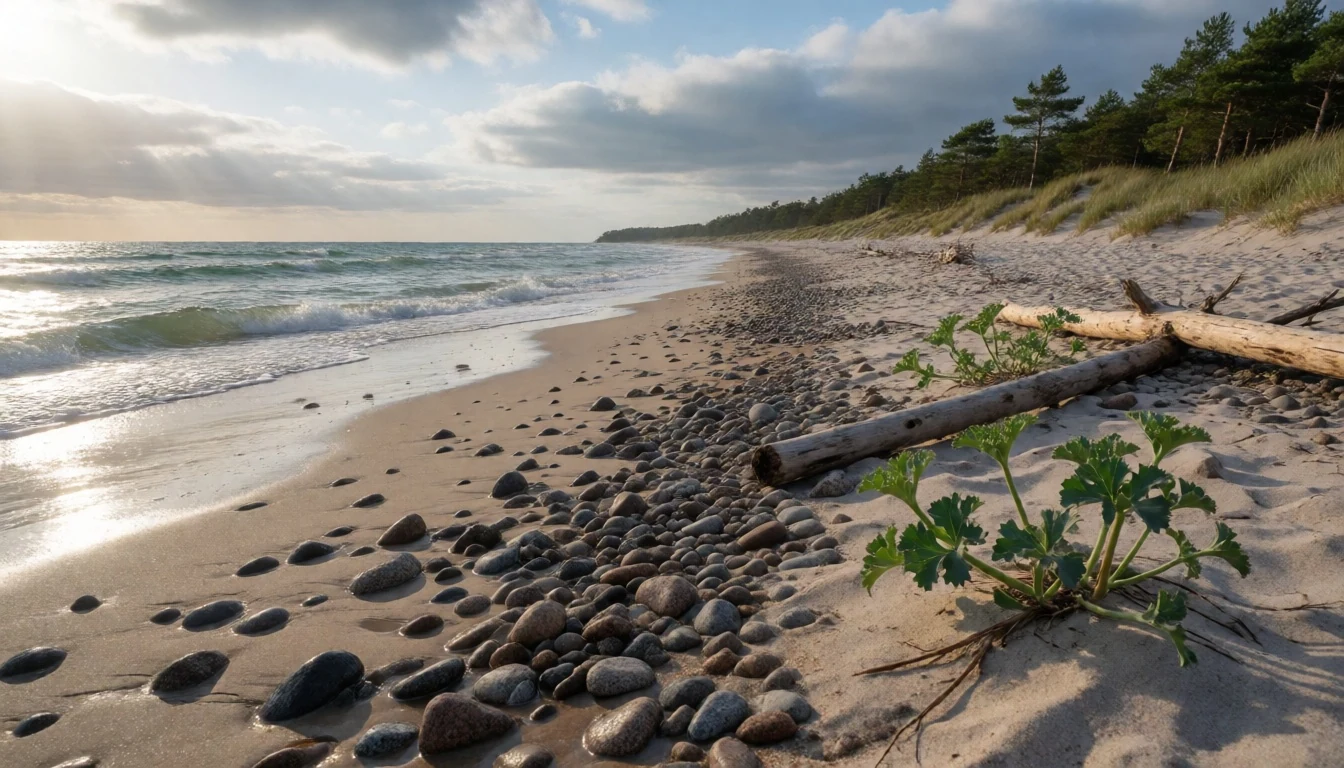
- Kawcza Góra cliff landscapes — Woliński Park Narodowy high points
If Gosań is the first name you hear, Kawcza Góra is the scenery you remember. The viewpoint vibe is all about elevation feel, cliff edges, and narrow paths that need sturdy shoes. In mist, it becomes moody and quiet; in sunshine, it pops.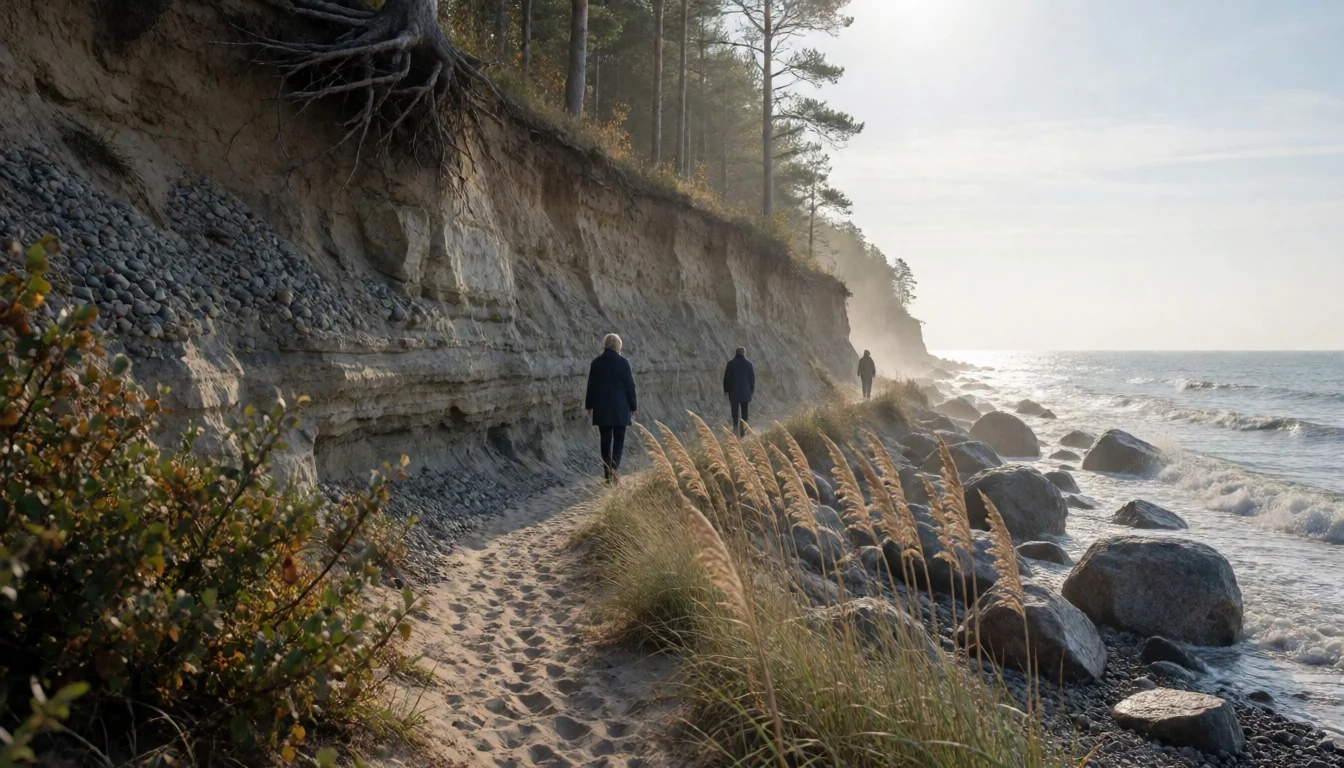
- Międzyzdroje park information area — Międzyzdroje (park headquarters area)
Most visitors enter the wider park experience from Międzyzdroje, so it’s a practical “start here” stop. Use the town as your planning hub—pick a route, check weather reality, and then head out for the coastline-to-forest rhythm without overcommitting on a bad-weather day.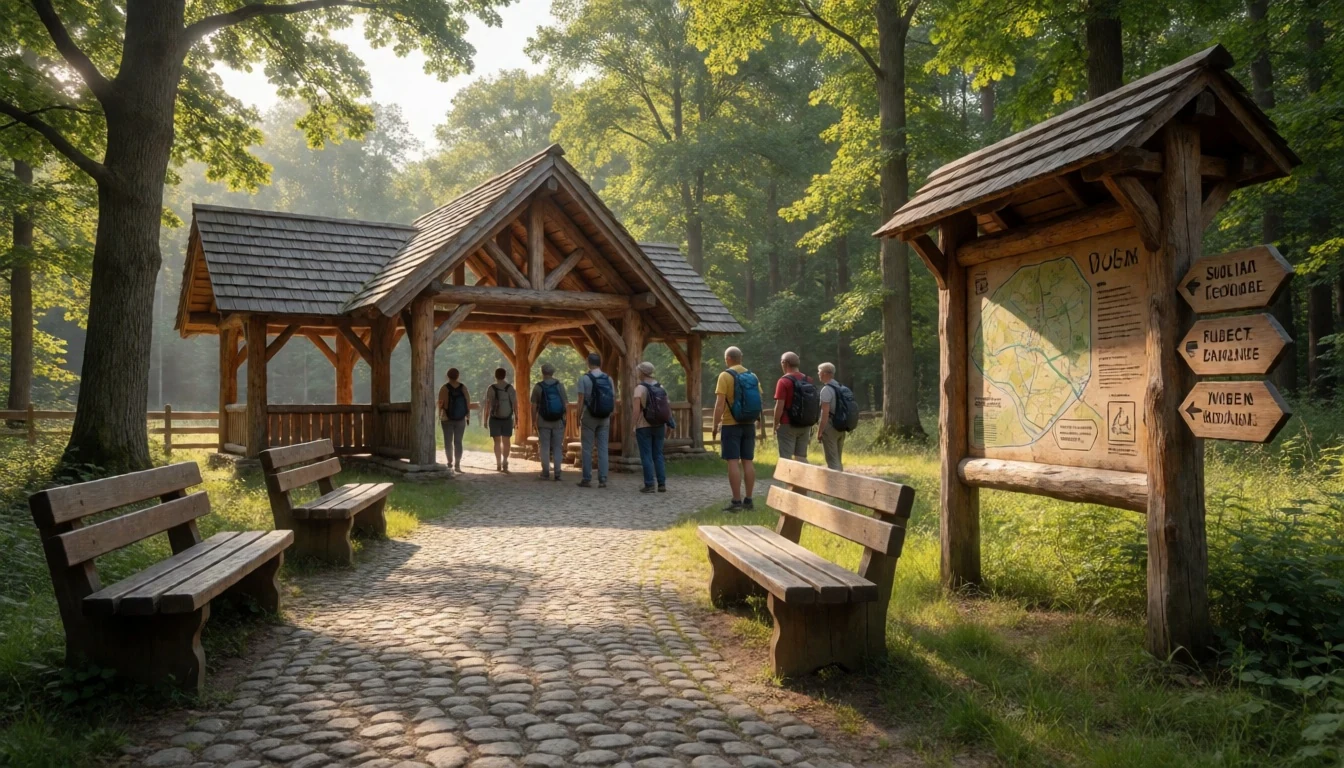
- Wisent sanctuary — Protected inland areas
The wisent (European bison) sanctuary gives Wolin National Park a wildlife focus beyond beach-and-cliff days. Plan time to move slowly, keep distance, and don’t expect instant sightings. Even without a close view, it’s a meaningful way to understand the park’s conservation work.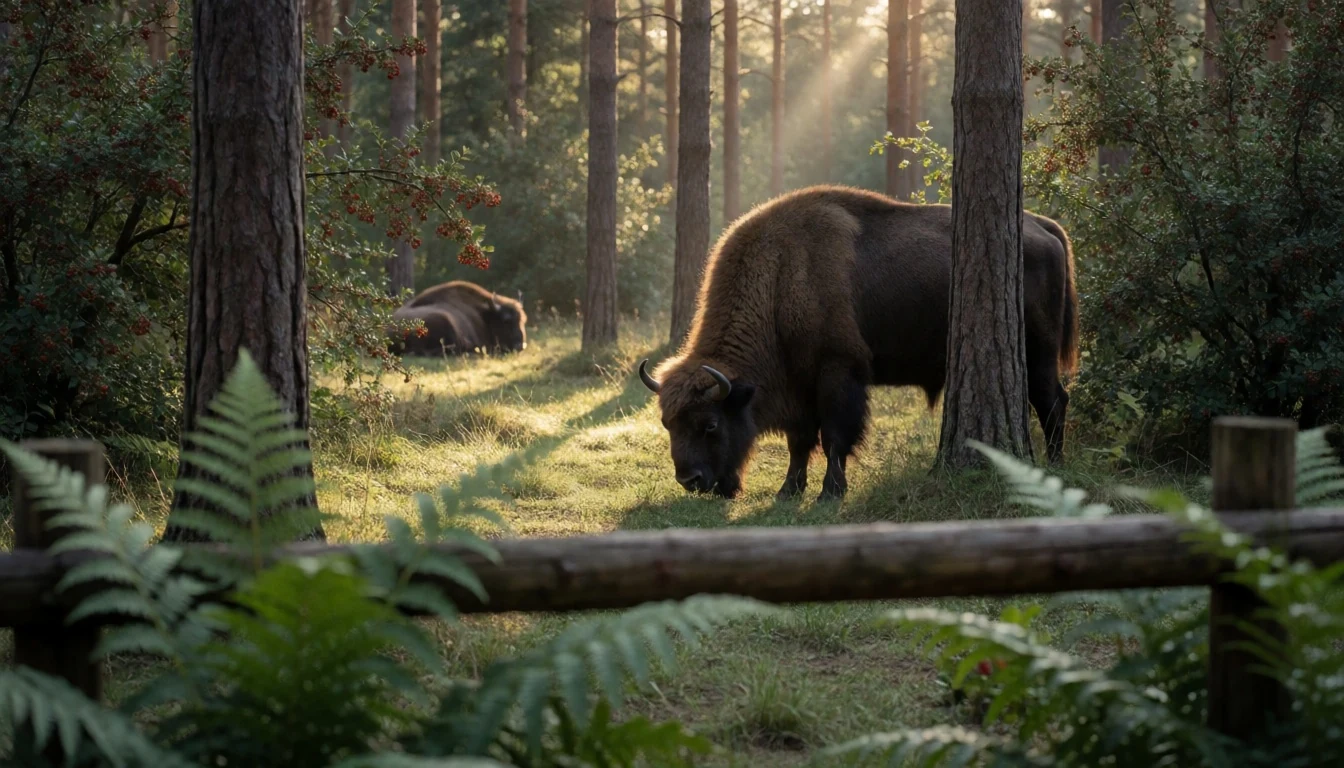
Culture
Wolin National Park doesn’t operate like a theme park, and the culture is more about how visitors behave outdoors than about any big-ticket “rules of the road”. The park’s setting—forests, coastline and cliff viewpoints—means the main etiquette is practical: stay on marked paths, respect fences around protected areas, and handle weather changes with basic common sense.
Because the Baltic can be cool even in summer and the water can be unsafe for swimming on some days, signage and official flags should be treated as the final authority. Coastal towns can also get lively, especially around youth-focused areas in peak season, but the park itself is usually calmer once you’re away from the busiest approach routes.
A good traveller mindset here is low-volume and low-impact. If something is enclosed or clearly protected, assume it’s not for wandering; if you’re near wildlife facilities, keep movement gentle and avoid blocking viewpoints for others. It’s the kind of place where a quiet pause—listening for birds, watching the coastline, waiting for conditions to improve—usually gets better results than rushing.
Visitor etiquette: Keep to marked trails and follow official beach safety flags, so wildlife and swimmers are both protected.
What to wear
For Wolin National Park, dress for wind, damp paths and sudden weather shifts. The park’s climate can swing between rainy stretches and clearer spells, and the coast often feels several degrees milder than the interior while still being chilly with sea wind. Practical layers beat anything fancy.
Traditional dress isn’t what most people wear daily here, but you’ll still see Polish cultural styles occasionally—think folk-inspired patterns and embroidered details during festivals. Most visitors and locals today wear everyday clothing: waterproof jackets, long trousers, and sensible footwear for uneven, sometimes muddy ground.
What to wear as a visitor: a waterproof outer layer, a warm mid-layer for breezy cliff areas, quick-dry socks, and sturdy walking shoes with grip for woodland paths and coastal sections. Bring a hat or cap and a compact rain cover for your bag. If you plan to get down near the waterline, consider clothes you don’t mind getting damp. For evenings back in Międzyzdroje, a slightly warmer layer is still handy even outside winter—Baltic evenings can feel sharper than expected.
What to eat
- Baltic fish dishes — Międzyzdroje town centre eateries
Look for fried or pan-seared fish on menus in coastal towns like Międzyzdroje. It’s the most straightforward “local” order near the sea: filling, salty, and ideal after a windy cliff walk.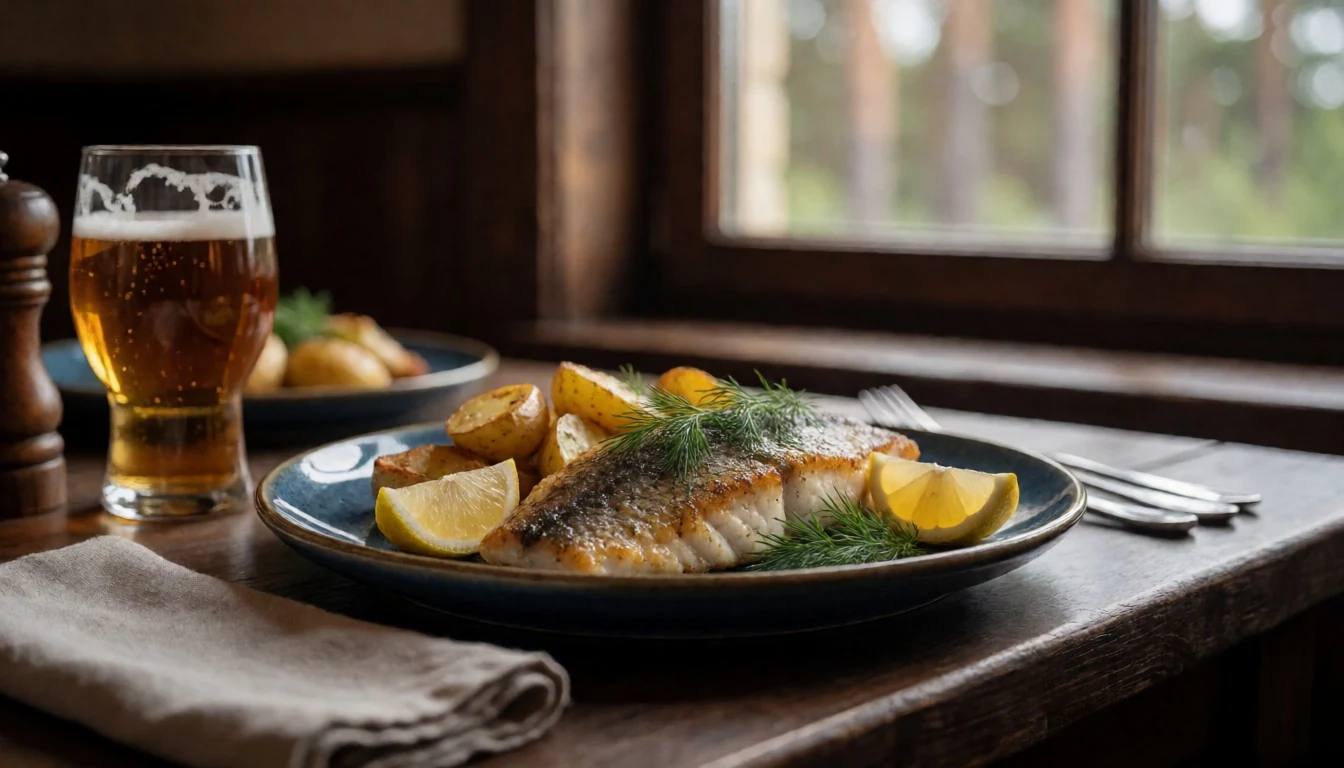
- Pierogi (dumplings) — Local eateries and casual restaurants in Międzyzdroje
Pierogi show up across Poland, and in the north-west coastal area you’ll often find fillings like potato and cheese or meat variants. They’re reliable comfort food after rain-soaked hikes because they reheat well too.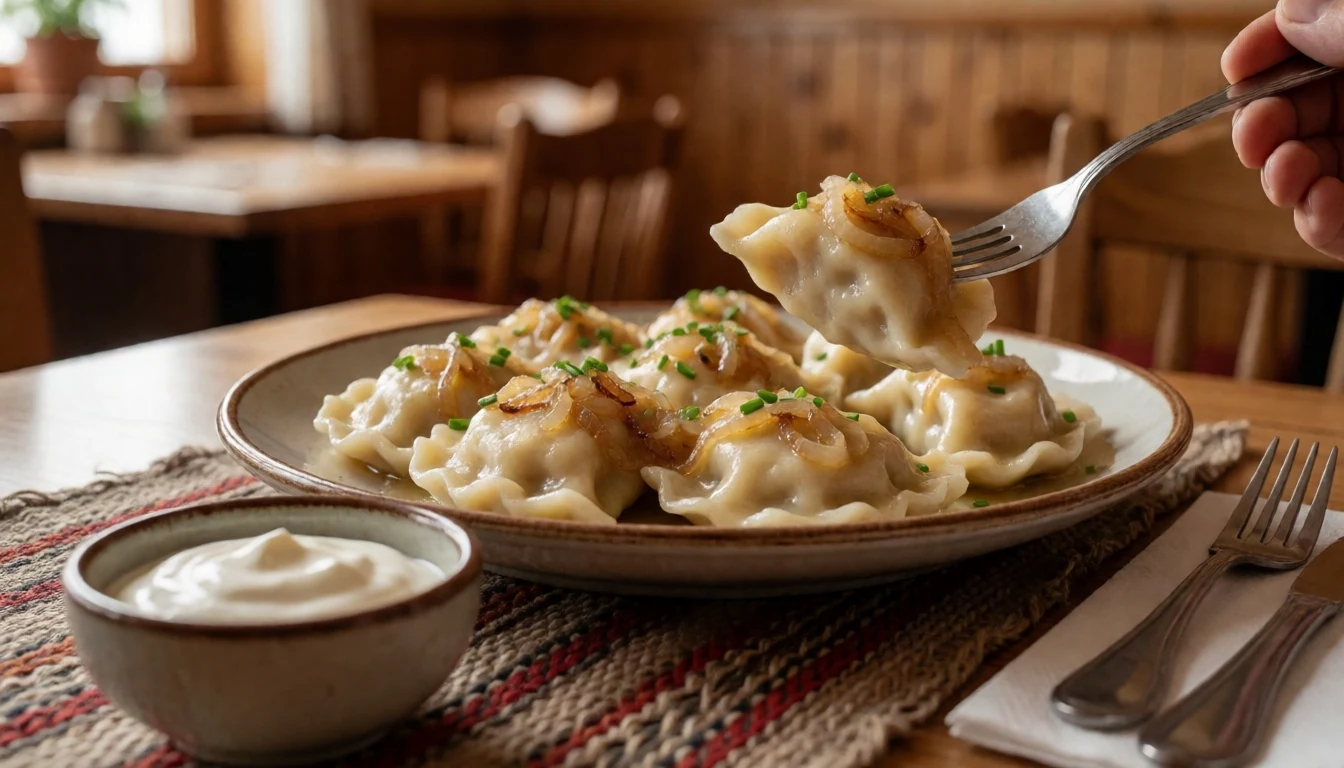
- Soup (barszcz or żurek-style) — Any neighbourhood restaurant in the area
Warm soups are a good fit for Wolin’s changeable weather. Choose a local sour soup or beet-based option when menus offer it; it’s warming without being heavy, especially after long outdoor days. - Carbohydrate snacks from markets — Town markets and food stalls near accommodation
If you’re passing through town rather than a dedicated food market, keep an eye out for simple grab-and-go bites—bread, pastries, and small hot snacks that make a good hike day breakfast. - Seasonal berries and desserts — Seaside cafés and dessert counters
In warmer months, you’ll see berry desserts and fruit-based sweets appear in coastal regions. They’re an easy way to finish a day without turning the meal into a production when you just want rest.
Plan it
Best time. March–April for blossom, late October–November for maple colour; July is the wettest month, and August is hot and humid.
How long. 3–4
Getting there. Fly into Szczecin’s Szczecin-Goleniów Airport (SZZ). From there, make the last leg by road to Międzyzdroje on the island of Wolin (or connect onward as local services allow).
Budget. mid
Tips
- Base yourself in Międzyzdroje so you can adjust routes when rain rolls in
- Plan coastal viewpoints early in the day when wind and light are often more manageable
- Expect possible prolonged rain stretches; keep one flexible day for museums/food and shorter walks
- Follow official beach safety information and avoid swimming where flags indicate it’s not suitable
- Bring a water-resistant layer for woodland paths after wet spells
Etiquette
- Stay on marked trails and don’t wander into restricted or fenced areas
- Keep noise down and avoid blocking paths or viewpoints while others are trying to see wildlife
- Heed red flags and lifeguard advice where provided
Nearby
Sources
- Wikidata Q620392 (CC0)
- Wikipedia (rev 1340338113) — Wolin National Park (CC BY-SA 4.0)
- Wikivoyage (rev 5388713) — Zachodniopomorskie (CC BY-SA 4.0)
- Photo photos/01-wpn2.jpg (CC BY 3.0)
- Photo photos/02-jezioro-turkusowe-wapnica-lipiec-2014-7.jpg (CC BY 3.0)
- Photo photos/03-woli-ski-park-narodowy-klif.jpg (Public domain)
- Photo photos/04-wolinski-park-narod-miedzyzdroje-beax.jpg (CC BY-SA 2.5 pl)
- Photo photos/05-pagorki-lubinsko-wapnickie.jpg (Public domain)
- Photo photos/06-20180802-dsc-5622.jpg (CC BY 3.0)
- Photo photos/07-20180802-dsc-5700.jpg (CC BY 3.0)
- Photo photos/08-atriplex-littoralis-kz03.jpg (CC BY-SA 4.0)


