Wieskirche
Wieskirche, Germany
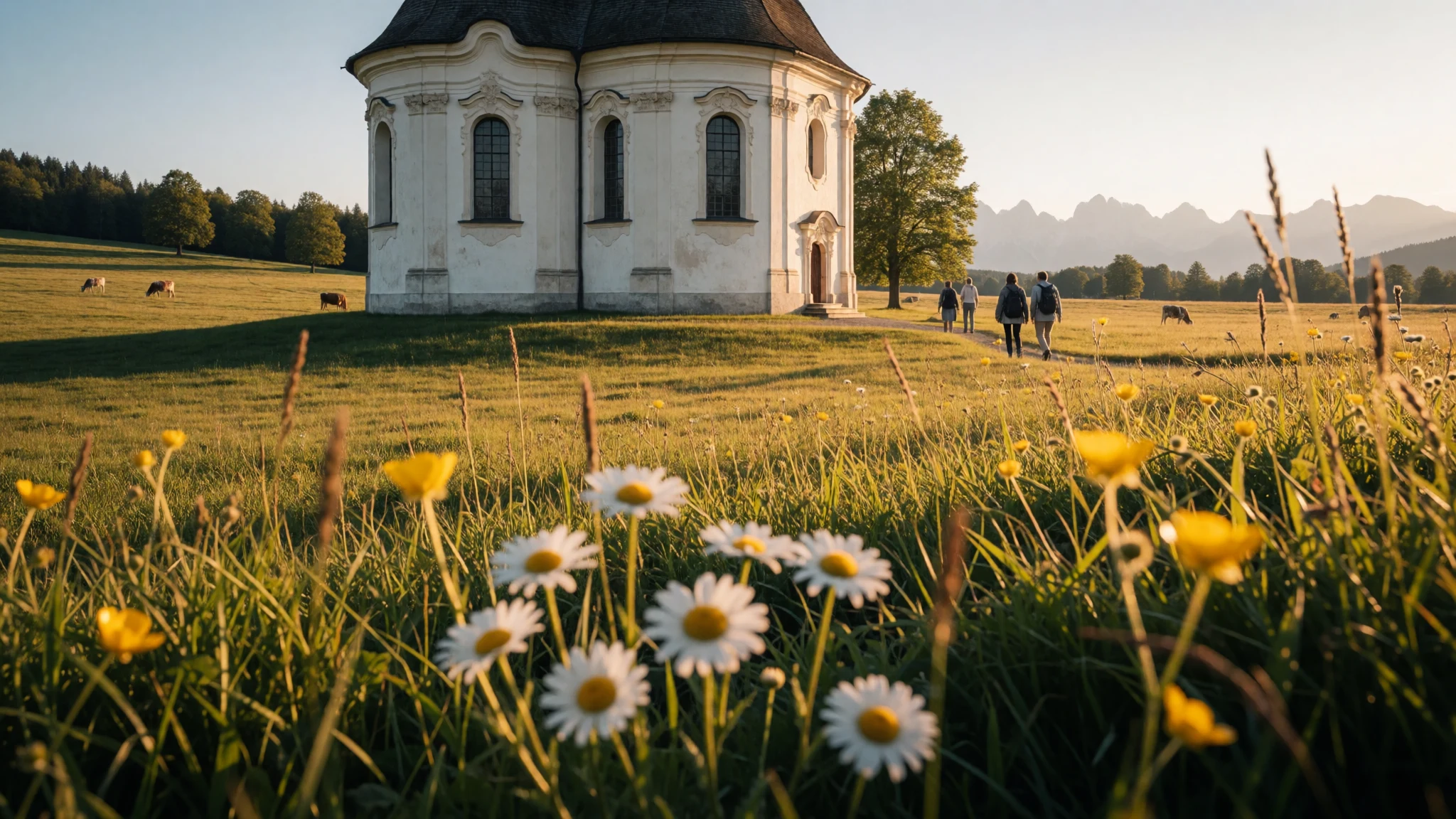
Wieskirche is a Rococo pilgrimage church where the whole building feels like it’s been made for worship—oval, luminous, and quietly famous.
The place
Wieskirche sits out in the Bavarian countryside, in the municipality of Steingaden in Upper Bavaria, in the Ammergau Alps foreland. The church’s full name is Wallfahrtskirche zum Gegeißelten Heiland auf der Wies, but everyone shortens it to Wieskirche—“Meadow Church”. It’s a Roman Catholic pilgrimage church with an oval Rococo design, commissioned and built in the mid-18th century, and it remains tied to the devotion that drew people here in the first place.
What you notice first is the setting and the calm. There’s no grand city buzz; instead, it feels like the church has its own pocket of space in the hills. That matters, because Rococo architecture works best when you can slow down—look, then look again, as light shifts across stucco and painted surfaces.
Wieskirche is also easy to reach as a day stop if you’re already in southern Germany: it’s in the region’s network of road trips and rail links, with nearby stations on the Ammergau Railway and motorway access through the area around Murnau am Staffelsee / Kochel am See. If you’re travelling with flexibility, it’s a great place to time around weekend pilgrimage flow, when you can get a fuller sense of the church as a living destination rather than a single photo spot.
If the Alps are doing their job, views can look dramatic—but even on a grey day the church interior does the heavy lifting. The building’s shape and decoration funnel attention toward the altar area, making the experience feel intimate even when there are other visitors around.
Its story
Wieskirche’s story starts with a belief that something remarkable happened to a small, damaged figure of Saint Joseph. In the legend, tears were seen on the sculpture, and that miracle tale created a surge of pilgrims coming to see it for themselves. A first, smaller chapel couldn’t cope with the flow of people, so the shrine was expanded into a purpose-built pilgrimage church.
The church project took shape in the middle of the 18th century, with construction spanning the period when the statue was already pulling visitors from near and far. What makes Wieskirche more than “another baroque church” is the way the design blends architecture, decoration, and devotional storytelling. Inside, stucco work and frescoes sit together with a strong sense of movement created by the building’s oval layout. The result is an interior that feels staged for prayer: the space wraps around you, and ornamentation supports the religious focus rather than fighting it.
Wieskirche also carries a second strand of history: it survived changing political attitudes toward religious sites in later centuries, and that’s part of why the church you see today still feels intact in its Rococo character. Like many historic churches, it has not been untouched; restoration work was carried out to preserve both the structure and the decorative surfaces so the pilgrimage tradition—and the architecture—could continue.
Even if you come for the visuals, Wieskirche doesn’t stay “just scenery”. The building was made for people who came looking for healing, reflection, and a place where the supernatural felt close at hand.
What to see
- Wieskirche exterior on the meadow
Wieskirche stands in a quiet rural setting near Steingaden, with open meadow views around it. The church’s oval Rococo presence feels slightly theatrical even outside—an architecture-first landmark that doesn’t need a big city backdrop.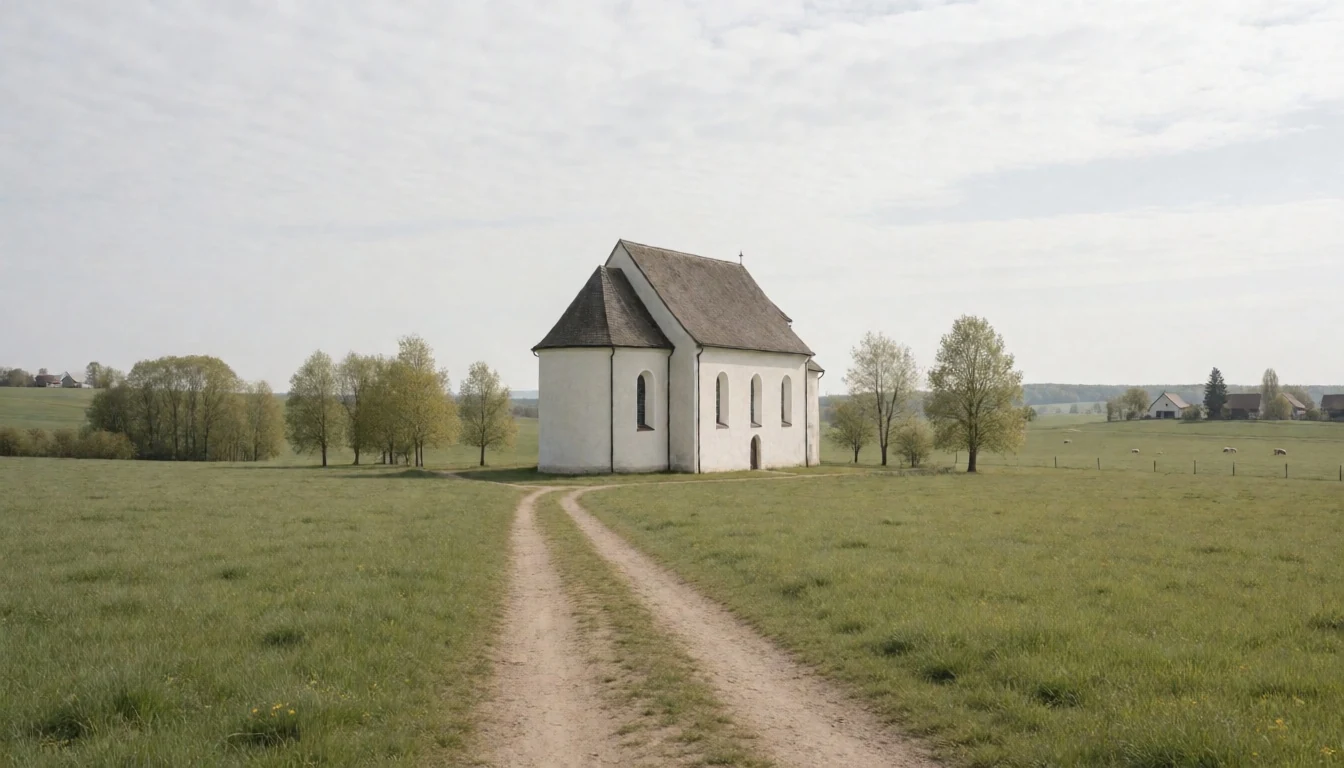
- Oval Rococo interior space
Wieskirche interior centres on an oval plan that draws eyes inward. Corners don’t “cut” the view; instead, your gaze follows the curve of the space toward the choir area, giving a wrapped, devotional feeling even when the church is busy.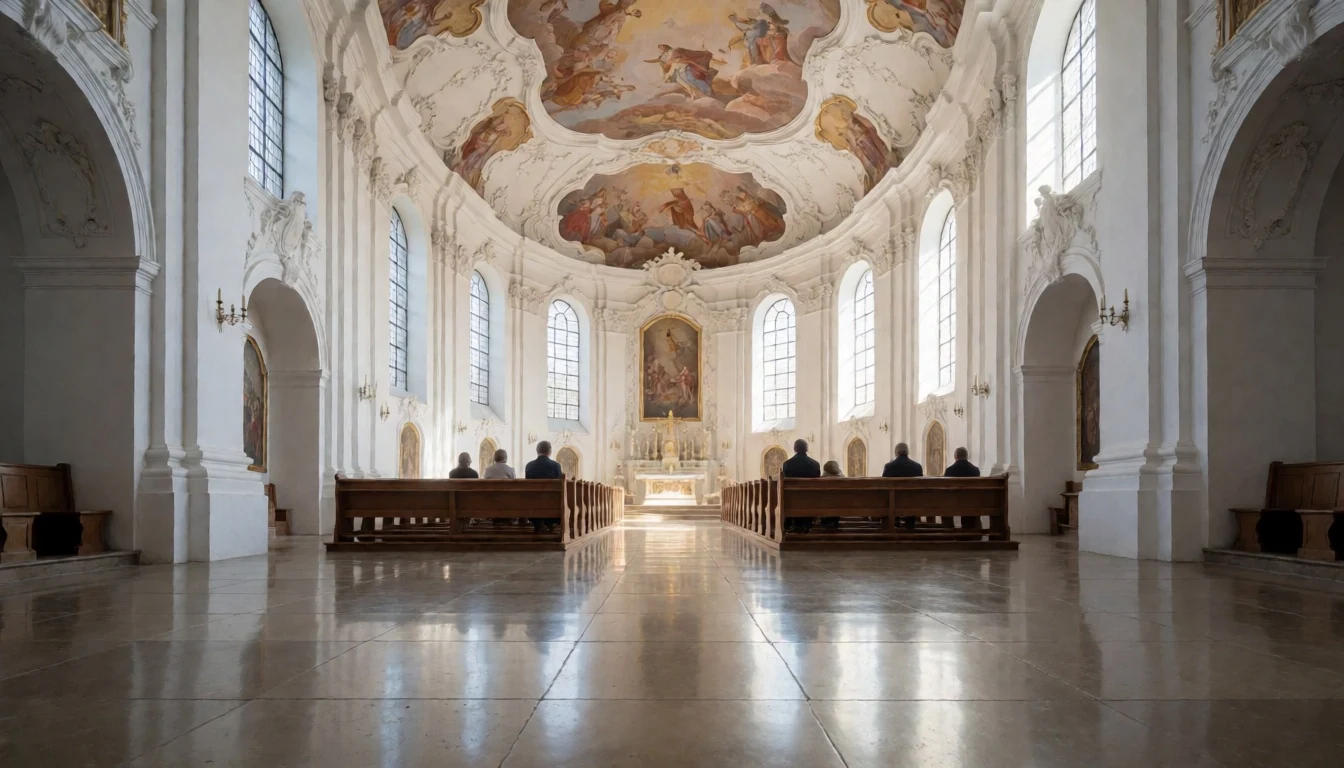
- Stucco and cornice details
Wieskirche’s ornament is the point. Elaborate stucco work and a deep cornice run along the interior surfaces, with sculptural decoration that looks layered rather than flat. Close up, the Rococo character becomes tactile.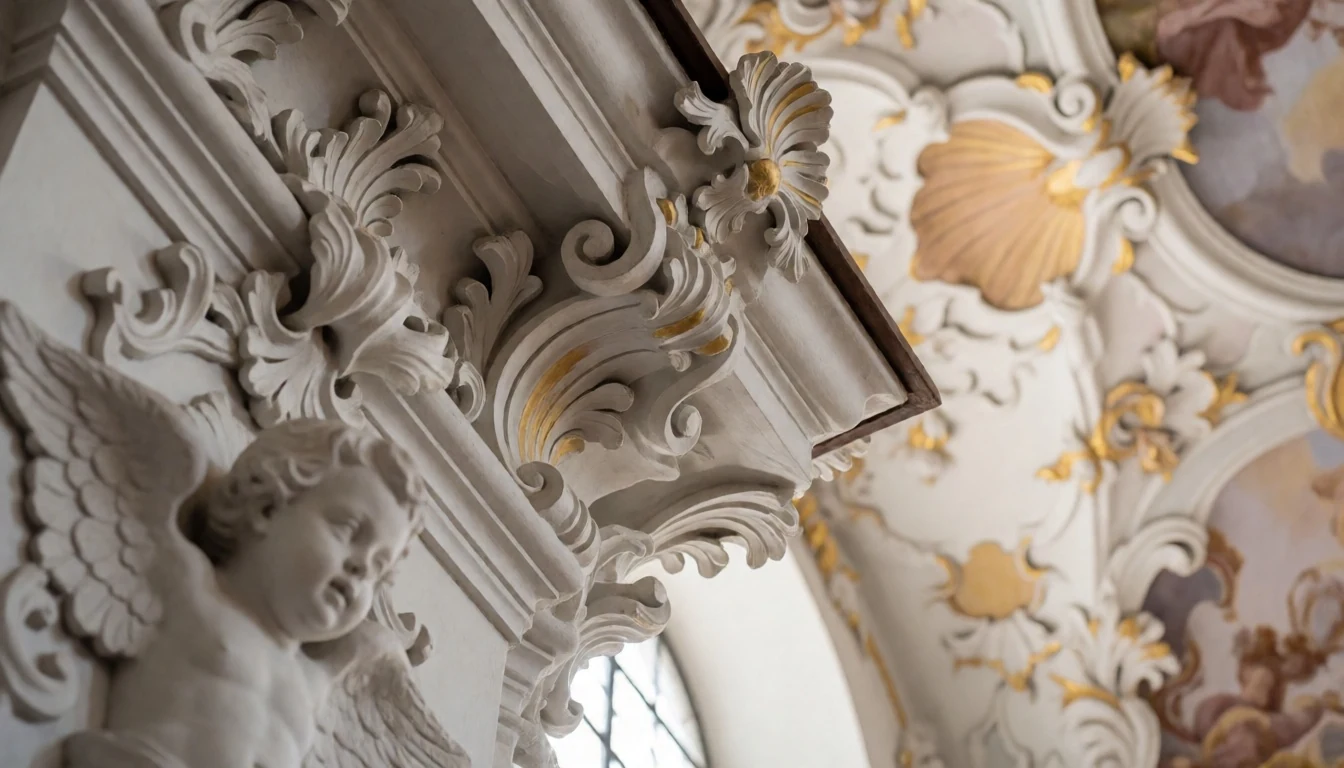
- The Scourged Saviour devotion and altar focus
Wieskirche is dedicated to Saint Joseph, and the altar area is where the devotion concentrates. The design funnels attention to the central prayer space, so the church’s story and its architecture point in the same direction.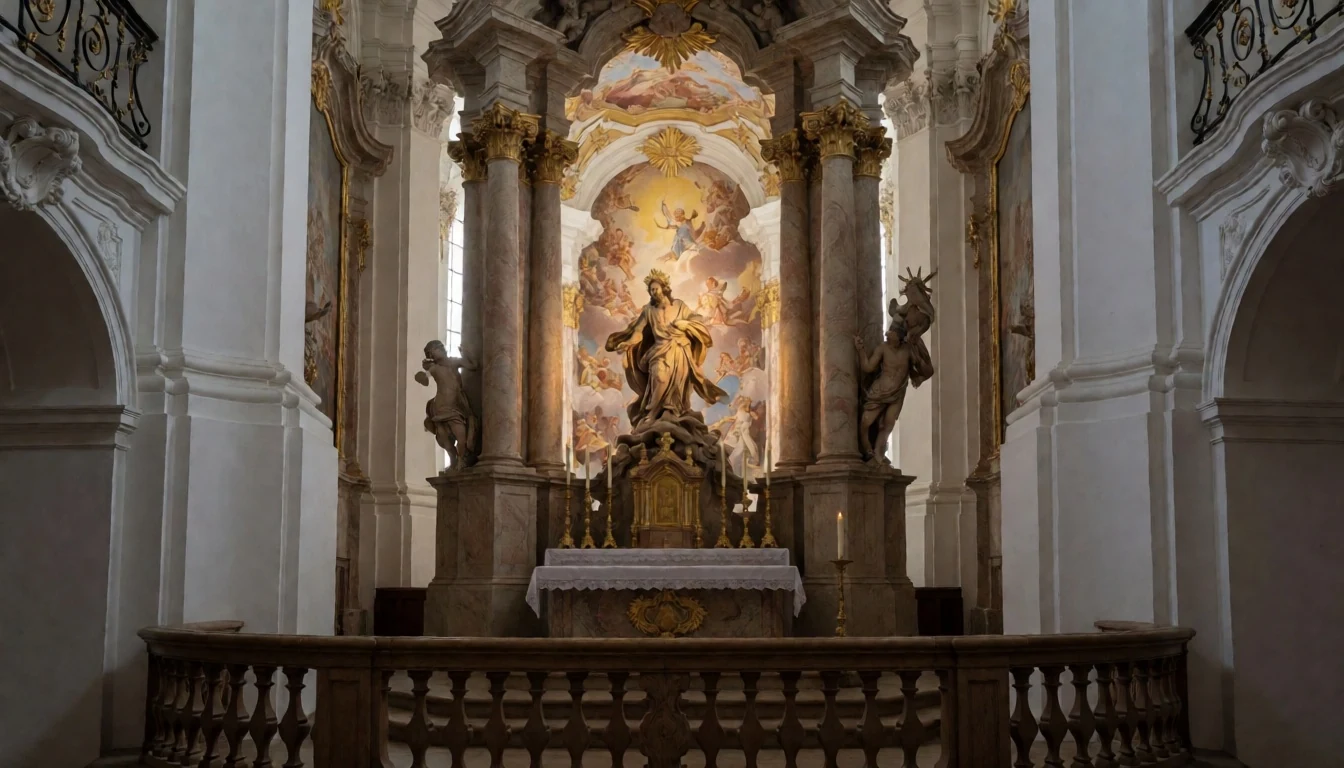
- Wieskirche with mountain backdrop
If the weather plays along, Wieskirche can appear with the Alps in frame. That contrast—soft countryside foreground with mountain ridges behind—turns a pilgrimage church into a landscape moment, especially for photographers early or late in the day.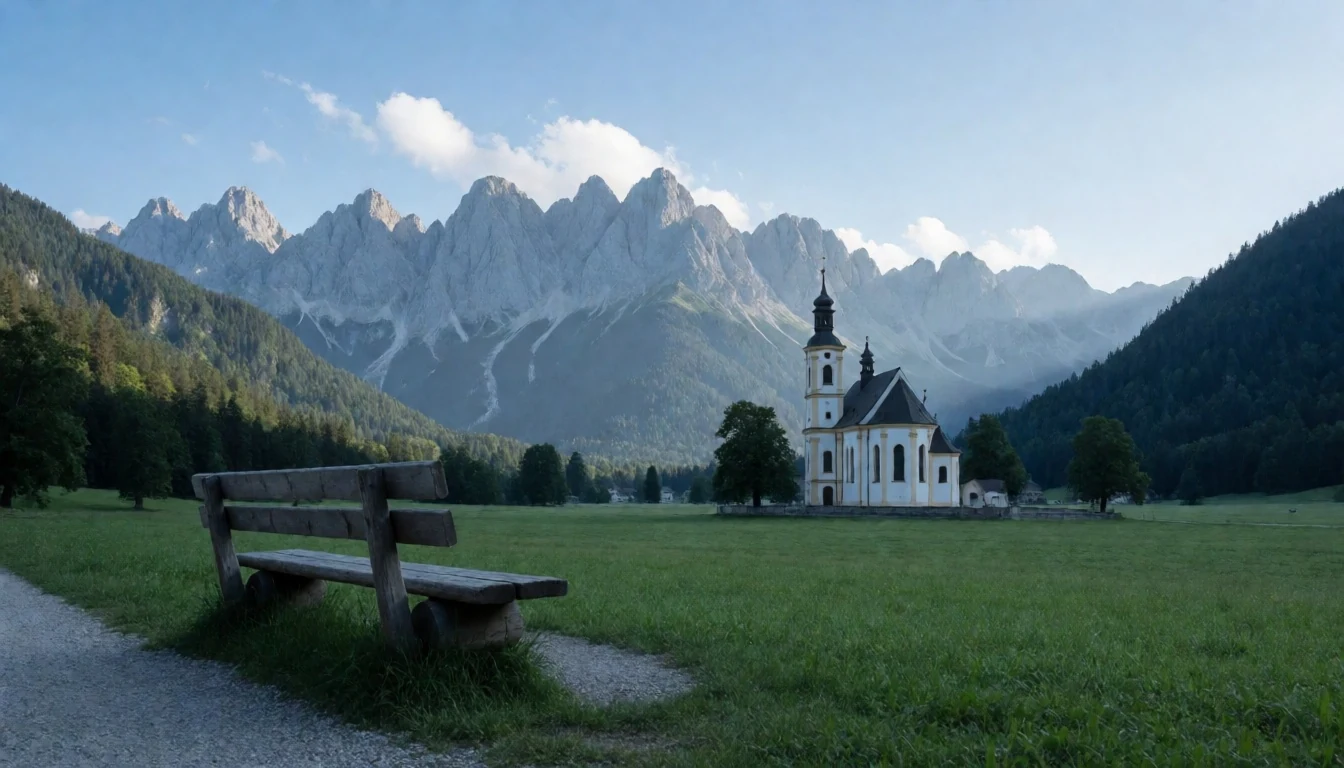
Culture
Wieskirche is a Roman Catholic pilgrimage church, so it works differently from a typical sightseeing-only stop. Even when most people are there to admire the Rococo architecture, the building is still a place for prayer and for religious visitors moving with purpose. You’ll often see a quieter kind of movement than in big-ticket museums: groups may arrive together, then settle into attention, looking, and reflection.
Because it’s a pilgrimage site, crowds tend to rise on busier travel days—especially weekends when more visitors make the trip. The practical impact is simple: allow extra time for queues at entrances and for waiting for quieter angles inside.
Dress tends to be fairly normal for everyday travel, but it’s worth aiming a touch more formal. If you’re wearing shorts or very light clothing for hot weather, consider a light layer for church time. Photography is where people can fall into bad habits; the atmosphere is meant to be calm.
Etiquette inside is about respecting that people have come for worship, not performance: keep voices down, don’t linger in the middle of sightlines, and be aware that staff may ask visitors to move.
Please keep your voice low and avoid blocking the altar area while others pray.
What to wear
Wieskirche sits in Bavaria, and the easiest way to “dress for it” is to think church-first, countryside-second. There isn’t a required traditional outfit, but you’ll still notice local Bavarian fashion around the region—think of Lederhosen and Dirndls that appear more in festivals and village events than in everyday churchgoing.
For visitors today, practical clothing wins: breathable tops for warm days, and a light jacket for cooler evenings in the foothills. Church interiors can feel more enclosed than the open meadow outside, so having something to hand that covers shoulders or helps you look respectfully dressed is a good idea.
If you’re visiting in shoulder seasons (spring or autumn), temperatures can swing and you may walk over uneven paths around the site area. Bring comfortable shoes with grip rather than flimsy footwear—stone and paths in rural settings can be a bit unforgiving.
For photography inside, avoid anything too flashy. Keep your look tidy and modest, and consider a small scarf or layer that you can put on quickly if you’re wearing something very casual.
What to eat
- Bavarian asparagus dishes (Spargel) — Local restaurants and seasonal menus around the Upper Bavaria area
When asparagus is in season, look out for asparagus-focused meals—creamy preparations and boiled or grilled plates—at local restaurants around the region. If you’re travelling in springtime, this is the classic “follow the season” order.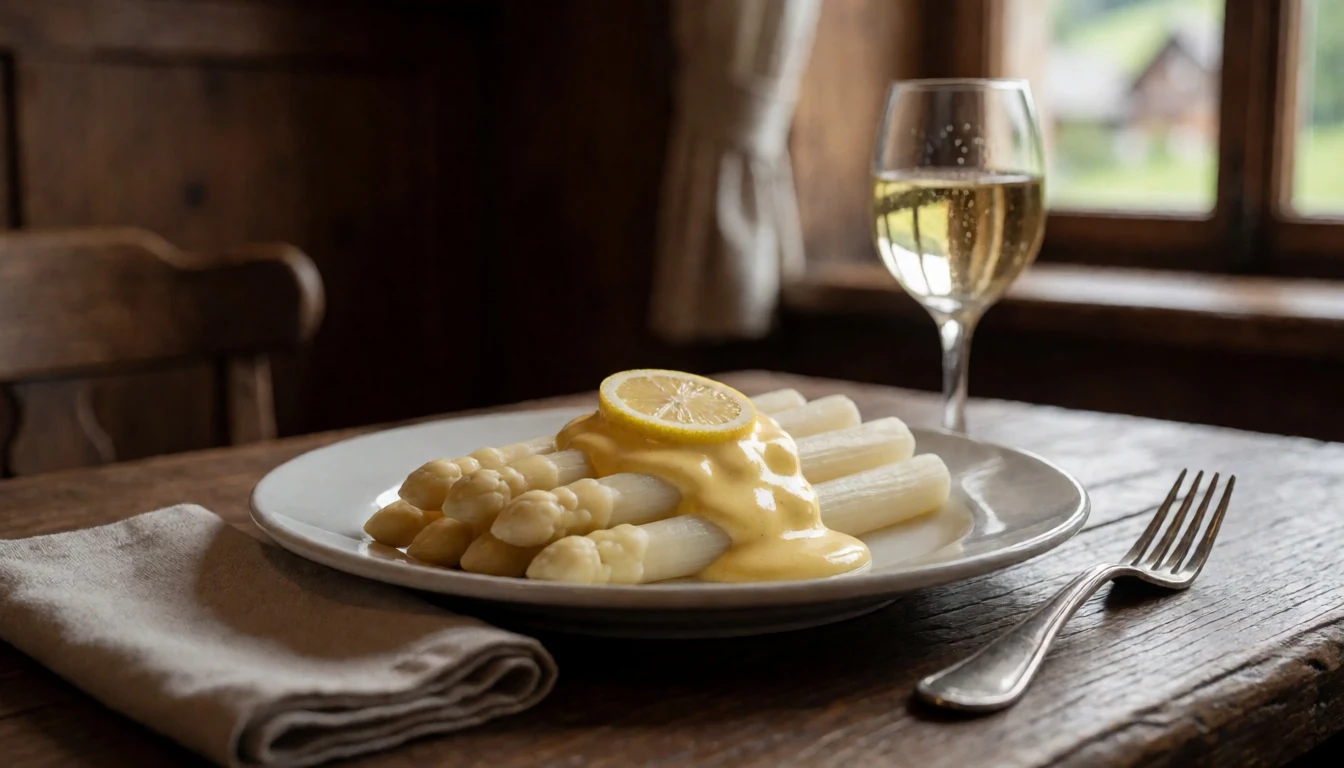
- Seasonal white asparagus from farmers’ stalls — Farm stands and growers’ markets in the asparagus-growing countryside
In spring, you may find white asparagus sold directly by growers, with simple guidance on how to cook it or what pairs well with it. It’s a handy way to taste the region beyond restaurant plates.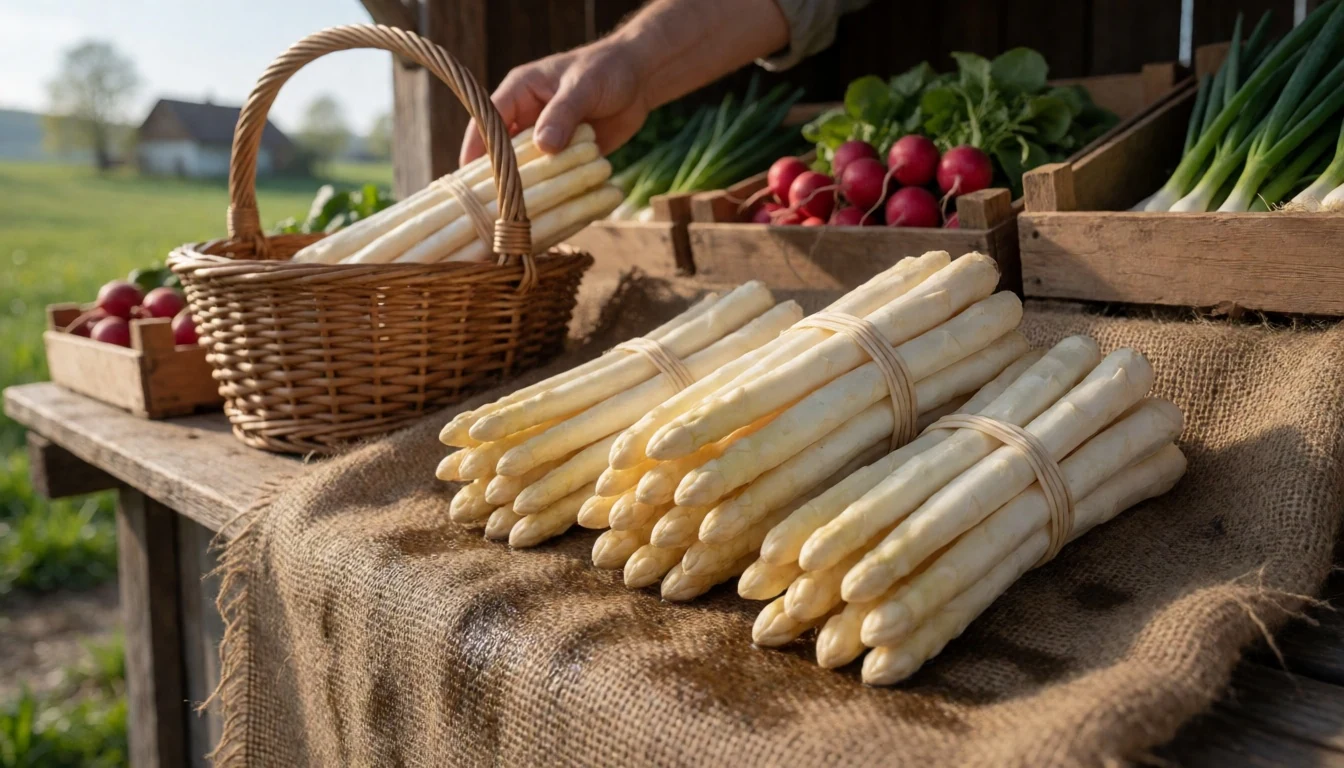
- Bavarian-style meat and gravy plate — Restaurant dining rooms in nearby towns serving Bavarian food
Comforting Bavarian classics often show up as hearty mains: roasted meat with rich gravy, plus potatoes or dumplings. If you’re navigating a shorter day trip, this style of dish is usually straightforward and filling for colder weather. - Käsespätzle (cheese noodles) — Casual eateries in the surrounding Upper Bavaria region
Käsespätzle is a popular Southern German comfort dish—soft noodles mixed with melted cheese and usually topped with onions. It’s easy to find in regional eateries and works well as a warming meal after time outside. - Bavarian breads and butter snacks — Bakery counters and small food shops around Steingaden and the wider area
In smaller stops, you’ll often see simple bread-and-butter options alongside regional cheeses or cold cuts. It’s an easy, no-fuss way to eat between sightseeing without committing to a full sit-down meal.
Plan it
Best time. May to September are typically the hottest months, with the driest stretches in late spring and early summer and the wettest period around midsummer; October is comfortable with cooler temperatures, while winter is colder and rain can still occur, so May to July tends to feel most comfortable overall.
How long. 1–2
Getting there. Fly to Munich Airport (MUC) for the simplest connection to Bavaria, then continue by rail or road into the Steingaden area; a nearby stop on the Ammergau Railway is useful for the last leg toward Wieskirche.
Budget. mid
Tips
- If you can, arrive early in the day to get calmer interior moments before weekend pilgrimage flow builds.
- Plan around weekends when visitor numbers can rise; building in extra buffer time makes the day feel relaxed.
- Use the Ammergau Railway connections for a scenic approach through the region, then allow local time to reach the church.
- Have a small amount of cash available for small purchases around rural stops, where card use may be patchier.
Etiquette
- Keep voices low and avoid standing in the middle of the room when others are praying.
- Turn off or silence your phone in the church interior, especially during quiet moments.
- If photography is permitted in your area, don’t photograph people at close range without consideration.
Nearby
Sources
- Wikidata Q156675 (CC0)
- Wikipedia (rev 1376383429) (CC BY-SA 4.0)
- Wikivoyage (rev 5399333) (CC BY-SA 4.0)
- Photo photos/01-wieskirche-boenisch-okt-2003.jpg (CC BY-SA 2.0 de)
- Photo photos/02-wieskirche-003.jpg (Public domain)
- Photo photos/03-steingaden-wieskirche-hb-1.jpg (CC BY 3.0)
- Photo photos/04-weiskirche-panoramio.jpg (CC BY 3.0)
- Photo photos/05-wieskirch02.jpg (CC BY-SA 4.0)
- Photo photos/06-wieskirche-04.jpg (CC BY 3.0)
- Photo photos/07-wieskirche-in-front-of-the-alps.jpg (CC BY-SA 4.0)
- Photo photos/08-orgel-wieskirche.jpg (CC BY-SA 4.0)


