White Horse Temple
White Horse Temple, People's Republic of China
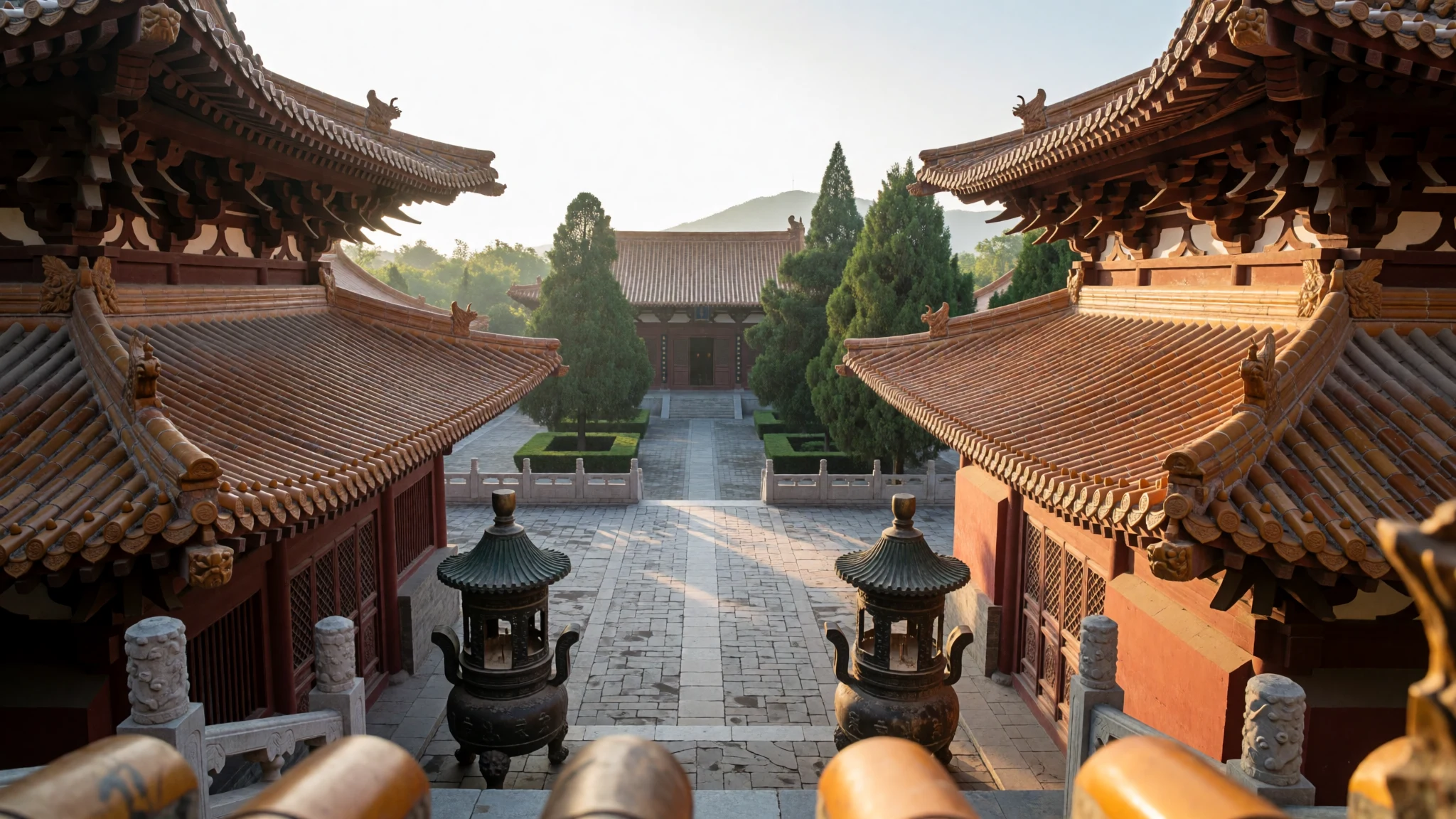
Visit White Horse Temple to experience the cradle of Chinese Buddhism, an ancient sanctuary established nearly two thousand years ago.
The place
White Horse Temple stands just outside the boundaries of the ancient capital in Henan Province. Widely regarded by believers as the birthplace of Buddhism in the country, the complex nestles quietly with the Manghan mountain and Lucoche River providing a peaceful natural backdrop to the south. Visitors arrive via a short journey from the nearby railway station, stepping away from the modern urban rush into a calmer historical realm.
Although modest in scale compared to vast monastic complexes elsewhere in the nation, the temple grounds span manicured courtyards and verdant gardens. The main structures seen today largely reflect reconstruction efforts from later imperial eras, supplemented by mid-century refurbishments and careful restoration work following periods of upheaval. Bilingual display plaques throughout the courtyards offer detailed explanations of the various deities installed within the halls.
Walking through the courtyards reveals numerous significant statues, including depictions of Śākyamuni Buddha, Maitreya represented as the laughing Buddha, Amitābha, and a revered Jade Buddha. Figures of Bodhisattvas such as Guanyin, along with attentive arhats, line the halls. Near the entrance, stone sculptures of the two mythical lions and the legendary white horses that carried ancient Indian monks to the imperial court remind visitors of the foundation legends. International funding has further assisted in preserving and updating the structures and interior spaces, ensuring the longevity of this historic sanctuary.
Its story
The history of White Horse Temple is deeply intertwined with the early introduction of Buddhist teachings into the imperial court. Tradition holds that the sanctuary was founded under the patronage of an Eastern Han emperor, establishing a lasting spiritual foothold in the region. Early scholarship flourished here when a royal Kuchean monk translated vital texts, including the Infinite Life Sutra, laying foundational foundations for Chinese Buddhist literature.
Subsequent centuries saw renowned translators and pilgrims passing through these gates. An Indo-Scythian translator resided and worked here, while the famous Tang dynasty pilgrim Xuanzang started his legendary journey to India from this very site. Upon returning after years abroad, Xuanzang served as the temple abbot until the end of his life, dedicating his final years to translating Sanskrit scriptures into Chinese within these peaceful walls.
Time and fire tested the resilience of the complex. To the southeast stands the Qilun Pagoda, a multi-eaved, square-based tower reflecting Tang architectural styles. An ancient stone inscription records that a devastating fire consumed an earlier stupa and predecessor buildings, prompting local officials to erect the sturdy replacement pagoda. Through dynastic changes, restorations under later imperial rulers, and modern revivals, the temple has continuously adapted while maintaining its ancient spiritual identity.
What to see
- Baima Temple — Luoyang
Explore the historic core of the complex, revered as China's first officially sanctioned Buddhist sanctuary. Wander through courtyard gardens, inspect stone sculptures of the legendary white horses, and read detailed bilingual display plaques explaining the various sacred halls.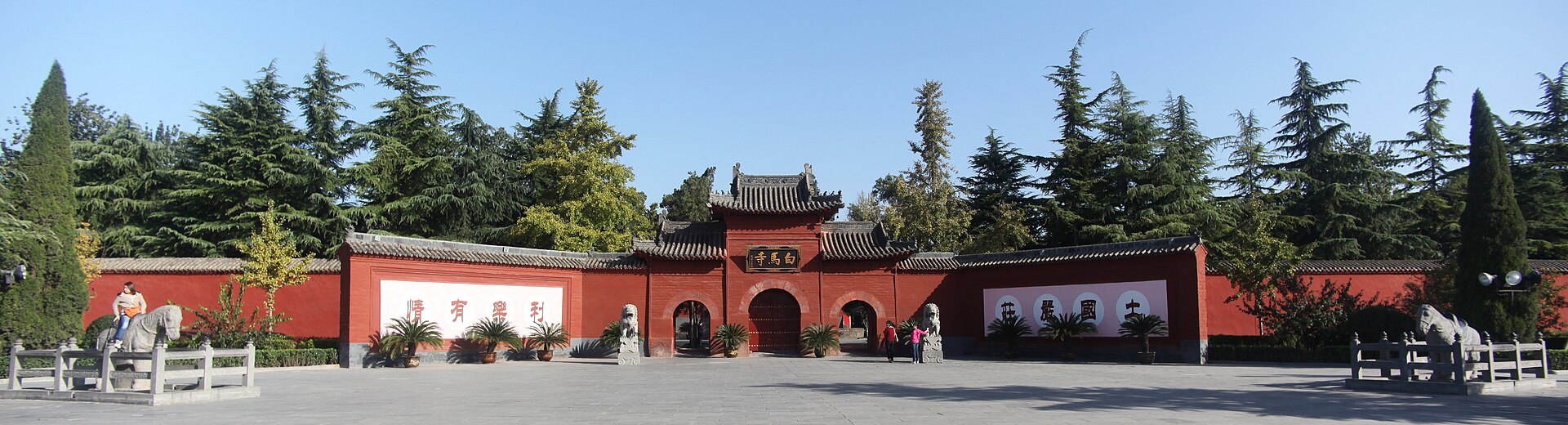
- Qiyun Pagoda — White Horse Temple grounds
Examine this multi-eaved, square-based tower standing southeast of the main temple complex. Built to imitate Tang dynasty architectural styles following historical fires, the structure features ancient stone inscriptions detailing its reconstruction.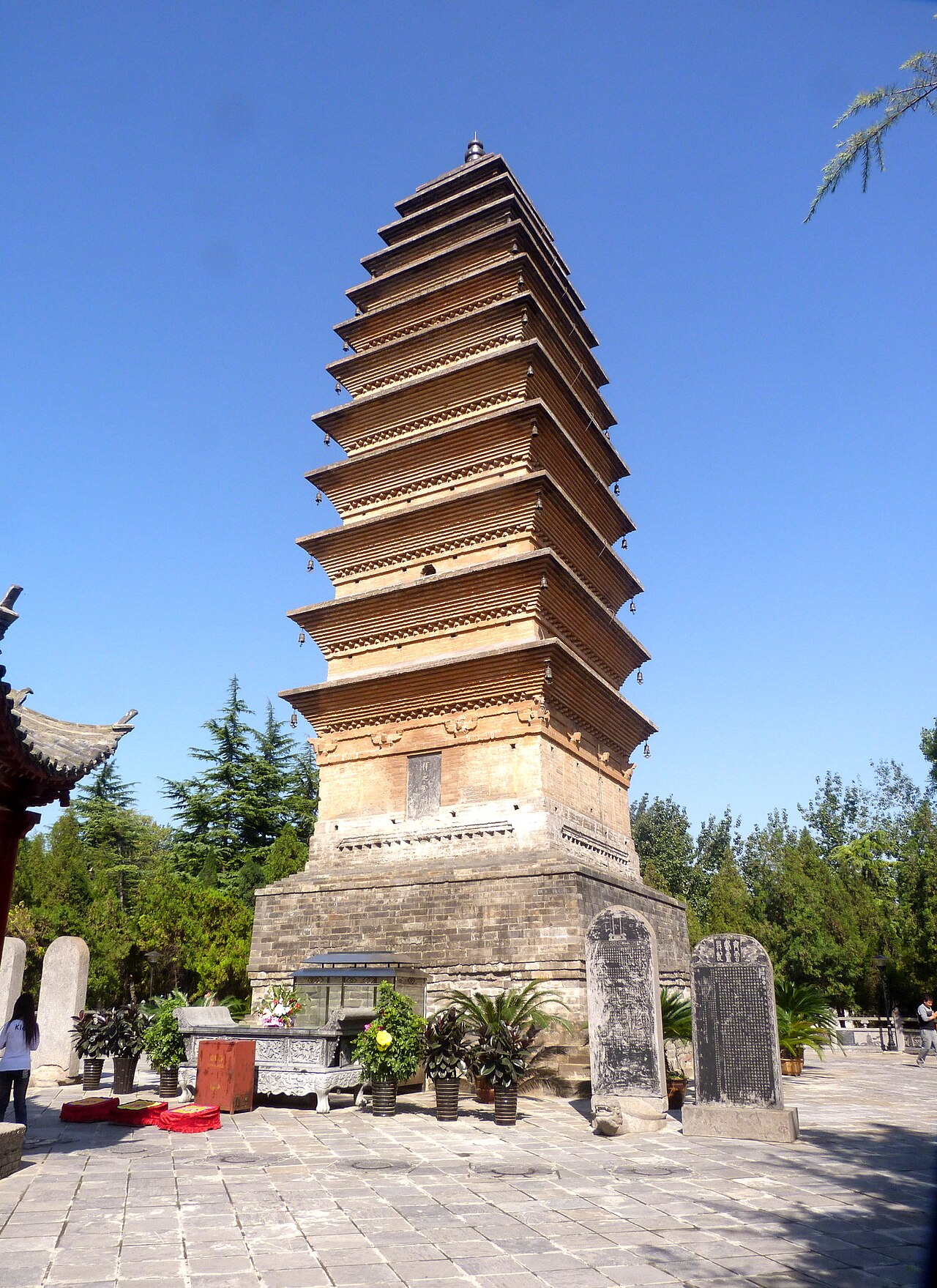
- Longmen Grottoes — Luoyang
Venture to one of the finest Buddhist rock sculptural sites in the country, carved into limestone cliffs along the river. Countless statues and reliefs span multiple dynasties, showcasing extraordinary ancient craftsmanship and devotion. - Guanlin Temple — Luoyang
Pay respects at this sprawling complex dedicated to Guan Yu, a legendary warrior of the Three Kingdoms period. The atmospheric courtyards feature ancient trees, stone tablets, and halls filled with commemorative statues. - Luoyang Museum — Luoyang
Discover extensive historical artifacts illustrating the city's heritage as an imperial capital across numerous dynasties. The museum offers crucial context for understanding the artistic and cultural developments of the region.
Culture
Luoyang carries the deep historical weight of an ancient imperial capital, where traditions of statecraft, religion, and local craftsmanship have intersected for millennia. Spiritual life here blends ancient Buddhist reverence with local folk customs, creating a contemplative atmosphere within monastic grounds. Visitors will notice that daily routines around the temple follow quiet rhythms, distinct from the bustling commercial pace of China's mega-cities. While modern urban life thrives across Henan Province, sites like White Horse Temple remain preserved as sanctuaries of quiet reflection and scholarly heritage. When visiting active monastic spaces, maintain a respectful tone, keep mobile phones silenced, and be mindful of monks and worshippers engaged in prayer or meditation. Dress modestly with shoulders and knees covered when entering temple halls.
What to wear
Traditional attire across Henan Province has evolved alongside modern Chinese fashion, though historical garments like the flowing Hanfu can often be seen worn by visitors and heritage enthusiasts visiting ancient sites. Contemporary locals dress in practical, modern casual wear suited for city life, including jeans, jackets, and comfortable footwear. For travellers exploring White Horse Temple and the surrounding museums or grottoes, practical walking shoes are essential due to the extensive stone courtyards and pathways. Visitors should dress respectfully, ensuring shoulders and knees are covered as a courtesy when entering sacred halls and monastic buildings, and bring layers depending on the seasonal temperatures.
What to eat
- Peking Duck — Luoyang restaurants
Savour classic roasted duck served with thin pancakes, sweet bean sauce, and fresh spring onions at traditional establishments like Qianjude Peking Duck Restaurant. - Late-Night Barbecue — Local street markets
Sample affordable street snacks and grilled skewers from lively round-the-clock food stalls frequented by local residents at spots like Dirty Street. - Late-Night Eatery Snacks — Luoyang urban eateries
Try a wide variety of regional comforting snacks and small plates at popular 24-hour spots such as Xiao Jie Tian Fu. - Baijiu — Local restaurants
Experience traditional grain-based strong liquor, best enjoyed alongside hearty local meals in neighbourhood restaurants rather than dedicated bars.
Plan it
Best time. Spring and autumn offer pleasant weather for walking through temple gardens and outdoor grottoes.
How long. 2–3
Getting there. Arrive via Luoyang Railway Station or Luoyang Longmen high-speed station, then connect by local bus services such as bus No. 56 to reach the temple.
Budget. mid
Tips
- Arrive early in the morning to experience the temple courtyards before larger tour groups appear.
- Wear comfortable walking shoes suitable for stone pathways and unpaved temple grounds.
- Carry cash for small purchases, snacks, and entrance tickets at local historical sites.
- Check official opening hours before travelling as schedules can vary across seasons.
Etiquette
- Cover your shoulders and knees out of respect for monastic traditions.
- Remove hats and speak in hushed tones inside active prayer halls.
Nearby
Sources
- Wikidata Q1264618 (CC0)
- Wikipedia (CC-BY-SA 4.0)
- Wikivoyage (CC-BY-SA 4.0)