Whistler
Whistler, Canada
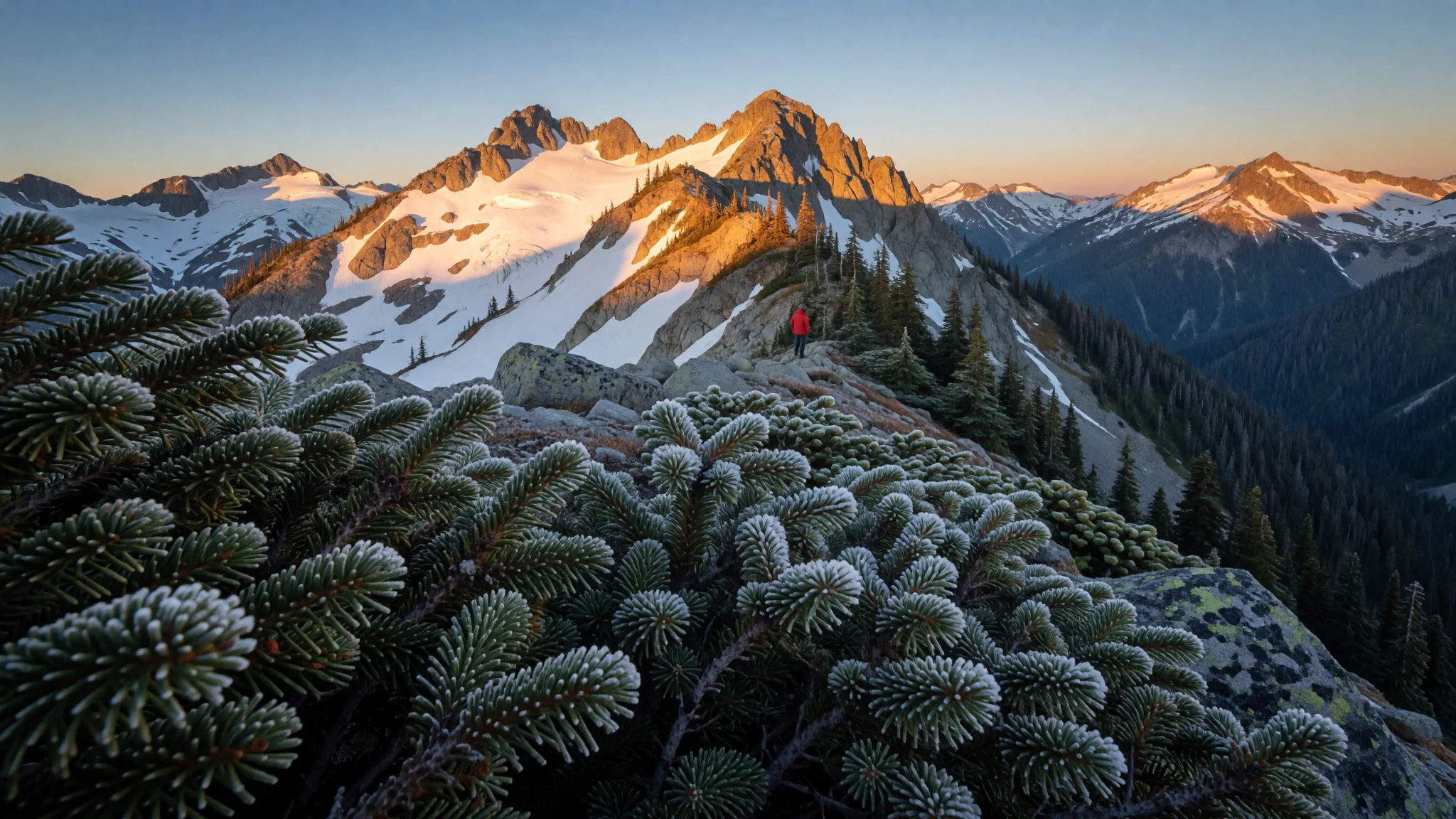
An alpine resort in British Columbia's Coast Mountains offering world-class winter skiing, summer mountain biking, and rich Indigenous heritage.
The place
Whistler sits within the southern Pacific Ranges of the Coast Mountains in British Columbia, positioned at an elevation of 670 metres. The resort municipality centres on a pedestrian-only village framed by thick evergreen forests and granite peaks. High above the valley floor, alpine meadows give way to persistent snowfields and sheer rock faces, while glacial lakes dot the surrounding mountain terrain.
The region experiences a climate that shifts dramatically between seasons. Winters bring heavy snowfall, persistent cloud cover, and cold temperatures that coat the higher slopes in deep alpine powder. Summers transform the valley into a warm, dry environment of sunlit trails and clear alpine lakes. This environmental rhythm dictates local activity, turning winter ski runs into summer mountain bike tracks as snow melts into rushing creeks.
The village layout prioritises foot traffic, connecting shops, eateries, and public plazas through paved walkways without vehicle traffic. Above the valley, cable cars and gondolas span mountain ridges, linking high terrain across deep forested gorges. Despite its global fame as an outdoor destination, Whistler maintains a distinct mountain character defined by timber chalets, wide mountain views, and direct access to protected wilderness trails.
Its story
Whistler Valley occupies a natural mountain pass situated between the headwaters of the Green River and the Cheakamus River divide. Long before European settlers arrived, the area was known as Cwítima to the Lilʼwat First Nation and Sḵwiḵw to the Squamish Nation. Both Indigenous nations shared the region for generations, travelling into the high valley during warmer months to establish seasonal hunting and trapping camps across the mountain terrain.
At the confluence of Rubble Creek and the Cheakamus River, the Lilʼwat and Squamish established a major trading hub known as Spó7ez. This flourishing settlement served as a vital centre of commerce until a volcanic eruption from Black Tusk buried the area in debris. The community was later re-established by Indigenous residents, only to be devastated again by a massive rock slide during the 1800s.
European settlement grew in the early twentieth century, when the Philips opened Rainbow Lodge on Alta Lake in 1914 as the railway arrived, though the valley stayed Alta Lake until it became British Columbia's first resort municipality in 1975. Over the following decades, the region developed from a remote mountain logging and fishing outpost into an internationally recognized alpine sports destination. A major milestone arrived when Whistler hosted alpine, Nordic, and sliding events for the 2010 Winter Olympics, cementing its international reputation. Today, the shared heritage of the Lilʼwat and Squamish nations remains central to the valley's identity alongside its modern skiing history.
What to see
- Squamish Lil'wat Cultural Centre — Upper Village
The Squamish Lil'wat Cultural Centre showcases the rich heritage, art, and traditions of the two First Nations who have inhabited the valley for generations. Located in a striking timber-and-glass building, the centre features carved canoes, traditional woven textiles, interactive displays, and hand-crafted artifacts. Guided tours begin with a welcome song and drum performance, offering visitors a meaningful look into Indigenous mountain history and living culture.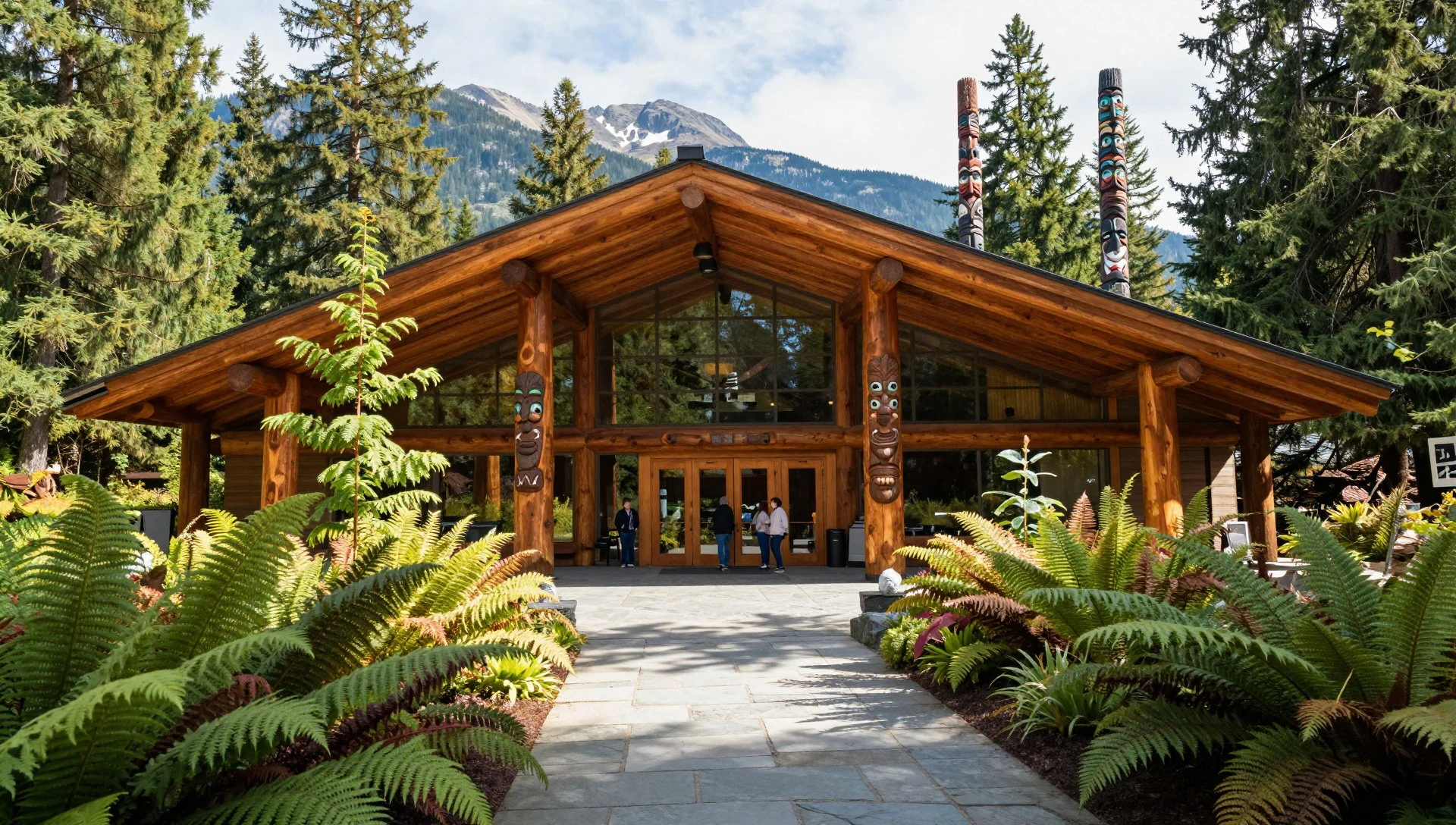
- Whistler Mountain Bike Park — Whistler Mountain
Whistler Mountain Bike Park transforms the winter ski slopes into a vast summer cycling network catered to mountain bikers. Lifts carry riders and bikes up the mountain to access over fifty distinct trails ranging from gentle rolling tracks to steep technical terrain. The park features nearly fifteen hundred metres of vertical descent, making it one of the premier gravity-fed mountain biking destinations anywhere in North America.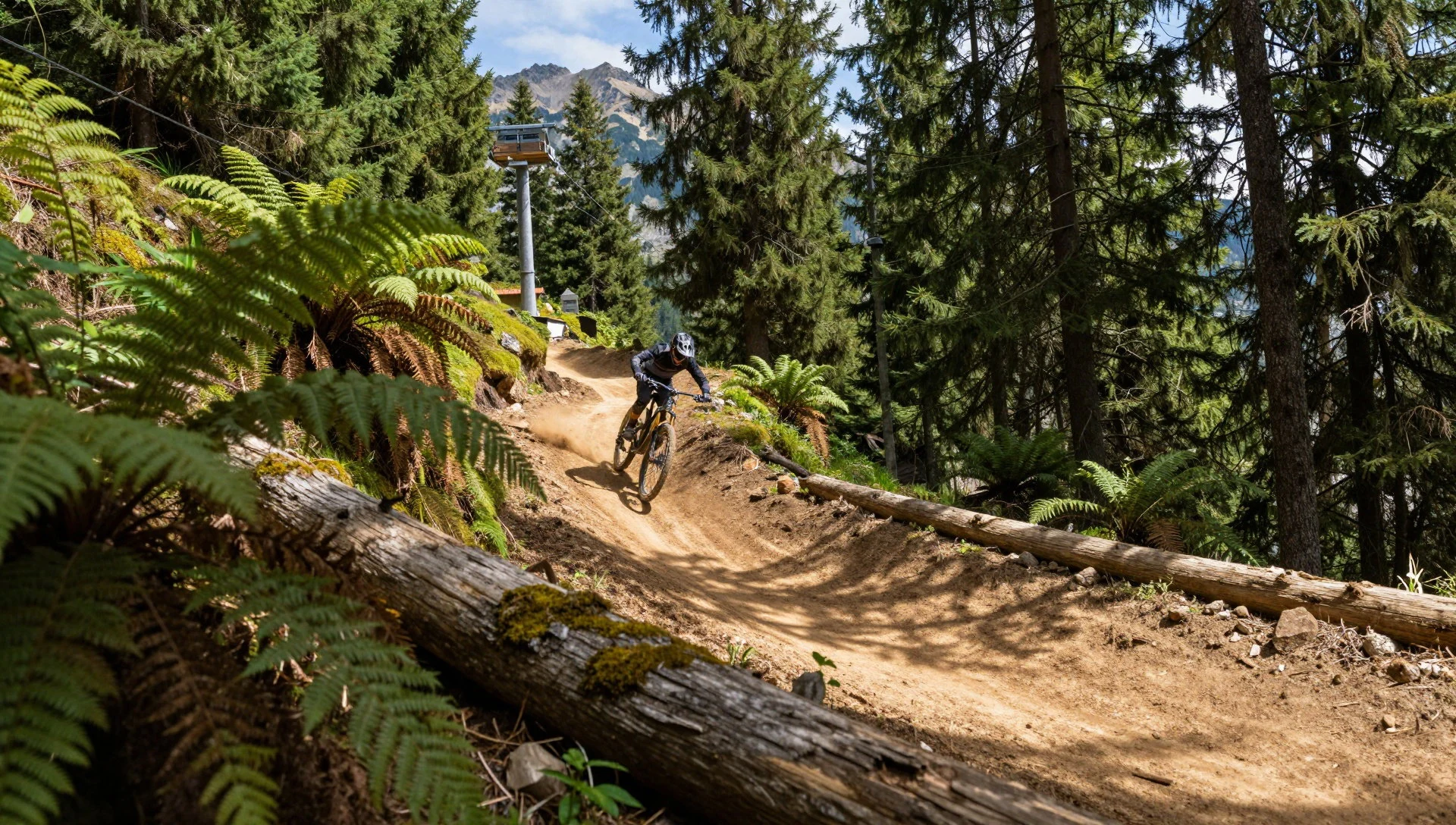
- Audain Art Museum — Village North
The Audain Art Museum houses an outstanding permanent collection of British Columbia art within a modern building set among coastal trees. The galleries showcase historic Indigenous carvings, works by famous Canadian painters, and contemporary regional artworks. Rotating special exhibitions complement the core collection, creating an illuminating cultural stop just a short stroll from the main pedestrian village.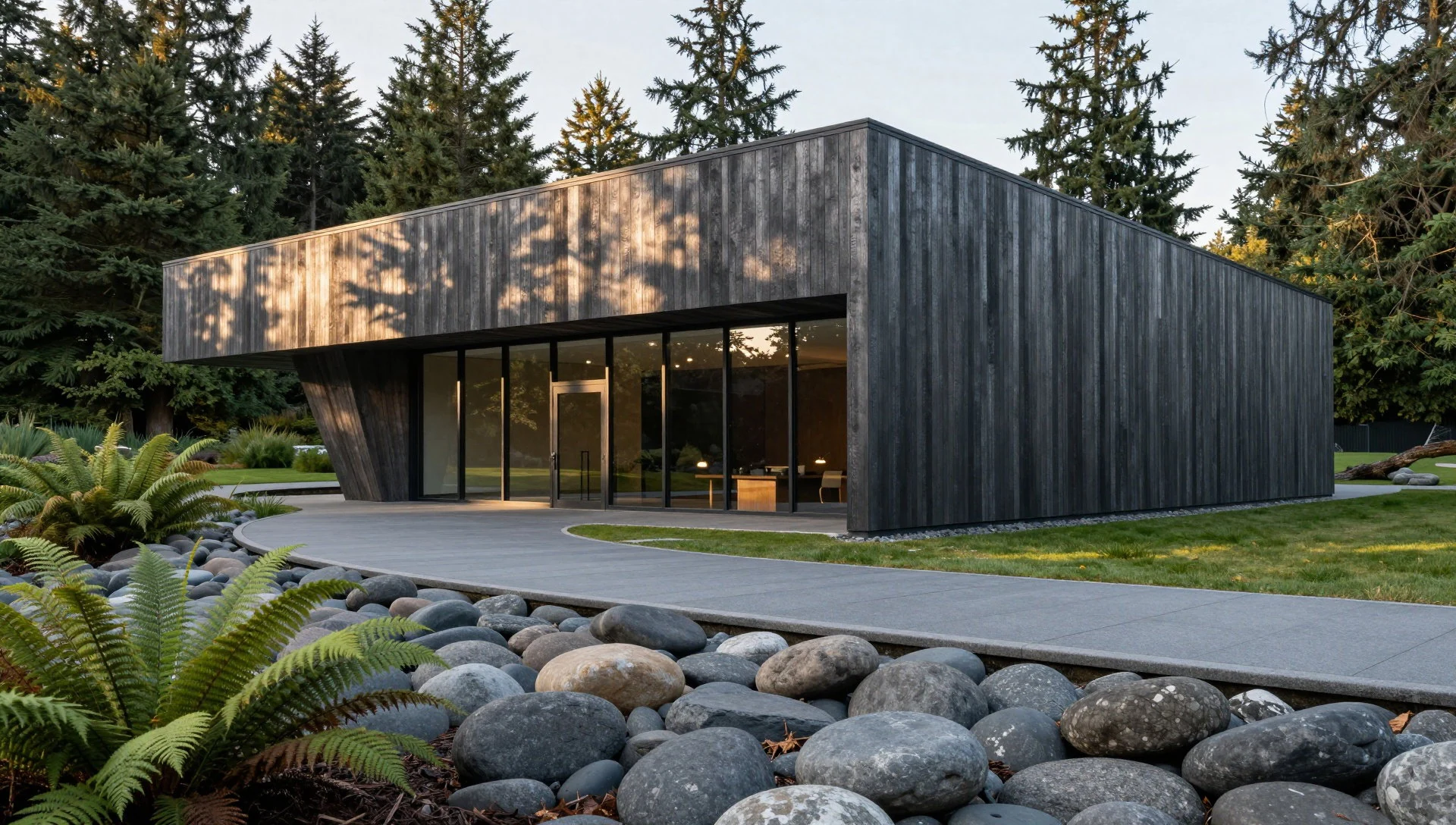
- Brandywine Falls Provincial Park — South of Whistler
Brandywine Falls Provincial Park features a dramatic seventy-metre waterfall plunging over basalt cliffs into a steep canyon along Brandywine Creek. A well-maintained walking trail leads from the main parking area through dense forest to an elevated viewing platform overlooking the drop. The park offers scenic walking paths and geological viewpoints, though visitors should note it is accessible only by private vehicle or taxi.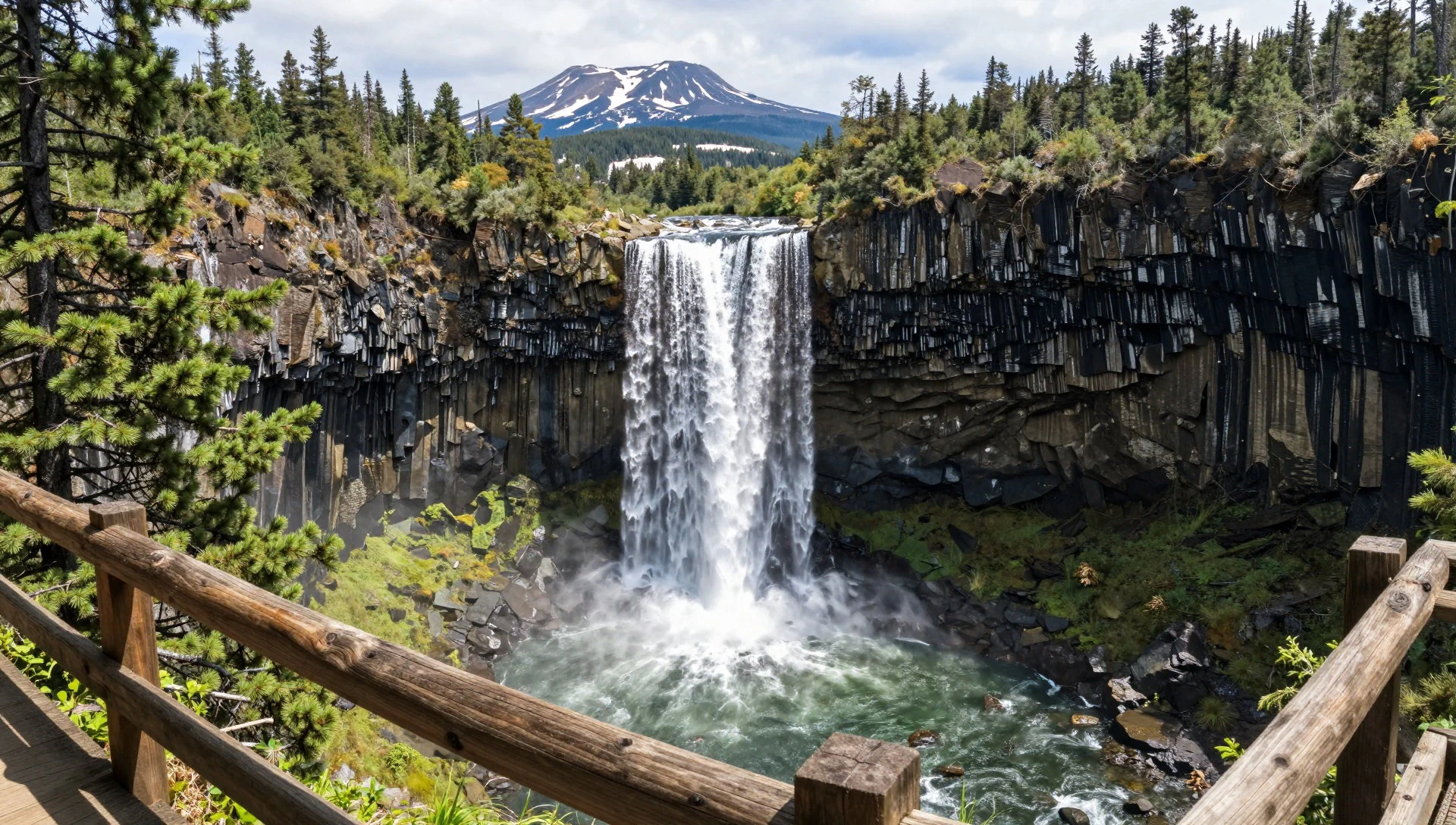
- Whistler Museum — Whistler Village
The Whistler Museum documents the transformation of the valley from a quiet wilderness valley into a world-famous resort town. Exhibits cover early pioneer life, local wildlife specimens, and the evolution of mountain sports equipment through the decades. A dedicated section highlights the town's successful bid and hosting role during the 2010 Winter Olympics, complete with official torches and authentic games memorabilia.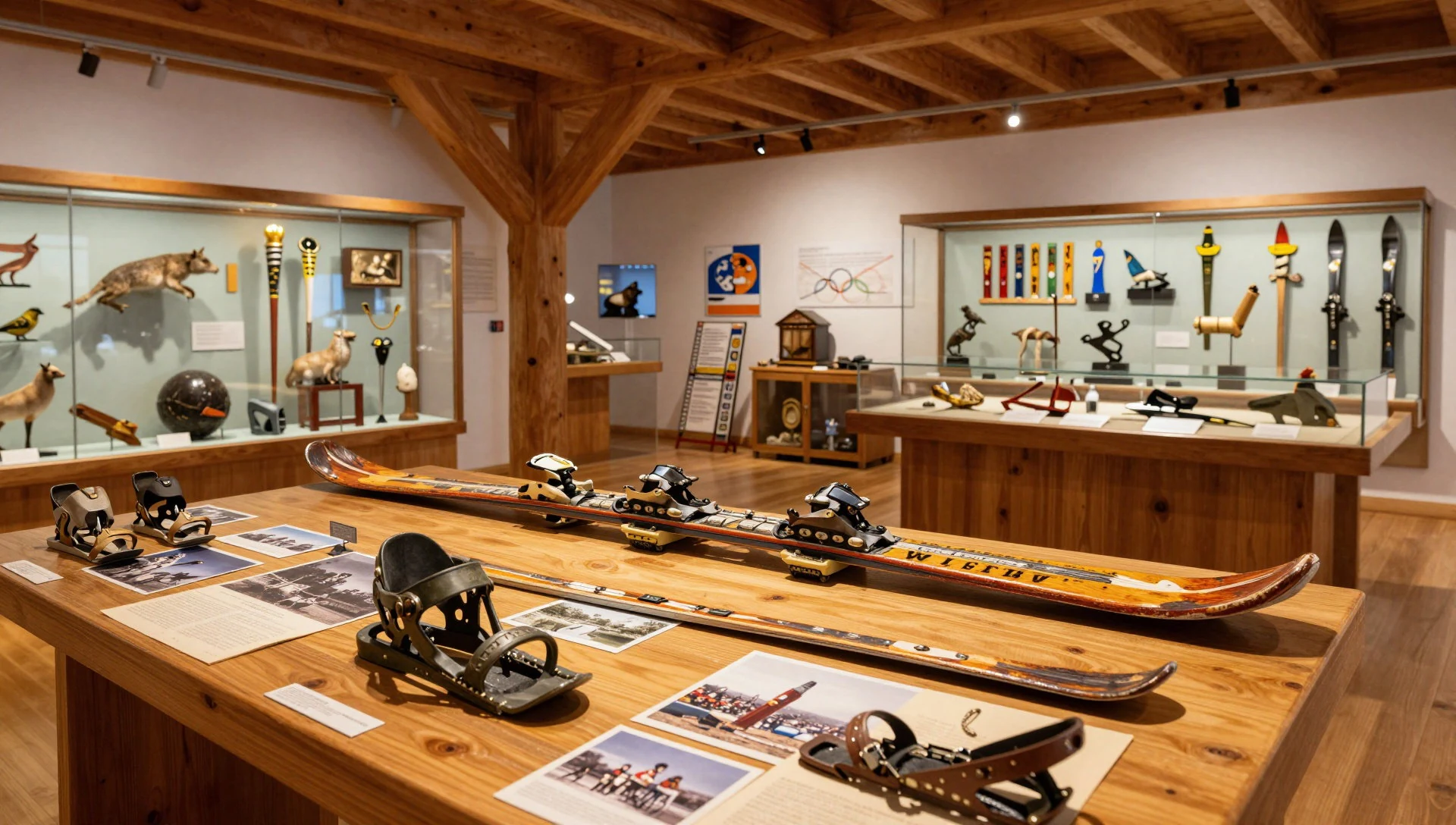
Culture
Whistler's culture reflects a unique blend of ancient Indigenous traditions and a vibrant modern mountain sports lifestyle. The valley lies on the unceded traditional territories of the Lilʼwat Nation and the Squamish Nation, whose cultural presence is woven into public art, storytelling, and community architecture. Respect for the natural landscape and Indigenous heritage remains a core values system across the resort municipality.
The town's modern community spirit revolves around outdoor activity, environmental stewardship, and seasonal arts events. Each December, the Whistler Film Festival brings filmmakers, artists, and audiences together for five days of screenings, discussions, and industry awards. Throughout the year, local gatherings, farmers' markets, and outdoor concerts foster a friendly, informal atmosphere where mountain enthusiasts, long-time residents, and seasonal workers interact.
Environmental consciousness is taken seriously throughout the valley, with strict waste management programs, wildlife protection guidelines, and active trail maintenance initiatives. Residents prioritise preserving the delicate alpine ecosystem that surrounds the urban core. When visiting sacred Indigenous heritage sites or natural parks, always stick to designated paths and pack out all rubbish to protect the fragile environment.
What to wear
Historically, the Lilʼwat and Squamish peoples of the region wore functional garments crafted from woven cedar bark, animal hides, and mountain goat wool. Intricately woven cedar hats and waterproof cloaks provided essential protection against the wet coastal climate, while ceremonial blankets decorated with traditional motifs were worn during potlatches and community gatherings.
Today, daily dress in Whistler is overwhelmingly casual, technical, and sports-oriented. Locals and workers favour high-performance outdoor apparel, including waterproof shells, insulated down jackets, fleece mid-layers, and sturdy footwear suited to mountain weather. During winter, insulated ski jackets, thermal base layers, and snow boots dominate village attire, while summer brings lightweight hiking shirts, shorts, and sturdy trail running shoes.
For visitors, clothing choices depend heavily on the season and planned outdoor activities. Packing high-quality waterproof outerwear and warm layering garments is essential year-round, as weather conditions at higher elevations change rapidly. Comfortable walking shoes or hiking boots with good grip are necessary for exploring the village cobblestones and mountain trails. Formal dress is rarely required at village dining spots, where neat casual outdoor clothing is universally accepted.
What to eat
- Purebread — Village North
This famous village bakery offers an extensive selection of freshly baked artisan breads, decadent cakes, and rich pastries. Visitors queue up for sweet berry scones, savoury tarts, and gooey cinnamon rolls, perfect for grabbing before setting off onto the mountain trails.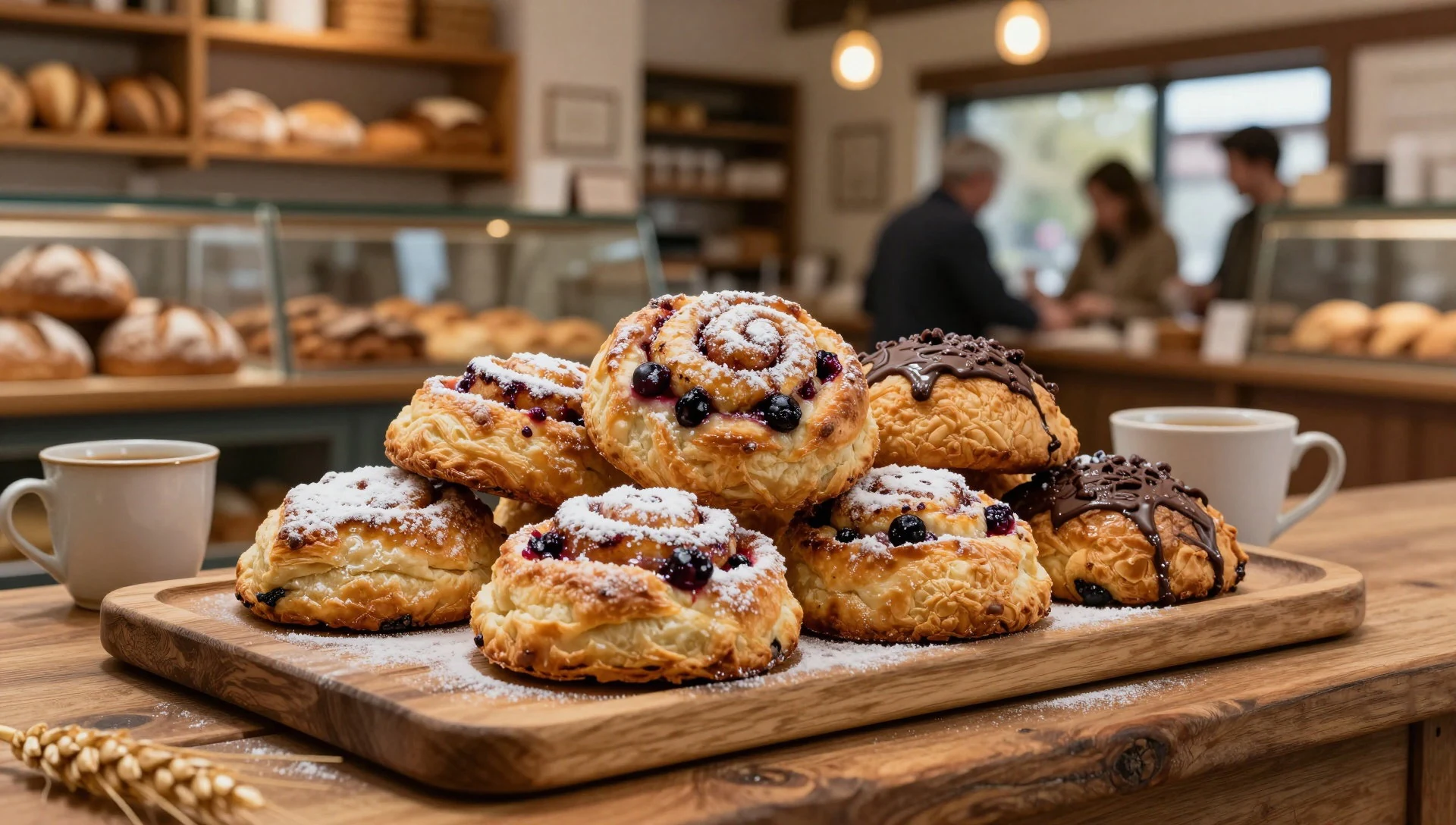
- Gone Village Eatery — Whistler Village
Tucked away behind a local bookstore, this cozy café serves hearty breakfast scrambles, French toast, and warm oatmeal. For lunch, the kitchen prepares generous burgers, hot chilli bowls, and toasted sandwiches, providing affordable comfort food in a relaxed mountain environment.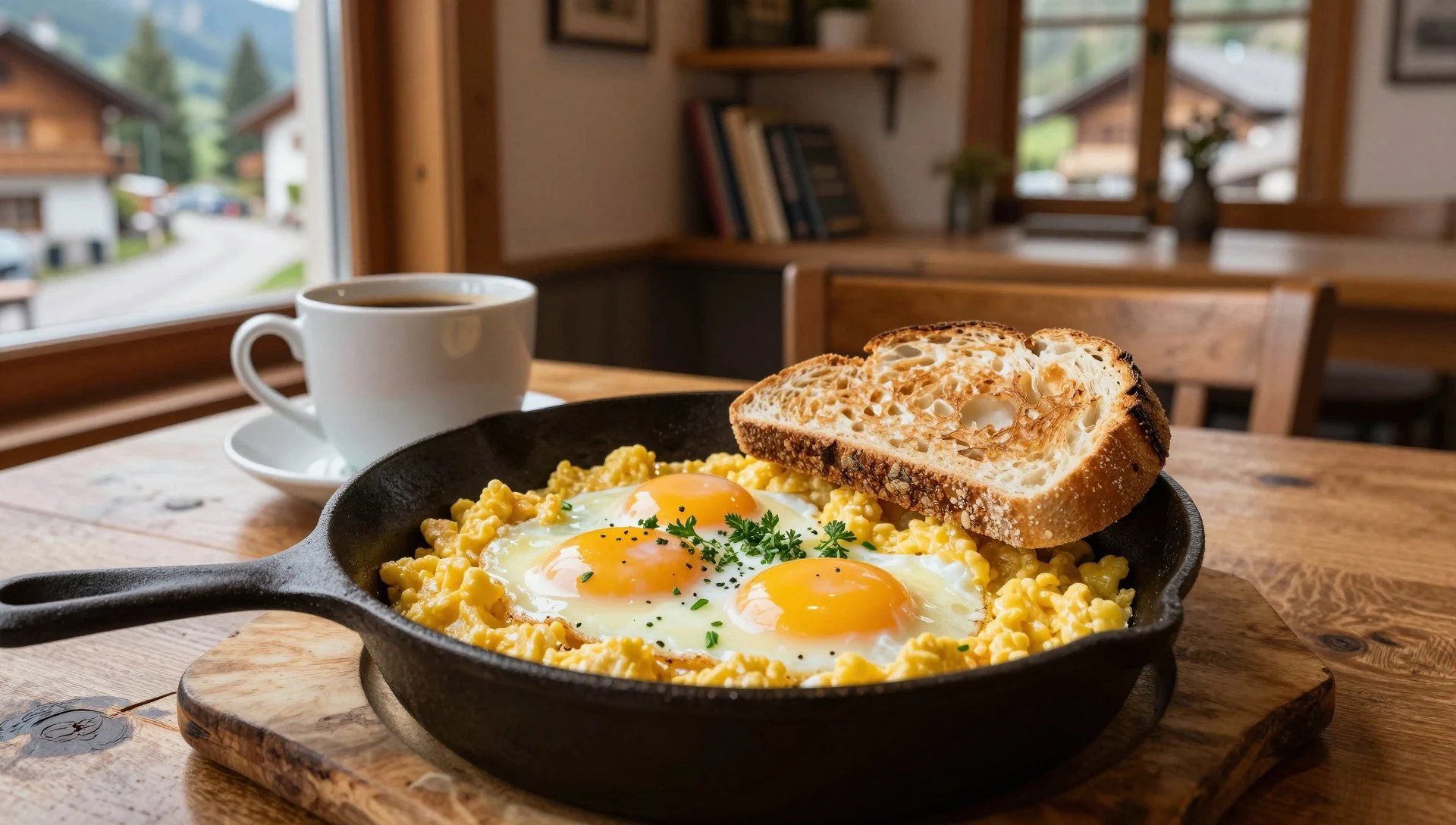
- Lift Coffee Company — Whistler Village Gondola Plaza
Located right near the main ski lifts, this popular spot pours specialty coffees alongside fresh salads, hearty soups, and custom sandwiches. The outdoor patio offers great views for enjoying a midday craft beer from the local Whistler Brewing Company in the afternoon sun. - Caramba! — Village Stroll
This bustling dining spot specializes in Mediterranean-inspired dishes prepared in a central wood-fired oven. The menu features thin-crust pizzas, fresh pasta, roasted chicken, and grilled seafood, served in a lively dining room right along the main pedestrian thoroughfare. - The Old Spaghetti Factory — Whistler Village
A popular option for families and groups, this Italian eatery serves generous pasta platters accompanied by complimentary warm loaves of fresh bread. The unpretentious menu includes classic meat sauce dishes, garlic bread, and comforting baked pasta served in a casual setting.
Plan it
Best time. December–March for deep snow skiing and snowboarding; July–August for dry, warm mountain biking and alpine hiking.
How long. 3–4
Getting there. Fly into Vancouver International Airport (YVR), then take a direct shuttle bus or drive two hours north along the scenic Sea to Sky Highway (Highway 99).
Budget. high
Tips
- Book peak winter accommodation and ski passes months in advance
- Carry winter tires or snow chains when driving Highway 99 between October and April
- Take advantage of free village shuttle buses to get between neighborhoods
- Pack layers and waterproof outerwear even during summer months
Etiquette
- Yield right of way to downhill skiers and mountain bikers on shared runs and trails
- Never feed or approach wildlife, especially black bears, in or around the village
- Keep noise levels low in residential areas and village plazas after late evening hours
Nearby
Sources
- Wikidata Q203122 (CC0)
- Wikipedia (rev 1381947416) (CC BY-SA 4.0)
- Wikivoyage (rev 5422474) (CC BY-SA 4.0)
- Photo photos/01-autumn-colours-and-plenty-of-dogs-to-pet-37560004544.jpg (CC BY 2.5)
- Photo photos/02-whistler-panorama-1.jpg (CC BY 2.5)
- Photo photos/03-hoary-marmot-marmota-caligata-cascadensis-whistler-2.jpg (CC BY-SA 4.0)
- Photo photos/04-2009-0605-ilanaaq-2010oly-whistler.jpg (CC BY 3.0)
- Photo photos/05-whistler-olympic-cauldron-2010.jpg (CC BY-SA 4.0)
- Photo photos/06-view-of-whistler.jpg (CC BY 3.0)
- Photo photos/07-whistler-ice-sailor.jpg (CC BY 2.5)
- Photo photos/08-whistler-nita-lake.jpg (Public domain)


