Wartburg
Wartburg, Germany
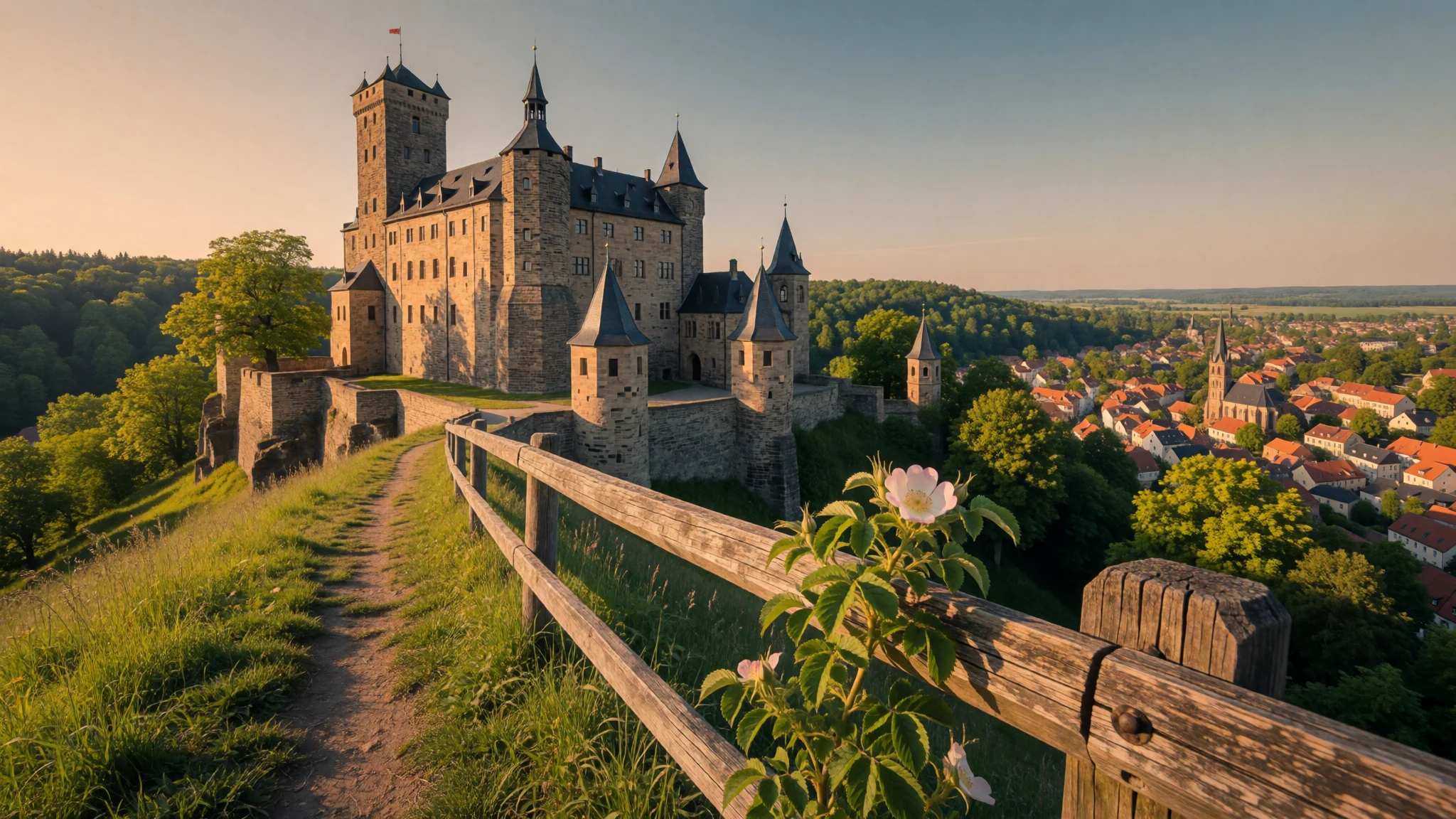
Wartburg mixes medieval architecture, major religious history and big German-language stories, all set above Eisenach with strong views.
The place
Wartburg is a hilltop castle above Eisenach, sitting on a southwest-facing precipice in Thuringia. It was built in the Middle Ages and, even now, the place still reads as “castle first, museum second”: thick stone, layered courtyards, towers and viewpoints that look straight down over the town. At the height given for the site, the castle is close enough to Eisenach to feel connected, yet it also has the separation of being perched up in its own world.
What makes Wartburg feel different from many European fortresses is how many eras overlap in the story. The castle is associated with St. Elisabeth of Hungary and with the tradition of Martin Luther’s translation work, so the interior isn’t just about noble life—it’s also about faith and ideas. The building itself carries substantial original structures from the 12th to the 15th centuries, but many interior parts date from later renovations, so the atmosphere can shift: some rooms feel medieval in texture, others feel like carefully staged history.
A practical note: getting up there means elevation and a decent amount of walking, and the viewpoints are the reward. The best light is often early, especially in spring when the landscape opens up, or in autumn when the air feels crisper. If visiting in peak periods, expect queues around the main exhibits and photo spots, but the site is large enough that the busy bits usually don’t swallow the whole day.
Wartburg is also internationally known through UNESCO World Heritage status, which is partly why it draws crowds—especially on longer weekends when people from across Germany come to Thuringia for a heritage day.
Its story
Wartburg’s history begins with power and borders. The foundation is tied to around 1067, when Louis the Springer and his family sphere used the castle to secure the outer edges of their territories. A later written mention appears in 1080, and from there the narrative becomes a patchwork of politics, courts, legend and religion.
In the Investiture Controversy era, the castle is linked to conflict and shifting authority in the Holy Roman Empire, with opponents of the Salian rulers and changing ranks for the ruling line. Then, between 1172 and 1211, Wartburg becomes a major princely court, a place where literature matters. Poets connected to the court are part of what turns the castle from a “fortress with history” into a cultural anchor.
From that court culture grows the famous legend of the Sängerkrieg—the Minstrels’ Contest. It’s associated with poets and storytellers and later echoed in Richard Wagner’s opera Tannhäuser, which means Wartburg’s influence reaches well beyond Thuringia. The legend is one of those things visitors either lean into as folklore or treat as storytelling frosting on medieval architecture; either way, it gives the rooms a narrative glow.
Religious history adds another layer. St. Elisabeth of Hungary is connected to the castle through her upbringing and later charitable reputation, and the broader story of the Reformation era is carried through the association with Martin Luther’s translation work. Put simply: Wartburg isn’t one clean timeline—it’s a stack of meaningful chapters, where medieval stone hosts courtly literature, devotional life and later intellectual moments in German history.
What to see
- Wartburg Castle — Castle hill above Eisenach
Start with the castle itself: its towers, courtyards and the way it dominates the view over Eisenach. Inside, the main exhibits connect medieval architecture with the narratives tied to St. Elisabeth and Martin Luther, plus the longer cultural afterlife of the site.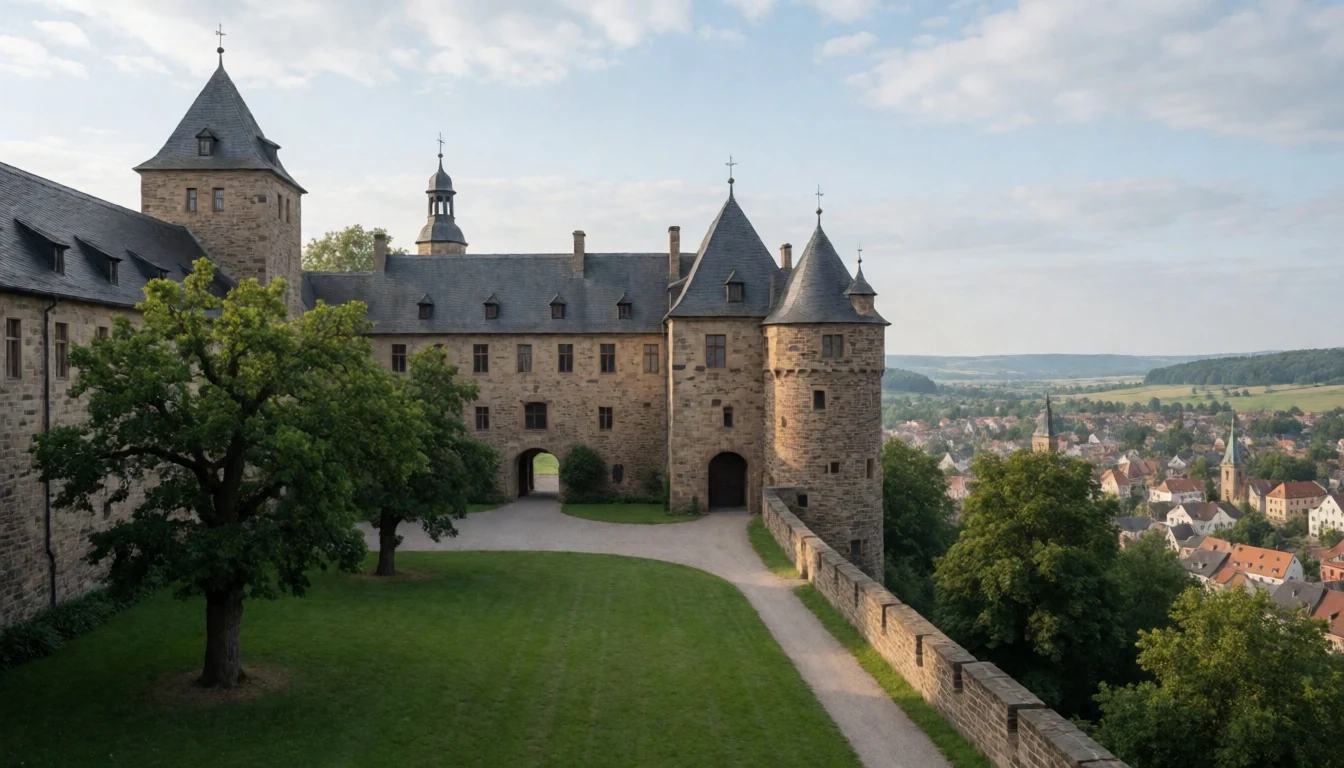
- Luther’s study (Lutherhaus) — Within the Wartburg complex
Wartburg includes the Lutherhaus area, presented as a historic space connected to Luther’s time and translation tradition. It’s a smaller-feeling stop than the big courtyards, but it’s where the “ideas” side of the visit really clicks.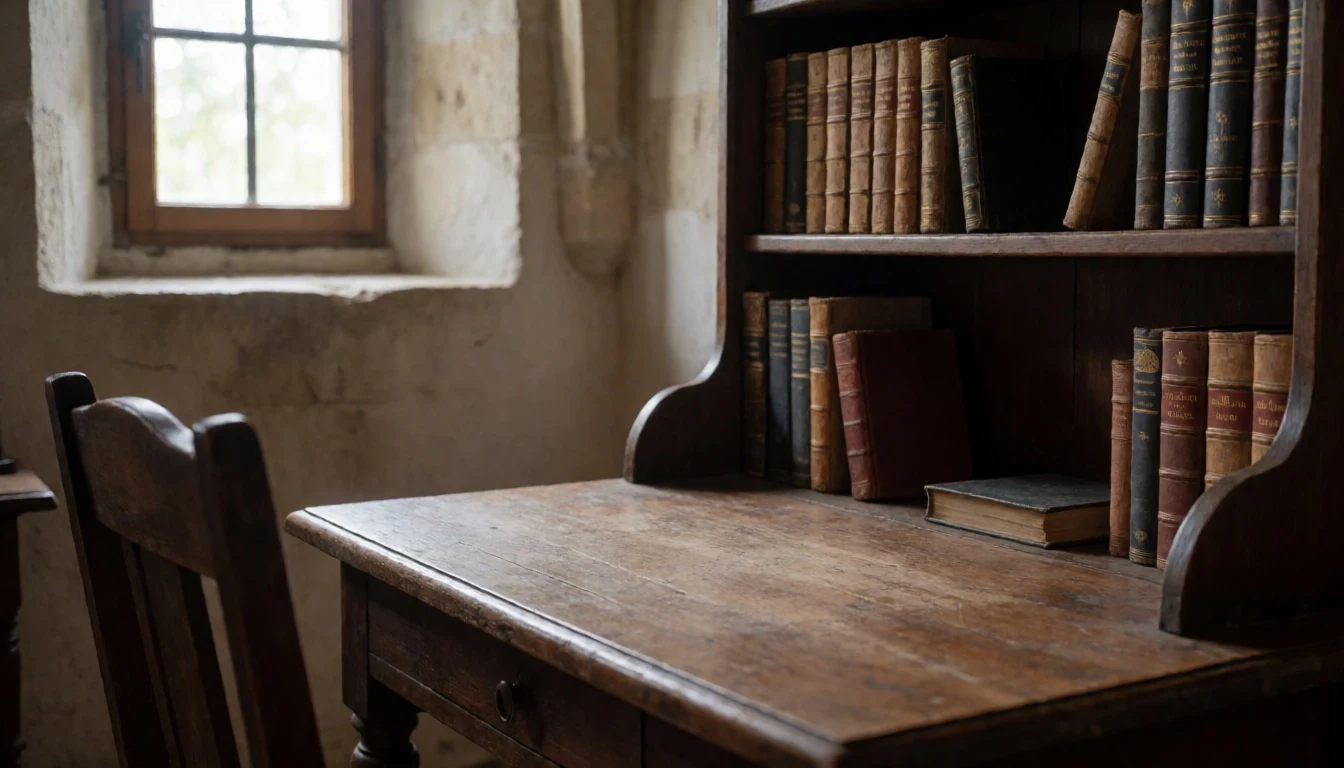
- Wartburg student procession (historical set-piece) — Wartburg castle grounds
If you catch it on your route, the student procession theme is an atmospheric way to understand how people imagined Wartburg in later centuries. It gives a sense of ceremony and continuity—how the castle kept being used as cultural reference, not just a ruin.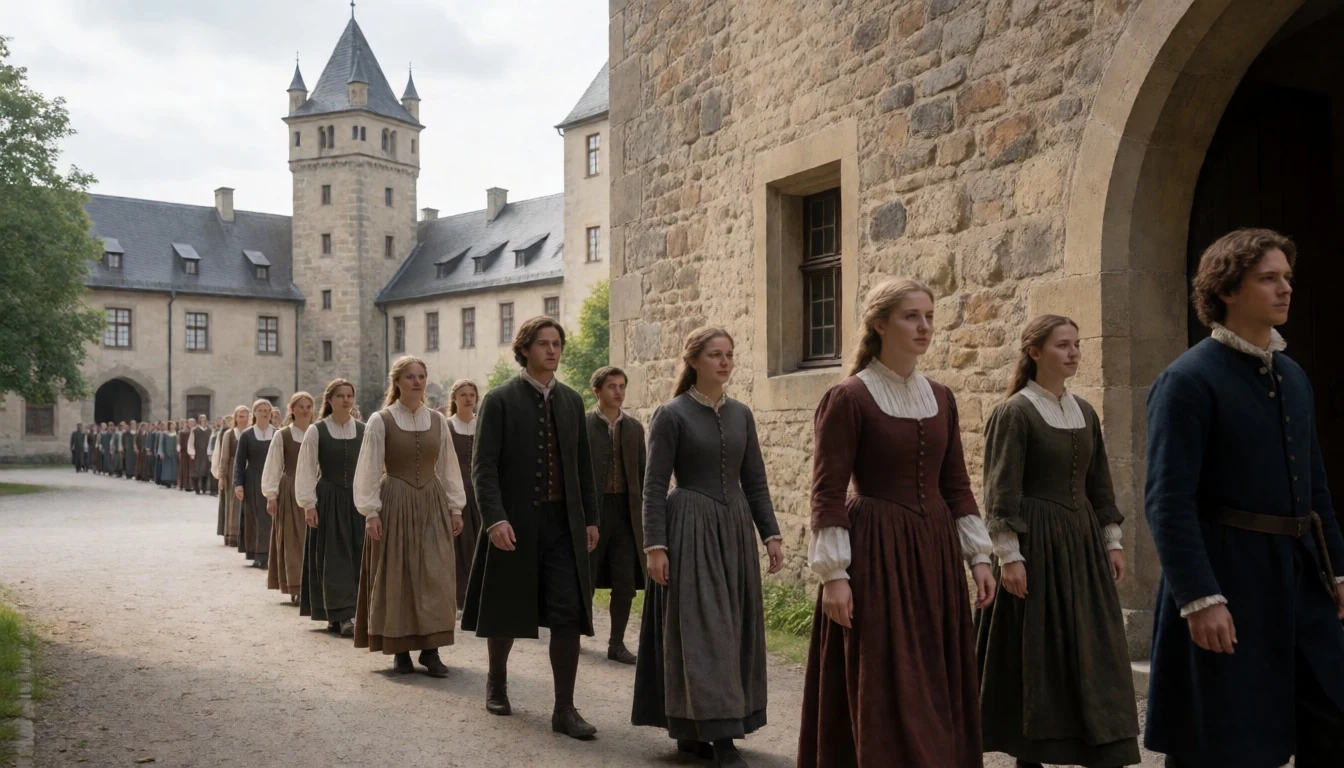
- Wartburg garden and walkways — Kartaus Garden and surrounding walkways
Plan at least some slow time around the landscaped edges and paths. The viewpoint sections here are part of why the castle feels “alive” rather than enclosed, especially when the air is clear in spring or autumn.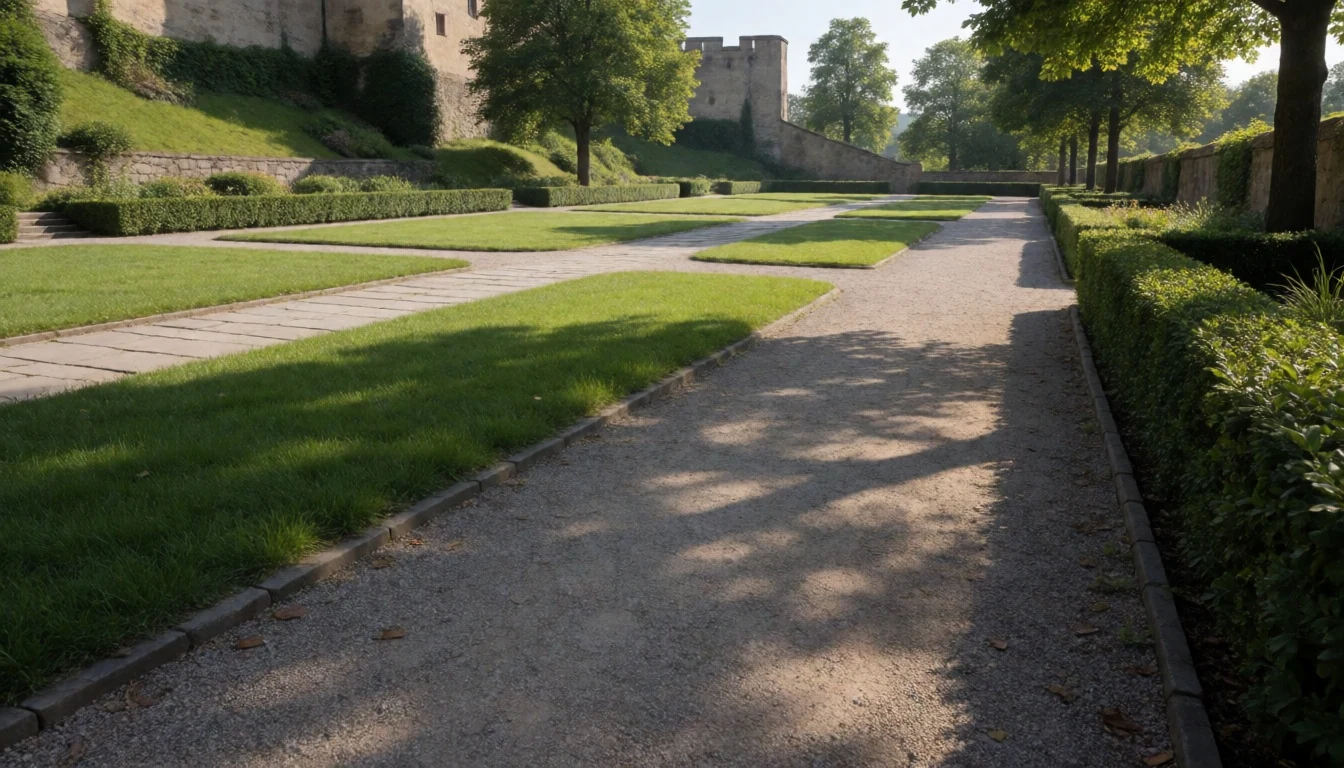
- Wartburg map and layout (Burgplan view) — On-site orientation areas near the entrance
Use the castle plan approach to orient quickly—Wartburg’s range of spaces can feel like a maze if you don’t anchor yourself. Once you understand the layout, you’ll move more smoothly between major rooms and perspective points.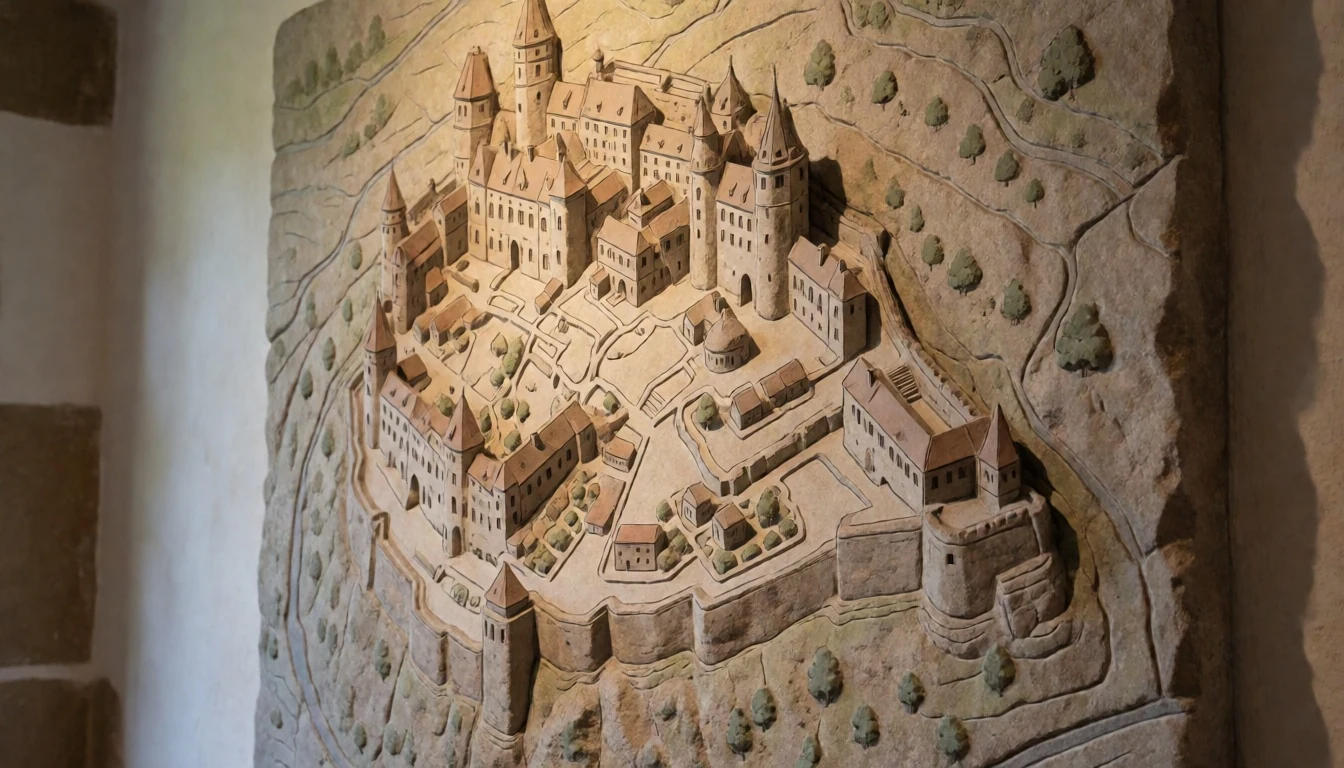
Culture
Wartburg is visited by people who come for medieval architecture, people who come for the Luther connection, and people who come because German-language legends like the Minstrels’ Contest travel well. That mix is why the atmosphere can feel slightly different from purely “fortress” sites: expect a blend of museum behaviour, religious-history interest and classic tourist photo stops.
Crowds tend to cluster around the most central exhibits and the photo points with the best views over Eisenach. If the weather’s mild, the grounds and pathways make a big difference to the experience—slower walking can help when the indoor rooms get busy.
Dress codes aren’t usually strict in the everyday sense, but this is still a historic site with respected cultural storytelling. Keep noise down inside exhibition rooms, and be mindful that some spaces feel contemplative rather than “just another attraction”. If there’s signage about photography, follow it; don’t block entrances or stairways while taking a picture.
And because it’s elevated and set on a hillside, comfortable shoes matter: the route involves uneven ground and some stairs, and you’ll enjoy the views more if you’re not rushing.
Visitor etiquette: keep voices low in indoor rooms, follow any no-photography signs, and wear grippy shoes for the hillside steps and paths.
What to wear
Wartburg’s setting in Thuringia means weather matters more than “style”. For traditional dress connections, you’ll see references to historical court culture, but most visitors wear everyday clothes. In modern times, that usually means layers you can adjust: a light jacket in spring and autumn, and a warmer outer layer if you’re visiting when evenings cool off.
If people choose traditional outfits, the most common context you’ll notice is cultural events or themed tours, where regional styles appear alongside the castle’s medieval story. Look out for historical-inspired garments rather than expecting everyday streetwear to be traditional.
For a visitor, the biggest practical points are comfort and respect. The castle grounds involve walking on uneven surfaces and steps, so choose footwear with good grip—trainers are usually a safer bet than thin-soled shoes. Bring something you can tie or remove easily, because castle visits can start cool and end warmer after a few climbs.
Covering appropriately is always sensible: in rooms with religious or heritage significance, modest clothing reads best, and it’s good to avoid very bare shoulders if you’re uncertain. A small day bag helps keep hands free for maps and photos, without fumbling in crowded corridors.
What to eat
- German bakery treats — Eisenach bakery shops and the town centre
Wartburg and Eisenach are well suited to grabbing something quick between rooms—think cakes, pastries and warm bread from local bakeries. It’s an easy, low-fuss option when the castle schedule makes sitting down hard.
- Coffee and cake stops (café culture) — Central cafés in Eisenach
A proper café break helps during a full day at the castle. Look for places that serve coffee with cake—ideal in spring and autumn when you want a comfortable pause without committing to a long meal.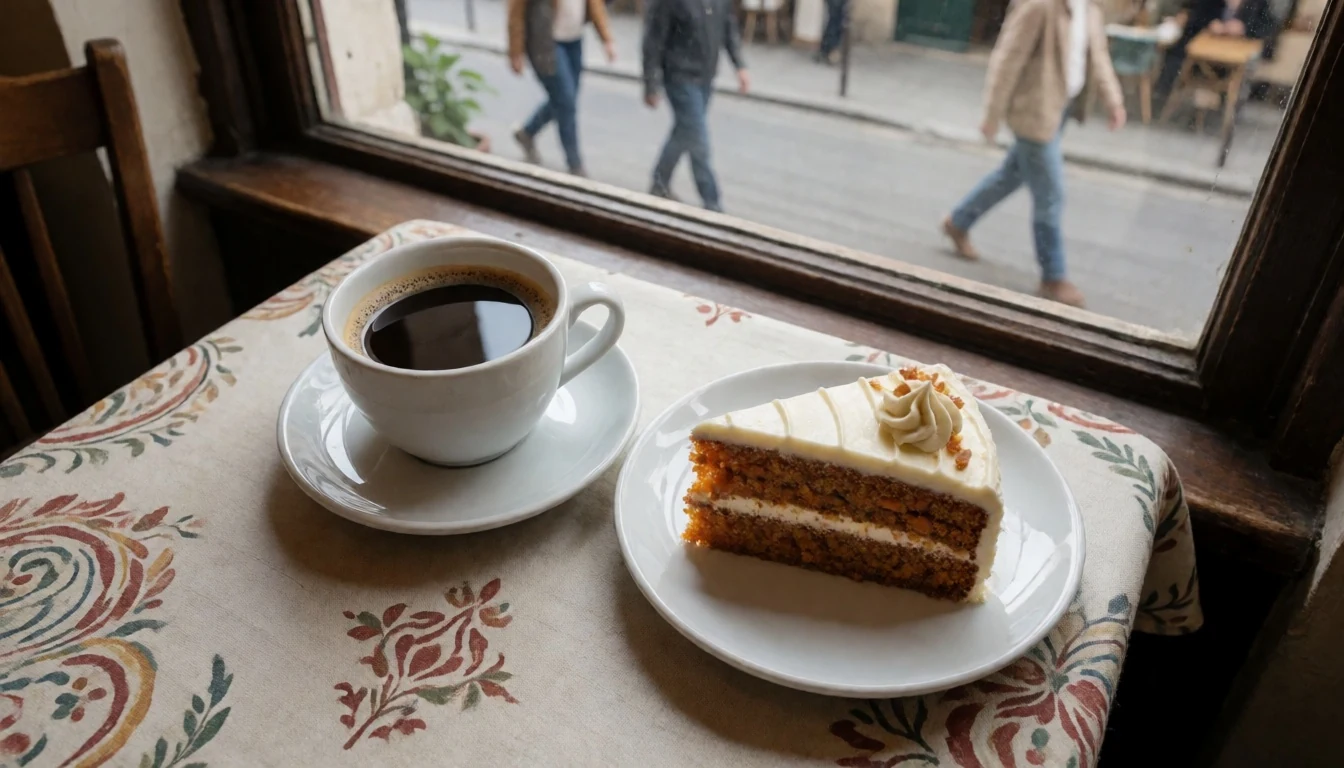
- Ristorante-style Italian plates — Italian restaurants around Eisenach
If the castle day has worked up an appetite, Italian-style eateries in town offer straightforward pasta and pizza options that are easy to share. They’re useful on evenings when you want something familiar after museums. - Burgers and fast comfort food — Fast-food outlets in Eisenach
For a quick, filling meal with minimal fuss, burger places are handy—especially if you’re travelling with teens or anyone who doesn’t want “museum pacing” at dinner time. - Bar snacks and casual dining — Local bars and casual eateries in Eisenach
Between walking routes, casual bar food is a reliable option. It’s the kind of meal where you can pick something light and still keep energy for the late-afternoon viewpoints.
Plan it
Best time. March–April for comfortable touring and the landscape waking up, or October–November for autumn light; summers can feel busy, and winter days can be colder for hillside walking.
How long. 2–3
Getting there. Use Eisenach station as the hub for Thuringia. From there, the last leg is by local transport or a route up to the castle grounds on foot, following signs to Wartburg.
Budget. mid
Tips
- Plan arrival early in the day to avoid the tightest queues at the main castle exhibits.
- Wear grippy shoes: Wartburg sits on a hillside and the approach involves stairs and uneven ground.
- Bring a layer for the viewpoints—open-air weather can feel cooler than in town.
- If travelling by rail, Eisenach connects onward to other major Thuringia destinations like Erfurt and Weimar for day trips.
- If staying overnight in Eisenach, ask about the tourism tax charged per night and per person.
Etiquette
- Keep voices down inside exhibition rooms and avoid stopping in doorway flow lines.
- Follow any signs about where photography is allowed, and don’t block others when you’re shooting from viewpoints.
- Dress for walking and modesty where spaces feel religious or ceremonial.
Nearby
Sources
- Wikidata Q151545 (CC0)
- Wikipedia (rev 1372473335) (CC BY-SA 4.0)
- Wikivoyage (rev 5401552) (CC BY-SA 4.0)
- Photo photos/01-wak-wufa-burbach-wartburgblick.jpg (CC BY 3.0)
- Photo photos/02-luther-s-study-wartburg-thuringia-germany-lccn2002720777.jpg (Public domain)
- Photo photos/03-wartburg-studentenzug-1817.jpg (Public domain)
- Photo photos/04-00-wartburg-burgplan.jpg (CC BY 3.0)
- Photo photos/05-wartburg-saengerwettstreit.jpg (Public domain)
- Photo photos/06-wartburg-06.jpg (CC BY 3.0)
- Photo photos/07-wartburg-aus-suedwest.jpg (Public domain)
- Photo photos/08-wartburg-southtower.jpg (Public domain)


