Waitangi Treaty Grounds
Waitangi Treaty Grounds, New Zealand
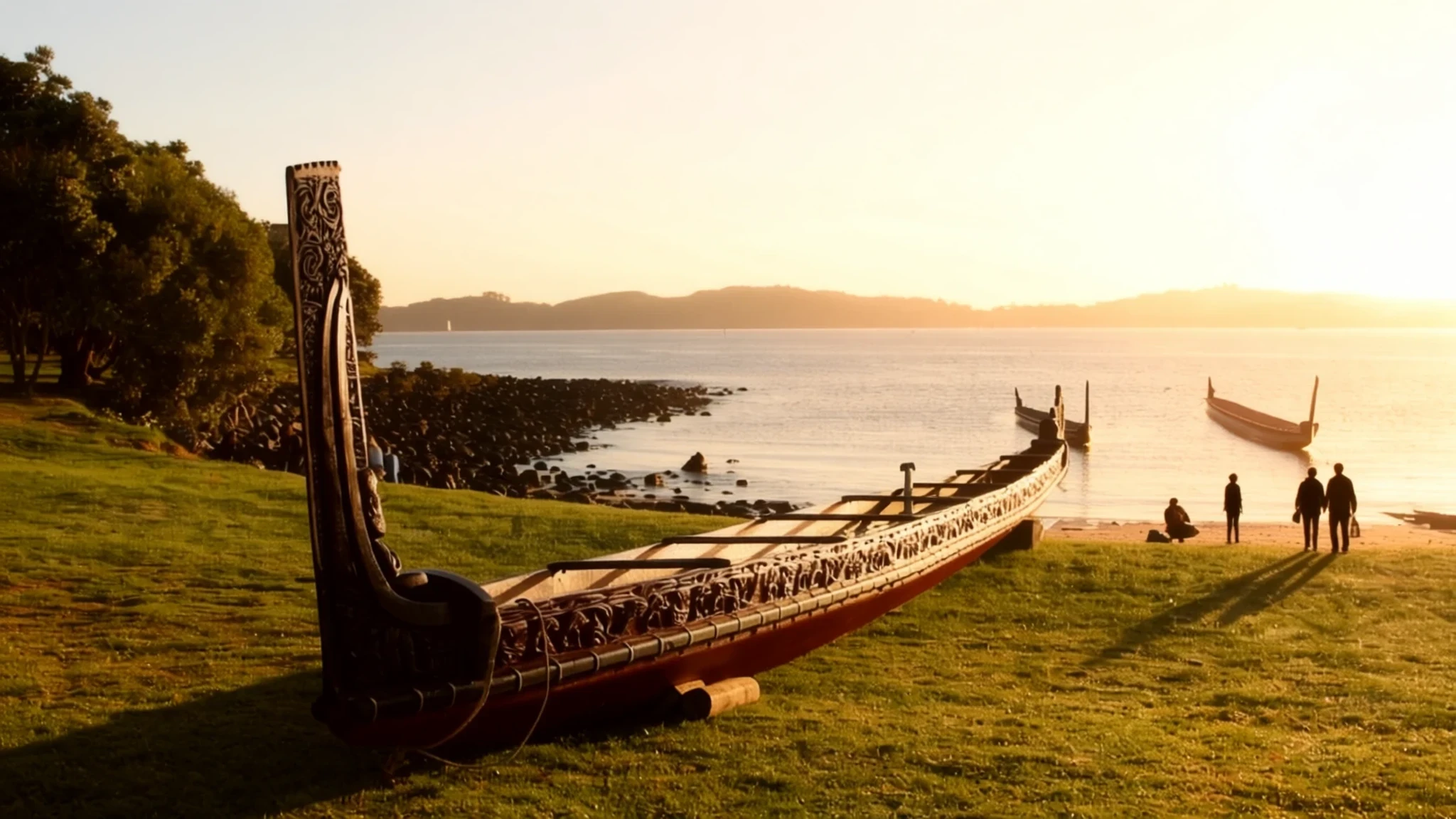
Go for a calm, open place where a single signed document still shapes how New Zealand talks about itself, set beside a bay full of boats.
The place
The Waitangi Treaty Grounds sit on lawns above the Waitangi River, in the Bay of Islands on the north-east coast of New Zealand's North Island. The locality of Waitangi lies about 60 kilometres north of Whangārei, and the small town of Paihia sits just across a bridge near the river's estuary. Most people arrive from Paihia on foot or by car, and the first thing they notice is the open grass sloping toward the water, often busy with boats and kayaks.
Two documents signed in this area shaped the country's history: the Declaration of Independence, in 1835, and the Treaty of Waitangi, in 1840. The grounds are now a national reserve with a cluster of buildings that tell the story in different ways. Some are historic houses from the nineteenth century. Others are modern and serve the Māori community and public events, including a large carved meeting house and a great ceremonial canoe kept under cover.
The site suits a half-day or a full day. Weekends and the warmer months bring tour groups and cruise passengers, especially mid-morning, so an early start means quieter lawns. The walk around the grounds is short and mostly flat, though the paths are uneven in places. The setting is open, so hats and water matter in summer, and the Bay can be windy in the afternoons. Opening times, ticket options and cultural performances change, so check the official site before going.
Its story
The Waitangi Treaty Grounds hosted the public meeting of 5 February 1840 that opened the process of signing the Treaty of Waitangi. The gathering took place in front of James Busby's residence and drew roughly 300 Europeans and Māori. Lieutenant Governor Hobson read out the proposed document and then invited the Māori chiefs to speak. Many of them spoke against accepting Crown rule over the land, and the discussion ran long. As the afternoon went on, a few chiefs began to consider the proposal, and some of the most prominent, including Tāmati Wāka Nene and his brother Eruera Maihi Patuone from Hokianga, came out in support.
The meeting was set to resume on 7 February, but several chiefs pressed to sign sooner. The document was therefore signed on 6 February in a marquee erected on the grounds of Busby's house. Representatives of the Crown, chiefs of the Confederation of the United Tribes of New Zealand and other Māori leaders put their names to it, and further signatures were gathered at other places around the country. Not every chief signed; some delayed and others declined to put pen to paper.
Historians still argue over one name. In 2007 the researcher Brent Kerehona questioned whether the Ngāpuhi chief Moka Te Kainga-mataa had really signed, since his name appears on the document with no clear mark beside it. Kerehona drew on an account by Colenso from 1890 and on the chief's remarks at the meeting, arguing that both should count. The Treaty also followed the earlier Declaration of Independence, He Whakaputanga, but did not cancel it.
What to see
- Treaty House — Main lawn, facing the estuary
The house associated with James Busby, the British Resident, stands on the main lawn and is the most familiar image of the grounds. Busby's residence was where the public meeting began, so the building anchors the story of 1840. Allow time to look at the rooms and the displays, and read the panels, which explain the sequence of events in plain language.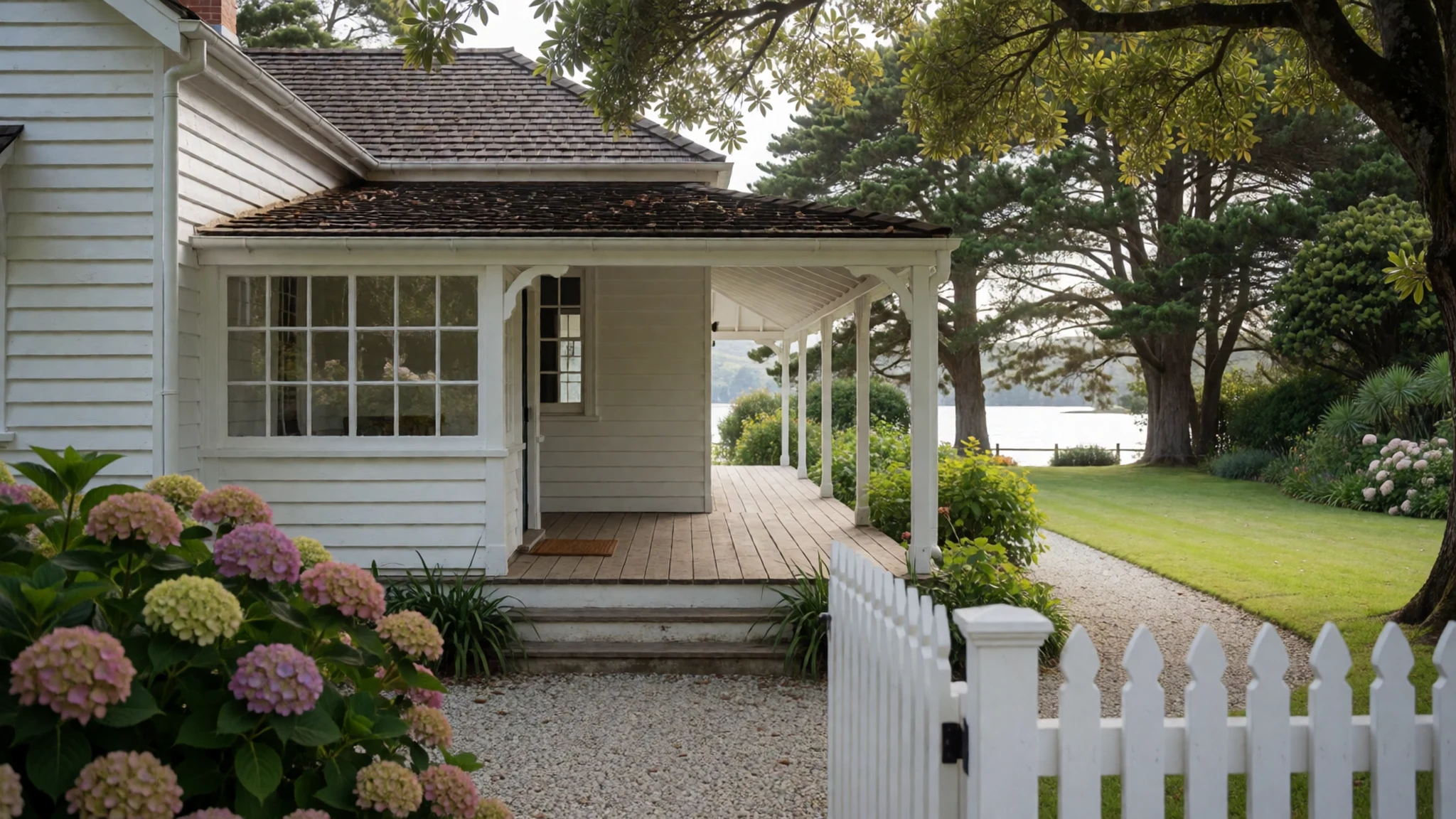
- Te Whare Rūnanga meeting house — Upper grounds, near the Treaty House
The carved meeting house is a working Māori building as well as a historic one, decorated with traditional carving and woven panels. It is used for ceremonies and gatherings, so the atmosphere depends on what is happening that day. Stand back from the entrance during ceremonies and follow any instructions from staff or hosts.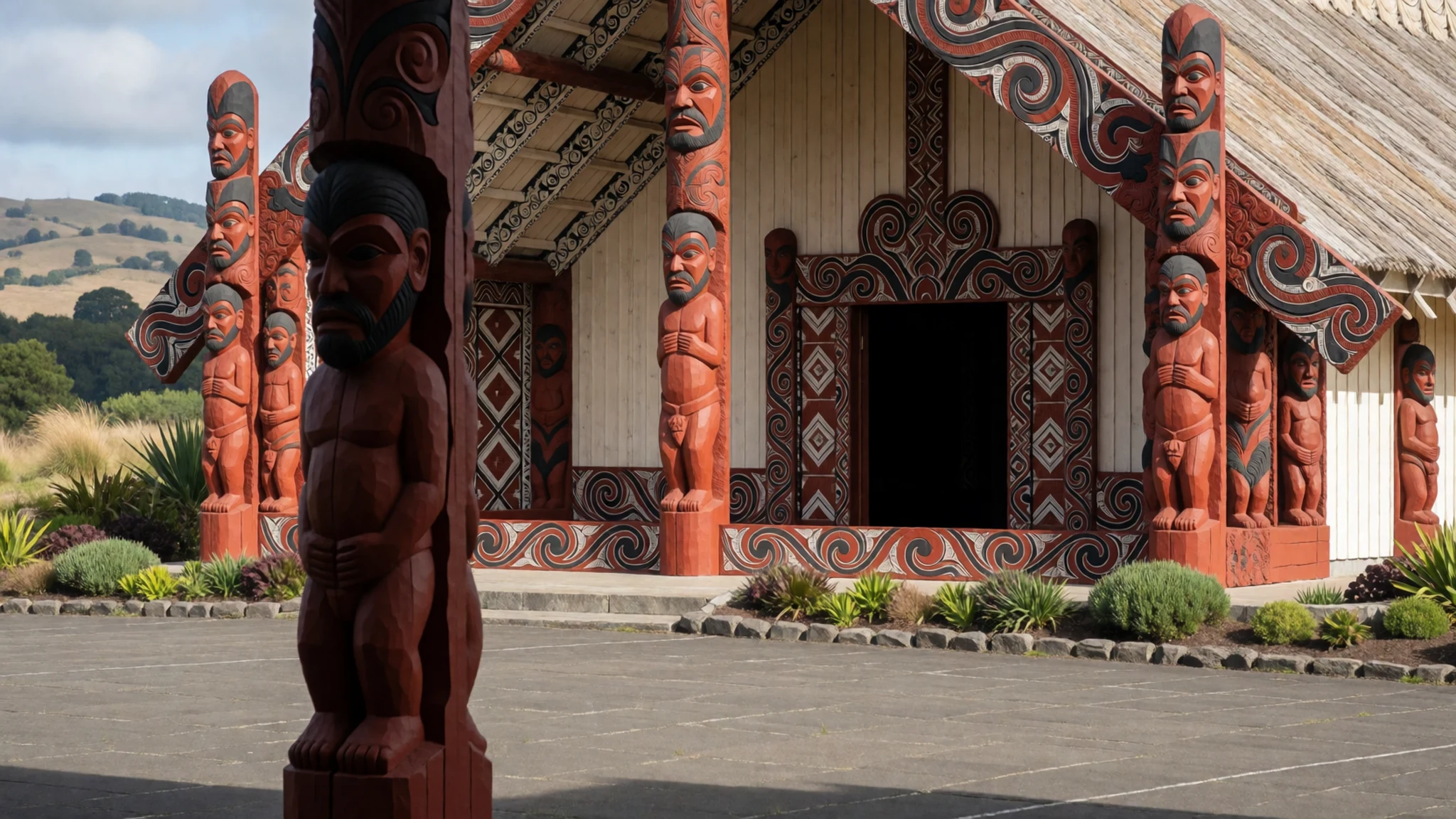
- Ngātokimatawhaorua — Waka house on the reserve
This great ceremonial canoe is housed under cover on the reserve and is one of the largest waka of its kind in the country. It is used for ceremonial voyages and special events, and its size makes the point better than any panel could. Give yourself a few minutes to walk its length and read about the crews who paddle it.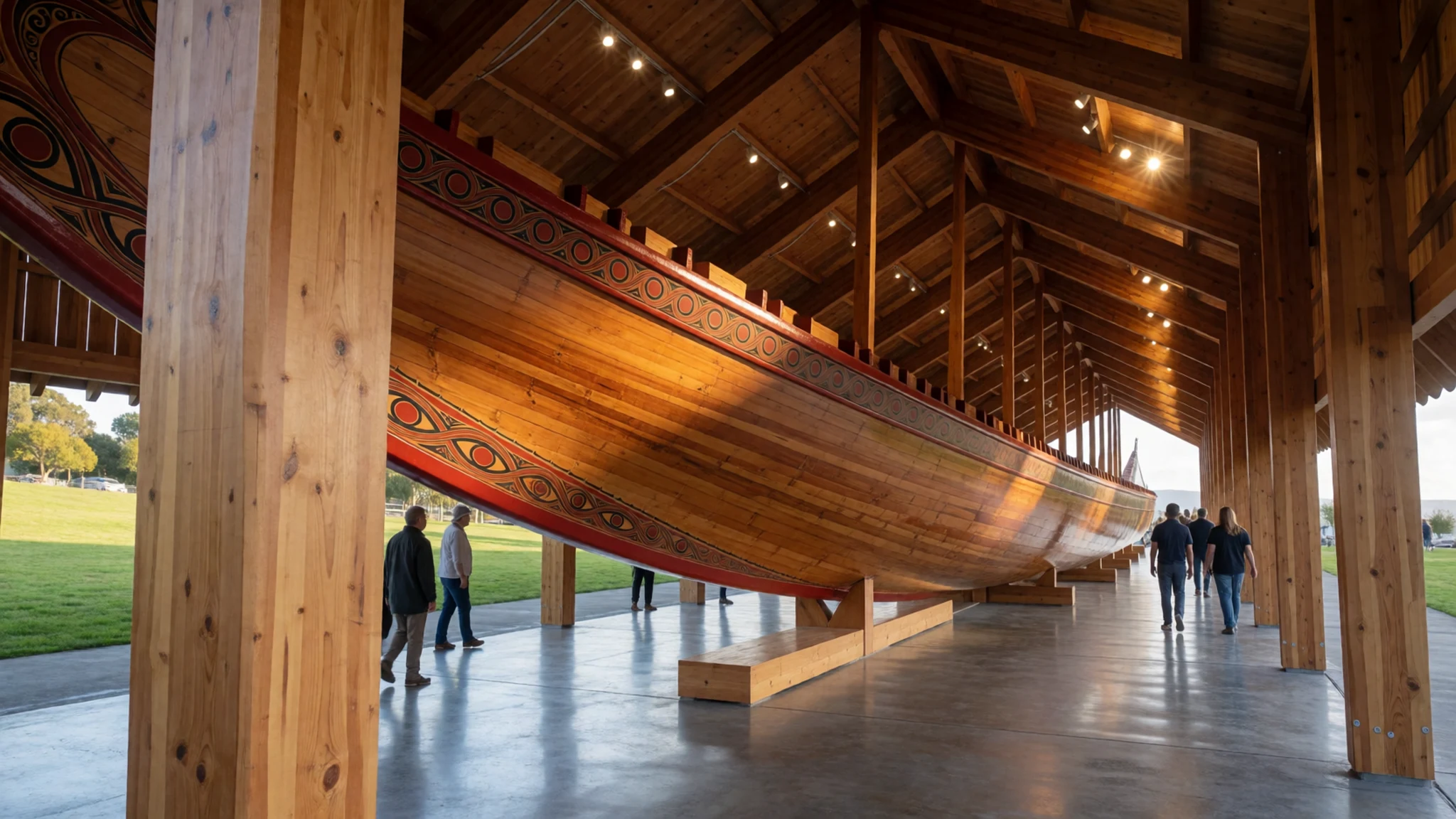
- Estuary and river mouth — Waitangi River mouth, by the bridge to Paihia
The Waitangi River meets the sea in a wide estuary, and the bridge to Paihia crosses near the mouth. The shoreline is the best place to see how the land and water sat together in 1840. Walking along the edge gives a calm view of the bay, especially at low tide when the mudflats are exposed.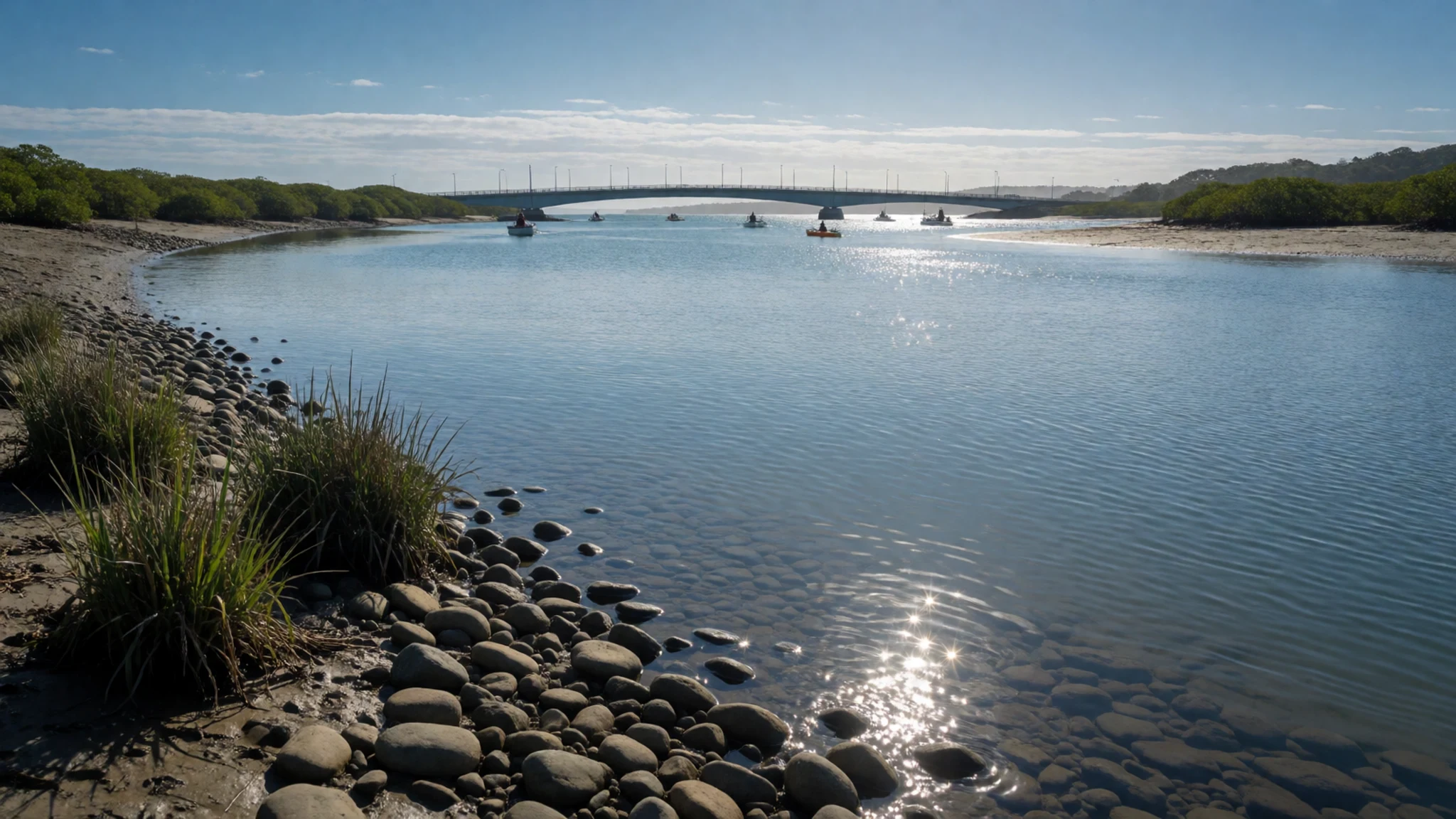
- Flagstaff lawn — Central lawn, near the car park
The flagstaff on the central lawn is a visible marker of the site and a good spot for orientation. Flags are raised and lowered on set days, and the lawn is where larger gatherings are held. Sit on the grass for a few minutes to watch boats moving across the bay and get a sense of the open setting.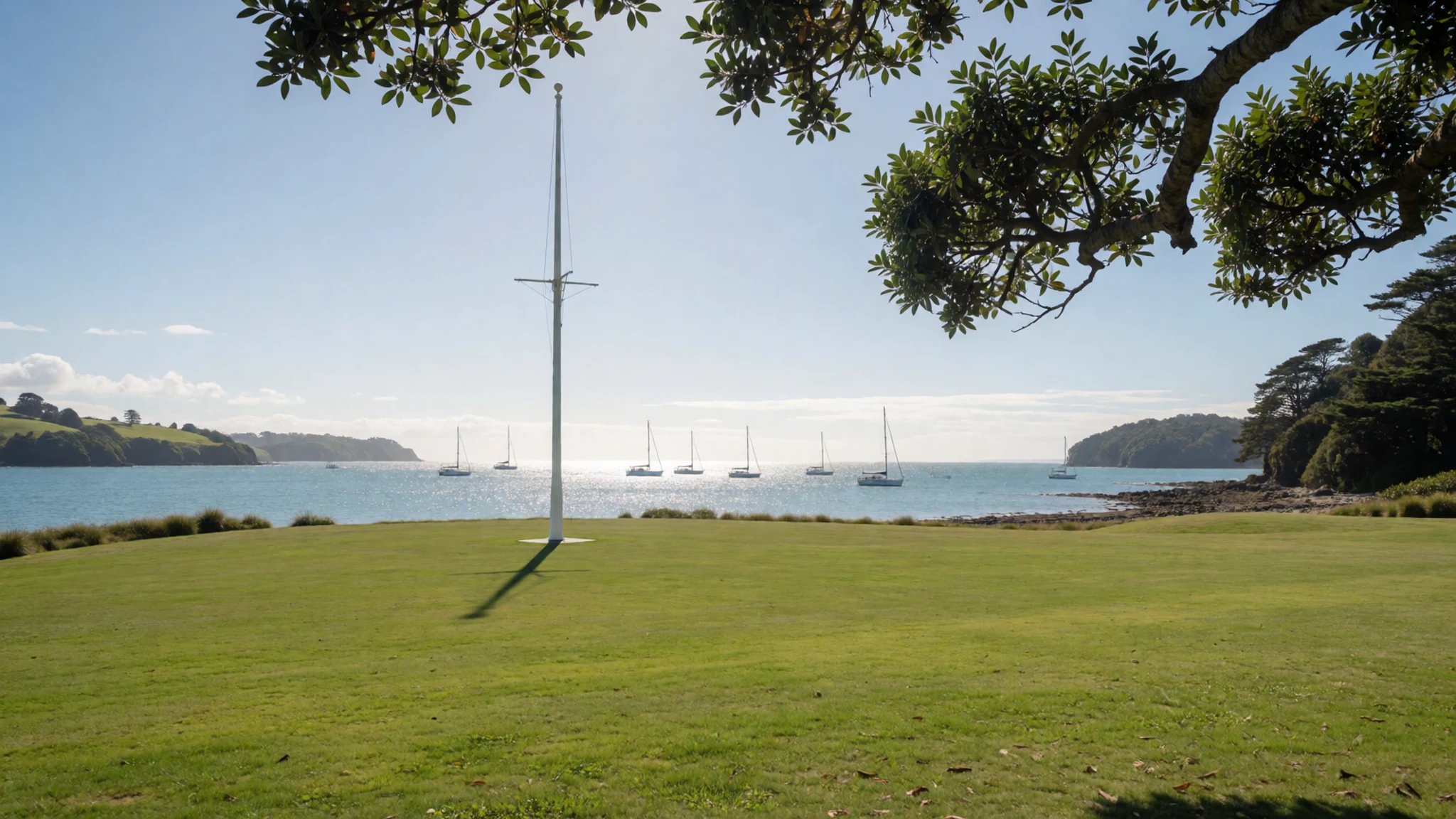
Culture
Waitangi is a place where Māori and European history meet, and the grounds are both a national reserve and a site of living Māori custom. Formal welcomes, called powhiri, are held when visiting groups arrive, and they carry protocol that predates the Treaty. Visitors who join a welcome should stand where the hosts indicate and wait for guidance on when to speak or move. Performances and speeches are part of the teaching, so listen first and ask questions afterwards.
The lawns and buildings are shared spaces, so behaviour that might pass elsewhere can feel out of place here. Keep voices down near the meeting house, and avoid climbing on the carved structures or the canoe. Photographs of buildings and landscape are generally welcome, but ask before photographing performers, elders or people in ceremonial dress. Remove hats when a formal welcome or prayer begins and keep to the path near ceremonial areas, unless a host invites you further in.
What to wear
Traditional Māori dress at Waitangi draws on flax fibre and feathers. A kākahu, or cloak, is woven from harakeke (flax) and often trimmed with feathers, with kiwi feathers among the most prized. The piupiu is a flax skirt worn for performance and the haka, while tukutuku panels on the meeting house show woven patterns in a different medium. These textiles are made by hand over long periods, and the cloaks are treated as taonga, or treasures, passed down through families. You will see them in ceremonies and performances rather than in everyday wear.
In daily life, people at Waitangi dress much as they would in any small New Zealand town: jeans, shorts, t-shirts, jerseys and rain jackets, with sandals or sneakers. Ceremonial dress appears at formal events, and many people wear a pendant or a piece of carved pounamu (greenstone), which is an important part of Māori identity.
For a visit, dress for sun and wind. The lawns are open and summer sun is strong, so bring a hat, sunscreen and sunglasses. The Bay can turn chilly in the evening, so a light layer helps. Shoes should be comfortable for grass and uneven paths. At formal welcomes, modest dress is appreciated: cover shoulders and avoid very short shorts or revealing clothes. Sensible clothes that you can layer will serve you better than fashion pieces here.
What to eat
- Hāngi — Cultural events and feasts, usually arranged through local hosts or tour operators
Hāngi is food cooked in an earth oven, with meat and root vegetables wrapped in leaves and set over heated stones in a pit. The method is slow and the flavour is smoky and tender. It is most often served at events, feasts and cultural performances rather than in restaurants, so ask whether a hāngi is part of a booked event if you want to try it.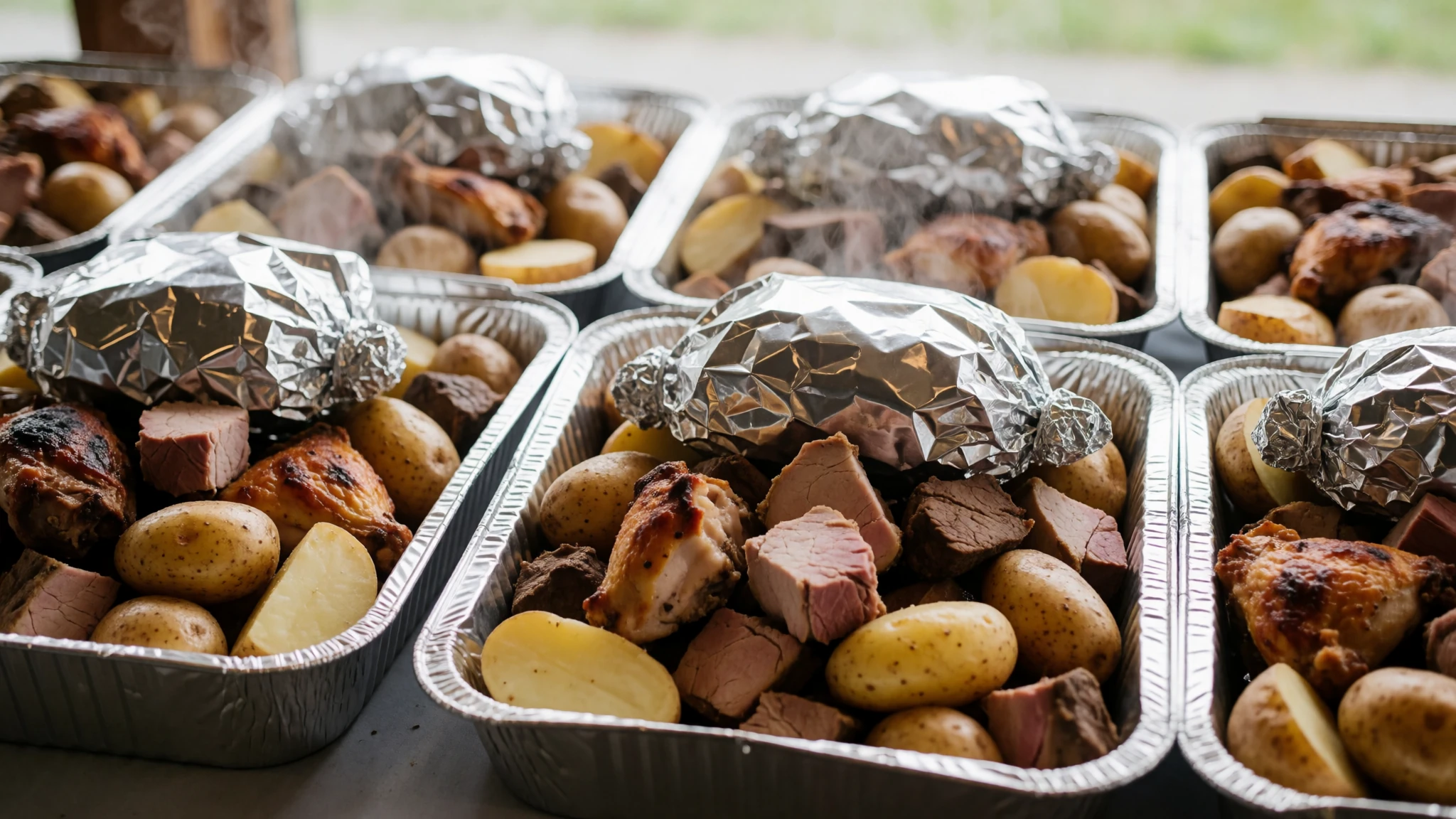
- Kina — Seafood stalls and small fish restaurants on the Paihia waterfront
Kina is sea urchin, and the roe is eaten raw, often with a squeeze of lemon. Harvesting it along the coast is a long tradition in the Bay of Islands. It has a rich, briny taste that some visitors find intense, so try a small portion first. Availability depends on the season and the catch.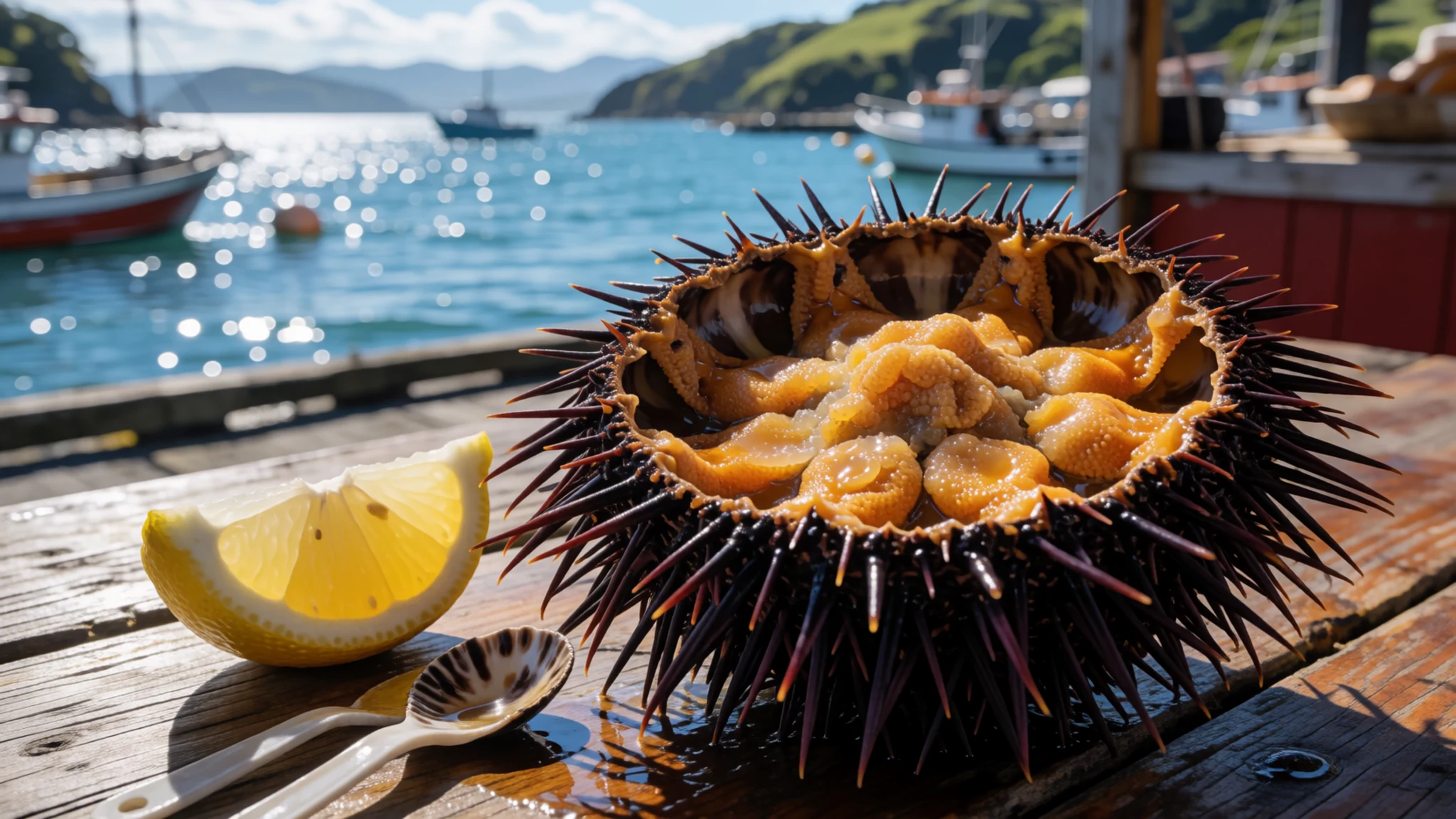
- Fish and chips — Takeaway shops along the Paihia waterfront
Fish and chips are the easy default in New Zealand coastal towns. The fish is usually snapper, tarakihi or another local catch, battered or grilled, with thick-cut chips. Takeaways are simple and quick, and eating on a bench by the water is a common way to finish a day in the Bay.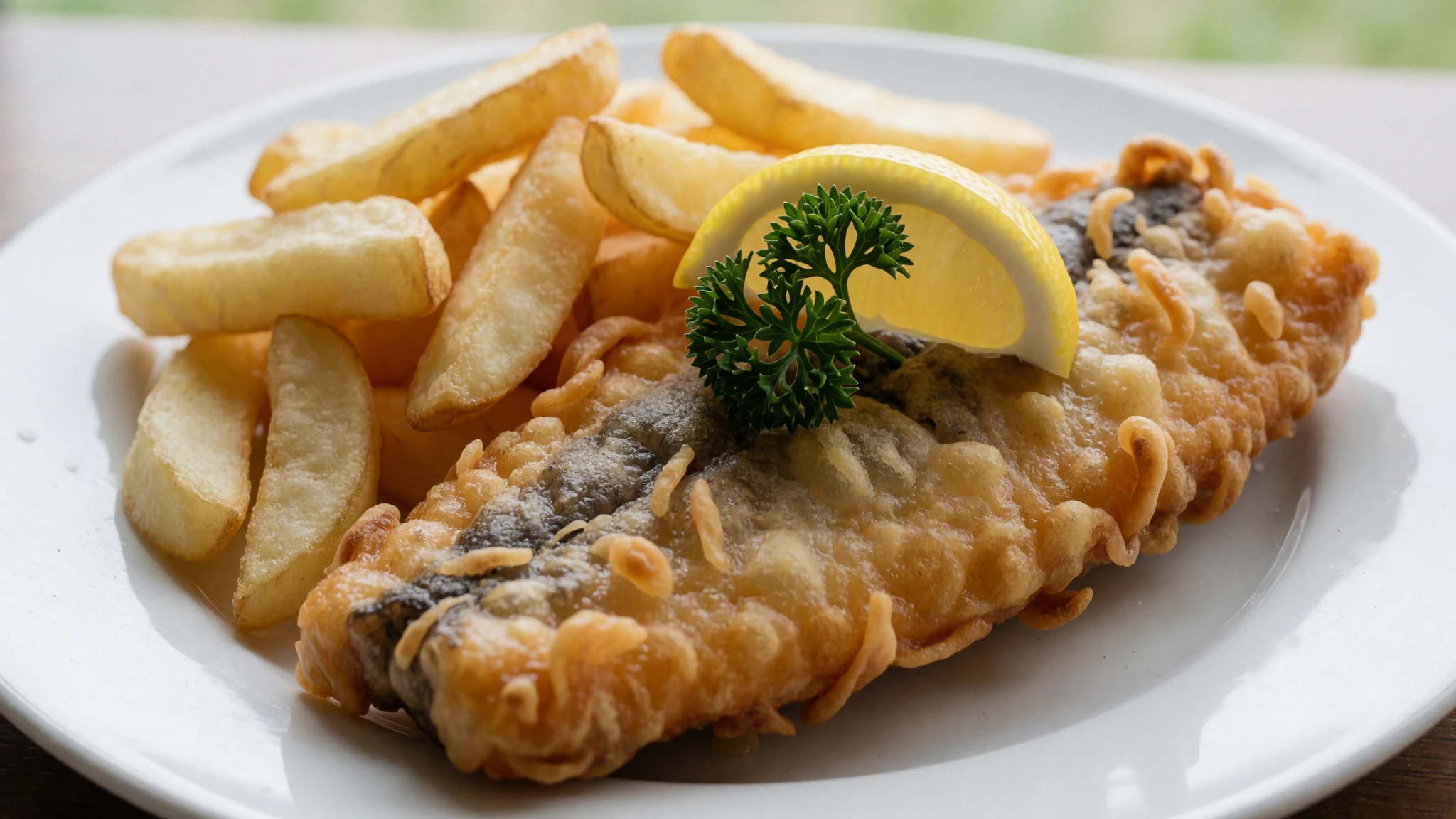
- Kūmara — Cafés and home-style eateries in Paihia and Kerikeri
Kūmara, the sweet potato introduced to New Zealand by Māori settlers, appears in many local dishes. It is often roasted or mashed and served alongside meat or fish. Its earthy sweetness makes it a useful taste of Māori food traditions outside formal feasts.
Plan it
Best time. November to April suits the outdoor site, with the warmest and driest weather in summer. Summer also brings the heaviest crowds and the strongest sun, so pick early mornings. Winds can be strong in the afternoons at any time of year, and the grounds are more exposed than the town, so check the forecast before a long walk.
How long. 1–2
Getting there. Fly from Auckland into Kaitaia Airport, the nearest airport to the region, then travel south by rental car or coach. Intercity coaches run from Auckland and usually change at Kerikeri before continuing into the Bay of Islands. The grounds are a short walk or drive from Paihia.
Budget. mid
Tips
- Arrive before mid-morning to avoid tour groups and cruise passengers
- Check the official site for opening times, tickets and whether guided tours need booking
- Bring a hat, sunscreen and water, since the lawns offer little shade
- Allow time to look at the buildings and read the displays, which explain the history clearly
- Carry some cash for small stalls and markets, although cards are widely accepted in towns
Etiquette
- Stand where hosts indicate during a formal welcome and wait for guidance before speaking
- Ask before photographing performers, elders or people in ceremonial dress
- Keep off the carved structures and the canoe, and keep voices low near the meeting house
Nearby
Sources
- Wikidata Q79311796 (CC0)
- Wikipedia, Waitangi Treaty Grounds (rev 1377161269) (CC BY-SA 4.0)
- Wikivoyage, Far Far North (rev 4703828) (CC BY-SA 4.0)
- Photo: 00 1563 Waitangi Treaty Grounds, National Reserve (NZ), W. Bulach (CC BY-SA 4.0)
