Vlkolínec
Vlkolínec, Slovakia
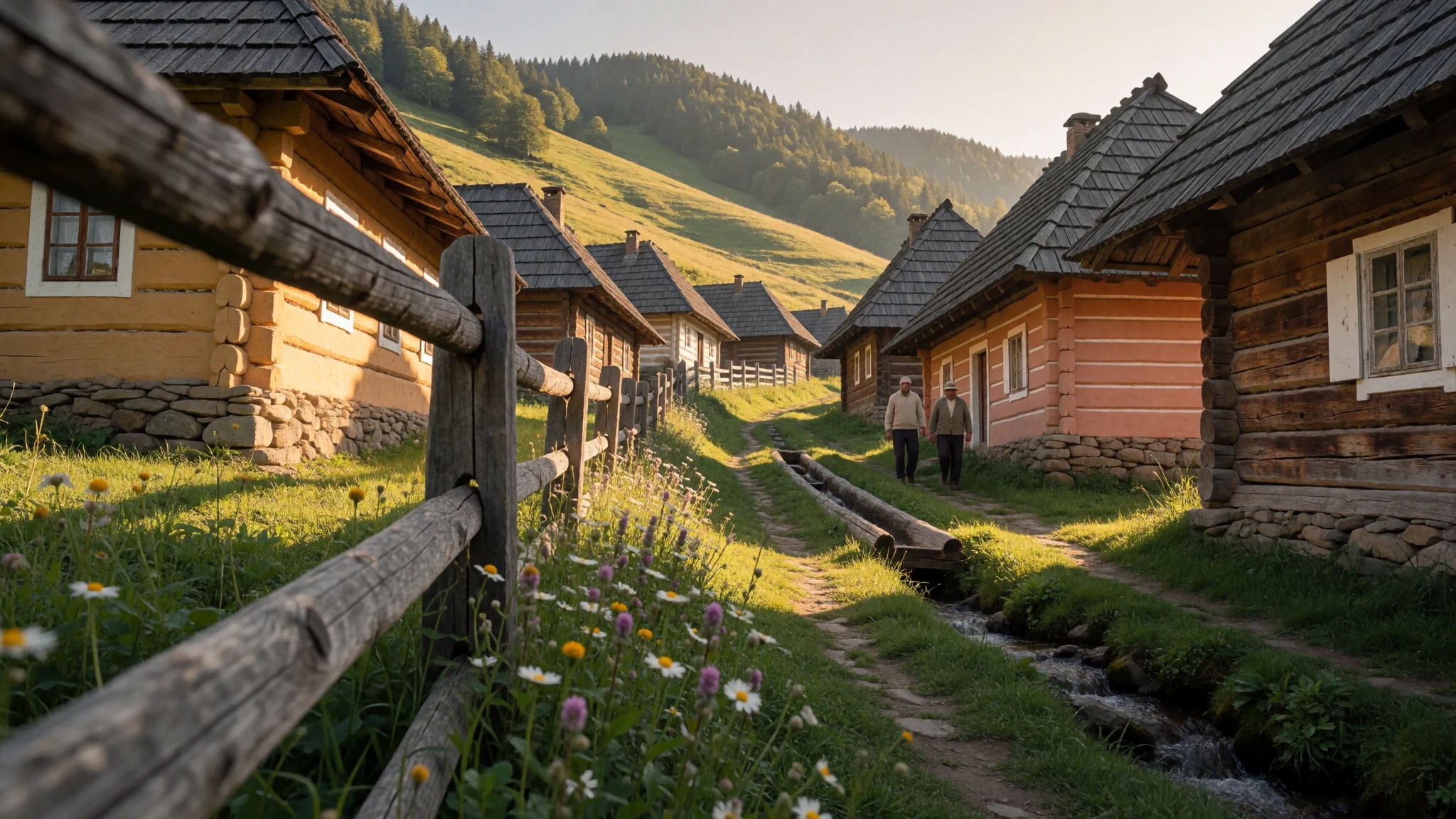
Vlkolínec is a compact, atmospheric folk village where intact log houses let you understand how rural life looked in northern Slovakia.
The place
Vlkolínec (Vlkolínec) is a village administered by the town of Ružomberok in Slovakia, but it’s famous because it still feels like its own old settlement. The charm is practical: you can walk the village and read its structure street by street, without needing to chase a big-ticket monument.
What stands out first is the way the houses are built. Vlkolínec preserves a complex collection of traditional log buildings associated with the Northern Carpathians, including dwellings that were arranged as a functioning countryside community rather than a staged “theme village”. Many of the homes are made of logs and organised into a few interior rooms, the sort of layout that supported everyday work and seasonal routines.
The setting helps, too. Vlkolínec sits in central Slovakia and carries the sense of a rural place that was once shaped by trade routes crossing the region. Historically, the village was connected with nearby settlements (including Likava), which adds an extra layer beyond the architecture: it wasn’t an isolated outpost.
There’s also a calm museum-like quality to the visit. Some houses have been adapted for public viewing, while a small wooden belfry and a baroque chapel remain part of the village skyline. In short, Vlkolínec is best approached slowly—arrive in daylight, pause often, and let the “ordinary” details (timber, yard layouts, village edges) tell the story.
Its story
Vlkolínec grew from the everyday needs of a rural community in the northern Carpathian region, where timber construction and compact house layouts made sense for life across the seasons. Long before it became part of Ružomberok administratively, the settlement existed as its own village, and that independent identity still shows in the way the group of houses reads as one coherent place.
Over time, the village moved into wider networks. Historical trade routes passed through the area, linking Vlkolínec with surrounding villages such as Likava, and that wider connectivity helps explain why the settlement has endured rather than simply fading away. The village’s architecture wasn’t meant for visitors; it was built to last and to support farm routines.
What you feel today is preservation doing its job. Vlkolínec has been recognised as a UNESCO World Heritage Site since 1993, and it’s also part of the folk architecture reservation status given to a small set of Slovak villages. That recognition is less about “look at this” and more about safeguarding a living-looking ensemble: the log houses, the chapel, and the village’s built character.
A couple of houses have been turned into a folk museum, which is where the story becomes tangible—tools, domestic life and the rhythm of work are presented as something that once belonged here. In the end, Vlkolínec isn’t only about old buildings; it’s about how a community used those buildings to live.
What to see
- Vlkolínec village (folk architecture ensemble) — Vlkolínec
Vlkolínec is the main event: a compact village made up of traditional log houses arranged like a working countryside settlement. Walk the lanes slowly and look at how the buildings sit together rather than as isolated “photo points.”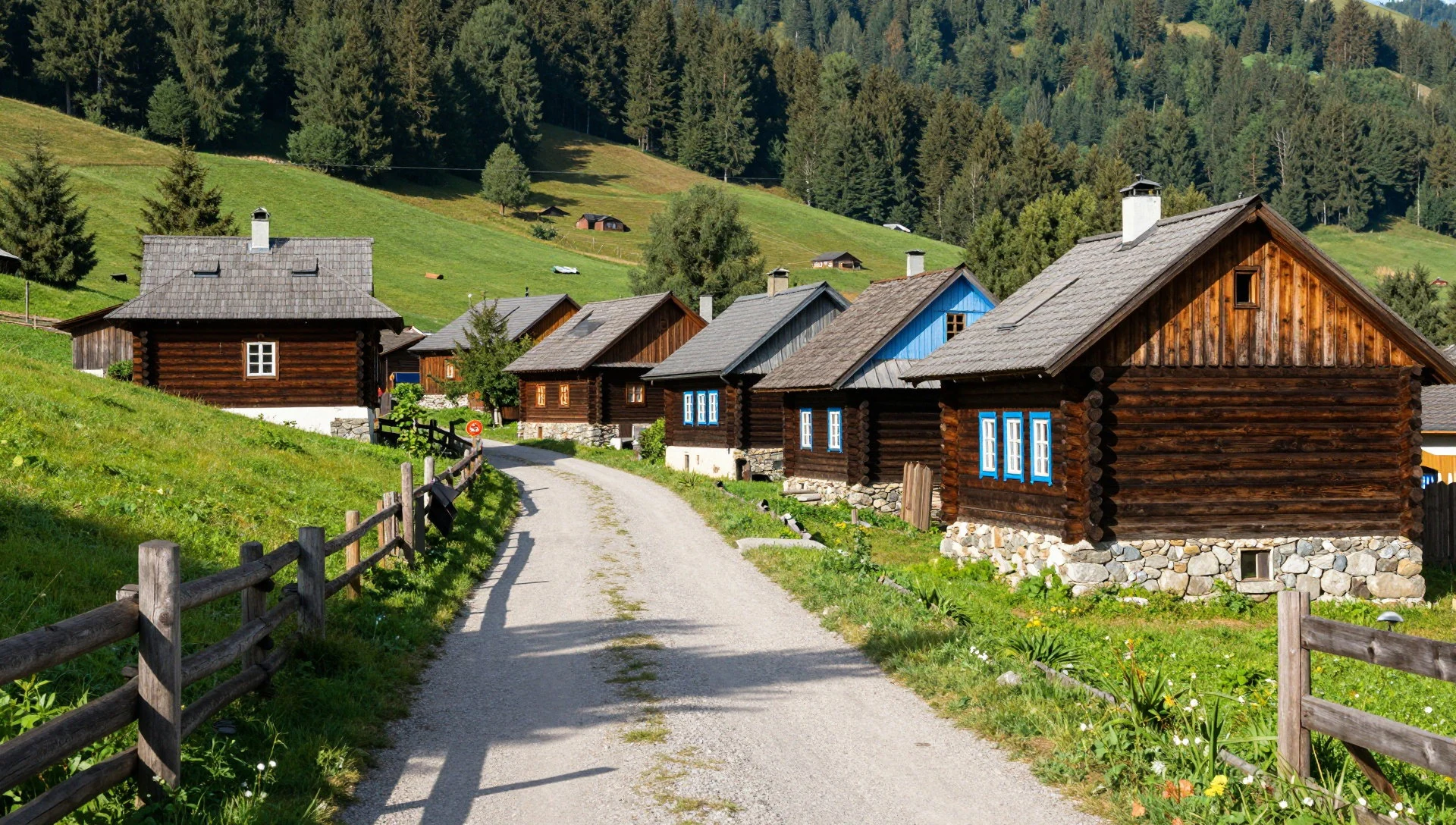
- Wooden belfry and baroque chapel — Vlkolínec village centre
Vlkolínec preserves a wooden belfry and a baroque chapel, small anchors that break up the log-house view. Even from a short loop around the village centre, these landmarks give you orientation and rhythm as you photograph and wander.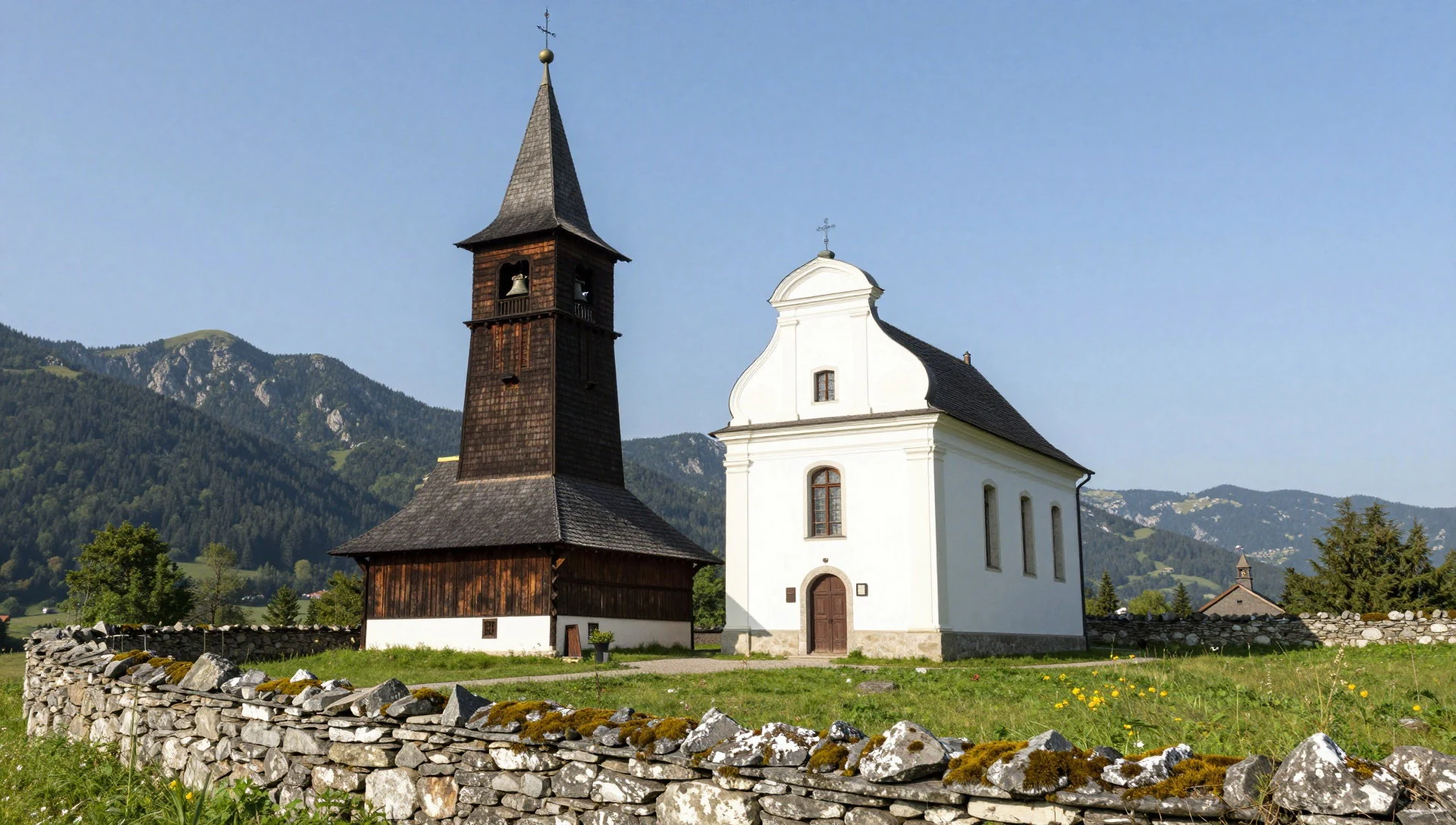
- House museums (Houses No. 16 and 17) — Within Vlkolínec village
Two of Vlkolínec’s houses have been adapted into a folk museum, set up to show everyday life and work. It’s the best way to move beyond architecture and understand how people lived inside these spaces—where tools and routines mattered.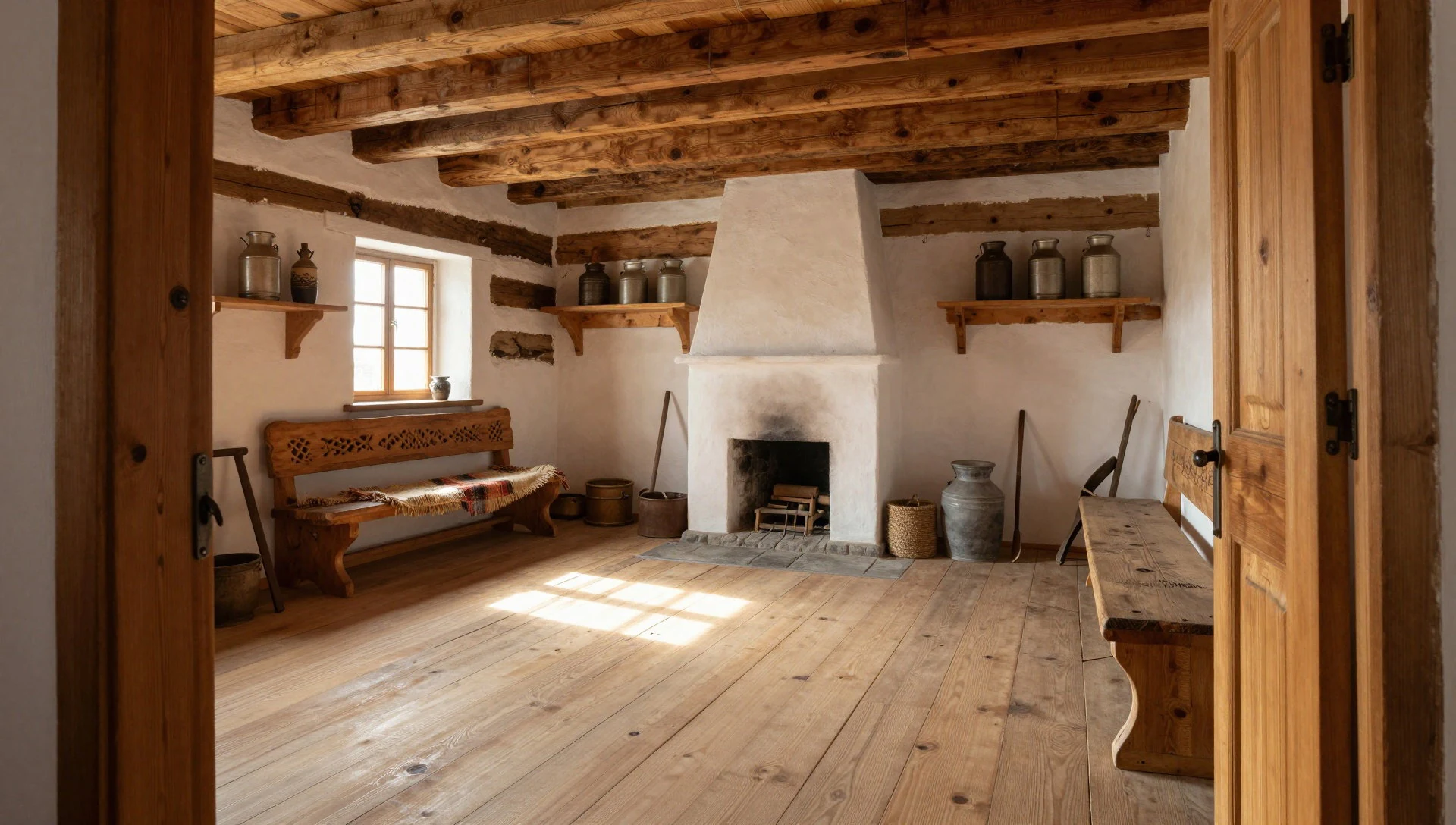
- Andrej Hlinka Plaza (Ružomberok city centre) — Ružomberok city centre
If you want a breather away from village walking, Andrej Hlinka Plaza sits in the city centre on a small hill and feels calmer than the roadside. It’s useful as a reset point before or after time in Vlkolínec.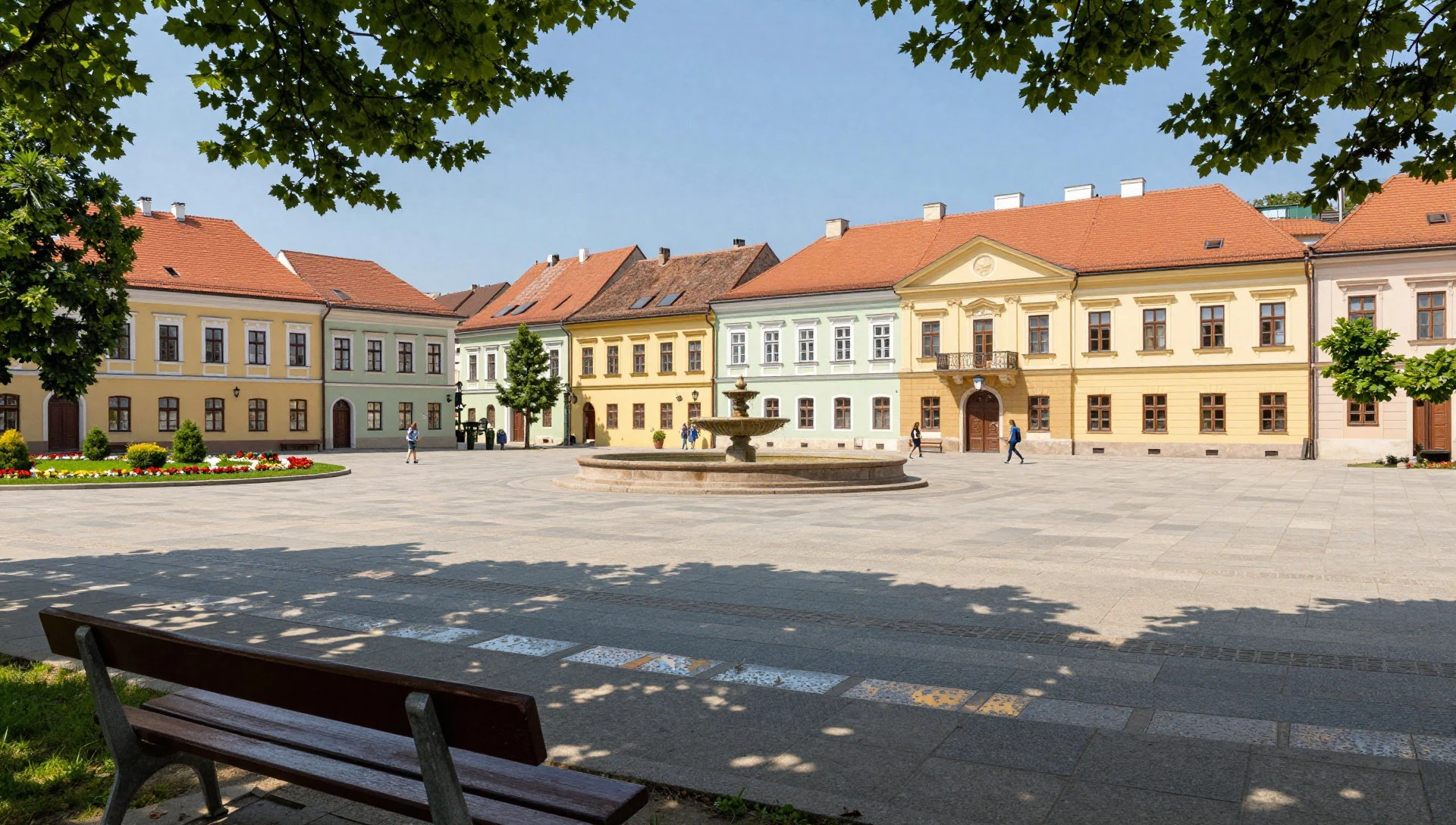
- Liptov Museum — Ružomberok (Liptov region)
The Liptov Museum helps place Vlkolínec in a wider regional story, covering the history of the Liptov area and nature topics. It’s a good add-on when weather turns or when the village architecture has made you curious about what shaped local life.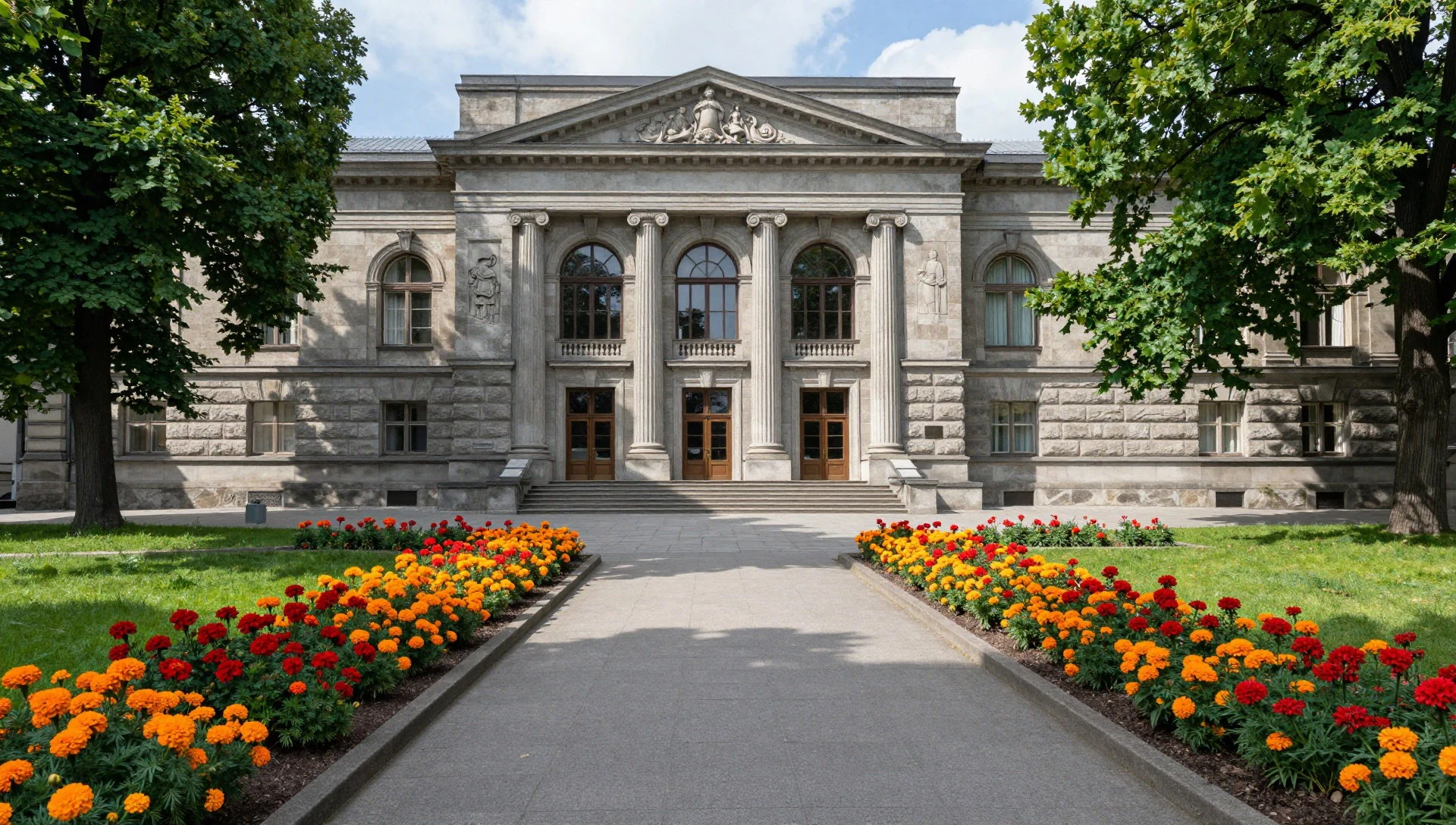
Culture
Vlkolínec is a village atmosphere first, and a heritage site second. The centre is fairly straightforward to explore on foot, but the experience depends on how you move: slow looking beats racing through for “the one best view”. Most people come for the preserved log houses, so expect a quiet kind of crowds—more travellers in peak daylight, fewer at the start of the day.
Because the village is built like a community rather than a single monument, it helps to treat your visit as an extended walk along a living-looking street. If you enter museum-style houses, the displays are about everyday work and domestic life, so give yourself time to read rather than just glancing at objects.
Weather can shift quickly in central Slovakia, and the village surfaces can be uneven; that’s when good footwear matters more than fashion. In warmer months you’ll feel sun quickly on exposed parts of the walk, while cooler months can make the wooden details feel extra crisp and atmospheric.
Visitor etiquette: keep voices low in residential areas, stay on paths, and avoid blocking doorways when photographing log-house interiors.
What to wear
Vlkolínec doesn’t call for anything flashy; it calls for practical clothes that match timber-and-stone village walking. Traditional dress in the region is typically associated with folk styles worn around community events and cultural moments, with wool textiles, structured layers and simple, work-friendly fabrics suited to cooler Central European weather.
What visitors and locals often wear day-to-day is closer to modern outdoor clothing: jeans or trousers, practical tops, and warm layers you can peel on sunny intervals. If you visit near the colder months, bring a proper coat or fleece; in milder months, light layers help because temperatures can vary over a day.
For a visitor, the key items are: closed shoes or boots with grip for uneven ground; long trousers if you prefer comfort on village paths; and a light waterproof layer if skies are uncertain. If you’re spending time inside folk museum houses, it’s worth having layers that don’t restrict movement—you’ll want to lean in to see how rooms were arranged. Hats and sunglasses are handy in clear weather, but keep an eye on shade under any eaves and around wooden structures.
What to eat
- Regional koliba meals — Restaurants in Ružomberok city centre
For a traditional “koliba” style plate, look for regional options in Ružomberok’s places that describe local cuisine. These are the kind of hearty meals that fit the village-and-farm setting around Vlkolínec.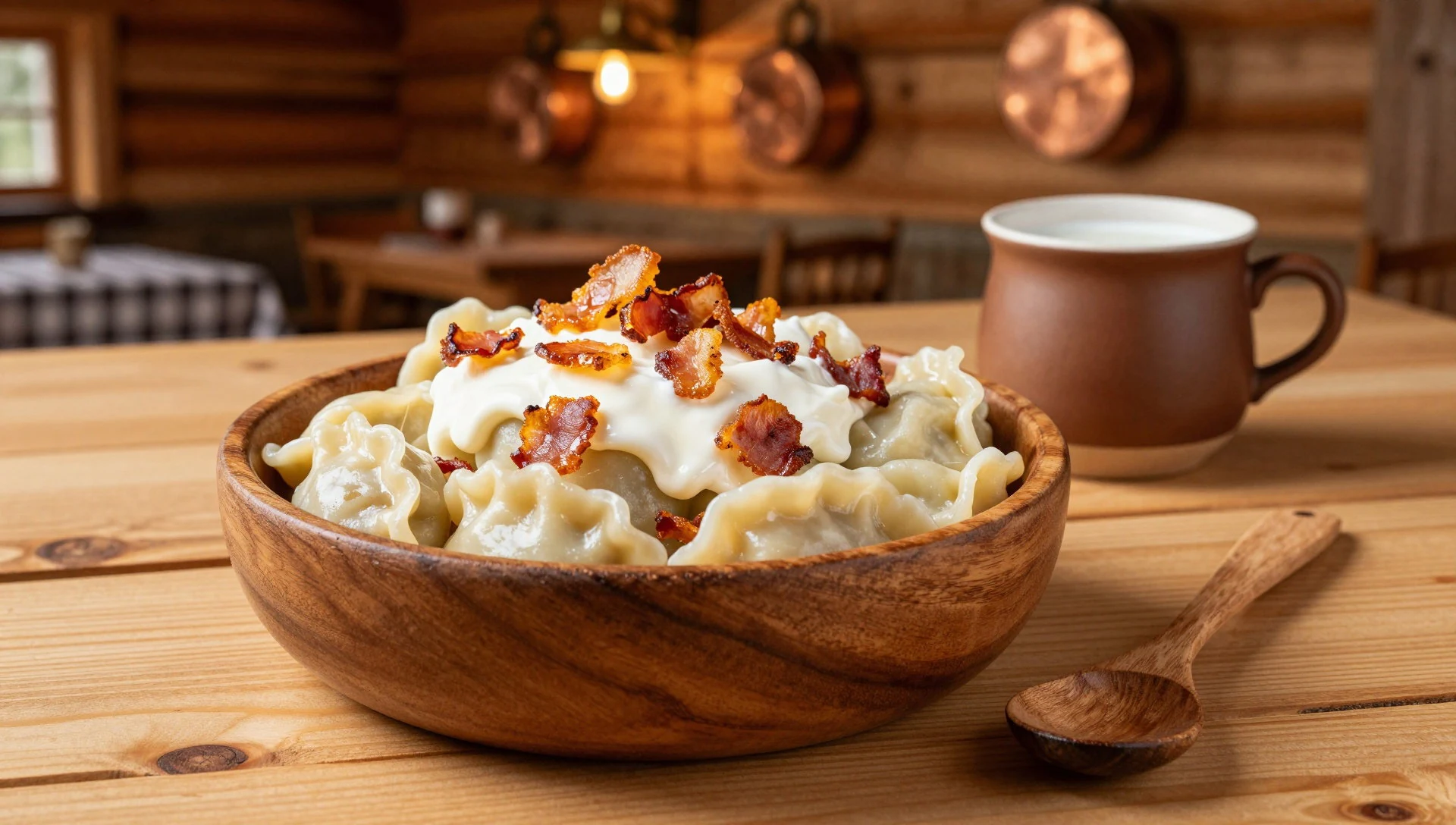
- Local cheese and bakery dishes — Food spots around Ružomberok
One easy way to taste the region is through local cheese-focused places: cheese, simple baked items and associated food options are often part of the same stop. Plan it for lunch, especially when you want something calm and filling.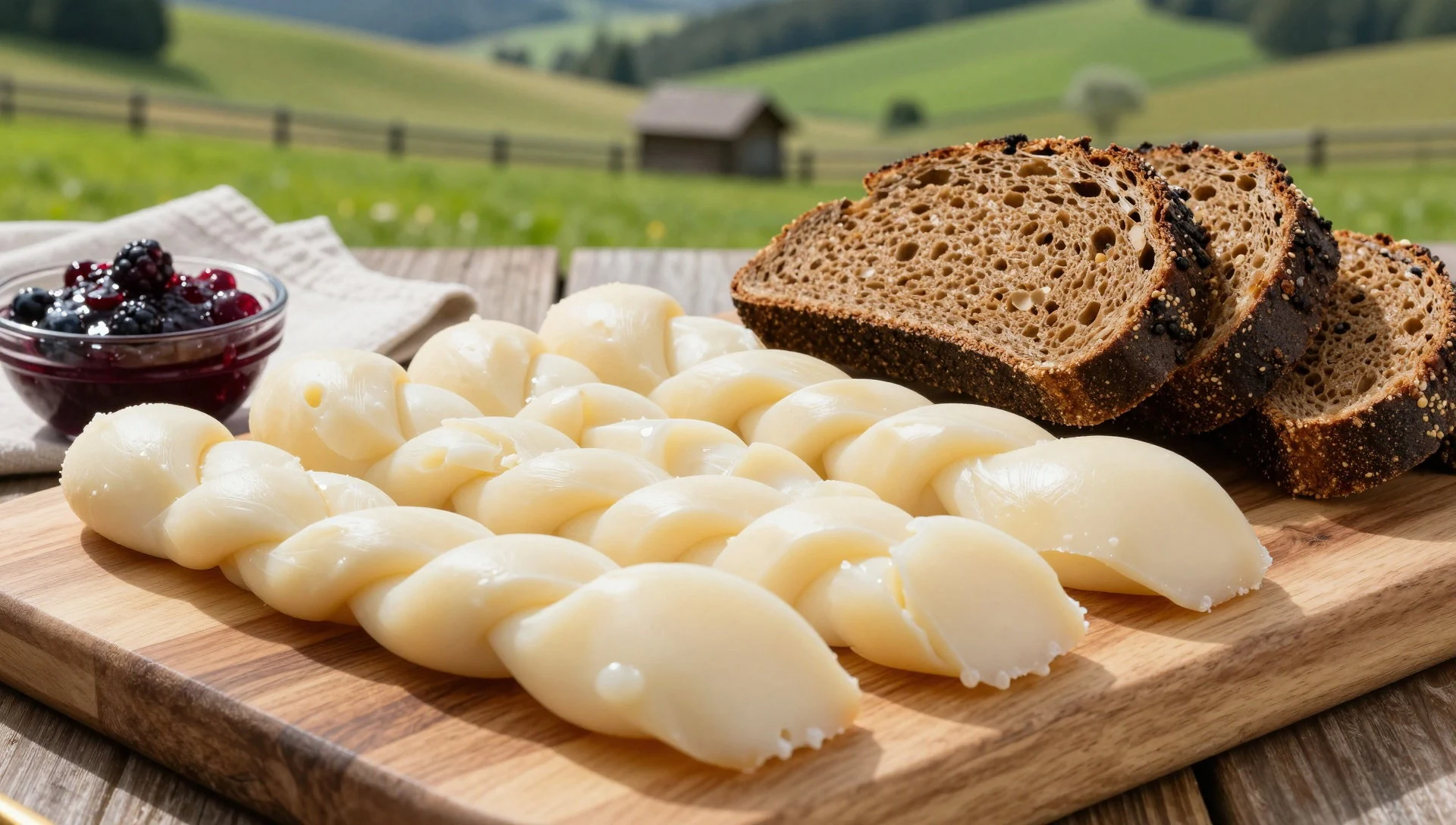
- Tea and quiet café-style stops — City centre tea venues in Ružomberok
If you want a softer break from walking, grab tea at an informal tea pub or laid-back tea club. It’s the sort of pause that works whether it’s warm outside or chilly in the village’s shade. - Coffee and hot chocolate — Ružomberok city centre
For a warmer drink between sights, seek out a café offering coffee and hot chocolate. These stops are convenient when you’ve done the village loop and want a cosy reset before heading back to town. - Valley-side meals in/near Čutkovo — Restaurants in/near Čutkovo valley
Around Čutkovo valley, you’ll find dining options that suit day trips—good for a simple meal after time by meadows and trails, with the setting feeling more outdoorsy than central-town cafés.
Plan it
Best time. March–April and late October–November for comfortable walking; summer can be busy and warm, while cooler months make the village feel crisp and atmospheric.
How long. 2–3
Getting there. Travel via the main rail stop and nearby bus station in Ružomberok, then use the final local leg by local transport or car to reach Vlkolínec.
Budget. mid
Tips
- Arrive early in daylight for softer light on log façades and fewer people in the lanes.
- Plan museum-house time as its own block; it’s easy to rush if you treat it like a quick walk-through.
- Bring water and a light layer—conditions can feel different between village shade and open views.
- Use the city centre as your base for drinks and meals, especially if you’re spending half a day in the countryside.
- Check local transport options for the last leg from Ružomberok, since schedules can vary by season.
Etiquette
- Keep noise down around residential areas and don’t linger in doorways while others pass.
- If an entry area is clearly marked, follow the signage and staff instructions for viewing rooms.
- Be mindful with photography indoors—avoid blocking displays and other visitors’ lines of sight.
Nearby
Sources
- Wikidata Q392365 (CC0)
- Wikipedia (rev 1379305894) (CC BY-SA 4.0)
- Wikivoyage (rev 5416340) (CC BY-SA 4.0)
- Photo photos/01-vlkolinec-ru-omberok-okres-ru-omberok-ilinsk-kraj-10.jpg (CC BY-SA 4.0)
- Photo photos/02-vlkolinecslovakia001.jpg (CC BY-SA 2.0)
- Photo photos/03-vlkol-nec-socha.jpg (CC BY-SA 1.0)
- Photo photos/04-vlkol-nec-slovakia-020.jpg (CC BY 3.0)
- Photo photos/05-vlkol-nec-slovakia-018.jpg (CC BY 3.0)
- Photo photos/06-vlkolinec-house-47.jpg (CC BY 3.0)
- Photo photos/07-vlkol-nec-slovakia-016.jpg (CC BY 3.0)
- Photo photos/08-vlkol-nec-slovakia-015.jpg (CC BY 3.0)


