Visoki Dečani
Visoki Dečani, Serbia
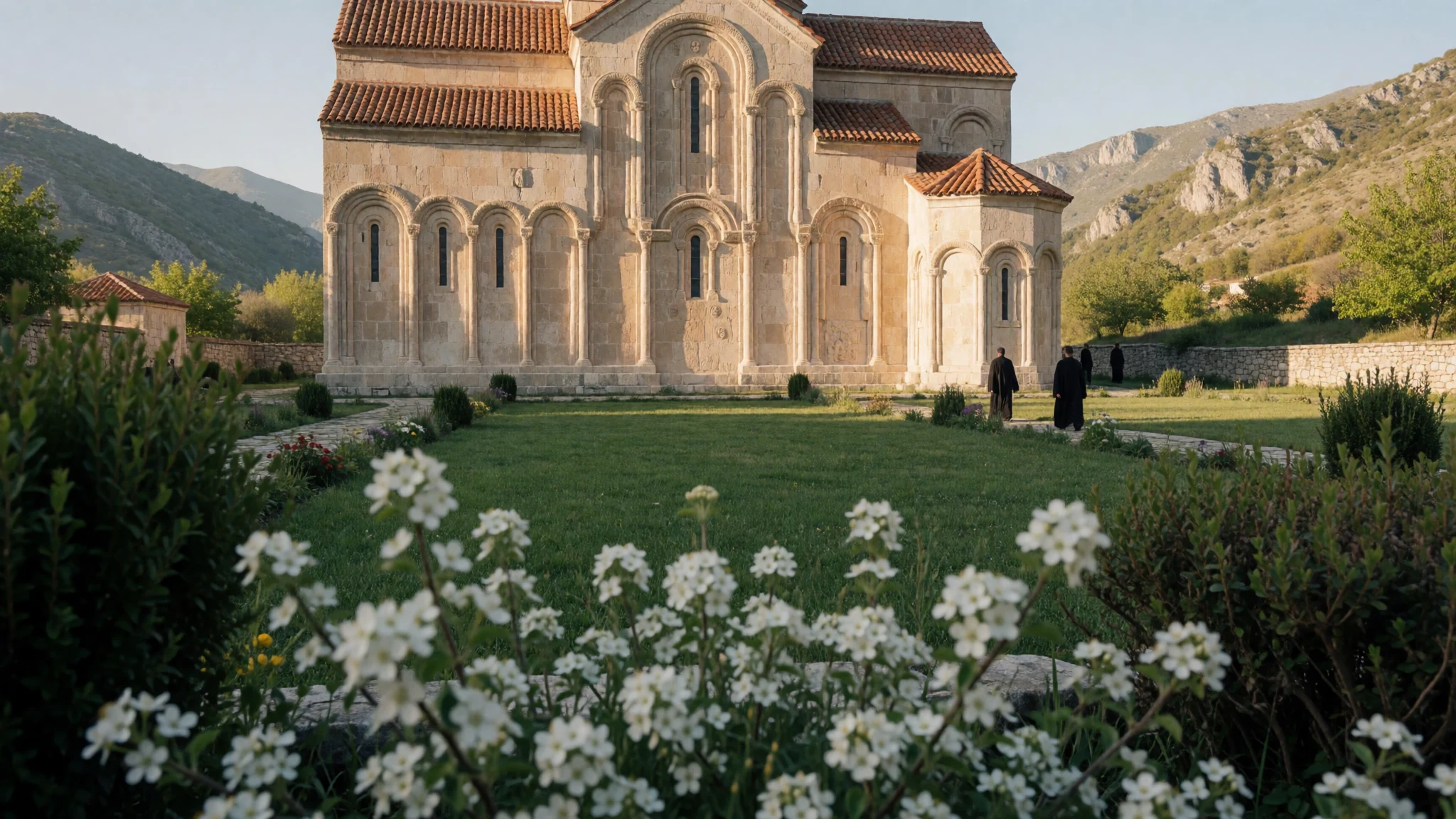
Visoki Dečani is a rare medieval monastery where Byzantine art, Romanesque forms, and living Orthodox faith meet in one packed church interior.
The place
Visoki Dečani (Manastir Visoki Dečani) is a Serbian Orthodox monastery near Deçan, in Kosovo. Built between 1300 and 1350 under King Stefan Dečanski, the site is part of the 'Medieval Monuments in Kosovo' UNESCO World Heritage listing. The place feels less like a museum stop and more like a functioning religious complex carved into its landscape.
The headline attraction is the monastery church and the dense visual programme inside it: frescoes that reflect both Serbian history and core Christian themes, alongside Byzantine painting traditions. The architecture is part of the story as well. The church is often described as a blend—Orthodox practice with Romanesque influences—rather than a single style stamped from one direction. You can also pick up references that point to wider European currents of the period, including features sometimes linked with Gothic architecture, plus a mix of Byzantine and Romanesque elements.
One important reality for planning: Kosovo’s status is politically sensitive. Visa rules and travel logistics can change, and people’s local experiences vary depending on where they’re travelling from and who they are. For many visitors, the safest approach is to keep expectations practical—arrive with documents in order, confirm transport ahead of time, and give yourself room for slower day-to-day logistics.
In plain terms, Visoki Dečani rewards patience. The setting and the church interior are the draw; the journey there is usually the part that needs the most organisation.
Its story
Visoki Dečani’s story begins long before the monastery walls went up. The region around Dečani had ecclesiastical connections that stretched through the early Middle Ages, with church administration shifting across different archbishoprics in the medieval Kingdom of Serbia. By the time the monastery was initiated, an established pattern of Orthodox administration was in place.
Construction is tied to the reign of Stefan Dečanski, beginning in 1327. A founding charter—known as the Dečani chrysobull—was created in 1330 and has been preserved. When Stefan Dečanski died in 1331, he was buried in the monastery while it was still unfinished. Work continued under his son, Stefan Dušan, who became King of Serbia the same year.
A key name in the build is the Franciscan friar Vito of Kotor, described as the main architect. That detail matters because the monastery is often read as evidence of cultural mixing: Orthodox monastic life alongside broader European architectural impulses, and artistic teams drawing from different regions. Fresco painting took years to complete, reflecting the idea that the art wasn’t an afterthought—it was part of the monastery’s purpose.
The results are why people still talk about Visoki Dečani today: the church’s visual programme is credited with depicting defining moments from Christian tradition and Serbian history, and the artwork is associated with Byzantine painting traditions. In other words, the monastery is both a spiritual site and a historical document, stored in stone and paint, still carrying meaning centuries after the first foundations were laid.
What to see
- Church of the Visoki Dečani Monastery — Dečan area
The core of your visit is the monastery church interior, where frescoes connect Christian moments with Serbian history. The artwork sits inside a building whose style reflects a mix of Orthodox tradition and Romanesque influence, with additional European architectural echoes you’ll spot if you look closely.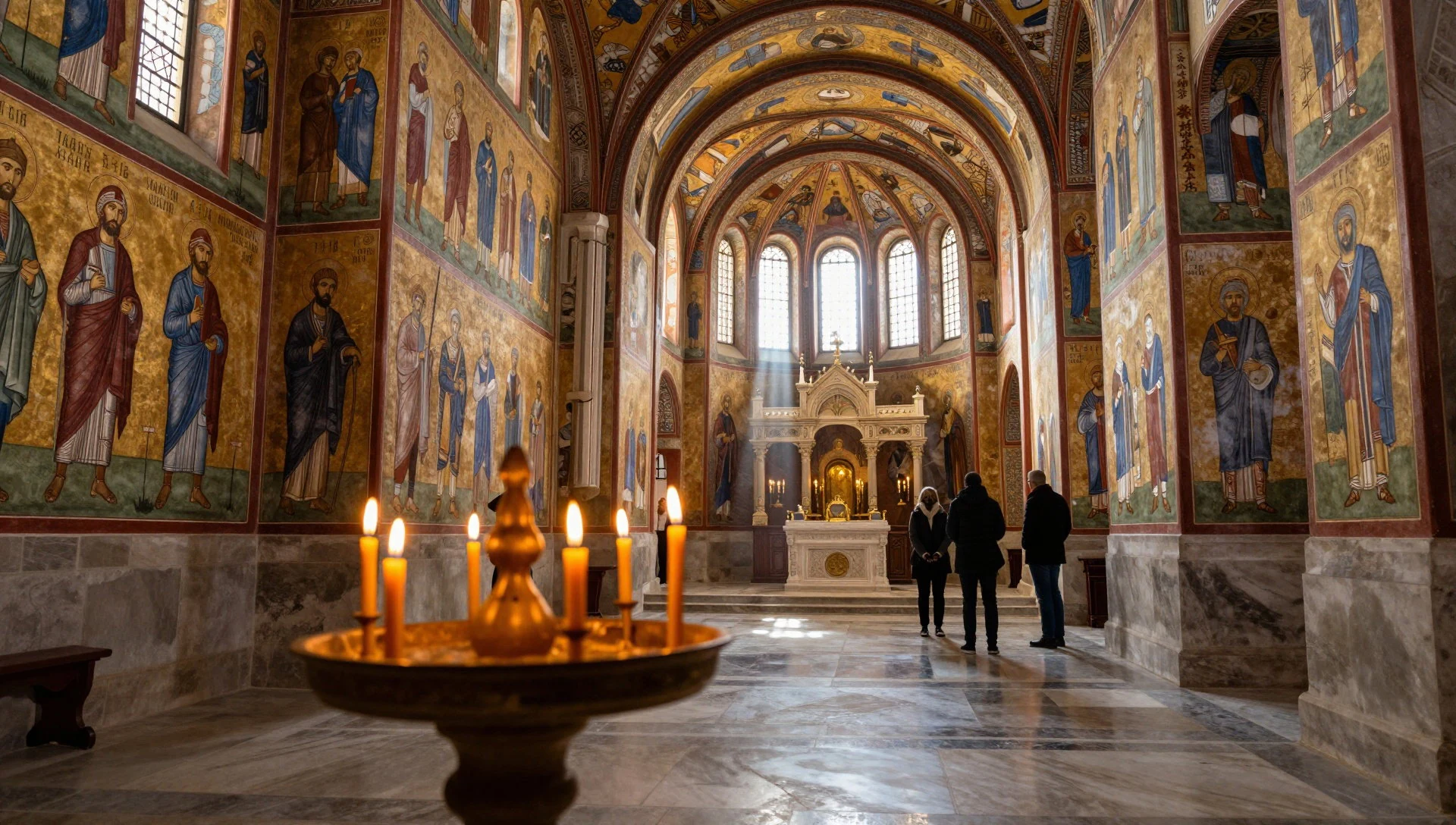
- Fresco cycles and Byzantine-style painting — Monastery church interior
Spend time inside rather than rushing the exterior. The fresco programme is designed to read as a visual narrative—icons, saints, and scenes tied to both faith and local memory. It’s the sort of place where quiet viewing helps; crowds don’t always make it easy to linger.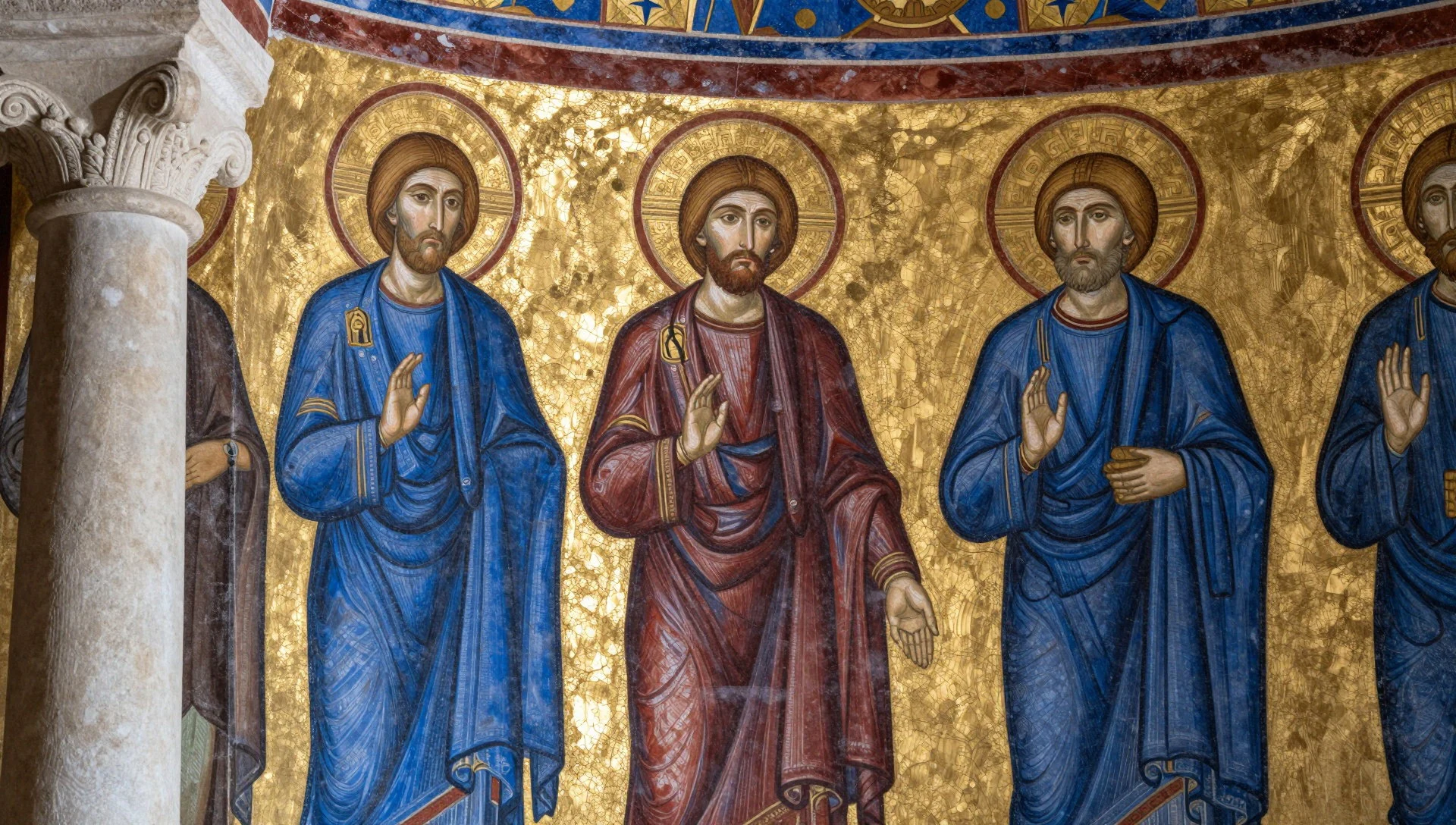
- The monastery’s architectural mix — Monastery complex
Visoki Dečani isn’t a single-style box. Look for how Orthodox building traditions sit alongside Romanesque elements, with references that sometimes get described in Gothic terms. This blend helps explain why the monastery is treated as a major medieval architectural achievement.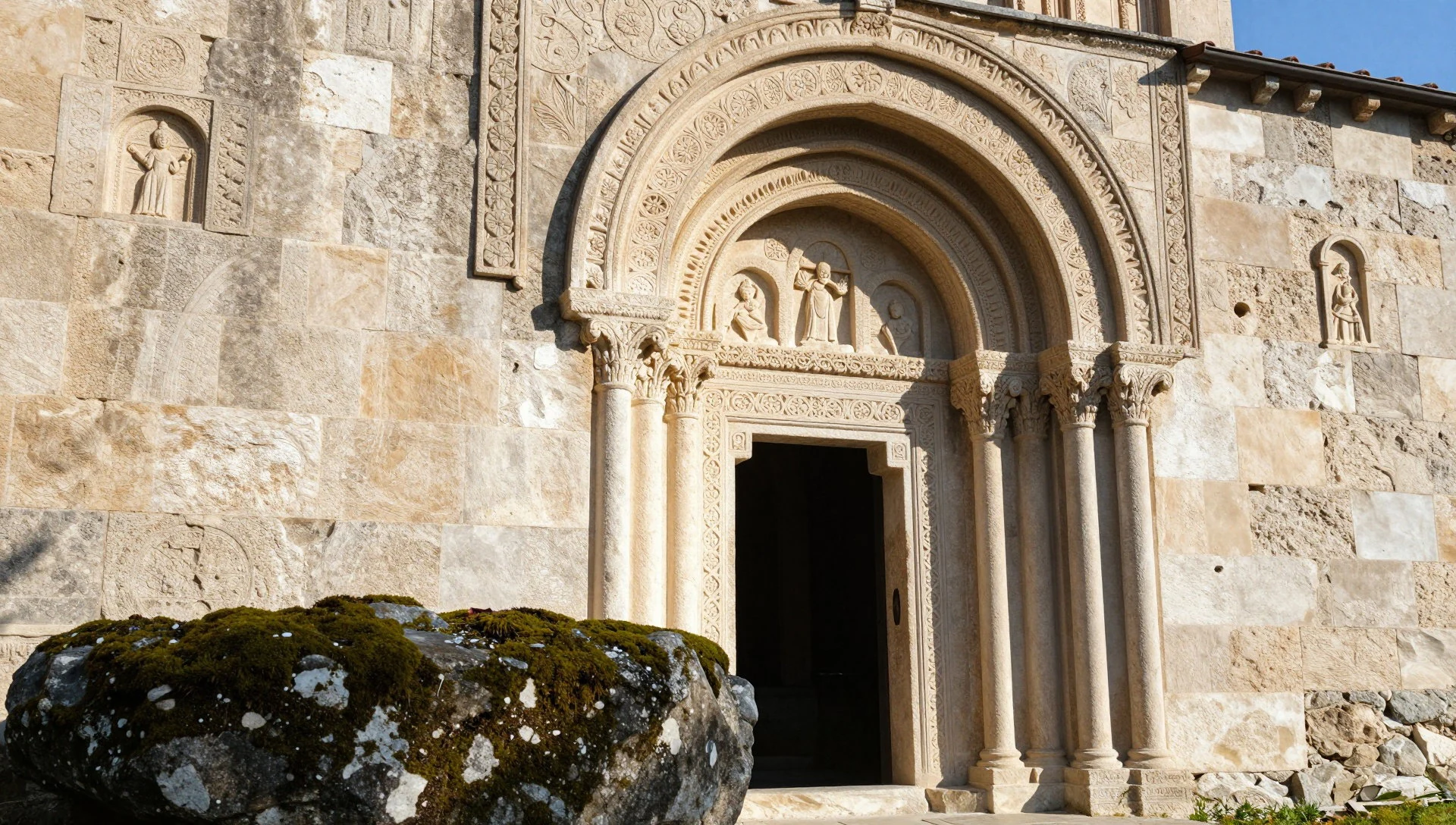
- Ktetor composition of Stefan Uroš III — Monastery church interior
Among the standout church images is the ktetor composition of Stefan Uroš III. It’s a useful anchor when you’re trying to make sense of the broader fresco programme: you’ll see how rulers, patrons, and religious meaning are tied together visually.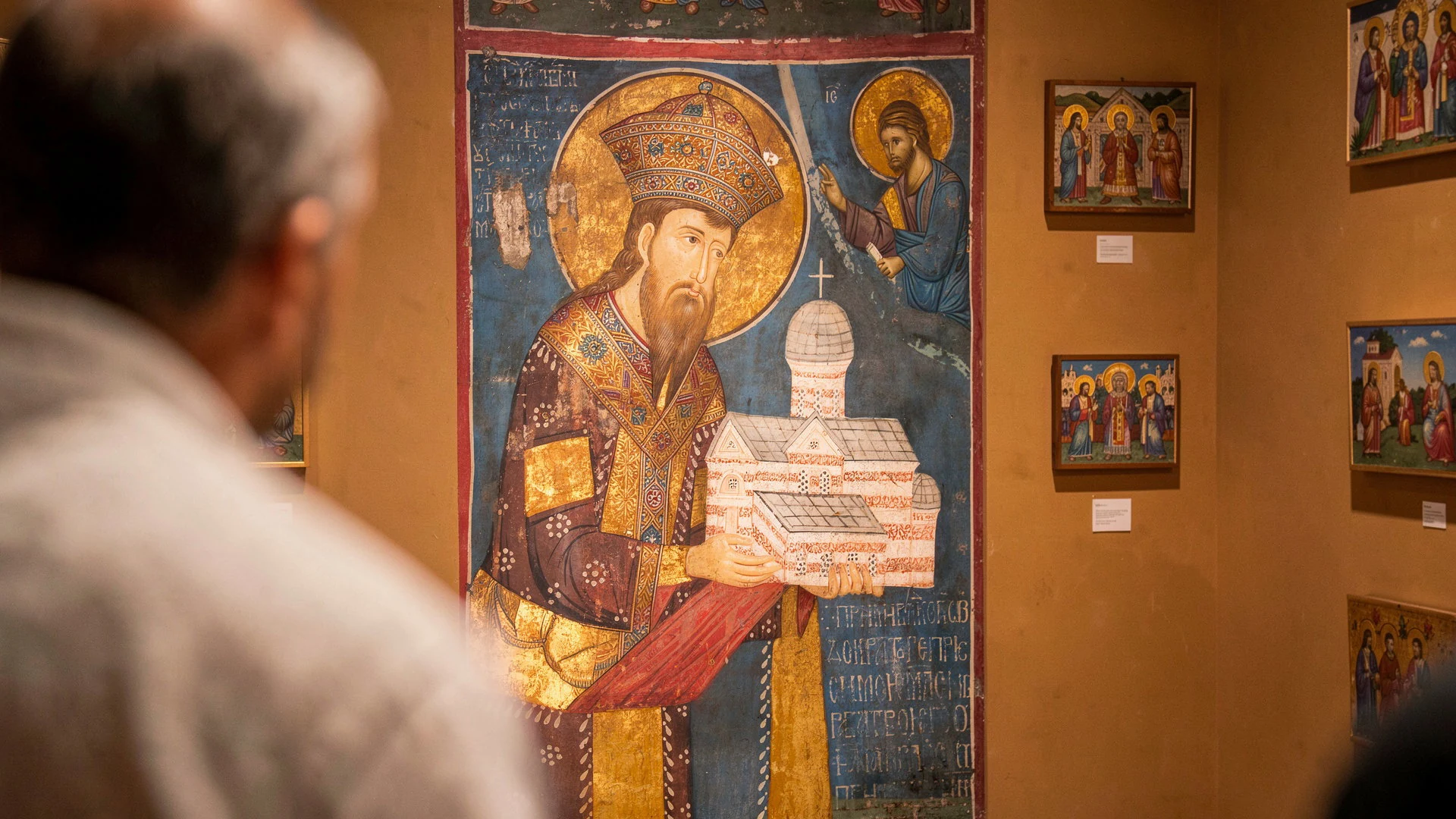
- Monastery grounds and exterior views — Dečan area
The exterior gives context: the church sits in the Deçan landscape, and the overall setting makes the “monastery as place” feeling real. Use the outside as a reset before going back in—especially if you arrive with a tight schedule.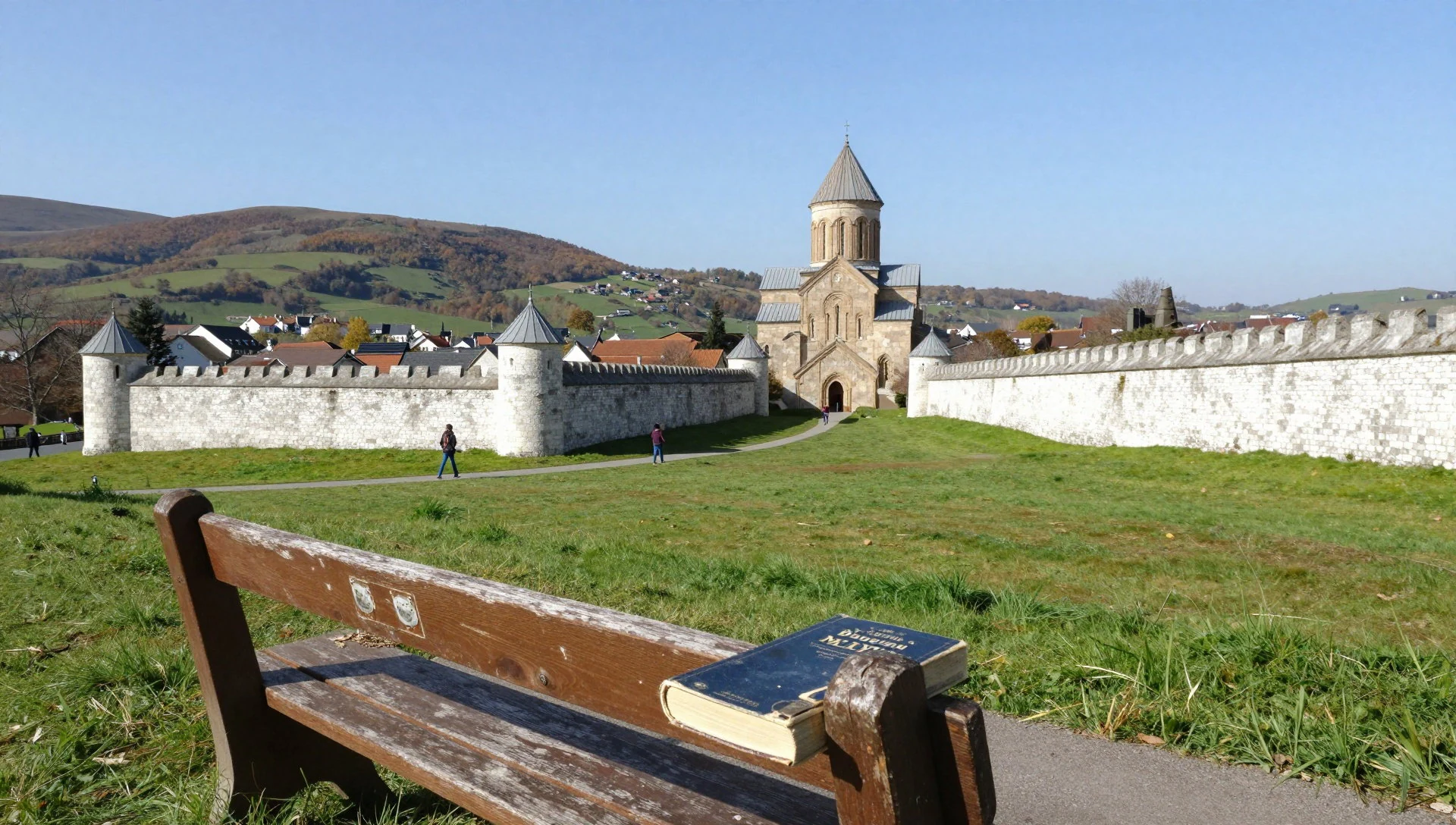
Culture
Visoki Dečani is a working Serbian Orthodox monastery, so the atmosphere is part reverence, part everyday religious life. Photography is usually a sensitive area in places like this, and it’s worth acting conservatively—especially when services are happening or when people are gathered for prayer. Dress also matters because you’re entering a sacred space, not just walking through an outdoor attraction.
The monastery’s main church holds frescoes that are central to the site’s cultural value, which means the interior can feel busy at the most popular times. If there’s a line, it’s better to queue calmly and keep movement slow once you’re inside. Your goal is to look and understand, not to take a rapid set of photos and move on.
Because travel in the region can be politically and logistically complicated, planning quietly helps. Bring identification, keep your itinerary flexible, and allow extra time for cross-checking transport and local directions. Even when things go smoothly, getting there may be slower than expected.
Visitor etiquette: dress modestly for the church, keep voices low, and ask before taking photos of people or inside crowded areas.
What to wear
At Visoki Dečani, clothing is mainly about modesty and comfort for a religious setting in a place that can involve some walking around the monastery grounds. Traditional dress in the wider region includes embroidered folk clothing and head coverings for women, but visitors shouldn’t treat that as a requirement—what matters is looking respectful inside the church.
What people wear day to day is usually practical: long trousers or long skirts, tops that cover shoulders, and shoes suitable for uneven paths. In and around monastery buildings, modest coverage is the safest bet, especially if you plan to spend time indoors viewing frescoes.
If you’re visiting in cooler months, layering helps because you may be outside in the open approach areas before you go in. If it’s warmer, lightweight layers are fine as long as you can still meet the modesty expectation.
For footwear, choose something with grip. The monastery setting can be uneven, and you’ll walk a bit between exterior viewpoints and the church entrance. Avoid very bulky footwear that’s hard to manage if you’re asked to remove or handle shoes according to local instructions.
What to eat
- Burek — Village bakeries and small eateries near bigger towns
Burek—baked pastry filled with cheese, meat, or spinach—is a common go-to across the region. Look for it at local bakeries and busy village eateries near larger towns, where it’s often sold as a quick, filling snack.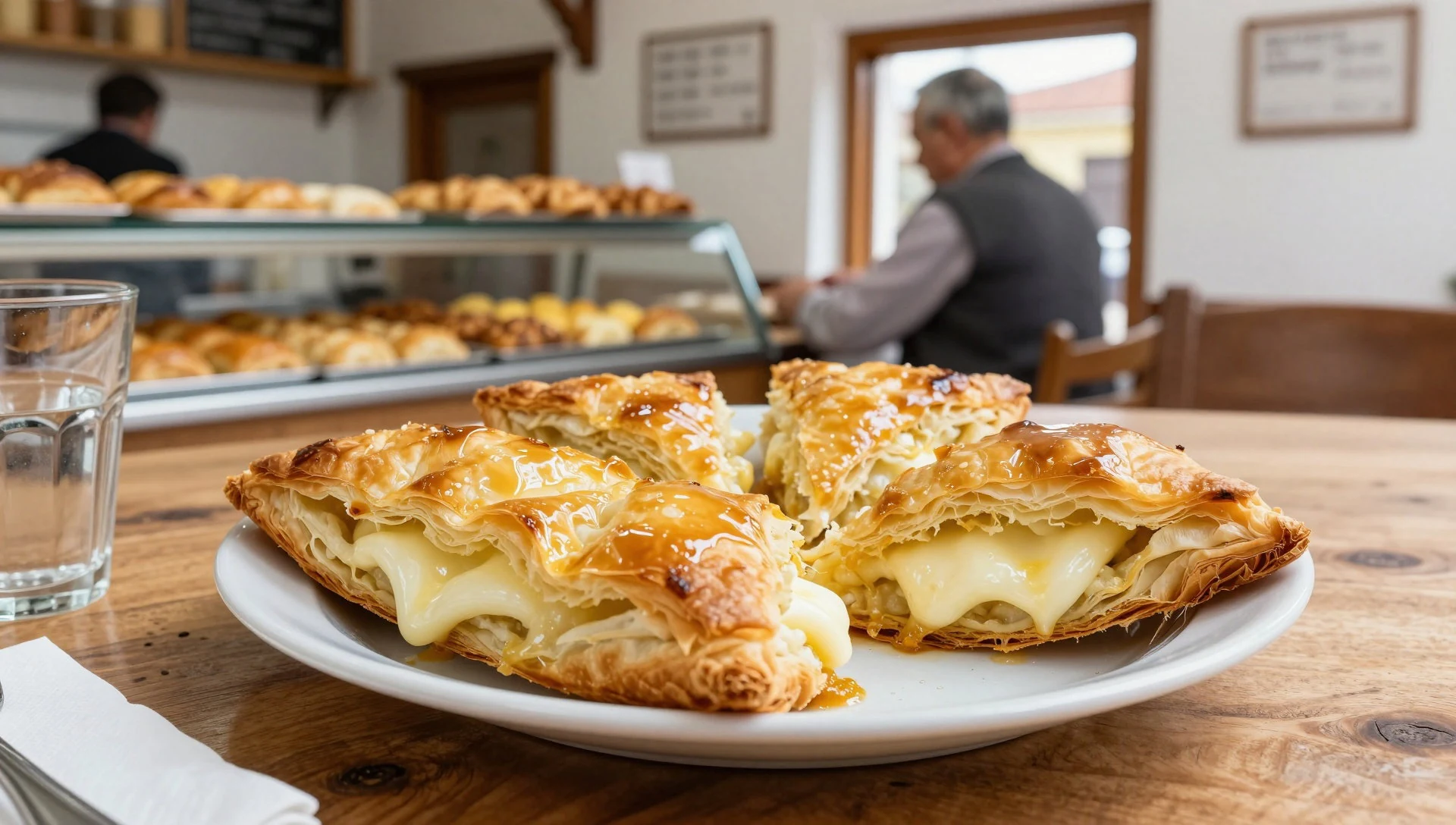
- Ayran (drinkable yoghurt) — Local restaurants and food stops around Dečan/Peja area
Ayran is a drinkable yoghurt that’s widely available and well-suited for balancing richer foods. It’s usually offered alongside meals in local restaurants and can also be found at simple food stops during day trips.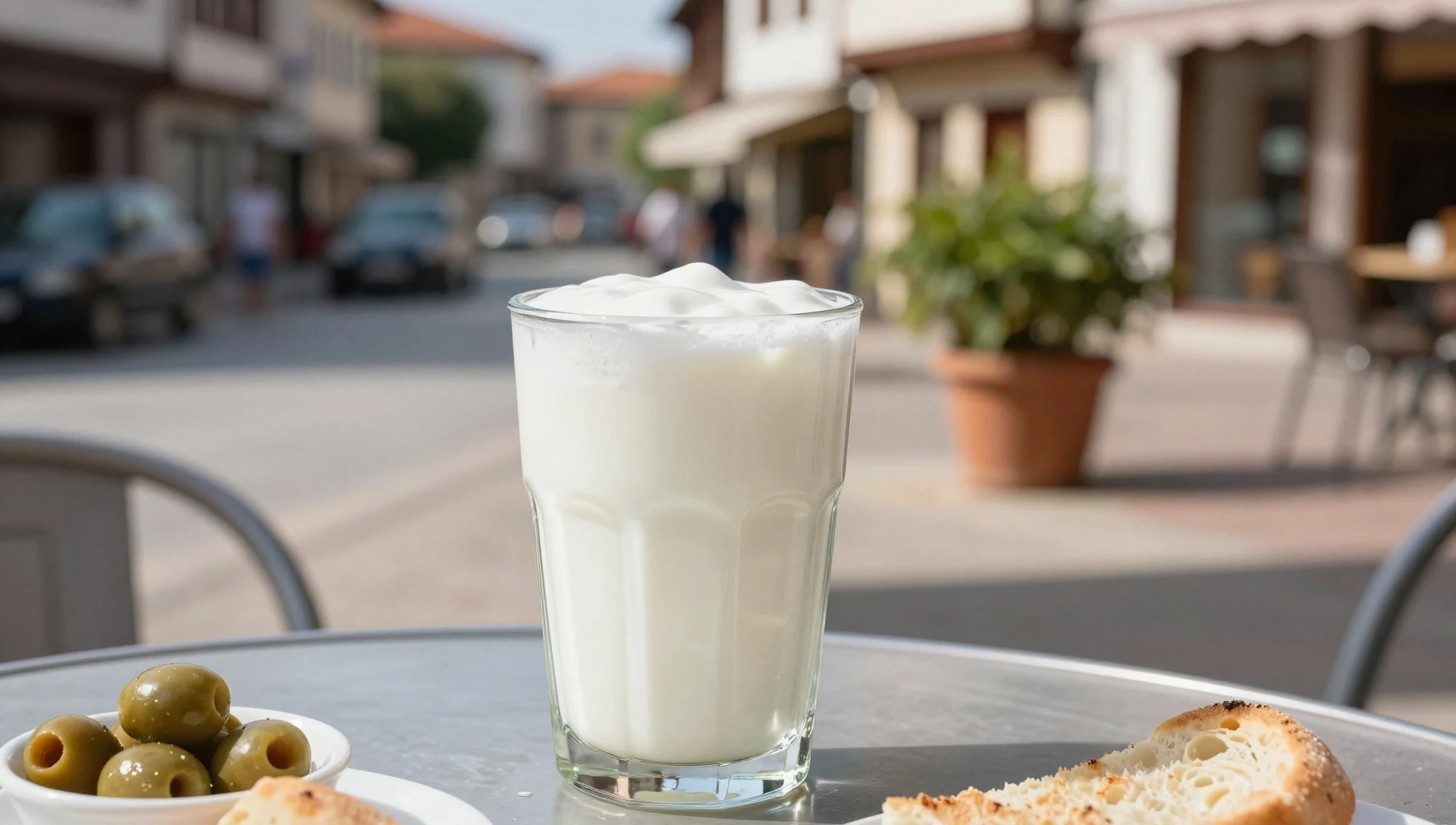
- Grilled kebabs and Ottoman-style dishes — Family-run restaurants in nearby villages
Kebabs and other Ottoman Turkish-style dishes show up often, especially in meat-heavy menus. You’ll find them in family-run restaurants outside the main tourism strips, where locals tend to eat most days. - Fried freshwater fish (trout, seabass, salmon) — Restaurants in villages near major towns
Fish is a popular choice, and trout, seabass, and salmon are commonly seen on menus. Many places keep fish fresh by storing it in pools, and it’s often ordered fried when you want something hearty. - Albanian-style meals (when you’re in Albanian areas) — Albanian areas around Kosovo
In Albanian territory, you can find Albanian dishes and flavours alongside the more general Balkan menu staples. Ask locally what’s seasonal, and choose simple, home-style eateries rather than chasing a single branded option.
Plan it
Best time. March–April and October–November for more comfortable visiting conditions; summer can feel hot, and June is typically wet. Plan around daylight so you can arrive before crowds build up.
How long. 2–3
Getting there. Get to Prishtina via the most common route through North Macedonia and Prishtina Airport, then travel onward within Kosovo by road. Travelling from Prishtina to other cities in Kosovo generally takes no longer than an hour and a half.
Budget. mid
Tips
- Build your day around a calm church visit; mornings are usually quieter for viewing and photos.
- Carry cash for small purchases and local eateries, especially if you’re eating away from busier centres.
- Use reliable transport planning from Prishtina and confirm local connections before you set off.
- Consider hiring a local guide through GuideKS if you want help with on-the-ground logistics and context.
Etiquette
- Dress modestly for the church; shoulders and legs should be covered appropriately.
- Keep voices low indoors and be patient with queues in busy moments.
- Ask before photographing people or in tightly packed areas inside.
Nearby
Sources
- Wikidata Q849517 (CC0)
- Wikipedia (Visoki Dečani), grounding only (CC BY-SA 4.0)
- Wikivoyage (Kosovo), grounding only (CC BY-SA 4.0)
- Photo photos/01-visoki-de-ani-exterior-view-julian-ny-a.jpg (CC BY-SA 1.0)
- Photo photos/02-manastir-visoki-de-ani-by-pudelek.jpg (CC BY 3.0)
- Photo photos/03-stefan-uro-iii.jpg (CC BY 4.0)
- Photo photos/04-8-manastiri-i-de-anit.jpg (CC BY-SA 4.0)
- Photo photos/05-.jpg (CC BY-SA 3.0 rs)
- Photo photos/06-1-manastiri-i-de-anit.jpg (CC BY-SA 4.0)
- Photo photos/07-3-manastiri-i-de-anit.jpg (CC BY-SA 4.0)
- Photo photos/08-6-manastiri-i-de-anit.jpg (CC BY-SA 4.0)


