Virgin Komi Forests
Virgin Komi Forests, Russia
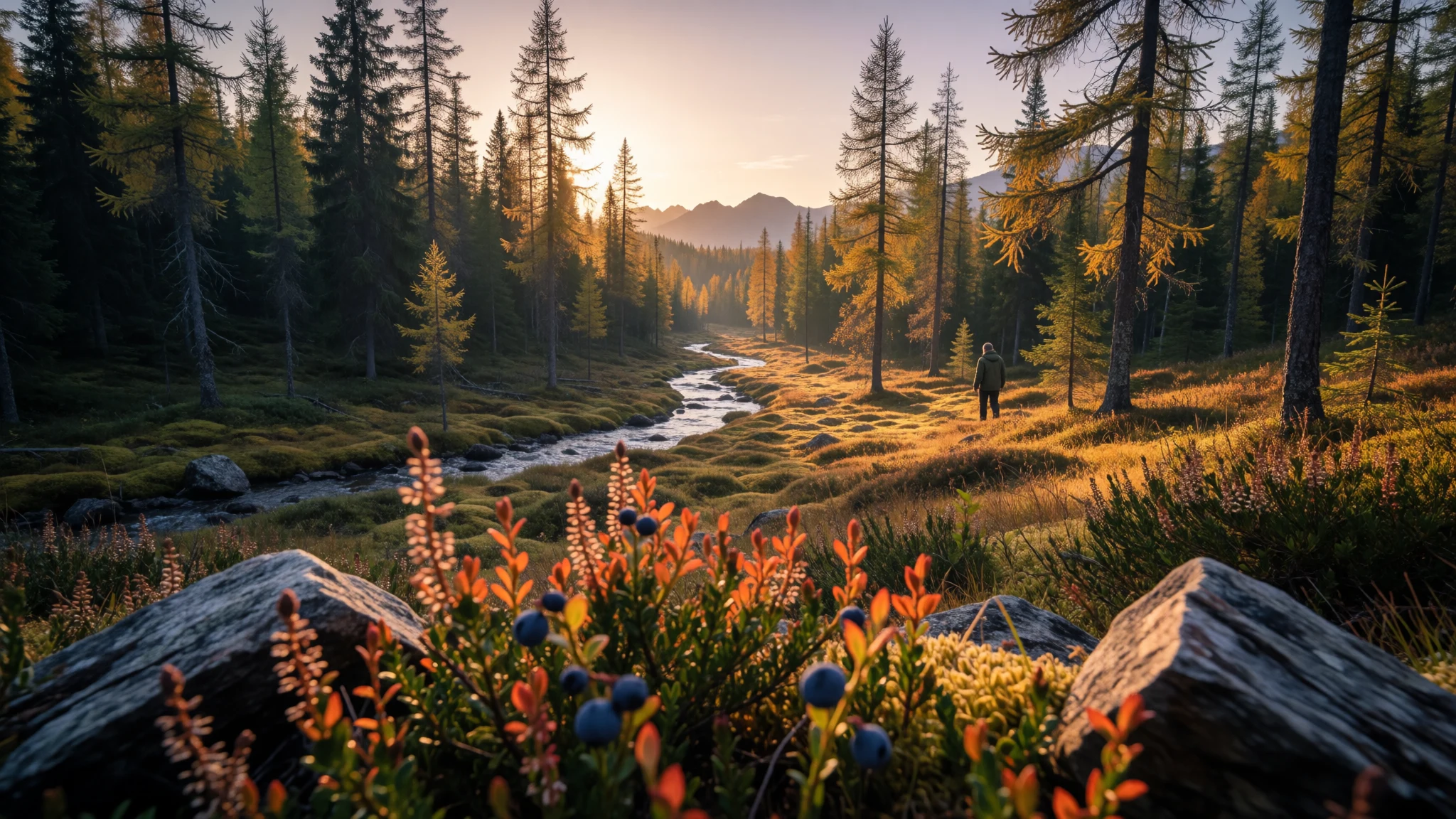
Virgin Komi Forests are Europe’s vast, living boreal wilderness—an UNESCO-listed place where taiga, bogs and tundra still feel unedited.
The place
Virgin Komi Forests sit in Russia’s Komi Republic, spread through the Northern Ural Mountains region of the country. This protected area is UNESCO-listed and known for being old-growth forest on a genuinely massive scale, including wide stretches of boreal woodland as well as tundra and alpine-tundra country.
The vegetation here is dominated by conifers—Siberian spruce, Siberian fir and Siberian larch—while deciduous trees like aspen and birch also appear, depending on the ground and season. Water and peat shape the landscape as much as trees do. Expect rivers, natural lakes, and extensive peat bogs, which are part of why the ecosystems hold together so well: the region’s hydrology is closely linked to the way the ground stays damp and cool for much of the year.
Wildlife and birdlife fit the same subarctic pattern: reindeer, sable, European mink, and mountain hare, plus birds such as capercaillie and Siberian jay. Studies and monitoring have been ongoing for decades, which helps explain why the area is valued not only for scenery, but also for understanding how natural processes work when human influence is minimal.
In practical terms, this is not a place for casual sightseeing. It’s a remote nature destination where weather sets the tempo, distances matter, and you go to experience the taiga as an ecosystem rather than a collection of photo spots.
Its story
Virgin Komi Forests are famous for their wild quiet, but the story around them is also shaped by what happened in the wider region. The Komi Republic, where these forests sit, is closely associated with a harsh gulag history, and that adds a human weight to any visit. Even when the landscape looks purely natural—conifers, boggy ground, and river valleys—there’s an awareness that this part of Russia has seen major historical forces.
What’s striking is how the designation as an UNESCO World Heritage Site (made official in 1995) reframes the place. Instead of focusing mainly on people and events, the spotlight lands on ecosystems and the long-term functioning of boreal life: trees that grow slowly in a cold climate, peat bogs that store moisture and carbon, and animal communities adapted to subarctic conditions.
The forests are also a living archive. Over many years, monitoring has gathered evidence about biodiversity and the natural processes behind it. That makes the area feel different from parks built around visitor infrastructure—fewer set pieces, more dependence on the seasons, and more emphasis on slow observation.
In a way, the “story” of Virgin Komi Forests is the story of persistence: taiga responding to winter cold and short, warm summers; water systems carving their way through the landscape; and old-growth forest holding its shape across time.
What to see
- Mt. Narodnaya — Northern Ural Mountains
Mt. Narodnaya is a notable peak in the Ural Mountains area, and many visitors use it as a reference point when planning a trip around the Virgin Komi Forests. The appeal is the transition between forest country and higher, harsher terrain, where weather can change fast.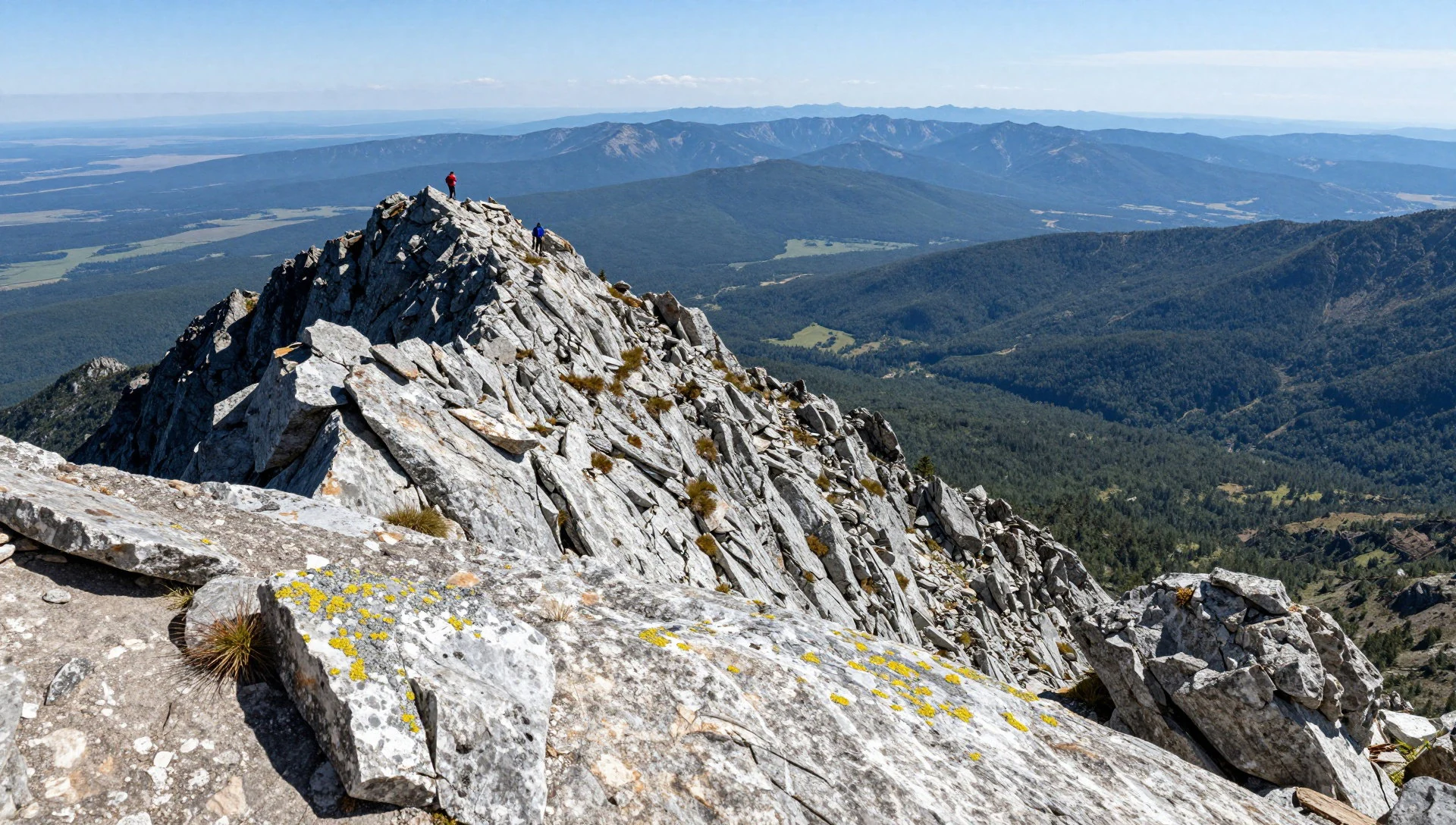
- Taiga forest belts — Komi Republic, boreal forest zones
Virgin Komi Forests are defined by expansive boreal taiga. Conifers such as Siberian spruce and Siberian larch dominate, with patches of birch and aspen where conditions suit them. Walking through these belts feels like stepping into a long-unchanged climate system.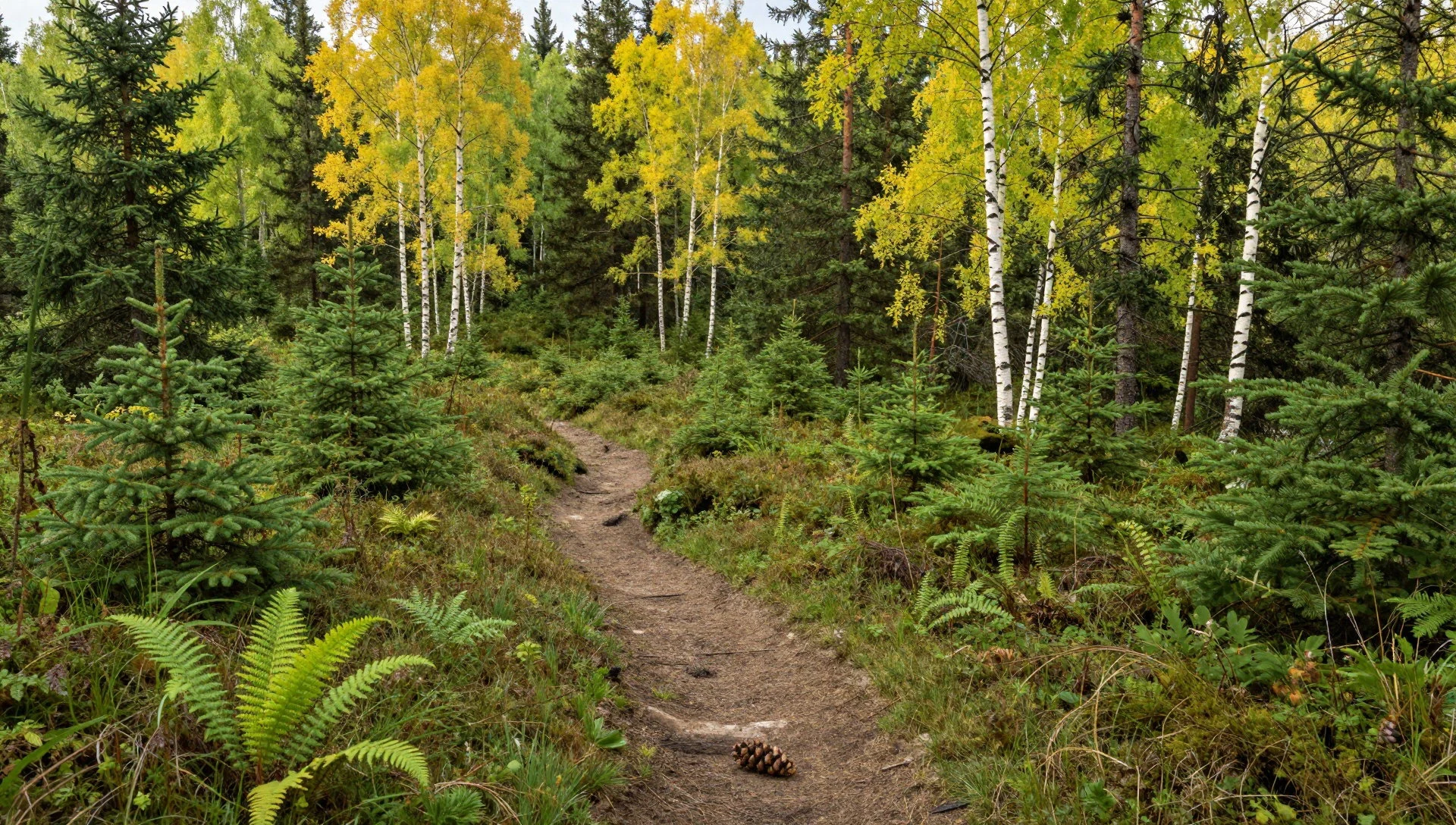
- Peat bog country — Wetland pockets across the protected area
Peat bogs spread through the Virgin Komi Forests, forming soft, waterlogged ground that changes the pace of travel and the textures you notice. In the subarctic climate, bogs help maintain the region’s hydrology, so the forest and water feel inseparable on the ground.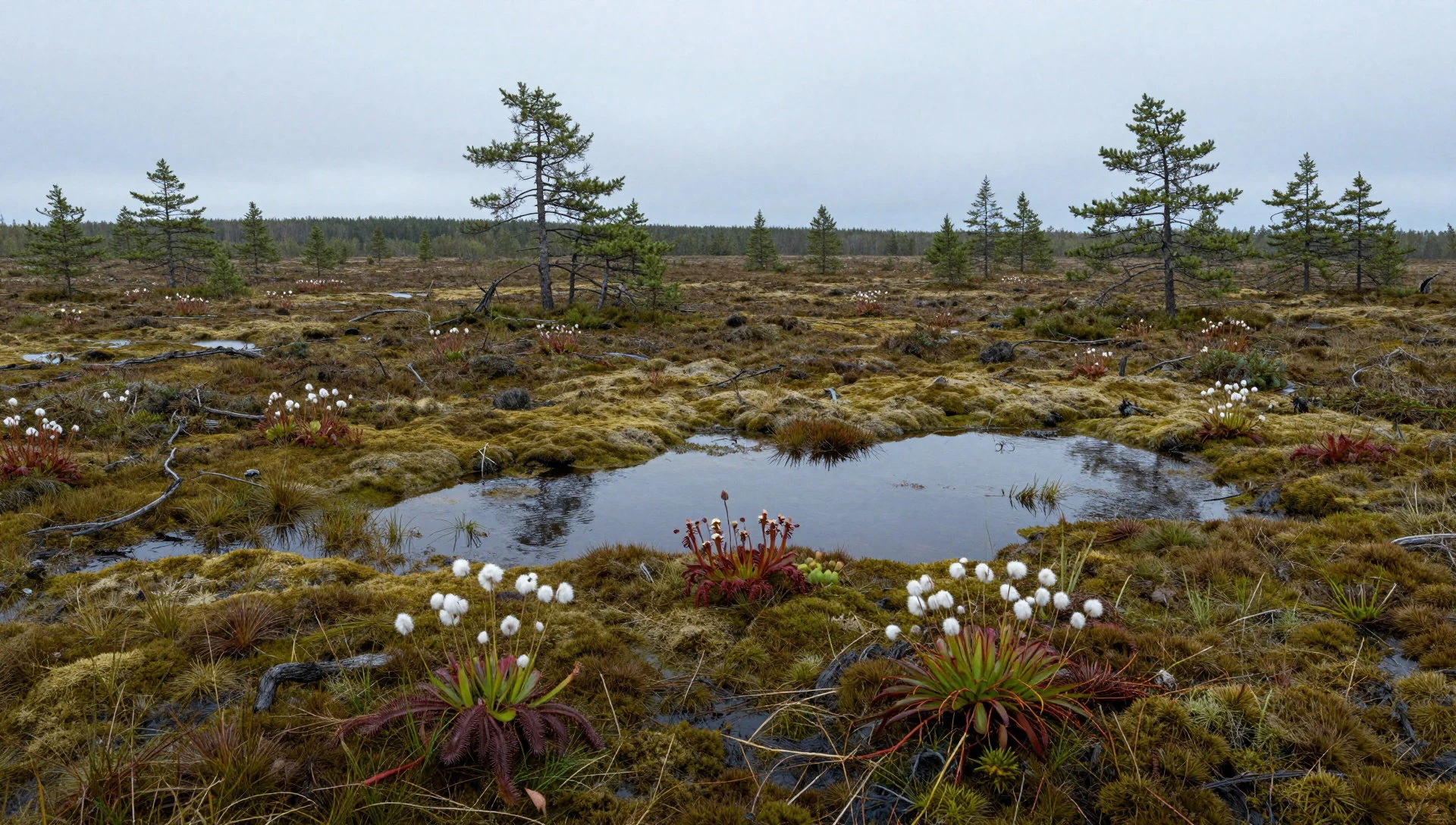
- Rivers and natural lakes — River valleys and lake basins
Rivers and natural lakes thread through the forests, reflecting the landscape’s subarctic rhythm. These waterways support the same ecosystems seen in the taiga and bogs, and they’re where wildlife activity is easiest to notice—especially for animals and birds tuned to seasonal water levels.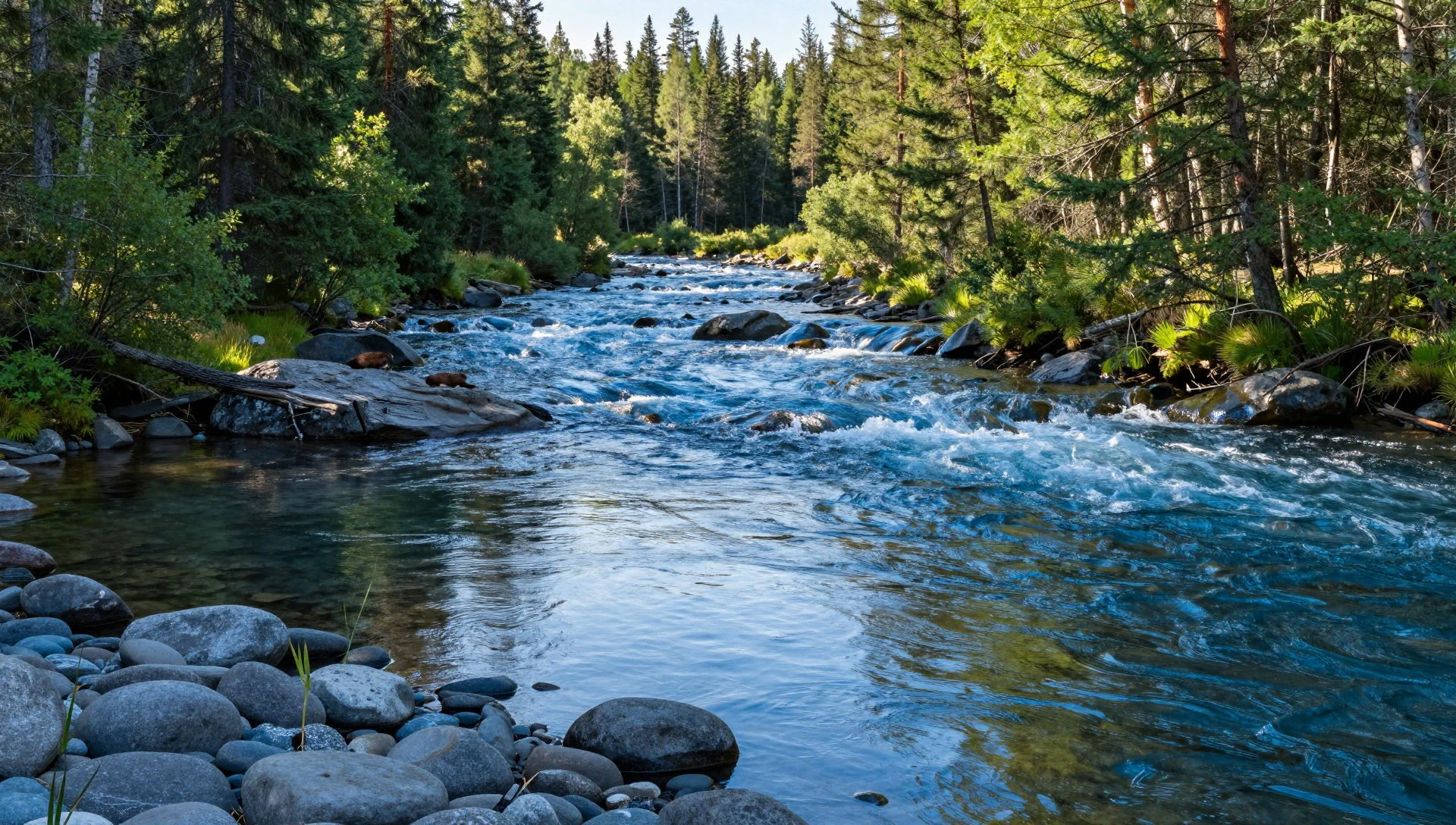
- Old-growth forest edges — Forest–open ground transitions
Old-growth character shows up along transitions: where conifer stands give way to openings, or where deciduous trees join in. These edges can be the most rewarding places for quiet wildlife spotting and for understanding how biodiversity is distributed across the taiga rather than spread evenly.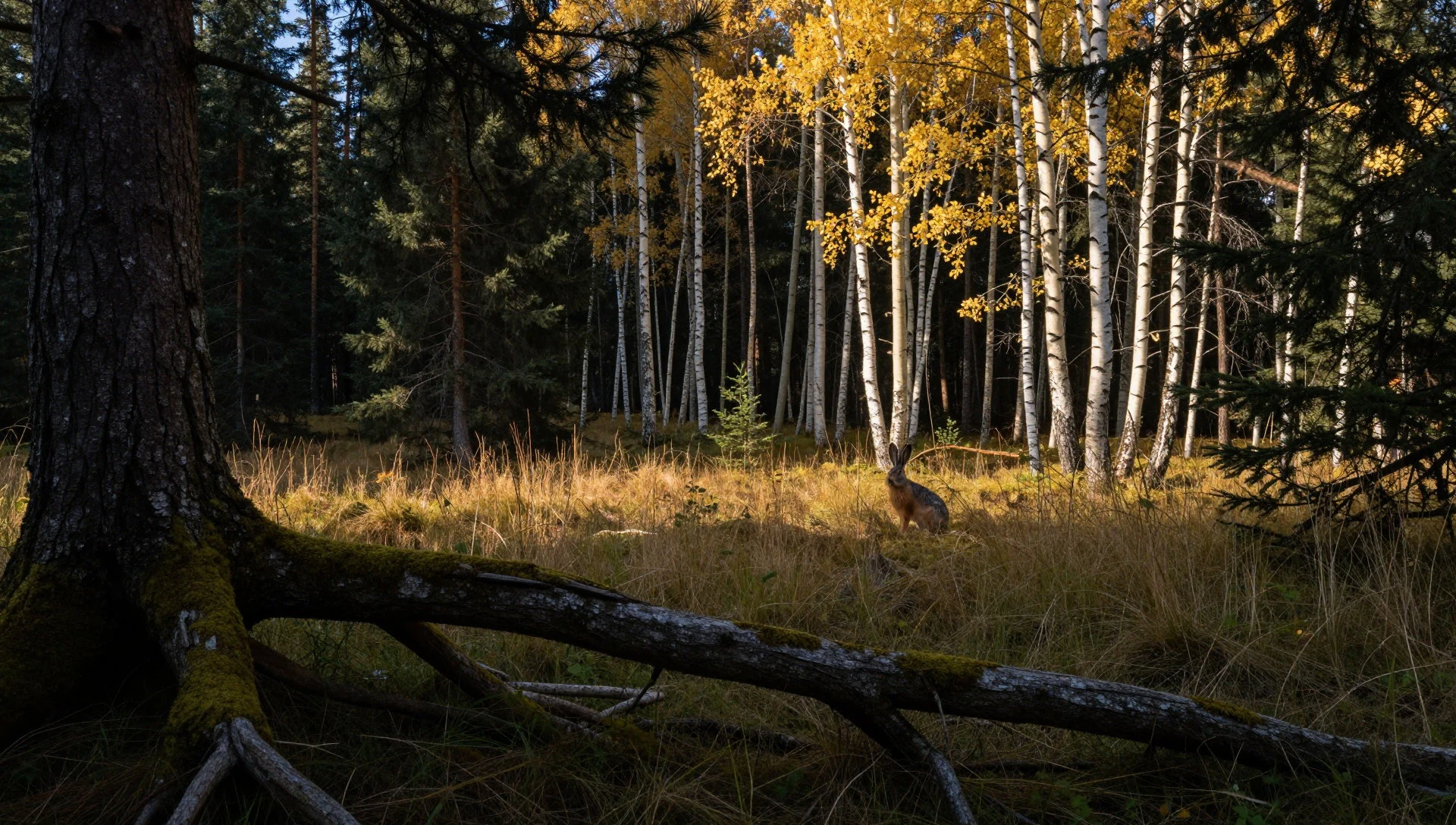
Culture
Virgin Komi Forests don’t revolve around visitor rituals; they ask for the basics of outdoor respect. This is a protected, old-growth forest environment in the Northern Ural Mountains of the Komi Republic, and the “culture” here is mainly about how to move through living ground without disturbing it. Expect a subarctic pattern—long cold winters and short warm summers—so the right preparation matters as much as good behaviour.
Bear in mind that remoteness can mean fewer facilities and less flexibility than in well-serviced European nature parks. Keep expectations grounded: you’re going for observation, photography, and a sense of ecological time, not for quick amenities.
If any local guides or community contacts are involved, treat their knowledge as the core resource. Ask about safe routes and seasonal conditions rather than relying on broad map assumptions. Silence also has value: fewer disturbances makes it easier to notice birds and mammals adapted to this climate.
Visitor etiquette: Stick to advised paths, keep noise down, and avoid stepping on fragile bog ground or disturbing wildlife.
What to wear
In Virgin Komi Forests, practical clothing is the main “style”. Traditional dress varies across Russia’s regions, but for visitors the real divide is between winter-cold and short, warm-season conditions. The subarctic climate means layers are non-negotiable, and footwear has to handle mud, wet ground, and uneven forest terrain.
What locals typically wear day to day depends on season, but visitors should think like a winter traveller: a warm base layer, an insulating middle layer, and a windproof outer layer. In wetter periods, add a waterproof shell and quick-dry socks; peat bog country can soak boots. A hat for cold mornings and a pair of gloves make a big difference when temperatures drop or when you’re exposed on higher ground.
For warm-season visits, go for breathable layers that still protect against wind and drizzle, plus sun protection. Even then, conifer forests can stay cool and damp.
For religious sites and cultural venues there are no specific rules in the brief for this remote area, so focus on modesty and cleanliness only insofar as you might meet local people: keep shoulders covered if requested and carry wipes or hand sanitiser for long days outside.
What to eat
- Borscht-style beet soup — Local eateries and regional restaurants in the Komi Republic
Look for warm beet soup in regional eateries and home-style meals in the Komi area. It’s typically hearty, served hot, and useful when the weather swings from cold mornings to milder afternoons.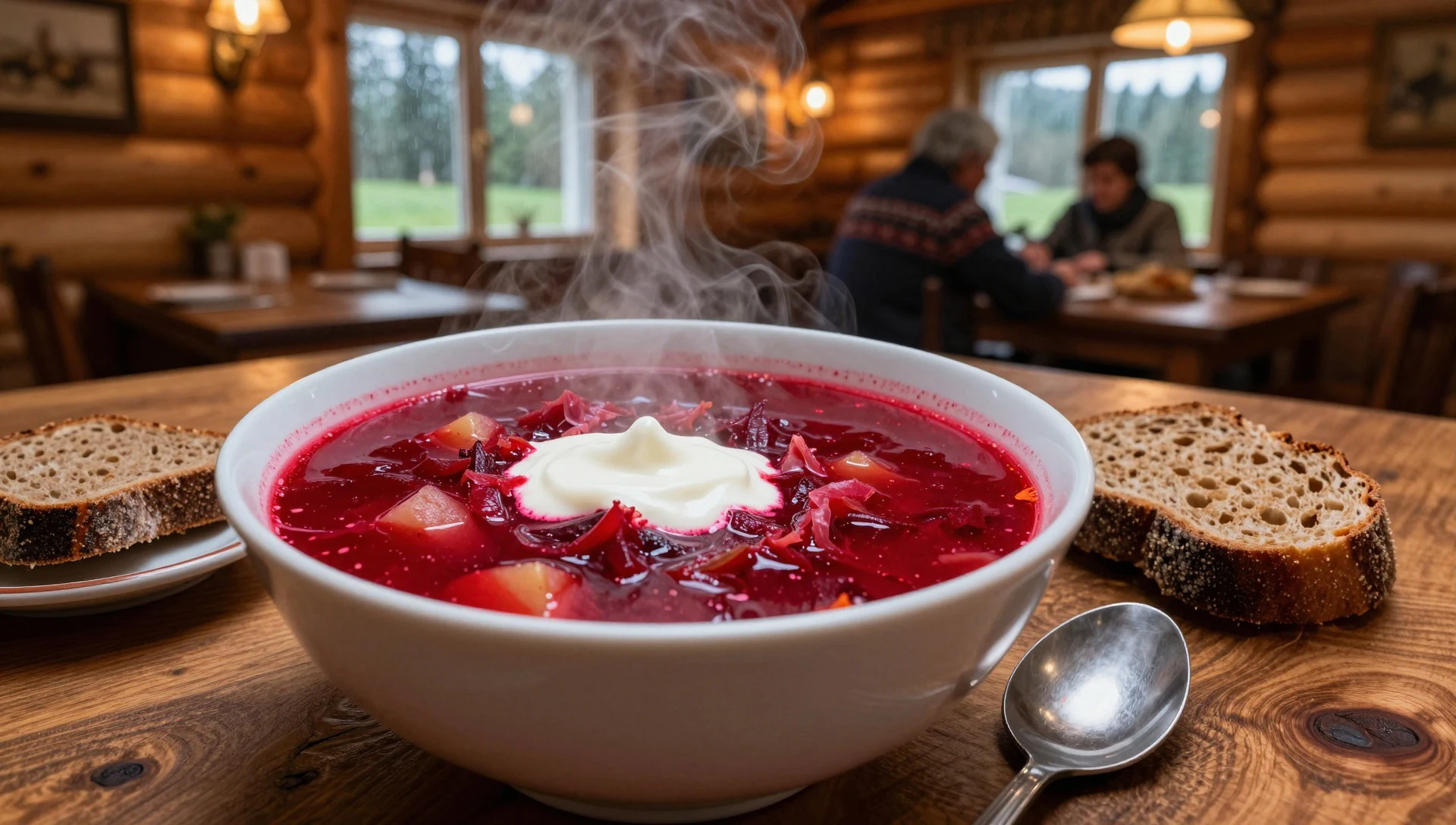
- Kasha (buckwheat or cereal porridge) — Comfort-food cafes and traditional-style diners
Kasha is a filling staple that fits a cold-climate diet. You’ll often see buckwheat or other grains served as a side with meat or mushrooms, making it a steady energy option for outdoor days.
- Pelmeni — Everyday restaurants in Syktyvkar and other regional hubs
Pelmeni are dumplings commonly found in Russian cuisine, usually served hot with sour cream or butter. For a long travel day, they’re simple, warming, and easy to eat without fuss. - Mushroom dishes — Seasonal specials at regional restaurants
In forest country, mushrooms show up in many forms—sautéed, stewed, or mixed into fillings. In season, it’s a local way to eat what the land provides, and it pairs well with hearty grains. - Baked breads and pies — Bakeries and café-style eateries in nearby towns
Russian-style breads and baked pies often appear at bakeries or as part of simple café meals. They’re handy snacks for travel, especially when you need something warm that doesn’t require refrigeration.
Plan it
Best time. May–August for the mildest, warmest weather and the greenest-feeling days (with the hottest period in June–July, and August slightly cooler), and September for an easier transition before colder, wetter air returns; November is among the coldest months, and overall rainfall is highest around late spring through summer (peaking in June–August).
How long. 3–4
Getting there. Fly into Syktyvkar from Moscow or Ufa. From there, plan onward travel within the Komi Republic; longer legs often require local arrangements, since the forest itself is remote.
Budget. mid
Tips
- Build your days around weather windows; fog and rain are common in subarctic landscapes.
- For mountain objectives like Mt. Narodnaya, treat early starts as essential and allow extra time for changing conditions.
- Pack for wet ground: a waterproof layer and footwear that can handle mud matters more than fashion.
- Carry essentials and keep cash available for small, local purchases.
- If travelling during late summer, consider that boats head north from Pechora to Naryan-Mar, which affects route planning.
Etiquette
- Stay on advised routes and respect any restricted or sensitive areas in old-growth forest.
- Keep noise low to avoid disturbing birds and wildlife.
- Leave the peat and bog country as you found it; don’t shortcut across soft ground.
Nearby
Sources
- Wikidata Q593870 (CC0)
- Wikipedia (rev 1371987236) (CC BY-SA 4.0)
- Wikivoyage (rev 4502293) (CC BY-SA 4.0)
- Photo photos/01-four-herous01.jpg (CC BY 3.0)
- Photo photos/02-virgin-komi-forests-119480.jpg (CC BY-SA 3.0 igo)
- Photo photos/03-entrance-to-pechora-ilych-biosphere-reserve.jpg (CC BY-SA 4.0)
- Photo photos/04-bog-area-in-the-yaksha-cluster-of-pechora-ilych-b-r.jpg (CC BY-SA 4.0)
- Photo photos/05-entrance-to-hiking-trail-in-pechora-ilych-b-r.jpg (CC BY-SA 4.0)
- Photo photos/06-komi-virgin-forests.jpg (CC BY-SA 4.0)
- Photo photos/07-siberian-larch-in-pechora-ilych-b-r.jpg (CC BY-SA 4.0)
- Photo photos/08-virgin-komi-forests-119482.jpg (CC BY-SA 3.0 igo)


