Vikos Gorge
Vikos Gorge, Greece
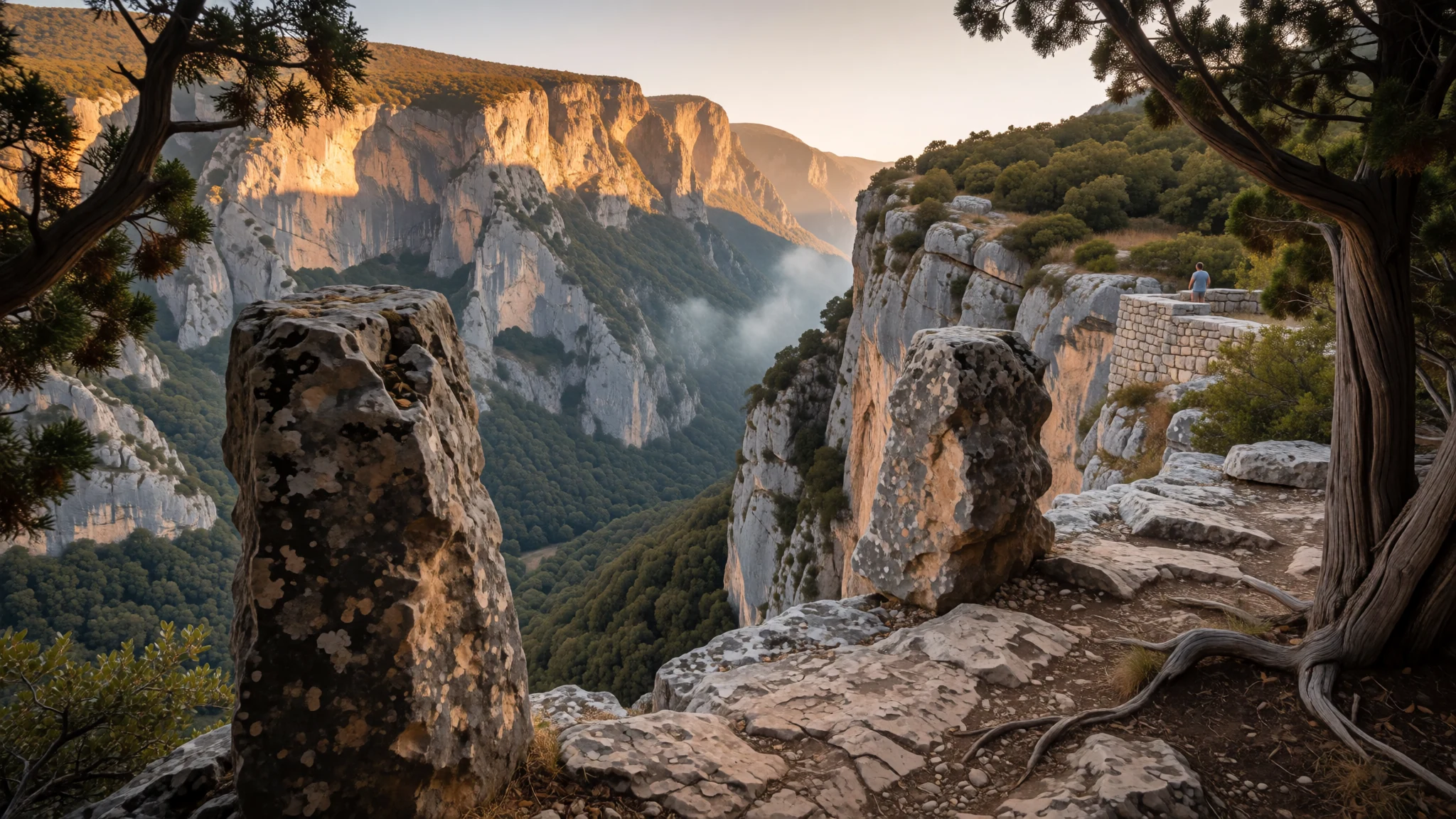
A monumental limestone rift carved into northwestern Greece, offering untamed mountain hiking, cliffside viewpoints, and quiet stone villages.
The place
Vikos Gorge cuts through the dramatic limestone highlands of Epirus in northwestern Greece. Tucked within the Vikos-Aoös National Park in the Zagori territory, this massive chasm cradles lush woodland, seasonal streams, and sheer vertical cliffs that drop into deep shadow. The primary canyon stretches across mountainous terrain between quiet, stone-built settlements, ending where the clear springs of the Voidomatis River emerge from under the rocks.
Walking into Vikos Gorge reveals a landscape that feels untamed and secluded. Ancient bridleways, paved with river cobblestones and supported by hand-stacked rock walls, climb out of the abyss to connect tiny hamlets perched along the cliff rims. Oak, maple, and hornbeam forests cover the gorge floor, giving shelter to rare wildlife and plant species in an ecosystem that remains exceptionally preserved. Unlike many coastal tourist hubs across Greece, the surrounding Zagori district retains a slow, rural rhythm defined by limestone slate architecture, cold mountain air, and peaceful silence.
Visitors can admire Vikos Gorge from elevated lookouts or by taking on the rigorous day-long trek along the valley bottom. Elevated viewpoints provide sweeping panoramas over the sheer canyon walls and distant alpine peaks of Mount Tymphe. Down below, the trail leads through shadowed forests, under towering grey rock walls, and past crystalline turquoise pools, delivering one of the most rewarding wilderness walking experiences in southern Europe.
Its story
Vikos Gorge has shaped human survival in the rugged Pindus Mountains for centuries. Tucked away in Epirus, this natural refuge sheltered mountain communities during turbulent periods, including centuries under Ottoman administration. Because the steep canyon walls rendered the territory difficult to invade or patrol, the villagers of Zagori secured special privileges and regional autonomy, developing a distinct culture grounded in self-reliance and stone masonry.
Local master builders constructed intricate arched bridges, paved footpaths, and fortress-like stone houses from the immediate gray limestone landscape. These stone tracks, known as kalderimia, served as the sole link between remote mountain hamlets and the outside world, allowing merchants, shepherds, and travellers to navigate the formidable gorge geography safely. Trade routes stretched far across the Balkans, bringing wealth back to these quiet villages, which was invested in rich frescoes, schools, and elegant mansions.
The region remained remote and largely isolated well into the modern era, retaining its traditional customs and architecture even after Epirus officially joined Greece in the early twentieth century. Today, Vikos Gorge stands as both a natural marvel and a living monument to alpine resilience. The stone bridges and abandoned footpaths still trace the footsteps of past traders and herders, offering a window into a quiet mountain culture that adapted seamlessly to one of Europe's most dramatic landscapes.
What to see
- Oxia Viewpoint — Near Monodendri village
Reached by a narrow road from Monodendri, this rock ledge offers a direct view straight down into the deepest section of Vikos Gorge. A brief walking path lined with weathered limestone pillars leads past stone balconies hovering directly over the chasm.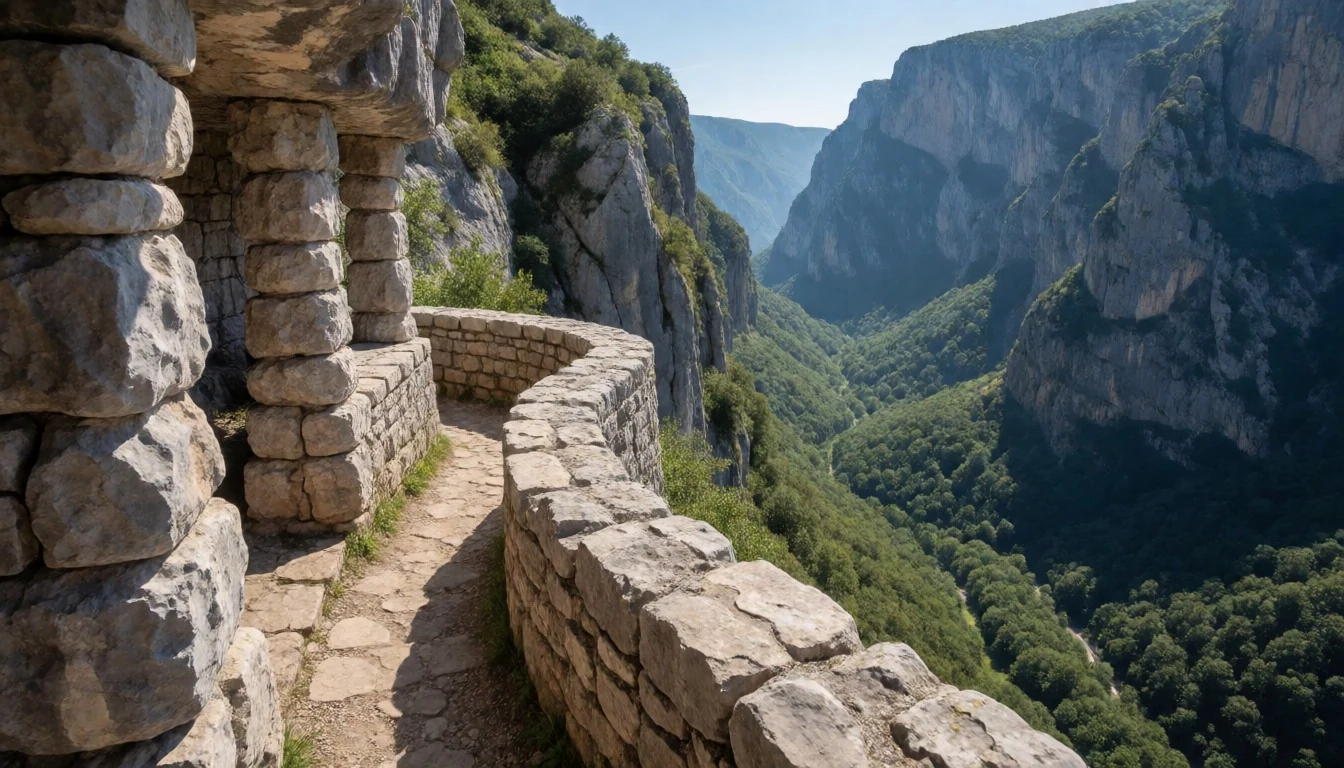
- Beloi Viewpoint — Near Vradeto village
Located above the eastern rim near Vradeto village, Beloi provides a wide panoramic overview of the gorge's winding canyon walls. The spot is reached via an easy walk across stone terraces, rewarding travellers with open vistas across the entire Vikos-Aoös park landscape.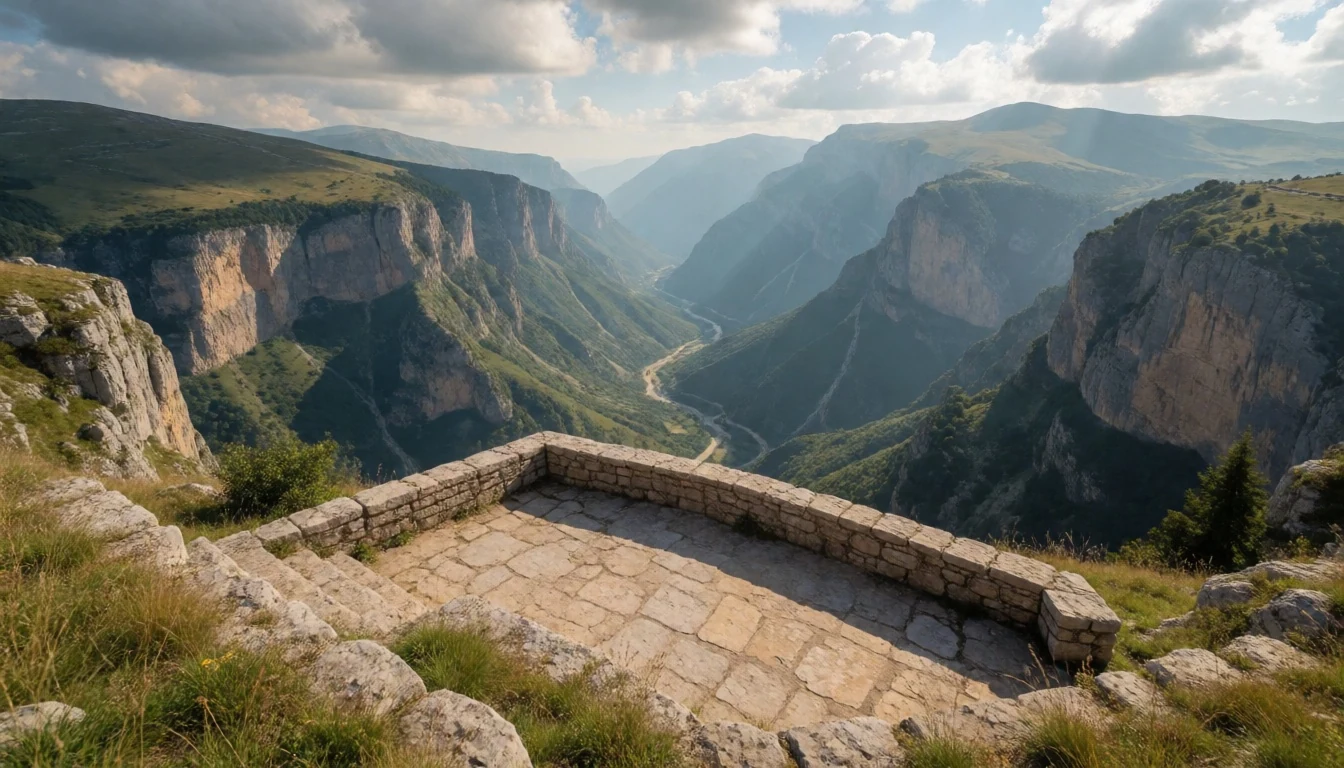
- Voidomatis River Springs — Near Vikos village
Deep at the northern base of Vikos Gorge, ice-cold freshwater springs surge out beneath limestone cliffs to feed the crystal-clear Voidomatis River. The shaded riverbank makes a cool rest stop for hikers, surrounded by ancient plane trees and vibrant turquoise pools.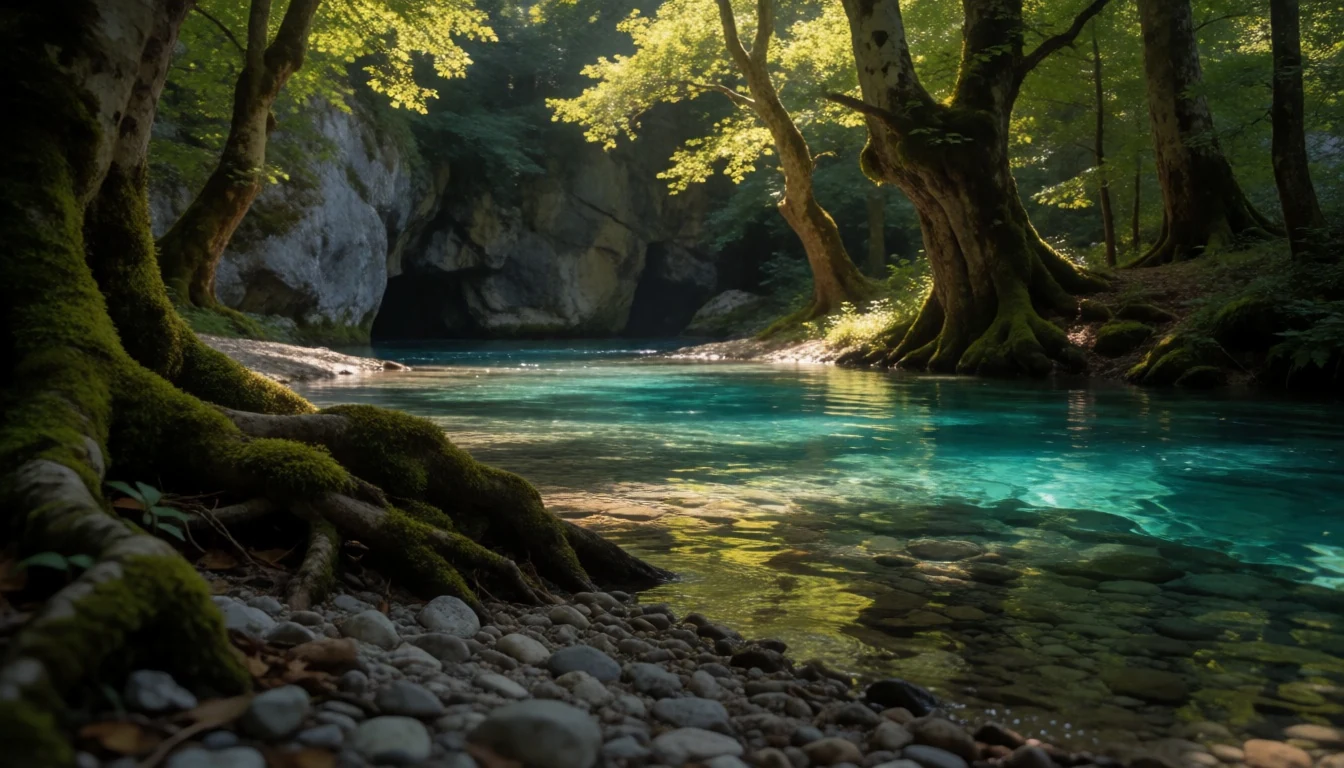
- Stone Bridges of Kipi — Near Kipi village
Clustered near Kipi village at the southern end of the gorge, these multi-arched Ottoman-era stone bridges span seasonal riverbeds. Built by local masons using mortarless slate, the elegant structures seamlessly blend with the craggy mountain scenery and preserved trail network.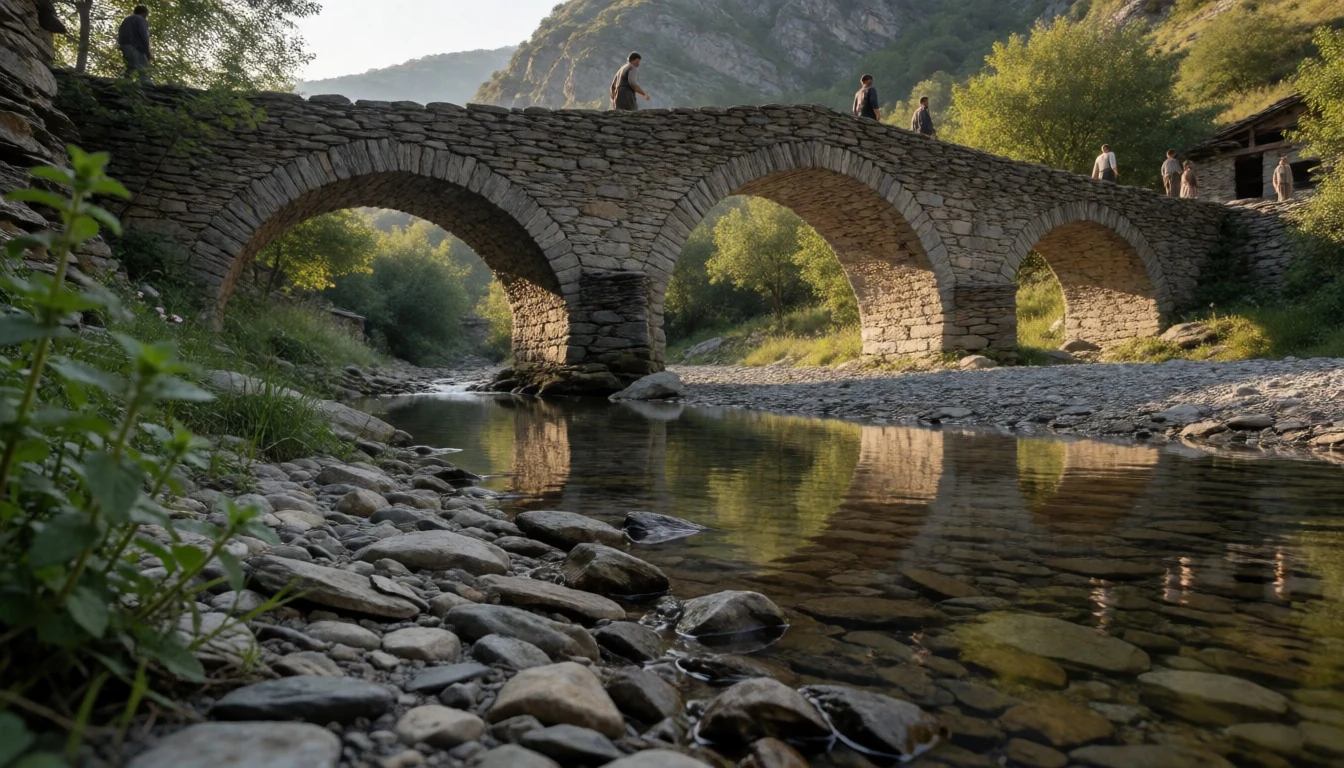
Culture
Culture in the Vikos Gorge region is rooted in the mountain traditions of Zagori, where life revolved around pastoral farming, stone construction, and seasonal migration. Village squares remain the hearth of local social life, shaded by central plane trees and surrounded by stone tavernas where locals gather over coffee, local spirits, and board games. Music in Epirus carries a distinct identity, characterized by slow, melancholic clarinet melodies and polyphonic singing that reflect the solitude and harsh beauty of the high country.
Faith and community heritage remain closely intertwined in the Zagori hamlets. Small Byzantine chapels and historic monasteries cling to rocky crags throughout the gorge, adorned with historic icons and wood-carved iconostases. Traditional festivals, known as panigyria, bring these mountain hamlets to life during summer months with traditional circle dances, live folk instruments, and shared communal feasts that bring generations together.
Respect local village tranquillisation by keeping noise down in residential alleyways and dressing modestly when visiting active mountain monasteries.
What to wear
Traditional dress in the Epirus mountain region around Vikos Gorge was crafted to withstand harsh alpine winters and rugged terrain. Local attire featured heavy, hand-spun wool garments, thick felt capes known as fokloches, and layered embroidered waistcoats tailored by village artisans. Women wore dark, multi-layered pleated skirts over woven aprons, complemented by headscarves and thick knitted wool socks, reflecting both warmth and intricate regional needlework styles.
Today, residents in the Zagori villages dress in practical, casual everyday clothing suited for mountain living. Warm fleeces, durable jackets, and sturdy work boots are standard attire, especially during the chillier autumn and winter months.
For visitors planning to explore Vikos Gorge, technical outdoor clothing is essential. Sturdy hiking boots with solid ankle support are necessary for negotiating loose limestone shale and steep cobblestone paths. Layered clothing allows you to adapt to sharp temperature shifts between sunlit cliff tops and damp, shaded canyon floors. Carry a lightweight rain jacket for afternoon mountain showers, and pack sun protection for exposed ridgeline walks.
What to eat
- Tiropita — Village bakeries and tavernas
A classic mountain pastry made with layers of crispy, hand-rolled filo dough filled with salty local feta and goat cheese. Baked in wide round metal pans, it is served warm at village bakeries and family tavernas across the Zagori region.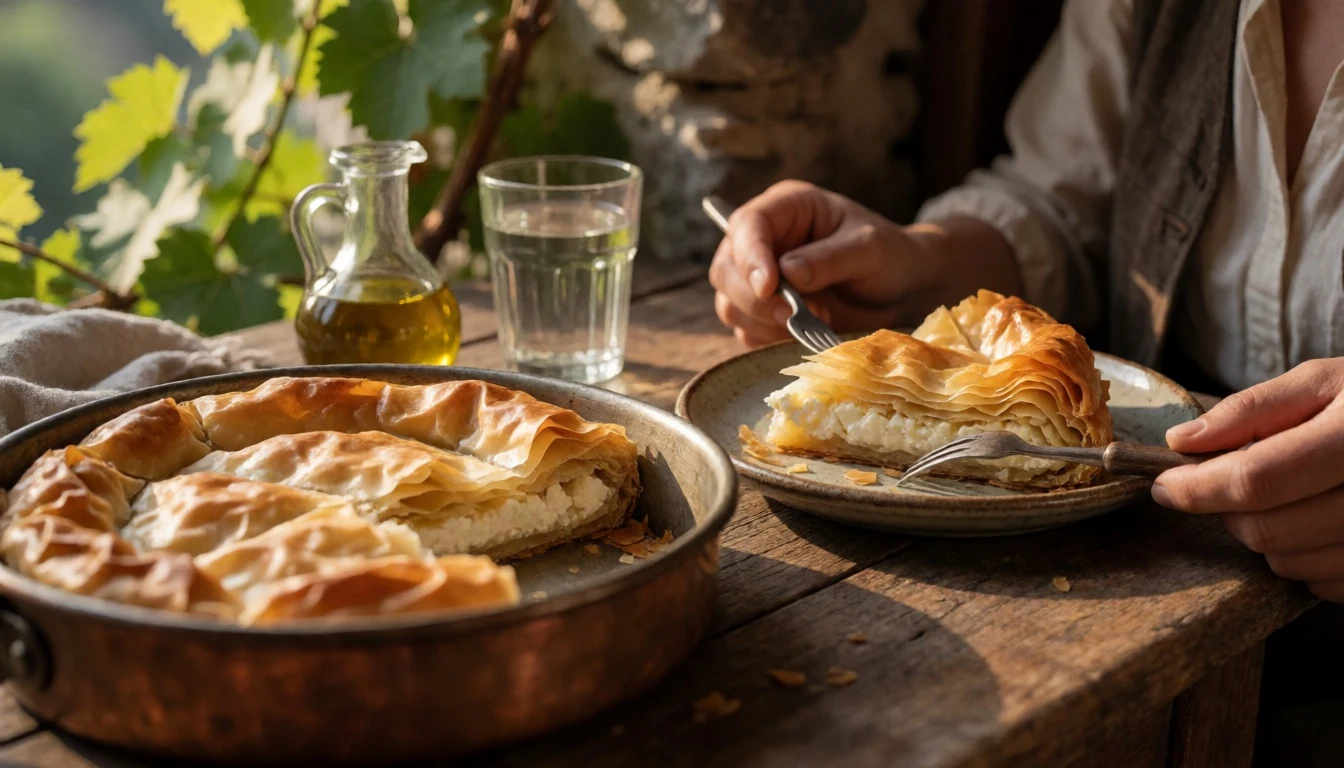
- Hortopita — Mountain village eateries
A savoury wild green pie stuffed with dandelions, sorrel, spinach, and mountain herbs gathered directly from the surrounding hillsides. Wrapped in olive-oil-brushed filo, it offers a rich, earthy flavour typical of traditional mountain cooking.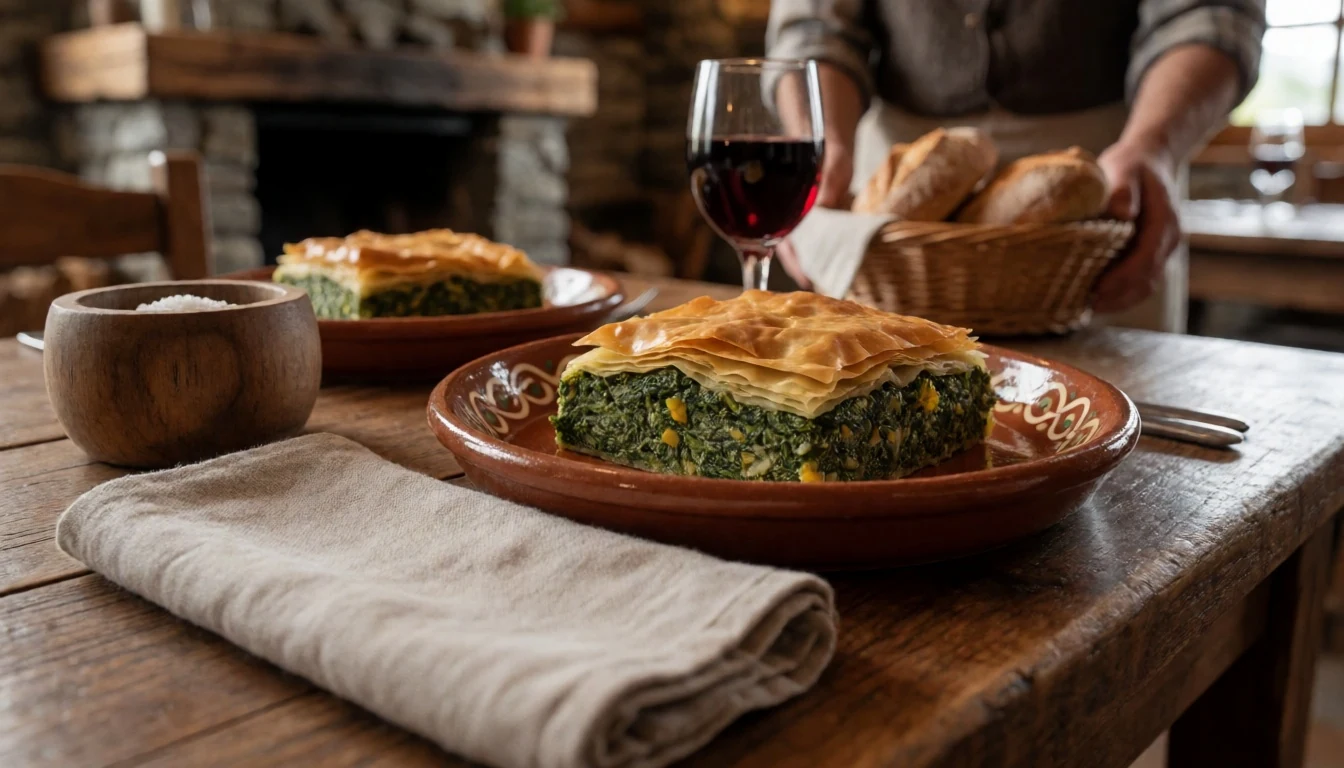
- Gidopita — Traditional village tavernas
Slow-cooked tender goat meat baked under a golden pastry crust with aromatic herbs and local cheese. Free-roaming mountain goats produce particularly flavourful meat, making this hearty dish a staple at traditional regional restaurants. - Kolokithopita — Village cafes and inns
A regional pumpkin or squash pie that can be prepared sweet with cinnamon and walnuts or savoury with crumbled cheese. It is cooked in stone ovens and enjoyed as a satisfying afternoon snack in mountain hamlets.
Plan it
Best time. May to June and September to October offer ideal conditions for trekking, with pleasant mountain temperatures and flowing streams; July and August can be hot on exposed cliffs, while winter brings ice and snow.
How long. 2–3
Getting there. Fly into Aktion Airport near Preveza or take a ferry to Igoumenitsa from Italy; from either entry point, drive via Ioannina along the motorway to reach the Zagori villages.
Budget. mid
Tips
- Wear sturdy hiking boots with excellent grip for steep slate staircases
- Carry plenty of drinking water as seasonal streams dry up in late summer
- Arrange return taxi transport in advance when hiking between distant villages
- Carry sufficient cash since credit card terminals can lose connectivity in deep valleys
Etiquette
- Keep to marked trails to protect sensitive flora and prevent soil erosion
- Pack out all rubbish as there are no waste bins along the canyon floor
- Cover shoulders and knees when stepping inside historic village chapels
Nearby
Sources
- Wikidata Q15061872 (CC0)
- Wikipedia (rev 1362240203) (CC BY-SA 4.0)
- Wikivoyage (rev 5237196) (CC BY-SA 4.0)
- Photo photos/01-vikos-gorge-from-beloe.jpg (CC BY 3.0)
- Photo photos/02-vikos-gorge.jpg (CC BY-SA 2.0)
- Photo photos/03-.jpg (CC BY-SA 4.0)
- Photo photos/04-3.jpg (CC BY-SA 4.0)
- Photo photos/05-2.jpg (CC BY-SA 4.0)
- Photo photos/06-3.jpg (CC BY-SA 4.0)
- Photo photos/07-.jpg (CC BY-SA 4.0)
- Photo photos/08-3.jpg (CC BY-SA 4.0)


