Vega Archipelago
Vega Archipelago, Norway
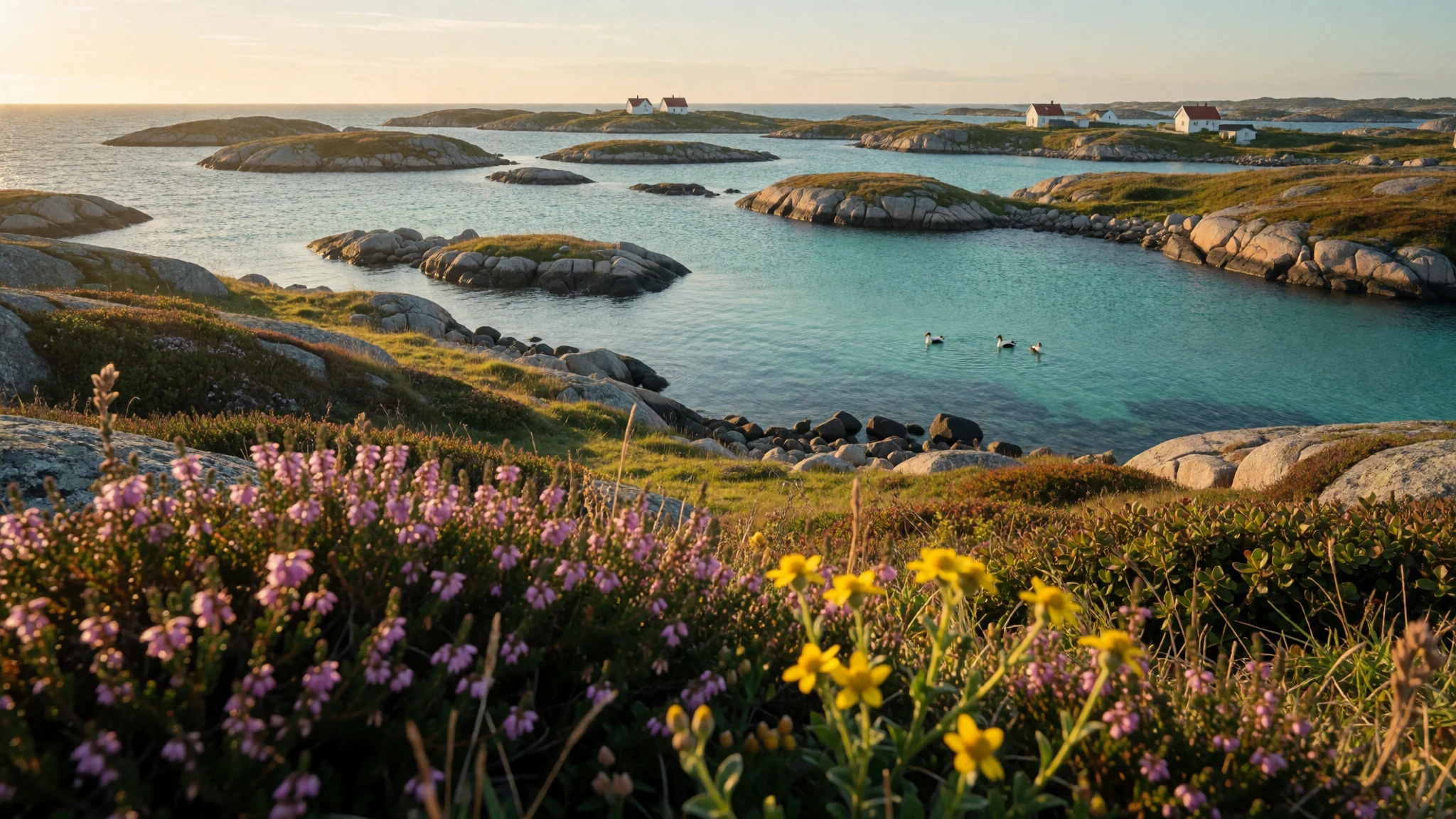
Vega Archipelago is a remote island world where fishing and eider-down traditions shaped a quiet, livable coast—recognised by UNESCO.
The place
Vegaøyan, or the Vega Archipelago, is a cluster of islands in the Norwegian Sea in Nordland county, Norway, centred around Vega Municipality. It sits just south of the Arctic Circle and is made up of thousands of small islets around the main island of Vega, plus larger islands such as Igerøya, Ylvingen and Søla. The scale is part of the charm, with frequent ferry connections linking harbours, farm areas and sheltered bays.
What makes the archipelago stand out is how the islands have been lived-in for a very long time. Settlement evidence stretches back to the Stone Age, and later generations—fishermen and farmers working an often inhospitable seascape—maintained a frugal way of life. The UNESCO link comes from the specific, long-practised relationship with eider ducks: people built and maintained eider houses so birds could nest, and harvesting the down became closely tied to daily work. In practical terms, visitors see this reflected in the landscape—quays, fishing villages, low coastal fields, and the utilitarian architecture that supported it all.
Access is the main logistical reality. Most travellers base themselves around Brønnøysund (in Brønnøy Municipality) and then use ferry or fast boat services to reach the islands. Once there, the pace slows down: walks along shorelines, short drives where roads exist, and viewpoints that open up to the shifting sea and the islands stacked like fragments along the horizon.
Its story
Vega Archipelago feels like it was built for people who don’t fight the sea—they work alongside it. Across the islands, livelihoods have traditionally revolved around fishing and farming, but the key thread is eider down, a resource tied to local knowledge and seasonal rhythm. Instead of treating the natural world as something to exploit endlessly, the island communities developed practices to harvest what the islands reliably offered, then let the system keep renewing.
That approach shows up in the way the islands are arranged and used. There are fishing villages with their working edges, small quays, and outbuildings that belong to a working coast rather than a museum set. Eider houses sit within reach of shore paths, reminders that the birds aren’t background scenery; they’re part of the plan. Even the idea of “frugal” has a local texture here: small-scale, careful, and embedded in winter and summer constraints.
Time also plays a role in how the archipelago reads. The islands hold traces from much earlier than modern tourism—human settlement dating back to the Stone Age—so contemporary life can feel like one layer among many. Birdlife reinforces that sense of continuity. The archipelago supports populations of species such as greylag and barnacle geese, eiders and other sea birds, which helps explain why the place is both culturally important and ecologically sensitive.
All of this makes Vega less about ticking famous landmarks and more about understanding a whole way of living. The most rewarding “story” moments tend to be unglamorous: watching boats settle into a harbour, stepping into a village lane, or seeing the sea’s moods change as quickly as the light.
What to see
- Torghatten (hole-through mountain)
Torghatten is the iconic mountain in the region, famous for a cave-like opening running through the hillside. Walk up to the viewpoint and you quickly understand why Torghatten feels both natural and humbling, with the landscape opening out across the sea.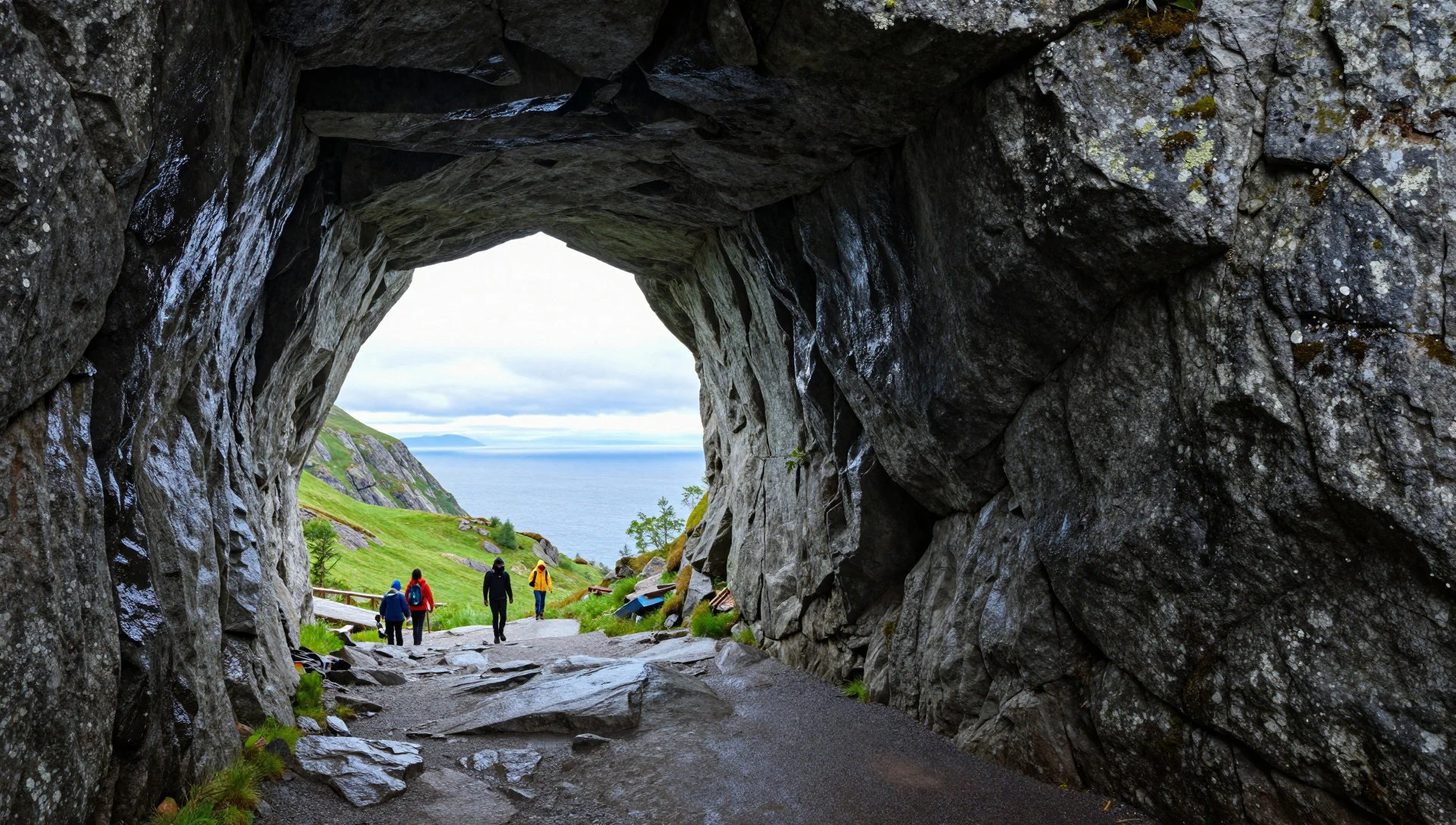
- Ørnes trading post (museum) — Ørnes area (near the Arctic Circle)
Ørnes trading post offers a look at how coastal life was shaped by trade. It helps connect daily island work to wider networks of goods and services that shaped coastal life beyond Vega. Plan time for the exhibits and the surrounding harbour atmosphere.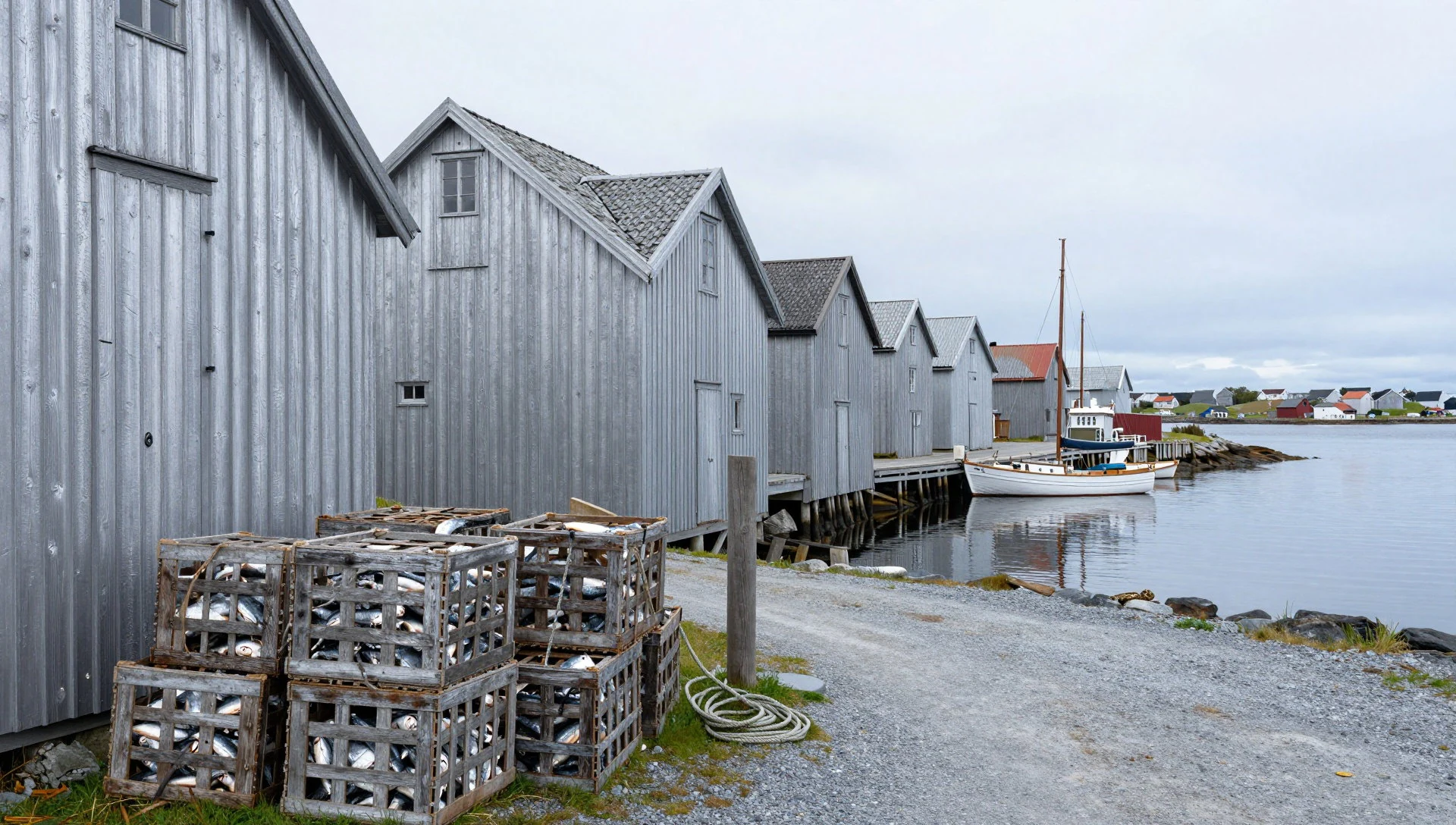
- Remembrance at Tjøtta
At Tjøtta, the memorial site is a quiet reminder of wartime losses in Norway. It’s a sombre stop designed for remembrance, and it can be emotionally heavy even if history isn’t the main focus of a trip. Respect the stillness and keep voices low.
- Grønligrotta cave
Grønligrotta is a cave experience shaped by limestone and underground passages. Timing can matter for cave visits, so it’s worth checking locally before you go.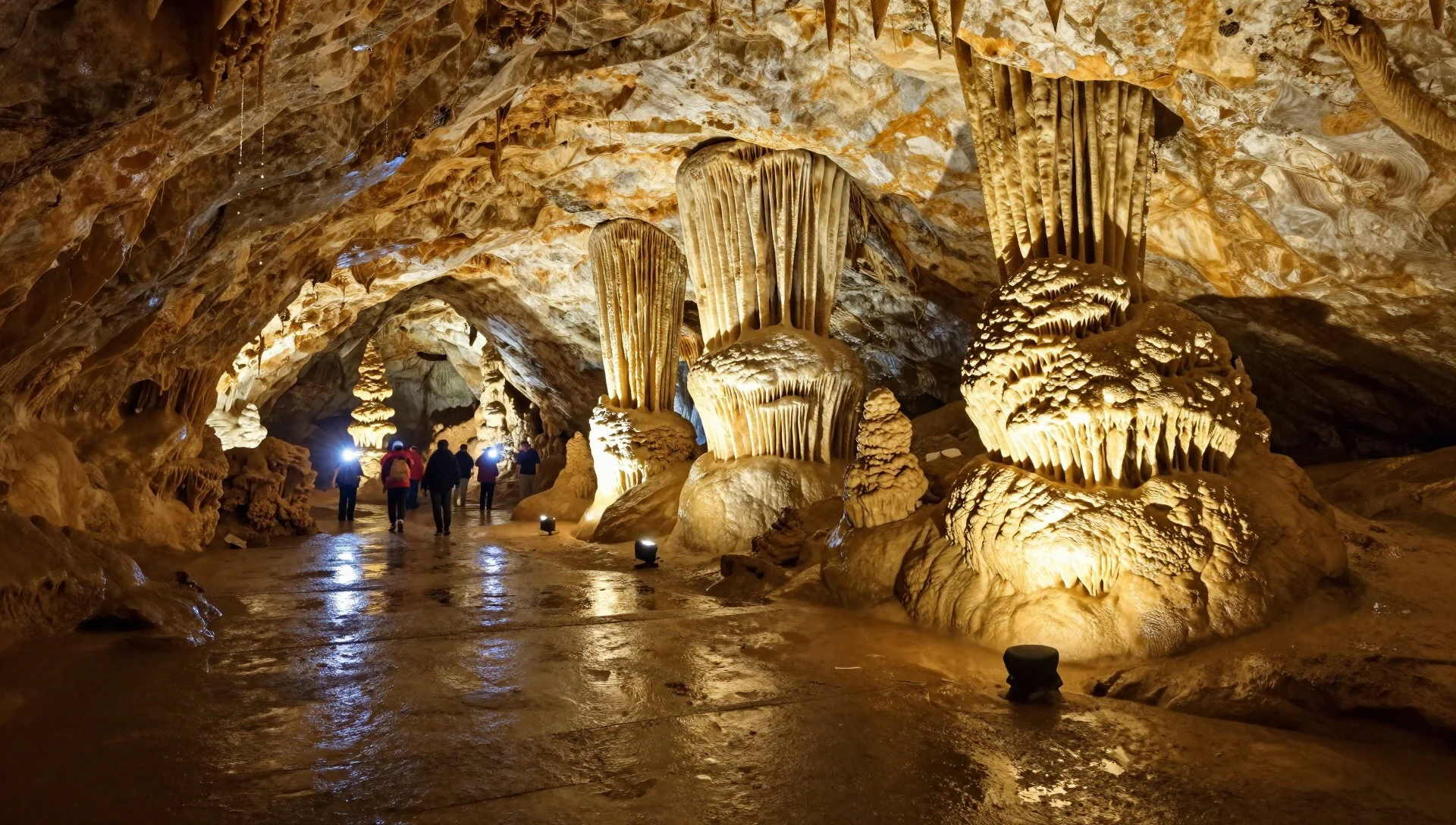
- Setergrotta cave
Setergrotta is a longer cave system best visited at the right time of year. It suits visitors who want something more than a quick walk through a single chamber. Bring sensible shoes and be ready for damp stone surfaces.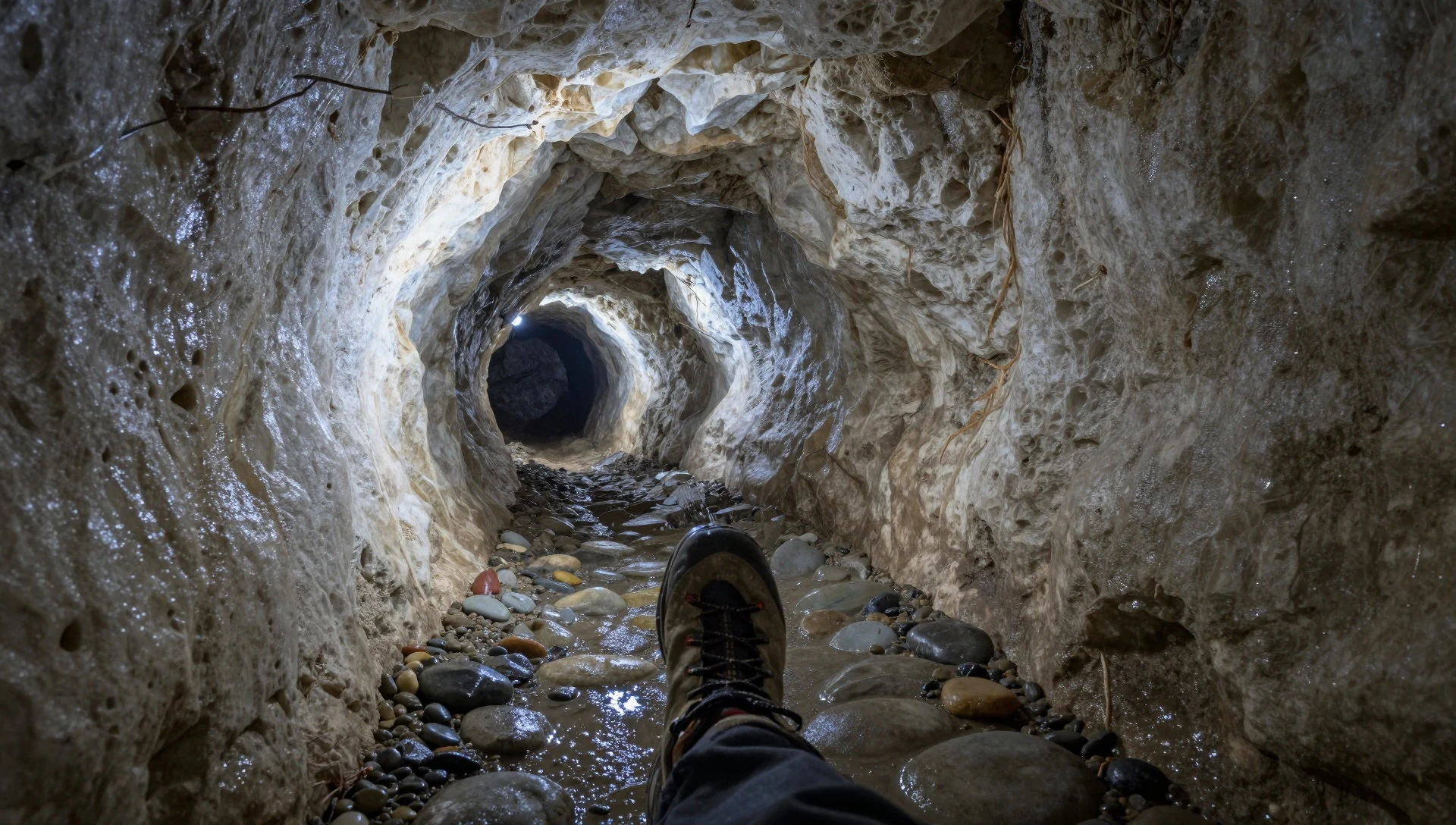
- Dolstad Church (wooden octagonal church)
Dolstad Church is a notable wooden church in the area, worth seeing if it’s open to visitors. The exterior reads as carefully crafted and distinctly local, and the form differs from the more common straight-line church silhouettes. If open, it’s worth stepping inside to appreciate the timber details.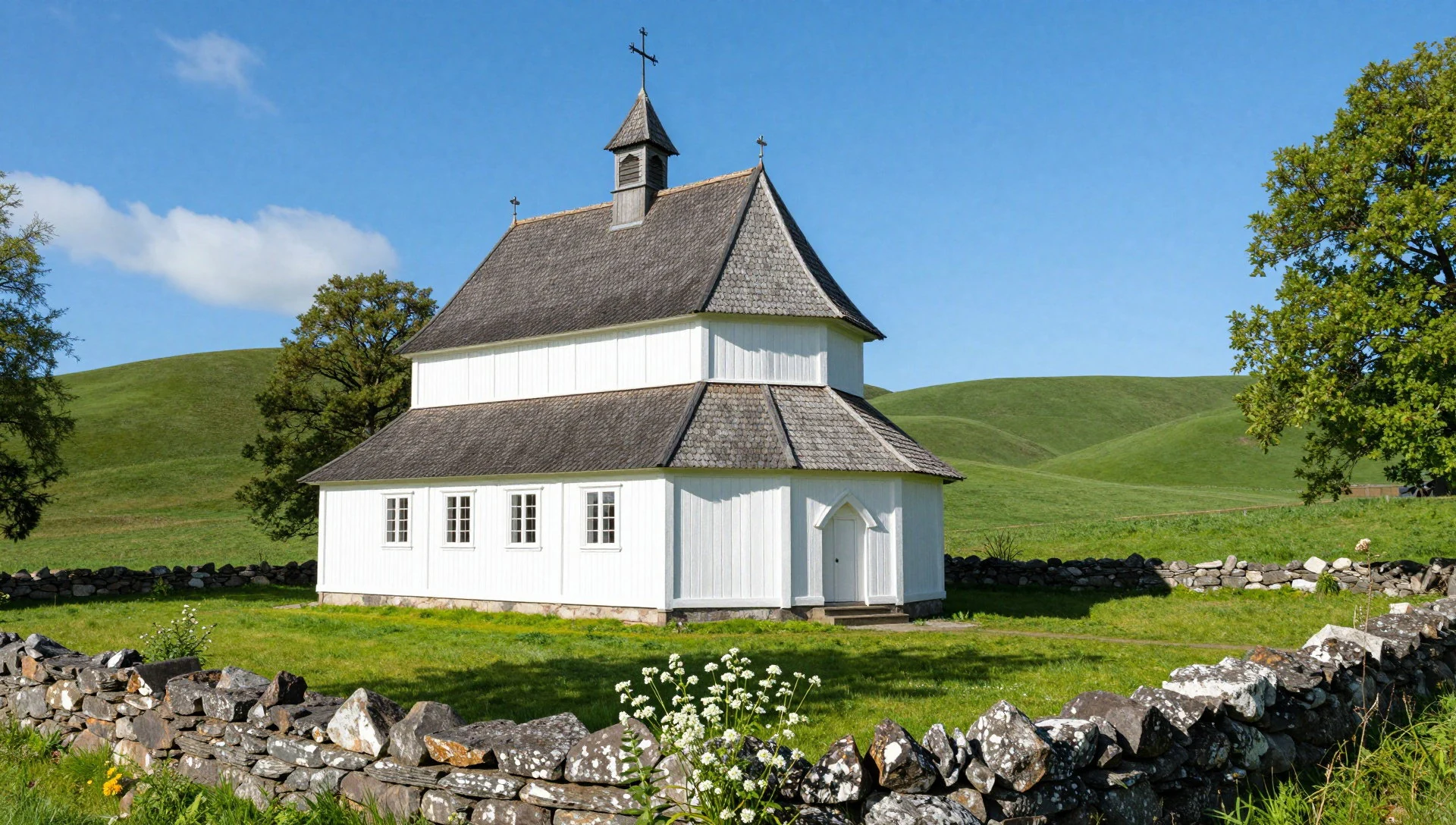
Culture
Vega Archipelago is a UNESCO World Heritage Site, but the daily culture isn’t about grand performances—it’s about ordinary work continuing in a challenging landscape. Fishing villages, quays, farmland patches and eider houses show how residents historically balanced sea, weather and seasonal labour. In other words, the culture is partly built into infrastructure: places designed for boats, birds and people to share space.
Birdlife is also part of the story. With the islands supporting species such as common eiders and geese, visitors benefit from behaving like guests in a living habitat, not spectators on a theme park route. That means sticking to paths where they exist, keeping distances where nesting areas are implied, and avoiding loud behaviour near wildlife-viewing spots.
Finally, remember that weather shifts quickly in northern coastal environments. Dressing appropriately isn’t just comfort—it’s respect for the work of locals who are outside in all kinds of conditions, and for safety when walking on uneven ground or near slippery rocks.
Visitor etiquette: keep noise down near villages and wildlife, and follow marked paths around eider areas and shore viewpoints.
What to wear
Vega’s traditional clothing is less about what visitors will wear today and more about the local textile culture behind island life. Historically, islanders relied on durable fabrics suited to wind and wet conditions—practical layers for long hours outdoors, with materials chosen for warmth and usefulness rather than decoration. The eider-down tradition also connects to textiles: down harvesting fed into warm, insulating products that mattered in a cold northern climate.
What people wear now is what you’d expect in coastal Norway: waterproof outer layers, wool or fleece mid-layers, and weatherproof footwear for rocky shores and slippery jetties. In towns and village areas, you’ll see people dressed casually—jeans, jumpers, rain jackets—with hats or beanies common when the wind picks up.
For a visitor, pack for changeable conditions: a waterproof jacket, warm insulation, thermal base layers, and shoes with grip for wet stone and uneven paths. If visiting churches or other indoor heritage spaces, keep your outfit modest and comfortable, and be ready to remove hats if the space is quiet and respectful.
What to eat
- Vega Vertshus — Vega Archipelago (Vega island area)
Vega Vertshus is a local eatery name associated with the Vega area, a good starting point for trying regional coastal-style food. Look for seafood-forward dishes and simple plates that fit the island mood—warm meals after sea air and wet walks.
Plan it
Best time. June and July are the warmest months, while the wettest period is in the autumn and early winter (October–December are especially rainy). Expect changeable coastal weather throughout the year.
How long. 3–4
Getting there. Reach the Helgeland area by rail through Trondheim or Bodø, then take the ferry or fast boat from Brønnøysund to Vega.
Budget. mid
Tips
- Base the trip around Brønnøysund and treat sea crossings as the fixed part of the day
- If caves are on the plan, check seasonal tour availability before locking in transport
- Bring layers for wind and rain—conditions can shift quickly on the coast
- Plan at least one slow half-day for shoreline walks and harbour views rather than filling every hour
Etiquette
- Stay on paths and avoid trampling near eider areas and sensitive shoreline zones
- Keep voices low in remembrance sites such as Tjøtta
- Wear grippy footwear for wet rock surfaces and cave entrances
Nearby
Sources
- Wikidata Q829084 (CC0)
- Wikipedia (rev 1364341302) (CC BY-SA 4.0)
- Wikivoyage (rev 5212259) (CC BY-SA 4.0)
- Photo photos/01-vegaoyan.jpg (CC BY 2.5)
- Photo photos/02-vegavista.jpg (CC BY 3.0)
- Photo photos/03-vega-eidem-beach-norway.jpg (CC BY-SA 2.0)


