Valley of the Kings
Valley of the Kings, Egypt
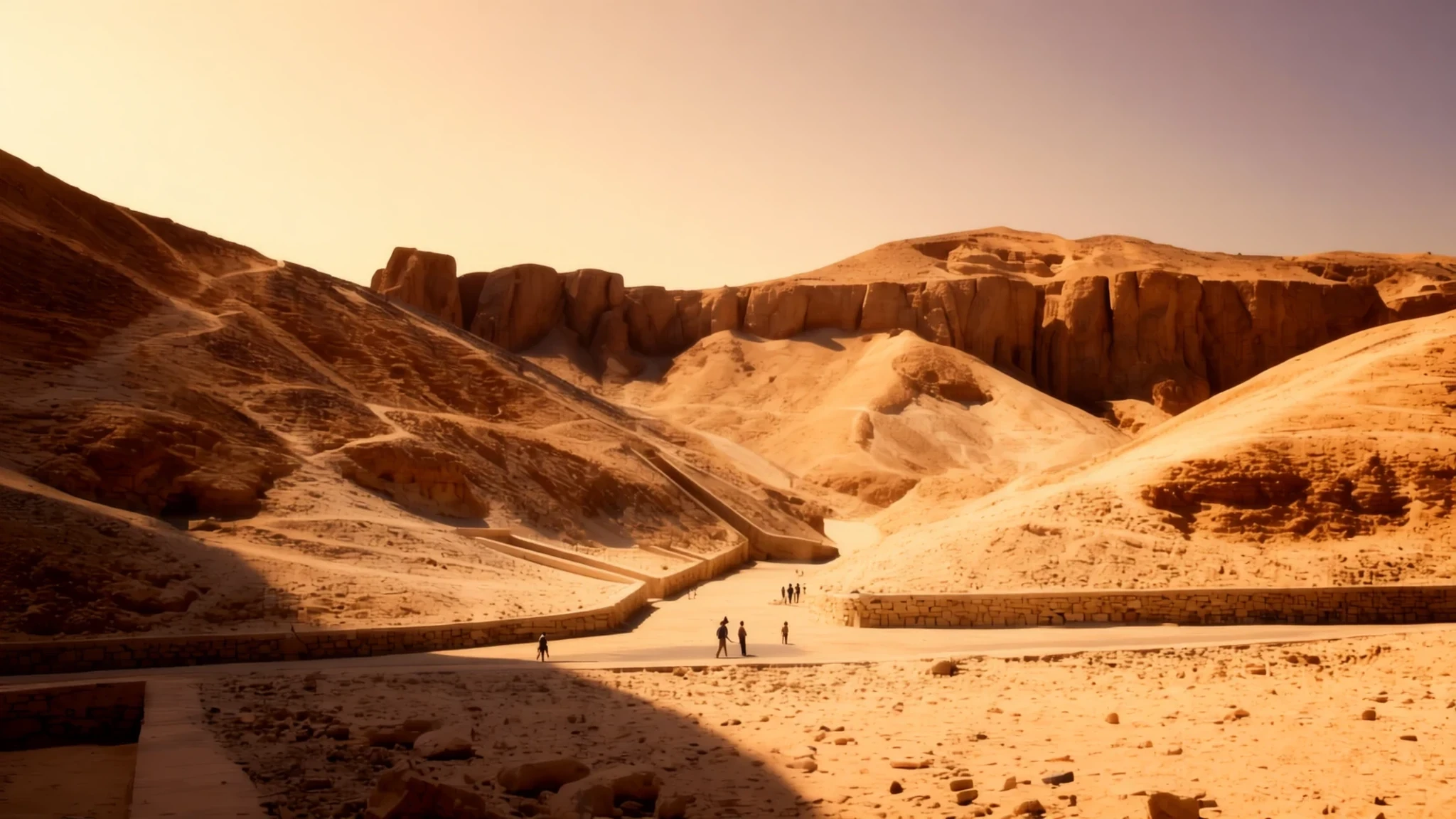
Come for the rock-cut royal tombs of the New Kingdom, but go early, because the valley fills with tour groups by late morning.
The place
The Valley of the Kings is a dry wadi on the west bank of the Nile, opposite the modern city of Luxor, inside the wider Theban Necropolis. Between the Eighteenth and Twentieth Dynasties, over nearly 500 years, New Kingdom rulers and a number of senior nobles had their tombs cut into the bedrock here. The valley divides into two parts. The East Valley holds most of the royal tombs, while the West Valley, sometimes called the Valley of the Monkeys, has only one tomb open to visitors.
The count now stands at 65 tombs and chambers. They range from KV54, which is little more than a simple pit, to KV5, a sprawling complex built for the sons of Ramesses II. Many royal walls carry scenes from Egyptian mythology, and these give clues to funerary practice and to ideas about the afterlife. Almost all the tombs were broken into and robbed in antiquity, yet their scale still conveys the wealth and authority of the pharaohs.
Scholars have studied the valley since the eighteenth century, and new work keeps arriving. For many visitors the appeal is the sense of standing in a quiet, enclosed place where a king was once laid to rest, with bare hills closing in around the path.
Its story
Long before the first royal burial was cut here, the Theban Hills already had a landmark that shaped the choice of ground. The peak of al-Qurn rises above the necropolis, and the ancient Egyptians called it ta dehent, meaning “The Peak”. Its pyramid-like outline probably echoed the Old Kingdom pyramids built centuries earlier. Its isolated position also made access easier to control, which suited a burial ground for kings. The Medjay, a unit of specialist guards for the tombs, could keep watch over the routes leading in.
The wider story starts with a contrast. The pyramid complex on the Giza Plateau has come to stand for ancient Egypt, yet most Egyptian burials were not pyramids. Much of the work was cut into rock, and rock-cut tombs had appeared as early as the Old Kingdom, long before the rulers of Thebes adopted them.
The reunification of Egypt under Ahmose I, after the defeat of the Hyksos, gave the Theban rulers both resources and confidence. They began to build tombs that proclaimed their new power. The tombs of Ahmose I and of his son Amenhotep I are thought to have stood in the Seventeenth Dynasty necropolis at Dra’ Abu el-Naga’, though their exact location remains unknown. Later kings moved their burial ground into the valley, where the cliffs offered privacy and a defensible site.
What to see
- Tomb of Tutankhamun (KV62) — East Valley
KV62 is the tomb most visitors have in mind when they come here. Howard Carter found it in 1922, and it held the almost intact burial of the young king. Entry to this tomb falls within the single LE750 ticket that admits three tombs of your choice, and expect a steady stream of groups through the chambers at midday. Arrive early, and keep moving so that others can see the painted walls too.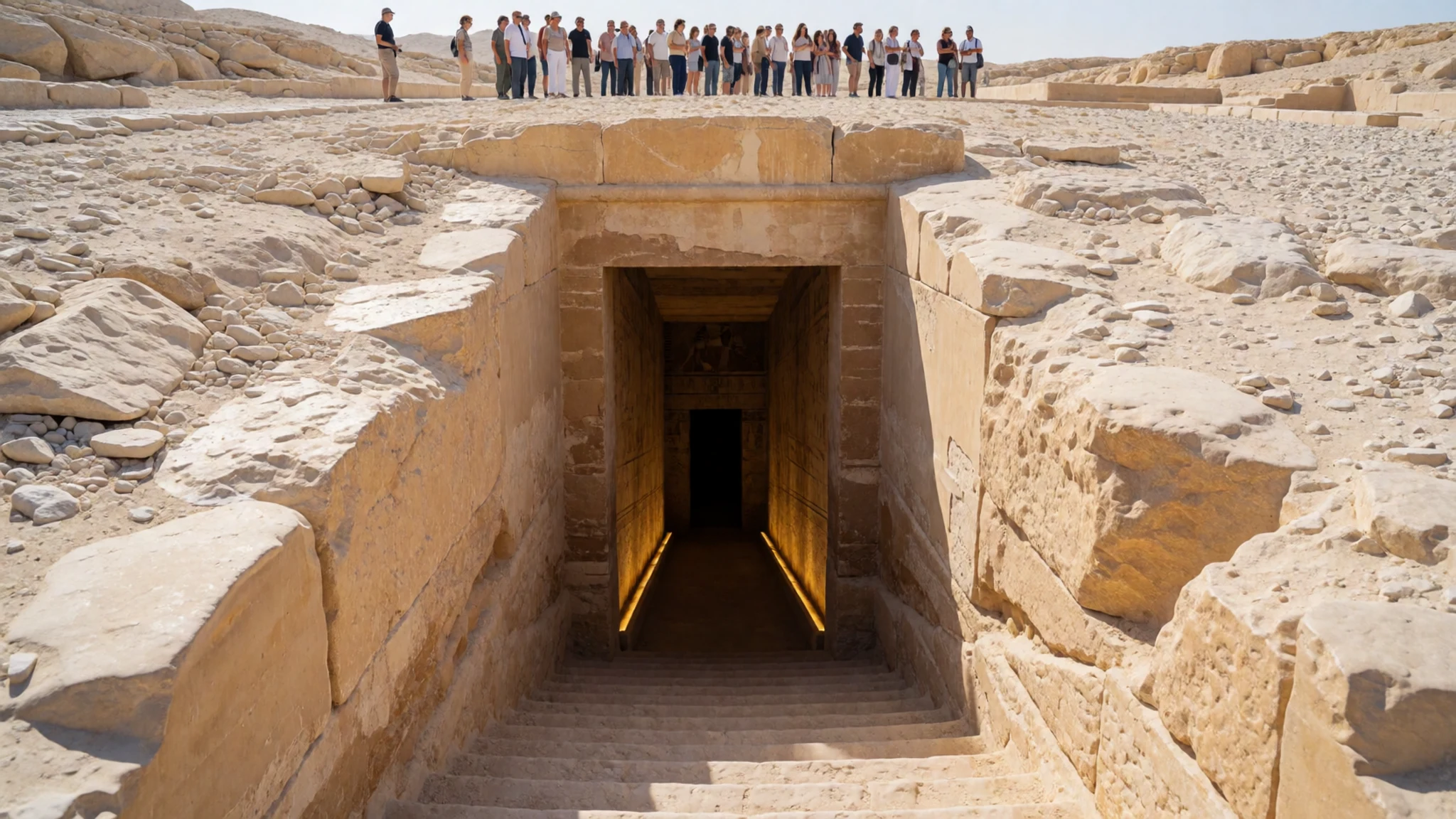
- Tomb of Thutmose III — East Valley, far end
Thutmose III’s tomb sits at the far end of the valley, so it tends to be quieter than the tombs near the entrance. Reaching the doorway means climbing several flights of steps, and the heat builds on the way up. The effort is worth it, because the corridors run deep into the rock. Bring water for the climb and allow extra time for the walk back.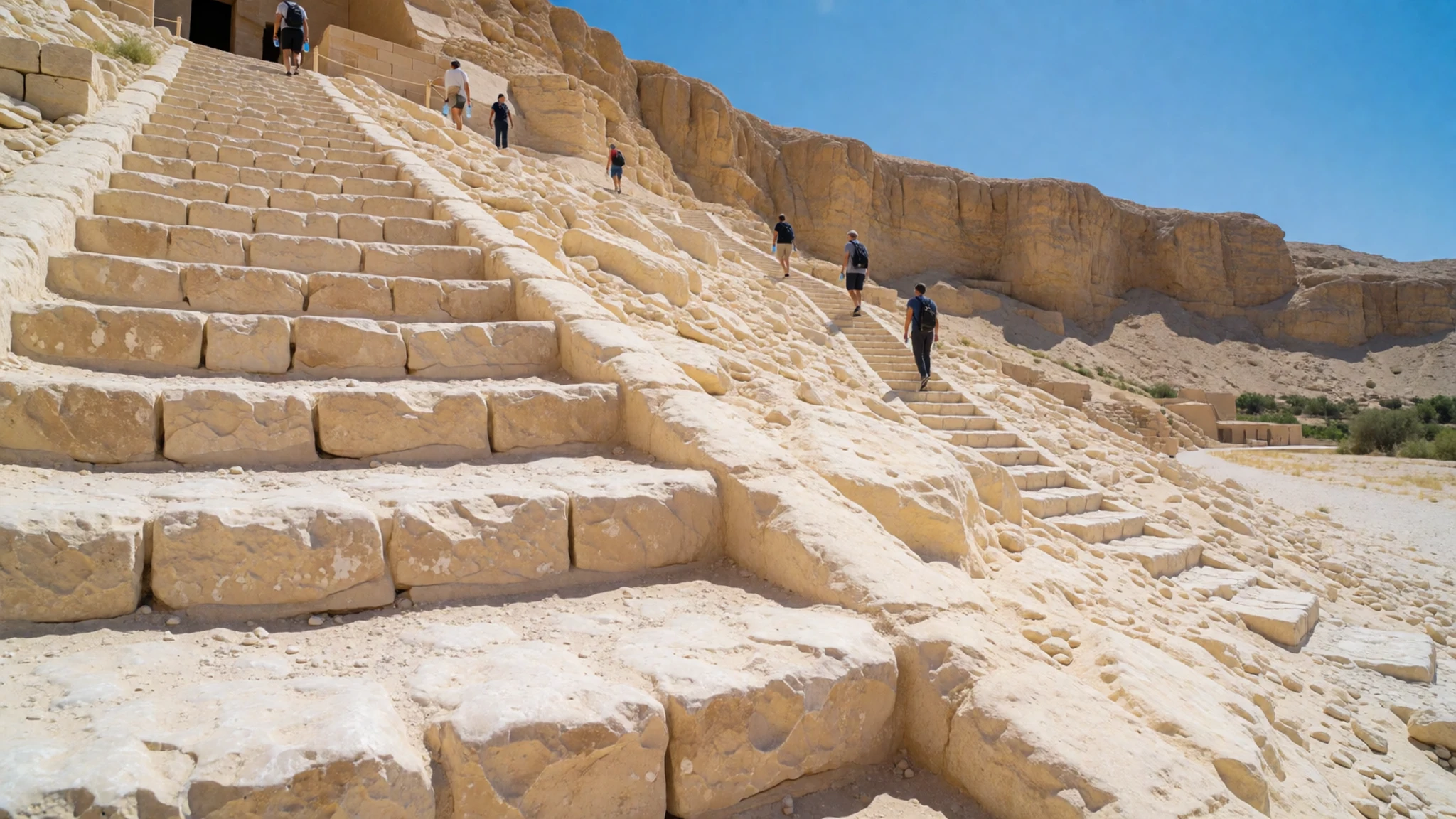
- Tomb of Thutmose IV — East Valley, cliffs above the floor
Set high in the cliffs above the valley floor, this tomb escaped much of the flood-water damage that harmed others. Its wall decorations survive unusually well, which makes it a good place to see fine painting in the valley. The climb up is steep, so go slowly on the path. Ask at the ticket office whether it is open on the day you visit.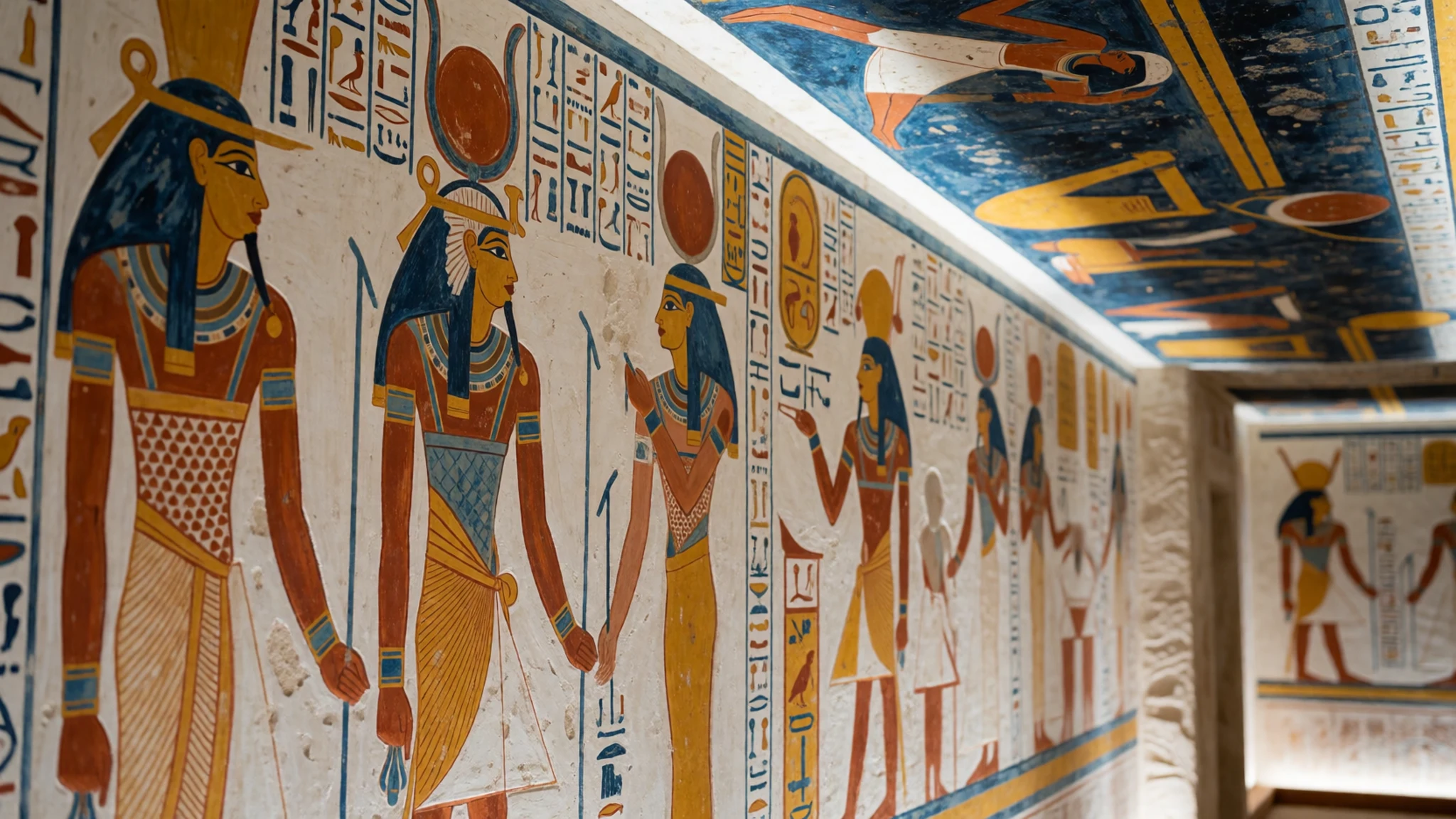
- Tomb of Seti I — East Valley
Seti I’s tomb is the longest in the valley, and its decoration is among the best here. Its scale makes it a good choice for anyone who wants to understand how deep the royal tombs went. Allow time, as the corridors run on for a long way. Move with the group, and let the stream of visitors pass you in the side chambers.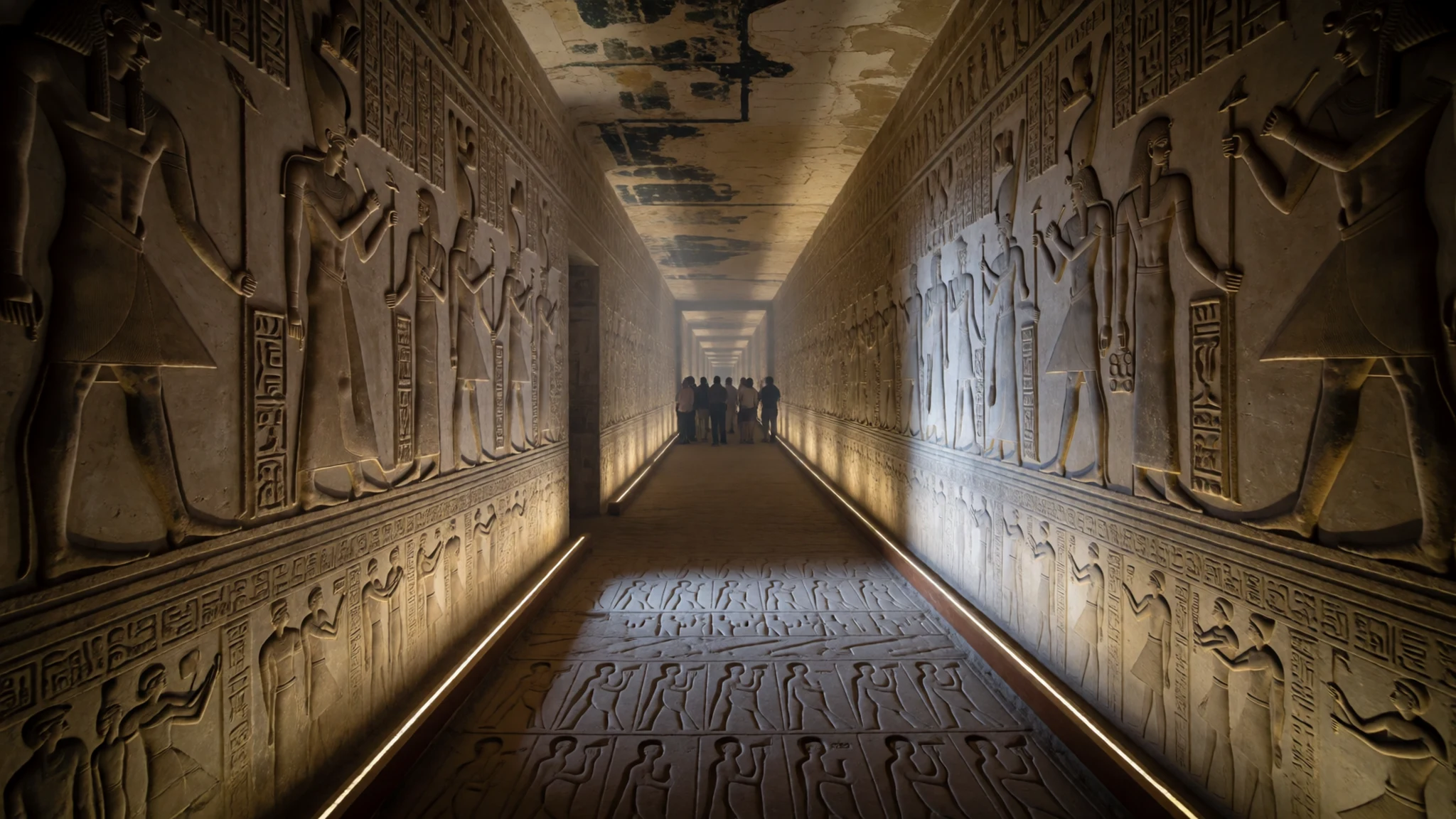
- Tomb of Merneptah — East Valley
This is the tomb of Merneptah, son of Ramesses the Great, and it has taken a heavy beating from flash floods over the centuries. Water has run down the valley for millennia, and the damage shows in parts of the decoration. It is a useful stop for seeing how the valley’s landscape has shaped its monuments. Look at the floors and walls for sections worn by water.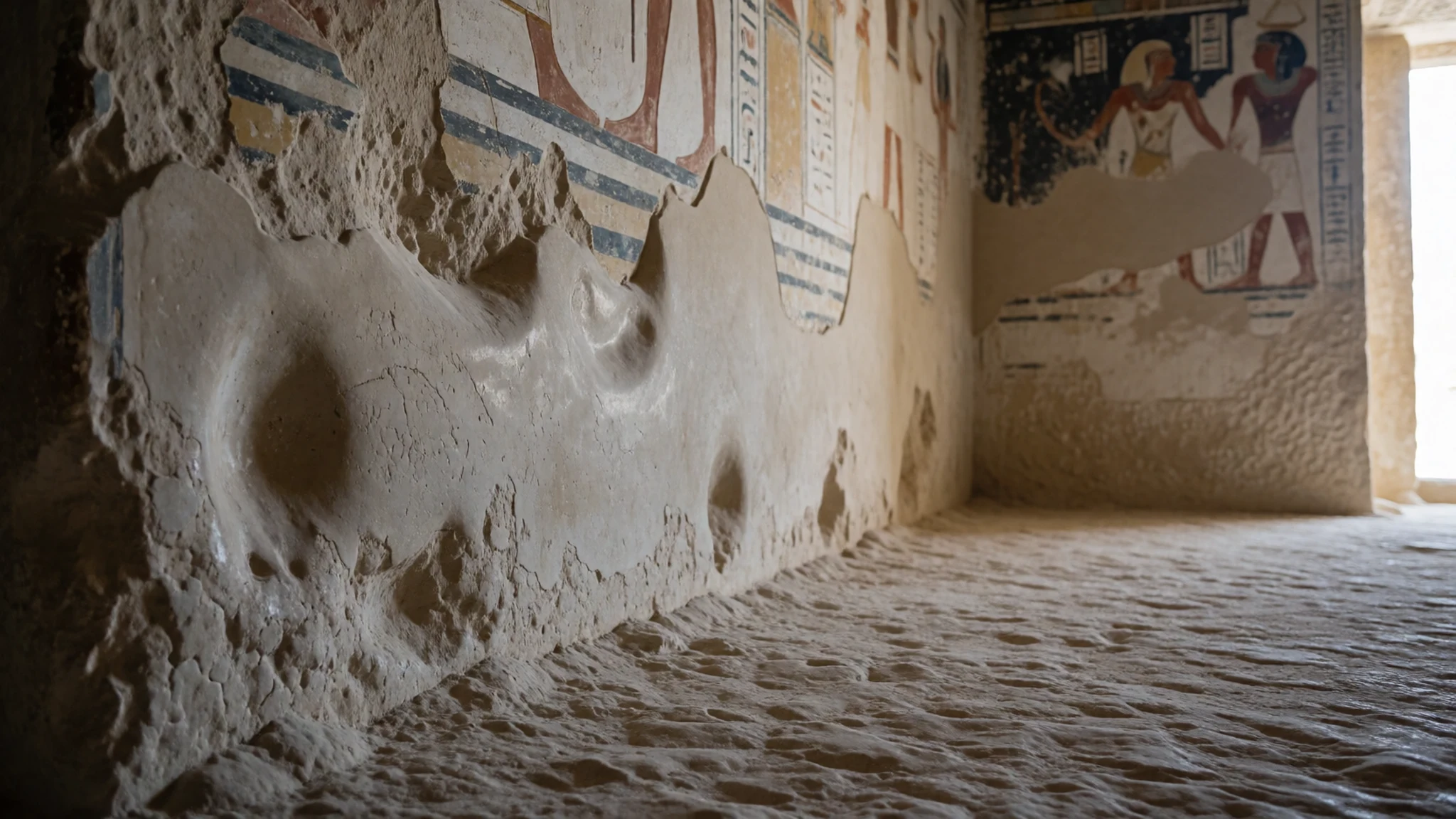
Culture
The Valley of the Kings is a working burial ground rather than a museum in a park, and its tombs are fragile. Most of the tombs are not open to visitors at all, and some that are open can be shut for conservation work without warning, so the list changes from season to season. Eighteen tombs can be opened, but rarely all at once. KV62 and the single open tomb in the West Valley can both be included in one LE750 ticket, which covers three tombs of your choice. Guides no longer give talks inside the burial chambers, so groups move quietly through each tomb in single file. The aim is to shorten the time people spend inside, because crowds were damaging the painted surfaces. Early morning is the calmest time to visit. Staff will ask you to keep moving, so do not linger in a chamber to take a photograph. The valley closes in the evening, and visitors cannot stay after closing time. Walk single file through the tombs, keep your voice low, and never touch the painted walls.
What to wear
The Valley of the Kings lies in Upper Egypt, where the traditional dress is the galabiya, a loose, full-length robe worn by men and, in many villages, by women. Cotton is the everyday textile because it breathes in the heat, and older generations sometimes wear heavier cloth on cooler nights. Women often cover their hair with a scarf, a practice more common in villages than in Luxor’s town centre. Today most people on the West Bank wear Western clothes such as shirts, trousers and jeans in town, keeping the galabiya for home, the fields and Friday prayers. Visitors should dress for the sun and for modesty. Loose cotton or linen shirts and trousers, or a long skirt, cover shoulders and knees, and a wide-brimmed hat helps, since the valley offers little shade. Wear closed shoes with good grip, because the paths are uneven and tomb entrances are reached by steps and slopes. Bring a light scarf to cover your shoulders or hair when you visit local villages or a mosque.
What to eat
- Bottled water and cold drinks — stalls around the valley entrance
Stalls at the valley entrance sell bottled water and cold soft drinks, which you will want more than once in a day here. Buy them before you walk in, since there is little shade and few places to refill along the paths. Keep a spare bottle in your bag.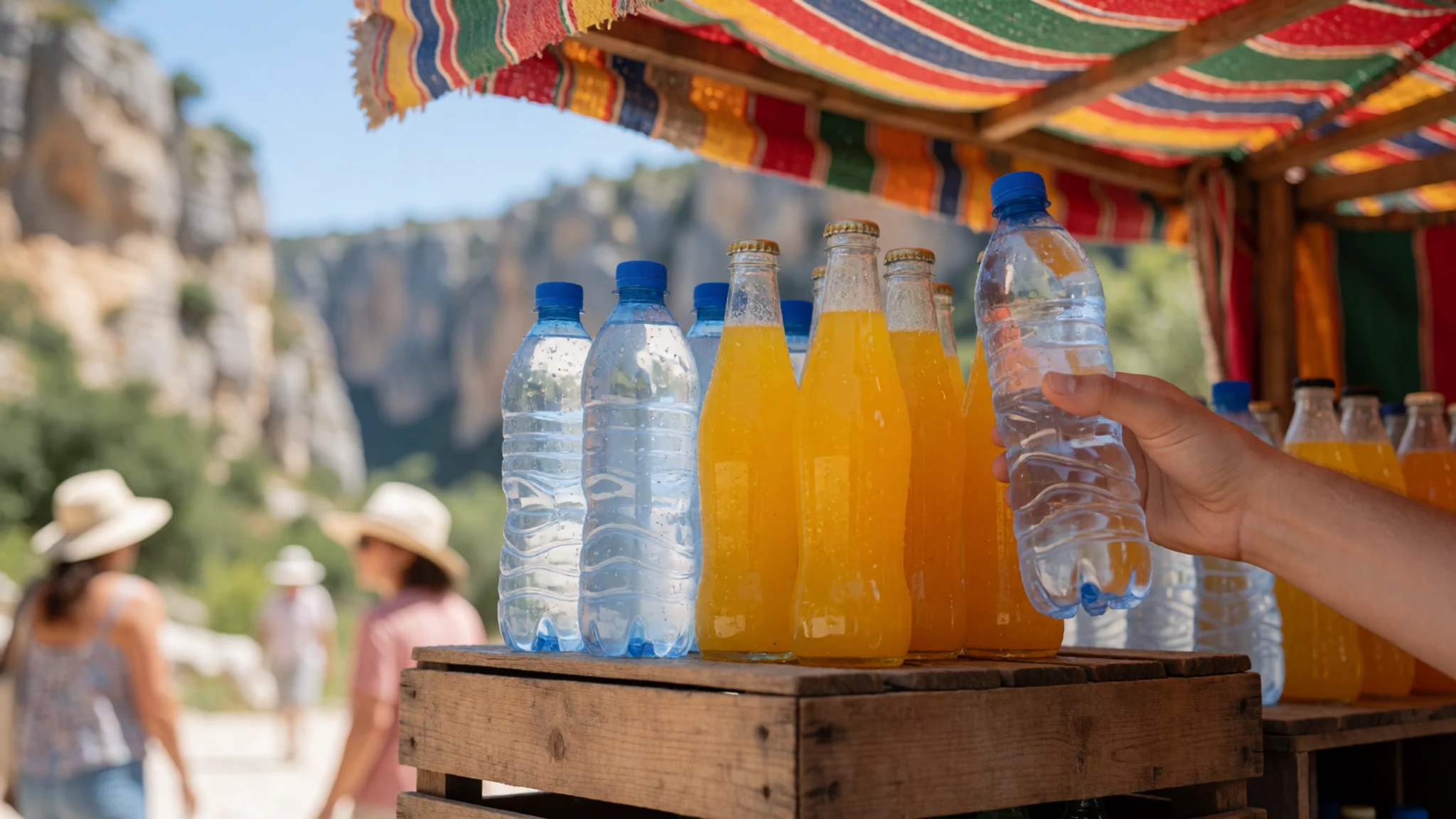
- Packaged snacks — souvenir shops near the entrance
Biscuits, nuts, chocolate and fruit are sold by the souvenir shops at the entrance. They suit a morning spent walking between tombs and climbing steps. Choose things that will not melt in the heat, and check the date on the packet before you buy.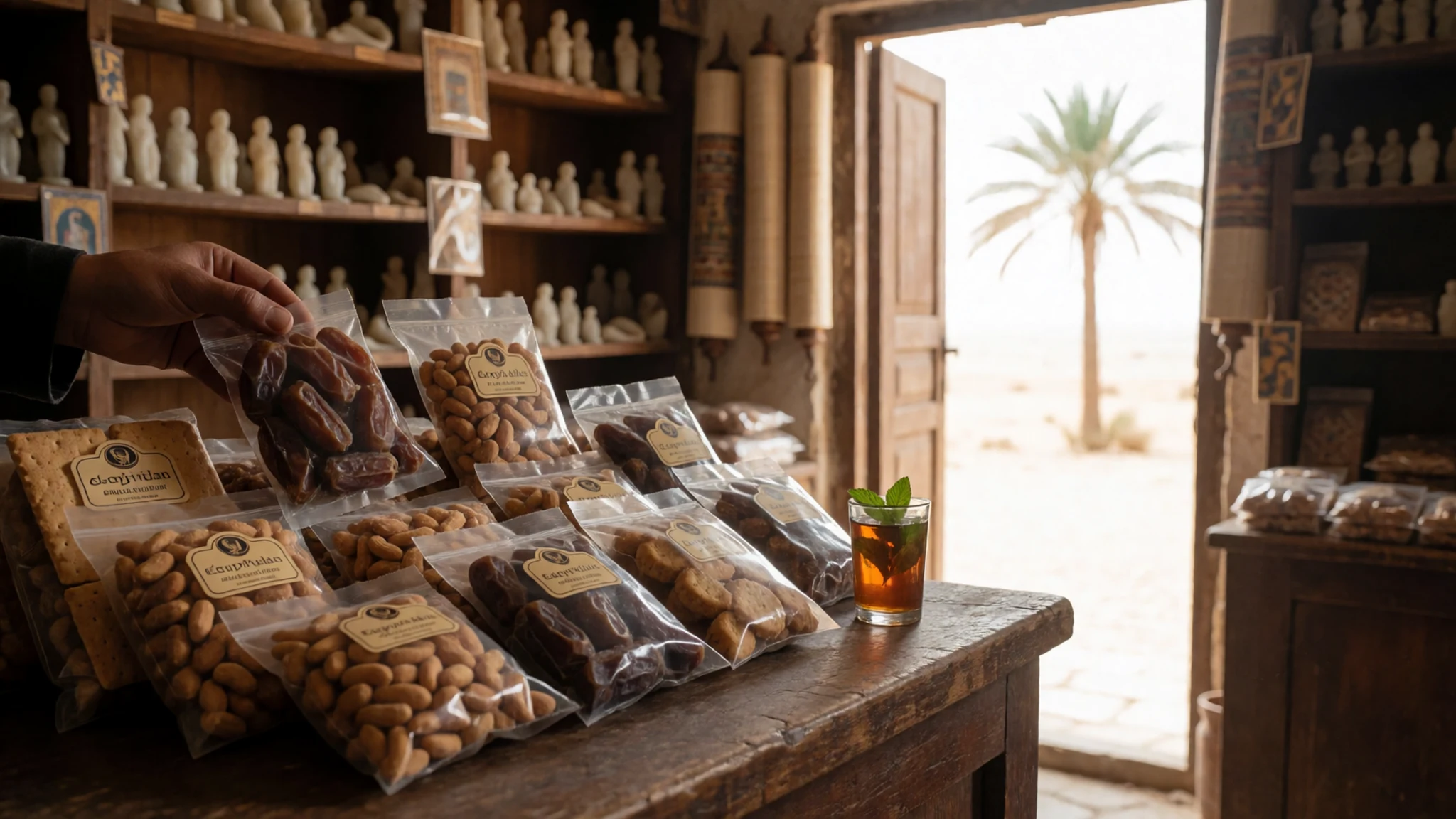
- A picnic at the seating area — the seating area opposite the tomb of Ramses V and Ramses VI
Opposite the tomb of Ramses V and Ramses VI there is a designated spot to sit and enjoy your own food. It is the sensible place to pause between tombs. Bring your food from Luxor, since the valley has no restaurants. - Sugarcane juice — carts in the streets of Luxor town
Fresh sugarcane juice is sold from carts in Luxor’s town streets. It is sweet and cooling after a hot morning among the tombs. Choose a stall where the press looks clean and the juice is poured fresh, and ask for it without ice if you are unsure of the water. - Koshari — plain eateries in Luxor town on the East Bank
Koshari is the everyday Egyptian dish of rice, lentils, pasta and chickpeas, topped with tomato sauce and fried onions. It is filling and inexpensive, and easy to find in plain eateries across Luxor town. Go at lunchtime, after you have finished with the valley, for the freshest pot. - Ful medames — breakfast cafés near the Luxor bazaar
Ful medames, slow-cooked brown fava beans seasoned with cumin, lemon and oil, is the classic Egyptian breakfast. It is served with bread in simple cafés, often before the morning heat builds. Eat it before a dawn start to the valley, since it keeps you going through the first hours on your feet.
Plan it
Best time. The mildest months, roughly December to February, are the most comfortable window, with highs around 33°C, while April and October still reach about 43°C. Summer is very hot in the valley, with little shelter from the sun, so plan around it.
How long. 1–2
Getting there. Fly into Luxor, then cross the Nile from the East Bank by public ferry. From the ferry landing, the last leg to the valley is by taxi or bicycle across the West Bank.
Budget. mid
Tips
- Go early, before the tour groups arrive in the late morning
- Check the official site for current tickets and which tombs are open before you travel
- One LE750 ticket covers three tombs of your choice, so KV62 and the West Valley tomb can both be included
- Carry water and a hat, as there is little shade along the paths
- Stay on either bank of Luxor, since there is no accommodation in the valley itself
Etiquette
- Walk single file inside the tombs and keep your voice low
- Do not touch the painted walls or pillars
- Check the signs and staff before taking photographs inside a tomb
Nearby
Sources
- Wikidata Q133423 (CC0)
- Wikipedia: Valley of the Kings (rev 1382080209) (CC BY-SA 4.0)
- Wikivoyage: Valley of the Kings (rev 5312004) (CC BY-SA 4.0)
- Photo: Luxor, Tal der Könige (1995), Peter J. Bubenik (CC BY-SA 2.0)
- Photo: Valley of the Kings panorama, Nikola Smolenski (CC BY-SA 3.0 rs)
- Photo: The Sepulchres of the Kings of Thebes, Richard Pococke (1743) (Public domain)
- Photo: Valley of the Kings near Luxor, User:Nikater (CC BY-SA 2.0)
- Photo: Belzoni’s Valley of the Kings, Giovanni Belzoni (Public domain)
- Photo: KV numbering, John Gardner Wilkinson (1830) (Public domain)
- Photo: Tut-ench-Amun, Howard Carter (1924) (Public domain)
- Photo: East Valley of the Kings sketch map (Topo), James Baikie (Public domain)


