Valbonë Valley National Park
Valbonë Valley National Park, Albania
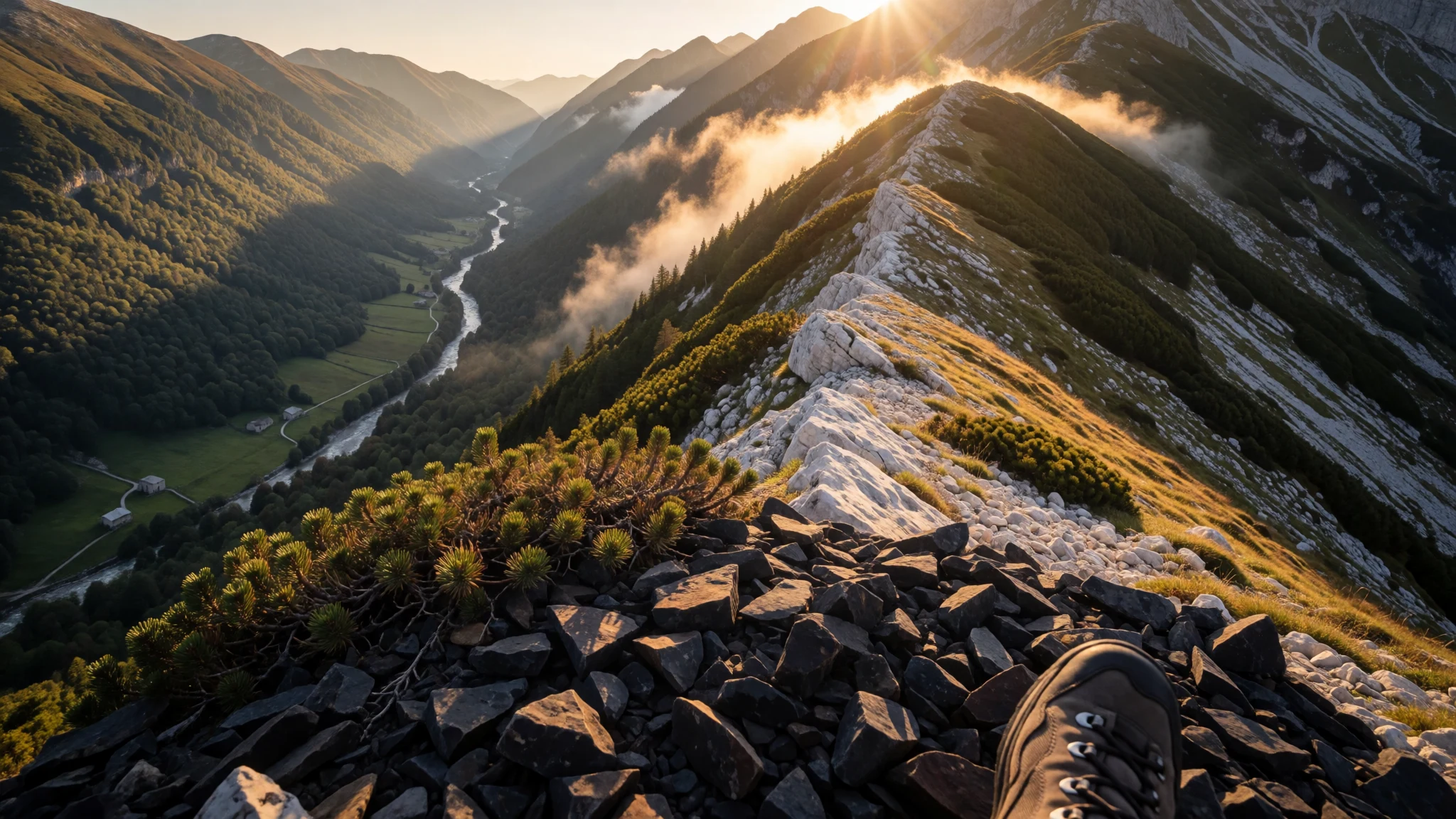
Valbonë Valley National Park is a limestone-walled river valley in the Albanian Alps, where spruce forest, spring water and village hospitality meet.
The place
Valbonë Valley National Park sits in the Albanian Alps in the far north of Albania, in the Tropojë area, with the town of Bajram Curri as the usual gateway. The valley is a long trough cut first by ice and then by the Valbona River, which gathers its water from karst springs below Maja Jezercë and near Valbona Pass. Maja Jezercë rises to 2,694 m on the western side. The rock is limestone and dolomite, and it behaves as such rock does: water vanishes underground, reappears as cold springs, and carves hollows, cliffs and caves. This range is the southern tail of the Dinaric Alps. Glaciers once filled much of the valley, and two very small active ones still cling near the north-eastern edge of Maja Jezercë. Beneath the rock, the valley floor is a patchwork of meadows, beech and spruce forest, stone farmhouses and family guesthouses, with sheep and cattle moving between pastures. Few people live here, and the road ends in the upper valley, so the pace is slow and the nights are quiet. In 2022 the area was folded into the larger Alps of Albania National Park, though most people still call the valley by its own name. Summer brings walkers; winter brings snow, closes the higher routes and shuts many guesthouses. It is a place for walking, swimming in cold river pools and eating at long family tables rather than for ticking off sights in the city sense.
Its story
Valbonë Valley National Park begins as a story of ice. Over the past few million years glaciers have repeatedly covered most of this part of the Albanian Alps, and the last big one pushed down the valley before melting back, leaving the steep sides, hanging basins and rock-strewn floors that walkers now cross. Limestone then did the rest, drinking rain and snowmelt and returning it as springs. The human story is quieter. Highland families have long herded animals up to summer pastures and lived self-reliantly in stone houses scattered along the river. For decades the district around Tropojë was cut off by poor roads, and outsiders carried tales of lawlessness that locals, and most recent visitors, describe as unfair. Unexploded ordnance left over from the Kosovo conflict is still a reason to keep to marked paths. Protection came to the valley as a national park, and in 2022 it was joined with the neighbouring Theth park to form Alps of Albania National Park. Meanwhile guesthouses, waymarked trails and the ferry across Lake Koman opened the area to travellers, who now arrive by minibus and boat rather than by one long road. Many families welcome the change because it brings income, but it also puts pressure on water, paths and the quiet that made the valley worth the journey in the first place.
What to see
- Valbona Pass — Upper valley, towards Theth
Valbona Pass is the high saddle linking the Valbonë valley with Theth on the far side of the range, and it is the best-known walk in the park. The climb is long and steep, the weather turns quickly, and snow can linger into early summer. Set off early, carry water, and ask a guesthouse about conditions first.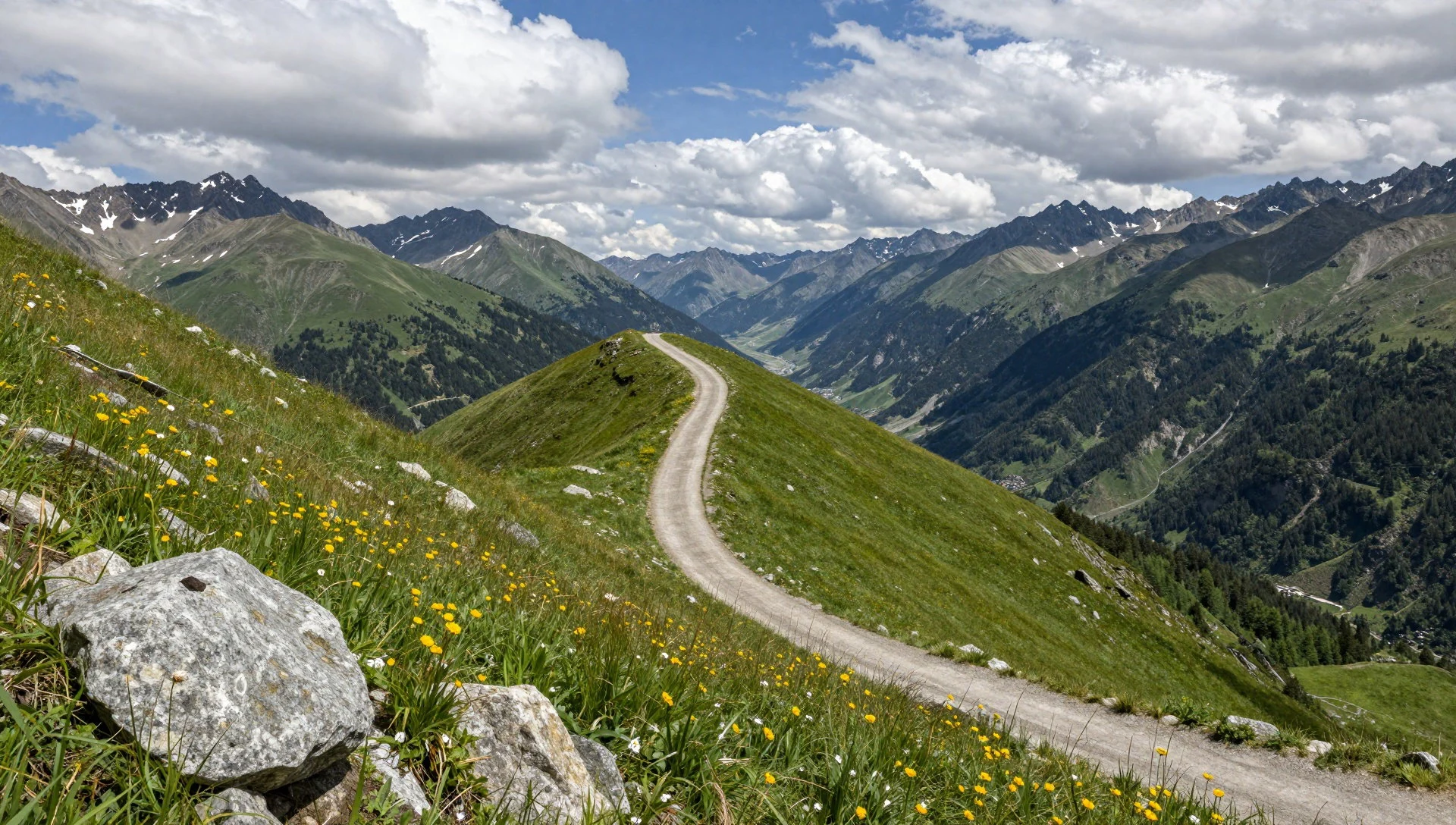
- Rragami Spruce — Valbonë valley forest
The Rragami Spruce is a centuries-old tree in the Valbonë valley, noted for its heavy trunk and great height. It stands in dense alpine forest, so the walk to it is half the pleasure. Go with a guesthouse host or a decent trail map, since forest paths can fork without any signs.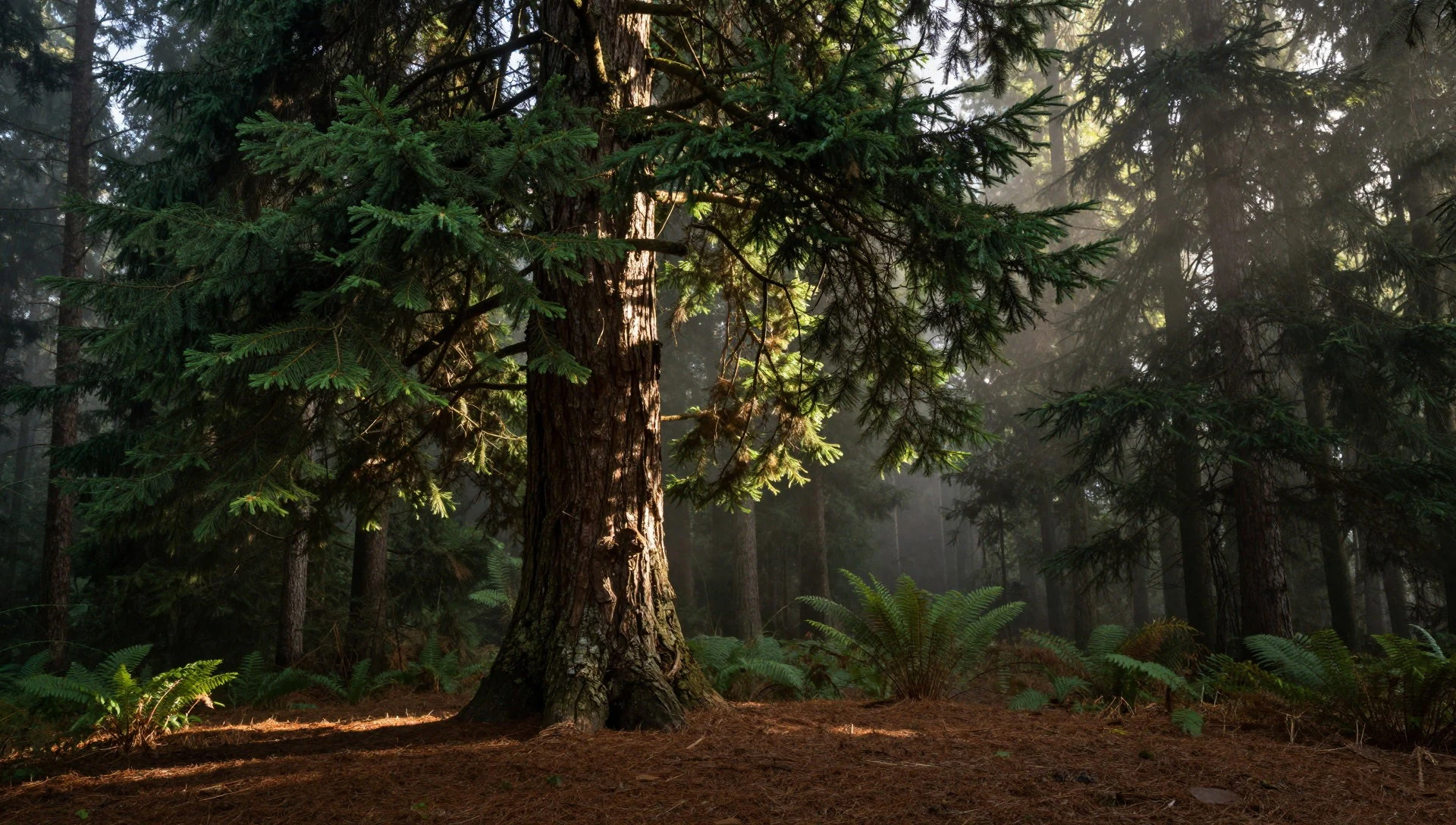
- Valbona Sources — Valbonë valley, head of the river
The Valbona springs are cold, clear water pouring out of the limestone, forming small falls and pools with a turquoise tint. Walkers like the spot, so mid-morning can feel busy in summer. Bring a dry layer, as spray and shade keep it cool even on hot days, and carry every scrap of litter back out.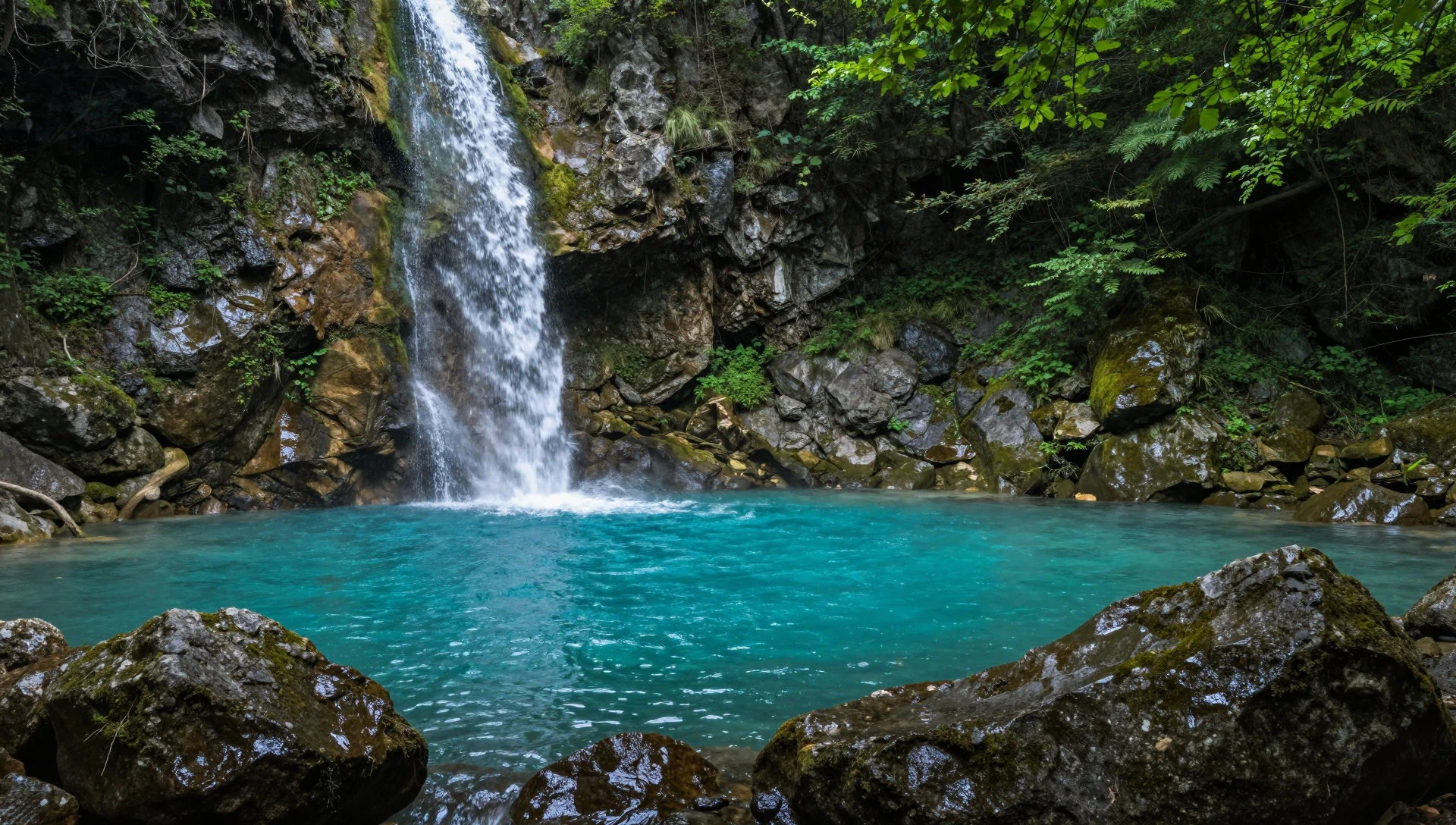
- Kukaj glacial valleys — Upper valley, glacial basins
The Kukaj glacial valleys were scooped out during the Ice Age and now offer open meadows, bare rock and wide views across the Accursed Mountains, as this range is also known. The routes are long and need a day of settled weather. Photographers favour early and late light, when the pale limestone turns warm.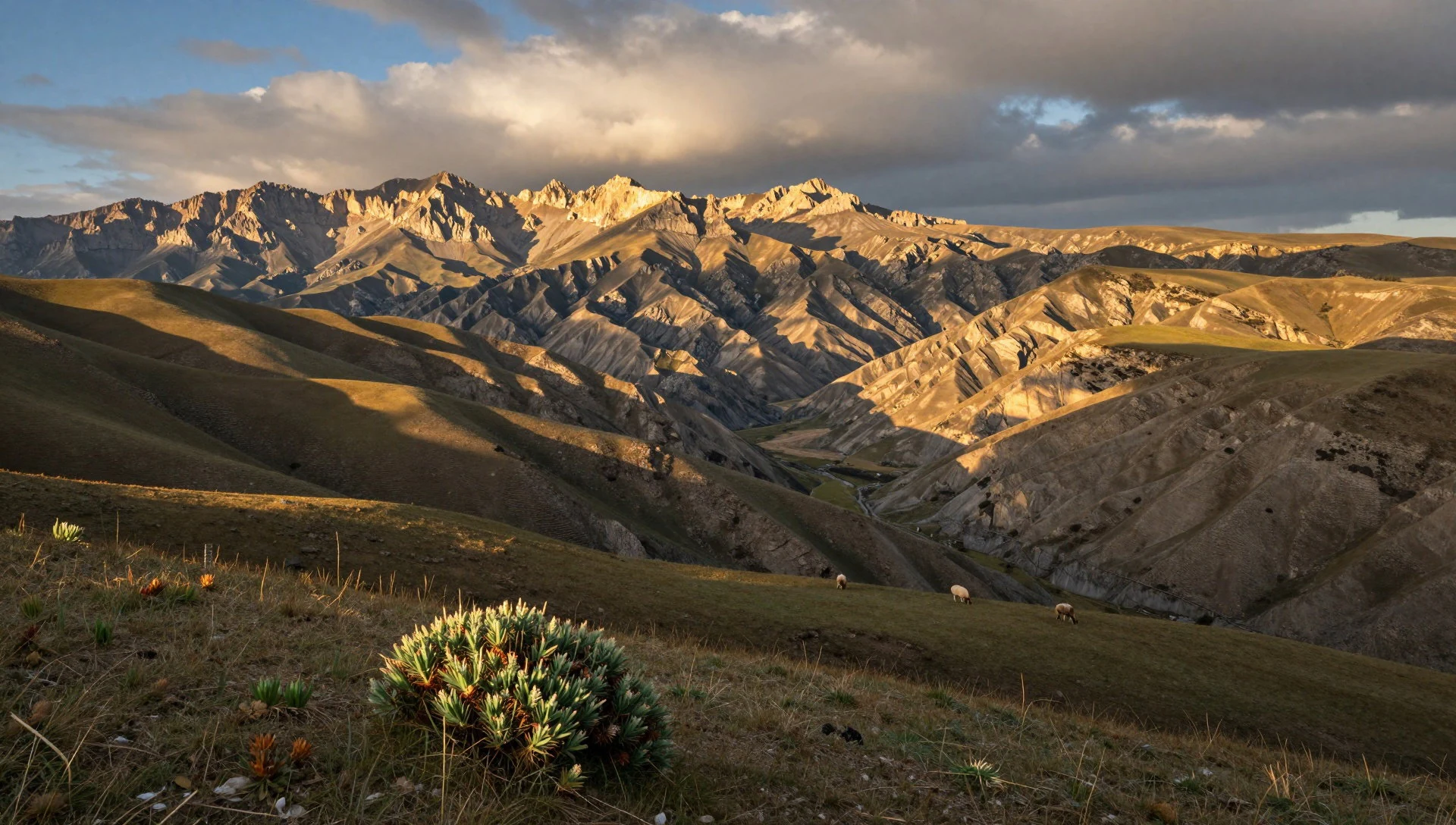
- Dragobi Cave — Dragobi, lower valley
Dragobi Cave lies near the village of Dragobi in the lower valley, one of the karst hollows that make this limestone country so porous. Wear sturdy shoes, carry a torch, and ask locally about access and conditions beforehand, since caves here are neither signed nor lit.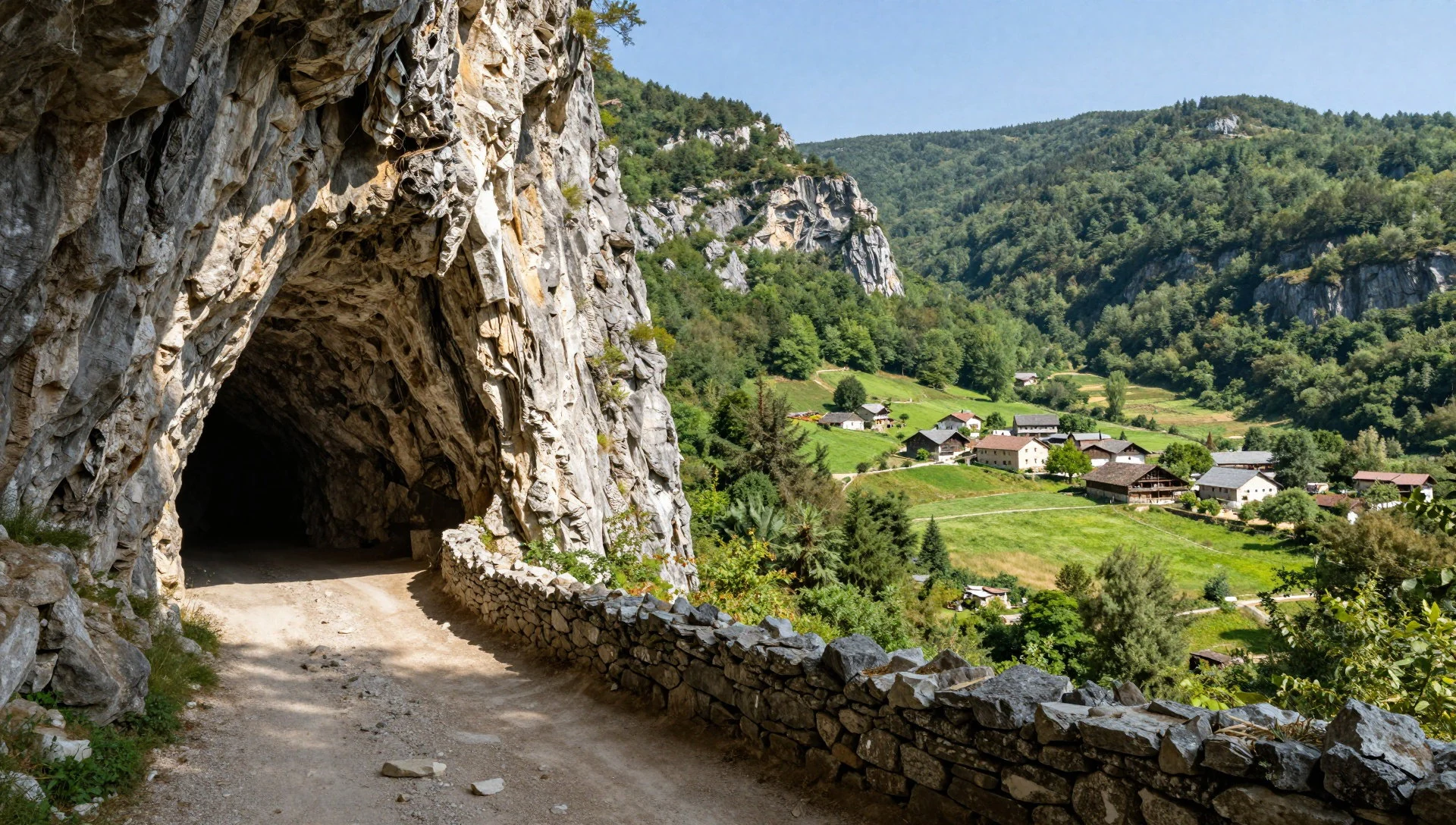
- Zhari i Bjezhz — Uplands above Lugu i Silkut
Zhari i Bjezhz is an open, airy upland reached from Lugu i Silkut, where the forest thins into pasture and sheep are often the only company. The ground is exposed, so sun, wind and sudden cloud all matter. Start early, carry plenty of water, and check the route with a guesthouse beforehand.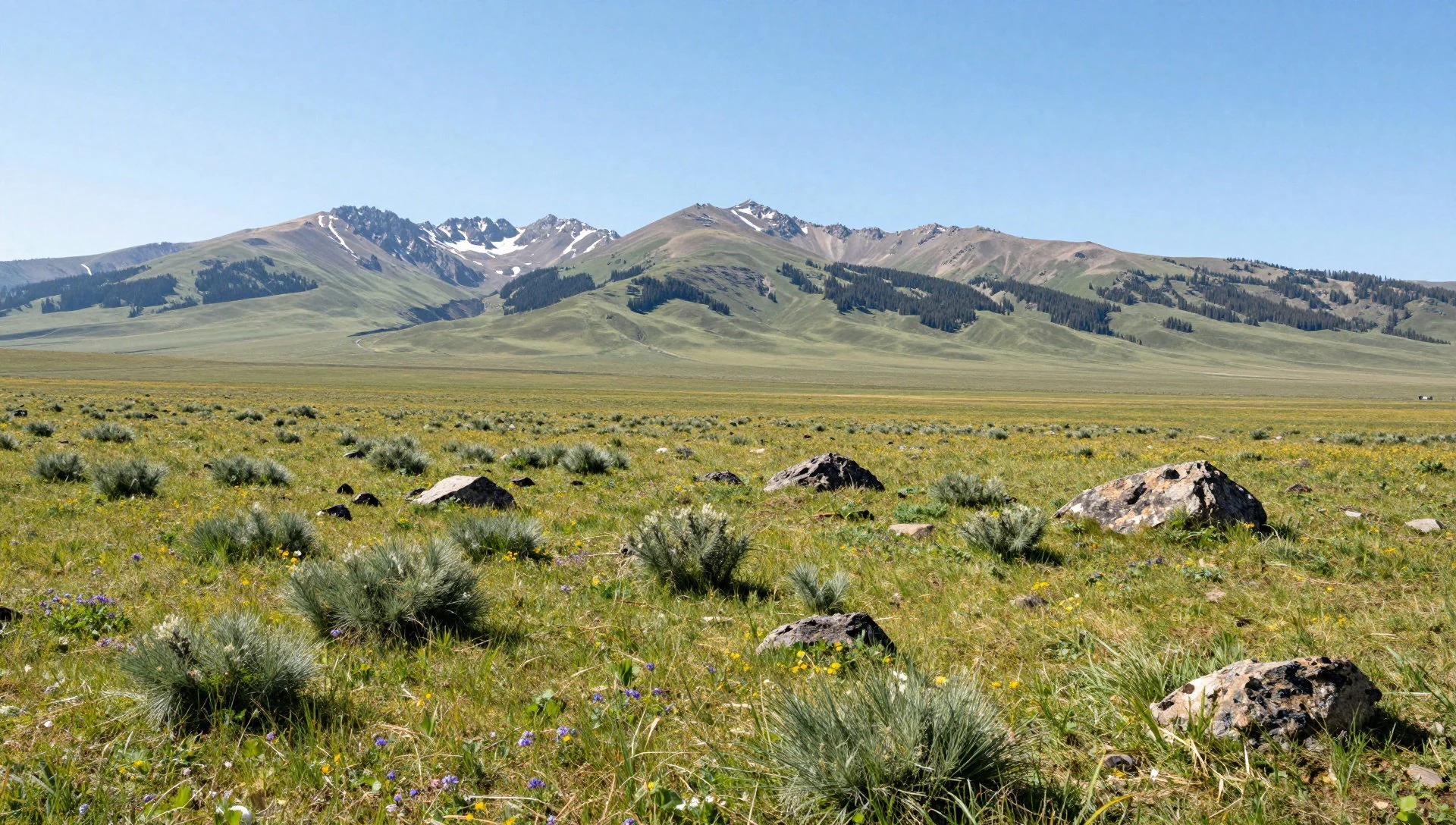
Culture
Valbonë Valley National Park is home to highland families of northern Albania, whose customs centre on hospitality. The old oral code of the north, the Kanun, treated a guest as close to sacred, and the habit survives: a visitor who walks into a village house is likely to be offered coffee, raki and a seat before any question is asked. Households are close-knit and often span generations, and farming still shapes the year, with hay cut in summer, livestock moved between pastures and wood stacked for winter. Faith across the northern mountains is mixed, with Muslim and Catholic communities, and mountain life tends to be devout but relaxed. Guesthouses, many run by families in their own homes, have become the main way outsiders meet the valley. Meals are communal, conversation is unhurried, and refusing everything can look unfriendly. Epic songs sung to the one-stringed lahuta belong to the wider northern tradition, though visitors are more likely to hear them at celebrations than casually. Stories of blood feuds belong largely to the past and are not a subject for small talk. Outside the summer season the valley is very quiet, and some households move down to lower towns. Accept the first offered coffee or raki with thanks, take at least a small sip, and ask before photographing people or their homes.
What to wear
Valbonë Valley National Park belongs to the northern highlands, where traditional dress was made from wool and felt because the winters are long. Men wore the white felt cap (plis), a fitted woollen waistcoat and tight braided trousers, with leather-soled opinga on the feet. Women wore embroidered aprons, woven wool skirts, headscarves and silver or coin jewellery. Today these outfits appear mostly at weddings, festivals and folk performances, and in museum cases in the towns. Everyday clothing is practical: fleeces, work trousers, rubber boots for the animals and a headscarf for many older women. Some men still wear a plis on special days. A visitor should dress for mountain weather first. Walking boots with good grip matter on loose limestone, and layers are better than one heavy coat because mornings are cool and midday sun is strong. Pack a waterproof shell, a sun hat and warm clothes for the evenings, even in summer. In villages and guesthouses no special dress is required, but covered shoulders and knees are polite, and they are essential when visiting a mosque or church in Bajram Curri or elsewhere in the region.
What to eat
- Fërlik — Guesthouse dining rooms and village eateries
Fërlik is a hearty northern dish, offered in the valley alongside roasted lamb. It suits a cool evening after a long day on the trail. Portions are generous and meant for sharing at a family table, so order with the group in mind.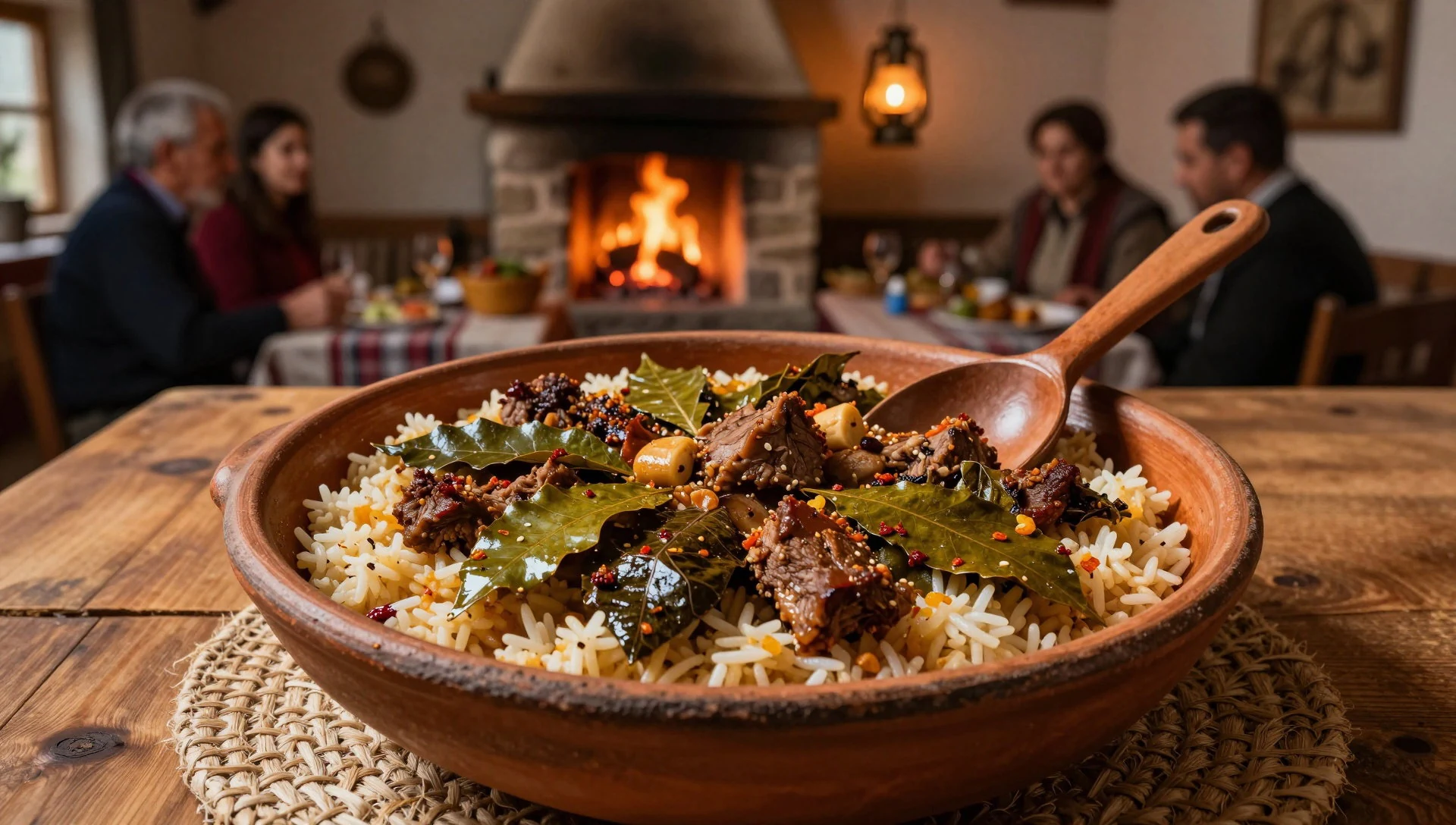
- Mountain trout — Riverside eateries along the valley road
Mountain trout comes from the cold streams of the valley and is usually grilled or pan-fried whole, with lemon and a simple salad. It is light after a hard walk, and the best versions are cooked within hours of being caught.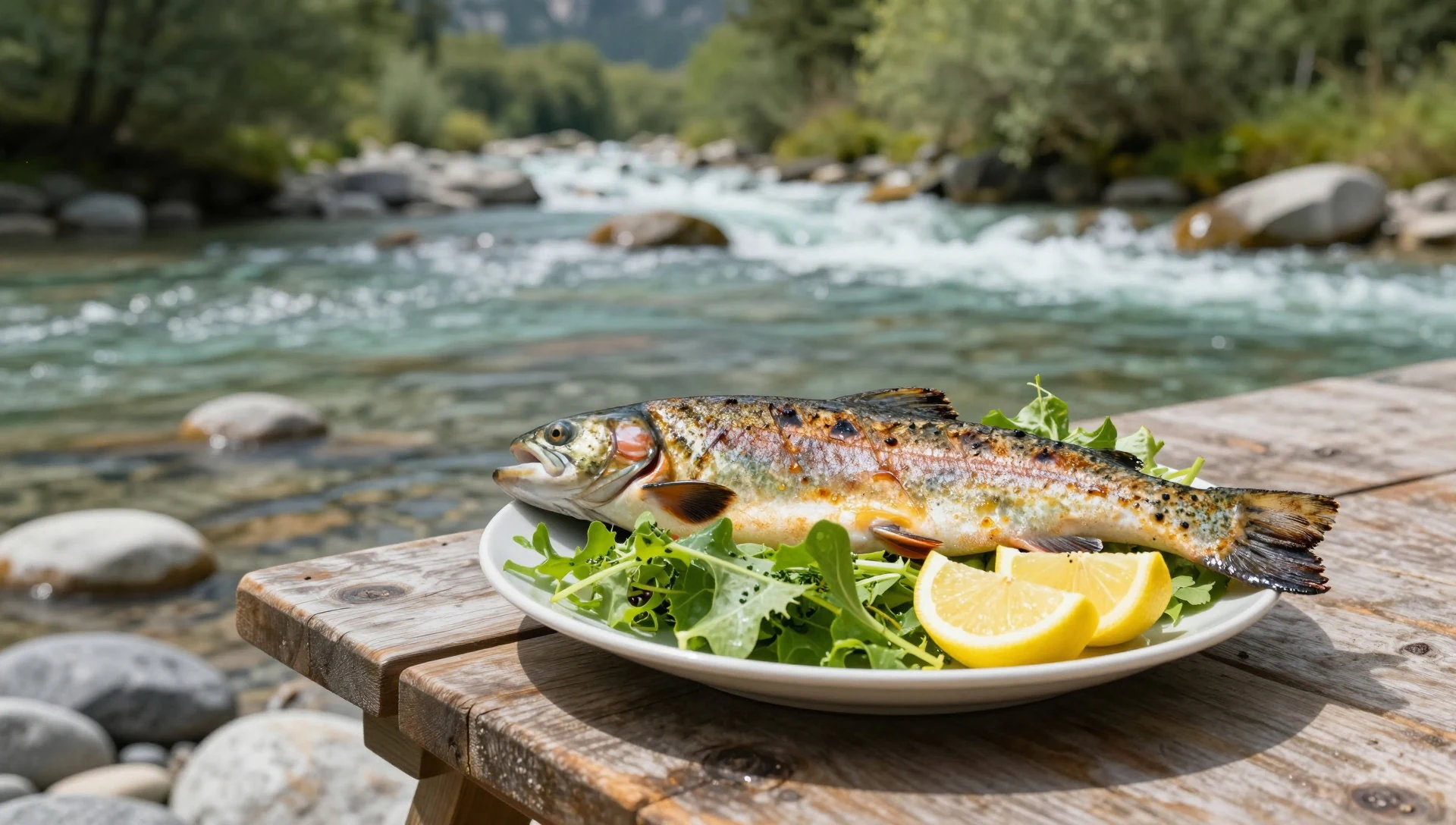
- Homemade bread and local cheese — Guesthouse breakfast tables
Homemade bread and white local cheese are the standard breakfast, often with yoghurt, honey, jam and eggs from the same household. The bread is baked fresh, sometimes in a wood oven, and makes a good packed lunch for the trail. - Grilled meat — Village roadside eateries
Grilled meat, mainly lamb and sometimes beef or sausage, is the staple of village eateries. It arrives with fresh bread, tomatoes and onions. Cooking is simple and traditional, and the meat usually comes from animals raised nearby. - Raki — Village bars and family guesthouses
Raki is the home-distilled fruit spirit that families offer to guests as a welcome. It is strong and usually served in small glasses with coffee. Sip slowly, and say so politely if you would rather stop after one.
Plan it
Best time. June to September, when the high routes are generally clear of snow. July and August are warmest and busiest, early summer can still hold snow on the passes, and winter closes the higher trails and many guesthouses.
How long. 3–4
Getting there. Fly to Tirana, then take a minibus (furgon) to Bajram Curri and a shorter onward transfer into the Valbonë valley. Another route runs by minibus from Shkodër to the Lake Koman ferry, then by road to Bajram Curri. Minibus schedules depend on demand, so confirm times locally or with your guesthouse.
Budget. low
Tips
- Check your government's current travel advice for the Tropojë district before booking, as some countries, including the UK, have issued advisories for the north-east
- Book guesthouses ahead in July and August, and message them to confirm transport and trail conditions
- Start walks early, since weather in the mountains can change fast and daylight matters
- Carry cash, as cards and cash machines are scarce in the upper valley
- Stay on marked paths because unexploded ordnance from the Kosovo conflict remains a risk off the beaten track
Etiquette
- Accept hospitality warmly, and say so politely if you cannot eat or drink more
- Ask before photographing people, their homes or their animals
- Take all litter out and leave springs, forest and pastures as found
Nearby
Sources
- Wikidata Q1725911 (CC0)
- Wikipedia: Valbona Valley (CC BY-SA 4.0)
- Wikivoyage: Valbona Valley National Park (CC BY-SA 4.0)
- Photo: Valbona pass, Tobias Klenze (CC BY 3.0)
- Photo: Valbonë Valley, Tobias Klenze (CC BY 3.0)
- Photo: Musli Berisha, Loja e ngjyrave ne Valbone (CC BY-SA 4.0)
- Photo: Albanian Alps from Air, Albinfo (CC BY-SA 2.0)
- Photo: Struktura antiklinale Këlcyrë - Valbonë, Shkelzen Rexha Gjakovë (CC BY-SA 4.0)
- Photo: Sheep in Valbona Valley, Visar Arifaj (CC BY 4.0)
- Photo: Golden eagle, Takashi Hososhima (CC BY-SA 2.0)
- Photo: Swedish Brown Bear at Skansen, Magnus Johansson (CC BY-SA 2.0)


