Urnes Stave Church
Urnes Stave Church, Denmark
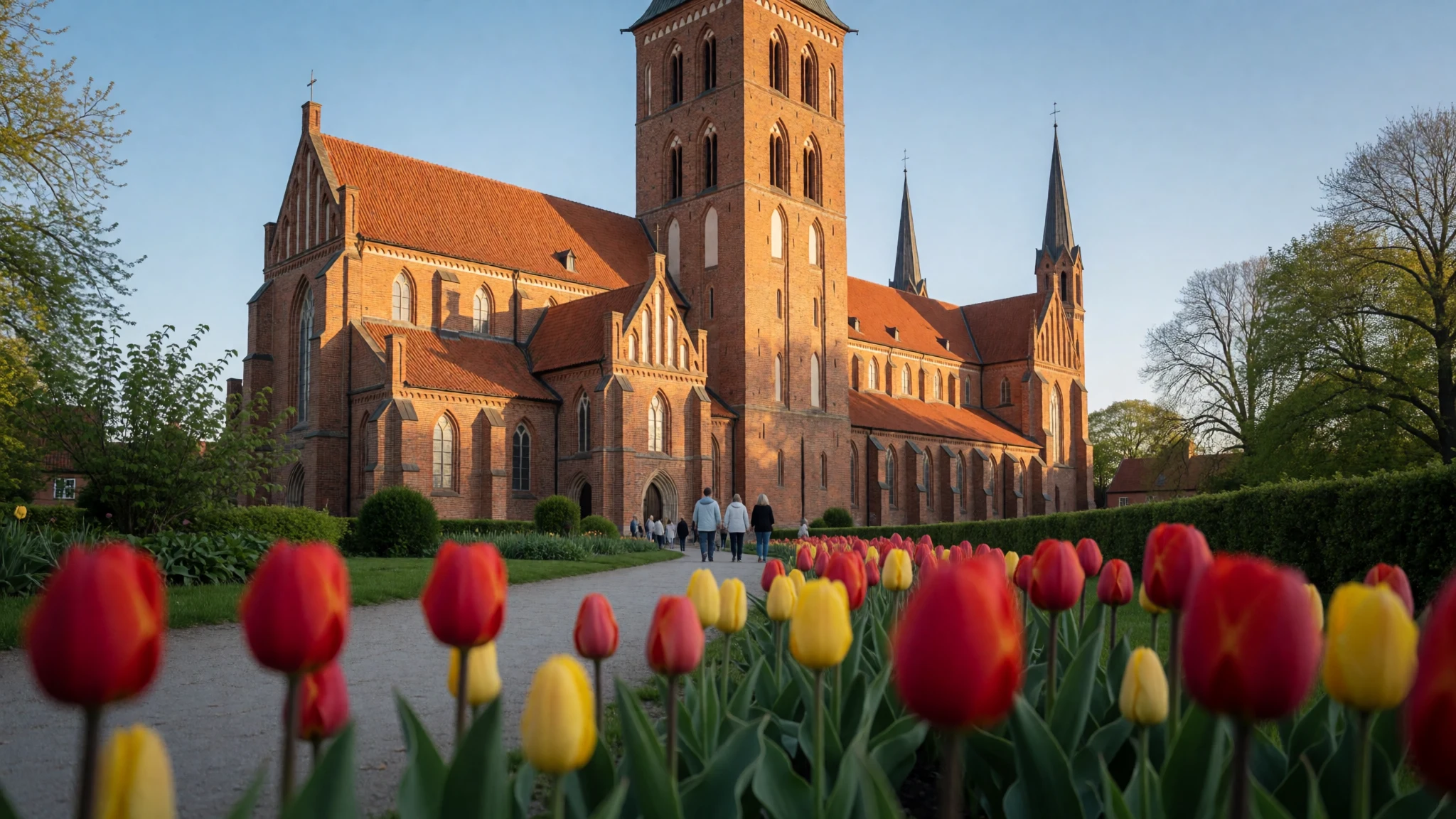
Urnes Stave Church blends older wooden church traditions with later medieval forms in one historic church setting.
The place
Roskilde Cathedral (Danish: Roskilde Domkirke) sits in Roskilde on the island of Zealand, in eastern Denmark. It’s a Lutheran cathedral of the Church of Denmark, and it carries two identities at once: a place of worship that’s still in use, and a landmark that draws visitors for its architecture and history. The building’s big theme is layers—Romanesque and Gothic details that show up across centuries, not as a single tidy “period” look.
The church’s wooden construction and carved surfaces are the clue to the wider tradition of Scandinavian stave churches. Inside, the atmosphere feels more intimate, with structural elements and additions making the interior read like a timeline of craftsmanship. That timeline matters: the church’s survival through centuries and the way later work fits around older fabric is what turns the visit into a chance to see history up close.
Expect visitor numbers to rise in the warmer months, when travel conditions are most comfortable. July is typically the hottest month, while February and December are the coldest. The wettest month is August, and the driest is April. For the most comfortable walking conditions, aim for May or September. Plan for a visit that’s part slow looking, part “read the building”: step around key angles, then re-enter for the interior composition. If there’s an organ recital or a service on your day, it can change the experience—usually in a good way—just by adding sound and rhythm to the architecture.
Its story
Urnes Stave Church’s story reflects the growth of stave-church craftsmanship in medieval Norway, with the site’s long religious use shaping how the building was kept and adapted over time. Over the centuries, accounts of the church emphasize continuity of worship and the way the structure’s details preserve older traditions while showing later medieval influence. Stories around the site tend to focus on the church itself rather than royal burial legends.
What makes the church’s history feel tangible is how careful craftsmanship and maintenance kept the building meaningful across the centuries. As the church continued to be used, the building’s form and interior spaces reflect gradual changes in function and style. That process is the real “plot twist”: the cathedral is not a museum that sits still. It keeps being adapted, and those adaptations show different architectural tastes rather than one single uniform style.
The same layered approach appears in the way Urnes is seen as a major example of carved wood artistry within the wider medieval Scandinavian stave-church world. It is closely associated with the distinctive Urnes style of ornamentation and the transmission of carving traditions across generations. So even if details vary between accounts, the building itself offers the clearest evidence: carved wood, structural clarity, and shape that reveal changing eras gathered into one enduring church.
What to see
- Roskilde Cathedral exterior — Roskilde city centre
Roskilde Cathedral’s brick and Gothic-style massing makes it stand out in the city. From key streets and viewpoints around the centre, the tower and façade lines give a quick sense of how the building reads as both church and historic monument.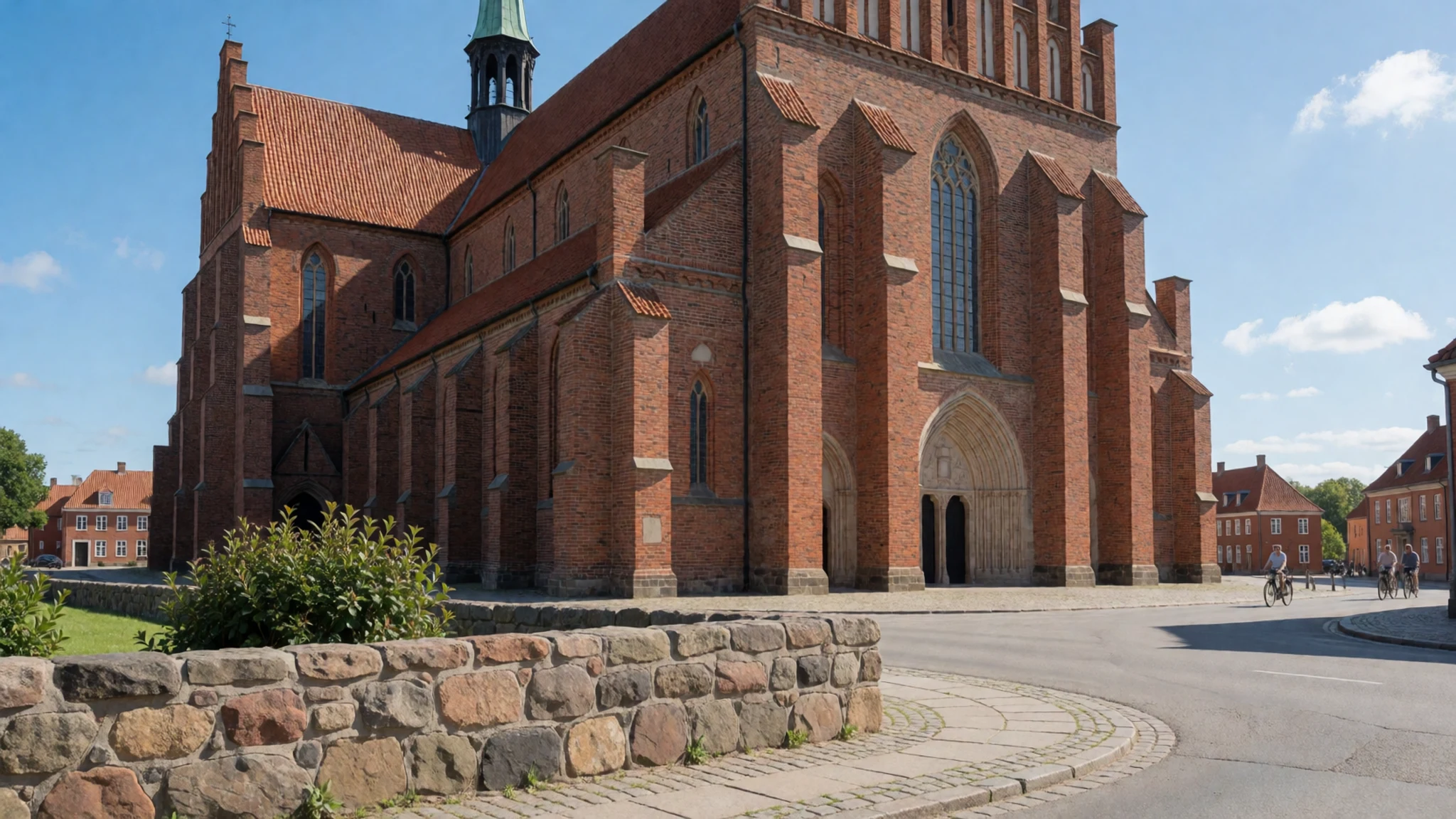
- Domkirke views from nearby streets — Old-town approaches in Roskilde
Roskilde Cathedral photographed from around the bishop’s-house area shows how the roofline and walls sit within the streetscape. This is a good angle to understand the “brick Gothic” character without having to study a plan first.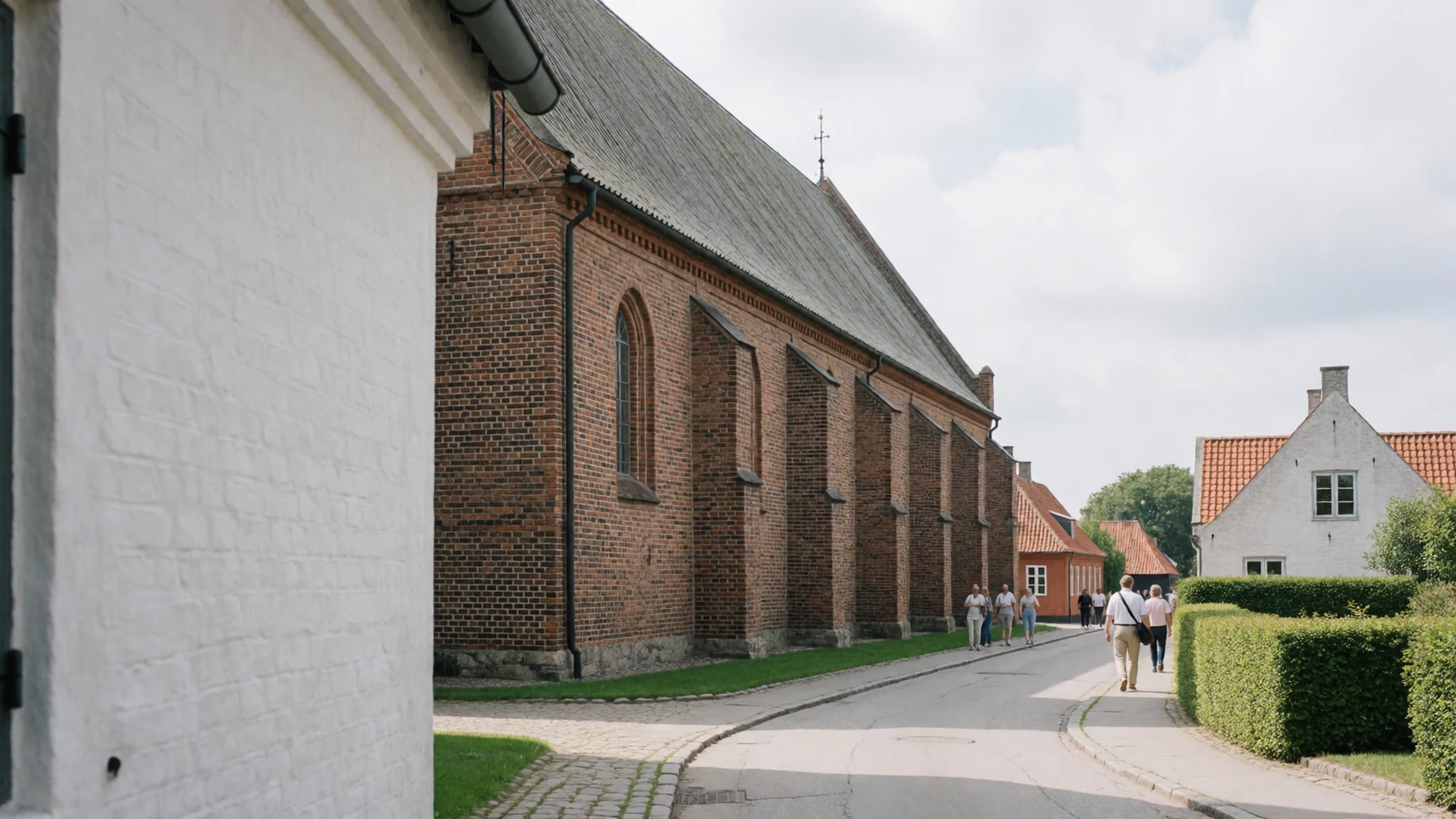
- Added chapels and medieval layering — Interior chapels around the nave
Roskilde Cathedral’s side spaces reflect the long habit of extending the building for worship and burial. Look for transitions where older fabric meets later work—an architectural patchwork that turns the visit into a chronological walk-through.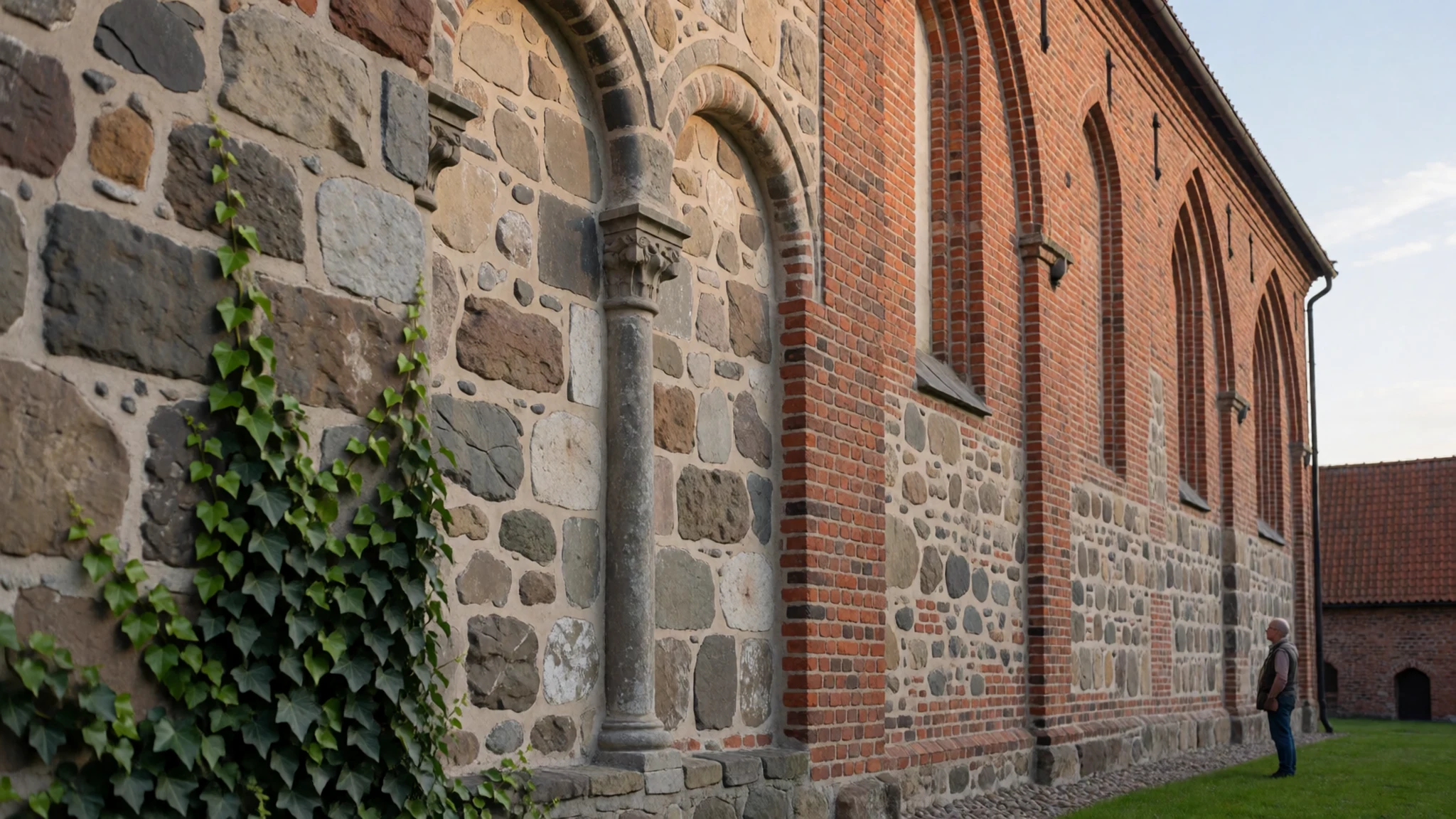
- Altar area — Nave and altar area
Roskilde Cathedral’s interior composition keeps drawing you back toward the altar zone, where the church’s working function meets the historical weight of the building. Spend time here to notice how light and structure support the space’s solemn tone.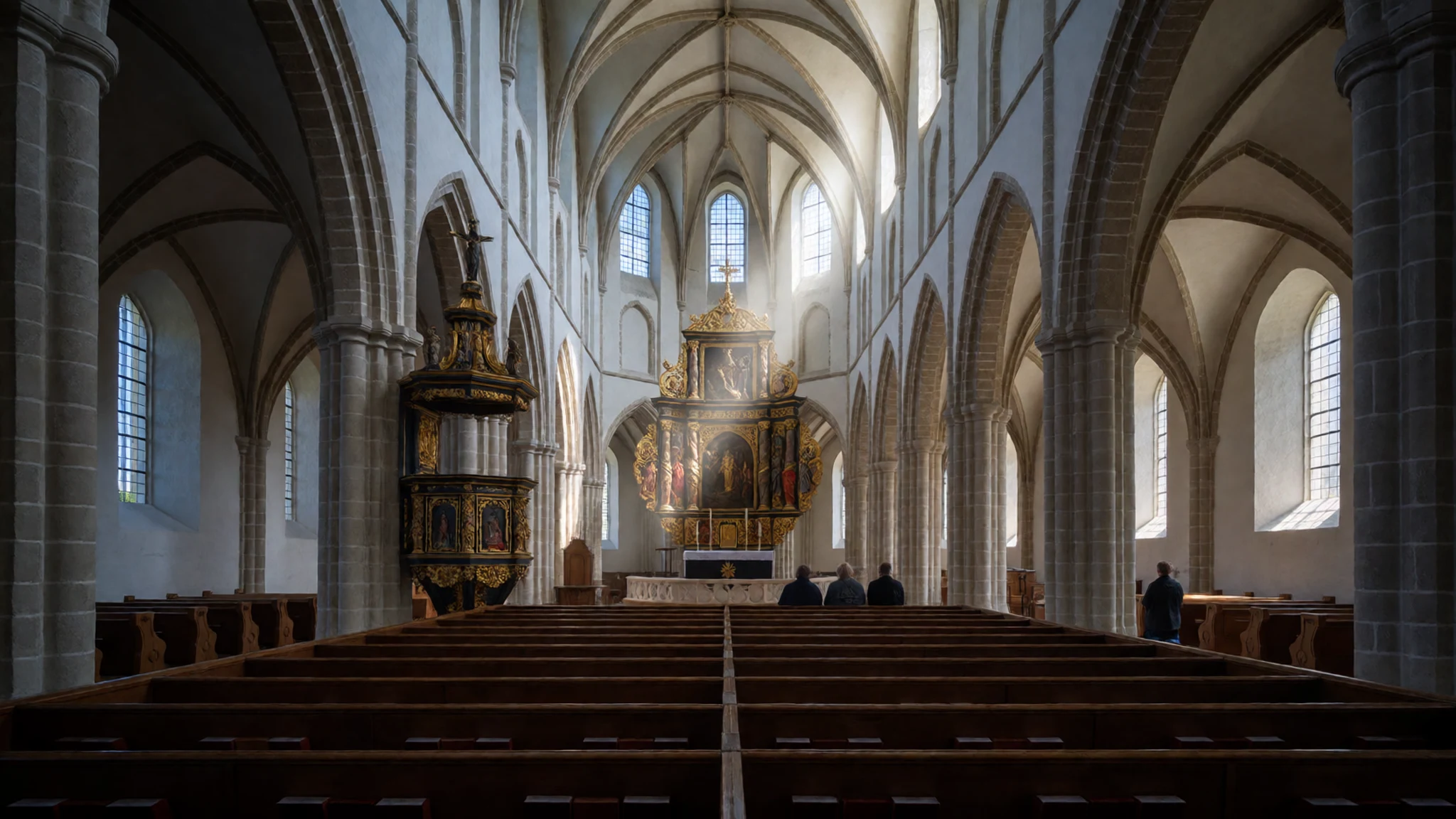
- Royal burial memorial atmosphere — Burial chapels and memorial spaces
Roskilde Cathedral is strongly tied to Danish royal burials, so parts of the visit can feel more like a memorial tour than a sightseeing stop. Even without reading every plaque, the sense of ceremony shows up in how chapels are arranged and approached.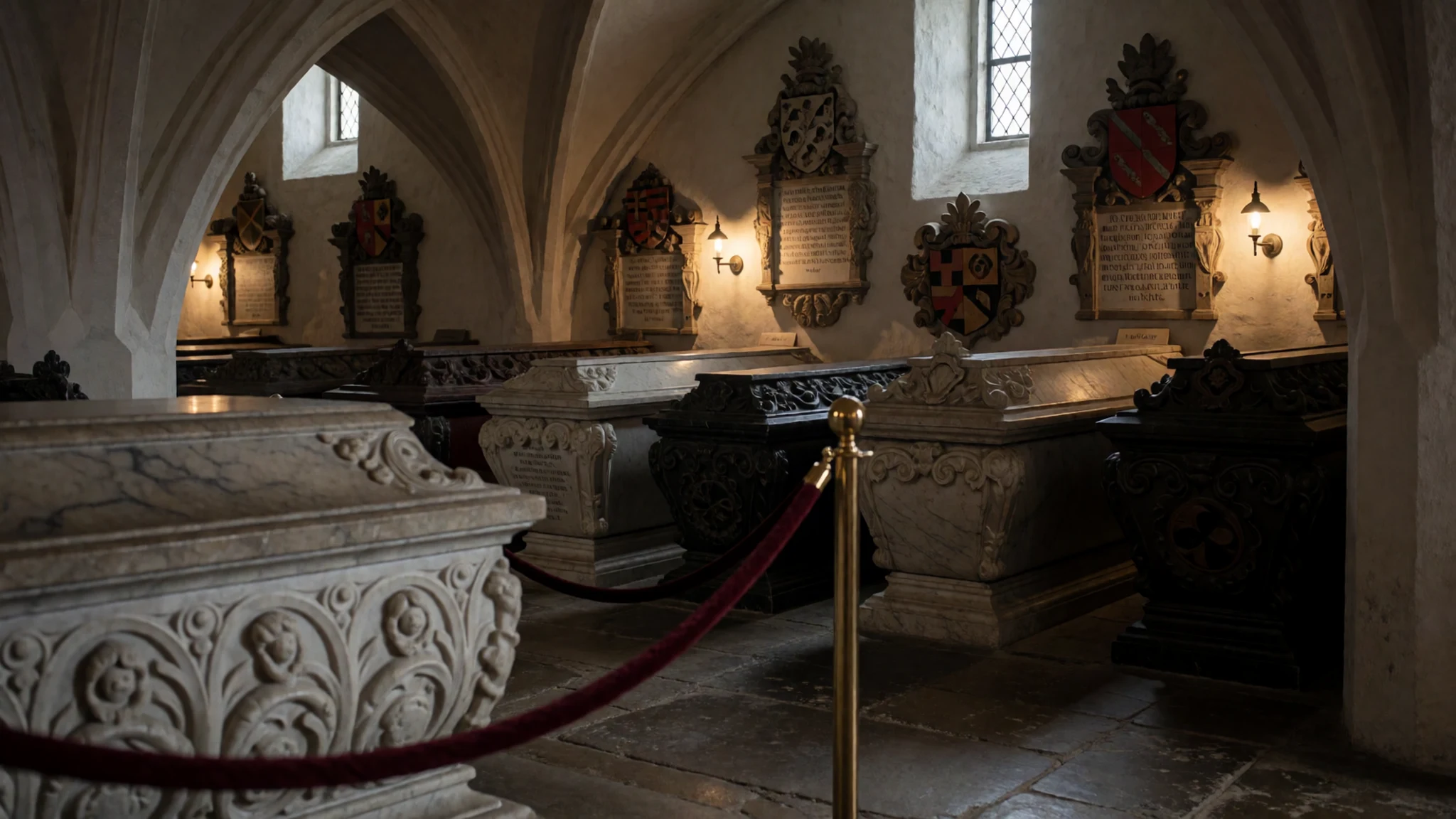
- Gothic wall decorations (Chapel of the Magi) — Carved woodwork details inside
In Roskilde Cathedral, the Chapel of the Magi is notable for wall decorations that add narrative detail inside a stone setting. It’s the kind of spot where you can zoom in—figures, motifs, and the way they sit within brick and carved structure.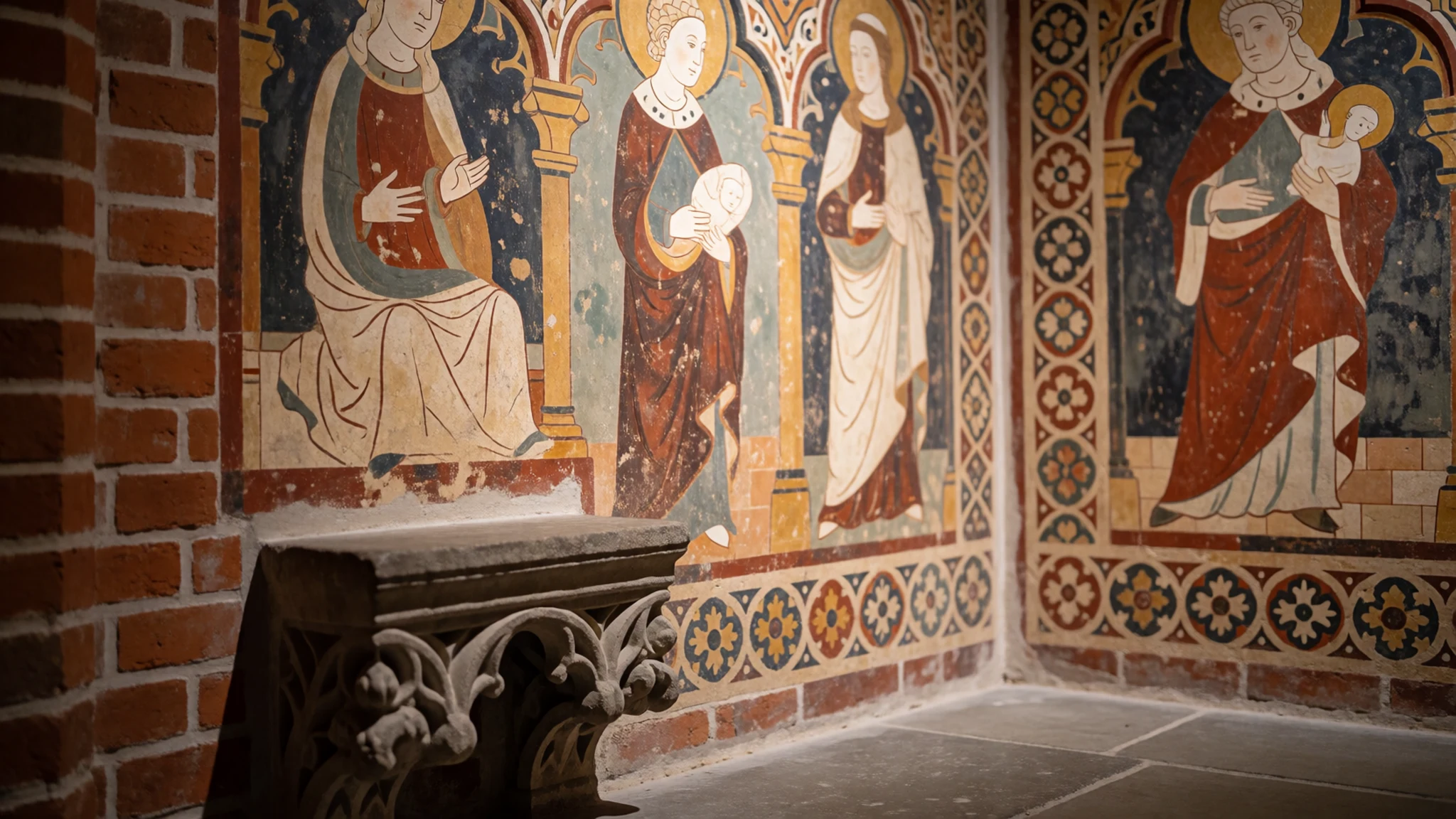
Culture
Roskilde Cathedral sits in Denmark, a place where politeness often shows up in behaviour rather than heavy verbal formality. Visitors sometimes misread this as brusqueness: Danes may not rely on the kinds of set compliments or formal addresses used elsewhere, and social “scripts” can feel more understated. That said, there are still norms for public spaces like cathedrals, and the expectation is straightforward—quiet attention while people are worshipping or reflecting.
If someone is already in a chapel or kneeling area, treat it like shared space, not a backdrop. Keep your pace gentle in narrow corridors and don’t block circulation with bags or tripods. Asking before photographing people is the safe route, even when the area seems calm. When staff or volunteers are around, they’re usually there to help, not to police tourists.
The cathedral’s royal-burial connections also influence the tone: some spots feel deliberately hushed, and it’s worth matching that atmosphere. Denmark isn’t about grand gestures; it’s about consistency, so being respectful and low-key goes a long way.
Visitor etiquette: keep voices low, avoid blocking entrances or chapel paths, and follow any signage about photography inside Roskilde Cathedral.
What to wear
Roskilde Cathedral doesn’t demand formal attire in the way some religious sites do, but the setting is still a working Lutheran cathedral with chapel spaces. Denmark in spring and autumn can be breezy, so the safest approach is layers: a medium jacket (or sweater), long trousers or a skirt that sits comfortably at the knee or below, and a top with a modest neckline. Summer visits can be mild rather than tropical, while winter can be cold and damp—so bring something warm enough for time spent lingering in stone interiors.
Traditional dress isn’t usually worn by visitors day-to-day here, but Denmark’s cultural textile heritage is visible in the colours and craftsmanship used for special occasions. For everyday wear now, locals tend to dress practically: comfortable shoes and weather-ready clothing. That practicality matters because you’ll likely walk around Roskilde’s centre and then move between chapels and corridors.
What to wear: comfortable walking shoes with non-slip soles for indoor surfaces, plus a light-to-medium layer you can adjust when moving from outside air into the cooler cathedral interior. Avoid very bulky bags that make it harder to pass through narrow areas.
What to eat
- Smørrebrød (open sandwiches) — Lunch spots and delis around Roskilde town centre
Look for smørrebrød at everyday delis and lunch counters in central Roskilde or nearby. These open-faced sandwiches work as a quick, simple meal before or after a cathedral visit.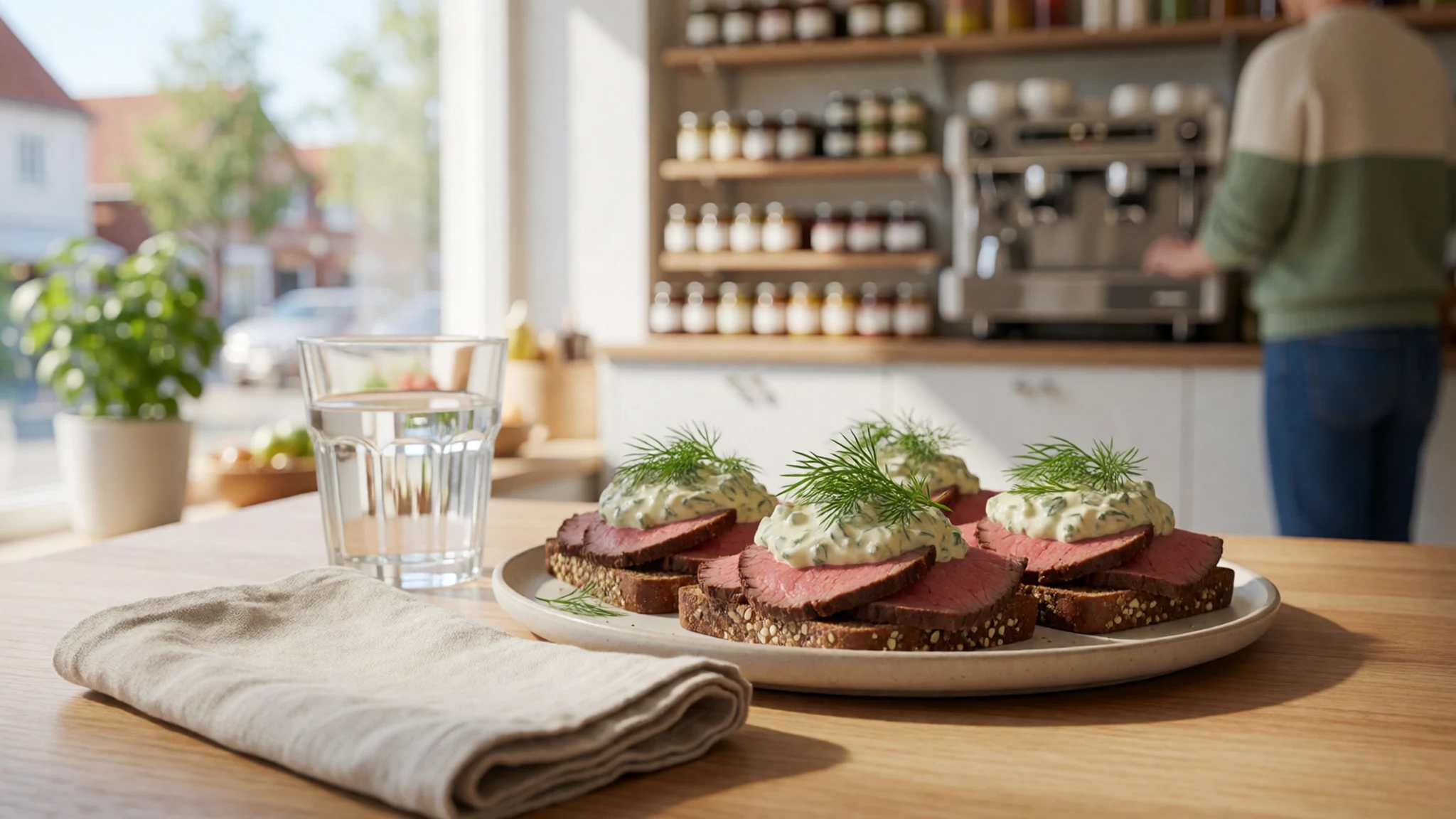
- Hot Danish pastries — City-centre bakeries in Roskilde
Try a bakery stop for warming treats like cinnamon rolls and similar pastries. They’re easy to grab when the weather turns, and they suit a short sightseeing day.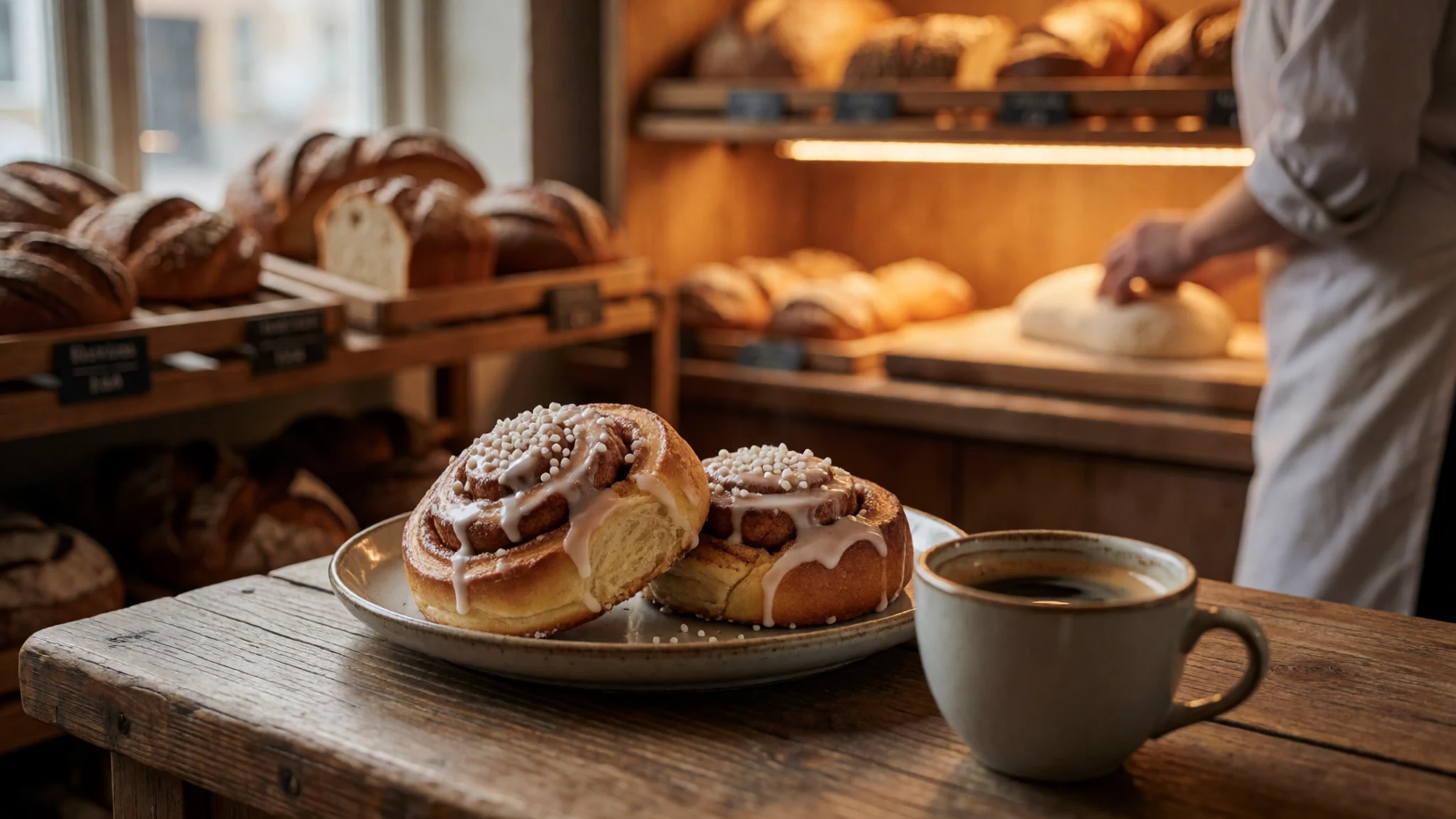
- Traditional Danish meat dishes — General restaurants across Roskilde
For a sit-down meal, choose an eatery that offers classic Danish mains (often meat-based). These restaurants are commonly child-friendly, so it’s a good option for families touring at a relaxed pace. - Pizza and kebab (budget-friendly staples) — Main high streets and restaurant clusters in Roskilde
Denmark has plenty of pizza stands and kebab shops, which can be a practical fallback after long museum days. They’re usually straightforward, filling, and widely available across Roskilde. - Copenhagen-style international café meals — Cafés throughout the wider Copenhagen–Zealand area
Denmark’s café scene can be family-friendly and international, with menus that range beyond local dishes. If you’re making a day trip to the wider area, this is an easy way to eat without overthinking it.
Plan it
Best time. May and September tend to be the most comfortable for visiting, with milder temperatures and more manageable conditions. April can also work well if you want a cooler walk, while August is usually the wettest month; plan extra indoor time accordingly.
How long. 2–3
Getting there. Plan your travel into Norway, then use local connections to reach the Urnes area for the final leg. Choose the route that best fits your arrival point and timing.
Budget. mid
Tips
- Aim for earlier arrival if you want calmer photos before day-trippers
- Take time for the chapel sections; they’re where the building’s layered history becomes clear
- Keep a bottle of water handy for outdoor walks around Roskilde’s centre
- Check the cathedral’s official site for any service schedule changes before you go
- If you’re sensitive to crowds, avoid the busiest midday window
Etiquette
- Keep voices low and move slowly in chapel areas
- Ask before photographing people, especially where memorial spaces feel quiet
- Be mindful that this is a functioning cathedral, not just a viewing room
Nearby
Sources
- Wikidata Q209705 (CC0)
- Wikipedia (rev 1379175804) (CC BY-SA 4.0)
- Wikivoyage (rev 5413428) (CC BY-SA 4.0)
- Photo photos/01-roskilde-cathedral-aerial-crop.jpg (CC BY-SA 4.0)
- Photo photos/02-view-of-roskilde-domkirke-from-bishop-s-house.jpg (CC BY-SA 4.0)
- Photo photos/03-roskilde-kathedraal-12.jpg (CC BY 2.5)
- Photo photos/04-altar-roskilde-cathedral-2017-08-18.jpg (CC BY-SA 4.0)
- Photo photos/05-margrethei-sarkofag.jpg (CC BY 3.0)
- Photo photos/06-roskilde-cathedral-interior-2017-08-18-5.jpg (CC BY-SA 4.0)
- Photo photos/07-roskilde-dom10.jpg (CC BY-SA 2.0 de)
- Photo photos/08-roskildedomkirke-christianikapelmodskibet.jpg (CC BY 3.0)


