Tumon Bay
Tumon Bay, United States
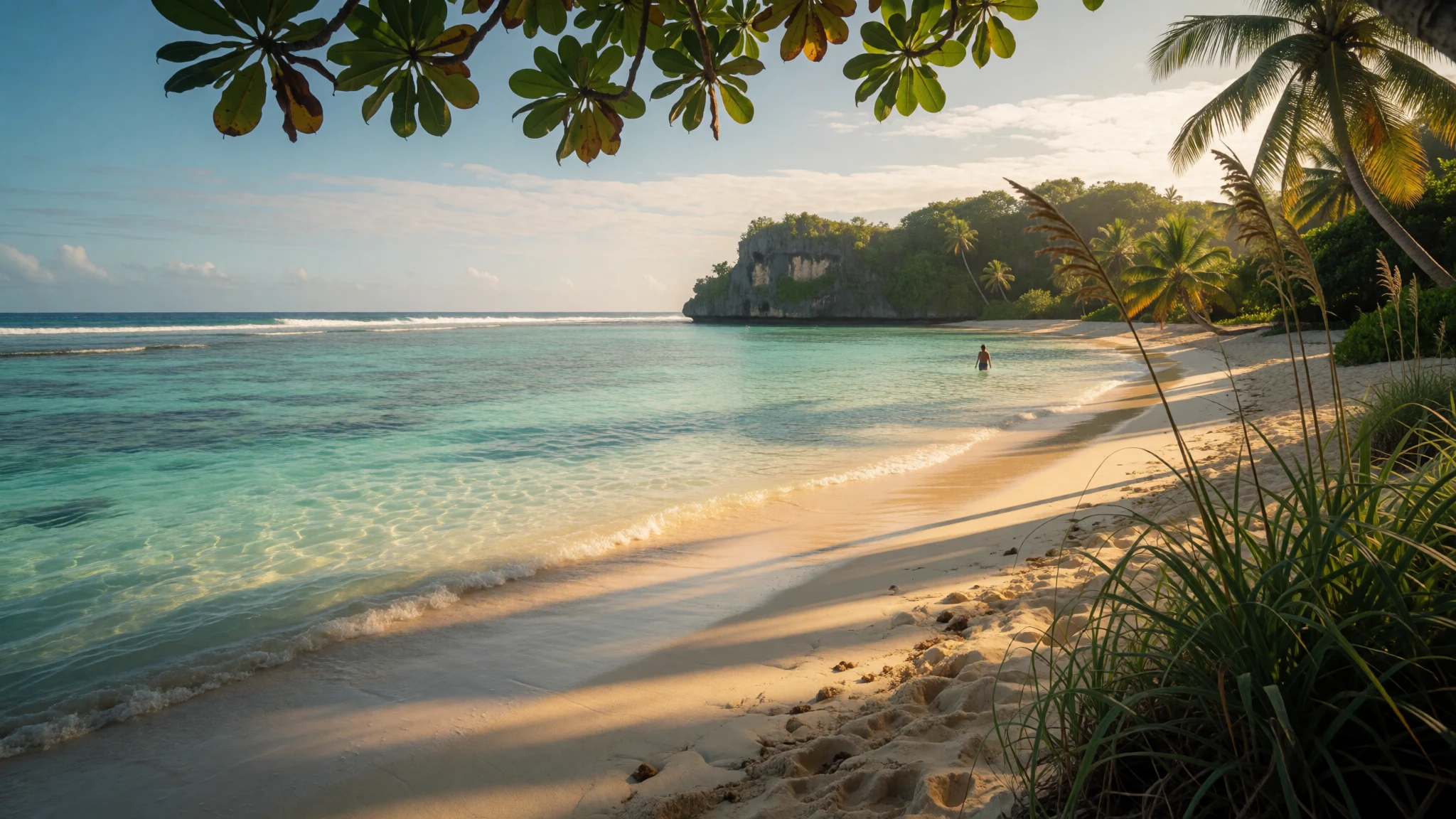
Tumon Bay pairs easy beach time with serious reef life inside a marine preserve—great for calm swims and snorkel/dive days.
The place
Tumon Bay sits on Guam, a United States territory in the Marianas, and it opens out to the Philippine Sea. The bay is ringed by recognisable points: Two Lovers Point to the north and Ypao Point to the south, with the whole area lying within the Tumon Bay Marine Preserve. That matters because it shapes the water quality and the way the coast is used—this is where recreation and fishing have been part of local life, while the reefs are managed.
The coastline is tied closely to Tumon, the island’s main tourist stretch in Tamuning. In practice, that means the bay has the typical “holiday coast” vibe: hotels, beach access, and plenty of people around, especially when the weather is friendly. If the crowds are part of the attraction for some visitors, they can also be the reason to plan mornings well—daylight hours fill up quickly.
What makes Tumon Bay feel different from generic beach scenery is the reef system. There’s a fringing reef that separates open ocean from the calmer lagoon, and underwater conditions can vary with the tide. The preserve extends along the bay, with the reef platform measured in width from the shore and around it, so snorkelling can be rewarding even without going far from the beach.
For a first visit, think of Tumon Bay as two trips in one: a laid-back coastal day on land, and an underwater day where you’re essentially visiting a managed reef environment right offshore.
Its story
Tumon Bay’s story reads like a coastal timeline of who has arrived, fought, built, and adapted to the sea. Spanish contact is one thread: historical accounts connect the bay with Ferdinand Magellan’s early European anchorage in 1521, and later violence during the Spanish–Chamorro conflicts in the late seventeenth century. Those episodes sit alongside broader island history in the Marianas, where communities across Guam and nearby islands share deep cultural links but differ politically.
The bay also reflects how people have used reef and shoreline access over time. During the mid-twentieth century, practical changes to navigation were made, including alterations that helped smaller boats enter more easily from the reef-fronting areas. Later, as tourism grew along the shore, the relationship between sand, tides, and entry points became part of the experience. Instead of treating the ocean as fixed scenery, planners adjusted access so visitors could swim and enjoy the shoreline.
There’s a conservation thread running alongside all that development. In the 1980s, authorities looked at declining fish stocks and started putting limits in place by setting aside areas around Guam with reduced take. That shift helps explain why Tumon Bay today feels both busy and protected: it’s a recreational hub, but also a place where the marine environment is managed.
What to see
- Tumon beach strip — Tumon (Tamuning)
Tumon Bay’s shoreline is the day-to-day base for most visitors in Tumon, with continuous beach access near major hotels. Expect lots of families, snorkellers and swimmers, so go early for calmer water and easier space to set up.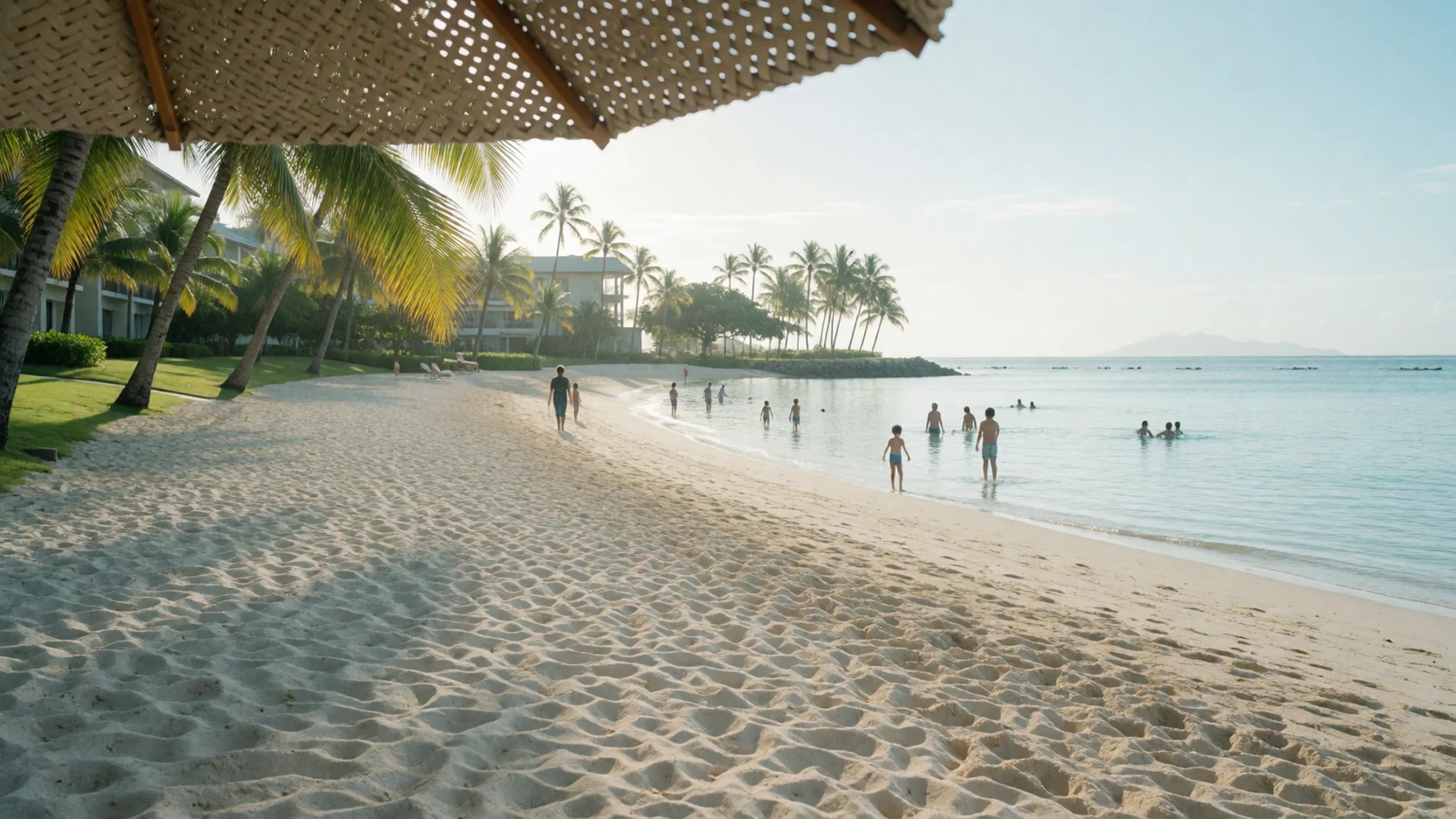
- Two Lovers Point & coastal viewpoints — Northern edge of Tumon Bay
Two Lovers Point anchors the northern edge of Tumon Bay. It’s a handy stop for coastal views across the bay, with the landscape rising above the shore enough to make the ocean feel open. Golden-hour lighting draws a crowd.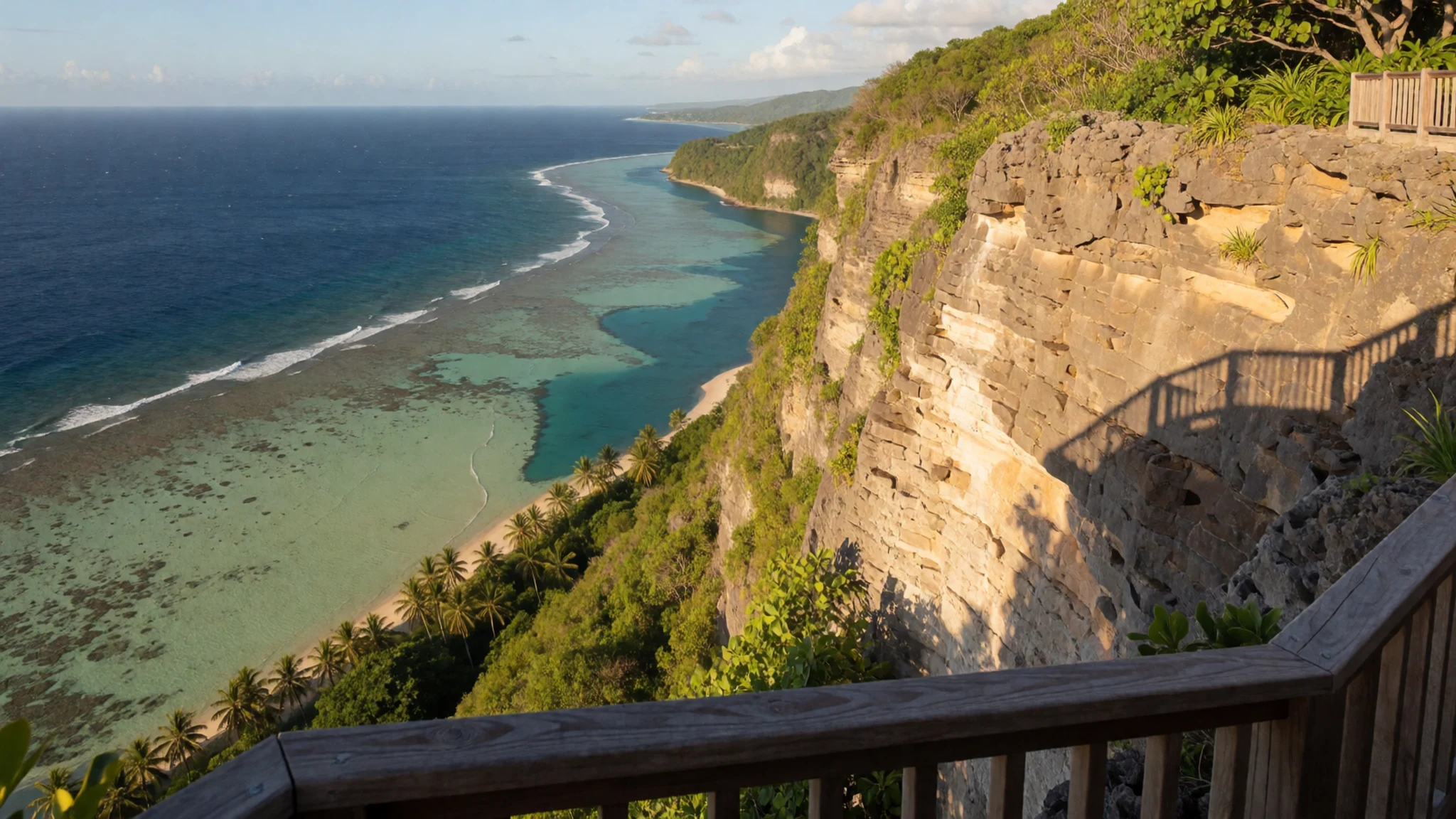
- Tumon Bay Marine Preserve — Along the bay
Tumon Bay sits within the Tumon Bay Marine Preserve, meaning the reef and surrounding waters are managed for recreation and limited take. For snorkelling and diving days, this context is useful: expect signage, a more “reef-aware” culture, and calmer confidence to explore.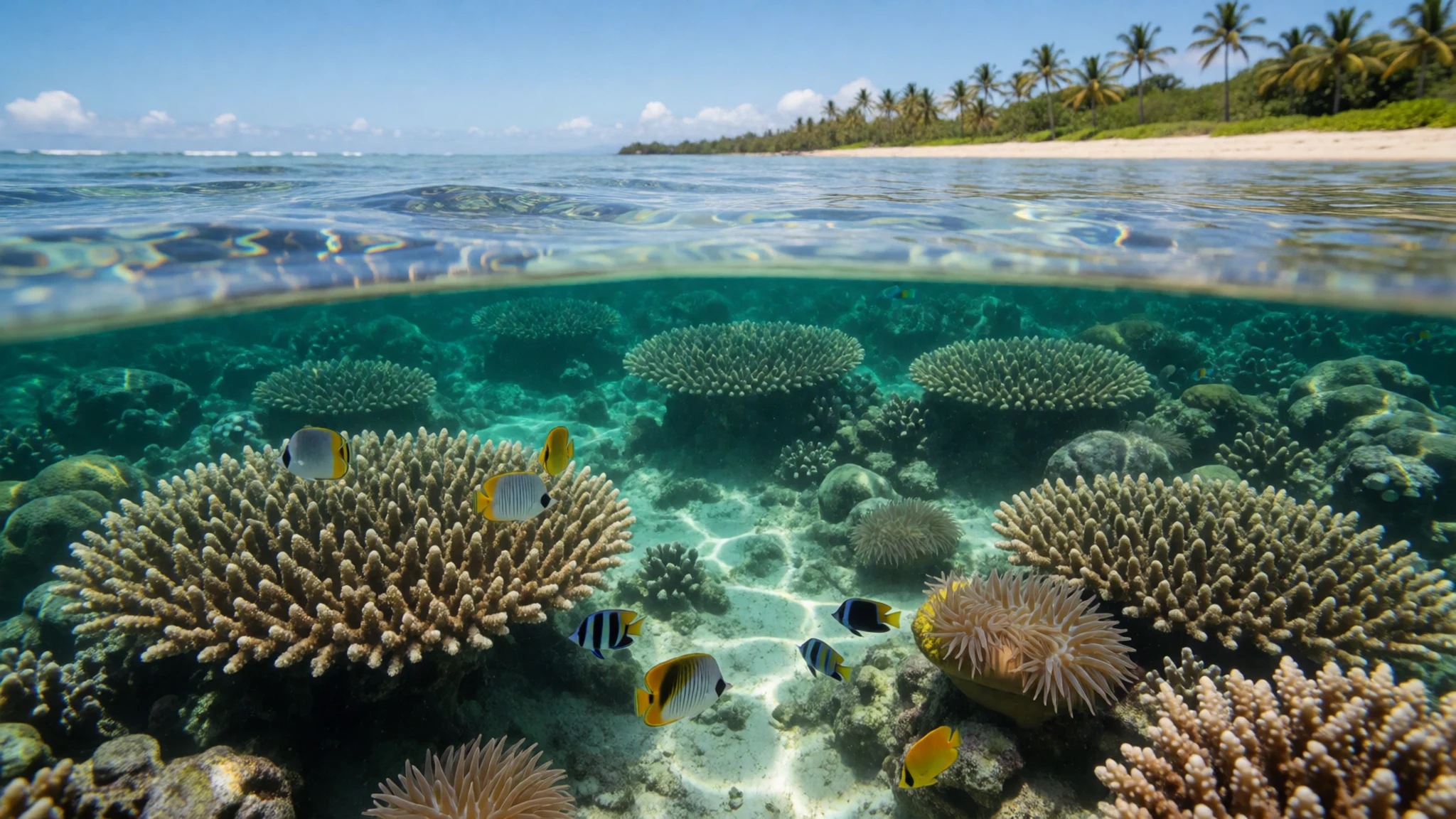
- Fringing reef & underwater channels — Offshore, reef edge around the bay
A fringing reef separates open ocean from the lagoon, and the reef platform is wide enough to create a sense of layers under the surface. Underwater channels can bring movement and visibility changes, so conditions vary by tide and time of day.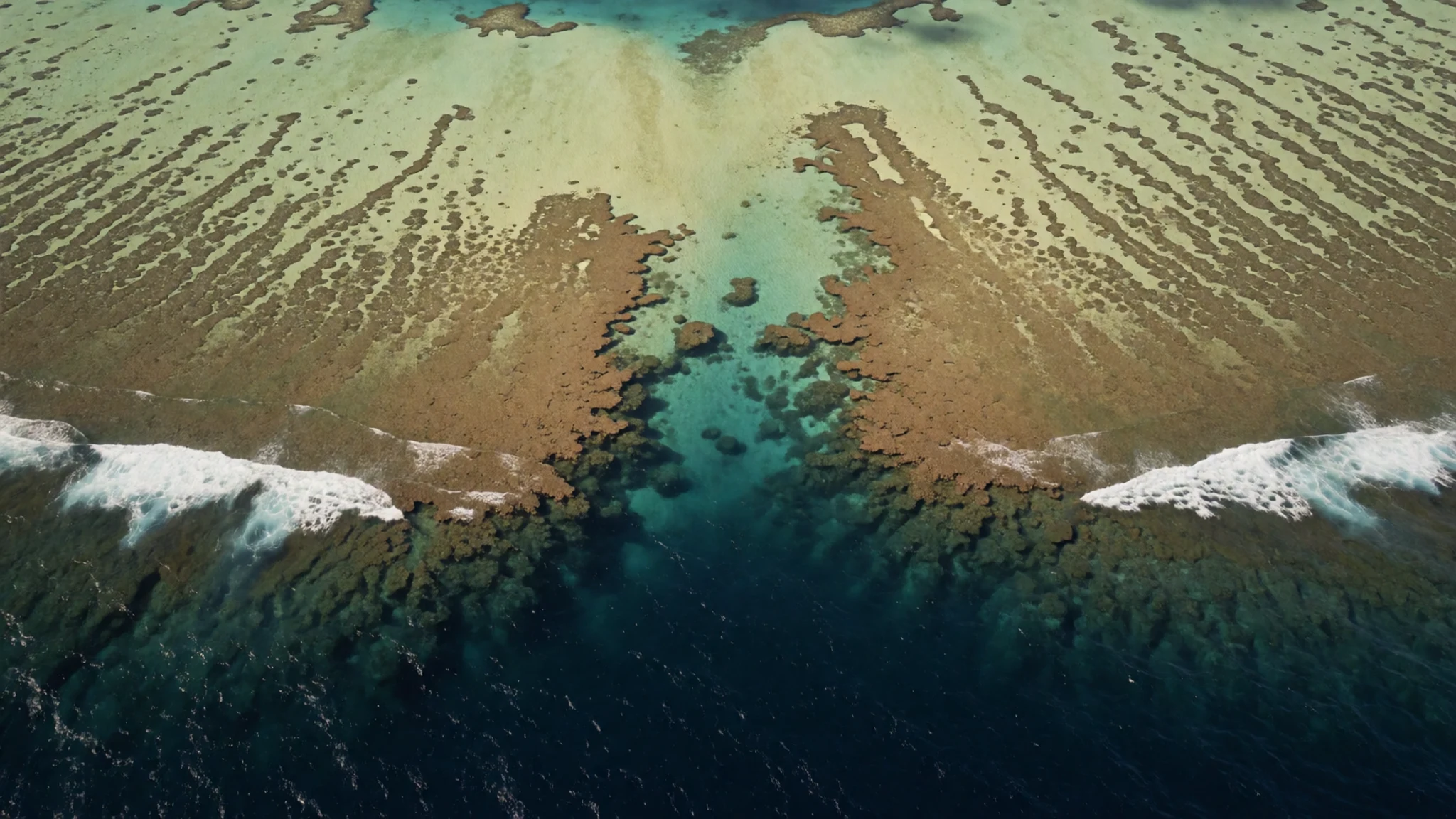
- Dive sites (shore and boat) — Tumon Bay and nearby western-coast areas
Diving around Guam includes both shore and boat options, with many sites along the island’s western side. Tumon Bay’s reef environment makes it a natural starting point for underwater exploring, whether aiming for easy entries or more advanced itineraries.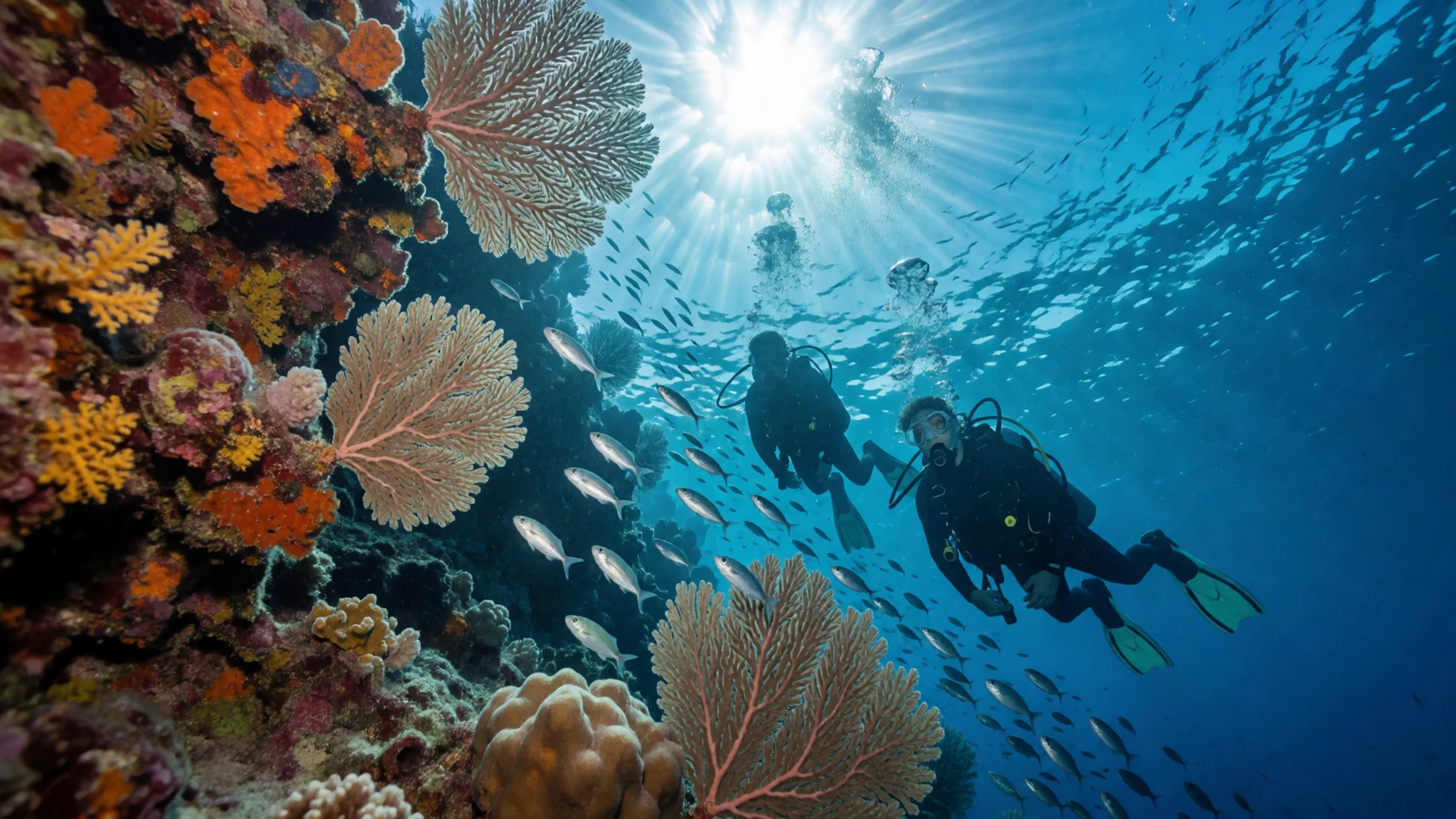
Culture
Tumon Bay is on Guam, where daily life is shaped by the island’s mix of cultures and by the indigenous Chamorro community. People are generally welcoming to visitors, and the overall vibe in tourist areas is relaxed, but clothing norms tend to lean modest—especially around religious settings and anywhere with a local congregation.
Religion plays a visible role. Catholicism is widely practised, and rosaries are used for remembrance in places where formal gatherings may also happen. You may notice community routines that last well beyond a single day, because memorial practices can continue for a long time.
With a multinational visitor flow in Tumon, it helps to keep expectations practical: if something feels a little “local family” and a little “holiday crowd” at the same time, that’s exactly the balance here. Reef protection and responsible water behaviour are also part of the culture of visiting Tumon Bay, since the area is managed as a marine preserve.
When you’re out and about in Guam around shrines or churches, dress modestly and keep voices low inside; be respectful if people are gathered for prayer or remembrance.
What to wear
On Guam, including Tumon, beachwear is normal—but modesty still matters when you step away from the sand. The local Chamorro culture brings influences that are often more conservative than typical resort outfits, so it’s smart to cover up when moving through town or entering religious spaces.
Traditional dress isn’t something most visitors will see worn daily on the beach strip, but when people dress up for community events it tends to follow the island’s blended cultural style. Expect textiles and garments that are modest in cut, with colours and patterns that reflect the island’s wider mix of Asian, Spanish and American influences.
What people wear now is straightforward resort life: lightweight shirts, breathable shorts or skirts, sandals, and swimsuits for the beach and lagoon. For a visitor, pack a light layer even for the warmer part of the day, plus reef-safe footwear or water shoes if the entry points feel rocky at certain tides.
For beach-to-hotel movement, bring a simple cover-up and a small bag for sun protection; when visiting churches or memorial sites, swap sandals for more secure footwear and choose clothing that covers shoulders and knees.
What to eat
- Fresh seafood plates — Hotel restaurants and local eateries in Tumon
Tumon Bay and Guam in general lean hard into seafood—fish, octopus and crab grilled or baked with vegetables or fruit, plus sashimi-style options. Look for menus that focus on “fresh catch” rather than long ingredient lists.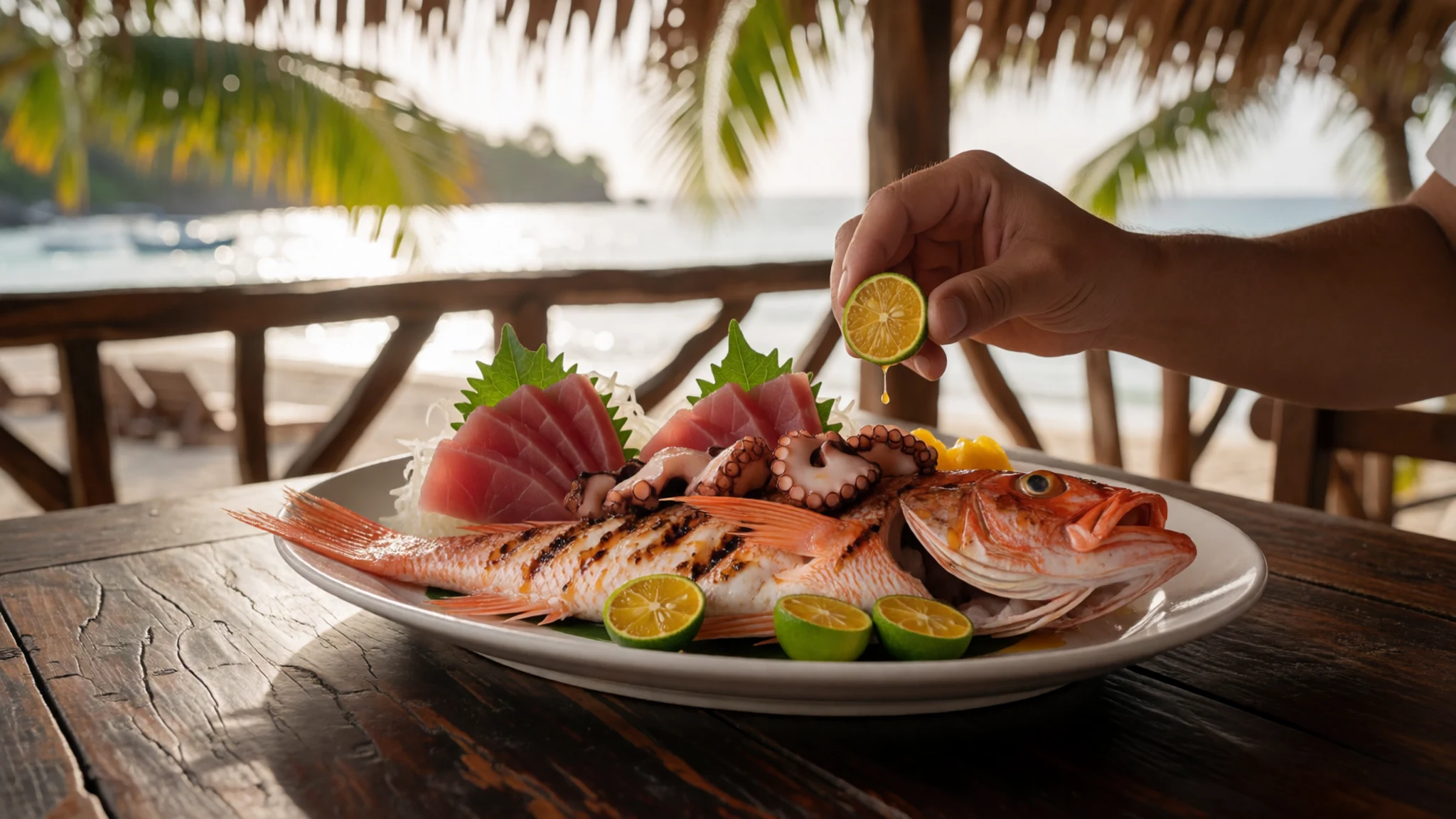
- Chamorro-style local food — Chamorro Village
Chamorro cooking shows up as hearty, island flavours rather than one single dish. Visitors often find locally flavoured plates alongside the usual global menu items, especially at local-focused dining spots in and around Chamorro Village.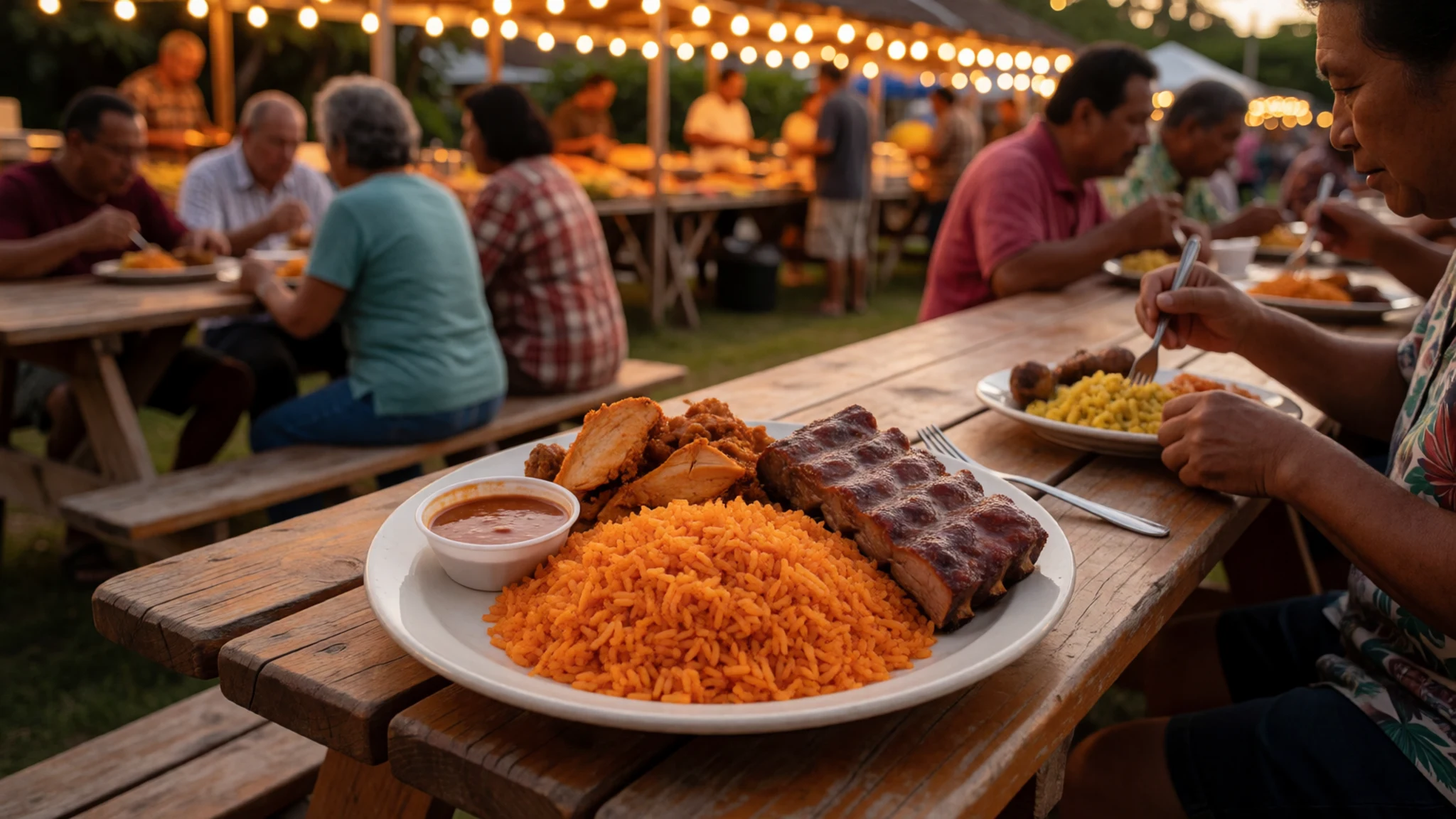
- Japanese and Korean dishes — Restaurant strips around Tumon
Because Guam’s visitor and resident mix is international, Japanese and Korean restaurants are easy to find and tend to offer familiar comfort meals alongside local seafood. It’s an easy option after a long snorkel day. - Asian-style noodle and stir-fry meals — Main restaurant clusters around Tumon
Thai, Vietnamese and Chinese food are available with dishes built around rice, noodles and quick stir-fries. Many places keep portions generous, which suits a beach-and-diving schedule when hunger hits fast. - Imported fast food chains — Near shopping areas by Guam Premier Outlets
Familiar global chains are present in Guam, offering burgers, fried chicken, pizza and sweet treats when there’s no time to look for something local. They’re convenient in tourist zones and good for an easy lunch.
Plan it
Best time. October–November and March–April for more comfortable beach and water days; these months also fit well with the calm, sunny feel most people chase on Guam.
How long. 2–3
Getting there. Fly into Guam via the main airport on the island, then take a taxi or ride from the airport to Tumon in Tamuning for the final leg to the bay.
Budget. mid
Tips
- Use early mornings for snorkelling and for getting a clear view before the beach fills up.
- Plan dives around tide and water conditions, since reef areas can feel different from morning to afternoon.
- Keep water and reef-safe basics close—long beach stints add up quickly in the heat.
- If doing boat trips, book with a provider that clearly explains entry/exit and current conditions for the day.
- If you’re shopping or grabbing snacks, carry a mix of payment options for small purchases.
Etiquette
- Be careful in the water: watch for signage about currents and surf conditions and follow local guidance.
- In marine-protected areas, avoid touching coral and keep fins and equipment off the reef.
- Dress modestly when you leave the beach area, especially around places of worship.
Nearby
Sources
- Wikidata Q25185570 (CC0)
- Wikipedia (Tumon Bay, rev 1362943971) (CC BY-SA 4.0)
- Wikivoyage (Guam, rev 5403309) (CC BY-SA 4.0)
- Photo photos/01-tumon-bay.jpg (Public domain)
- Photo photos/02-tumon-bay-in-guam-2000-11-16.jpg (CC BY-SA 4.0)
- Photo photos/03-fish-and-coral-in-tumon-bay-marine-preserve-guam.jpg (Public domain)
- Photo photos/04-tumon-bay-marine-preserve-benthic-cover.png (Public domain)
- Photo photos/05-fishing-in-guam-256789457.jpg (CC BY-SA 2.0)
- Photo photos/06-guam-island-beach-paradise-ocean-44714529420.jpg (CC BY 2.5)
- Photo photos/07-beach-of-the-westin-resort-tumon-bay-guam-usa-8445665341.jpg (CC BY 2.5)
- Photo photos/08-beach-of-tumon-bay-guam-usa-8532198983.jpg (CC BY 2.5)


