Tugela Falls
Tugela Falls, South Africa
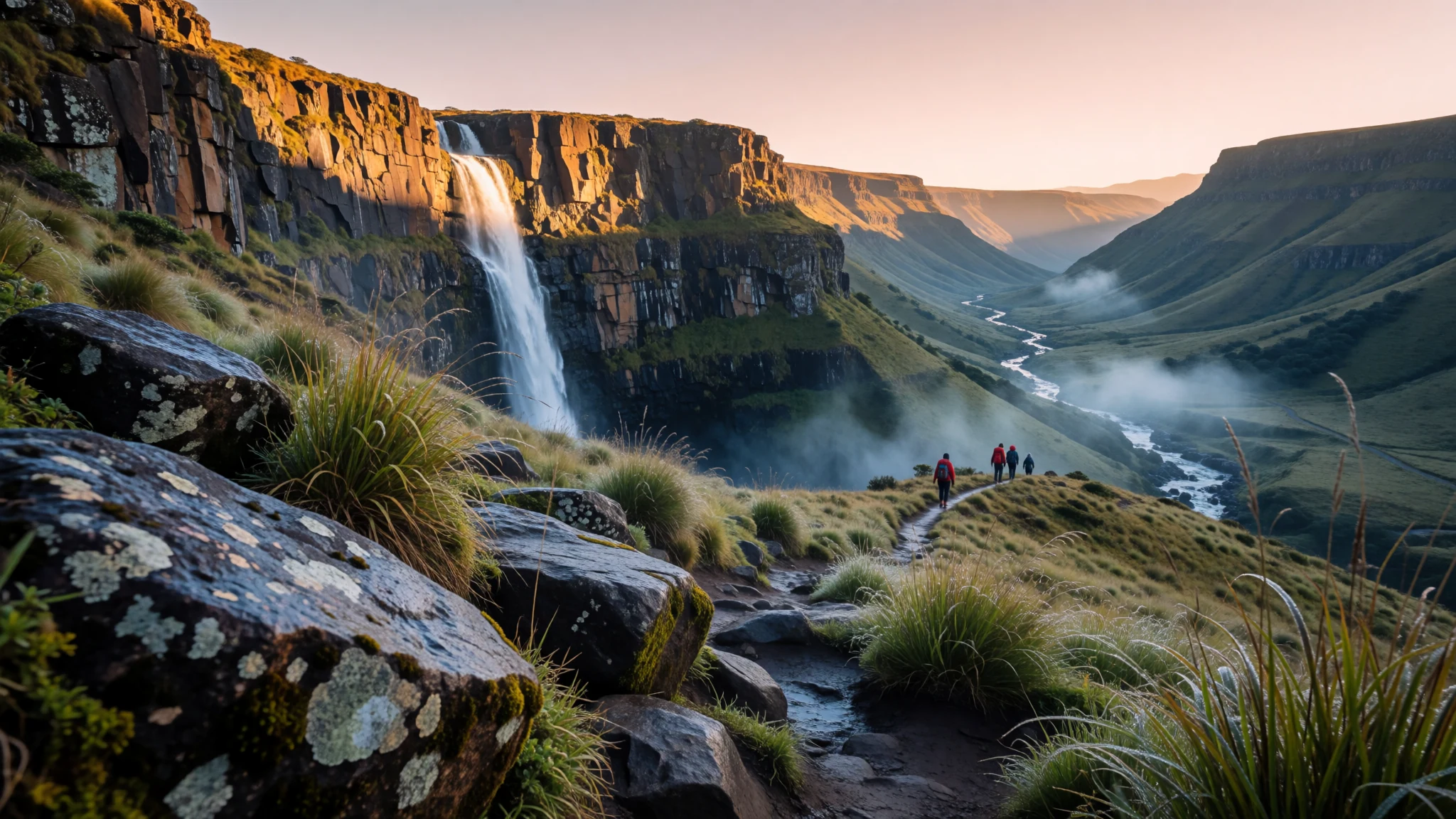
Tugela Falls offers dramatic mountain vistas and dramatic cascading water along the high escarpment of the Drakensberg mountains.
The place
Tugela Falls drops from the high basalt edge of the Drakensberg mountains within the protected terrain of Royal Natal National Park in KwaZulu-Natal Province. Known locally in Zulu by a name meaning sudden, the stream originates upon the Mont-Aux-Sources plateau before spilling over the vast Amphitheatre cliff face. This terrain experiences marked seasonal changes, with summer rains swelling the watercourse into a powerful series of cascading leaps, while dry winter months reduce the flow to a thin ribbon against the massive rock wall. The surrounding landscape features deep river valleys, dramatic rock pillars, and sprawling green slopes that support hardy mountain flora. Visitors exploring this region encounter expansive hiking trails winding through pristine wilderness, where paths lead upward toward the mountain rim or follow cool riverbeds beneath towering sandstone and basalt cliffs. The high altitude brings crisp air, sudden mist shifts, and striking light across the peaks, creating an arresting setting for hikers and nature observers who venture into this remote corner of South Africa.
Its story
Tugela Falls and the surrounding Drakensberg region carry a long history written by diverse peoples who sought refuge or pasture among the peaks. Early hunter-gatherers left behind rock shelters and painted art detailing their lives in the shadow of the mountains. Bantu-speaking farming communities later moved into the valleys, establishing homesteads and grazing cattle across the rolling hills. Political consolidation under regional leaders forged powerful chiefdoms that shaped the demographic and social fabric of the territory. European explorers and settlers arrived through different routes, bringing new forms of agriculture, trade, and administration that altered local trade networks. The expansion of sugar cultivation in coastal districts prompted the arrival of indentured labourers from overseas, adding further threads to the cultural tapestry of the province. Armed conflicts during successive decades redrew political boundaries and left behind numerous historical sites, forts, and memorials across the landscape. Today, these layered narratives persist in local place names, rural traditions, and the collective memory of communities inhabiting the valleys and plateaus of KwaZulu-Natal.
What to see
- The Amphitheatre
This massive rock wall forms the dramatic backdrop to the national park, presenting a sheer cliff face of basalt that stretches for several kilometres across the high plateau. Hikers approach the base or climb chains to reach the summit ridge, where panoramic views stretch across the valleys and distant mountain chains of the Drakensberg range.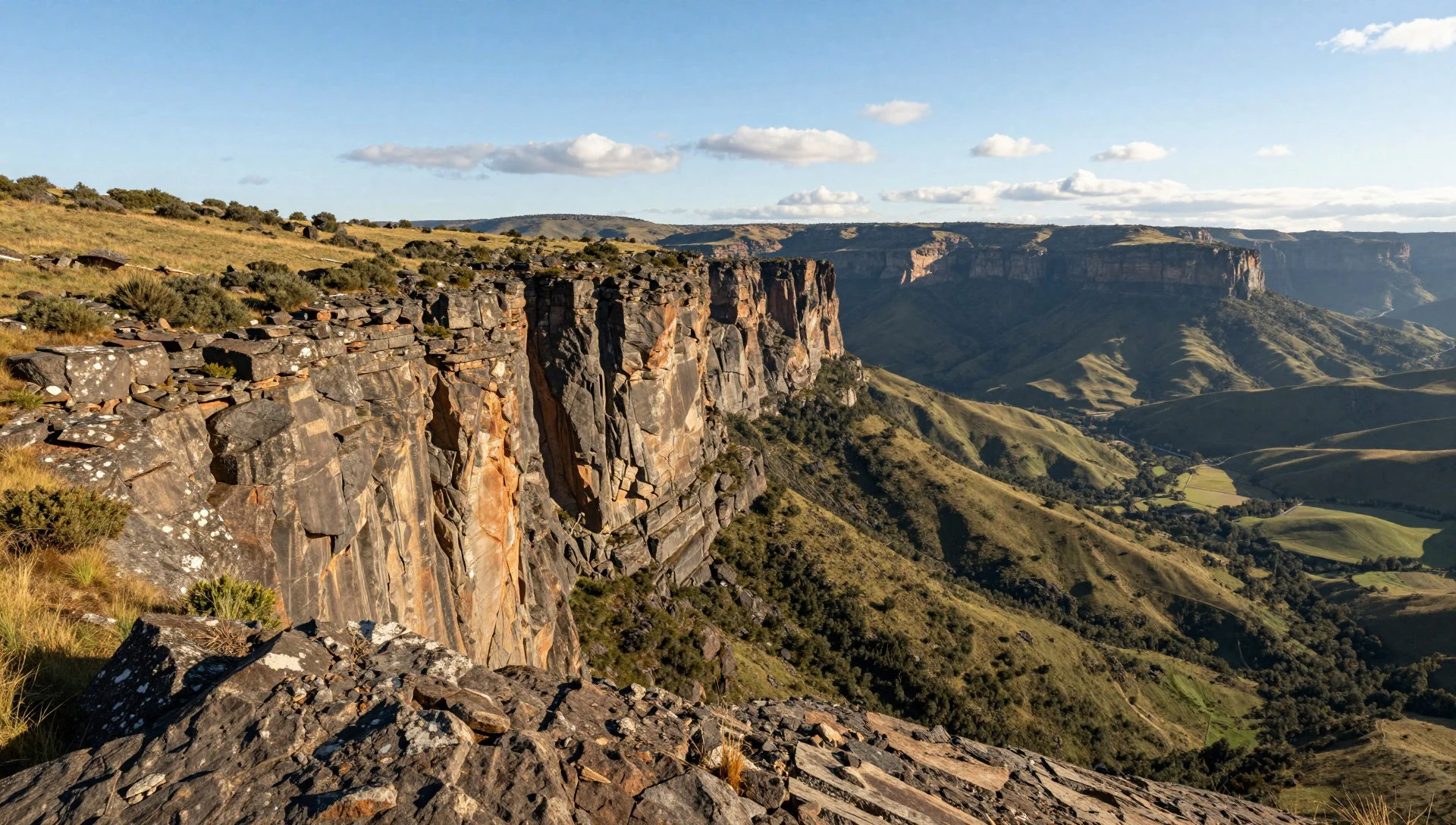
- Royal Natal National Park
Encompassing the high peaks and river valleys, this protected reserve protects rich alpine biodiversity and provides well-maintained walking paths. Visitors traverse indigenous forests, cross clear mountain streams, and view abundant birdlife while exploring the trails that radiate outward from the central visitor facilities and rest camps.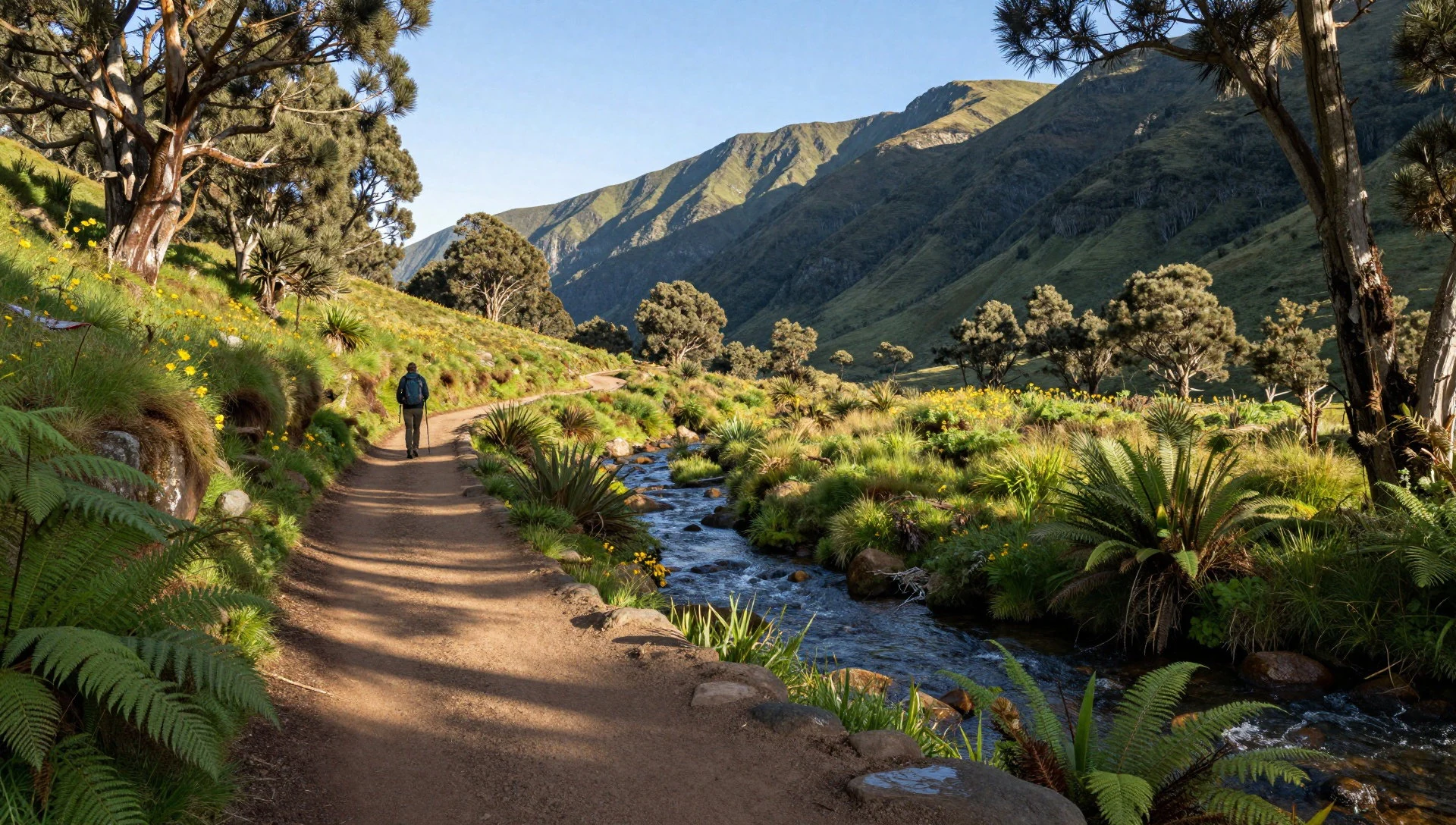
- Anglo-Boer War Sites
The surrounding districts preserve numerous monuments, museums, and battlefields connected to nineteenth-century military campaigns. Locations such as Ladysmith and nearby historic river crossings invite travellers to explore museums and field sites that detail the tactical maneuvers and hardships experienced by opposing forces during the conflict.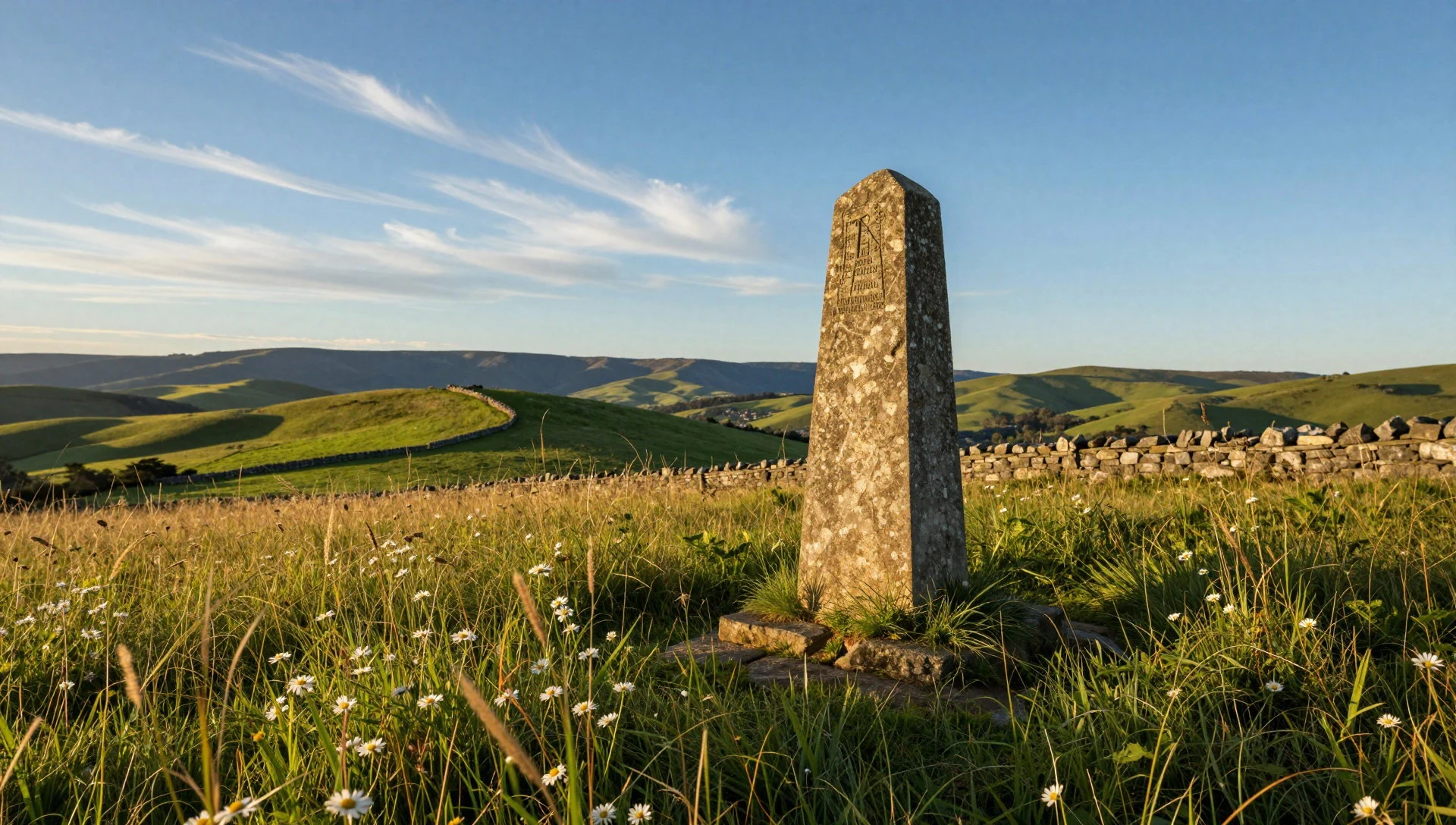
- Valley of a Thousand Hills
Situated between coastal Durban and the inland uplands, this scenic expanse features rolling green hills carved by winding rivers. Travellers visit traditional homesteads and cultural centres to learn about local heritage, observe craft demonstrations, and experience the distinctive rural customs preserved by communities living across the terrain.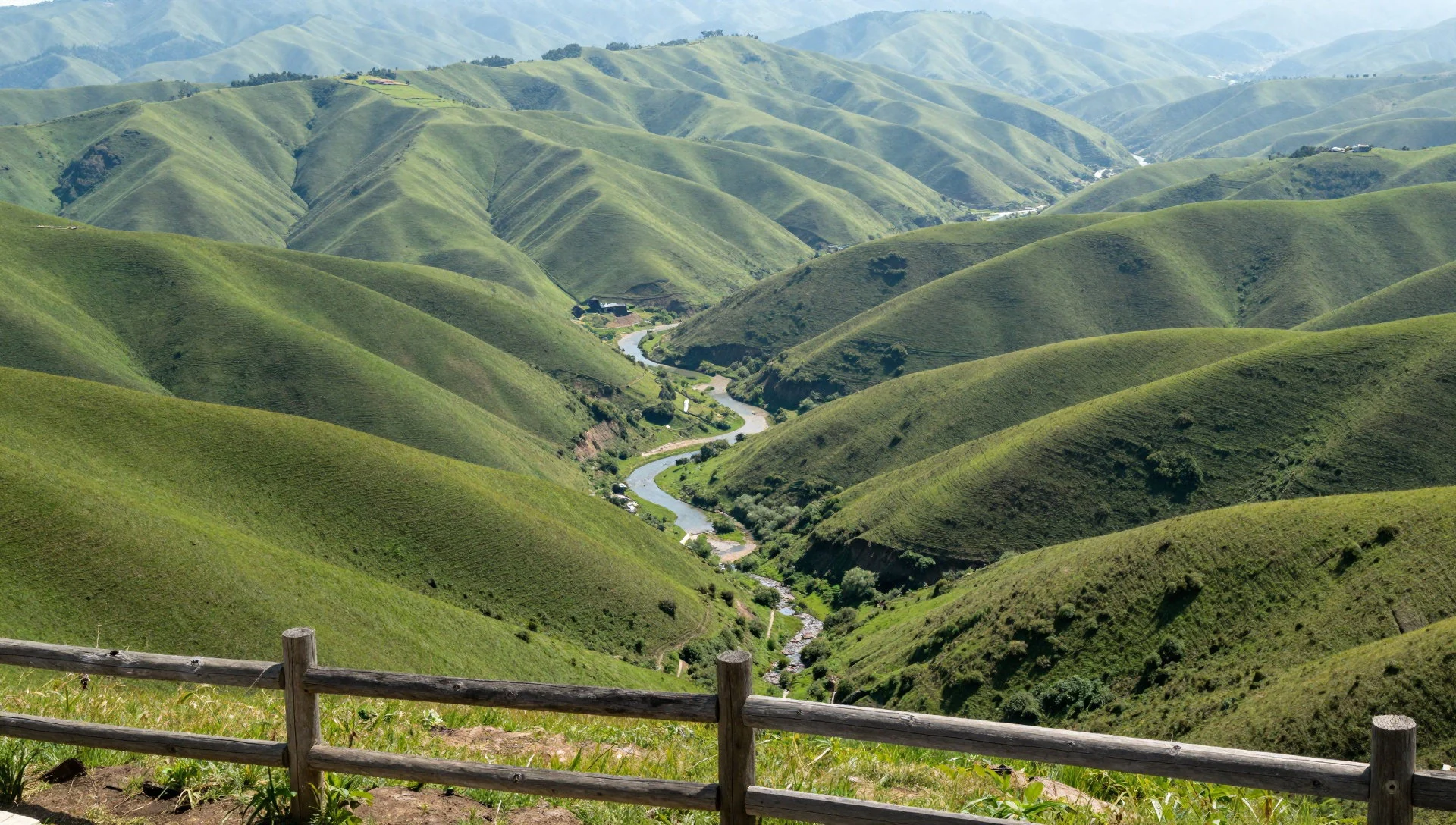
- Drakensberg Foothills
The lower slopes and river valleys surrounding the main escarpment offer gentler walks through shaded woods and pastoral fields. These accessible tracks provide rewarding views of towering peaks without requiring strenuous alpine climbs, making them ideal for casual observers and photographers seeking classic mountain scenery.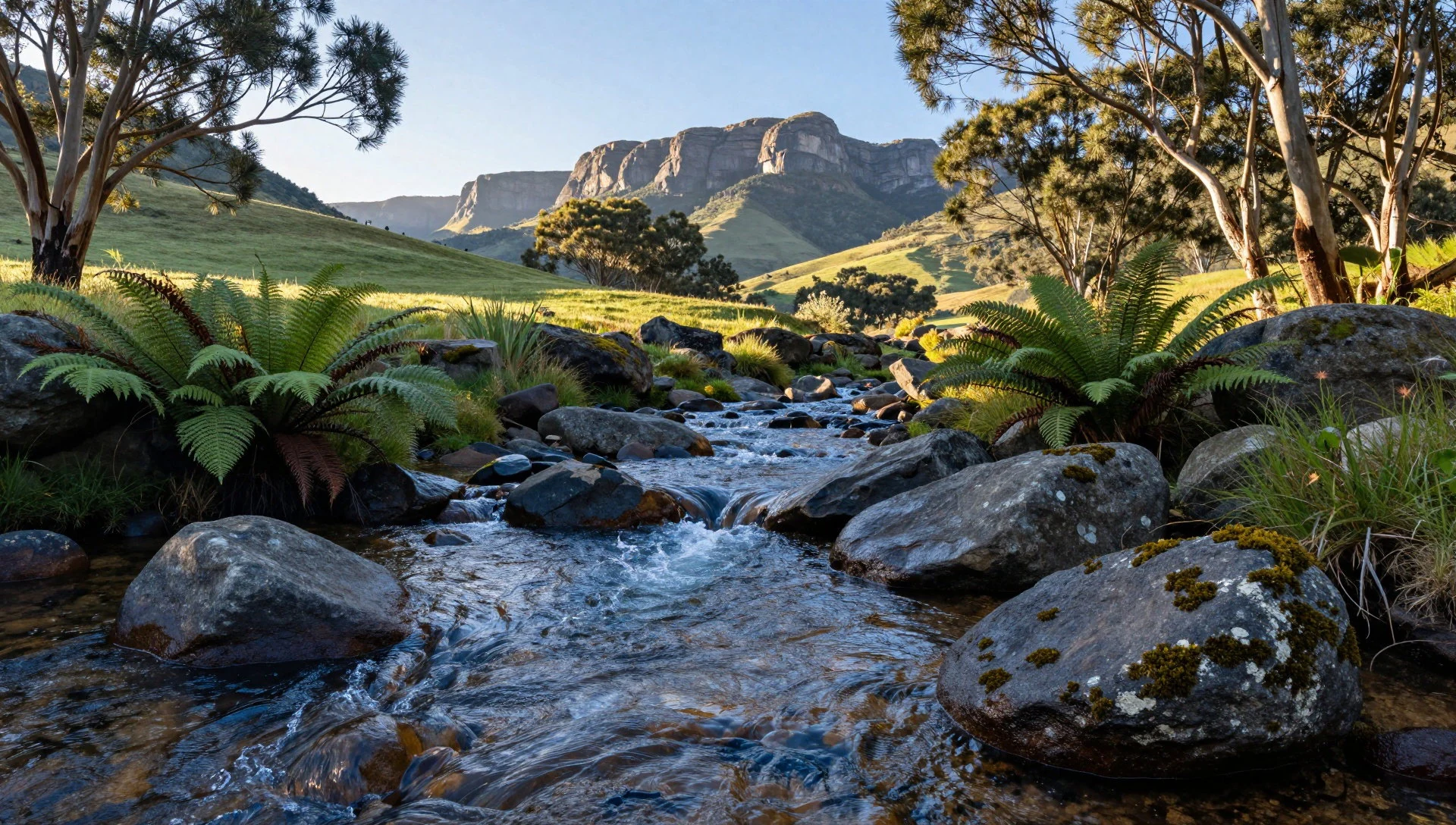
Culture
Tugela Falls and the wider KwaZulu-Natal province reflect a rich mosaic of traditions shaped by Zulu heritage and subsequent historical migrations. Traditional life places high value on community ties, ancestral respect, and pastoral stewardship, with cattle remaining central to customary ceremonies and social standing. Traditional attire incorporates woven beadwork, animal skins, and feathered headpieces worn during seasonal festivals and important gatherings. Music and dance play an essential role in daily expression, often featuring rhythmic drumming and energetic footwork that tell stories of past heroes and community milestones. Craftsmanship thrives in the region, particularly in pottery, basketry, and intricate bead patterns that convey specific messages through colour combinations. Visitors interacting with rural communities or attending cultural villages should approach local customs with genuine curiosity and respect. When photographing people or traditional ceremonies, always ask for permission first.
What to wear
Tugela Falls visitors should dress for rapidly changing mountain weather conditions where warm sunshine can turn to chilly wind or rain within hours. Traditional Zulu garments, historically crafted from tanned hides and embellished with intricate seed-bead ornaments, are reserved today for ceremonial occasions, weddings, and cultural festivals. Everyday wear across towns and cities in the province is casual and practical, consisting of denim jeans, cotton shirts, and comfortable footwear. For hiking around the escarpment, technical clothing layers work best: moisture-wicking base garments, an insulating fleece or wool mid-layer, and a waterproof windbreaker shell to counter high-altitude gusts. Sturdy, broken-in walking boots with good grip are essential for navigating rocky paths, loose gravel, and wet stones near riverbanks. Sun protection, including a wide-brimmed hat and UV-blocking sunglasses, is necessary due to the intense ultraviolet rays experienced at elevated altitudes.
What to eat
- Bunny Chow — Local cafes and eateries throughout KwaZulu-Natal towns
A signature regional dish originating from the local Indian community, consisting of a hollowed-out loaf of white bread filled with spicy mutton, bean, or chicken curry. It is traditionally eaten by hand, tearing off pieces of the gravy-soaked crust.
- Durban Indian Curry — Family-run restaurants in Durban and regional centres
Rich, aromatic curries prepared with fragrant spices, tomatoes, and tamarind, reflecting the strong heritage of Indian families who settled in the province. Sample these spiced dishes at traditional dining rooms across coastal and inland districts.
- Braai Meat — Rest camps, guesthouses, and outdoor butcher grills
South Africa's beloved social barbecue tradition, featuring locally sourced boerewors sausage, lamb chops, and marinated steaks grilled over open wood coals. It is typically served outdoors with pap, a stiff maize porridge. - Biltong — Local butcher shops and roadside convenience stores
Cured and air-dried strips of beef or game seasoned with coriander, salt, pepper, and vinegar, offering a savoury, protein-rich snack ideal for carrying along hiking trails and long road journeys. - Potjiekos — Country lodges and traditional Sunday markets
A traditional slow-cooked stew prepared in a round cast-iron pot over an open fire, layering meat, potatoes, and vegetables with aromatic herbs without stirring until tender.
Plan it
Best time. February offers higher seasonal rainfall that swells the waterfall flow, while March to April and October to November provide pleasant mild weather for hiking.
How long. 2–3
Getting there. Fly into King Shaka International Airport near Durban, rent a car, and drive inland toward the Drakensberg and Royal Natal National Park via well-maintained national routes.
Budget. mid
Tips
- Check weather forecasts constantly before attempting high mountain hikes.
- Carry cash for small park fees, rural markets, and tipping.
- Keep your rental car locked and avoid leaving valuables visible on seats.
- Start morning walks early to catch clear views before afternoon clouds gather.
Etiquette
- Always ask permission before photographing local residents or traditional ceremonies.
- Pack out all litter when hiking to preserve the pristine mountain environment.
Nearby
Sources
- Wikidata Q223649 (CC0)
- Wikipedia (CC BY-SA 4.0)
- Wikivoyage (CC BY-SA 4.0)
- Photo 01 (CC BY-SA 4.0)
- Photo 02 (CC BY-SA 4.0)

