Trinity Stave Church
Trinity Stave Church, Norway
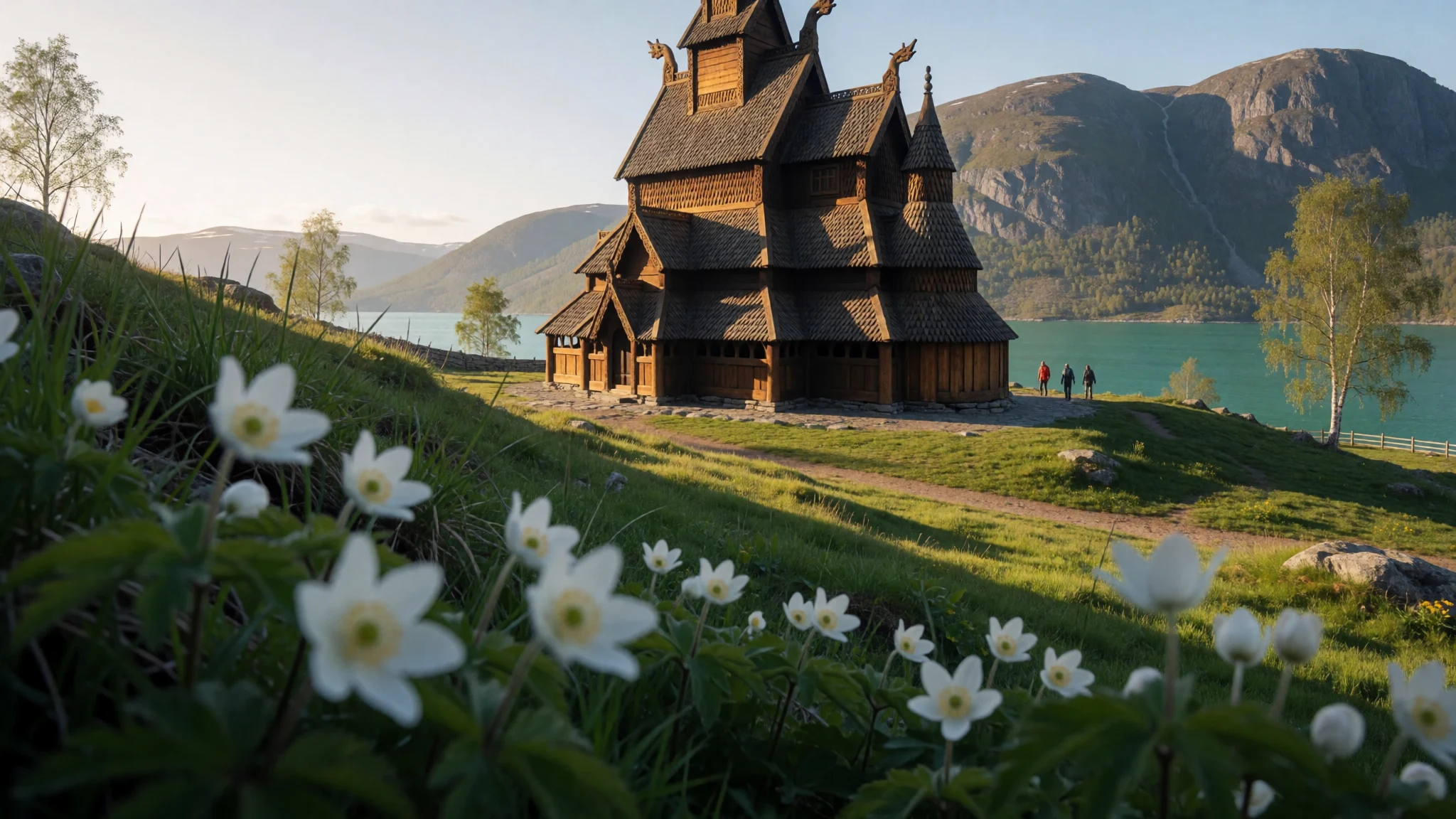
Urnes Stave Church reads like a piece of living history: Viking-era carving, Christian worship, and a fjord-side setting in one small wooden building.
The place
Trinity Stave Church is better known as Urnes Stave Church (Urnes stavkyrkje), a wooden church building in Ornes on the eastern side of the Lustrafjorden fjord in Norway’s Luster Municipality, Vestland. The spot matters: the church sits across the water from the village of Solvorn, and it feels tucked into the fjord landscape rather than dropped into it.
What makes Urnes feel so specific is how the building blends worlds. The layout follows a long church basilica plan, with cylindrical columns and semi-circular arches inside, which gives the interior a rhythmic, procession-like feel. Outside and on key interior details, the decoration connects the building to Viking visual culture—especially the way carving motifs relate to older myths and then shift towards a Christian context.
Urnes is also tightly tied to preservation. The church has been owned by Fortidsminneforeningen since the late nineteenth century, and it was later brought into the UNESCO World Heritage spotlight. In practice, that reputation is part of the experience: even in quieter seasons, there can be a steady trickle of visitors because this is one of the easiest “big culture” stops to make on a fjord route.
Expect a calm, fjord-air visit: wooden textures, carved portals, and that sense of being on the edge of a wild coastline, with weather able to change quickly over the water. Plan for moving slowly and leaving time for the view before and after the church.
Its story
Urnes Stave Church’s story isn’t just about a single build—it’s about layers of meaning held in timber. The church sits in a fjord-side settlement landscape where the surrounding region is shaped by mountains, glaciers, and narrow communities along the water. That setting helps explain why stave churches feel both crafted and practical: timber construction suits a place where wood is the material you can work with, and where buildings have to endure.
At Urnes, the details do the talking. The church was designed on a medieval Christian long church basilica plan, and that structure carries through to the interior columns and arches. Then, look at the decoration: the carvings on capitals and at the north portal connect to older visual traditions—motifs derived from Norwegian mythology—while also signalling the shift towards Christianity. It’s not “Viking vs Christian” as a clean divide; it’s transformation and assimilation, carved into the building’s surfaces.
Ownership and protection add another layer. Since the late nineteenth century, Fortidsminneforeningen has looked after the church, and that stewardship is part of why Urnes still reads clearly today as a coherent wooden work rather than a ruined relic. The UNESCO listing later amplified its global profile, which in turn affects what you’ll notice as a visitor: you’re not alone, but the building still manages to feel intimate, with the most impressive moments often happening as you pause close to the portal and the column carvings.
What to see
- Urnes Stave Church (Urnes stavkyrkje) — Ornes, Luster Municipality
Urnes Stave Church is the main event at the fjord edge, with a long church basilica layout, cylindrical columns, semi-circular arches, and carved details that link older myth imagery to Christian themes.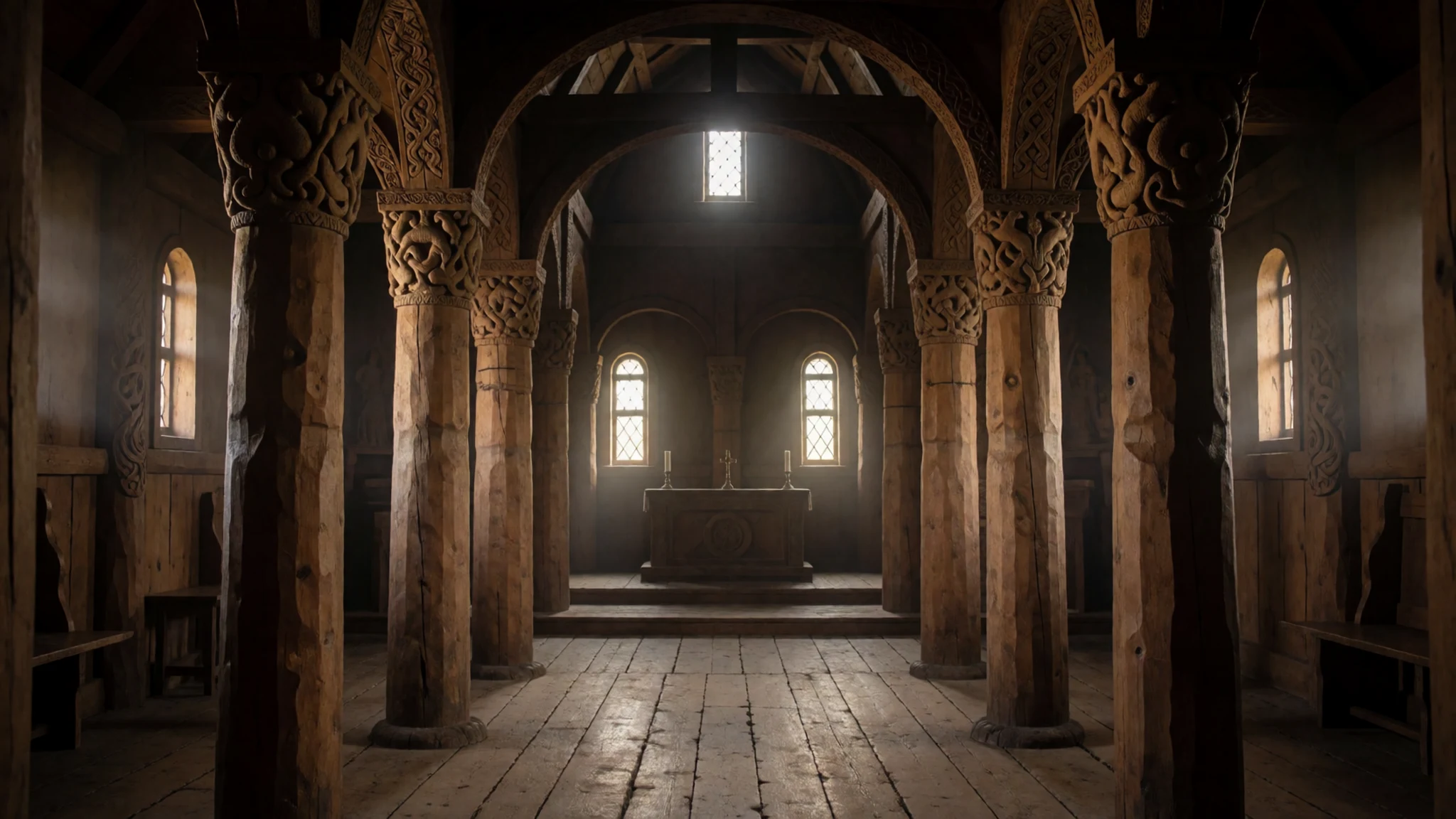
- Sognefjord & Lustrafjorden viewpoints — Lustrafjorden waterfront near Ornes
Urnes Stave Church is set on the eastern side of the Lustrafjorden arm of the Sognefjord. The view across the fjord helps you understand the church’s isolation, weather, and how the landscape frames the building’s wooden silhouette.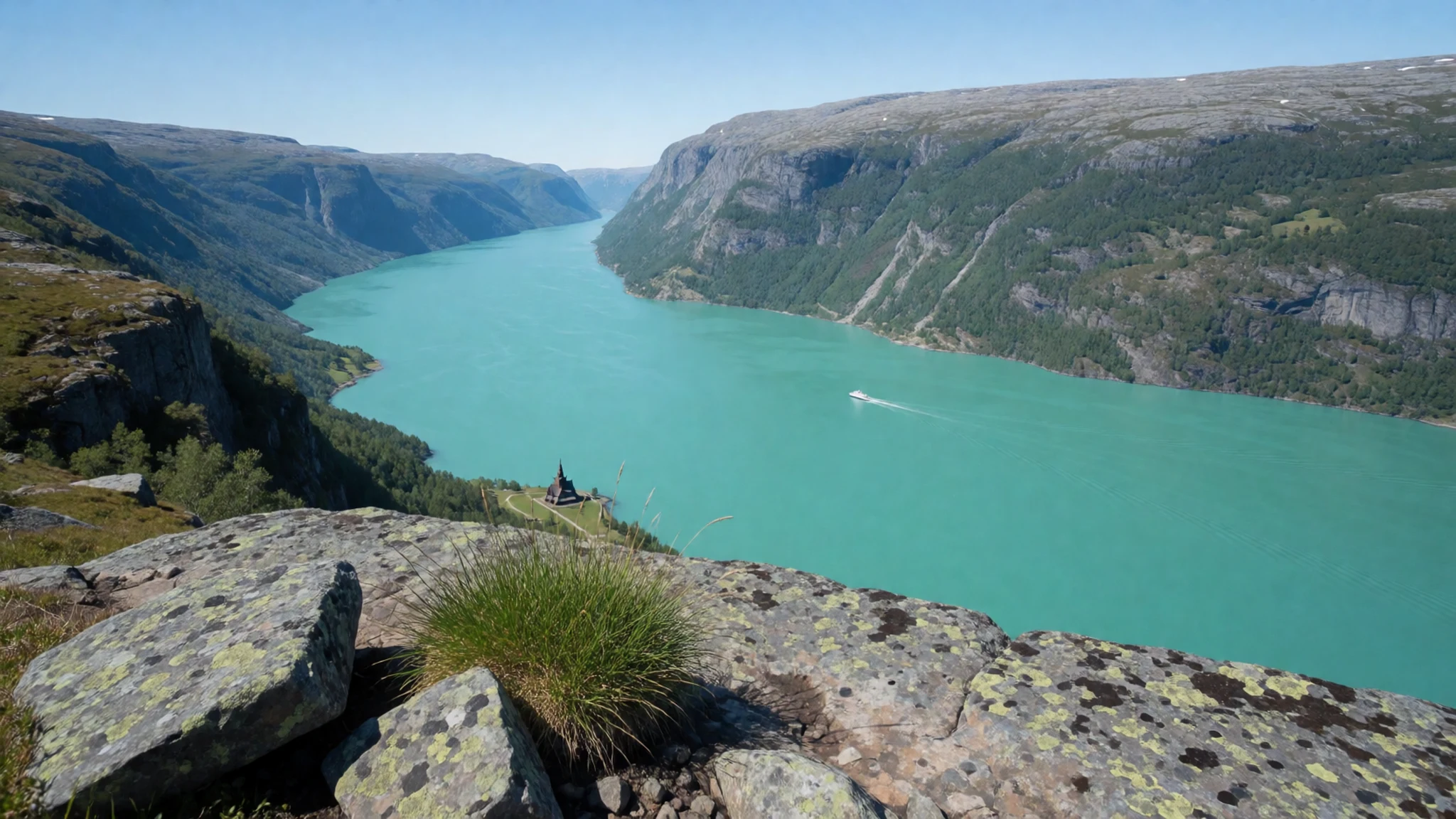
- Feigumfossen waterfall — Along FV331 near the fjord
Feigumfossen is a tall waterfall that you can see from the FV331 route. There’s also a path that brings you closer so you can feel the spray and hear the water properly rather than spotting it only from the road.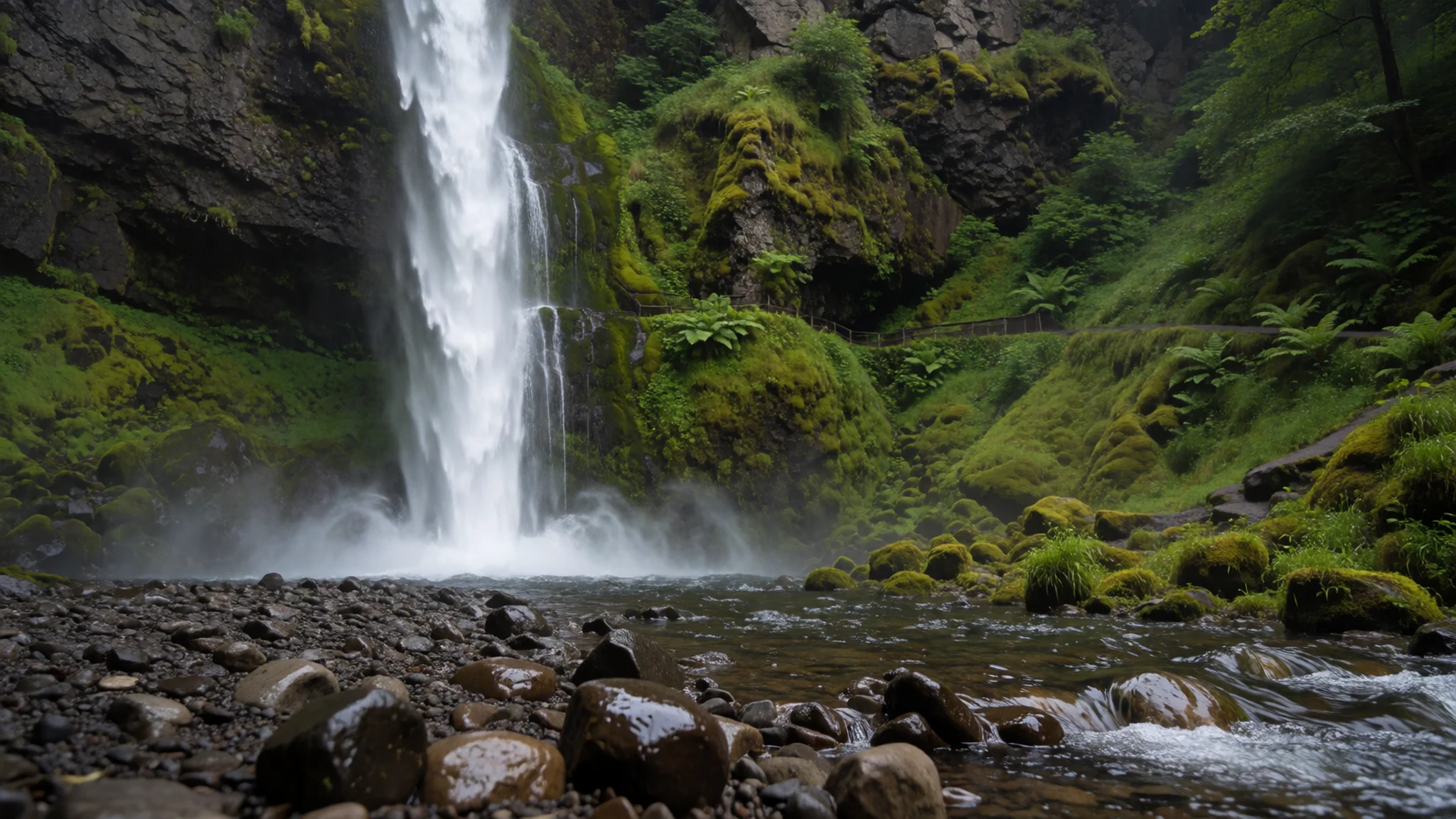
- Nigardsbreen glacier arm — Jostedalsbreen area near Luster
Nigardsbreen is an arm of the great Jostedalsbreen glacier. It’s the kind of scene where you should stick to viewing distances, respect fences and signs, and follow safe guidance—especially if you’re tempted to get nearer.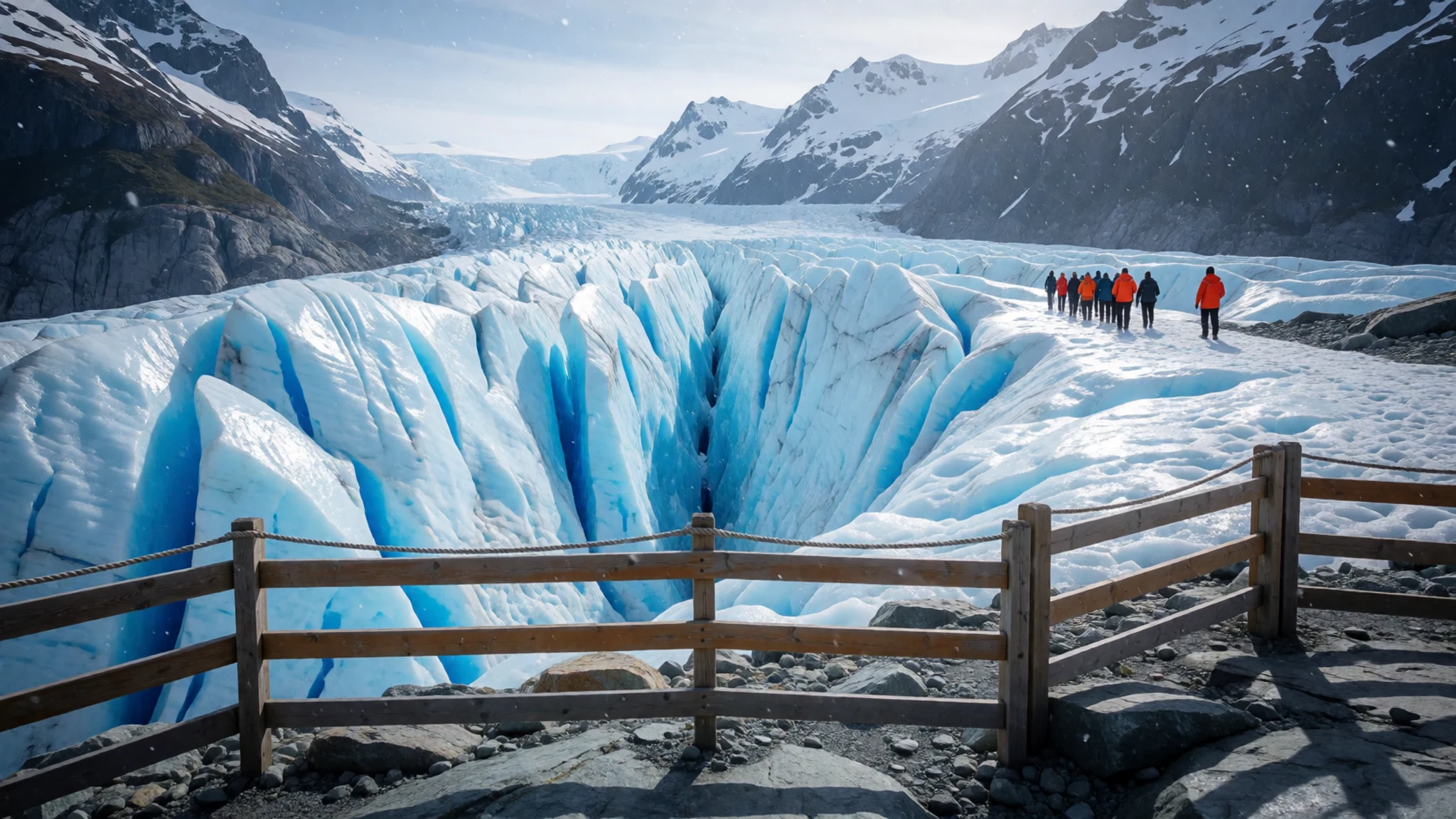
Culture
Urnes Stave Church sits in a landscape where travel is part road, part fjord, and part “take your time”. The cultural rhythm here is about slowing down: the church is small, so the best moments come when people step back to let you actually look at the carved capitals and the portal details without constant jostling.
Because Urnes is on the UNESCO World Heritage list, it also draws visitors who come specifically for the stave-church story. That can mean queues at the busiest points of the day, and a certain “look, photograph, move on” flow that flattens the experience if everyone rushes. A better way is to treat the church like a craft you’re reading: first get the overall shape, then move in for the carving lines and joinery, and finally step back to re-place it against the fjord.
Weather matters culturally here too. In western Norway, light can shift fast, and damp air can change how the wood and carvings look. Plan your time so you’re not only chasing the perfect photo—use the quiet gaps for close observation.
Visitor etiquette: keep your voice low inside, avoid blocking sightlines near the portal carvings, and follow any rules on where you can stand or photograph.
What to wear
Urnes Stave Church is an outdoor wooden church visit, and weather in western Norway can be changeable even in nicer months. Traditional “stave church” clothing isn’t a thing here for visitors, but modesty and respect are still the vibe: choose clothes that cover shoulders and keep hems sensible as you move between paths.
For the traditional textiles context, the stave-church world is tied to Norway’s carved timber heritage and to the wider Viking-to-Christian cultural shift, but visitors today mainly wear practical Scandinavian layers. In the current day, you’ll mostly see locals and travellers in rain-resistant jackets, warm fleeces, and comfortable walking shoes—because fjord trips often involve wet ground, uneven surfaces, and quick temperature drops near the water.
For what to wear: bring a waterproof layer, warm mid-layer, and gloves if it’s breezy. Footwear should have grip for damp paths. If you’re visiting when the light is bright, sunglasses help, but don’t rely on them in cloudy fjord weather—pack a hat or hood. You don’t need formal attire; you do need to be comfortable enough to pause and look closely at the woodwork.
What to eat
- Warm fjord-tavern meals — Fjord villages around Lustrafjorden
For a practical, warming stop, look for fjord-side cafés or eateries serving simple comfort plates after the church and viewpoint walk. The focus is usually on hearty, filling meals rather than anything fancy.
- Fjords and bread-based lunches — Local cafés in Luster (Lustrafjorden area)
A reliable lunch format around Luster is a bread-and-soup or sandwich-style meal served in local cafés, great for refuelling before you drive the scenic stretches between viewpoints and church stops.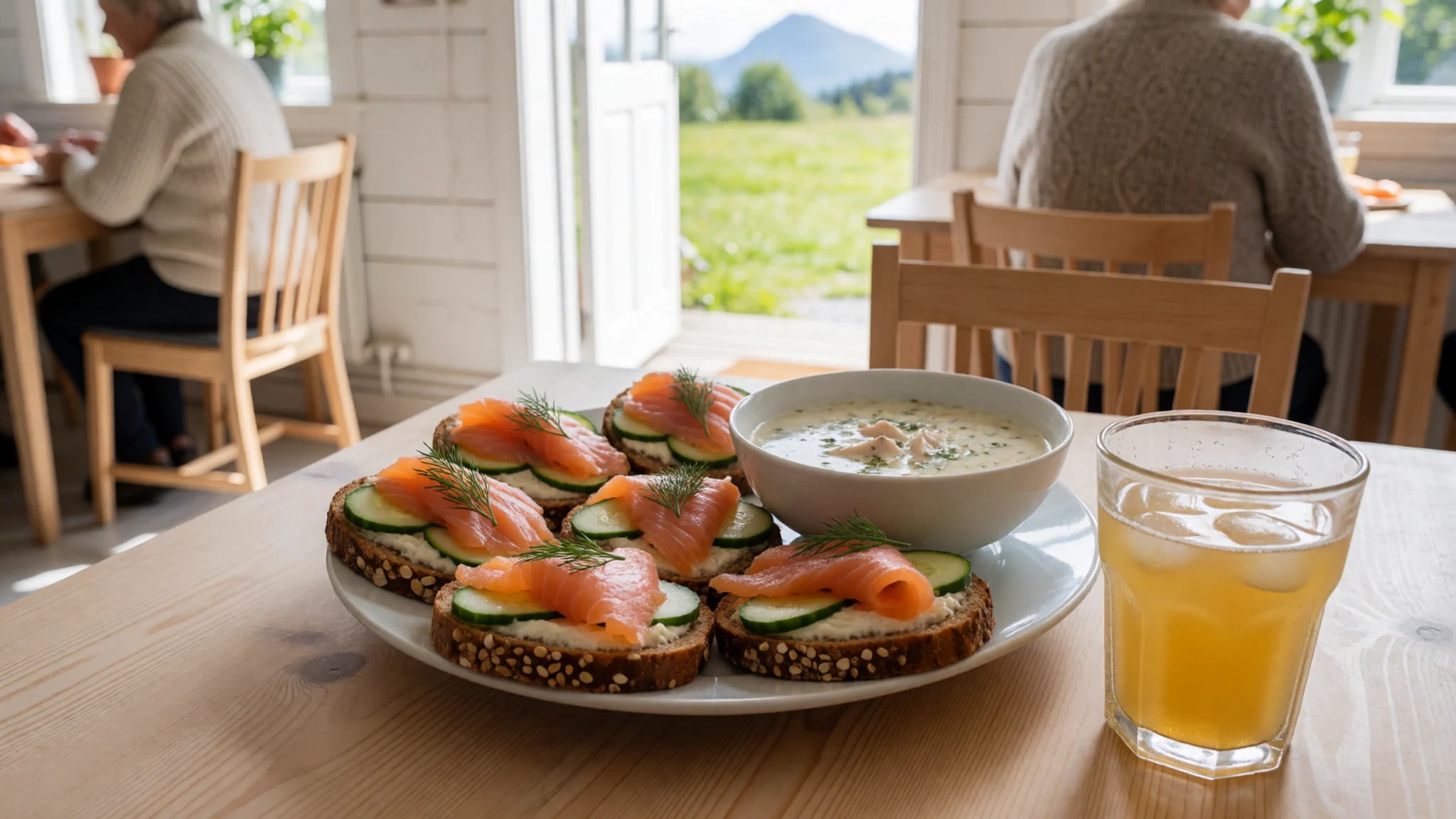
- Fjord fish and warming plates — Restaurants around Lustrafjorden (look for menu fish specials)
Try fish-centred plates when you can find them on menus in the Luster area. It’s often served with warm sides and sauces designed for cool coastal weather—exact preparation varies by place and season. - Scenic-road bakery snacks — Along the main fjord routes linking villages in Luster
On long scenic drives, grab a snack from bakery-style spots when available—think pastries and warm drinks to keep energy up. It’s especially helpful when weather changes and you need a flexible schedule.
Plan it
Best time. March–April and October–November for comfortable visiting when days are more bearable for walking and photo stops; April can feel brisk, and October–November can be raw by the water.
How long. 2–3
Getting there. Fly into Bergen, then continue to Luster by road; from there, local access is by car or bus via the regional routes. If you’re travelling from within Norway, plan for mountain-pass driving depending on season.
Budget. mid
Tips
- Start at Urnes Stave Church earlier in the day to avoid the heaviest visitor flow at the portal and carvings.
- Bring a waterproof layer and non-slip footwear—the fjord edges can be damp even when it looks fine.
- Build in time for the view across the Lustrafjorden before and after the church visit.
- Use safe-distance rules for glacier and waterfall viewpoints; avoid straying beyond fences or signs.
- Carry some cash for small places along the route, but use cards when larger cafés and restaurants accept them.
Etiquette
- Stay quiet inside and don’t block access to carved details at the north portal and column areas.
- Follow any rules about where you can stand for photos; keep clear of floor edges and entrances.
- On scenic drives and pull-ins, don’t park in a way that obstructs buses or emergency access.
Nearby
Sources
- Wikidata Q210678 (CC0)
- Wikipedia (rev 1380058252) — Urnes Stave Church (CC BY-SA 4.0)
- Wikivoyage (rev 5409927) — Luster (CC BY-SA 4.0)
- Photo photos/01-2023-07-04-stabkirche-urnes-6781.jpg (CC BY-SA 4.0)
- Photo photos/02-urnes-stave-church-1.jpg (CC BY 2.5)
- Photo photos/03-sognefjord.png (CC BY 3.0)
- Photo photos/04-urnes-kirkested.jpg (CC BY-SA 4.0)
- Photo photos/05-carvings-in-north-wall-portal-urnes-stave-church-3.jpg (CC BY-SA 4.0)
- Photo photos/06-urnes-stave-church-2.jpg (CC BY-SA 2.0)
- Photo photos/07-urnes-stave-church-107982.jpg (CC BY-SA 3.0 igo)
- Photo photos/08-urnes-stave-church-107972.jpg (CC BY-SA 3.0 igo)


