Trincomalee
Trincomalee, Sri Lanka
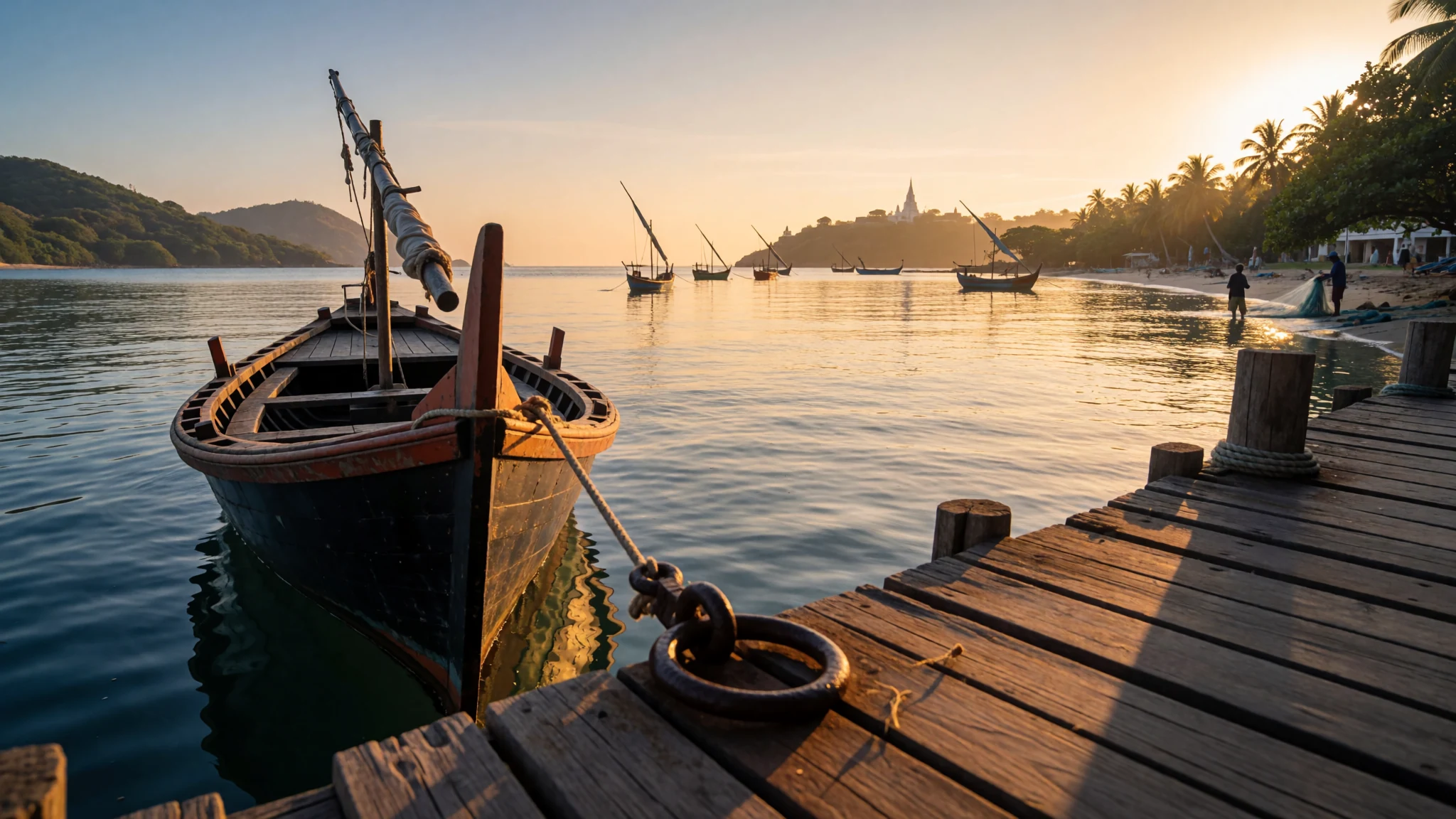
Trincomalee is a deep-harbour town on Sri Lanka's east coast, known for a headland Hindu temple and quiet beaches.
The place
Trincomalee sits on a peninsula on Sri Lanka's east coast, and the peninsula splits the harbour into an inner and an outer basin. It is the headquarters of Trincomalee District and the main resort port of the Eastern Province. The town has a population of a little under 100,000 and sits barely eight metres above the sea, so the roads run flat from the water to the bus station and clock tower.
The name the town is known by in Tamil, Thirukonamalai, comes from the Koneswaram temple on the headland, which has been the spiritual centre of the place for a very long time. Older texts use the Sanskrit name Gokarna. Tamil remains the main language of the older quarters. Around the harbour stand the Bhadrakali Amman temple, the Hindu Cultural Hall and the Hindu College, which opened in the late nineteenth century. The railway station is here too, along with the ferry that links the town to Jaffna and to Muttur on the far side of the harbour.
Most visitors come for the beaches. Uppuveli, a short drive north, is the busiest, with guesthouses and restaurants clustered along Sarvodaya Road. Nilaveli, further up the coast, is quieter and more village-like. Expect heat and humidity for most of the year: the dry season runs from April through September, and the monsoon brings heavy rain from October.
Its story
Trincomalee owes its existence to its harbour. The water is deep enough for large ships to lie close to shore, and seafarers, traders and pilgrims have arrived here from the Middle East, Africa, China and beyond for a very long time. The earliest inscriptions found in the town are in Tamil, and the settlement that grew around the port was one of the oldest on the island.
The Swami Rock promontory, around which the town curves, has held Hindu shrines for centuries. A stone inscription from the Chola period, found near the place where the first temple stood, records work on a sluice connected with Koneswaram. Ancient texts and archaeological finds use the name Gokarna, and the Tamil name Thirukonamalai took hold in the same tradition. Over time the headland also held a Buddhist vihara and a Catholic church, added after successive invasions. A figure descended from an Anuradhapura royal line oversaw the renovation of the temples and settled families to maintain them.
Colonial powers then fought over the port. The Portuguese took control after conquering the Jaffna kingdom and turned the harbour into a fortified town. Denmark, the Netherlands and France each held it at different points, with the French gaining it after a battle in the American Revolutionary War. The British took the port and eventually absorbed it into the wider Ceylon state. Fort Fredrick on its northern peninsula still survives, and the town's buildings show a blend of local and European design.
What to see
- Koneswaram Temple — Swami Rock headland, Trincomalee town
Koneswaram Temple stands on the Swami Rock headland and is the most important Hindu shrine in town. Its colours are vivid, and the setting above the sea gives the approach a strong sense of place. The first temple on the site was built in ancient times and later destroyed; the buildings visible today were largely rebuilt in the twentieth century. Shoes come off before the sanctum, and early morning is the calmest time to visit.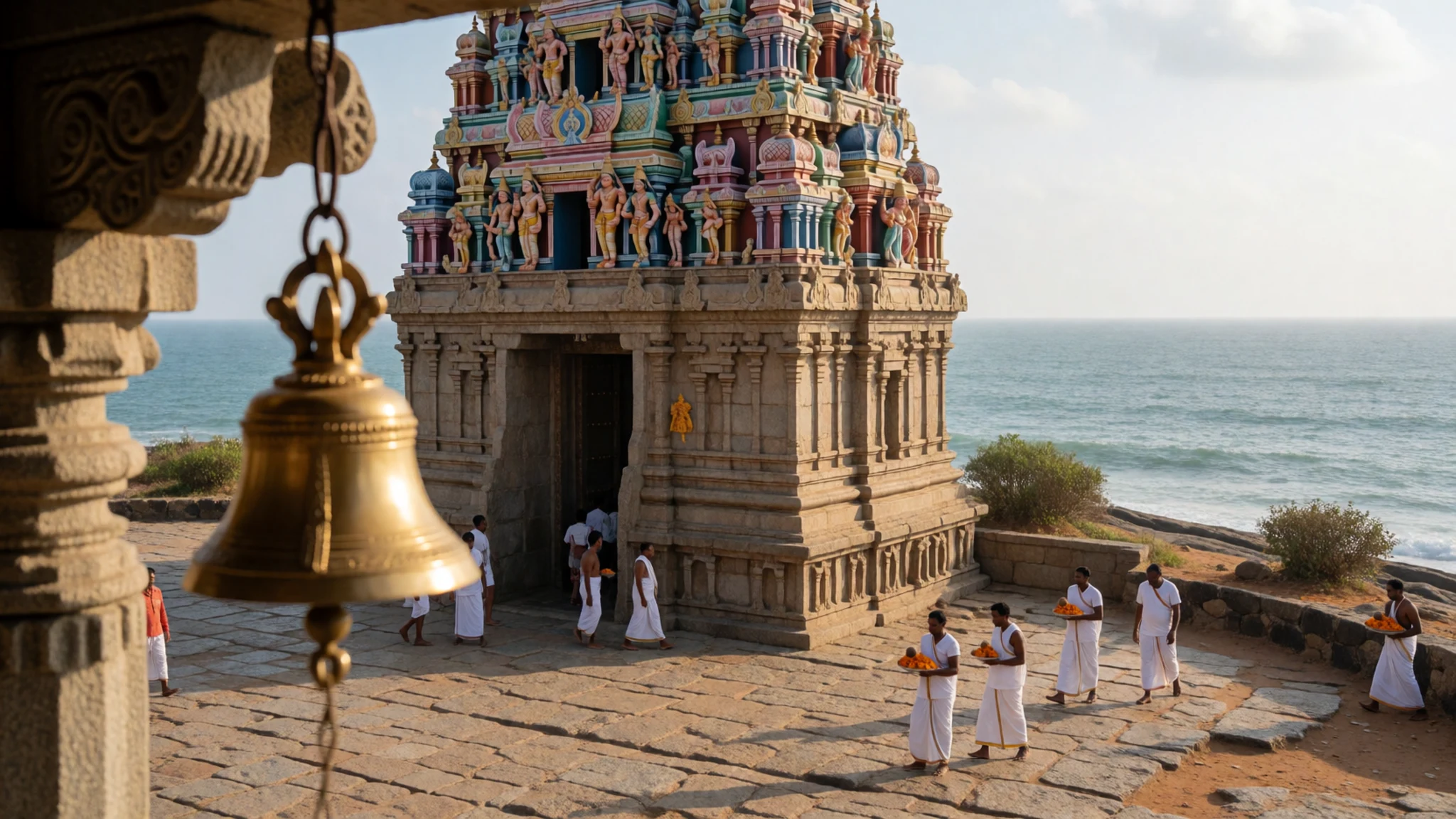
- Fort Fredrick — peninsula north-east of the town centre
Fort Fredrick is an old Dutch fort on a peninsula north-east of the town centre. Its history is a long run of battles, with the Portuguese and later European powers all involved at different times. Walls, gateways and views across the harbour mouth make it a rewarding late-afternoon walk. The site is still used by the armed forces, so photograph military installations with care.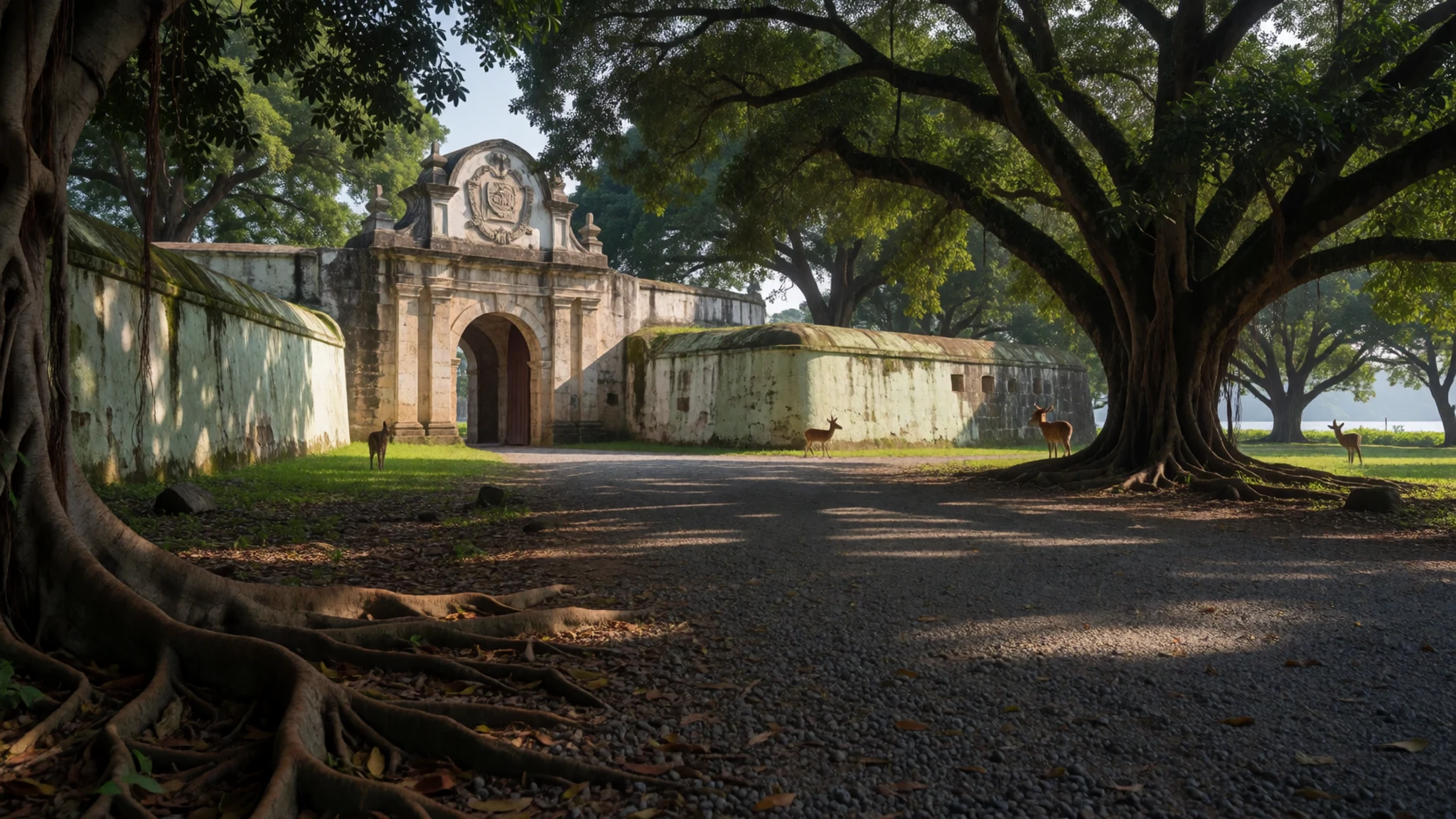
- Salli Muthumariamman Kovil — harbour side of Trincomalee town
This Hindu kovil sits on the harbour side of town and offers a good view over Trincomalee and the fishing boats drawn up in front of it. It matters to local Hindus, who come to pray and to join festivals through the year. Because it is an active place of worship, visitors should keep voices low and dress modestly. Remove shoes at the threshold, as at any kovil, and ask before photographing people at prayer.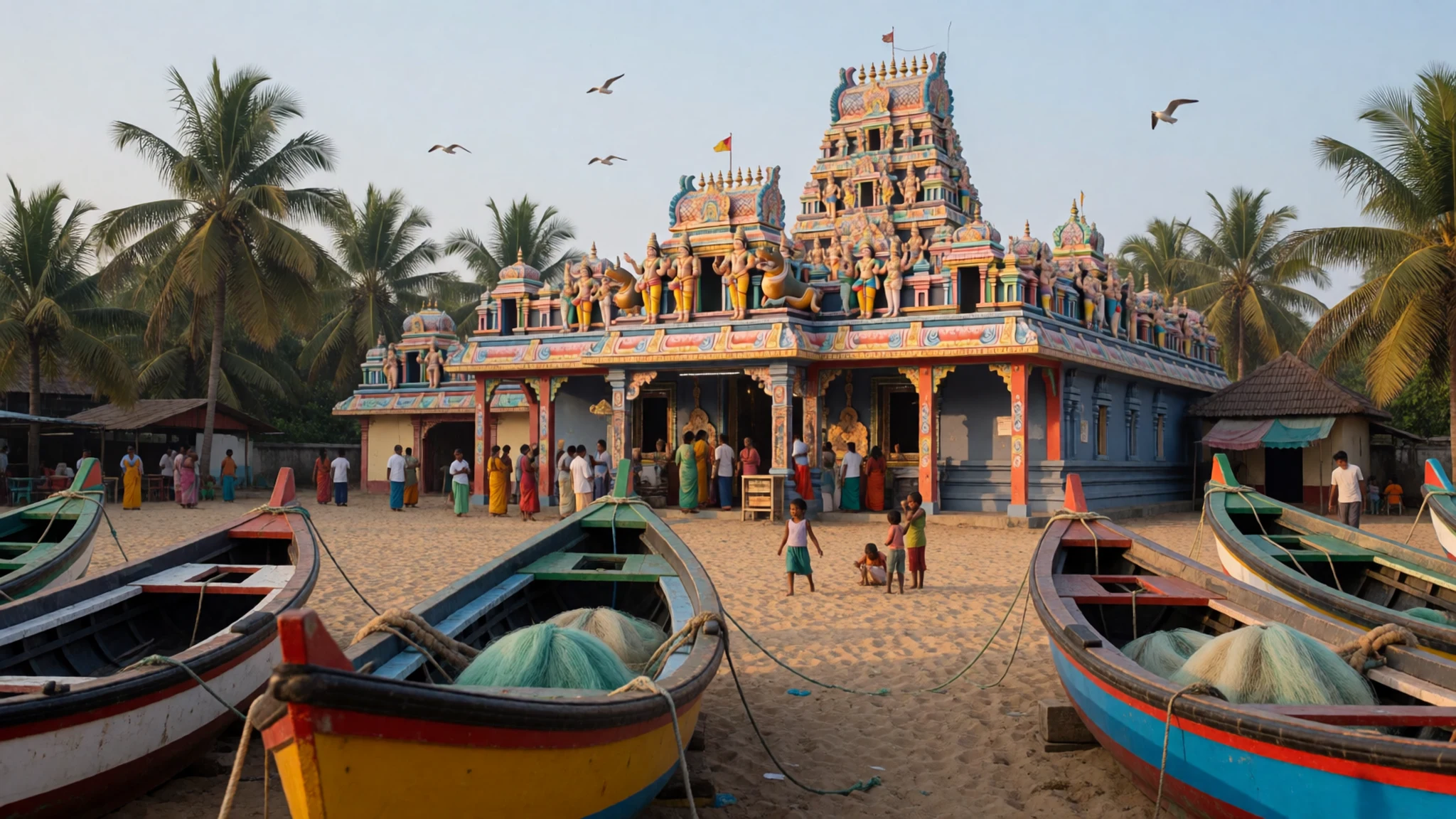
- Uppuveli Beach — Uppuveli, north of Trincomalee town
Uppuveli beach lies a short drive north of the town and is where most of the beach life happens. Restaurants and guesthouses cluster around Sarvodaya Road, and the sand carries litter in places, though the stretch around the bar known as Fernando's is usually the cleanest. Eating here often costs more than in the town centre. Early evening is the nicest time for a stroll, once the heat drops.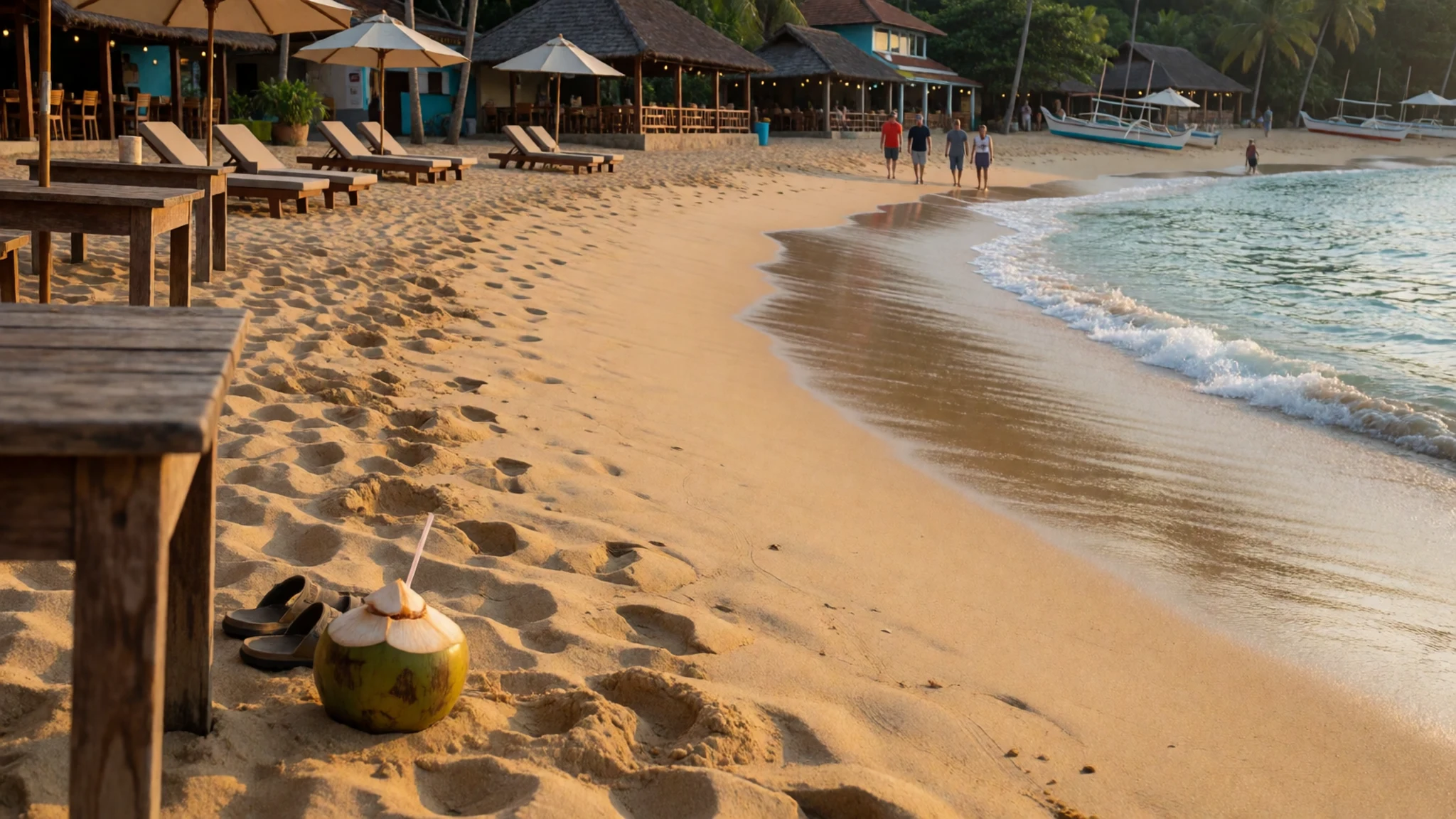
- Nilaveli Beach — Nilaveli, north of Trincomalee town
Nilaveli is a sleepy village on the coast a short drive north of Trincomalee town. Its beach feels remote and unhurried, and it lies near Pigeon Island National Park. Conditions change with the seasons, so ask locally about the sea before swimming. The village has few facilities, so bring water, sun cover and any cash you need.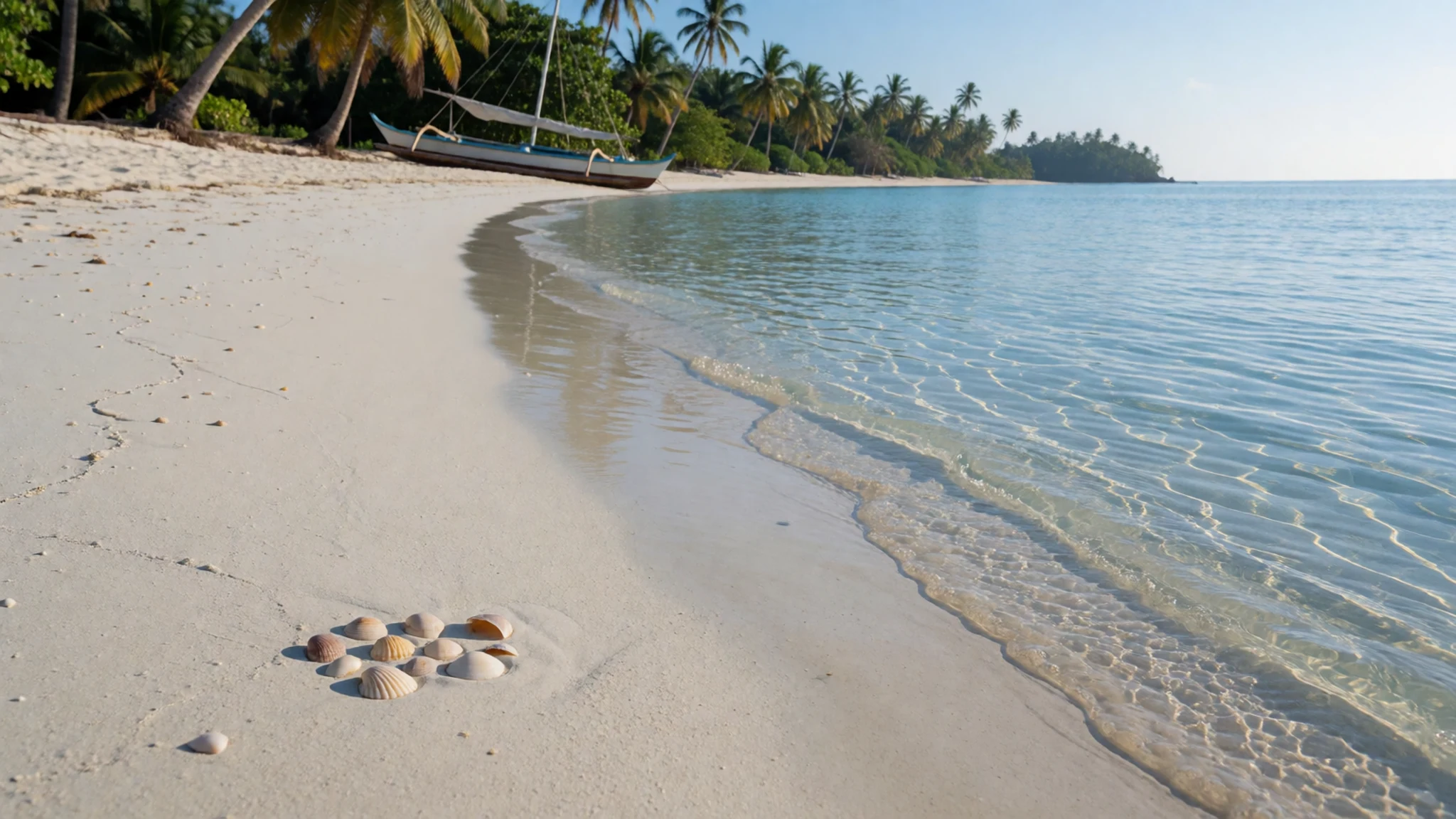
- Commonwealth War Cemetery — north of the town centre
The Commonwealth War Cemetery holds the graves of several hundred Allied soldiers and sailors who died in Trincomalee during the Second World War. A donation is asked for at the entrance. It is a quiet, well-kept place to pause, and it gives a sense of the harbour's role in the war. Keep to the paths and dress respectfully, as at any memorial.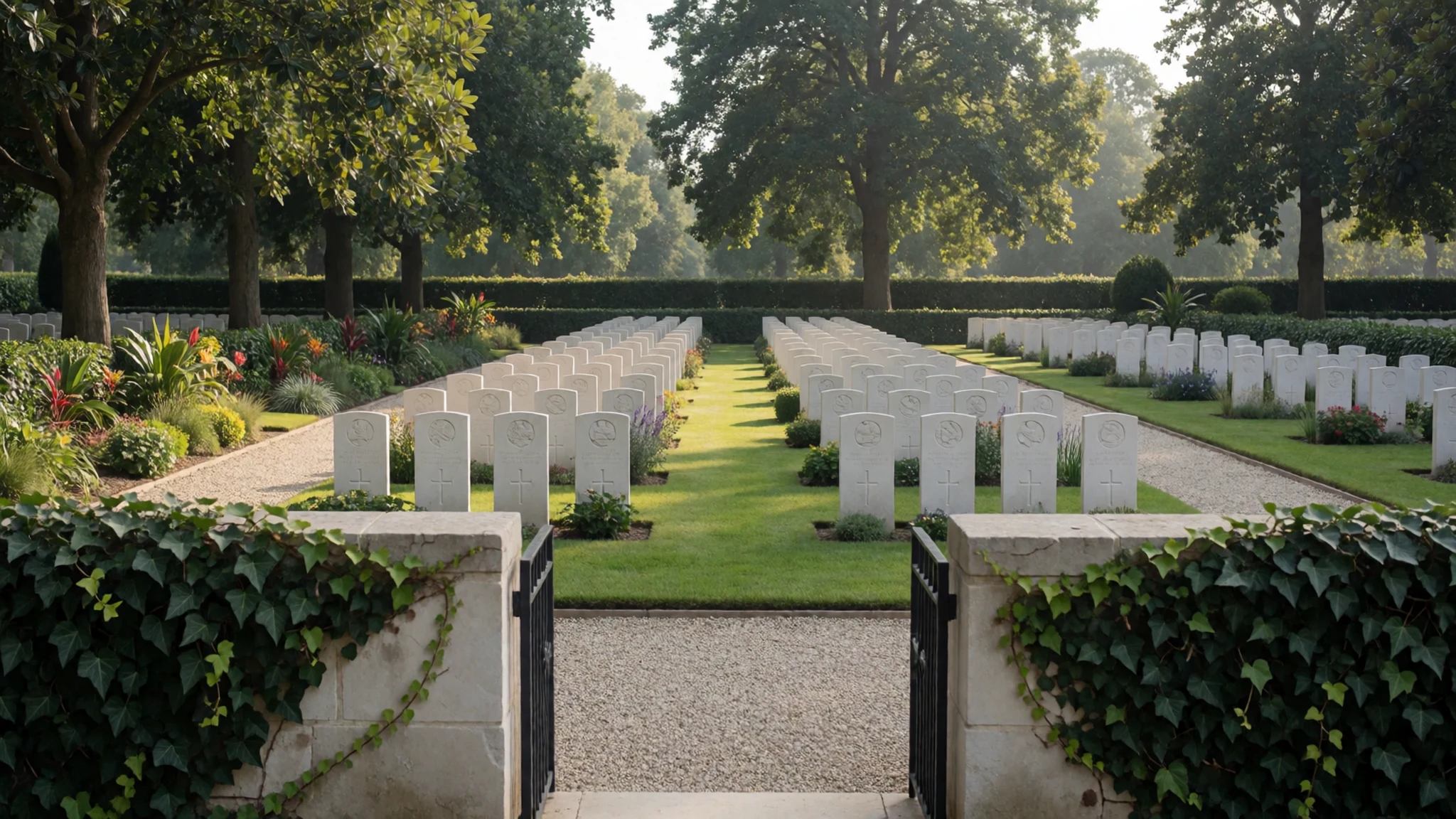
Culture
Trincomalee is a place where Hindu worship shapes much of daily life in the old quarters, and the headland carries a layered history of Buddhist and Christian presence too. Tamil is the main language of the older parts of town, and many people also speak Sinhala and English. Hindu temples such as Koneswaram and the kovils around the harbour are working places of worship, so expect priests, offerings and daily prayer. Festivals bring processions through the streets, in which men carry images of the gods, sometimes bare-chested. Hospitality is warm, and conversations with shopkeepers and guesthouse owners come easily, though a restrained manner in public is appreciated. Remove your shoes at every temple door, cover your shoulders and knees, and ask before photographing anyone at prayer.
What to wear
Traditional dress here follows Tamil custom. Women wear the sari, usually in cotton for everyday use and in silk for weddings and festivals. Men wear a white cloth wrapped at the waist, the verti or veshti, which is the dress most often seen at temples. Handloom cotton is common in the markets, and bright borders mark the more formal pieces. Men taking part in processions may go bare-chested, a practice tied to certain festivals rather than to everyday fashion.
Day to day, people dress in a mix of western clothing and local styles. Shirts, trousers and jeans are common in town, schoolchildren wear uniforms, and many women wear salwar kameez or simple cotton dresses. Men at home often wear the sarong, known as the lungi.
For a visitor, the sensible choice is loose, light cotton that covers shoulders and knees, especially at temples and in villages. Carry a light scarf for shrines. Wear sandals that come off easily for temples, and closed shoes or sturdy trainers for the rocky steps up the headland. Sand can be hot underfoot, so flat shoes with a good grip suit the beach walks. Swimwear belongs on the beach, not in town.
What to eat
- Rice and curry — rice-and-curry restaurants around the bus station and clock tower
A plate of rice with several small curries, usually dhal, vegetables and fish or chicken, plus a spoonful of sambol. Portions are generous, and menus are usually in English. Pick a place where the curries are cooked fresh that morning, and ask for the spice level you prefer.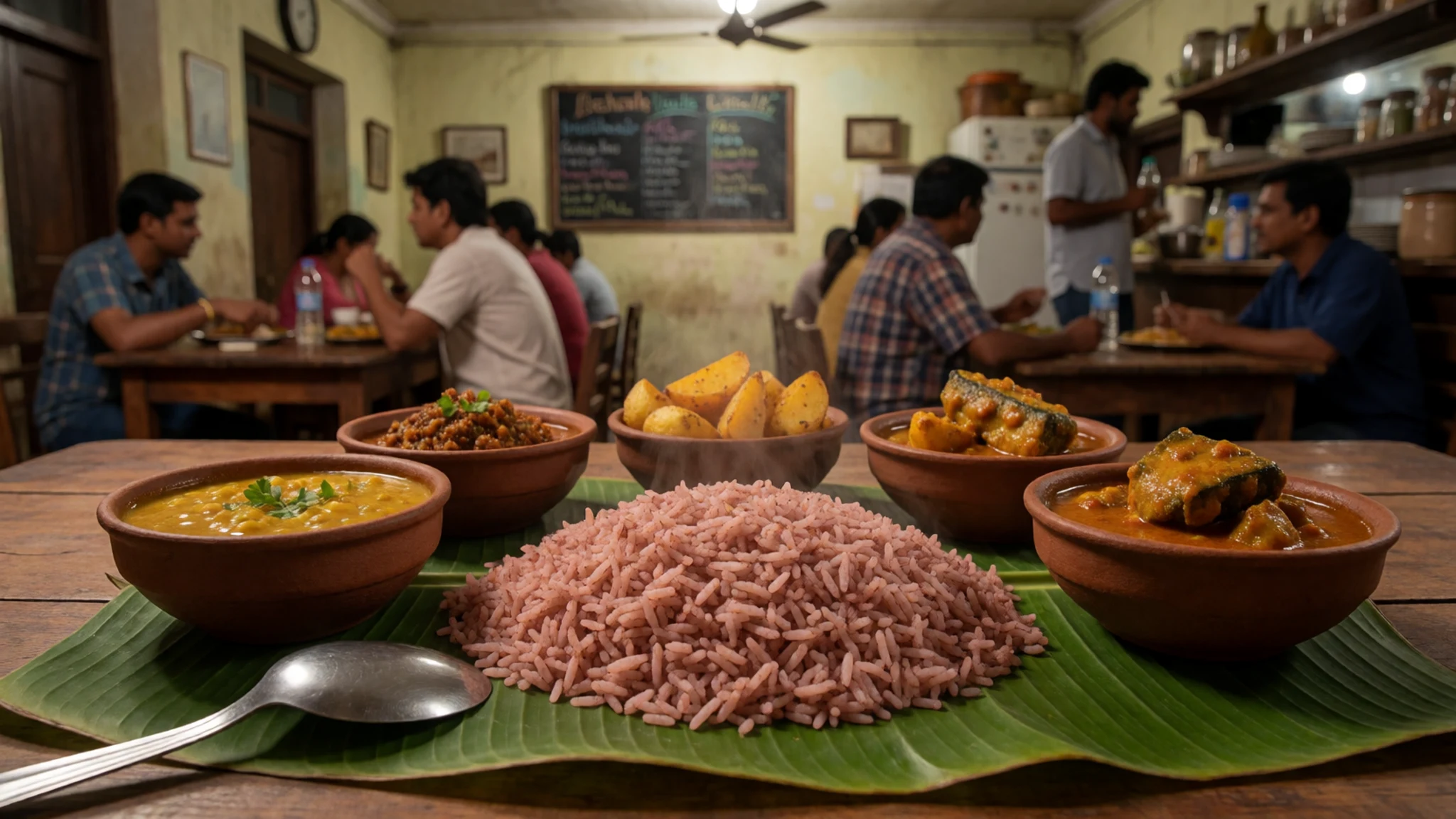
- Roti and street snacks — street stalls around the bus station and along Dutch Bay
Flatbread rolled around fillings, with nuts and fried snacks sold from carts and small stalls. It is cheap and quick, and works well as an early breakfast or a snack between temple visits. Stalls change through the day, so the late afternoon crowd is often the liveliest.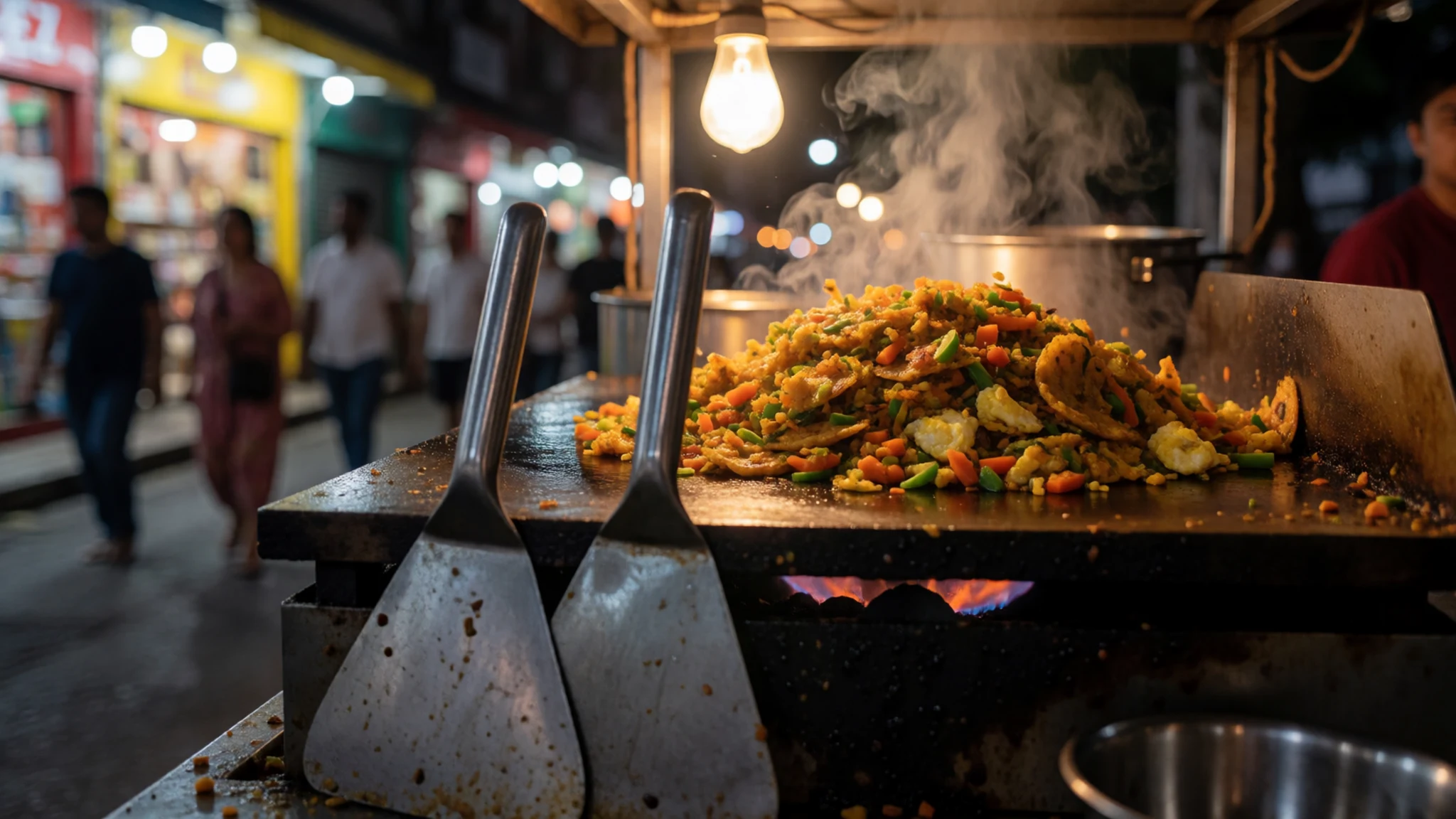
- Seafood and jumbo prawns — seafood restaurants in the town centre and along the Uppuveli road
Grilled or curried seafood, with large prawns cooked in garlic, chilli and coconut-based sauces. Ask what came in that morning, as the menu follows the catch. Prices are higher on the beach strip than in town. - Sri Lankan buffet — buffet-style restaurants in town and near the beaches
A spread of several curries, rice, vegetables and sambols laid out on one table, so diners can try a little of everything. It suits a first meal in the area, when you are not yet sure what you like. Buffets are often the easiest option for a group. - Short eats and espresso — snack counters near the bus station and the small cafés in the town centre
Fried short eats such as patties and curry puffs, sold from snack counters. Italian-style espresso is harder to find, but a few cafés in the town centre serve it. Expect the coffee to be rarer than the tea.
Plan it
Best time. April to September, the dry season, is the best window for the coast, with calmer seas and more reliable sunshine. Temperatures stay warm to hot, reaching about 35 to 36°C from May to August. The rest of the year is wetter, so expect rain and some disruption to boats and beach days.
How long. 2–3
Getting there. Fly from Bandaranaike International Airport near Colombo with Cinnamon Air, a flight of under an hour. Overnight buses run from Colombo's Pettah bus station, and buses also come from Dambulla in a few hours. The last leg is by local bus or tuk-tuk from the bus station, which sits near the clock tower and the market.
Budget. low
Tips
- Check current flight and bus times with the operator before you travel, as timetables change
- Visit the temples early in the morning, before the heat and the day visitors arrive
- Carry rupees in cash for small eateries, bus tickets and the cemetery donation, since cards are not accepted everywhere
- Drink bottled water and keep to shade at midday, especially from April to August
- Ask locally about the sea conditions before swimming, particularly away from the busier beach stretches
Etiquette
- Remove shoes at temple and kovil thresholds and dress modestly inside
- Ask before photographing people at prayer or in procession
Nearby
Sources
- Wikidata Q323873 (CC0)
- Wikipedia: Trincomalee (rev 1381340026) (CC BY-SA 4.0)
- Wikivoyage: Trincomalee (rev 5382571) (CC BY-SA 4.0)
- Photo 01-spiritual-16.jpg, Shamli071 (CC BY 3.0)
- Photo 02-bay-of-trincomalee.jpg, Kondephy (CC BY-SA 4.0)
- Photo 03-trincomalee-district-a3.png, Regunathan Umapathy (CC BY-SA 1.0)
- Photo 04-ruscelli-map-1562-tamil-vanni-country.jpg, Ruscelli 1562 (Public domain)
- Photo 05-uppveli-beach-in-trincomalee-sri-lanka.jpg, Honeplus (CC BY 3.0)
- Photo 06-the-procession-for-the-pooja.jpg, Radhika (CC BY 2.5)
- Photo 07-bocarro17thcenturytrincomaleemap.png, Antonio Bocarro (Public domain)
- Photo 08-nillaveli-beach.jpg, Anton 17 (CC BY-SA 4.0)


