Trenčín Castle
Trenčín Castle, Slovakia
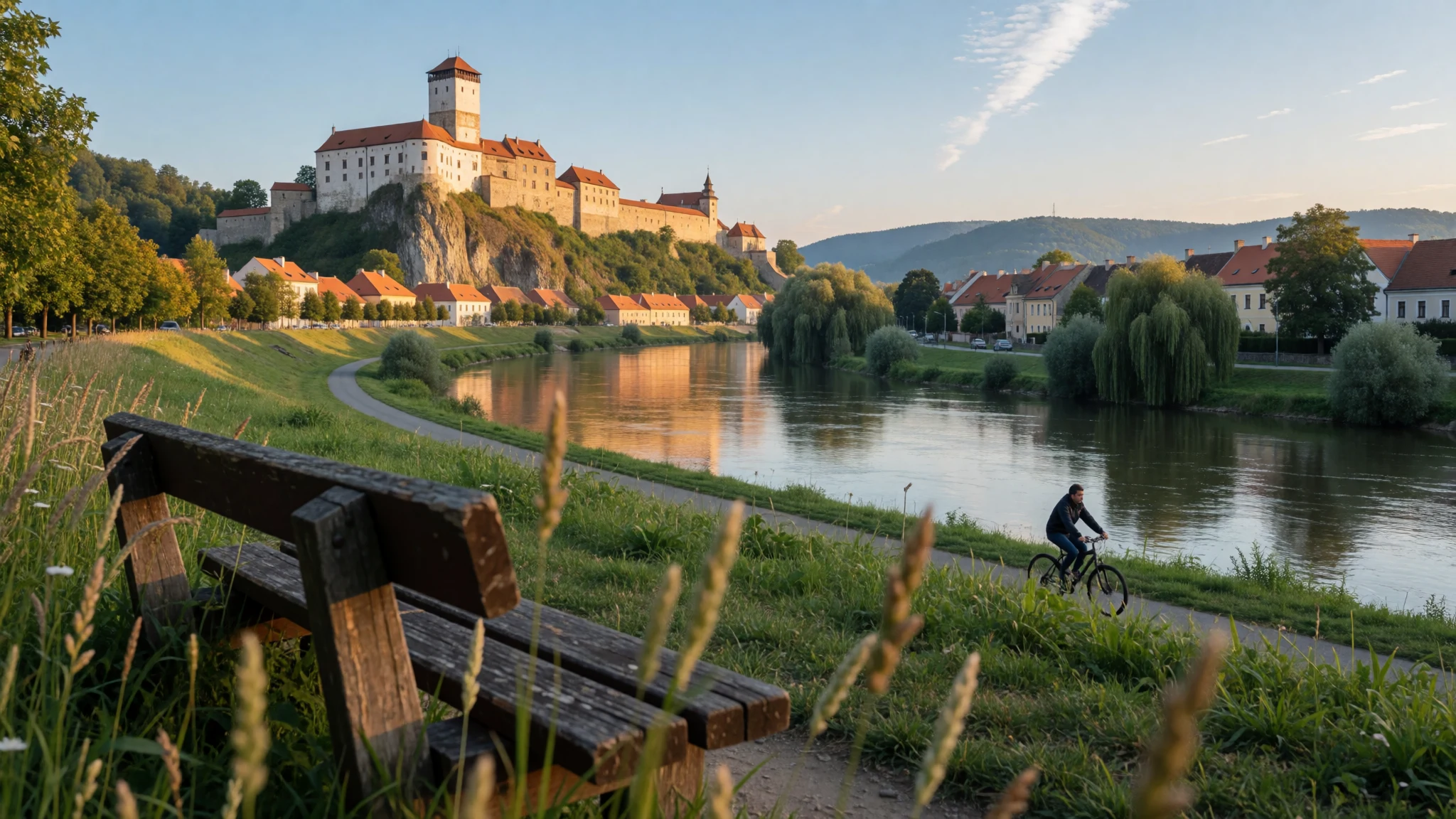
Trenčín Castle crowns a rock above the Váh with a Roman inscription, a medieval keep and a legendary well, all within easy reach of Bratislava.
The place
Trenčín Castle stands on a rocky height above the town of Trenčín in western Slovakia, with the Váh river curving below it. It goes by Trenčiansky hrad in Slovak, trencsényi vár in Hungarian and Burg Trentschin in German, and the three names hint at how many rulers and cultures have shared this corner of Central Europe. The feature that defines the skyline is the Máté Tower, a keep whose outline dominates both the fortress and the view over the old town roofs. Below the upper buildings, the lower castle holds courtyards, walls and a deep well. The site is run as a museum, so opening times and ticket rules are best checked on the official website (https://www.muzeumtn.sk/hlavna-stranka/trenciansky-hrad.html?page_id=297). The setting matters as much as the stonework. Trenčín lies between mountain chains, so the weather is often windy, winters run long, and July and August days can still reach about 35 °C. A jacket is sensible on the ramparts even in warm months. The town below is peaceful, with a pleasant historic centre, a river island used for sport and summer events, and growing ambitions as a regional destination for visitors. It is also a sporting place, with hockey and football clubs that sit among the strongest in the country, so a match evening can change the mood of the cafés. A few hours is enough to see the castle itself, but the old centre, the riverside and the forested hill on the south-east edge of town reward a longer stay. Trenčín also works as a quiet base for exploring the Váh valley.
Its story
Trenčín Castle's story begins in Roman times. A Latin inscription cut into the rock records a victory by the Second Legion at Laugaricio, the ancient name of Trenčín, in 179 AD. The earliest surviving building on the hill is a stone rotunda, probably raised in the Great Moravian period. In the thirteenth century the castle was the seat of Baron Jakab Cseszneky, sword-bearer to King Béla IV. Around the turn of the thirteenth and fourteenth centuries it belonged to Matthew III Csák, a magnate whom legend styled master of the Váh and the Tatras. The Máté Tower carries his name. In 1335 the castle hosted the Treaty of Trentschin. Charles I of Hungary and John of Bohemia attended in person, together with John's son, the future emperor Charles IV, while Casimir III of Poland sent deputies in his place. The Hungarian and German names of the castle are a reminder that this hill belonged to a wide political world, not to a single nation. The lower castle holds a famous well, and its legend is more romantic than its history. The tale says a Turkish prince named Omar dug it through solid rock to win the freedom of the beautiful Fatima. The records point instead to a garrison in the sixteenth century, who worked for about 40 years and reached roughly 80 m down. Taken together, Roman stone, a Great Moravian rotunda, a baronial seat, a royal conference and a soldiers' well make the hill a compact course in Central European history.
What to see
- Máté Tower and the upper castle — Castle hill
The Máté Tower is the keep that gives Trenčín Castle its profile, named after the powerful medieval lord Matthew III Csák. The upper castle also holds the old stone rotunda, thick walls and wide views over the Váh and the town roofs. From the river bank, the whole rock reads as one fortified crown.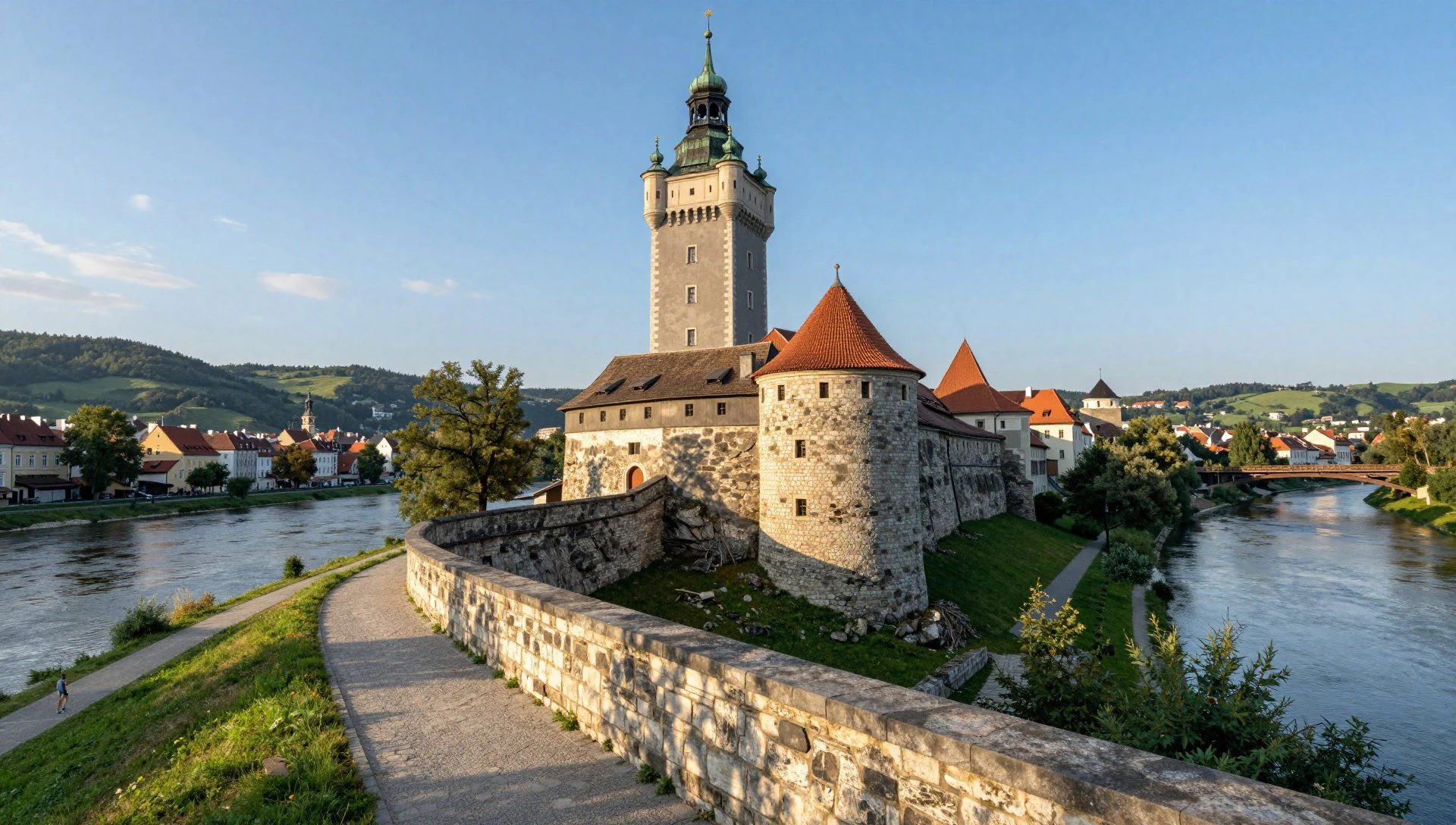
- The Roman inscription — Castle rock
A Latin text cut into the castle rock records the Second Legion's victory at Laugaricio in 179 AD, during a winter when Roman troops under Marcus Aurelius were based here. It is modest in size and easy to walk past, yet it ties the town to the Roman army and gives the hill a far longer story.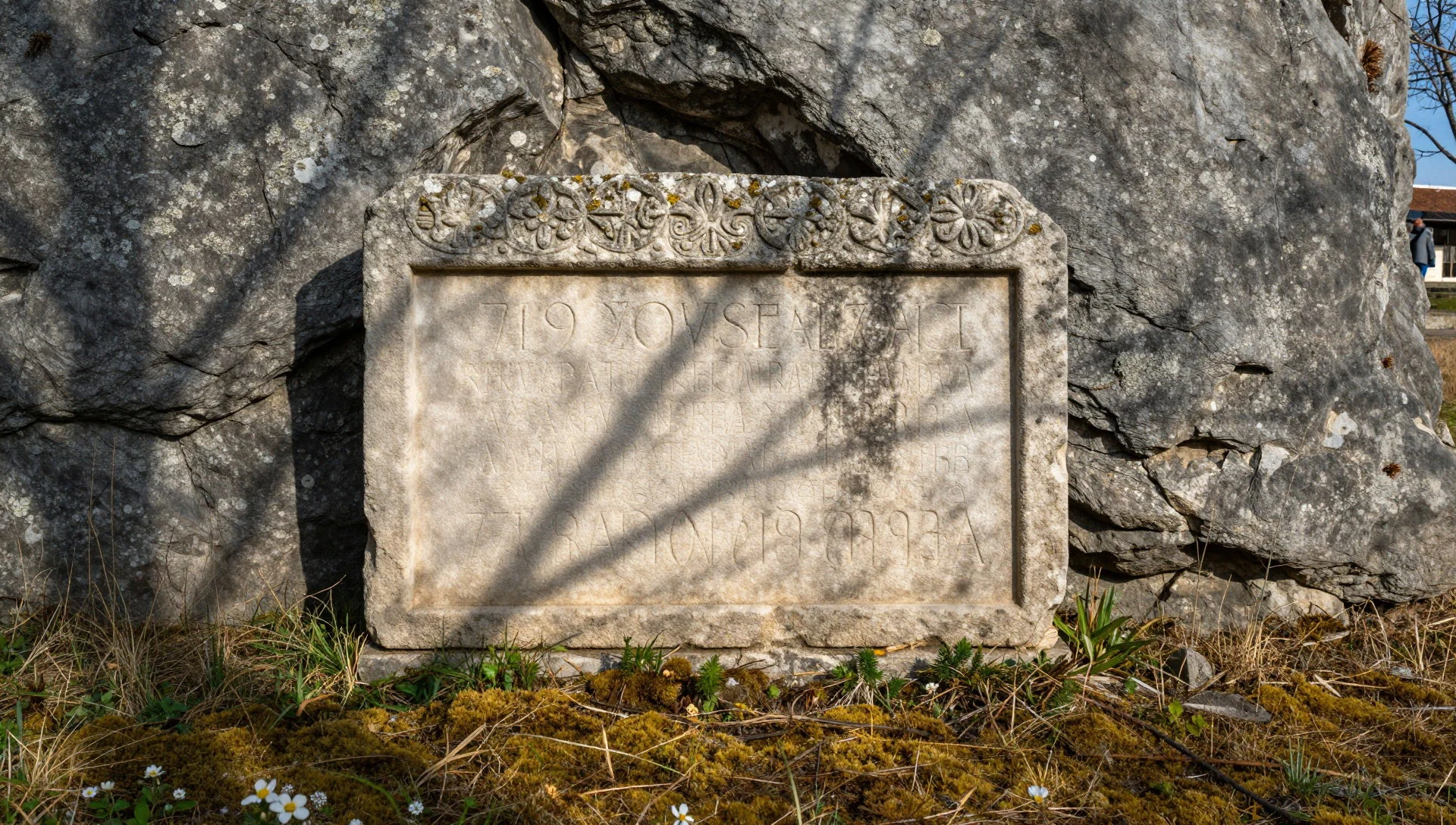
- The well of love — Lower castle
In the lower castle, a deep shaft hewn through solid rock is called the well of love, after the legend of Prince Omar and Fatima. The documented story is plainer: a sixteenth-century garrison dug it, taking about 40 years to reach roughly 80 m. Look over the rim and notice the cold air.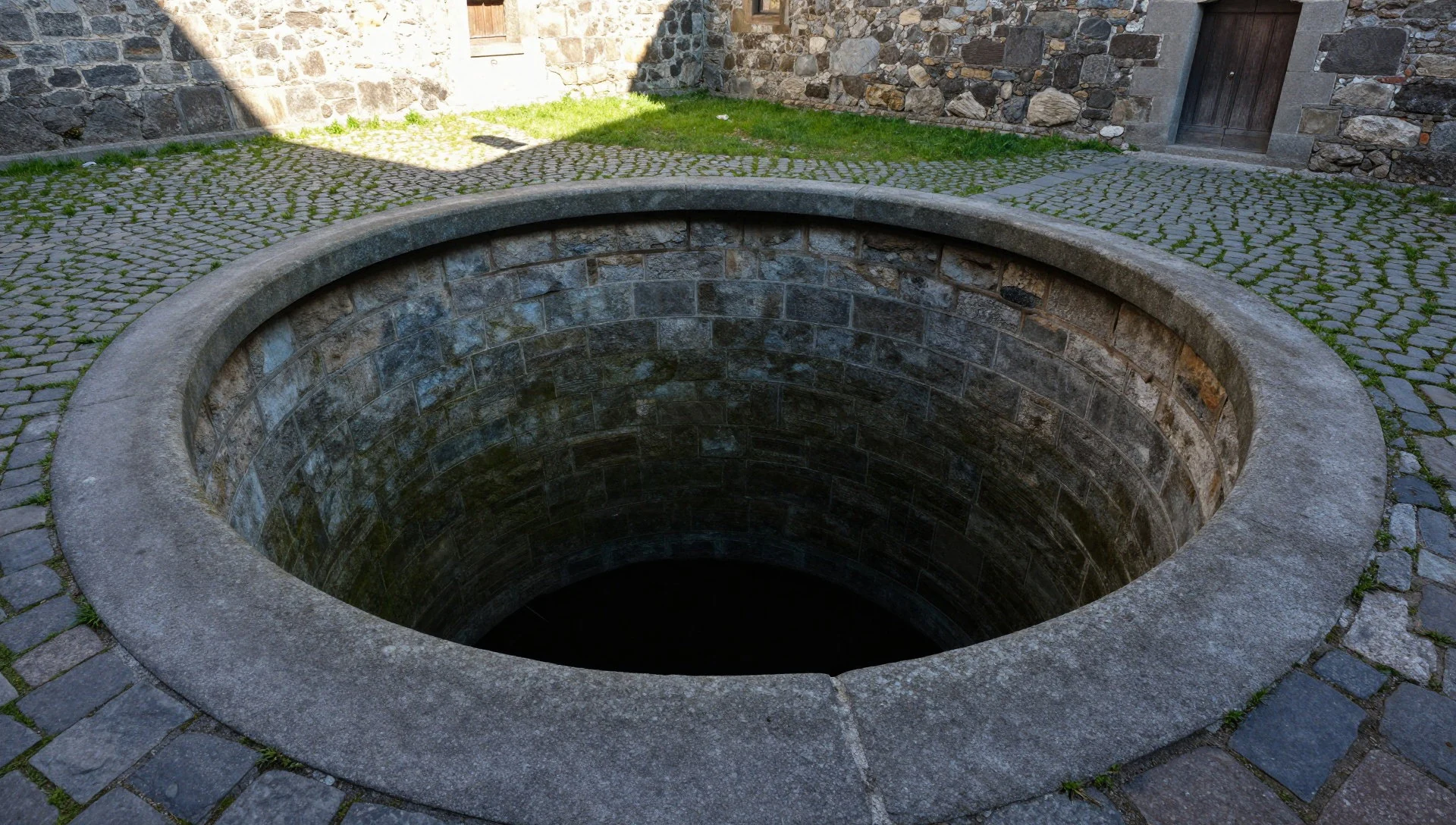
- Cannon and the 1609 inscription — Castle courts
Around the castle courts, military hardware such as a 120 mm cannon stands near stone plaques. One inscription of 1609 honours Count Stephen Illésházy, Palatine of Hungary and Count of Trenčín. Together they show the castle as a working garrison and noble seat well after its medieval peak.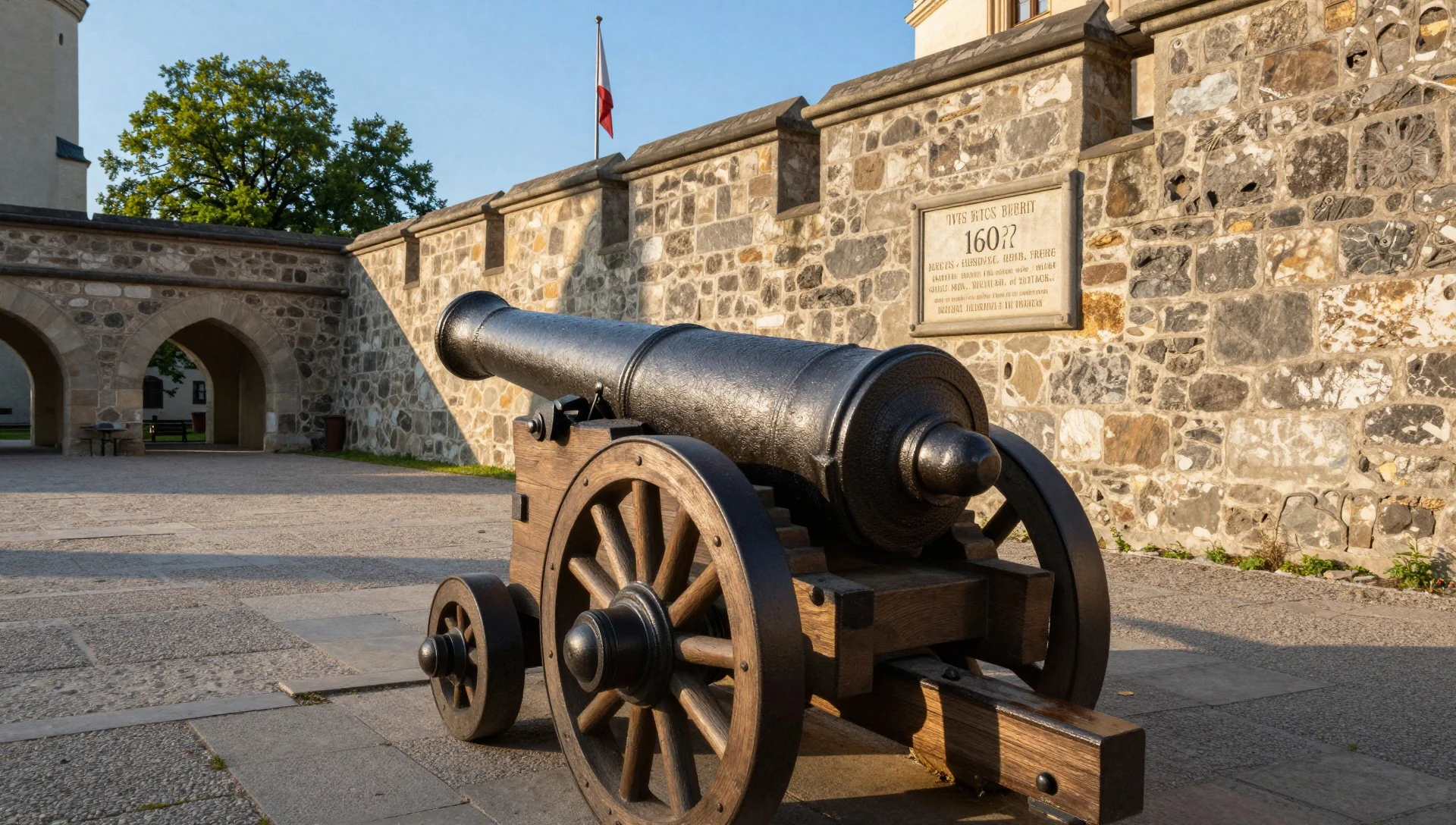
- Beckov Castle — Outside Trenčín, Váh valley
Beckov Castle is a ruin a short trip from Trenčín. It is easily reached by bike, by a few direct buses, or by bus with one change at Nové Mesto nad Váhom. It suits a second half-day for anyone who likes castles weathered and open to the sky rather than set up as a museum.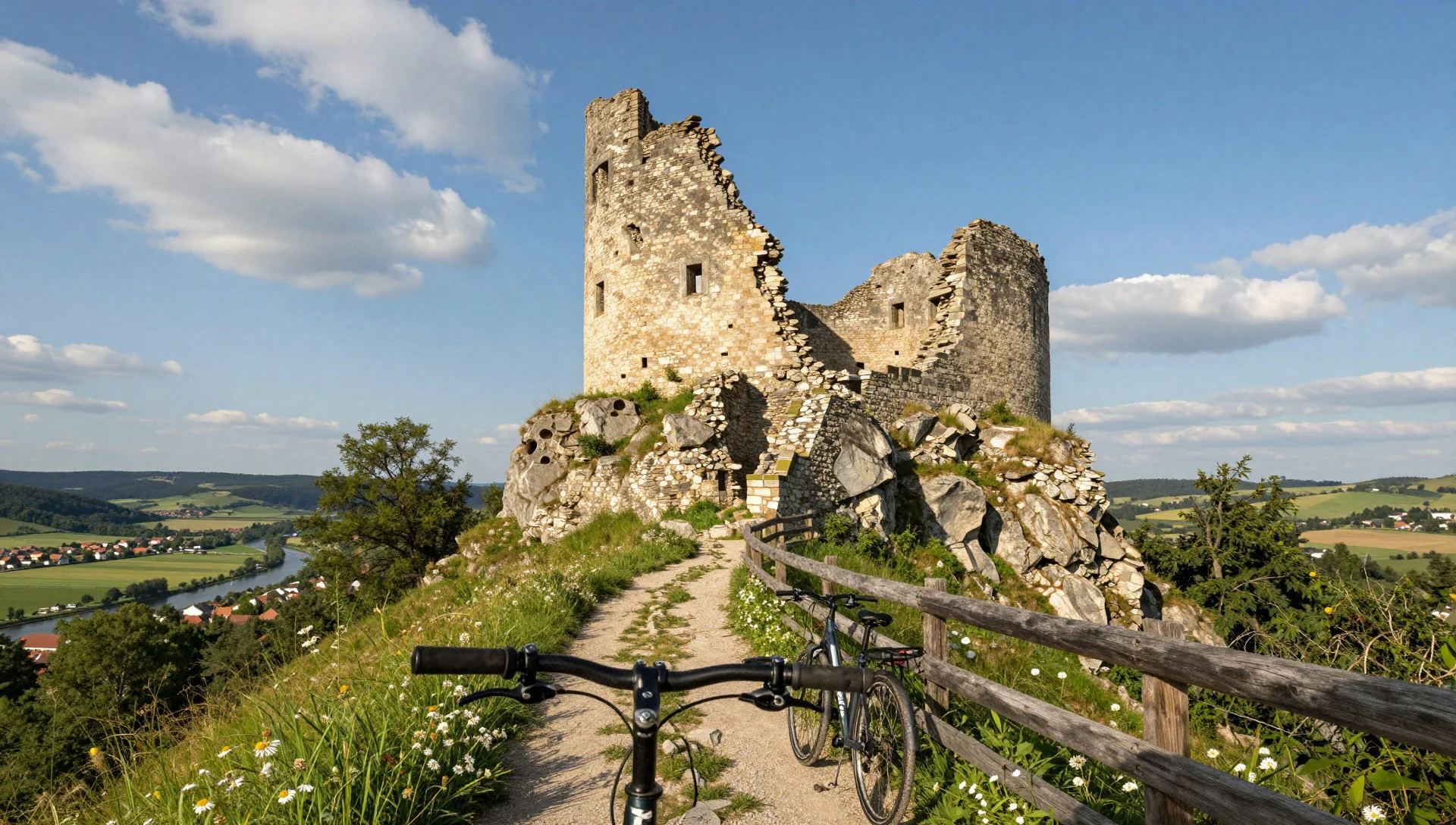
Culture
Trenčín Castle belongs to a borderland where Slovak, Hungarian, German and Czech histories overlap, and the town carries that mix lightly. The castle's several names are the first clue, and the tales of Matthew Csák, the sword-bearer barons and the royal treaty of 1335 are the next. Locals tell the legend of Omar and Fatima at the well with a smile, treating it as folklore beside the garrison history. Modern Trenčín leans on festivals and sport. The Pohoda music festival is held each year at Trenčín Airport, and the summer Splanekor event, 'sailing of unusual ships', sends oddly built craft along the Váh by the Ostrov riverside island. Hockey and football draw loyal crowds, and café talk often turns to the latest result. Faith and memory are visible as well. A synagogue built in 1913 stands close to the centre and opens only for occasional exhibitions, while the pilgrimage site at Skalka draws worshippers to a monastery and diocesan shrine. A simple greeting in Slovak, such as 'dobrý deň', goes down well in shops, cafés and on the castle stairs. Visitors will find the castle is both a landmark and a museum, and a quiet, curious manner suits both roles. Keep to the marked paths and do not climb on the walls, cannon or well curb, and lower your voice if you visit the synagogue or the shrine at Skalka.
What to wear
Trenčín Castle sits in a region with its own folk dress, though visitors will meet it mostly at festivals and folklore performances rather than on the street. Traditional costume of the Váh valley generally combines white linen or hemp blouses with embroidered sleeves, gathered or pleated skirts and aprons for women, and waistcoats of wool or sheepskin, felt hats and wide leather belts for men. Colours and embroidery vary from village to village, and the dress is worn today for church feasts, weddings, dance groups and heritage days. Everyday clothing in Trenčín looks like that of most Central European towns: jeans, trainers and light jackets by day, something smarter for evening, and club scarves on hockey and football days. For a visitor, wind, weather and terrain decide what to pack. The way up to the castle is steep and cobbled, so shoes with good grip suit it better than sandals. The town lies between mountain chains, winters are long, and even in summer the ramparts catch the wind, so bring a windproof layer, and a hat and gloves in colder months. In warm weather, light cotton, a sun hat and a compact rain jacket cover most days. The castle has no strict dress code, but covering shoulders and knees is a courteous choice at the Skalka shrine and when visiting the synagogue.
What to eat
- Cigánska pečienka in a roll — Fast-food counters in the town centre
A local fast-food favourite: slices of roast pork tucked into a bread roll and eaten on the go. It is filling, simple and best after a morning on the castle hill. Look for it at the quick-service counters around the town centre.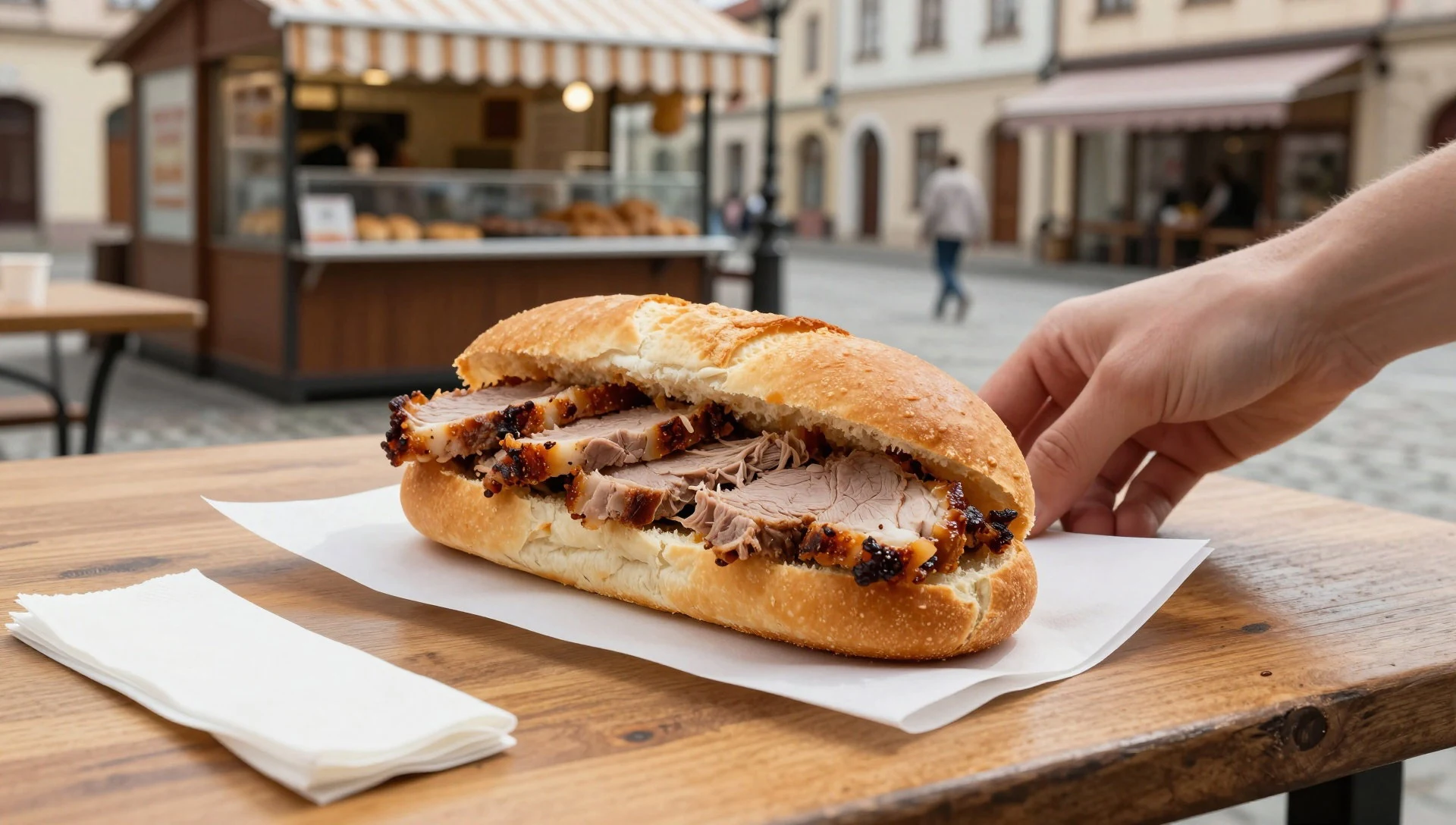
- Bryndzové halušky — Traditional Slovak restaurants around the old centre and Peace Square
Soft potato dumplings tossed with salty sheep's-milk cheese and usually topped with crisp bacon. It is regarded as Slovakia's national dish, rich and hearty, and a good test of whether a kitchen is truly traditional.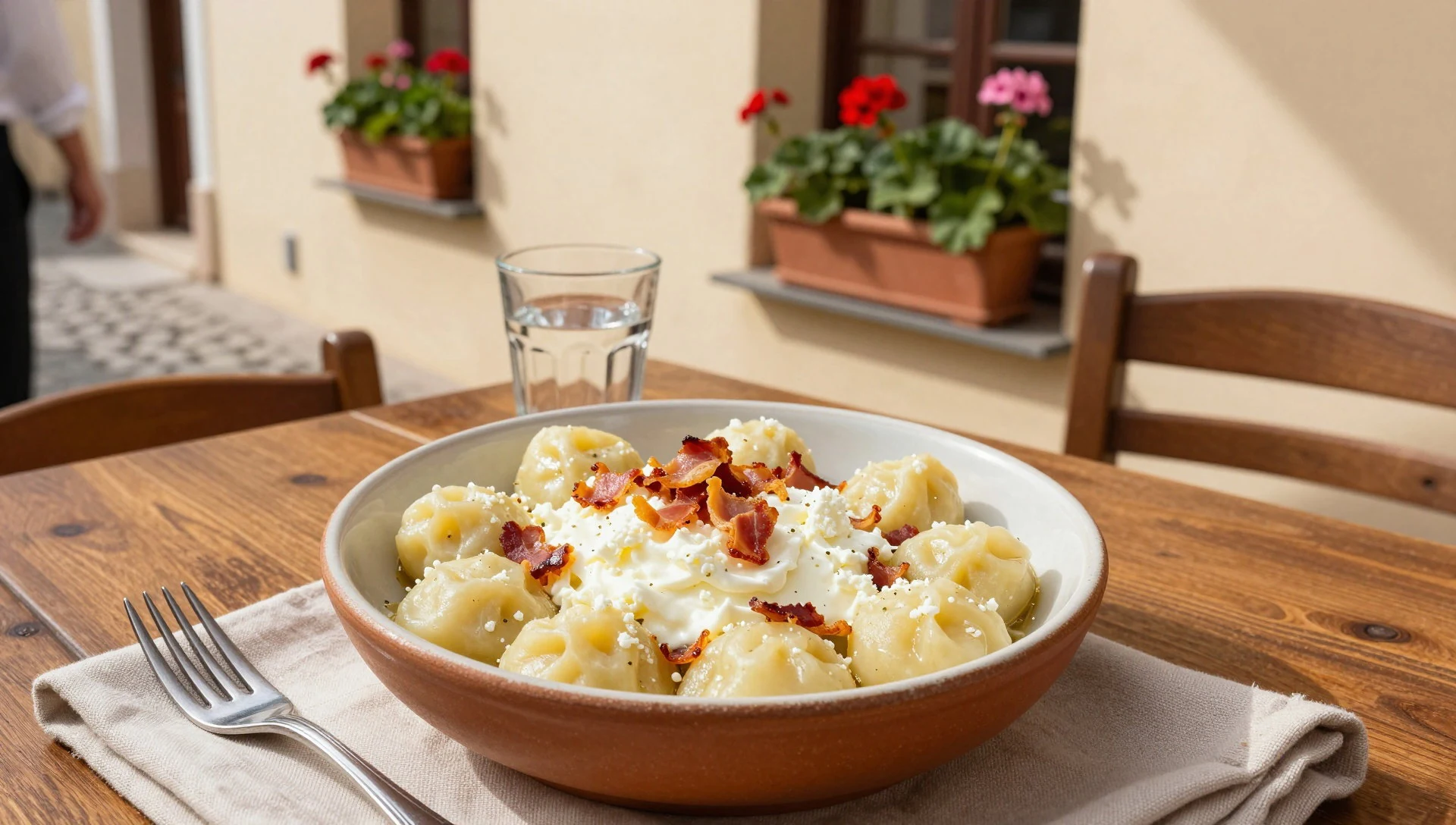
- Kapustnica — Traditional restaurants and festival stalls
A sour cabbage soup, often with smoked sausage or meat, and a warming answer to the long, windy winters of the Váh valley. Many cooks have their own version, so it rewards ordering in more than one place. - Langoš — Festival stalls and summer kiosks, especially near the Ostrov riverside
A large round of fried dough, usually rubbed with garlic and topped with cheese or sour cream. It is a street-food staple at events and summer gatherings, and best eaten hot, standing up, with napkins ready. - Pirohy — Traditional restaurants and family eateries in the centre
Filled dumplings, often with potato, cheese or cabbage, served with onions, bacon or sour cream. They are an honest, inexpensive meal that suits a cold day and travels well from the Slovak countryside to the town table.
Plan it
Best time. April and October. Trenčín lies between mountain chains and is often windy, with long winters and hot summers, so April and October give the most comfortable walking weather, with highs around 25 °C and less rain than the summer months. Summer riverside events on the Ostrov island bring more people.
How long. 1–2
Getting there. Fly to Bratislava, then take one of the frequent trains north on the national main line, about 1 hr 20 min to Trenčín. Local bus stops sit directly opposite the railway station, and the castle is just a brief uphill stroll away from the historic town core. By car it is about an hour up the D1 motorway from Bratislava, roughly 120 km.
Budget. low
Tips
- Check the official site (https://www.muzeumtn.sk/hlavna-stranka/trenciansky-hrad.html?page_id=297) for opening times, tickets and any closures before you go
- Wear shoes with grip, as the castle path is steep and cobbled, and bring a windproof layer even in summer
- Take the train rather than the bus between Bratislava and Trenčín, as it is quicker
- Spend the evening on the Ostrov riverside in summer, when canoeing and events are on
- Carry a card and a little cash for small cafés and stalls
Etiquette
- Stay on marked paths and keep off the walls, cannon and well curb
- Greet people with 'dobrý deň' in shops and cafés
- Keep voices low at the synagogue and the Skalka shrine
Nearby
Sources
- Wikidata Q678465 (CC0)
- Wikipedia: Trenčín Castle (rev 1370468684) (CC BY-SA 4.0)
- Wikivoyage: Trenčín (rev 5420493) (CC BY-SA 4.0)
- Photo: Trenčín Castle from Vah river, Ingo Mehling (CC BY-SA 4.0)
- Photo: Roman inscription, Trenčín (unknown author) (Public domain)
- Photo: 2014 – panoramio (106), Валерий Дед (CC BY 3.0)
- Photo: 120 mm cannon in Trenčín Castle, Валерий Дед (CC BY 3.0)
- Photo: Inscription from 1609 at Trenčín Castle, Noémi Alzayadi (CC BY-SA 4.0)
- Photo: Anastasia, দেবর্ষি রায় (CC BY-SA 2.0)
- Photo: Bratislava PKO, Janko Alexy / Peter Zelizňák (Public domain)
- Photo: Castell de Trenčín (agost 2012), EliziR (CC BY 3.0)


