Toluca
Toluca, Mexico
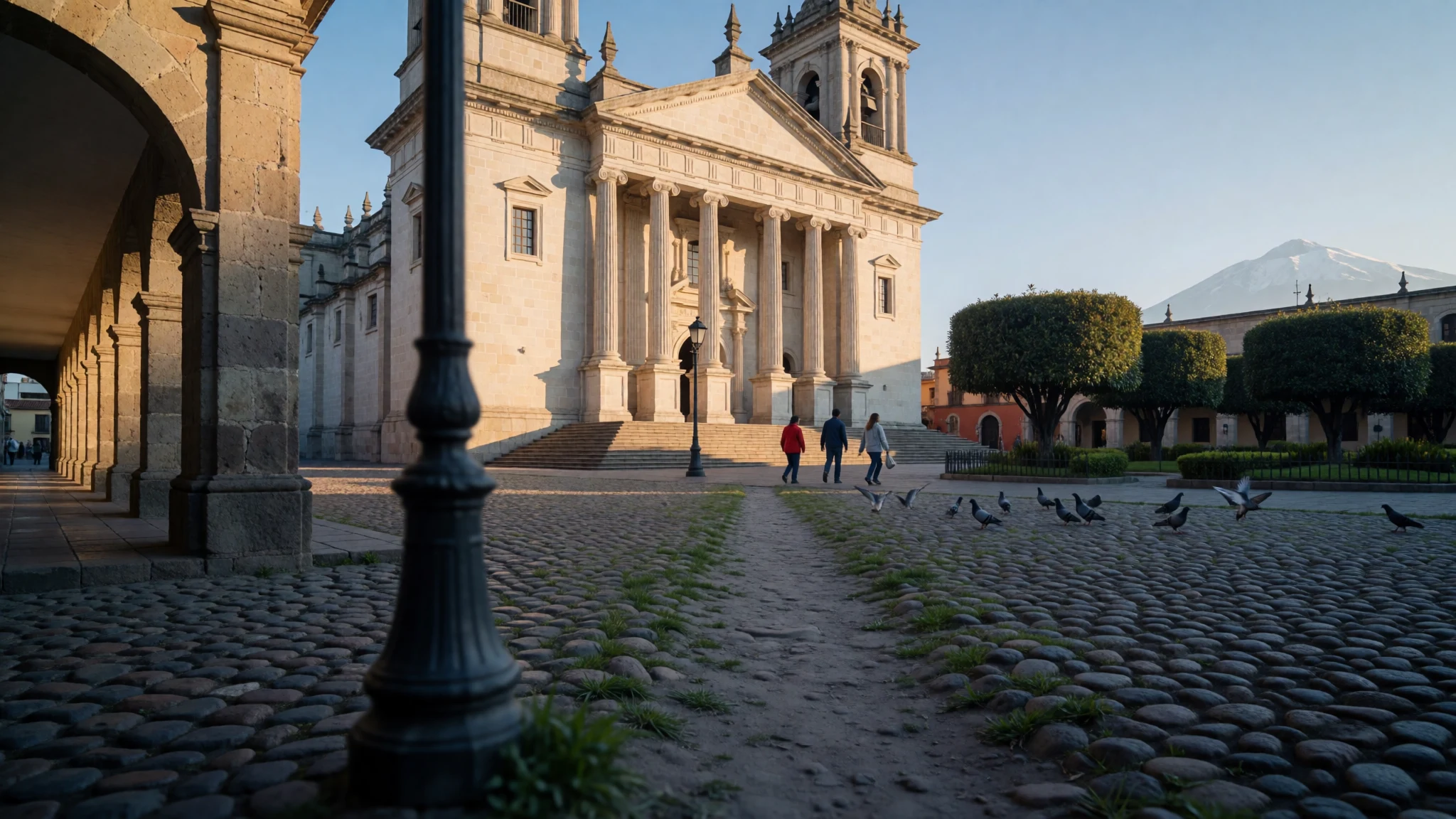
Toluca is a cool, high-valley state capital with a stained-glass botanical garden, good museums and a volcano on the skyline, an easy contrast to Mexico City.
The place
Toluca de Lerdo is the capital of the State of Mexico, set at 2,660 metres in a broad valley to the west of the national capital. About 224,000 people live in the city itself, and a far larger metropolitan area spreads around it, taking in prosperous Metepec next door. The two sit so close that it is hard to tell where one ends and the other begins. The altitude shapes everything: mornings are crisp, afternoons can be bright and then turn chilly fast, and the rainy months bring grey skies and heavy showers. On clear days the Nevado de Toluca volcano, known in Nahuatl as Xinantécatl, stands on the southern horizon. The city lies 63 km from Mexico City, and that closeness explains much of its modern growth. Factories, car assembly and logistics give it an industrial character, and offices and universities fill much of the rest. Yet the centre keeps a human scale, with arcaded walkways called portales, plazas, a cathedral and a cluster of museums within an easy walk. Cycling is encouraged by local campaigners, and the flat, wide streets suit it. Toluca is not a place of postcard drama. It is a working Mexican city with a decent historic core, a calmer pace than the capital, and a useful base for day trips into the surrounding valley.
Its story
Long before the Spanish arrived, the valley around Toluca was known as Matlatzinco and was home to several peoples, among them the Matlatzinca, Otomi, Mazahua and Nahua. The most important power of the Postclassic period was a large capital whose ruins survive at Calixtlahuaca, a short way north of the modern city. In 1478 the Mexica ruler Axayacatl conquered the valley and broke the old dynasty. He then made a smaller city-state called Tollocan the administrative seat for the region. Towns across the valley sent tribute through it, including cotton and maguey-fibre cloth, warrior costumes and large quantities of maize. The Spanish conquest brought a change of name, and Tollocan became Toluca. The city's founding is dated to 1527, which marks the start of the colonial town that grew around churches and convents. Those religious houses still shape the centre and several now hold museums. One oddity is that archaeologists have not yet pinned down a major Postclassic settlement beneath the present city, so the pre-Hispanic story is told mainly through Calixtlahuaca and through the collections in local museums. Later centuries added the Neoclassical cathedral and the civic buildings around the main plazas, and the twentieth century added industry and the commuter links to the capital.
What to see
- Cosmovitral — Historic centre
A botanical garden housed in a former market building, lit by large stained-glass panels in an Art Nouveau style. Plants fill the floor while coloured light falls across the paths. It is compact, so a visit takes well under an hour, and it is best on a bright morning when the glass glows.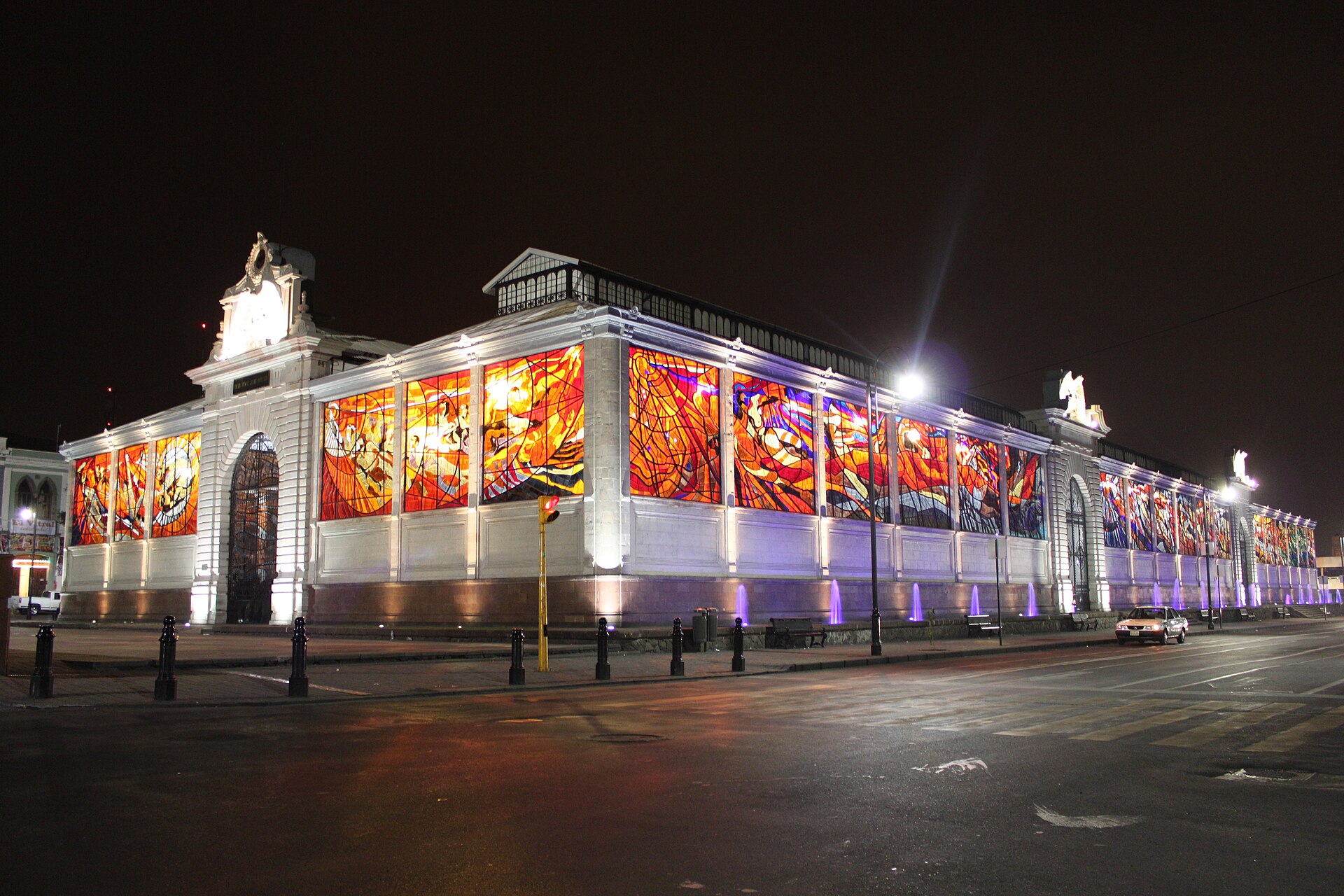
- Toluca Cathedral and Temple of Santa Veracruz — Historic centre
The Neoclassical cathedral was begun in 1867 and only completed in the middle of the twentieth century, which explains its restrained, rather austere face. A few steps away the Temple of Santa Veracruz adds an older colonial layer. Together they make a short, easy walk between two quiet interiors.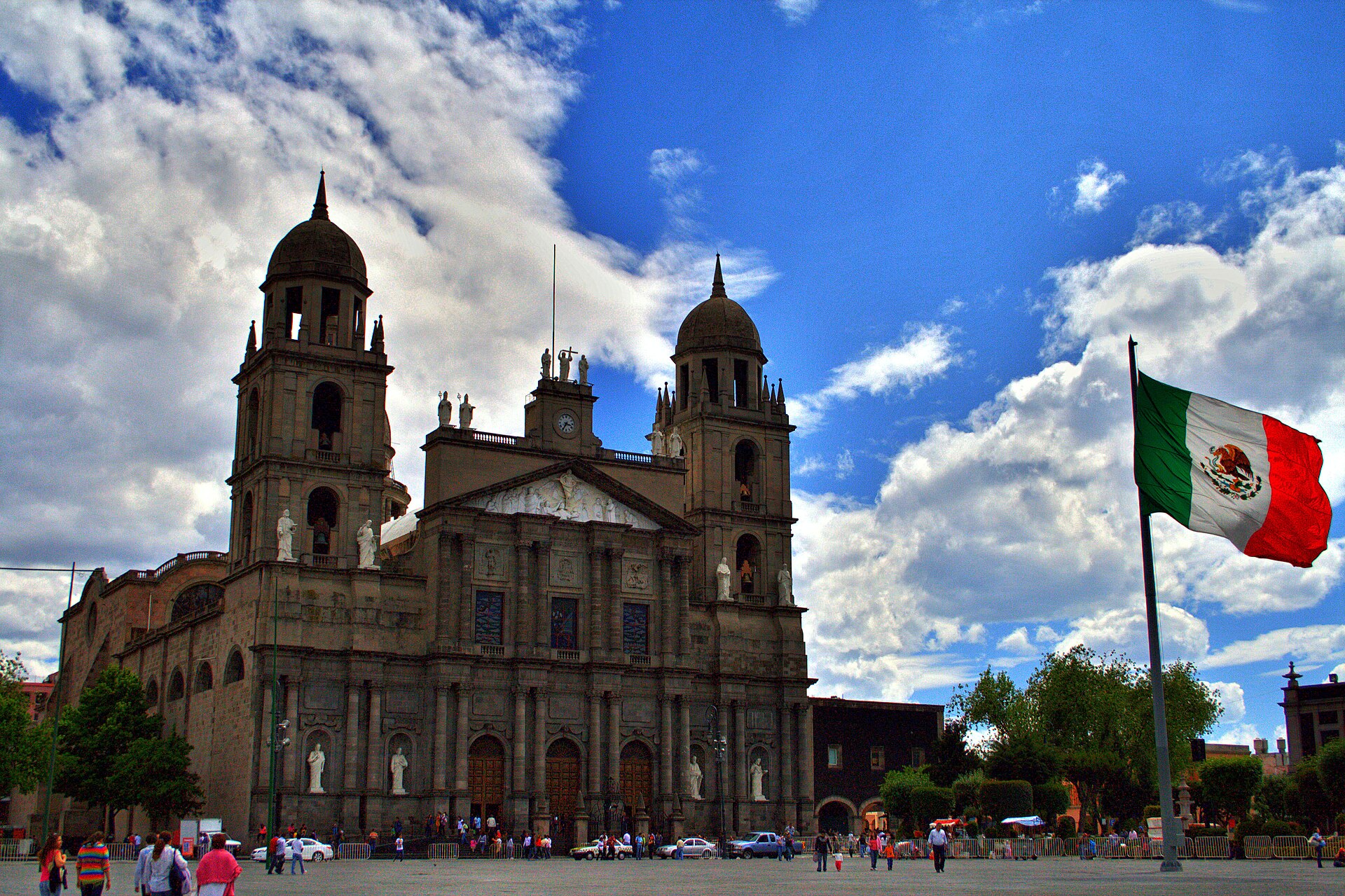
- Museo de Bellas Artes — Historic centre
Set in a former convent, this museum gathers paintings from the colonial period through to modern times, along with a surprising collection of ancient Egyptian objects. The cloister setting is calm and the rooms are rarely crowded, so it works well as a restful pause between the plazas. - Centro Cultural Mexiquense — Western edge of the city
A former Franciscan monastery on the western side of the city, now home to the Museum of Anthropology and History, the Museum of Popular Cultures with its handicrafts, and the Museum of Modern Art. It is the best single stop for understanding the region's peoples and crafts. Allow a half day. - Watercolour Museum — South of the centre
A small and slightly unusual museum devoted entirely to works in watercolour. It suits visitors who like quieter galleries and have an hour to spare. It sits just south of the main plazas, so it combines easily with a walk through the centre and a coffee afterwards.
Culture
Toluca's cultural life mixes Catholic tradition, university energy and a strong habit of public music. The most solemn event of the year is the silent procession on Holy Friday, when worshippers from the city and the surrounding towns gather in the centre to mark the crucifixion. Lent and Easter are observed in a similar spirit, and the streets around the cathedral fill with families. Music is taken seriously. The state has its own symphony orchestra, the Orquesta Sinfónica del Estado de México, and the municipality keeps another. Universities run marching bands, and in some nearby towns wind bands still play at fiestas. A youth marching band called the Eagles of Anahuac has a history of several decades and is a local source of pride. Dance is taught through the state cultural institute, the fine arts school and the state university. Indigenous heritage remains part of daily life in the valley, where Otomi, Mazahua, Nahua and Matlatzinca communities have shaped crafts, festivals and food. The city's museums, especially the popular cultures collection, show this clearly. Visitors will find a friendly, fairly formal public manner, with greetings expected when entering shops and small eateries. In the cathedral and during Holy Friday processions, keep your voice low, dress modestly and ask before photographing worshippers.
What to wear
Traditional dress in the Toluca valley belongs mostly to the indigenous communities around the city, above all the Mazahua and Otomi. Mazahua women are known for bright ribbons, layered skirts and embroidered blouses, often worn with a rebozo, the long shawl used for warmth and for carrying children. Otomi embroidery appears on blouses and cloth in bold animal and plant designs, and wool sarapes and woven belts suit the cold highland climate. These garments mostly appear at fiestas, on saints' days and in craft markets rather than on ordinary weekdays. What people actually wear now is plain and practical: jeans, jackets and fleeces, school and office uniforms, and a lot of knitwear in the cooler months. Toluca is a business and university city, so smart casual is normal in town. A visitor should dress in layers. At this altitude, mornings and evenings are cold even when midday is sunny, and a light waterproof is useful in the rainy season. Closed, comfortable shoes are better than sandals for cobbles and uneven pavements. Shoulders and knees are best covered when entering the cathedral and other churches. If you plan a trip towards the volcano, add a warm hat, gloves and sun protection, since the thin air makes the sun strong even when it feels cold.
What to eat
- Chorizo verde — Central markets and taquerías
Toluca's best-known food is a green chorizo made with fresh herbs and chillies rather than the red paprika of other sausages. It is eaten in tacos, on grilled plates or tucked into tortillas. Look for it at butchers and stalls in the central markets. - Quesadillas — Market food stalls and street corners
In this part of Mexico a quesadilla is often a folded blue or white maize tortilla, fried or griddled, with fillings such as potato, mushroom, squash flowers or cheese. They are filling and cheap street food, best eaten hot with a spoonful of salsa. - Barbacoa — Barbacoa eateries on the edge of town
Slow-cooked meat, usually lamb, is served in the valley at weekends with consommé, tortillas, chopped onion and coriander. It is a family meal as much as a snack, and mornings are the usual time to go. - Dulces típicos and fruit liqueurs — The portales around the central plazas
Toluca is known for traditional sweets, such as candied fruit and coconut or milk-based confections, and for liqueurs made from fruit. They are sold in shops tucked under the arcades and make easy gifts to carry home. - Regional Mexican dishes — Restaurants in the historic centre and newer districts
The city has a growing scene of contemporary restaurants working with local produce, as well as places serving dishes from other states, such as Sinaloa's seafood and chilorio, a slow-cooked pork. They are useful when you want a sit-down meal after the markets.
Plan it
Best time. March–April and October–November are the most comfortable months, with cool, mostly dry days and clearer views of the volcano. June to September is the rainy season, with afternoon downpours. December and January are dry but cold, especially at night, because of the altitude.
How long. 1–2
Getting there. Most international visitors fly into Benito Juárez International Airport in Mexico City, where a bus station in Terminal 1 runs regular departures to Toluca. Buses also leave from the Observatorio terminal at the western end of the Mexico City metro. The new El Insurgente commuter train links the capital to Toluca, and Toluca has its own airport. Check official timetables before travelling.
Budget. low
Tips
- Pack layers, because Toluca sits at 2,660 metres and evenings turn cold quickly
- Visit the Cosmovitral and the museums in the morning, when the light and the crowds are best
- Carry some cash for markets and small eateries, though restaurants usually take cards
- Expect tolls on the highway from Mexico City if you drive, and check the official site, toluca.gob.mx, for events
- Drink water regularly, since the altitude and dry air can cause headaches in the first day
Etiquette
- Greet staff and stallholders before asking for anything
- Keep voices low in churches and during Holy Friday processions
- Ask permission before photographing people, especially in markets and at religious events
Nearby
Sources
- Wikidata Q209034 (CC0)
- Wikipedia: Toluca (rev 1383194619) (CC BY-SA 4.0)
- Wikivoyage: Toluca (rev 5420314) (CC BY-SA 4.0)
- Toluca a los pies del nevado — HernanLuna (CC BY 3.0)
- Cosmovitral, Toluca — TolucaCity (CC BY 3.0)
- Torres Bicentenario, Toluca — TolucaCity (CC BY 3.0)
- Palacio de Gobierno, Toluca — Octavio Alonso Maya (CC BY 3.0)
- Puentes Vehiculares, Toluca — Presidencia de la República Mexicana (CC BY 2.5)
- Catedral Toluca — Juan Porter (CC BY 3.0)
- Toluca Car Assembly — LittleT889 (CC BY 4.0)
- Xinantécatl o Nevado de Toluca — Sinabi2025 (CC BY-SA 4.0)


