Tel Dan
Tel Dan, Israel
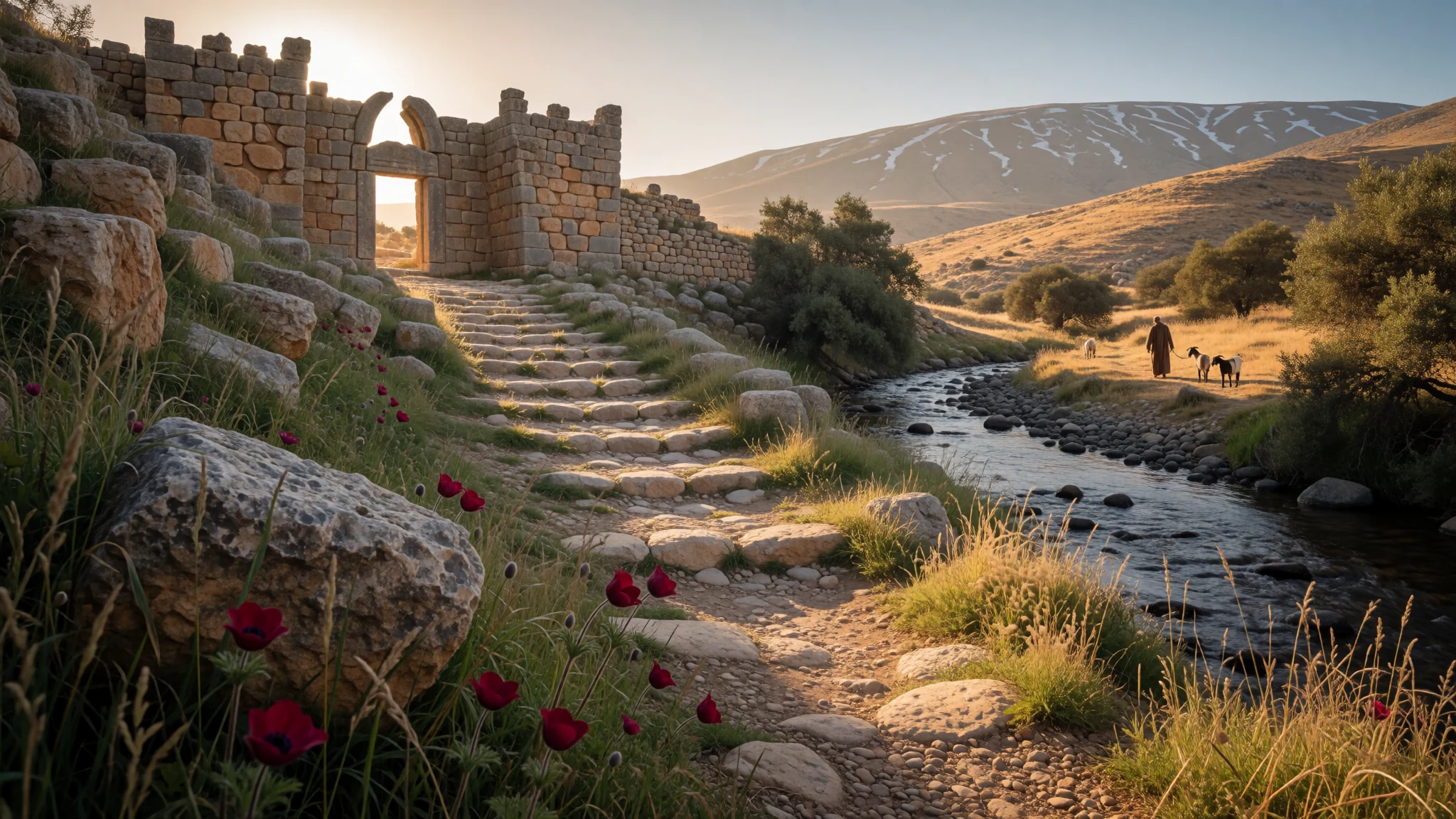
Tel Dan is an ancient mound in northern Israel where biblical history sits beside cold, spring-fed streams and green woodland.
The place
Tel Dan is a grassy archaeological mound in the Upper Galilee, in the far north of Israel, close to the borders with Lebanon and Syria. The ancient city here was first called Laish and later Dan, and the mound also carries the Arabic name Tel el-Qadi, 'Mound of the Judge'. Wikidata dates the site's founding to around 4500 BCE, and people lived here through the Bronze and Iron Ages.
What sets the place apart from most ruins in the region is the water. Snow melting on Mount Hermon, rising to the north and east, supplies most of the Jordan River's flow, and that water passes through Dan. The result is a patch of dense trees, ferns and fast, clear streams in a landscape that is otherwise dry. A visit alternates between shaded paths beside running water and open ground over stone foundations.
The ruins themselves are low and partly restored, so the pleasure lies in reading gates, walls and terraces rather than craning up at monuments. The setting is the Galilee Panhandle, with the southern end of Mount Lebanon to the west and the Hermon massif to the east. The nearest settlement is Kibbutz Dan, and the nature reserve entrance lies a short distance north of it.
The border is close, and the area has a contested modern history, including the 1967 Six-Day War, so it is sensible to check current conditions and any local closures before setting out. Crowds are moderate on most days but swell with school groups in spring and on Saturdays and holidays. Summers are hot, though the shade and cold water make the reserve easier going than most archaeological sites in Israel.
Its story
Tel Dan has one of the longest records of occupation in the region. Excavations show the site was lived in continuously from the Early Bronze Age through Iron Age II, the period of the Kingdom of Israel. Its older name, Laish, appears in the Hebrew Bible, which tells how the tribe of Dan took the city and renamed it after themselves. In that account Dan became the northernmost city of the kingdom, and King Jeroboam built a royal sanctuary here, giving the northern tribes a place of worship that rivalled Jerusalem.
The evidence points to a gap in settlement during the Achaemenid Empire. The city was later rebuilt as a Hellenistic town with a notable shrine, which shows how long the spot kept its religious weight even as rulers and gods changed.
The find most often discussed is the Tel Dan Stele, an inscribed stone recovered here and now displayed at the Israel Museum in Jerusalem. Many scholars read its text as naming the house of David, which is why it features in debates about early Israelite history. Others dispute the reading, and the argument is still live.
Modern history has been less quiet. The mound lies so near the old frontier that it was contested in the twentieth-century wars, and it now sits inside a protected nature reserve. Archaeologists continue to work and disagree about what the layers mean, so dates and identifications on site signs are best treated as current readings rather than settled fact.
What to see
- The Israelite Gate — On the mound, Tel Dan Nature Reserve
The Israelite Gate is the best-known structure on Tel Dan, a stone gateway complex from the time of the Kingdom of Israel, partly restored for visitors. Its stepped approach and paired chambers show how a city controlled who came in. Go early, when the stones are in shade and tour groups have not arrived.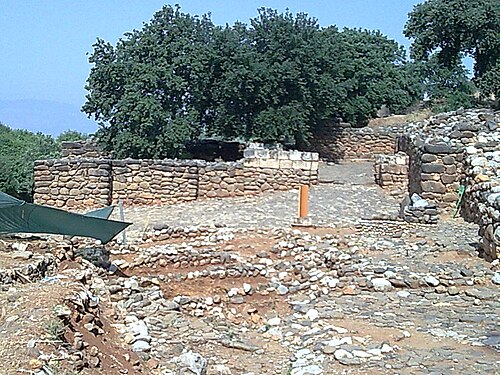
- The Canaanite Gate — Edge of the mound, Tel Dan Nature Reserve
The Canaanite Gate belongs to the city's much earlier phase, long before the Israelite kingdom. It is a mudbrick gateway with a vaulted passage, kept under a protective roof because the material is fragile. It is small and easy to walk past, but it shows how deep the layers of the mound run.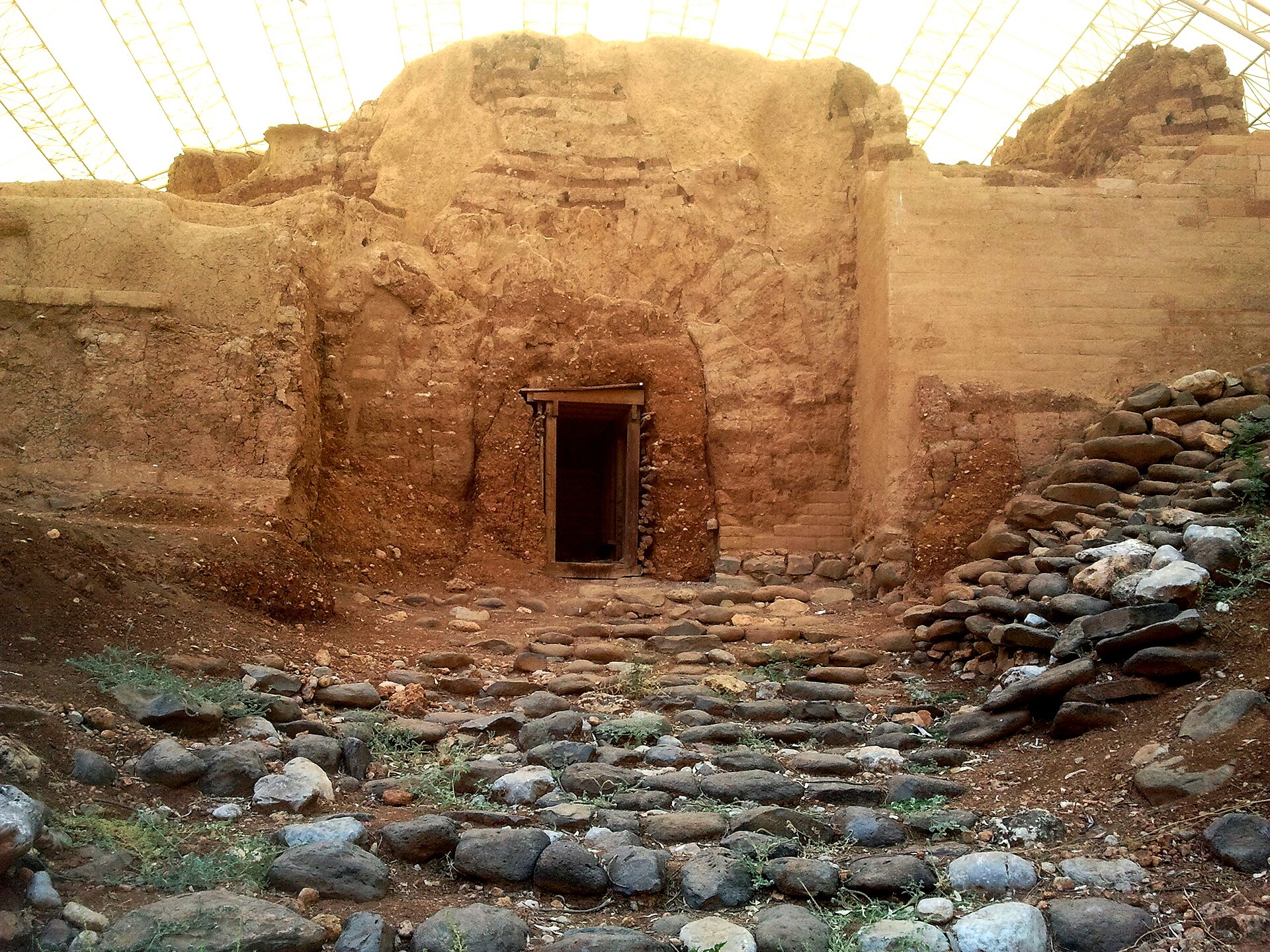
- The sanctuary area — Upper part of the mound
The biblical account places Jeroboam's royal sanctuary at Dan, and the raised area on the mound is where excavators identified its remains. There is less to see than the story suggests: a large platform and foundations, best understood with the site's information boards. Bring patience and imagination, and read the signs for the current interpretation.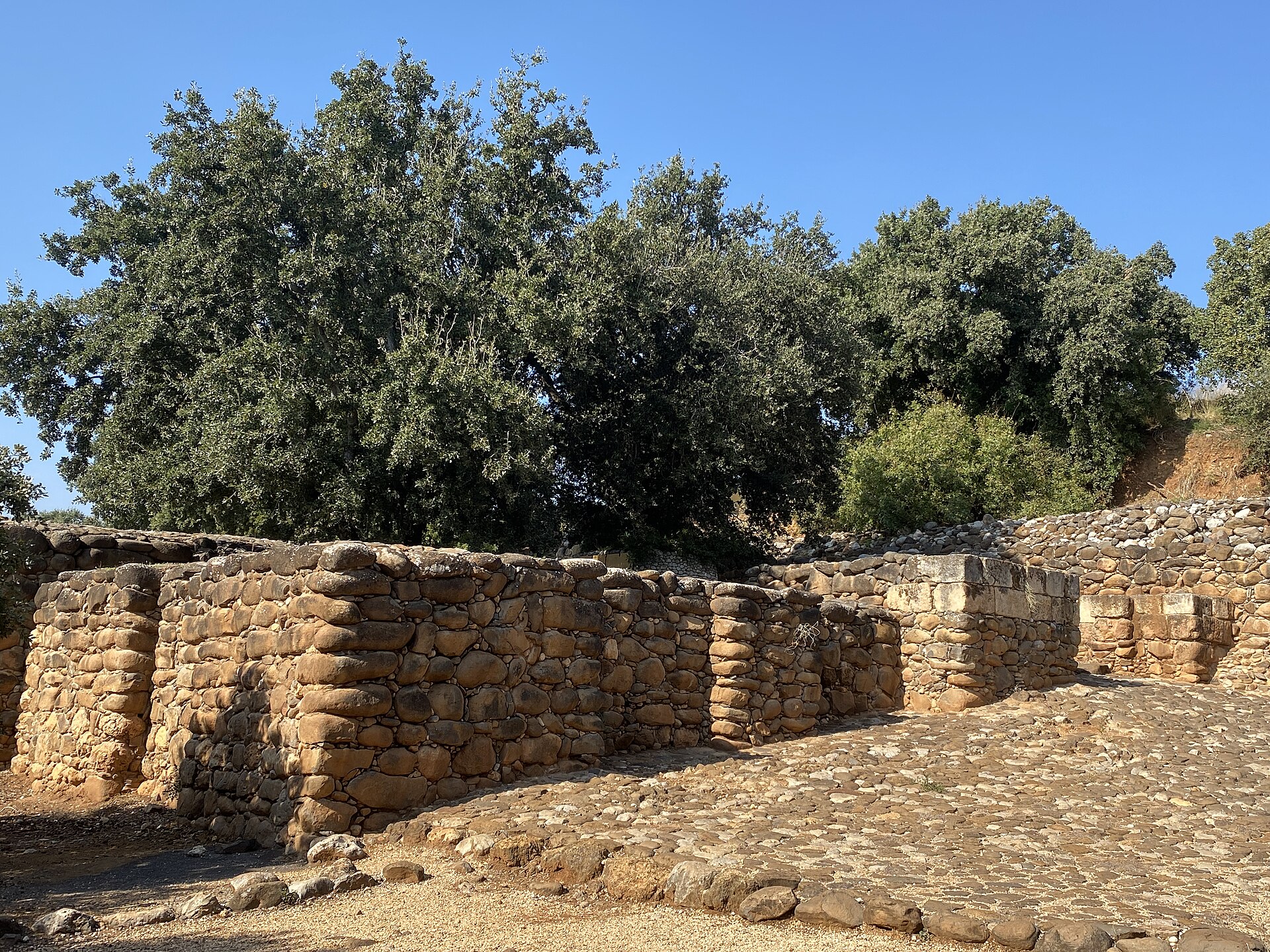
- Streams and woodland paths — Tel Dan Nature Reserve
The nature reserve around the mound is as much of a draw as the ruins. Spring-fed streams run through oak and fig woodland, with boardwalks and shaded paths beside the water. It is cool even on warm days, and spring brings the fullest flow. Wet rocks are slippery, so wear shoes with grip.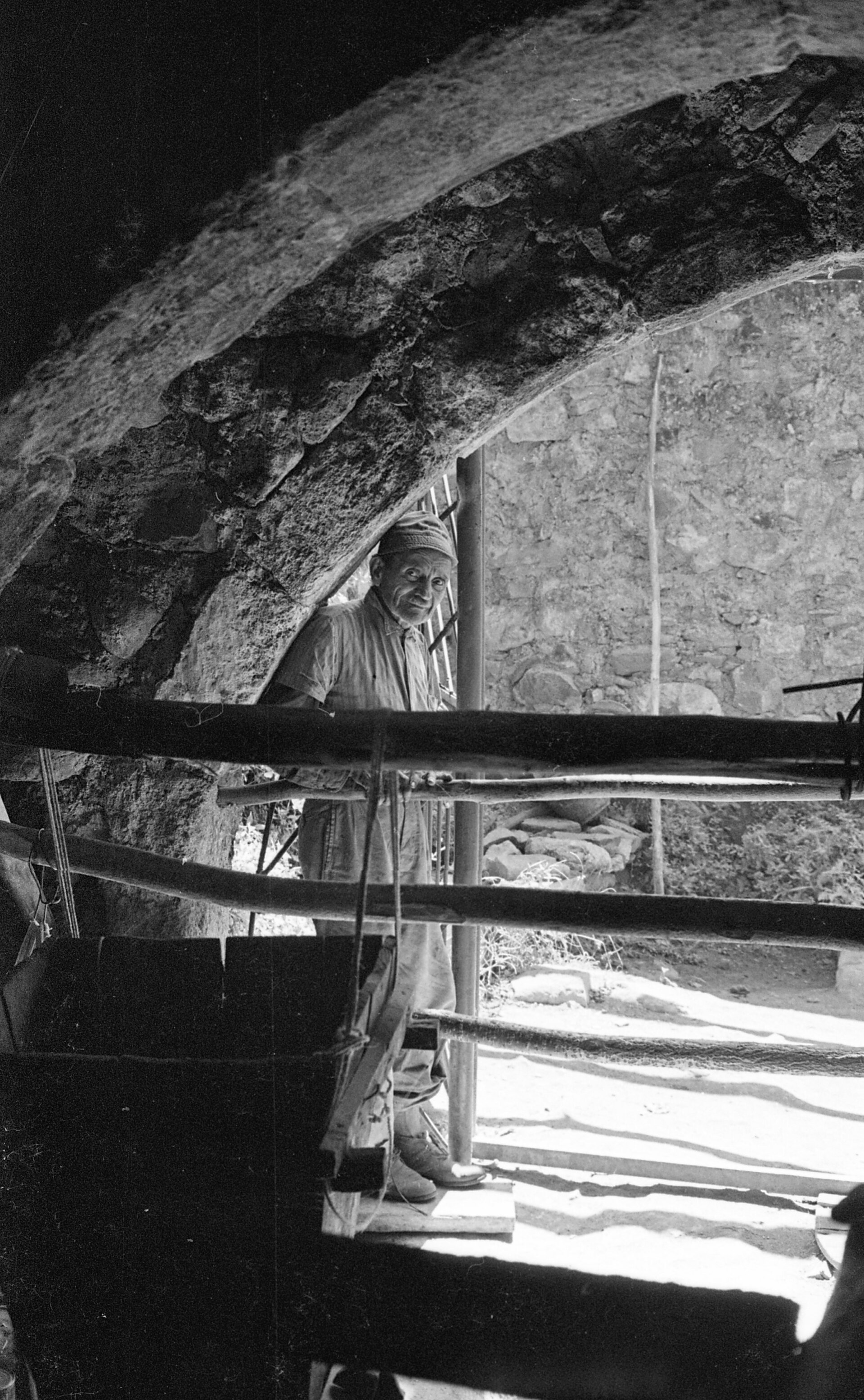
- The Tel Dan Stele at the Israel Museum — Israel Museum, Jerusalem
The inscribed stone found at Tel Dan is not at the site but in Jerusalem, where it is displayed at the Israel Museum. The fragment is small and easy to miss in a large museum, but it explains why the mound matters to historians. Visit it before or after the site, and check the museum's official page for opening times.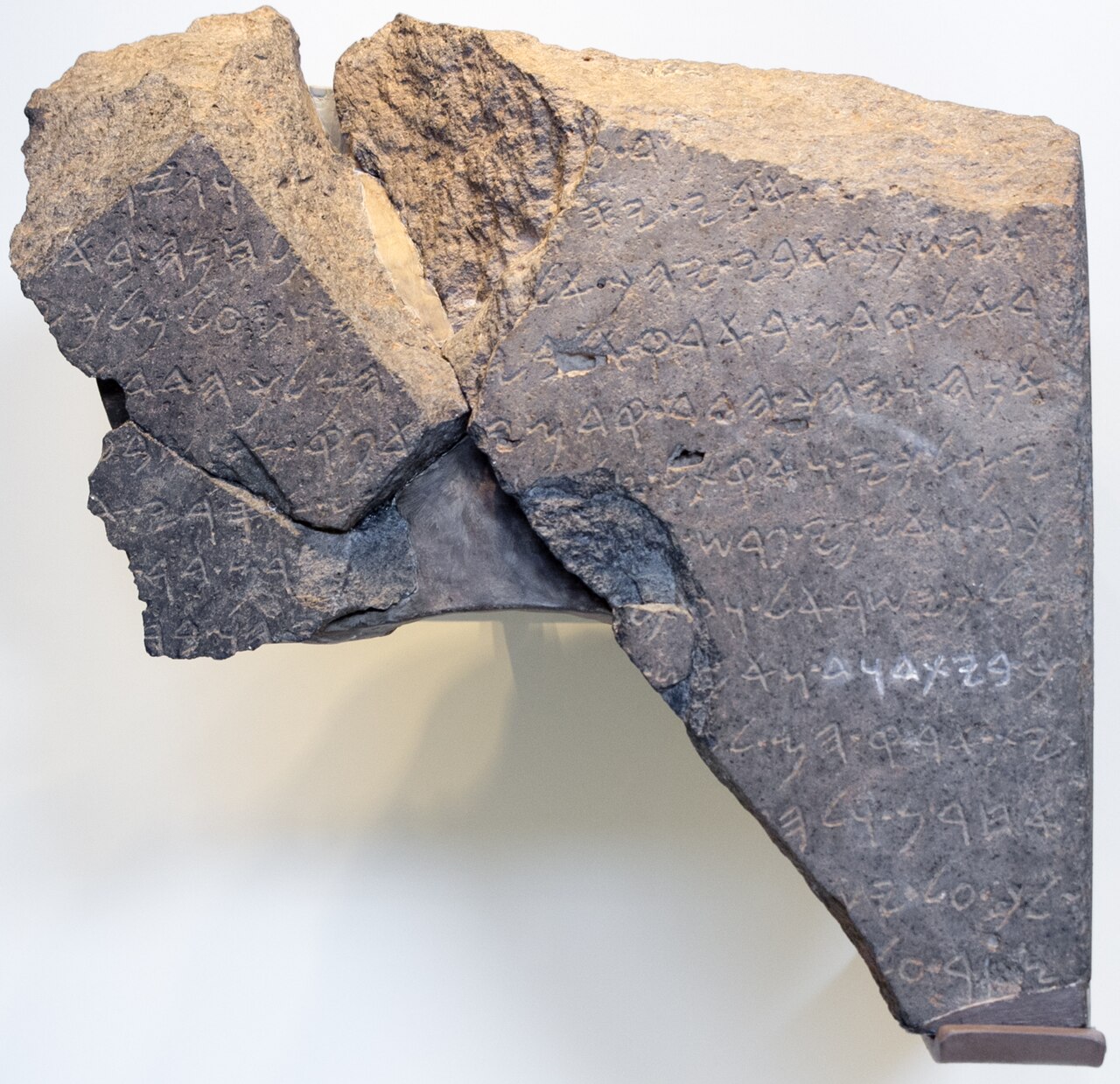
Culture
Tel Dan sits in a part of northern Israel where kibbutz life, farming and a strong military presence shape the daily rhythm. Hebrew is the common language, English is widely understood, and Arabic is spoken in nearby communities. Israelis tend to be direct communicators, a style known as dugriut. A blunt answer, or a loud and heated debate at the next table, is usually not hostility; honesty is valued over polite padding, and strangers are often quick to offer help and advice. Visitors who answer plainly in return tend to get on well.
The weekly calendar matters. The Jewish Sabbath runs from Friday afternoon to Saturday evening, public transport thins out and some food outlets close, while Saturdays and Jewish holidays bring families to the reserve in numbers. School trips and guided groups share the paths with ordinary visitors, so quieter hours are early in the day and on weekdays outside holiday periods.
Several layers of belief meet at this one mound: the Hebrew Bible's account of Dan, the Hellenistic shrine, and the modern habit of walking the land and reading its stories. Conversations with guides often move between scripture, archaeology and politics in a single breath, and people are generally happy to talk about all three. Stay on the marked paths, and leave every stone and pottery sherd where it lies, because taking anything from an archaeological site is not allowed.
What to wear
Tel Dan lies among communities with several dress traditions, so no single costume belongs to the place. Palestinian Arab villages in the Galilee have long worn the thobe, a long dress in cotton or linen with cross-stitch embroidery called tatreez, often worn for weddings and festivals. Druze communities in the north are known for white head coverings among religious men and women, and Jewish religious men wear the kippah and, at prayer, the wool tallit. These are mostly seen on holidays and in religious settings rather than on a hiking path.
Everyday dress in the Galilee is relaxed and practical. Kibbutz members and families at the reserve wear shorts, cotton shirts, sandals, caps and light rain jackets. Israelis are informal even in cities, and nobody dresses up for a day at an archaeological site.
For a visit, dress for walking and weather. Shoes with grip matter more than anything, as stones beside the streams stay wet and the mound has uneven steps. A hat, sunscreen and a water bottle are needed in the warmer months, and a light waterproof is useful in winter and early spring, when it can be cool and damp. Shorts are fine at the reserve, but carry a light long-sleeved shirt and trousers or a long skirt for any village, shrine or religious site on the same trip, where covered shoulders and knees are expected.
What to eat
- Israeli breakfast — Kibbutz guesthouses and dining rooms around Dan
A spread of chopped cucumber and tomato salad, eggs, soft cheeses, olives, bread and spreads. It is a standard morning meal in kibbutz guesthouses and dining rooms across the north, and a good way to eat well before a day on the mound. - Grilled trout — Trout restaurants near the reserve and Kibbutz Dan
Cold, spring-fed water in the area supports fish farming, and trout is grilled whole with lemon, olive oil and herbs. Expect it served with salads and chips. It makes a satisfying lunch after walking the reserve. - Hummus with warm pita — Village eateries in the Galilee and nearby town centres
Hummus is a smooth chickpea and tahini paste, often topped with whole chickpeas, olive oil and paprika, and eaten with fresh pita. It is an everyday meal in the north, and the quality varies, so busy local eateries are usually the safest choice. - Labneh with za'atar — Arab and Druze village eateries in the Galilee
Labneh is strained, tangy yoghurt cheese, spread thick and sprinkled with za'atar, a mix of dried thyme, sesame and sumac, then drizzled with olive oil. It is eaten with bread at breakfast or as a mezze, and suits vegetarian visitors. - Falafel in pita — Kiosks and snack counters in nearby towns
Falafel balls of ground chickpea are fried to order and stuffed into pita with salad, pickles and tahini. It is a cheap, quick lunch for walkers. Kosher food is widely available across the region, and vegetarian options are easy to find.
Plan it
Best time. March–April, when the streams run full and the woodland is green, and October–November, when the heat has eased. Summer is hot and best kept to early mornings in the shade of the reserve, and winter can be cool and wet.
How long. 1
Getting there. Fly into Ben Gurion Airport near Tel Aviv, then drive north to the Upper Galilee; a hire car is the easiest way to reach the reserve. Without a car, take an intercity bus towards Kiryat Shmona and arrange a taxi or local connection for the last leg, checking current timetables.
Budget. low
Tips
- Arrive early on weekdays to beat school groups and Saturday crowds
- Wear shoes with grip, as paths beside the streams are wet and slippery
- Check the official nature reserve listing for opening hours, fees and any closures before travelling
- Carry water and a hat, and bring cash or a card for small food stops
- Check the security situation for the northern border area before setting out
Etiquette
- Stay on marked paths and do not take stones or pottery from the site
- Dress modestly if the trip also takes in villages or religious sites
- Expect direct speech from locals and answer in kind rather than taking offence
Nearby
Sources
- Wikidata Q1346856 (CC0)
- Wikipedia: Dan (ancient city), rev 1383134611 (CC BY-SA 4.0)
- Wikivoyage: Israel, rev 5405511 (CC BY-SA 4.0)
- Tel Dan - Israelite Gate (en:User:Adrianlw) (Public domain)
- Tel Dan Canaanite Gate 1 (Hanay) (CC BY 3.0)
- Survey of Palestine map, Metulla (Public domain)
- Nature Reserve at Tel Dan (Israel Press and Photo Agency) (CC BY 4.0)
- The Tel Dan Stele at the Israel Museum (Oren Rozen) (CC BY-SA 4.0)
- The biblical Tel Dan, 119529 (שלמה רודד) (CC BY 2.5)
- The biblical Tel Dan, 119531 (שלמה רודד) (CC BY 2.5)
- Entrance to Tel Dan Reserve (Jotpe) (CC BY-SA 4.0)


