Talofofo Falls
Talofofo Falls, United States
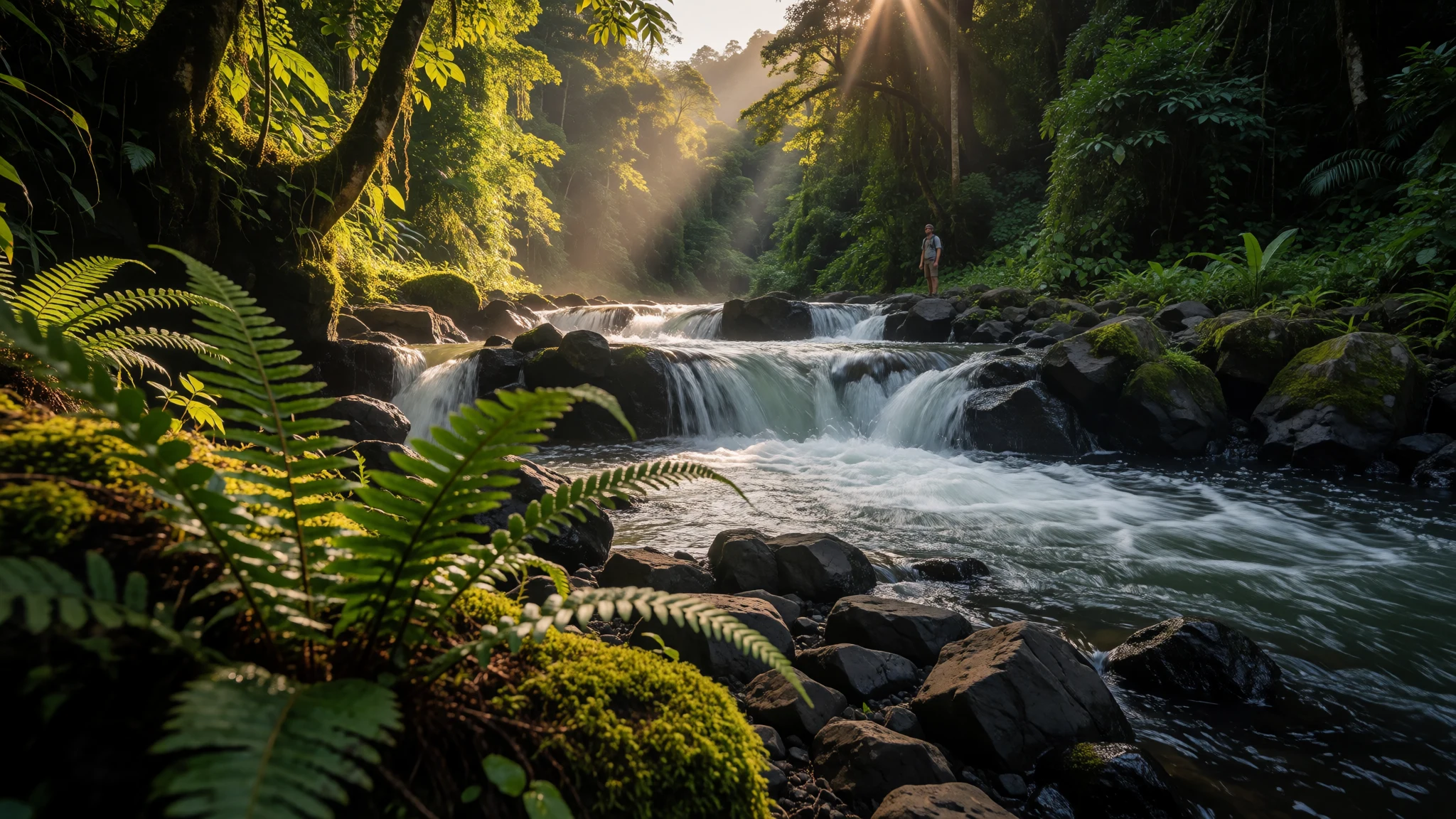
Talofofo Falls gives you lush waterfall scenery on Guam, plus a real WWII story linked to nearby Yokoi’s Cave.
The place
Talofofo Falls sits on the Ugum River in Guam’s south-east, inland from Talofofo Bay. The “falls” aren’t a single splashy point view; they’re a scenic series of cascades where the river drops through the valley, with greenery doing most of the hard work to make the place feel alive even when you’re just standing still.
The overall vibe is less about a big theme-park set-up and more about nature territory. You’ll hear water, notice the constant dampness in the air, and feel how the landscape pulls you downhill for better angles. It’s a good stop if you like waterfalls that still look like they belong to the island—wet stone, shaded paths, and river views rather than ticketed viewpoints.
What makes Talofofo Falls more than a quick photo break is the WWII connection. Nearby is Yokoi’s Cave, the place where Shōichi Yokoi—one of the last Japanese holdouts on Guam—was discovered. That means you’re not only walking through a pretty landscape; you’re also moving through a living patch of history.
In terms of comfort, Guam’s tropical conditions can be humid, and the ground near rivers can be slick. Wear footwear you trust on uneven, damp surfaces and plan for water on the air even when it’s not raining. If you’re visiting as part of a broader Guam itinerary, treat Talofofo Falls as a nature-and-story pairing: waterfall views first, then let the cave story sink in while the landscape is still fresh in your head.
Its story
The story around Talofofo Falls is tied to how Guam was experienced during World War II—and what lingered after the fighting moved on. On the island, the Ugum River landscape created natural hiding places, and one of the best-known was Yokoi’s Cave.
Shōichi Yokoi became known as one of the last Japanese holdouts on Guam. Instead of leaving when the conflict ended elsewhere, he remained in hiding for a long time, sustained by the tough, practical reality of survival in a remote place. That “remote place” is part of the reason Talofofo Falls matters to many visitors: the scenery feels calm today, but the terrain was also part of a wartime world.
Standing in the valley near the falls, it’s easy to understand the attraction of a place like this—water, shade, dense vegetation, and the kind of terrain where sound carries differently and paths aren’t obvious. Whether you come to Guam mainly for beaches, diving, or city comforts, the Talofofo Falls area gives you a shift in mood: from postcard Guam to something more grounded and reflective.
It also helps that the falls and cave aren’t separate “planets” on your day. The cave story and the river scenery reinforce each other. You don’t need to be a history buff to feel the contrast: today’s cascades and greenery overlie a past of isolation and persistence.
If you visit with a little time, try to absorb both layers—nature first for the senses, then history for the context—so the place doesn’t blur into just another stop.
What to see
- Talofofo Falls
Talofofo Falls is a series of cascades on the Ugum River in Inalahan. Look for different angles across the drop, where the river threads through the valley and greenery softens the edges.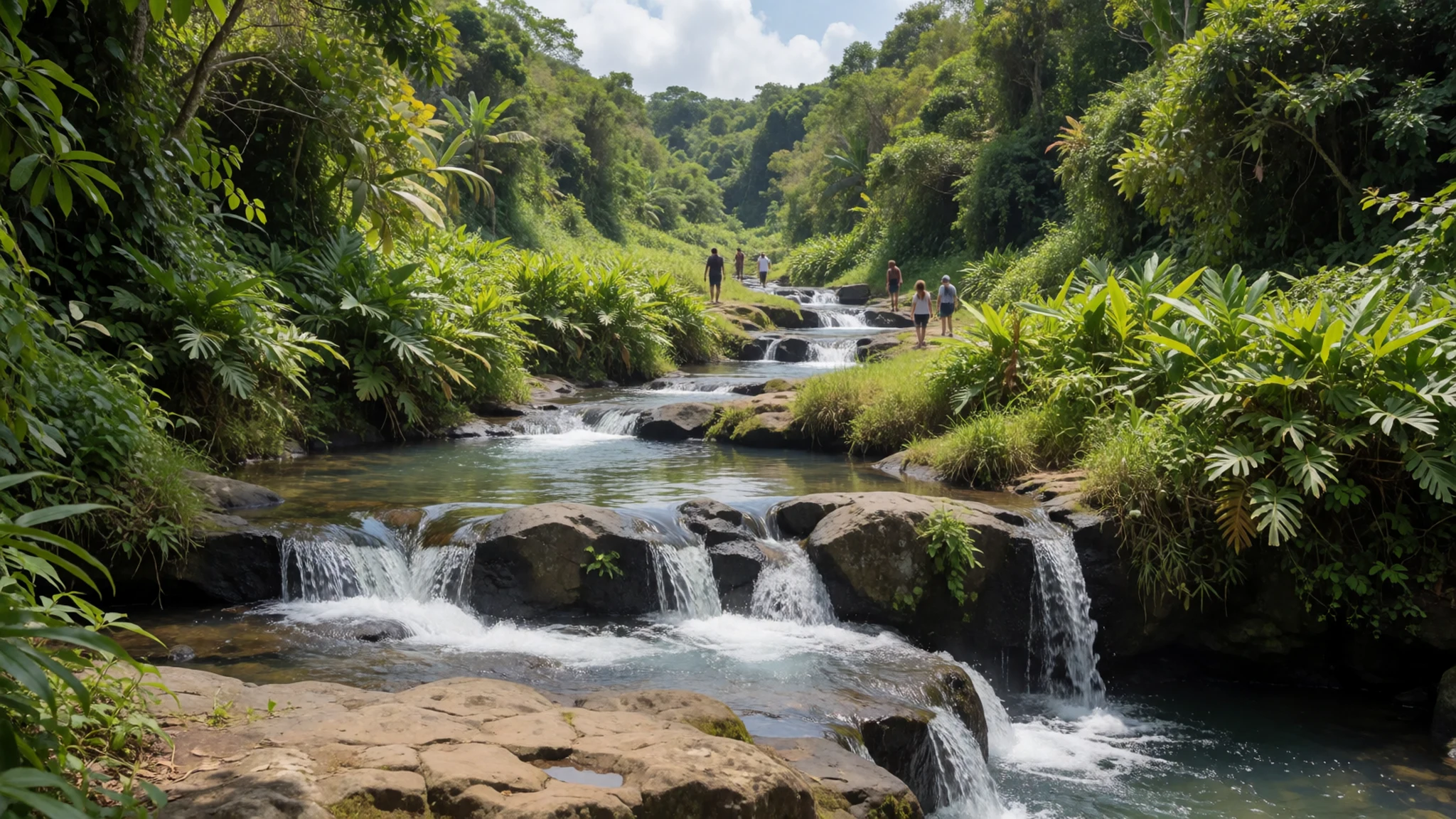
- Yokoi’s Cave area — Inalahan
Near Talofofo Falls, Yokoi’s Cave connects the landscape to Shōichi Yokoi, one of Guam’s last WWII holdouts. Treat it as the history anchor for this stop, not an add-on.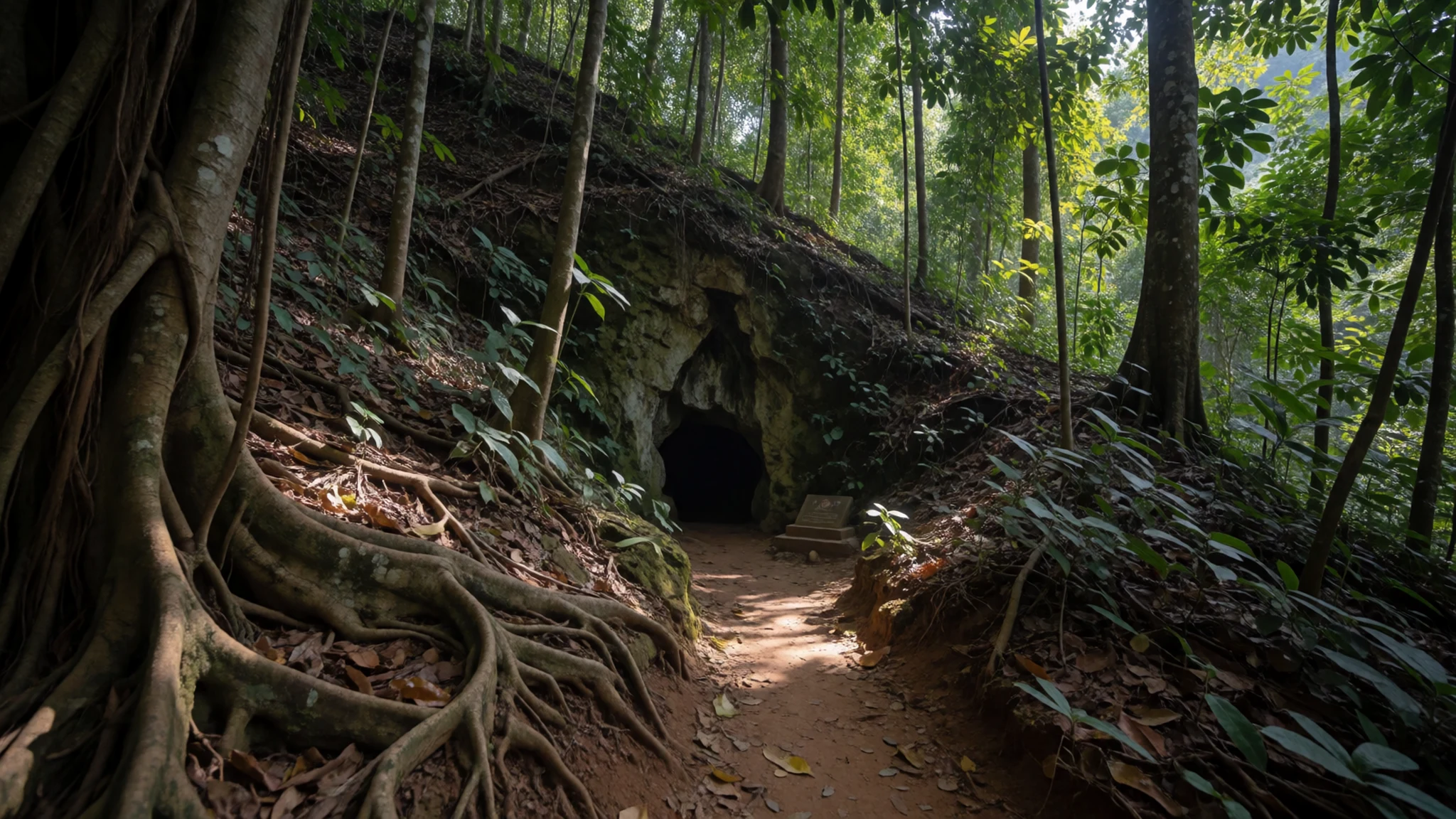
- River-valley viewpoint spots — Ugum River valley
The best views tend to come from walking a little within the valley. Expect uneven footing and damp surfaces near water, so move slowly and take photos when you’re steady.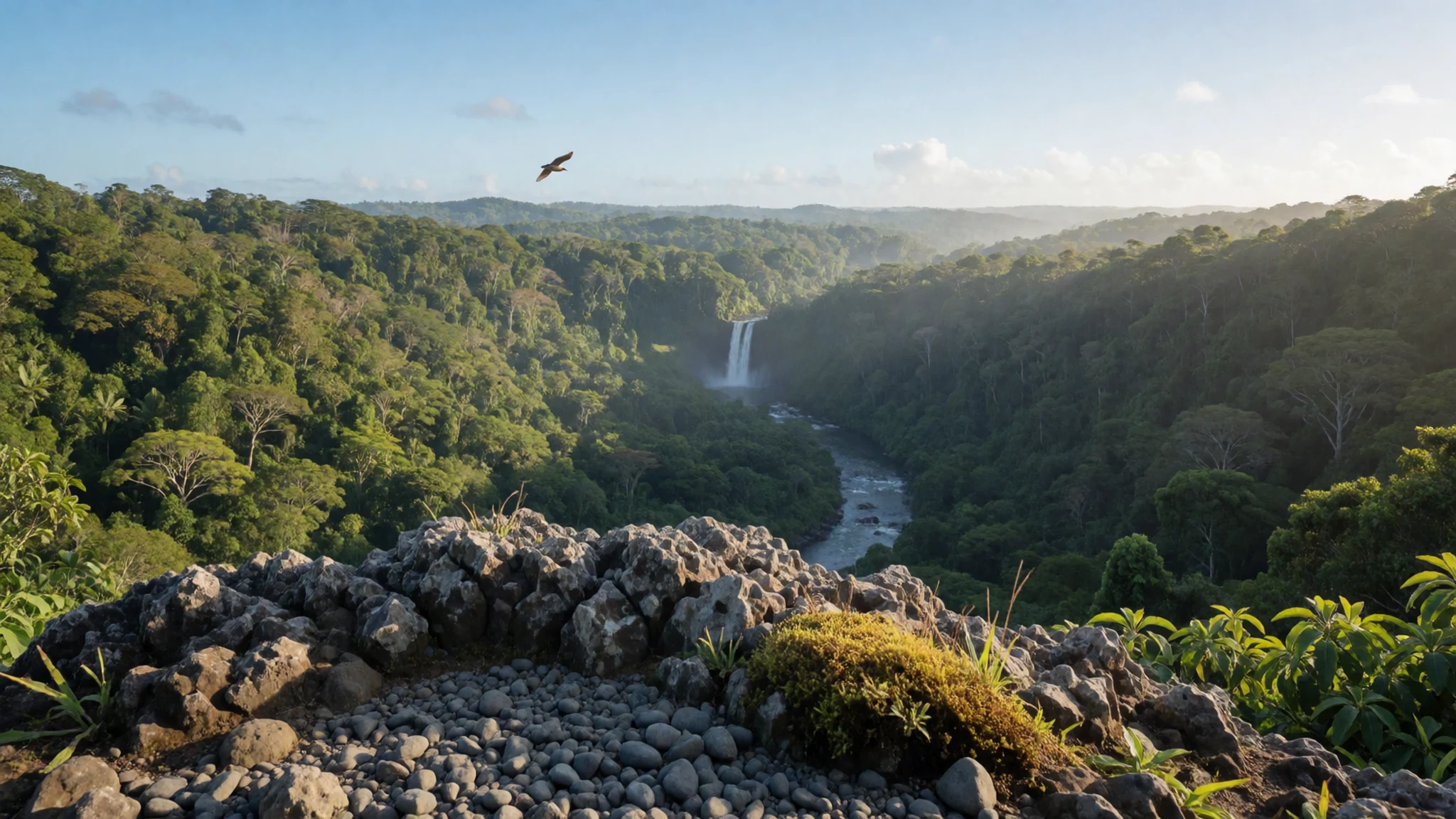
- Lower falls perspectives — Talofofo Falls area
Lower sections of the falls can look different from the main observation spots—more pooling water and calmer channels. These angles are useful if you want a “river mood” photo rather than just a curtain shot.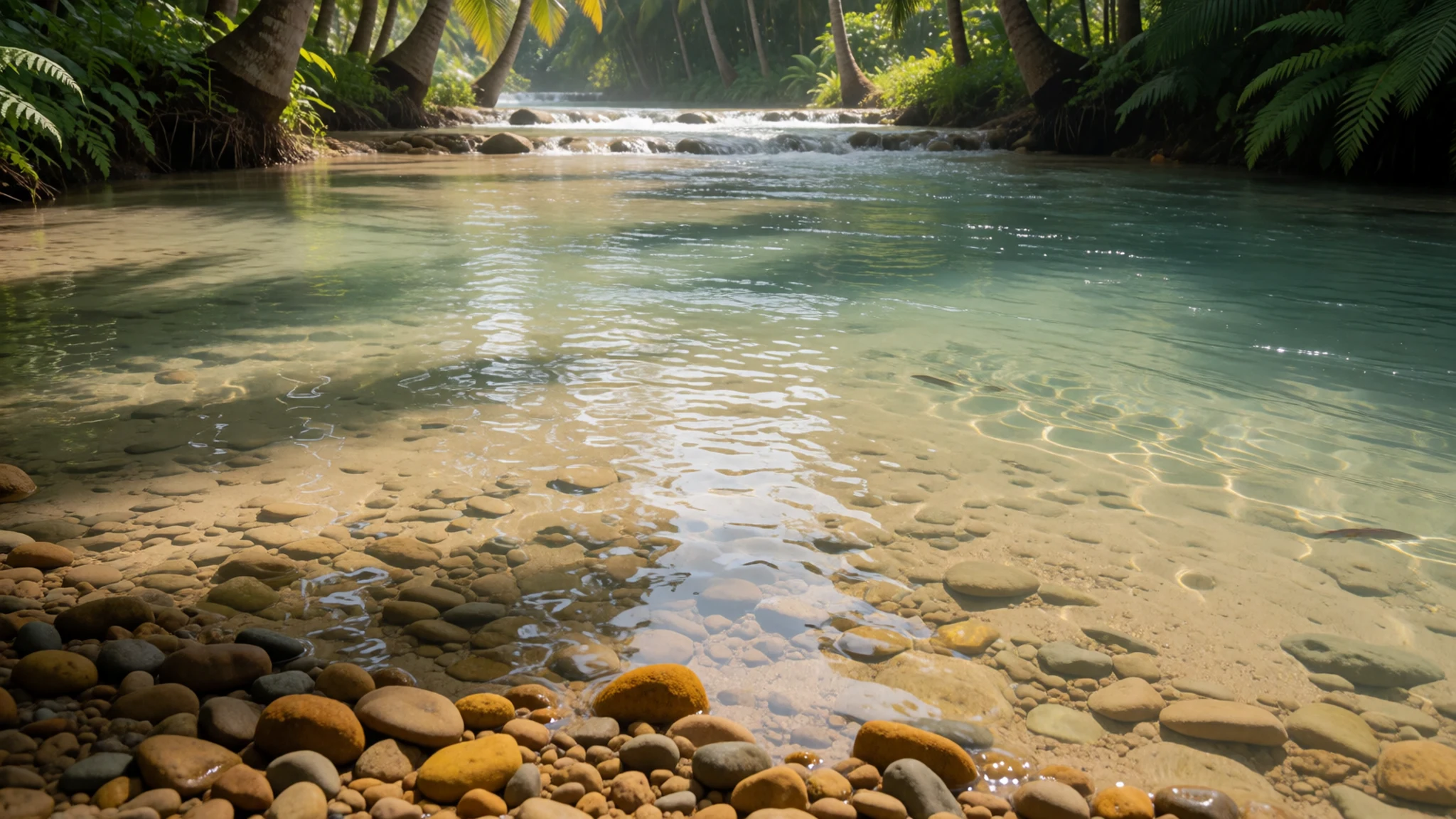
Culture
On Guam, the Chamorro people are the island’s indigenous community, with a culture that blends Asian, Spanish and American influences. In day-to-day interactions, people are often open and welcoming to visitors, and the easiest way to feel comfortable is to follow the general “courtesy and modesty” vibe.
Because the local population is predominantly Catholic (with Protestantism also present), faith shows up in daily rhythms, including private devotional acts such as rosaries. Families remember people they have lost in ways that can stretch over many years, so you may see ongoing, quiet remembrance rather than one-off ceremonies.
Clothing tends to be modest, especially around religious spaces or where locals are gathering for community life. You don’t need to dress for a ceremony, but it helps to avoid very revealing outfits and to keep coverage when you’re near shrines, churches, or any area that feels more formal than a beach day.
Finally, remember Guam is culturally diverse too—visitors may notice Filipino, Japanese, Korean and other communities. Keeping your approach respectful and not overly loud goes a long way, whether you’re meeting locals or walking through a historic area.
Visitor etiquette: keep clothing modest and quiet around religious or memorial areas, and ask before photographing people.
What to wear
Guam’s daily clothing ranges from beachwear to casual outfits, but the cultural baseline leans modest—especially near churches or any memorial spaces you pass on the way to sights like Yokoi’s Cave. Traditional Chamorro dress isn’t something most visitors will wear as daily street fashion, yet it’s worth understanding that clothing in the region often ties back to a mix of influences.
What people wear now is practical for tropical weather: breathable tops, light shorts or long trousers for walking, and sandals or trainers depending on the day. At waterfall areas, the ground can be damp and uneven, so footwear matters. A safe approach is closed-toe trainers or sturdy sandals with grip.
If you’re planning a day that includes both nature and history, dress in layers that you can adjust. Lightweight long sleeves can help with sun and insects, while a cap or hat is useful in exposed sections. Avoid outfits that are too revealing when you move away from the beach—particularly if you’re near churches or remembrance spots.
In short: go for lightweight, modest, breathable clothes; bring footwear you can trust on wet paths; and keep a bit more coverage once you step into more reflective, culturally sensitive areas.
What to eat
- Grilled or baked fresh fish — Local restaurants island-wide
Fresh fish on Guam is often grilled or baked with vegetables or fruit. Look for it at everyday local restaurants that focus on seafood, or ask for the day’s catch.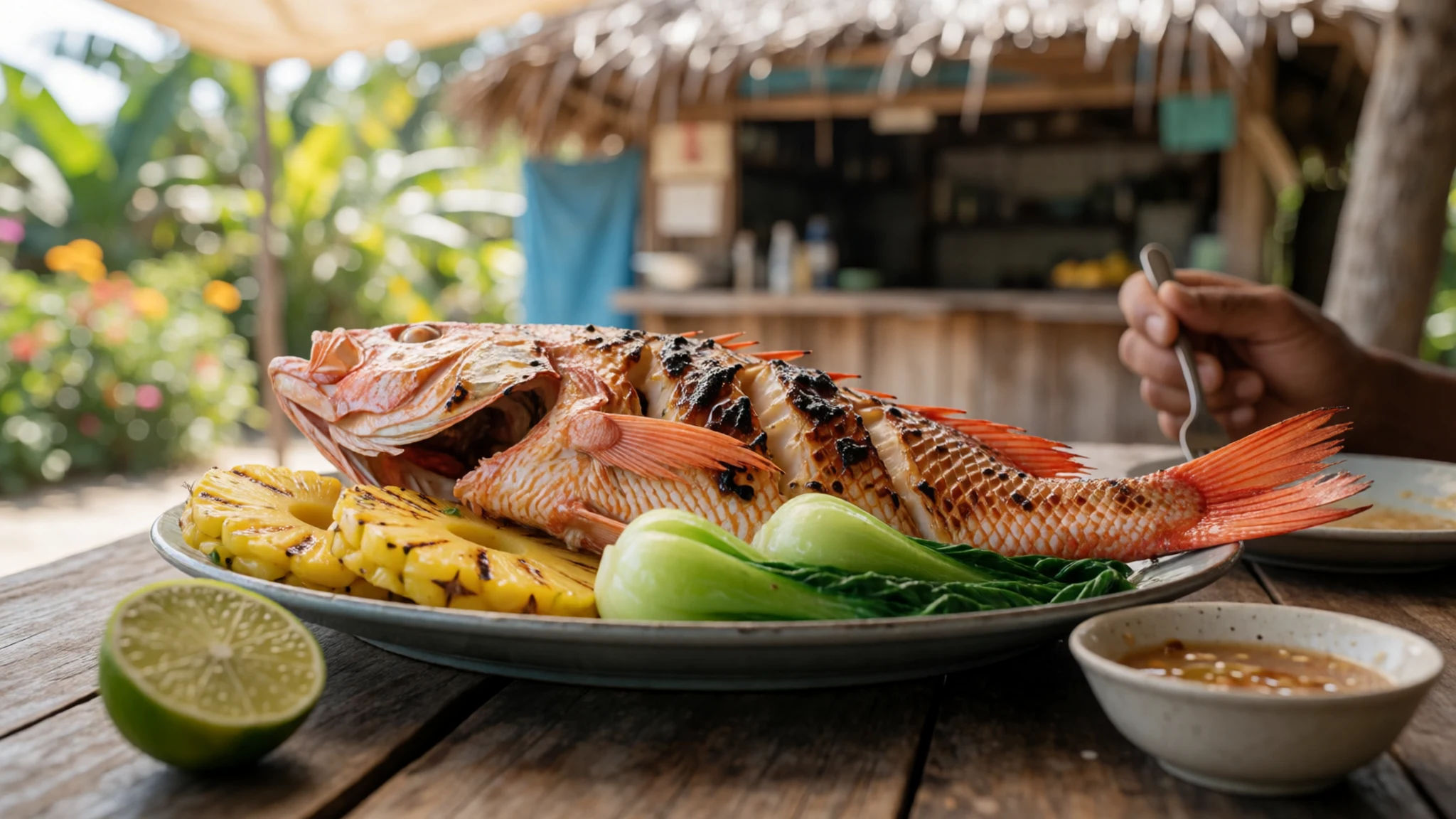
- Octopus with Pacific-style sides — Seafood-focused restaurants
Octopus is served grilled or baked, commonly paired with vegetables or fruit. It’s a good “local seafood” choice when you see it on a menu at casual eateries.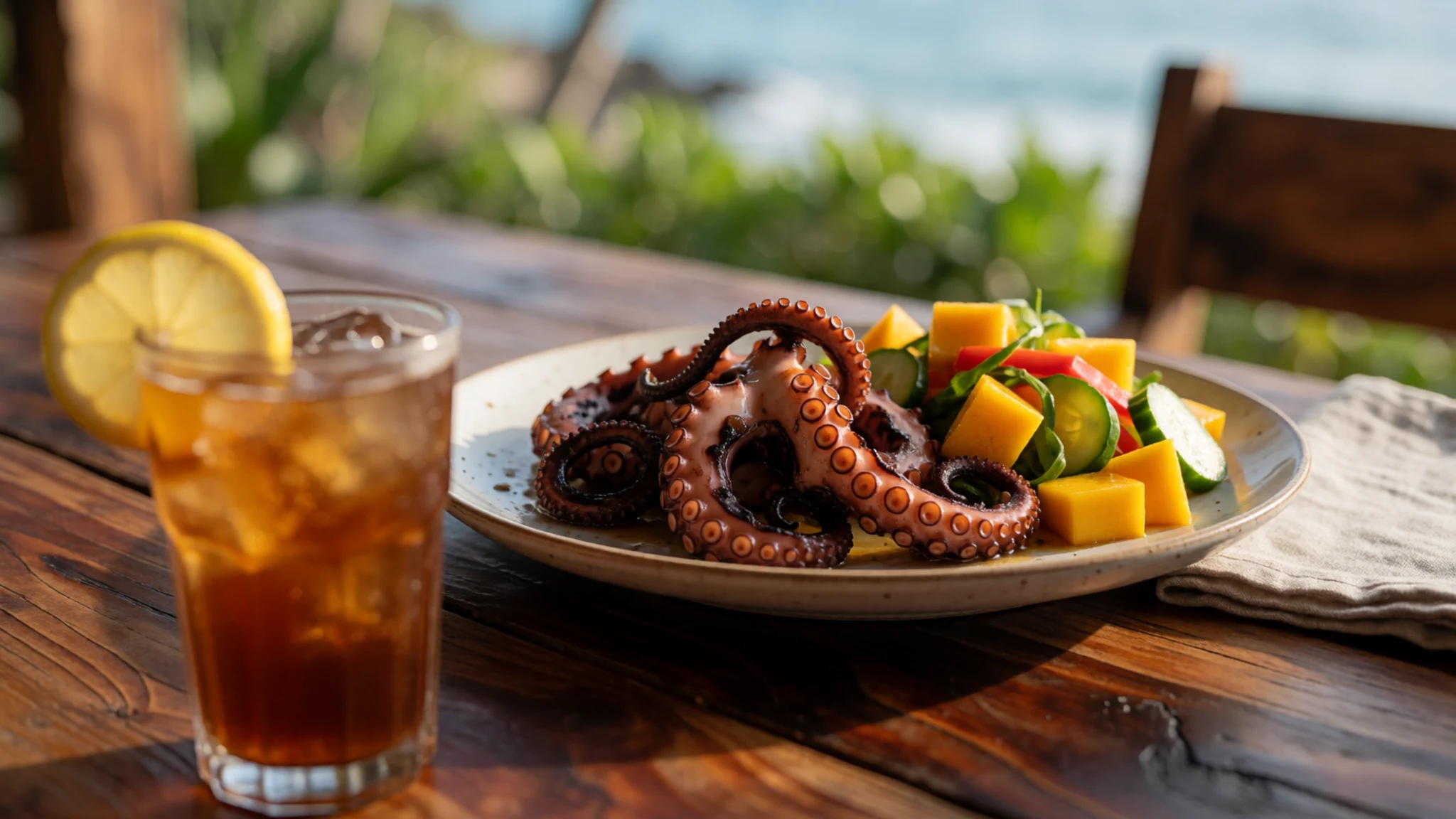
- Crab dishes — Local eateries
Crab shows up as a regular part of Guam meals, usually prepared with simple, flavour-forward cooking and served alongside fresh sides. Ask what’s available locally rather than hunting for a particular brand. - Sashimi and raw seafood — Japanese restaurants and dining districts
Sashimi is part of Guam’s seafood range. If you enjoy it, look for Japanese-style restaurants in towns and around the main tourist areas. - Chamorro BBQ-style get-togethers — Local community BBQs
BBQ is a big social event in Guam, with families and friends getting together and grilling as a group activity. If you’re offered an invitation, it’s often the most “island” way to eat.
Plan it
Best time. March–April for warm, drier-feeling weather and October–November for more comfortable conditions; June can be rainy, and August is hot and humid.
How long. 2–3
Getting there. Fly to Guam (nearest main air hub is Antonio B. Won Pat International Airport), then drive or arrange a tour to the south-east inland area around Talofofo Falls and Yokoi’s Cave.
Budget. mid
Tips
- Start early on the day you visit Talofofo Falls to keep walking easier in the heat.
- Bring water and take breaks; humidity can hit quickly even when the sky looks clear.
- Wear grip-friendly footwear for wet, uneven ground near river areas.
- If you’re also doing coastal activities, be mindful that rainy-season roads can have pooling and potholes.
Etiquette
- Move carefully and keep to safe paths around the falls—river terrain can be slippery.
- Be modest with clothing, especially if your route includes church-like or memorial spaces.
- Ask before taking photos of people, particularly near quiet memorial or community areas.
Nearby
Sources
- Wikidata Q7680272 (CC0)
- Wikipedia (rev 1343791799) (CC BY-SA 4.0)
- Wikivoyage (rev 5403309) (CC BY-SA 4.0)
- Photo photos/01-talofofo-falls-2025.jpg (CC BY-SA 4.0)
- Photo photos/02-talofofo-fall-panoramio.jpg (CC BY 3.0)
- Photo photos/03-p1020909-256244560.jpg (CC BY-SA 2.0)
- Photo photos/04-park-panoramio-2.jpg (CC BY 3.0)
- Photo photos/05-cable-cars-at-talofofo-falls.jpg (CC BY 2.5)
- Photo photos/06-yokoi-s-cave.jpg (CC BY-SA 4.0)
- Photo photos/07-bridge-88848082.jpg (CC BY 2.5)
- Photo photos/08-buda-88849502.jpg (CC BY 2.5)


