Sybaris
Sybaris, Italy
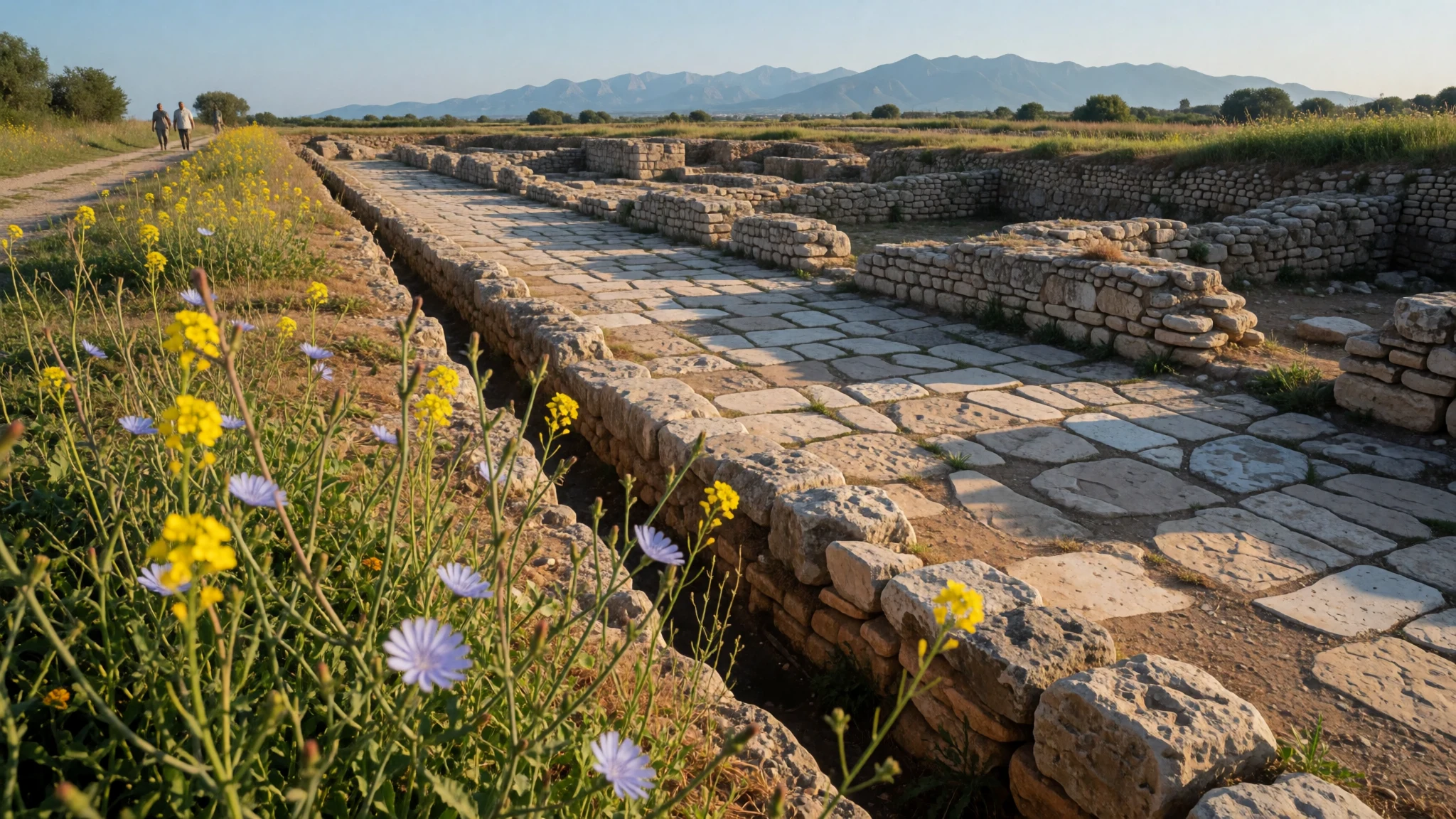
Uncover the layered ruins of Sybaris in Calabria, where Greek luxury, Athenian idealism, and Roman engineering lie buried beneath ancient river silt.
The place
Sybaris sits in southern Italy along the Ionian coast of Calabria, set between the Crati and Coscile rivers near the Gulf of Taranto. In antiquity, this landscape was a fertile coastal plain whose agricultural bounty and trading harbour turned the original settlement into a legend of wealth and self-indulgence. The surrounding fields produced surplus crops, while sea routes connected the harbour to maritime trade networks across the Mediterranean.
Today, the physical landscape reflects centuries of environmental change. Over time, heavy silt washed down from the surrounding hills by the local rivers buried the classical city, preserving its foundations beneath metres of earth. Modern excavations southeast of the town of Sibari have uncovered three distinct historical levels layered directly above one another: archaic Greek Sybaris at the bottom, the classical Athenian-led colony of Thurii above it, and the later Roman town of Copia near the surface.
Visitors stepping onto the plain encounter an open archaeological park where stone foundations, broad paved thoroughfares, and Roman architectural elements sit amidst quiet farmland. Water management remains a constant challenge for conservationists, as the water table near the lagoon basin requires continuous pumping to keep the lower Greek strata clear of marshland moisture. Beyond the ruins, the agrarian character of northern Calabria endures, surrounded by citrus groves, olive trees, and the blue expanse of the sea.
Its story
Sybaris was established around 720 BCE by Greek migrants originating from Helice in Achaea, who were later joined by settlers from Troezen. Drawn westwards across the Ionian Sea by severe land shortages and demographic strain in their mountainous homeland, these early colonists selected a location with exceptionally fertile soil along the Italian coast. Unlike many contemporary Greek states that strictly restricted citizenship, Sybaris grew rapidly by integrating regional populations into its civic structure and founding peripheral trading settlements across the peninsula to the Tyrrhenian shore.
This rapid expansion generated immense wealth, earning Sybaris an enduring reputation throughout the ancient world for lavish living and luxury. That very reputation gave rise to the term sybarite, denoting a person devoted to sensory gratification. However, regional rivalry eventually eclipsed this period of prosperity. Tensions with the neighbouring Greek colony of Kroton culminated in a devastating conflict around the late sixth century BCE. The forces of Kroton defeated Sybaris and diverted the course of the Crathis river across the defeated city, submerging its structures and dispersing its inhabitants.
In the aftermath, new settlements rose upon the drowned site. During the fifth century BCE, Athenian settlers helped construct the planned city of Thurii, incorporating regular street grids designed by classical urban planners. Later still, Roman authorities established the garrison town of Copia over the existing foundations. The complex fell into obscurity for centuries as river sediment accumulated over the plain, until twentieth-century archaeological surveys revealed the forgotten urban sequence beneath the farmland.
What to see
- Parco Archeologico di Sibari — Archaeological Park, Sibari
The primary excavation ground displays the main urban grid of ancient Copia built directly over classical Thurii. Walking along the wide stone decumanus reveals urban planning across centuries, where drainage channels, stone walls, and deep stratigraphy show how successive civilizations rebuilt upon the same fertile coastal ground.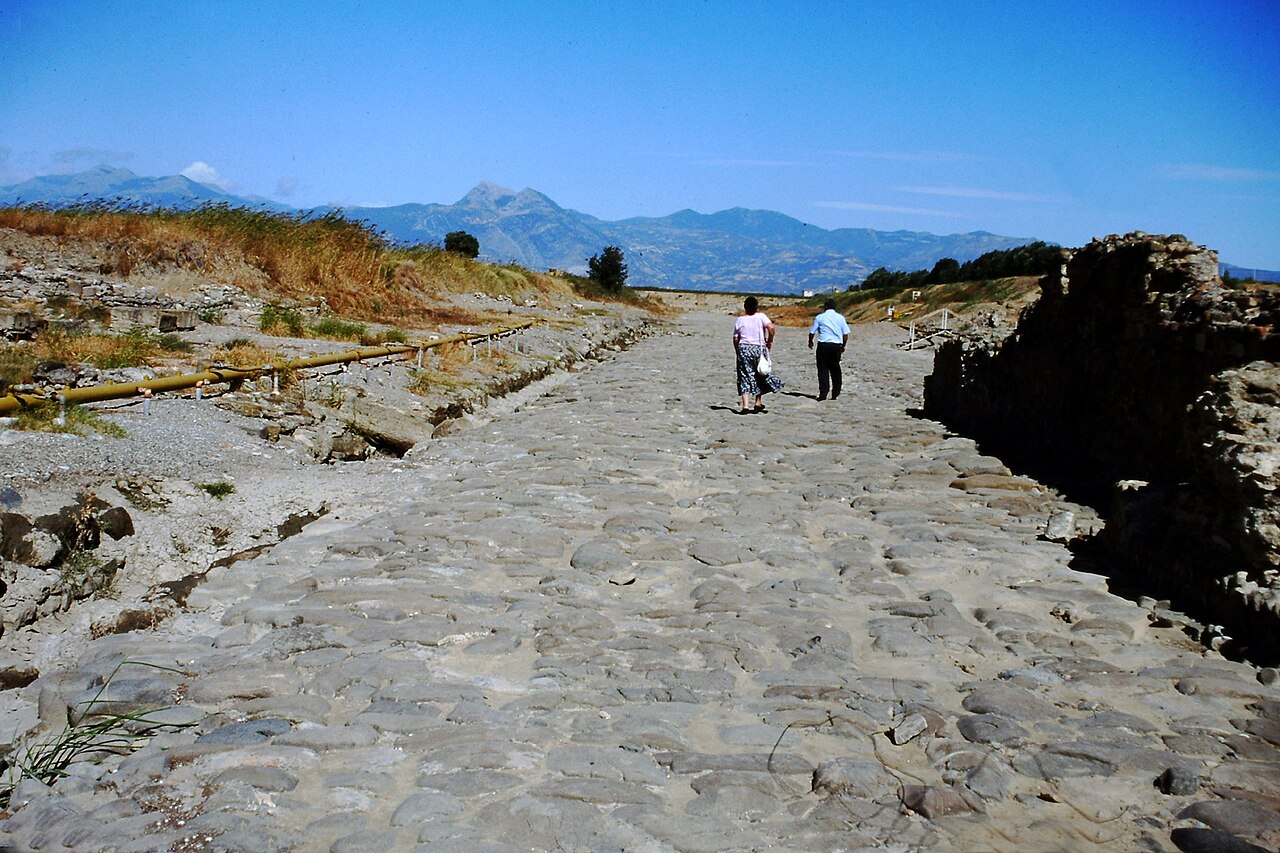
- The Roman Theatre of Copia — Archaeological Park, Sibari
Located within the central excavation sector, this semi-circular Roman theatre highlights the final urban phase of the site. Visitors can examine the curved seating tiers and stone orchestra pit, constructed during the Roman era when the earlier Greek colonies had already been buried beneath layers of river mud.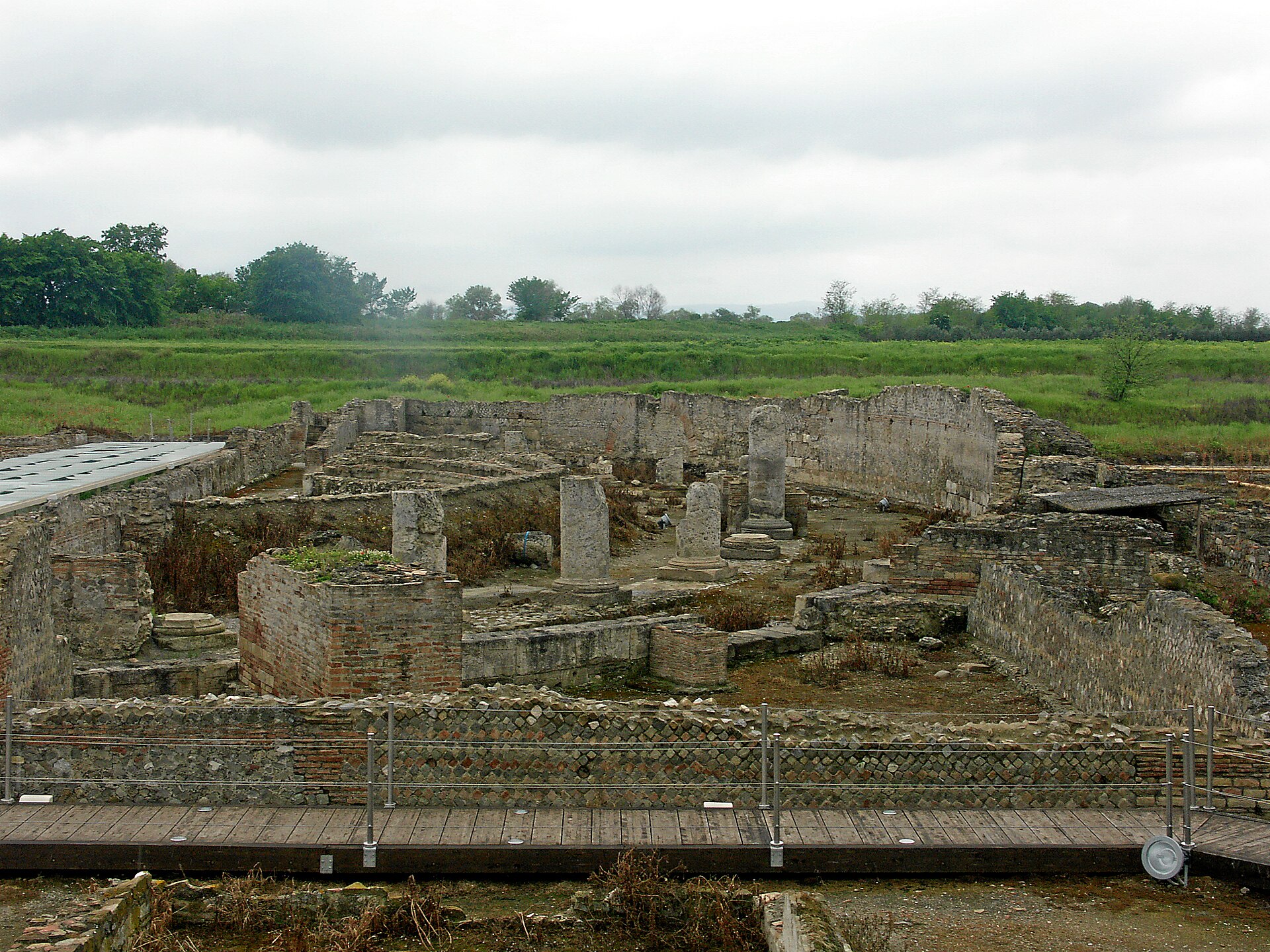
- Peristyle Mosaics — Archaeological Park, Sibari
Preserved within the foundations of ancient residential structures, these intricate floor mosaics offer a glimpse into domestic life during the site's Roman period. Geometric stone patterns remain visible among the house outlines, demonstrating the decorative craft and architectural layout of domestic courtyards along the Ionian shore.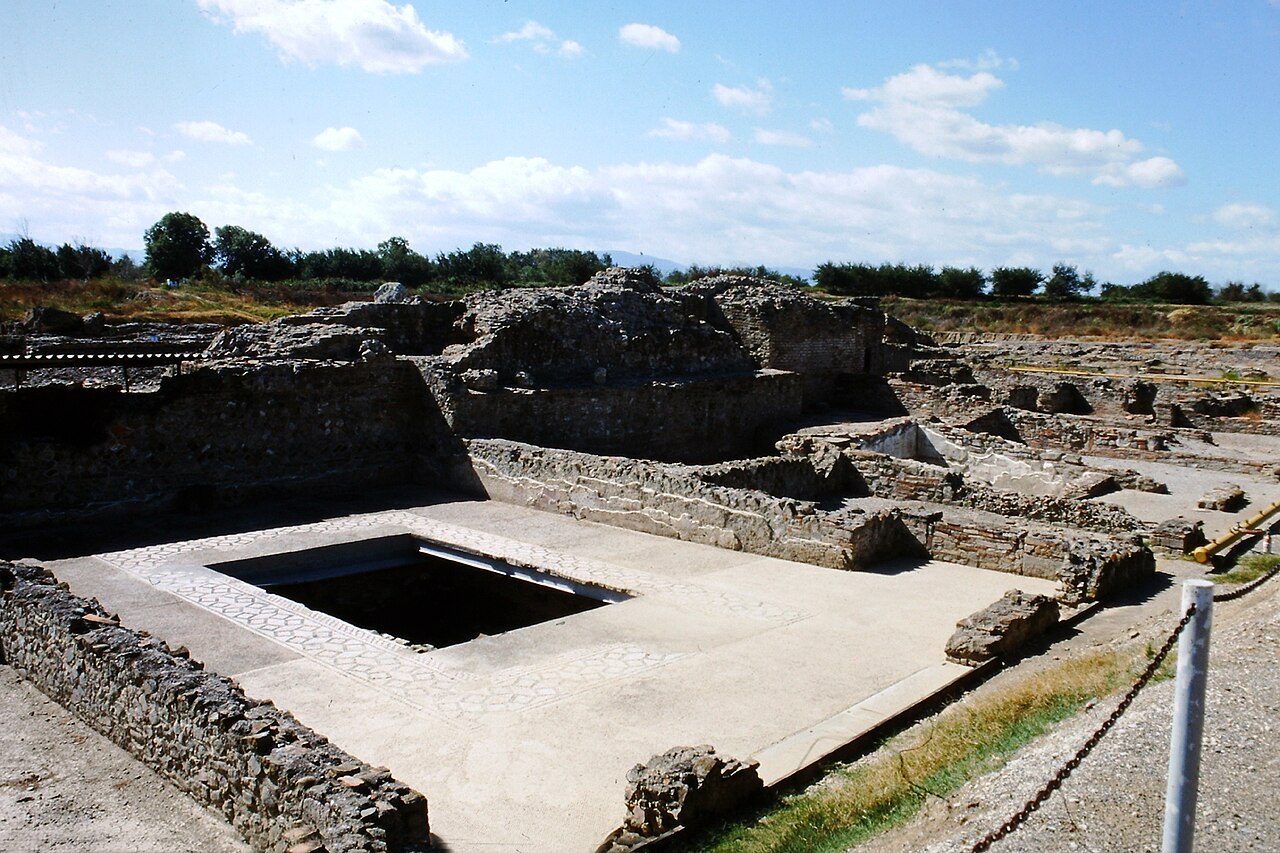
- Grotta Azzurra on Dino Island — Praia a Mare, Calabrian Coast
Situated off the coast at Praia a Mare along the western Calabrian shoreline, this sea cave features luminous turquoise waters illuminated by sunlight filtering through underwater openings. Local boat operators take visitors into the cavern, where swimmers and boaters can observe marine life in clear coastal waters.
Culture
Sybaris occupies a distinctive place in southern Italian heritage, giving its name to a concept of leisure and abundance that shaped Western vocabulary. In modern Calabria, life moves at a measured pace that reflects the rural roots of the region. Local communities maintain close ties to agricultural traditions, with daily rhythms centred on family meals, seasonal harvests, and public gatherings in town squares. The surrounding Cosenza province values hospitality, offering visitors a warm welcome grounded in the unpretentious customs of rural southern Italy.
The regional lifestyle prioritises fresh produce, family gatherings, and community celebrations over grand commercial tourism. Evening strolls through quiet towns and leisurely meals at local eateries reflect an unhurried approach to daily life. Respect for historical sites and the natural landscape remains deeply held, as locals take pride in preserving their agrarian heritage alongside ancient ruins. When exploring archaeological parks or small Calabrian towns, take care to dress modestly when entering local churches and avoid touching or climbing on delicate ancient stonework.
What to wear
Sybaris and the surrounding Calabrian countryside historical dress was defined by practical rural garments woven from coarse wool, linen, and hemp. Traditional regional costumes, worn today primarily during folk festivals and village celebrations, featured embroidered aprons, heavy pleated skirts, and draped headscarves for women, alongside sturdy linen shirts and woolen waistcoats for men. These garments reflected a self-sufficient agrarian culture where textiles were spun and dyed locally using natural plant pigments.
In everyday life, contemporary residents of northern Calabria dress in comfortable, modern European attire. Simple linen shirts, tailored trousers, and lightweight dresses dominate during the long summer months, while leather jackets and woolen coats are favoured during cooler autumn and winter days. Neat appearance is valued in towns, though casual attire is common across rural districts.
Visitors exploring the sun-exposed ruins of Sybaris should prepare for intense summer heat and uneven terrain. Breathable cotton or linen clothing, a wide-brimmed hat, and sturdy walking shoes with good traction are essential for navigating dusty archaeological trails. Carrying a light scarf or jacket helps satisfy modest dress expectations when visiting active churches in nearby villages.
What to eat
- Peperoncino & Olio Santo — Regional festivals and local eateries across Calabria
Calabrian cooking relies heavily on hot red peppers, served fresh, dried, or infused into olive oil as Olio Santo. Poured over simple pasta dishes, this fiery condiment defines the regional palette, celebrated annually at food festivals in coastal villages. - Nduja — Pizzerias and bakeries throughout Cosenza province
This spreadable, rust-red pork sausage is heavily seasoned with spicy chili peppers. Pizzerias spread it hot over crisp dough, while bakeries serve it smeared over crusty country bread, making it one of Calabria's most distinctive culinary exports. - Soppressata — Traditional delicatessens and village butchers
A classic cured pork sausage seasoned with black pepper and dried chili flakes. Pressed into a slightly flattened shape during curing, this dry sausage is served on antipasto boards alongside regional cheeses and house-made pickles in local trattorias. - Alici Ripieni — Seafood trattorias along the Ionian coast
Fresh anchovies stuffed with a savoury mixture of breadcrumbs, garlic, herbs, and local cheese, then baked or lightly fried. Coastal eateries prepare this classic dish using fish caught daily by local boats in the Gulf of Taranto. - Capocollo — Sandwich shops and rural agriturismi
A mild, dry-cured pork shoulder ham seasoned with delicate herbs and spices. Sliced thinly for lunch platters or stuffed into rustic crusty bread rolls, Capocollo offers a gentle contrast to the region's spicier sausages.
Plan it
Best time. April to June and September to October offer pleasant temperatures for exploring open-air archaeological sites; July and August bring heavy heat and high humidity.
How long. 1–2
Getting there. Fly into Lamezia Terme Airport or Crotone Airport, then rent a vehicle or take a regional train along the Ionian railway line toward Sibari station.
Budget. low
Tips
- Wear sun protection and bring plenty of drinking water, as shade across the open archaeological park is minimal.
- Rent a car for seamless travel, as regional bus connections between archaeological sites and coastal villages can be sparse.
- Check the official culture ministry website for current opening hours and seasonal access to excavation sectors.
- Combine your site visit with a stop at the nearby archaeological museum to view unearthed artifacts and ancient coinage.
Etiquette
- Do not touch, climb on, or move ancient masonry or exposed mosaic floors.
- Dress respectfully with shoulders and knees covered when visiting local village churches.
- Ask permission before taking close-up photographs of vendors or residents in small towns.
Nearby
Sources
- Wikidata Q220583 (CC0)
- Wikipedia (rev 1367076161) (CC BY-SA 4.0)
- Wikivoyage (rev 5344672) (CC BY-SA 4.0)
- Photo photos/01-sibari-scavi-teatro.jpg (CC BY-SA 4.0)
- Photo photos/02-sybaris-nomos-453-92000187.jpg (CC BY-SA 2.5)
- Photo photos/03-monsters-prodigies-30.jpg (Public domain)
- Photo photos/04-sybaris-centralna-cz-wykopalisk.jpg (CC BY 4.0)
- Photo photos/05-sybaris-mozaiki-w-peristylu.jpg (CC BY 4.0)


