Swiss Alps
Swiss Alps, Switzerland
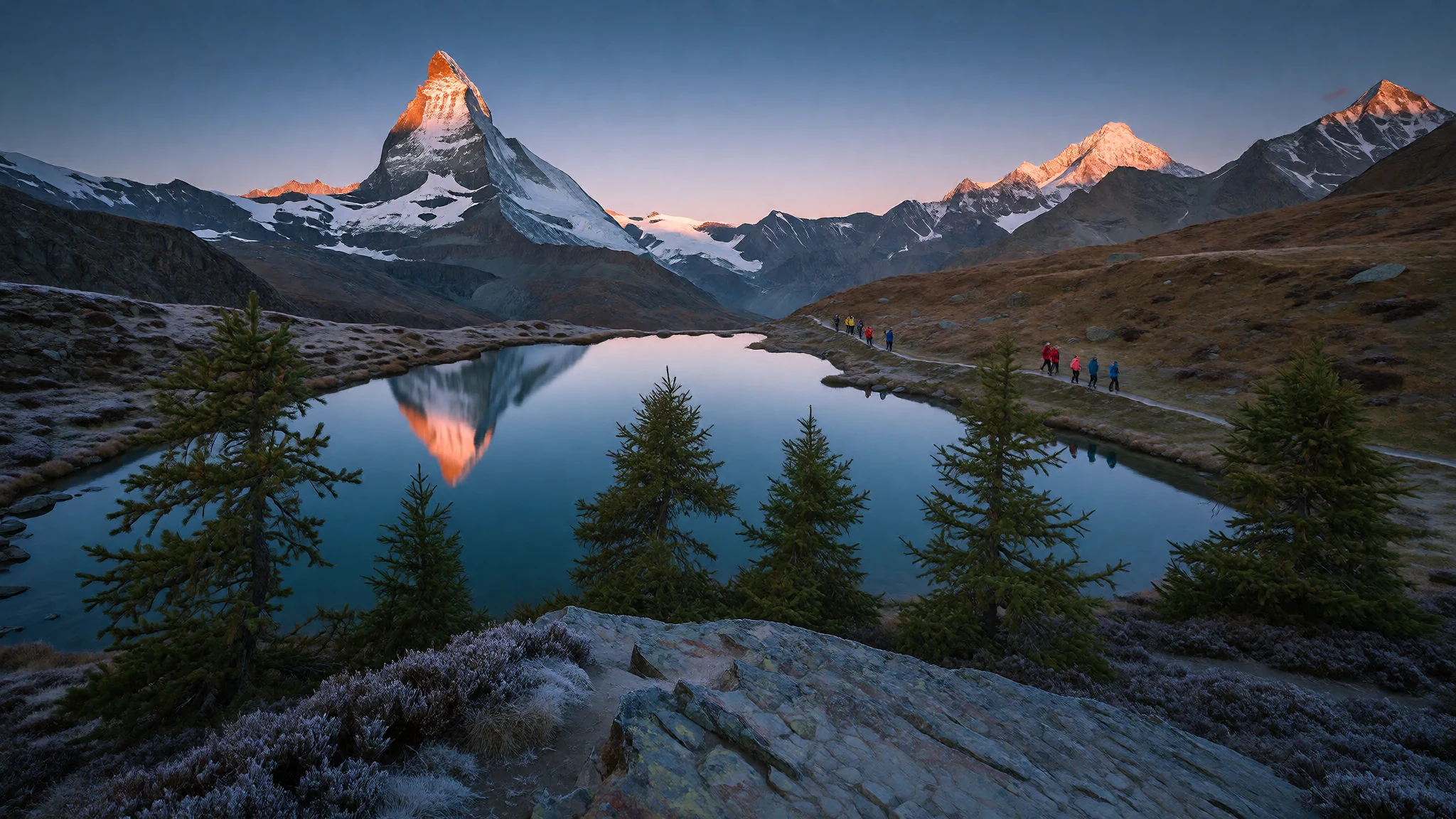
A vast, glaciated archipelago of peaks and valleys that defines the Swiss landscape and offers crisp air for hiking and skiing.
The place
The Swiss Alps form the dominant natural feature of Switzerland, covering 60 percent of the country's total surface area. This massive mountain range stretches across the nation, encompassing both the Western and Eastern Alps, with northern ranges like the Bernese and Appenzell Alps lying entirely within Swiss borders. The southern ranges, extending from the Mont Blanc massif to the Bernina, are shared with France, Italy, Austria, and Liechtenstein. The region stands north of the national border and south of the Swiss Plateau, with the dividing line running from Vevey on Lake Geneva to Rorschach on Lake Constance. The Swiss Alps hold a remarkable concentration of the highest summits in the European chain. The range includes the Dufourspitze at 4,634 metres, the Dom at 4,545 metres, the Liskamm at 4,527 metres, the Weisshorn at 4,506 metres, and the Matterhorn at 4,478 metres. Glaciers play a significant role in the landscape, covering 1,220 square kilometres of the territory. This represents 3 percent of the Swiss landmass but accounts for 44 percent of the total glaciated area in the Alps. The region is further characterised by the Prealps, a set of foothills on the northern margin, and a complex network of valleys such as the Rhine Gorge in Graubünden. While the area is geographically immense, the specific altitude and scale of these ranges create a distinct alpine environment that is neither gentle nor low-lying, but rather a rugged, high-altitude terrain defined by steep gradients and glacial activity.
Its story
The history of the Swiss Alps is inextricably linked to the movement of people and the formation of the Swiss Confederacy. Since the Middle Ages, transit across the Alps has played a crucial role in European history, serving as a vital corridor for trade, military campaigns, and cultural exchange. The region north of the St Gotthard Pass became the nucleus of the Swiss Confederacy in the early 14th century, establishing the political foundations of the modern state. The mountains were not merely a backdrop but an active participant in the nation's development, shaping the identity of the communities that settled in the valleys. The Swiss Alps are also a site of significant prehistoric human activity, evidenced by the Pre-historic pile dwellings of the Alps, which are recognised as a UNESCO World Heritage site shared with Austria, France, Germany, Italy, and Slovenia. These archaeological sites offer a glimpse into the lives of early inhabitants who adapted to the challenging alpine environment. The region's strategic importance has persisted through the centuries, with the mountains serving as both a barrier and a bridge. The development of modern tourism in the 19th and 20th centuries transformed the Alps from a remote, difficult terrain into a global destination for recreation and sports. Today, the Swiss Alps represent a blend of natural heritage and human history, where the legacy of ancient transit routes and medieval politics still influences the cultural identity of the region.
What to see
- Matterhorn — Zermatt
The iconic peak near Zermatt is one of the most photographed mountains in the world. Its distinct pyramidal shape and high altitude make it a focal point for hikers and photographers. The surrounding valley offers various viewpoints, and the mountain serves as a symbol of the Swiss Alps. Visitors often arrive by train, with the journey itself providing scenic views of the surrounding ranges.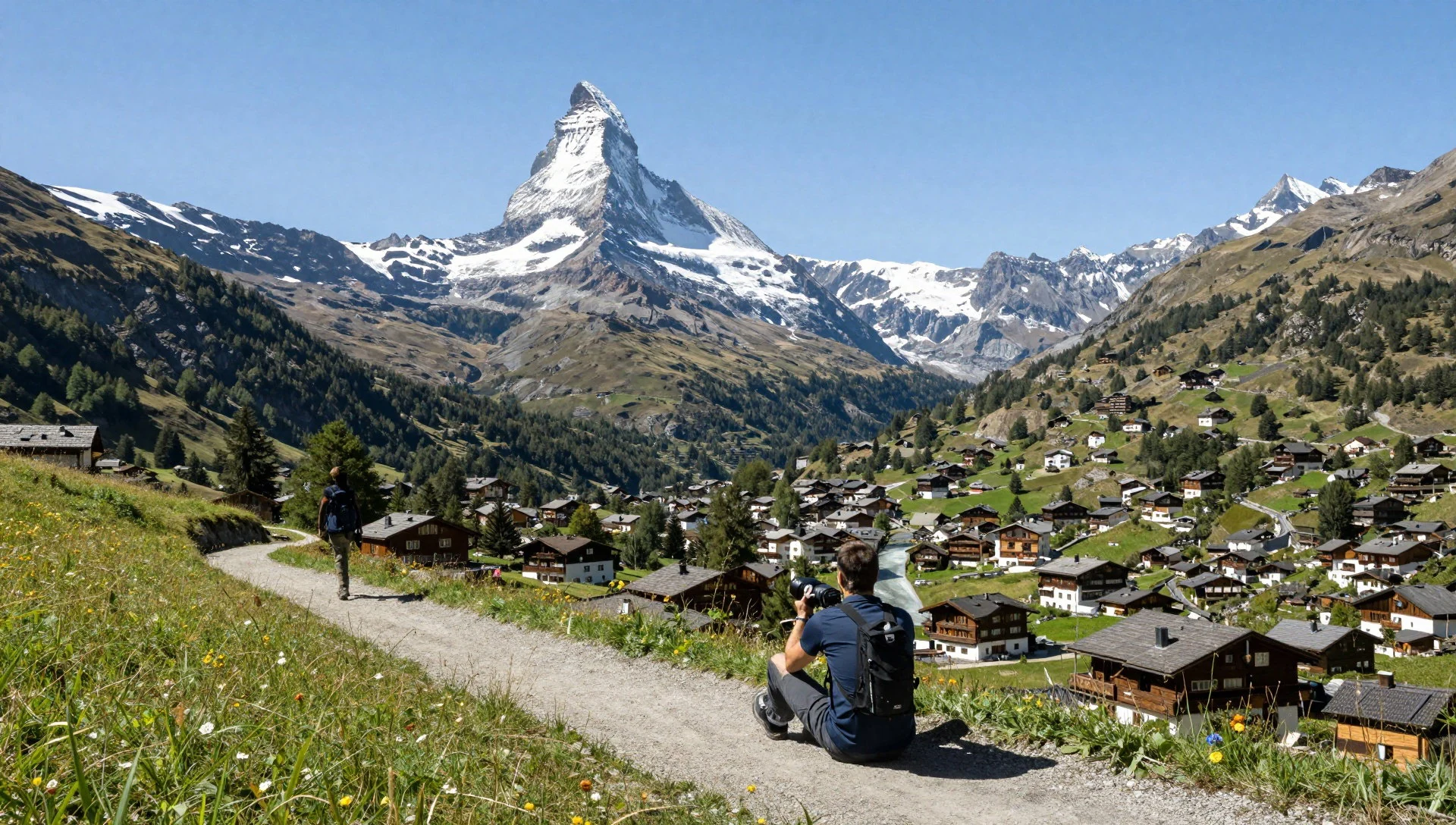
- Bernese Highlands — Interlaken, Murren, Gimmelwald
This area, including towns like Interlaken, Murren, and Gimmelwald, is considered by many to be the heart of the Alpine experience. The valleys here are framed by high peaks and deep green pastures. Mürren and Wengen are small and car-free, encouraging exploration on foot. The landscape is defined by waterfalls, glaciers, and traditional chalets, offering a quintessential alpine atmosphere.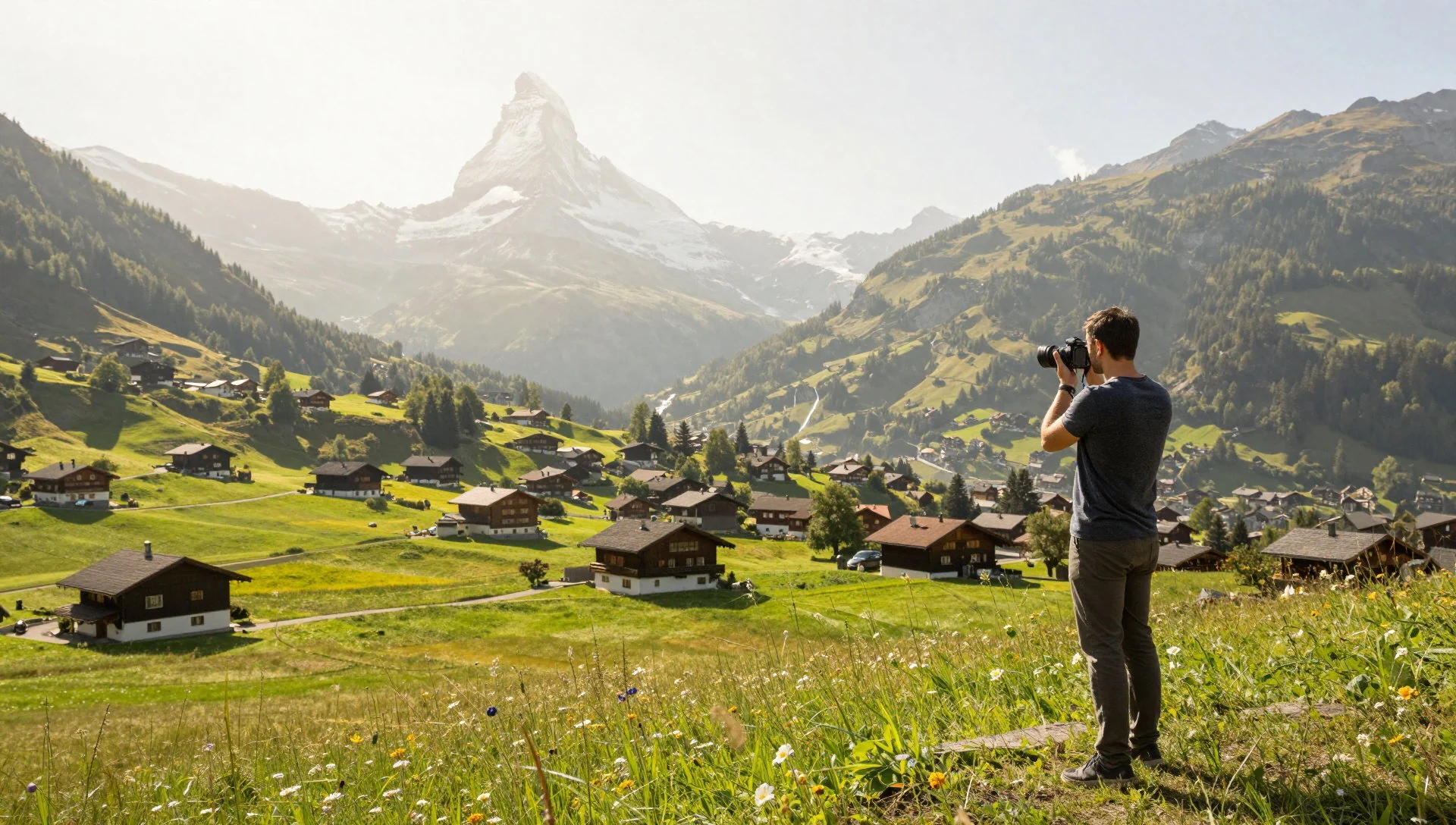
- Lake of Dix — Valais
Located in Valais, the Lac des Dix is a stunning reservoir surrounded by rugged peaks. The water is a deep, clear blue, reflecting the surrounding mountains. The area is popular for hiking and skiing, with trails that offer panoramic views. The glacier in the background adds to the dramatic scenery, making it a must-see for nature lovers.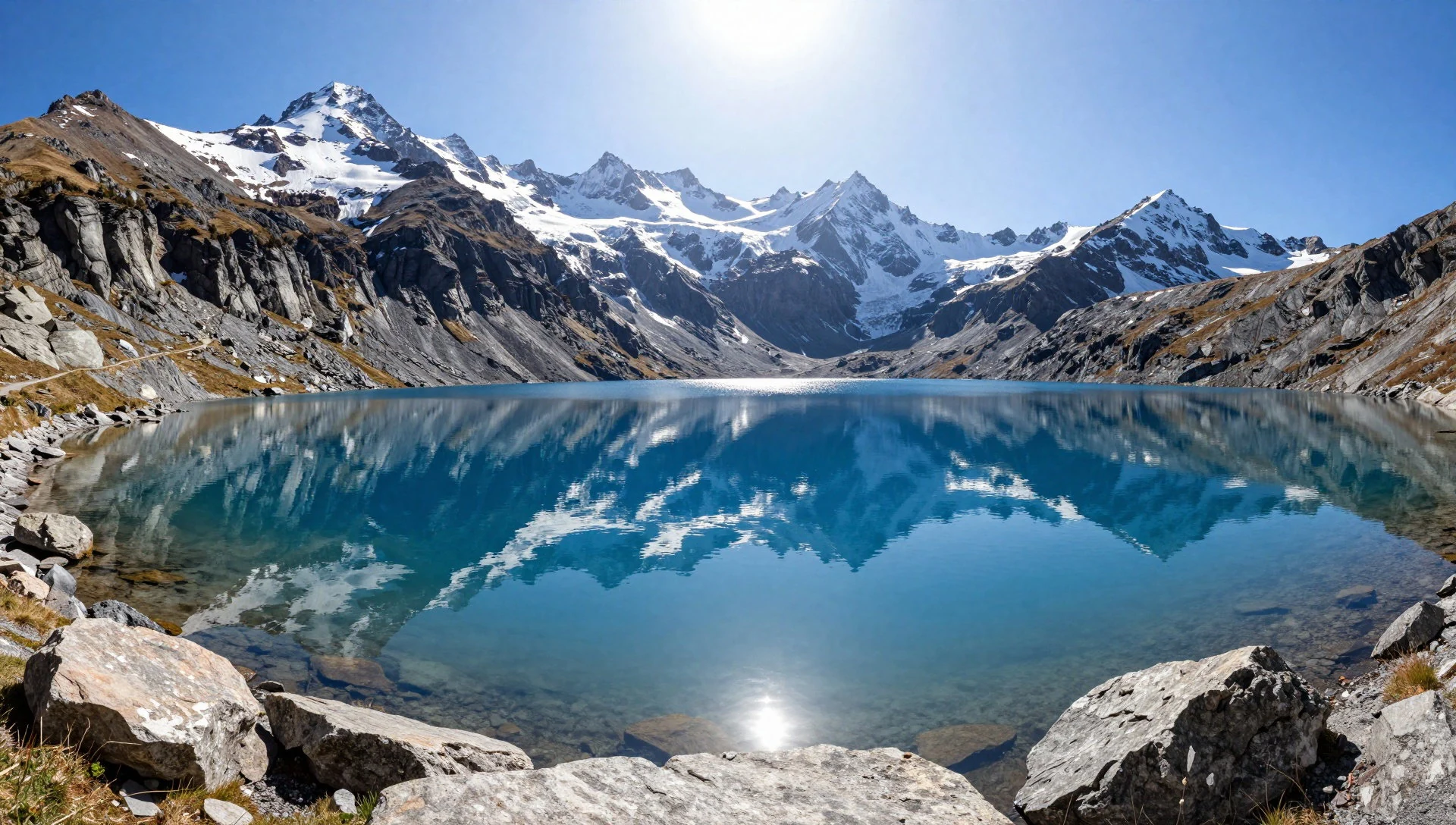
- Rhine Gorge — Graubünden
The Rhine cuts a dramatic path through the mountains in Graubünden. The gorge is a testament to the river's power, with steep, rocky walls and a meandering waterway. The surrounding landscape features pine forests and alpine meadows. Hiking trails along the river offer a unique perspective on the Swiss Alps, combining water and rock in a compelling natural tableau.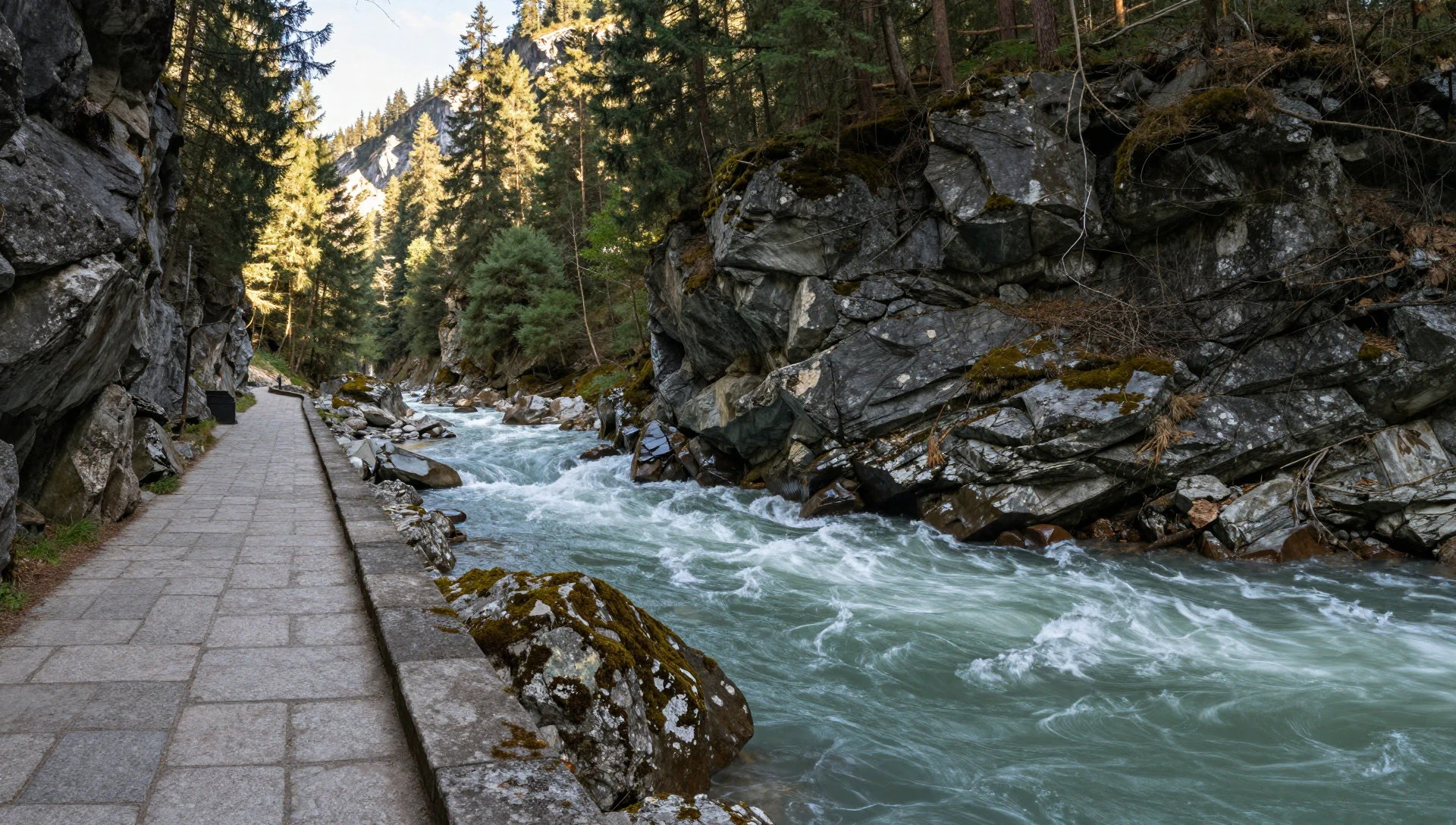
Culture
The culture of the Swiss Alps is shaped by its geography and history, resulting in a society that values precision, cleanliness, and respect for nature. The region is known for its picturesque villages, where traditional architecture blends with modern amenities. The Swiss way of life is often characterised by a strong sense of community and a deep connection to the land. The Alps are a hub for outdoor activities, with hiking, skiing, and mountaineering being central to the lifestyle. The cultural landscape is also marked by a multilingual identity, with German, French, and Italian being the primary languages spoken in different regions. The Swiss are known for their politeness and punctuality, traits that are particularly evident in the service industry and public transport. Traditional crafts, such as watchmaking and embroidery, remain important parts of the local heritage. The region is also known for its high standards of hygiene and environmental stewardship, which are reflected in the clean, well-maintained towns and trails.
Do not litter or disturb wildlife, and always follow the posted trail markers to protect the fragile alpine environment.
What to wear
Traditional alpine dress in Switzerland is the local Tracht, often made from durable wool and leather. These outfits are worn during festivals and traditional events, such as the Fasnacht or local holidays. The textiles are typically heavy and warm, reflecting the cold alpine climate. Modern Swiss fashion, however, leans towards minimalist, functional, and high-quality apparel. Brands like On and Jack Wolfskin are popular, known for their performance and sustainability. What a visitor should wear depends on the season and the altitude. In summer, layers are essential, with a waterproof jacket being a must-have for sudden weather changes. In winter, thermal base layers, a down jacket, and insulated boots are necessary. Comfortable walking shoes or boots with good grip are crucial for hiking.
What to eat
- Fondue — Traditional fondue restaurants
A classic Swiss dish consisting of melted cheese, typically Gruyère and Emmental, served in a pot. Diners dip bread into the cheese using a long fork. It is a social meal, often enjoyed in a circle around a stove. The dish is rich and comforting, perfect for colder weather.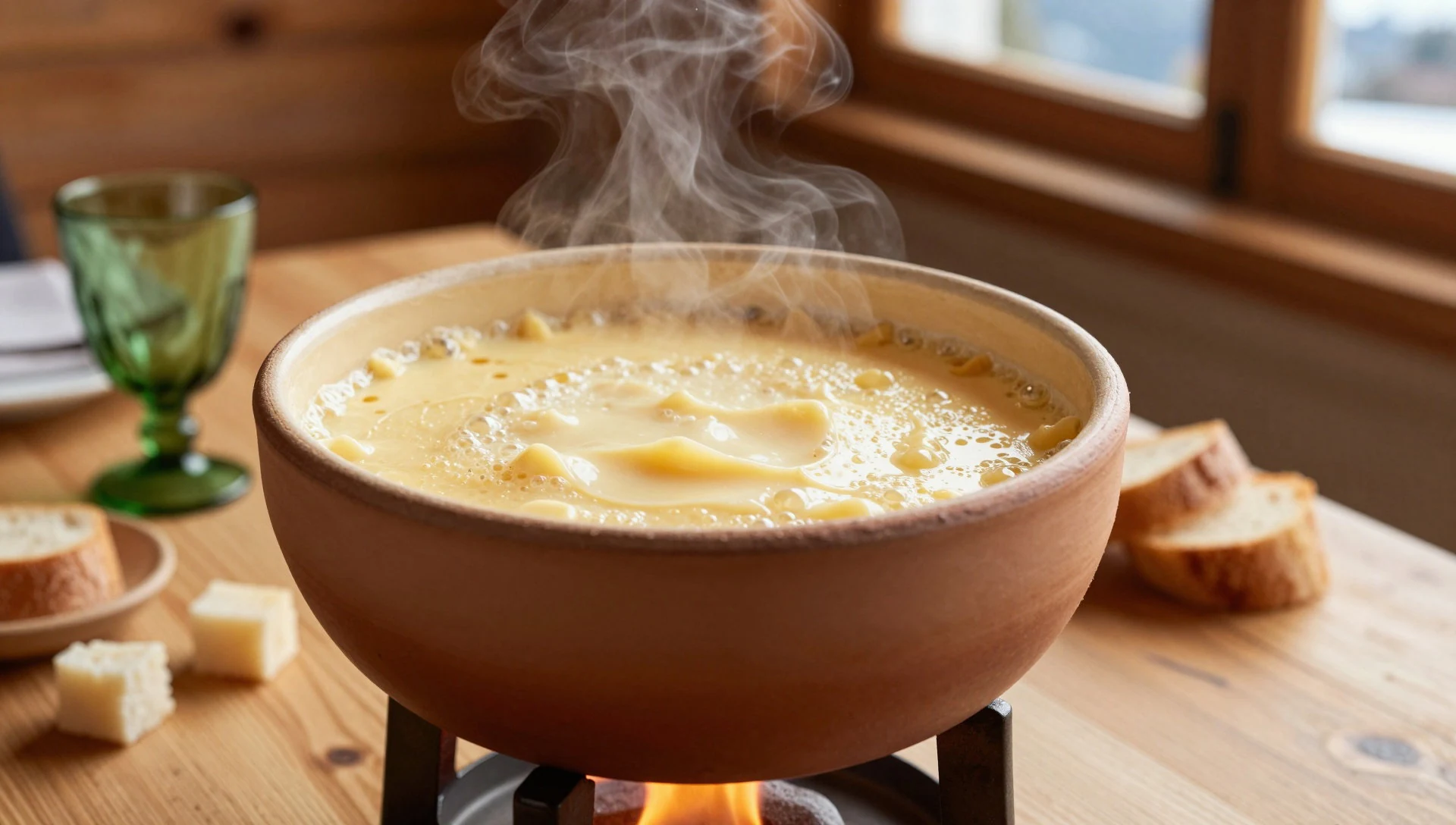
- Röstigraben — Local snack bars and taverns
Rösti is a popular snack made from roasted potatoes, onions, and lard, topped with grated cheese and paprika. It is a simple, hearty food that reflects the Swiss preference for straightforward, filling meals. It is often served as a starter or a light dinner.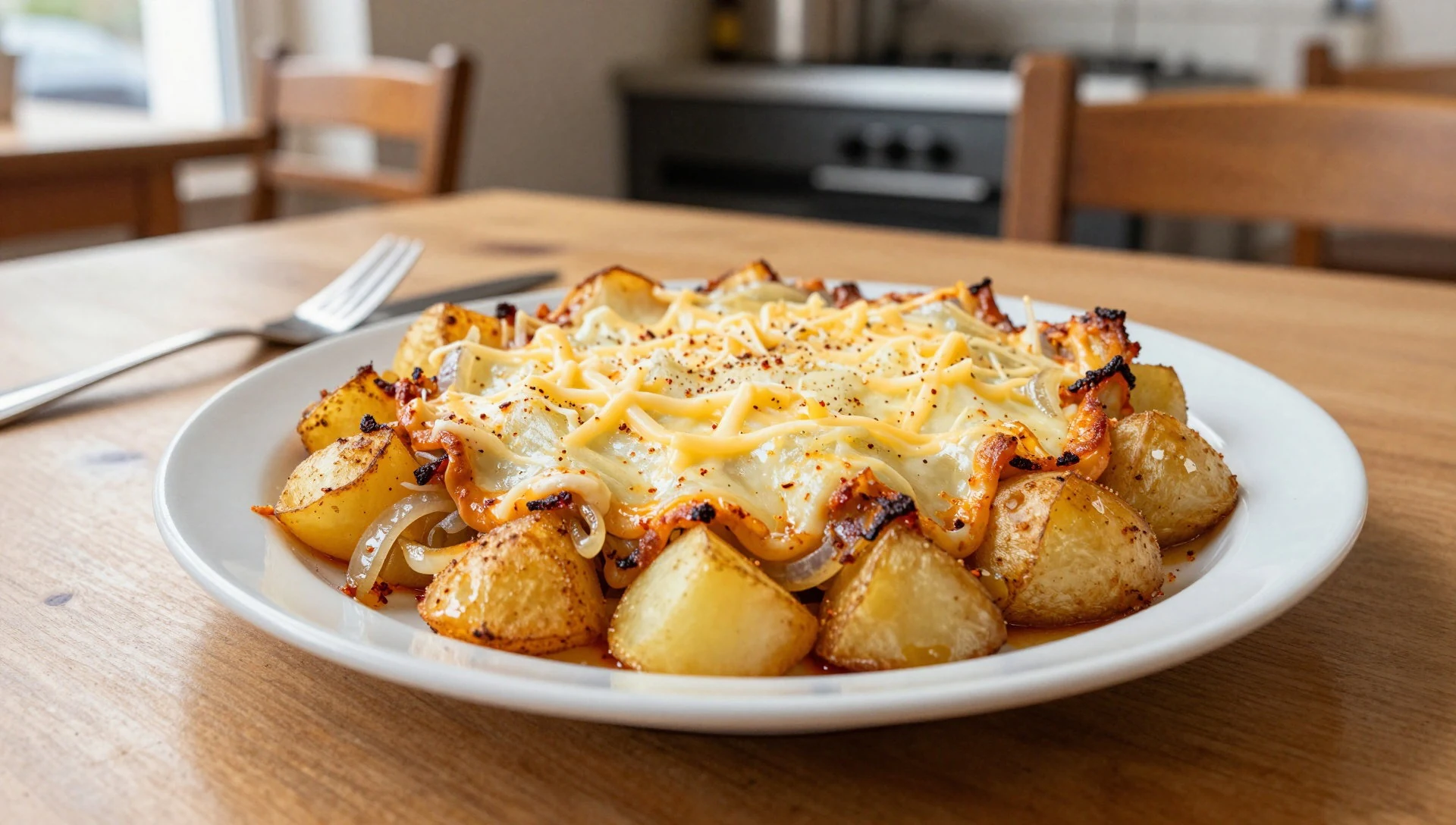
- Raclette — Raclette restaurants
A dish originating from the Valais region, where a cheese wheel is melted against a heat source. The melted cheese is scraped onto boiled potatoes and accompanied by pickles and onions. It is a communal dish, often shared in large quantities. - Berne-style Cheese Soup — Barn restaurants (Stallrestaurants)
A warm soup made with Swiss cheese, potatoes, and cream. It is a rustic, hearty dish that is typical of the Bernese countryside. It is often served with bread and is a popular comfort food in the region.
Plan it
Best time. June is the hottest month and August the wettest; July is the most comfortable for hiking, and December to February for skiing. Avoid late spring if you are sensitive to snowmelt mud.
How long. 3–5
Getting there. Fly into Zurich, Geneva, or Basel. Trains run frequently from these cities to major Alpine destinations like Interlaken and Zermatt. The Swiss Federal Railways network is efficient and scenic.
Budget. high
Tips
- Buy a Swiss Travel Pass for unlimited train and bus travel
- Check the weather forecast daily as conditions can change rapidly
- Book accommodation early for peak summer and winter seasons
- Carry a lighter pack for hiking to avoid fatigue
- Respect local noise regulations in the evenings
Etiquette
- Stay on marked trails to protect the alpine flora
- Do not leave any waste behind, including biodegradable items
- Keep a respectful distance from wildlife and do not feed them
Nearby
Sources
- Wikidata Q25220 (CC0)
- Wikipedia (CC BY-SA 4.0)
- Wikivoyage (CC BY-SA 4.0)
- Photo 01-muttbach.jpg (CC BY-SA 4.0)
- Photo 02-10127-berner-alpen-pr-les.jpg (CC BY-SA 2.0)
- Photo 03-rhine.jpg (CC BY 3.0)
- Photo 04-dix.jpg (CC BY 3.0)
- Photo 05-lauterbrunnental-train.jpg (Public domain)
- Photo 06-val-trupchun.jpg (Public domain)
- Photo 07-liskamm-zermatt.jpg (Public domain)
- Photo 08-glacier3000.jpg (Public domain)


