Susa
Susa, Iran
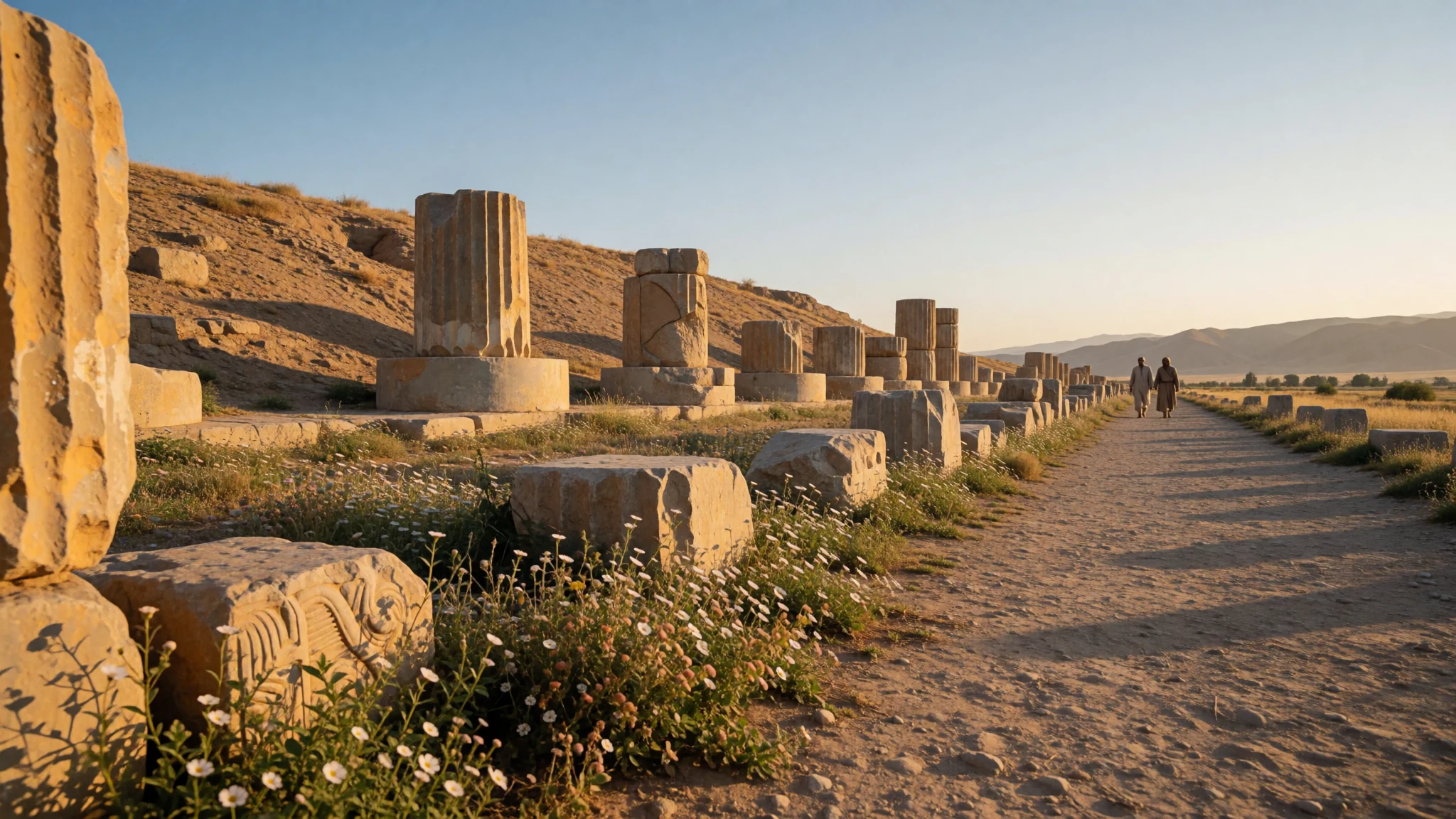
Susa is where layers of Elamite and Achaemenid power sit in one archaeological landscape, with ruins that still explain the region.
The place
Susa (modern Shush) is an ancient city in Iran’s lower Zagros region, between the Karkheh and Dez Rivers. It’s not just an old set of stones: Susa is the kind of place where geography and politics kept reinforcing each other, generation after generation. The settlement is famously deep in time, and the site holds the remains of major phases of the Ancient Near East.
Today, a visitor arrives in the present city and then moves into the archaeological grounds, where the layout lets you “read” how power was expressed—through platforms, palatial complexes, and the idea that administration and ceremony belonged together. Susa served as a political and cultural centre in the Elamite world and later became tied to the Achaemenid Empire, including a winter administrative role.
What makes Susa feel different from many other Middle Eastern heritage stops is its density of themes: early urban life, imperial architecture, and conflict all occupy the same spot. The UNESCO listing underlines that importance.
In practical terms, the experience is shaped by pace and conditions. Ruins mean open sky; heat can press down when seasons turn. Walking across uneven ground takes time, so it’s better to plan on a relaxed visit rather than racing from one highlight to the next. Crowds are usually nothing like the biggest museum cities—part of the charm—but services can feel limited, so it helps to be self-sufficient and comfortable doing archaeology sightseeing in a slower, more local way.
Its story
Susa’s story begins long before any single empire name, with evidence that people were building and trading in the area very early. The site is among the oldest known settlements in the region, and the early urban pattern seems to have drawn in smaller towns and villages nearby, including communities positioned along the Zagros frontier. Those relationships mattered: Susa wasn’t isolated; it sat in a network.
Archaeology then points to a shift into a more monumental phase. Over time, the inhabitants erected a monumental platform that rose above the surrounding flat landscape. Offerings were placed in large numbers near the base of the temple platform, and the quality and artistry of ceramics from this period still give a direct sense of what life looked like when the ground itself was being reshaped.
Later, Susa becomes central to Elam’s civilisation and then to wider Near Eastern politics. It served as a capital for Elam and also gained significance under Achaemenid rule, including being used as an administrative centre. That imperial “role” fits the geography: Susa’s location made it useful for governance across connected regions.
The narrative includes disruption as well. In 647 B.C, the Assyrian king Ashurbanipal attacked Elam and destroyed Susa, turning the site from a centre of influence into something else—then history continued with new rulers and new uses. What stays constant is the location’s gravitational pull: each era leaves a different architectural layer behind, so a walk through Susa feels like stepping through changing systems of power.
What to see
- Palace of Darius (Apadana area) — Palace complex zone
The Palace of Darius includes major Achaemenid construction, with room-like spaces supported by many columns. Standing among the remains gives a sense of scale and administration, and it’s the best starting point for understanding how ceremony and power were built into Susa’s landscape.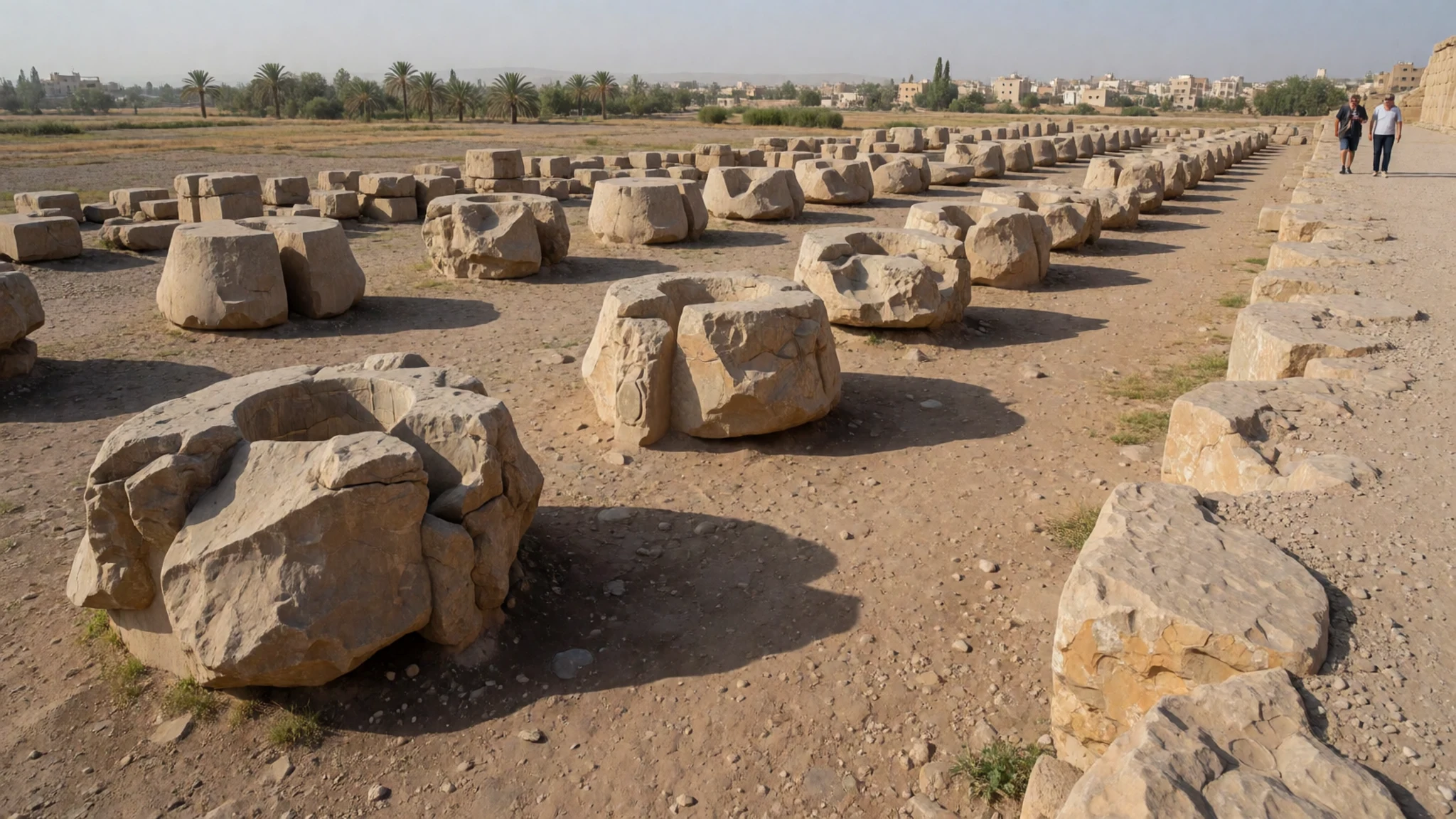
- The Shahoor's Palace — Ruins around the palace precinct
The Shahoor's Palace is a set of palace ruins that reads as a different “chapter” from the main Achaemenid complex. It’s useful for broadening the visit beyond a single highlight—less about museums, more about form: walls, massing, and what parts of a palace footprint survived.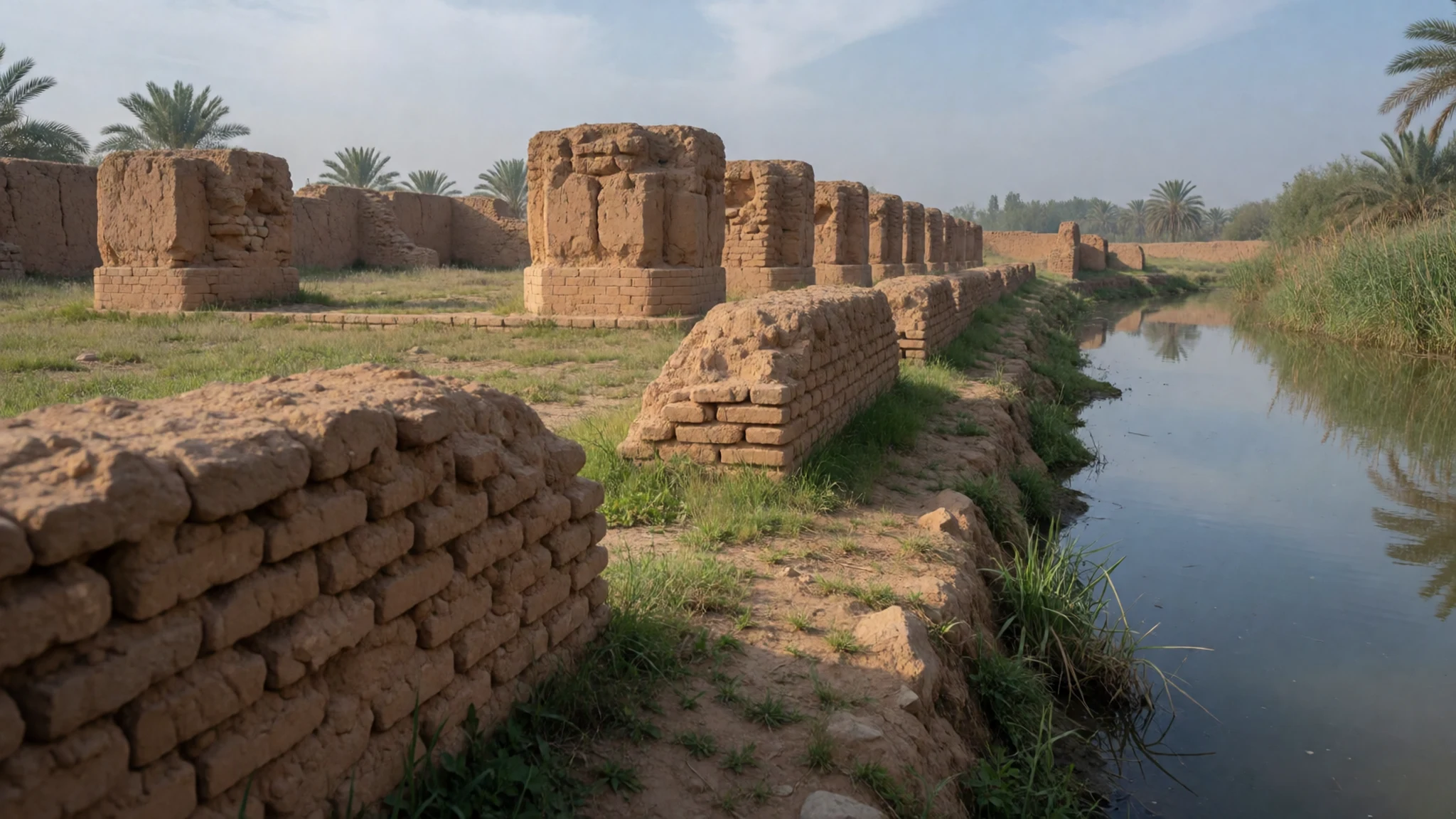
- Shush Castle — On-site archaeology base area
Shush Castle sits within the archaeological story in a later, practical way. French archaeologists constructed it in the 1890s as an exploration base, and the work left marks on parts of the site. It’s a reminder that the “layers” include how modern archaeology physically operated.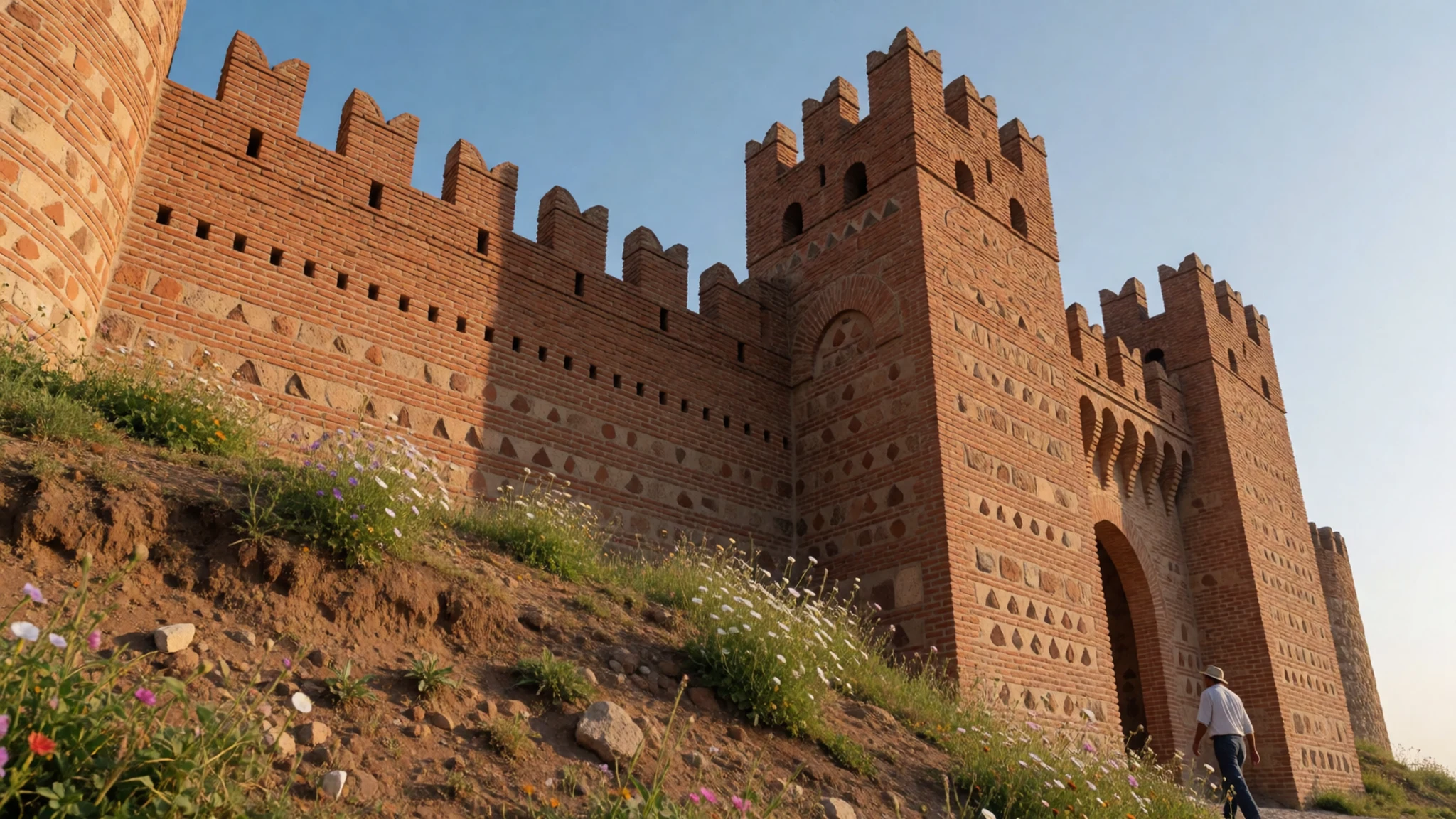
- Susa museum — Museum zone in Shush
The Susa museum helps turn ruins into context. It’s where findings associated with Susa are brought together, so details you can’t easily see outdoors become clearer. For many visitors, it’s the difference between admiring shapes and understanding what those objects meant in their original setting.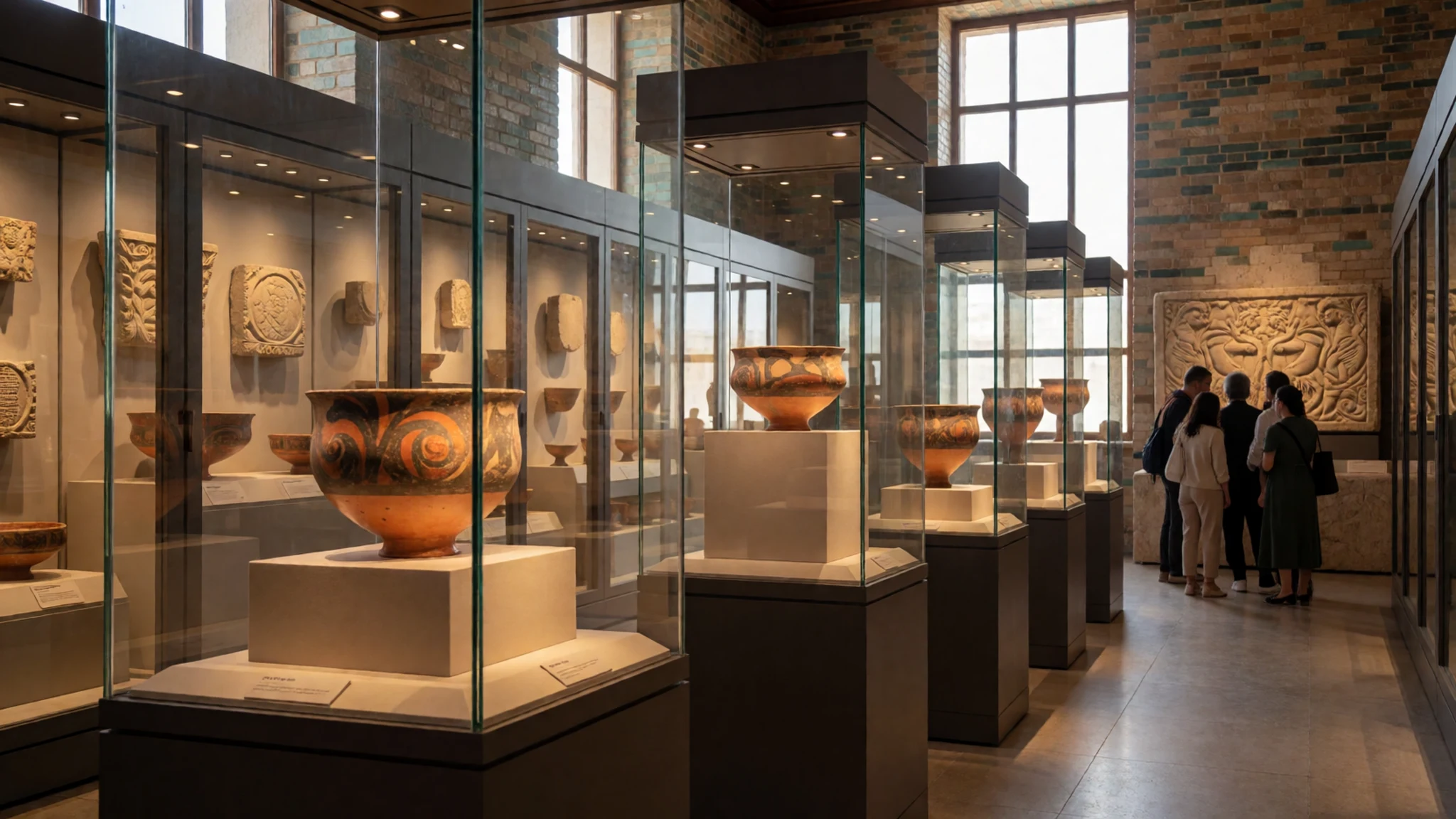
- Tomb of Daniel — Religious site area
The Tomb of Daniel is a traditional burial site connected with the biblical and Islamic prophet Daniel. It’s often visited for its religious significance, but the atmosphere also reflects the longer history of belief and visitation at Susa. Treat it as part shrine, part heritage stop.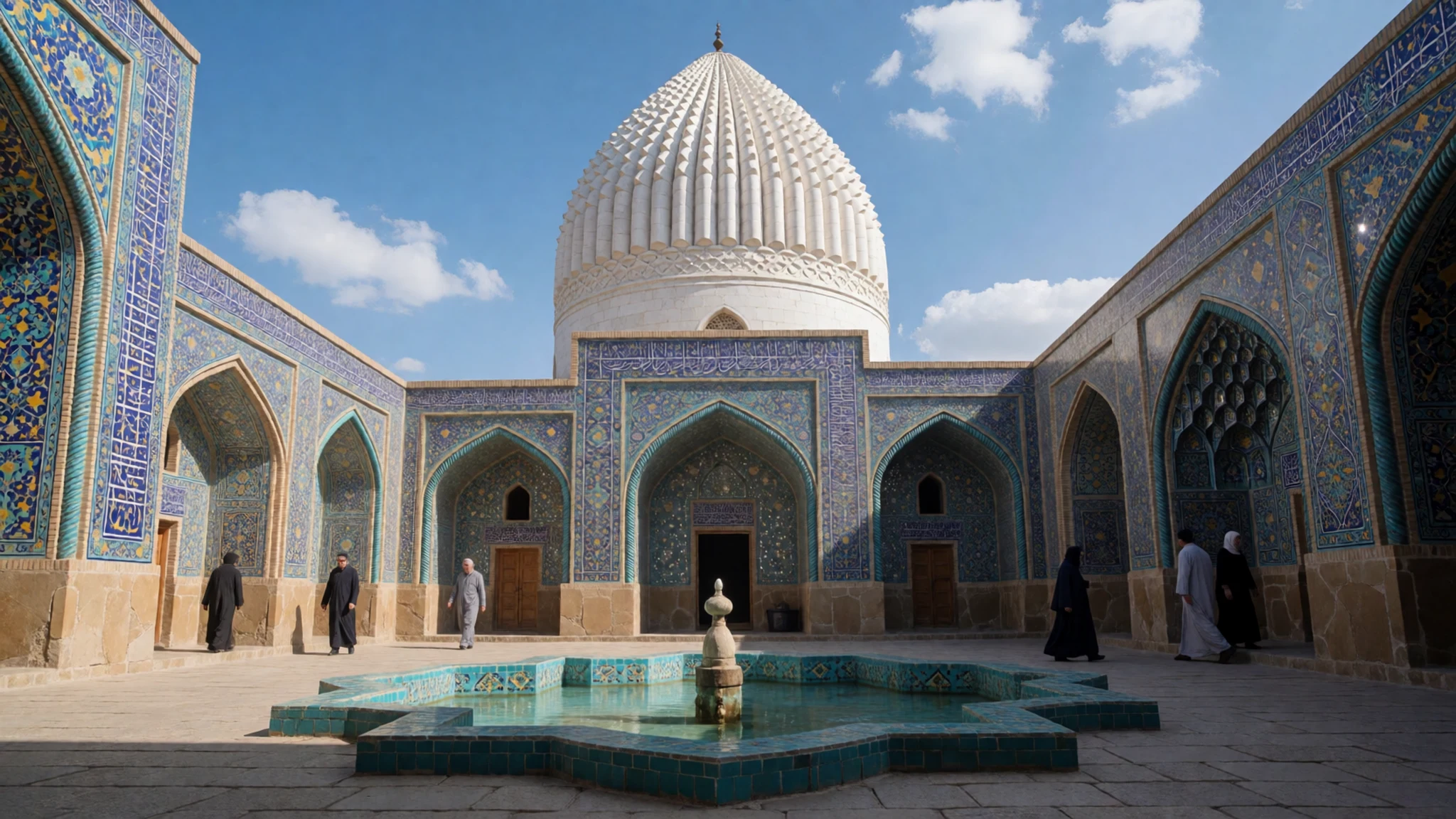
- Shush Mosque — Town-side historic mosque area
Shush Mosque is one of the older mosques in Iran, and its presence gives the archaeological landscape a living edge. Even if the main draw is the ancient city, this stop grounds the visit in how religious life continues nearby, not far from where ancient palaces once shaped politics.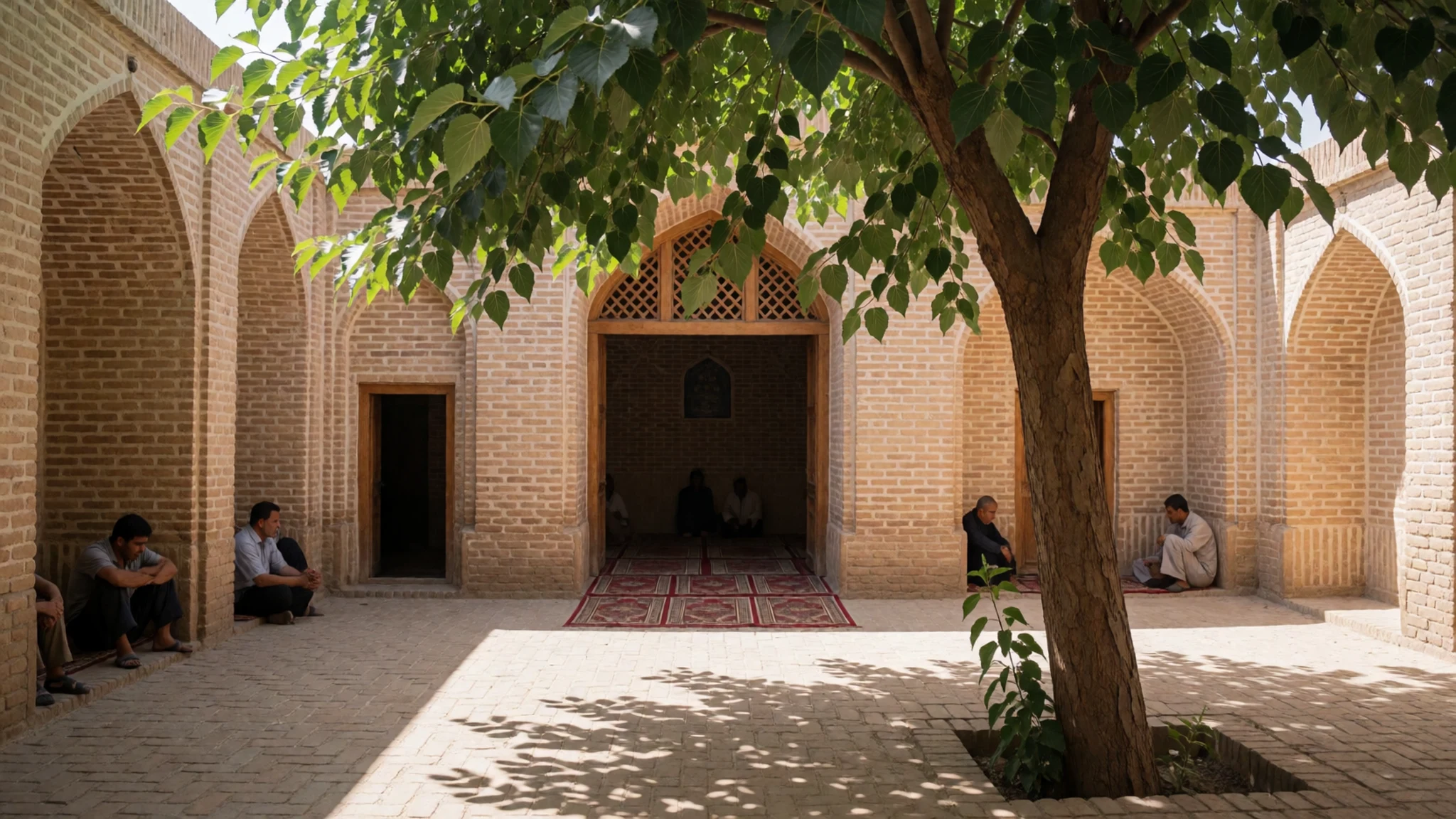
Culture
Susa sits in Iran’s modern Shush city, but the visit is really about moving between sacred and archaeological space. Respect is the constant here: some areas feel like heritage you can study at your own pace, while places like the Tomb of Daniel and Shush Mosque carry devotional expectations. Dress and behaviour should match the setting, not just the site label.
Photography can be tricky in religious contexts, where people’s time and privacy matter. Keep cameras low when passing through crowded areas and avoid blocking entrances. If locals are praying or observing, simply pause and let things unfold.
For the archaeological grounds, the rules are less about ritual and more about care. Ruins are fragile: stick to paths or clearly walked areas, watch your footing on uneven ground, and avoid climbing where it looks unsafe or unapproved. The heat can make everyone a bit impatient, so taking breaks in shade matters—especially near exposed platforms.
Iranian hospitality varies from place to place, but a calm attitude and patient curiosity usually go far. If you’re unsure about an area’s status, asking someone nearby is better than guessing.
Visitor etiquette: dress modestly for religious sites, keep quiet, and pause for prayer or for anyone entering sacred spaces.
What to wear
Susa’s traditional dress is shaped by Iranian norms, and the textiles you notice will usually come through in everyday clothing: layered fabrics, breathable natural materials, and patterns that look more “hand-finished” than mass-produced. In the ancient-city context, outfits aren’t ceremonial like a museum costume, but the cultural expectation is still clear—modesty and coverage are appreciated, especially around historic religious sites.
What many people wear now is practical for weather and daily life: long tunics or tops worn with trousers or long skirts, with light outer layers if needed. In warmer seasons, lightweight fabric matters because the archaeological grounds are exposed and sunlight can feel relentless. In cooler months, a thin warm layer helps when mornings and evenings shift.
A visitor should plan for sun + respectful coverage. Long, loose trousers or a long skirt, a top that covers shoulders, and a scarf that can be adjusted easily for mosque visits will cover most situations. Closed-toe footwear is a big win for archaeological walking on uneven surfaces. If you’re visiting places like the Tomb of Daniel and Shush Mosque, having a scarf ready to hand is usually the difference between feeling comfortable and having to improvise.
What to eat
- Breads and basic spreads — Local bakeries and neighbourhood eateries in Shush
Look for freshly baked flatbreads at local bakeries and everyday eateries, often served with simple spreads like herbs or yoghurt-based dips. It’s an easy, low-effort way to snack during a heritage day without needing a long sit-down meal.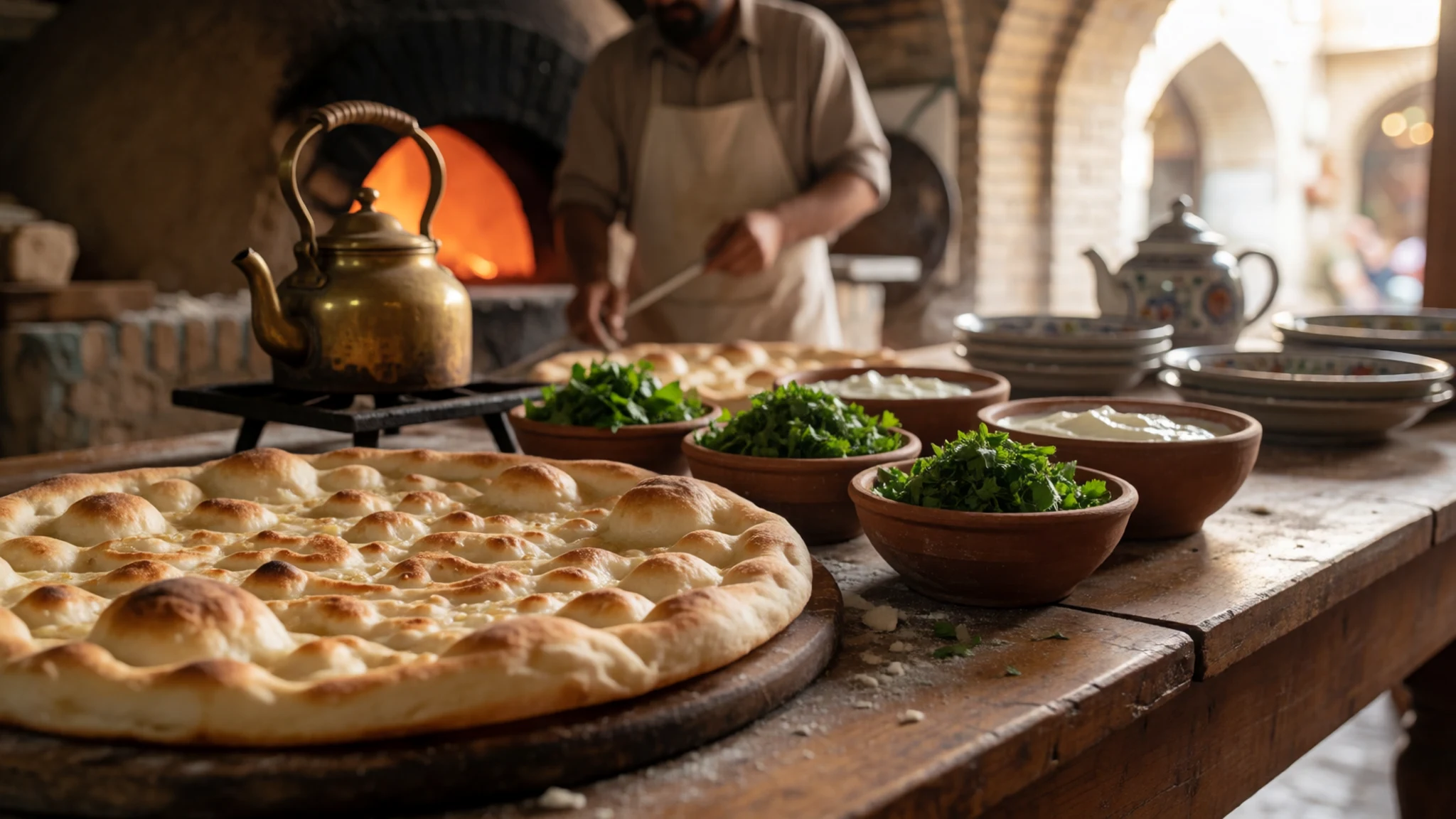
- Kebab plates — Town-side grill and restaurant-type places
Kebabs are a common, reliable order in Iran, usually served with rice and salad or bread. In Shush, aim for an eatery-style meal where the focus is on grilled meat and warm sides, rather than a fancy presentation.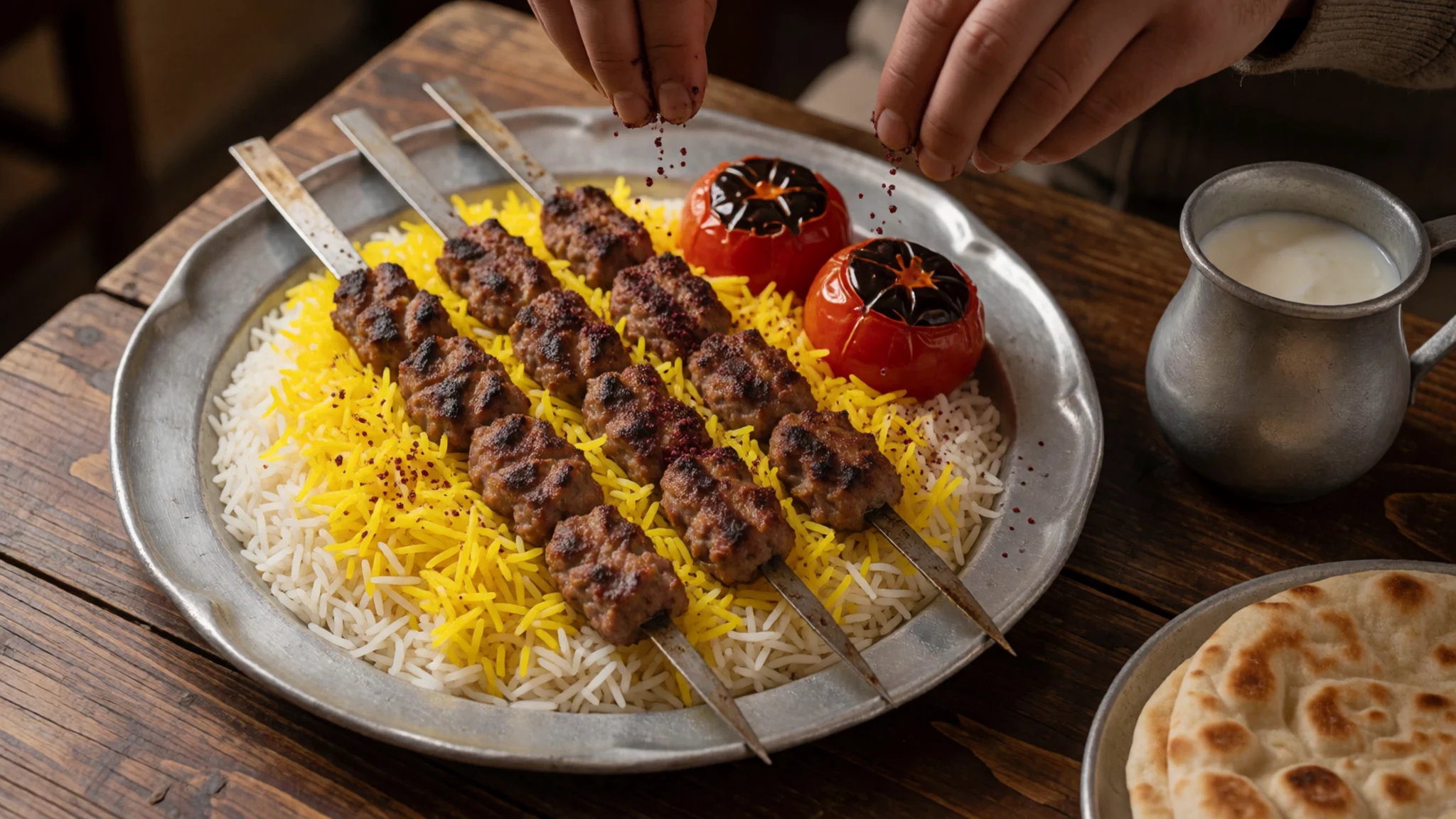
- Stews with rice — Everyday restaurants near the town centre
Hearty stews—often tomato- or herb-forward—are typically paired with rice and make sense for days when it’s hot outside but you still want a proper meal. Ask what’s cooking locally and keep it simple with one main and bread. - Yoghurt with herbs — Local cafes and family-run eateries
Yoghurt dishes with herbs and seasoning are common and refreshing, especially when walking in the sun. It’s a good option alongside grilled items, offering a cooling balance that doesn’t require a complicated menu. - Tea and seasonal sweets — Tea houses and small dessert counters
After a museum or shrine visit, tea is a natural reset, often paired with small sweets. Choose what looks least sugary if it’s a very warm day, and treat it as a slow, communal pause rather than a quick stop.
Plan it
Best time. May through September is the hottest stretch, with the warmest walking in June–July, while November and December are the coldest months; the wettest period is around January, November, and December, and rainfall is heaviest in winter. For most comfortable sightseeing, aim for April–May and October, when the days are milder and the rain is lighter compared with winter.
How long. 2–3
Getting there. Fly into Ahvaz (nearest city of significant size with an airport), then travel to Shush; there are daily trains from Ahvaz and Tehran into the wider rail network, with the last leg by road to the site area.
Budget. mid
Tips
- Plan the museum and main ruins on the same day so context and walking match up.
- Start earlier when possible to reduce time in the brightest sun on open platforms.
- Carry water and some cash for small purchases in town.
- Wear closed shoes and expect uneven ground across the archaeological areas.
- Check local guidance on access points and religious visiting rules before moving between zones.
Etiquette
- Dress modestly for Shush Mosque and the Tomb of Daniel, and be ready to cover shoulders and head if required.
- Keep noise down near devotional areas and avoid photographing people up close.
- Stay within walked areas in ruins and don’t climb or step where the ground looks unstable.
Nearby
Sources
- Wikidata Q180773 (CC0)
- Wikipedia (rev 1383930402) (CC BY-SA 4.0)
- Wikivoyage (rev 5239068) (CC BY-SA 4.0)
- Photo photos/01-the-apadana-a-large-hypostyle-room-of-36-columns-in-the-pala.jpg (CC BY-SA 2.0)
- Photo photos/02-susa-map.jpg (CC BY 3.0)
- Photo photos/03-s03-06-01-017-image-2344.jpg (Public domain)
- Photo photos/04-iran-poque-d-obeid-s-vres.jpg (CC BY 3.0)
- Photo photos/05-louvre-suse-i-boisseau-d-cor-g-om-trique-1-14012018.jpg (CC0 1.0)
- Photo photos/06-louvre-suse-i-n-cropole-du-tell-de-l-acropole-coupe-d-cor-g-.jpg (CC0 1.0)
- Photo photos/07-master-of-animals-susa-i.jpg (CC BY 3.0)
- Photo photos/08-sun-and-deities-susa-i.jpg (CC BY 3.0)


