Šumava National Park
Šumava National Park, Czech Republic
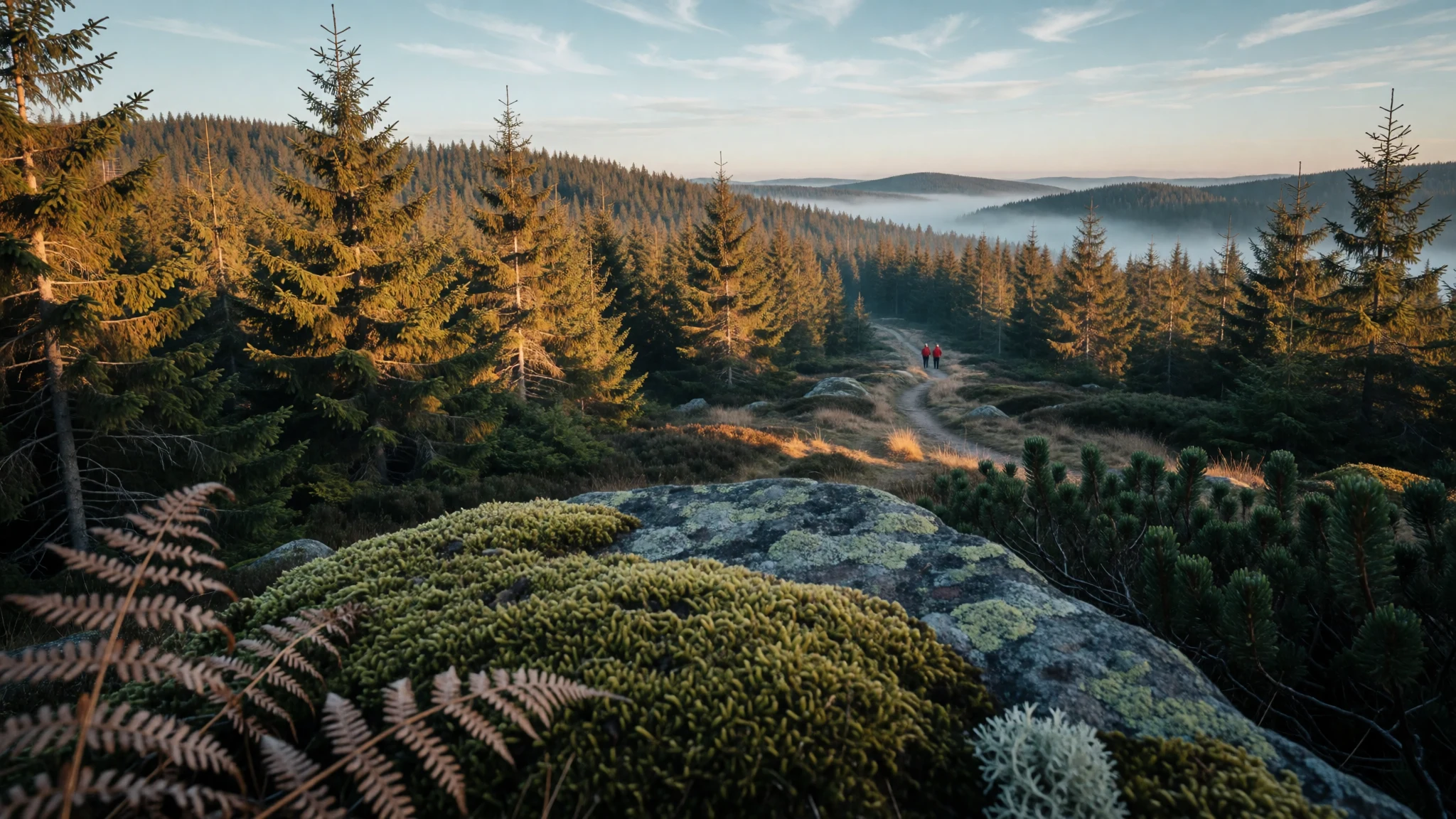
Šumava National Park is a Central European wilderness of forest, peat bogs and quiet trails, ideal for hikes that feel far from everything.
The place
Šumava National Park (Národní park Šumava), often shortened to NP Šumava, sits in South Bohemia along the border with Germany and Austria. This is the mountain country of the Šumava, also known as the Bohemian Forest, and the park covers a sparsely inhabited stretch of those mountains.
The landscape is a patchwork: extensive forests, wide plateaux and wet ground, including raised peat bogs and glacial lakes. In many areas, the character of the forest is shaped by what was planted over time—spruce plantations dominate, and the same harsh conditions that make the mountains atmospheric also stress parts of the ecosystem. Strong winds and bark beetles have been recurring issues, so the park feels like a place where nature and forestry history overlap.
One thing that stands out here is how “wild” the surroundings can feel even on a day out. Town life is mostly elsewhere; within the park you’re moving through trees, trackless views, bog edges and lakes rather than through heritage streets. There are also wildlife rhythms: lynx live in the region, and in quieter corners you can sense how the borderlands shaped settlement.
It’s not a theme-park national park. Expect long walks, weather changes and a need to plan your route. The upside is that the calm is real, and the scenery has enough variety—water, forest and high ground—to keep different hiking styles satisfied across a few days.
Its story
Šumava National Park is the kind of borderland that stays in your head after the hike is over. The mountains sit between Czechia and Germany and Austria, and the area’s story is tied to protection and shifting land use rather than to grand monuments. That makes it feel less curated and more lived-in by the seasons.
Much of the park’s character comes from its forests. The broader Šumava is noted for having the most extensive forest in Central Europe, and while you’ll see plenty of greenery on any drive in, what grows here matters. In many places, spruce plantations are the dominant pattern, and the harsh climate can be a challenge—winds and bark beetles can hit hard. In other pockets, natural remnants and older habitat types still show through, including glacial lakes and boggy ground on higher plateaux.
If you like hiking, this is a place where your route choices affect what you feel. A trail that starts in denser forest can later open to a raised peat bog viewpoint. Another walk might follow the mood of a quiet lake basin. Even the sky can change the whole day: mist in the trees, bright light over open viewpoints, and that specific “mountain damp” that makes everything smell green.
Behind the scenery is a conservation shift that ultimately led to national park status, and that goal—protecting a mountain environment along the former landscape buffer—still shapes how the place is managed. For visitors, the result is simple: you get a quieter kind of adventure, grounded in forest ecology and long-distance atmosphere rather than in landmark density.
What to see
- Plešné jezero (glacial lake area) — Highlands near the lake
Plešné jezero is a quiet glacial lake area where the ground feels wetter and the trees tighter. The lake and surrounding views work well for a short circuit: slow walking, frequent photo stops, and that clean mountain stillness.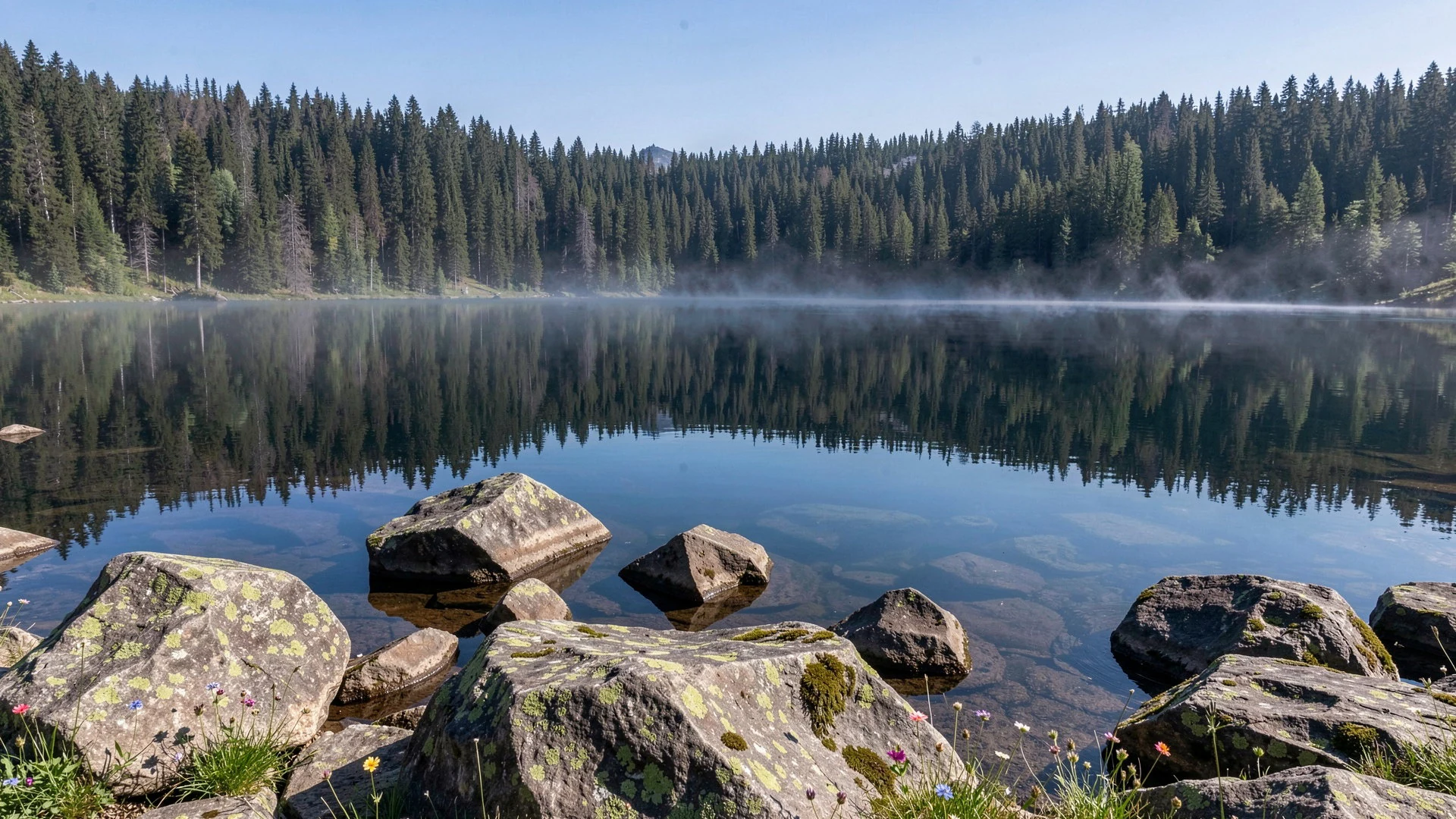
- Raised peat bog viewpoints — Bog plateaux
Raised peat bogs in Šumava turn the terrain into a soft, living mosaic. Look for designated viewpoints and boardwalk sections where possible—this is a landscape you can’t rush. The layers of colour change with light and weather, often even within an hour.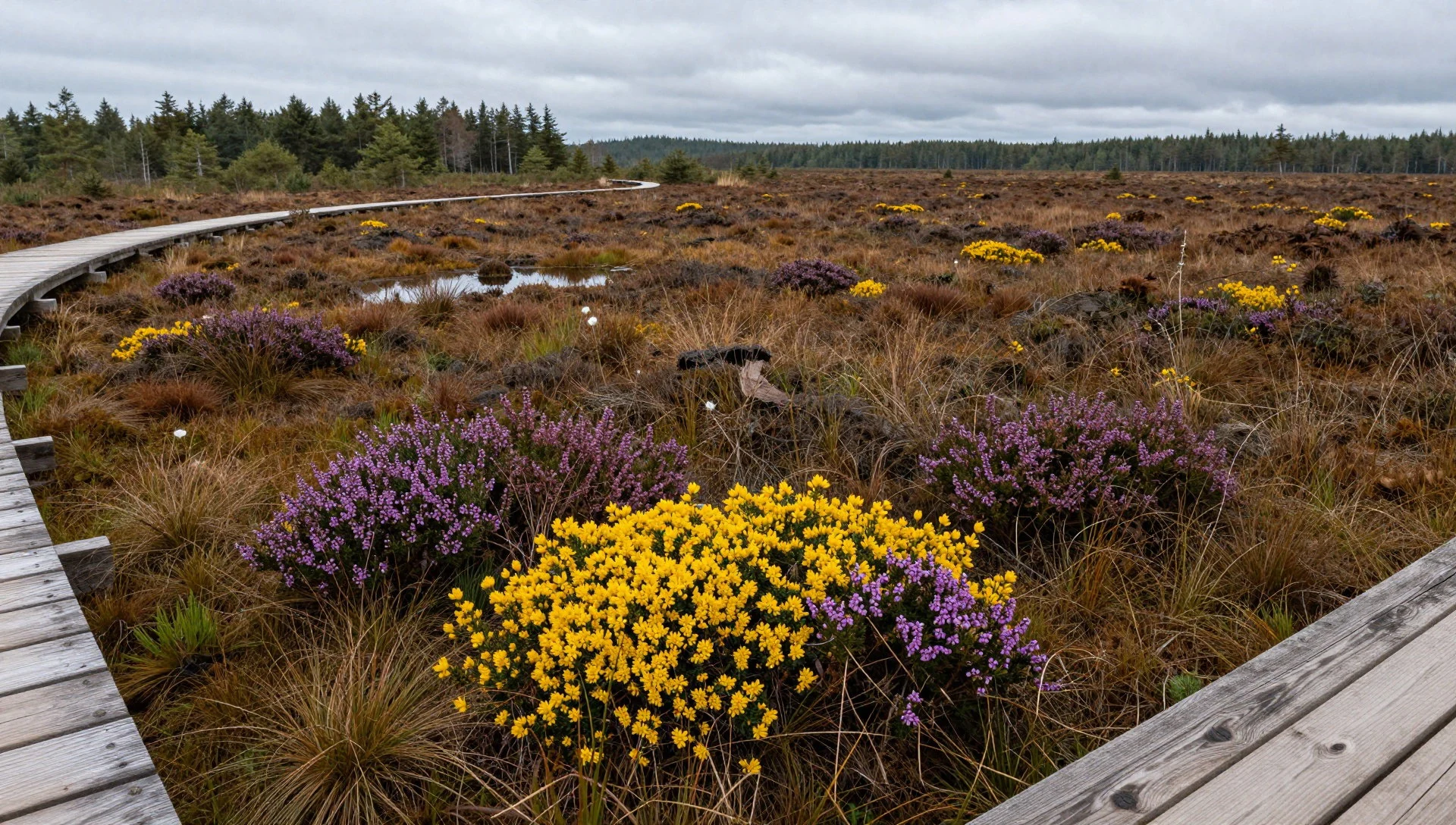
- Primeval-forest remnants — Forest interior trails
In parts of Šumava, remnants of older forest structure sit alongside managed woodland. The most interesting spots are often where the trail threads between thicker stands, with dead wood and natural regeneration in view—subtle, but rewarding if you like ecology as much as scenery.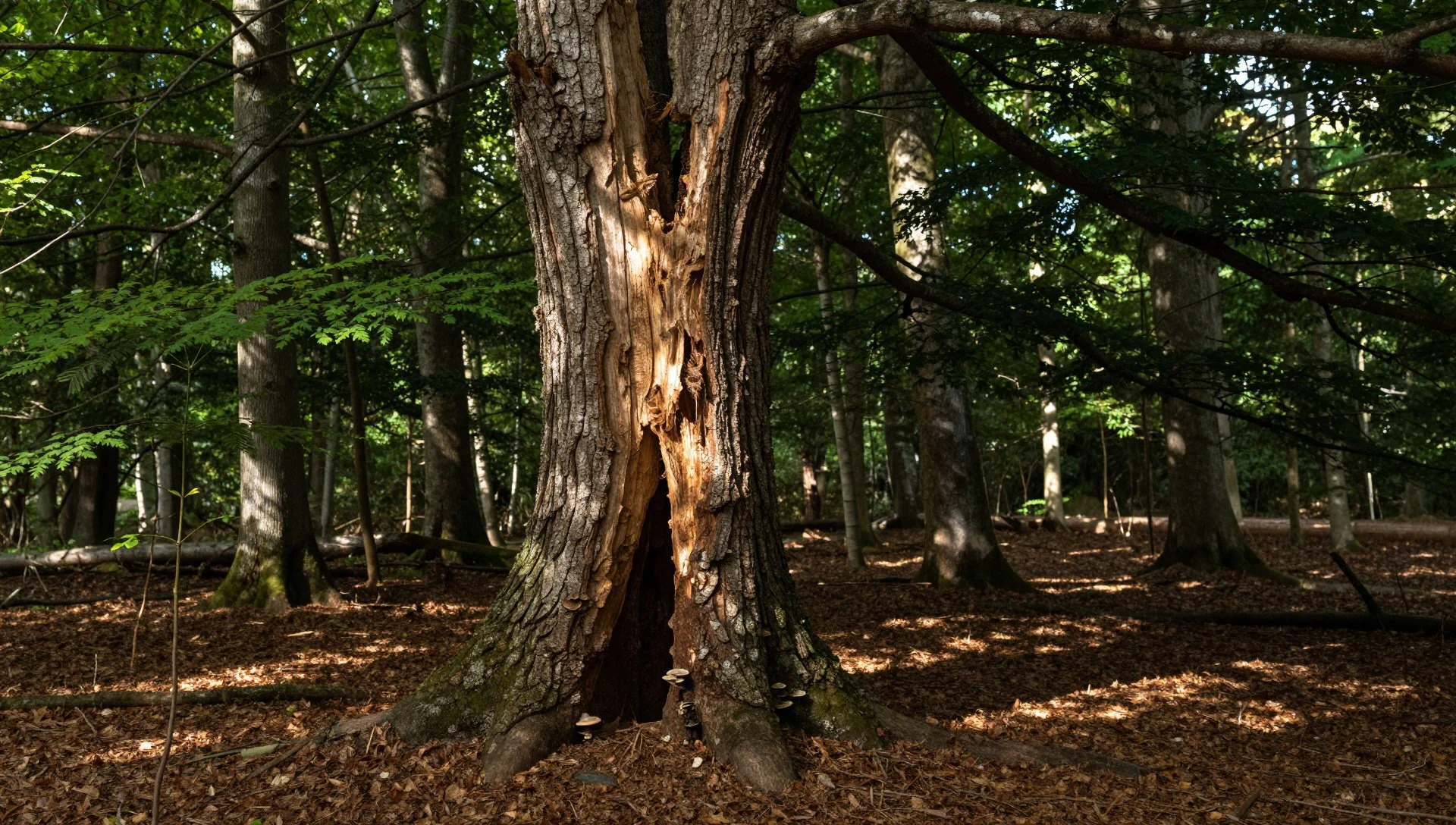
- Prášily area viewpoints — Prášily and surrounding slopes
The Prášily region gives you an easy stepping stone into Šumava’s mountain mood. From nearby viewpoints, you can look out across forested slopes and open ridgelines, with weather moving through quickly. It’s a good place to go early when visibility is best.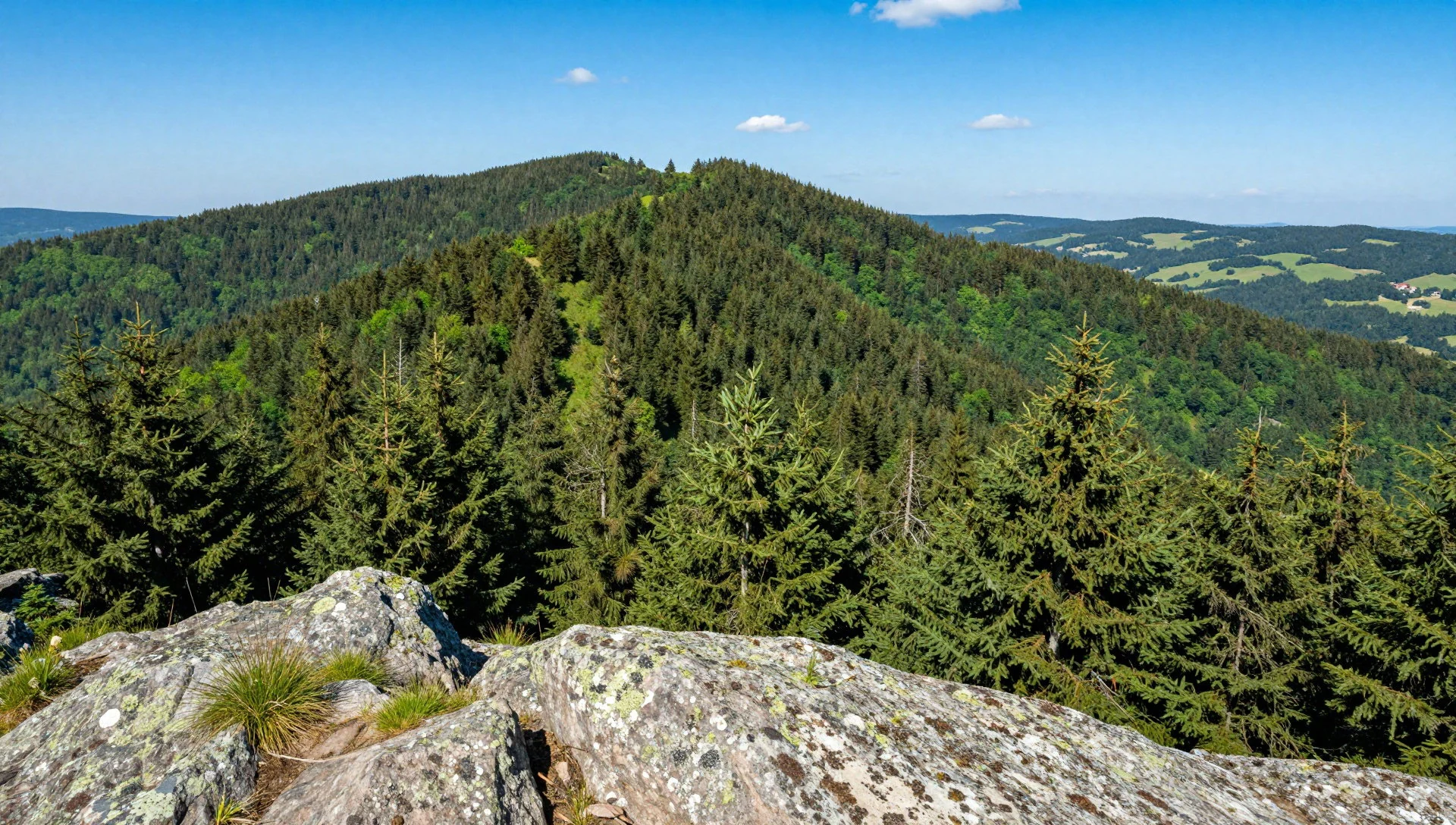
- Border-country forest perspectives (Germany & Austria) — Ridge viewpoints near the border
Because Šumava runs along the German and Austrian border, some viewpoints feel like looking out over a shared landscape of hills and forest corridors. Expect fewer towns in sight, more trees, and a sense of distance—bring patience for changing cloud cover.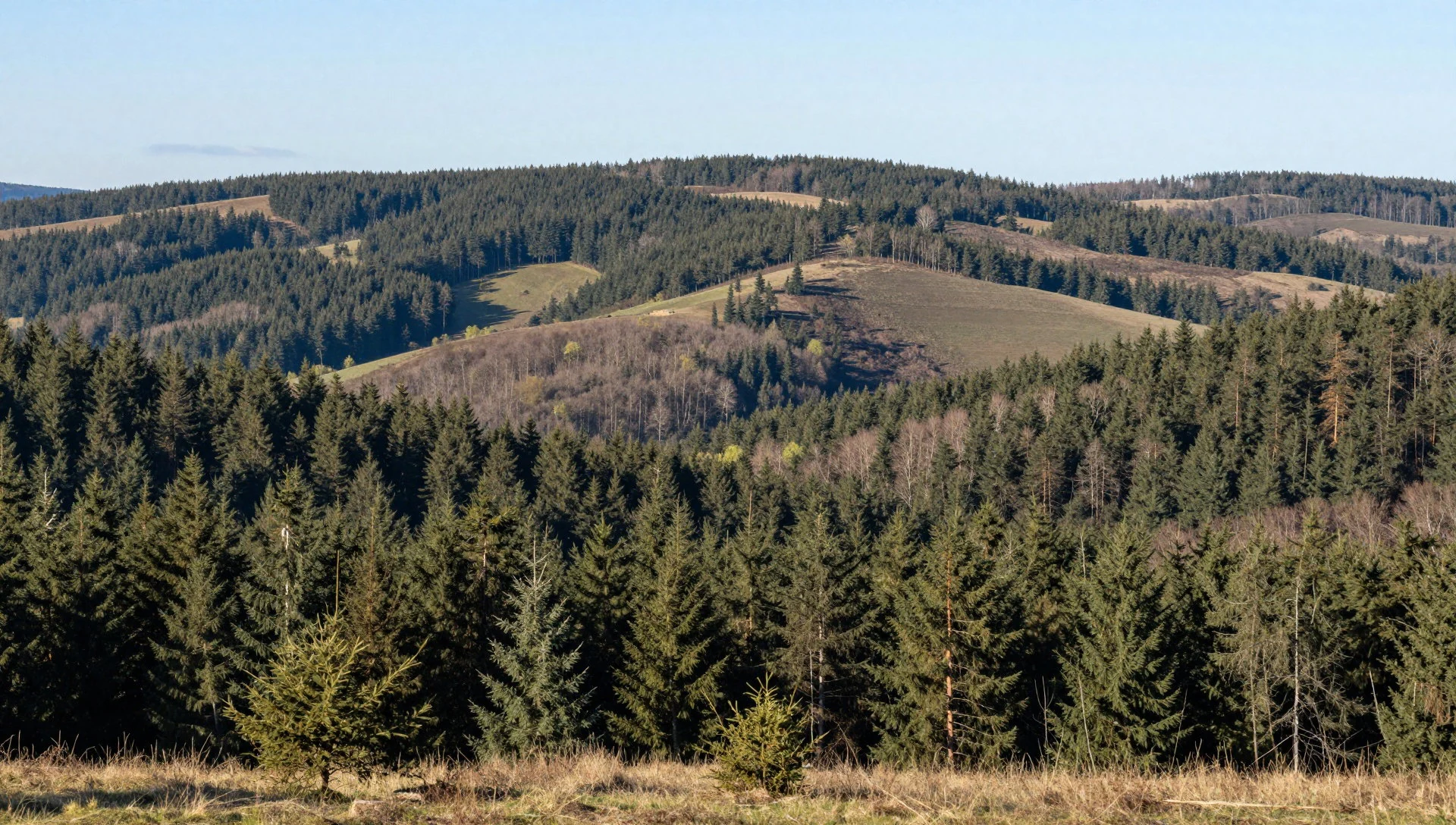
Culture
Šumava National Park sits in the Czech Republic, where many visitors assume the country fits neatly into “Eastern Europe”. Czechs often prefer “Central Europe”, and the topic can come up in conversation—so it’s safer to match the phrasing you hear locally. Conversations about the Soviet Bloc or earlier empires can also be sensitive, so keep opinions neutral and let locals lead if the subject surfaces.
In practical terms, park culture is less about nightlife and more about how people move around outdoors. Locals tend to treat the mountains as working space—paths matter, weather matters, and you’ll see quiet everyday routines: early starts, checking conditions, and respecting marked routes. In tourist areas elsewhere in Czechia, service can feel brisk, and at more traditional places English may be limited, so a simple phrase and a friendly attitude go a long way.
For Šumava itself, the biggest “culture” is respect for the environment: you’re walking through habitats that are still sensitive to disturbance. Keep your group small, stay on the route, and don’t treat bog edges like playground ground. If you visit in busy weekends, expect more people on main trails, but the park’s scale still makes it easy to find quieter minutes.
Visitor etiquette: stay on marked paths and boardwalks around boggy ground, and keep voices low in wildlife-rich areas.
What to wear
In Šumava, what you wear is mostly about forest weather and traction. The traditional dress in Czech lands varies by region, but in everyday modern life you’ll mostly see practical outdoor clothing: layers, hiking footwear, waterproof shells and warm hats—because conditions can turn quickly even when mornings start mild.
If you want “traditional” as a theme, think of woven folk textures and embroidered details from Czech culture, often worn for festivals rather than in daily mountain life. For most visitors, though, the real wardrobe is seasonal gear: breathable base layers in spring or autumn, a warmer mid-layer for windy ridges, and a waterproof jacket for mist and showers.
Footwear matters here. Trails can be muddy near wet ground and slick on forest paths, so choose shoes with grip and wear socks you can afford to get damp. Consider gloves in colder months and a hat that won’t blow off in gusty weather. For the most basic “respect” check: if you visit any churches or formal interiors near gateway towns, go for modest coverage and carry a light layer to avoid feeling underdressed.
Visitor-ready mix: hiking boots with good tread, layered clothing, and a rain layer—this will serve you better than any festival-style outfit in the park.
What to eat
- Bramboračka (potato soup) — Local pubs and village eateries around South Bohemia
Bramboračka is a comforting potato soup that sometimes includes forest mushrooms. Look for it in local Czech pubs and small village restaurants around South Bohemia—places where the menu feels largely “home-style”.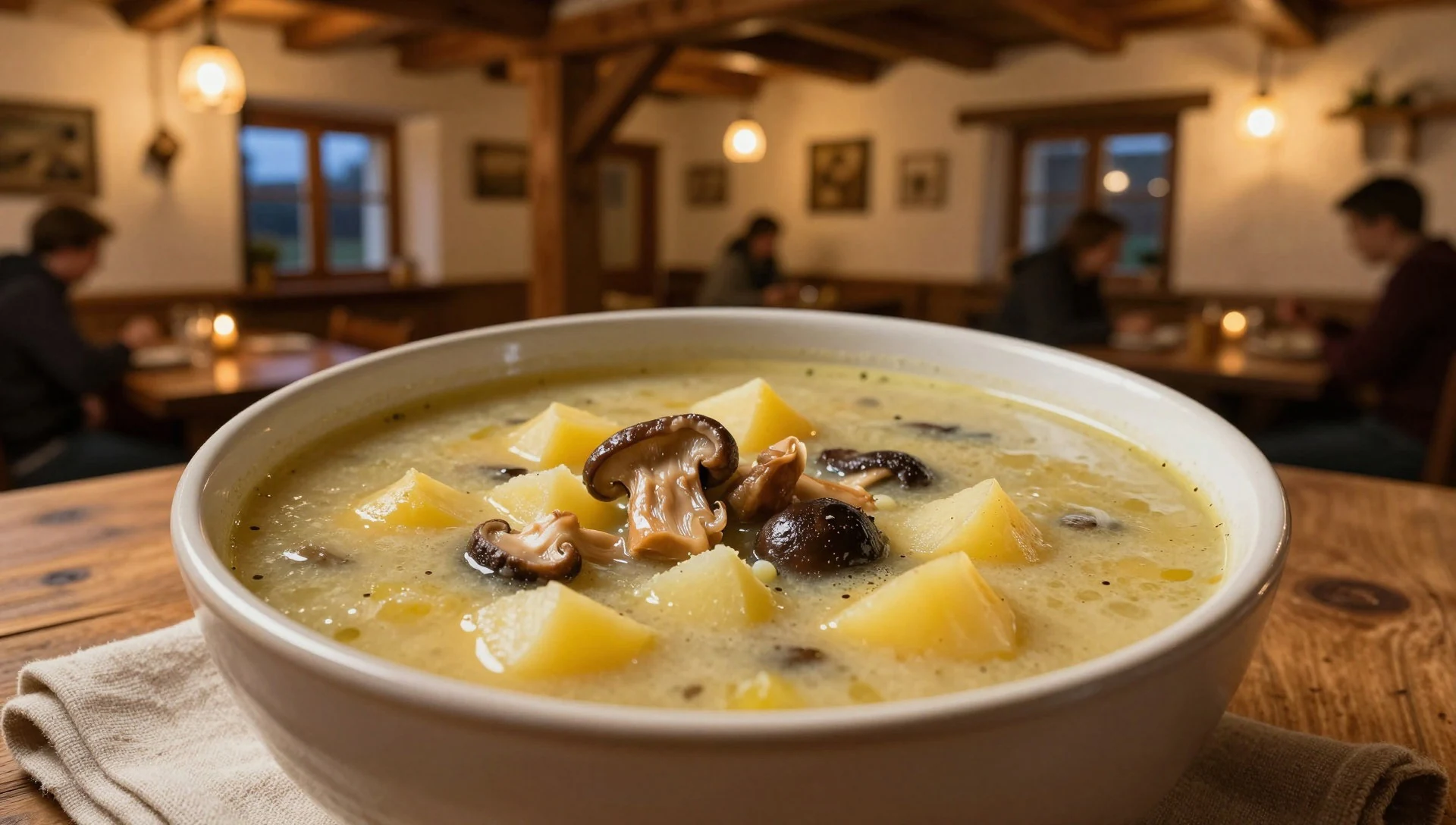
- Hovězí vývar (clear beef soup) — Traditional restaurants and lunch spots
Hovězí vývar is a clear beef soup, occasionally served with játrovými knedlíčky (liver dumplings). It’s common in traditional lunch menus, especially in restaurants favoured by locals rather than tourist strips.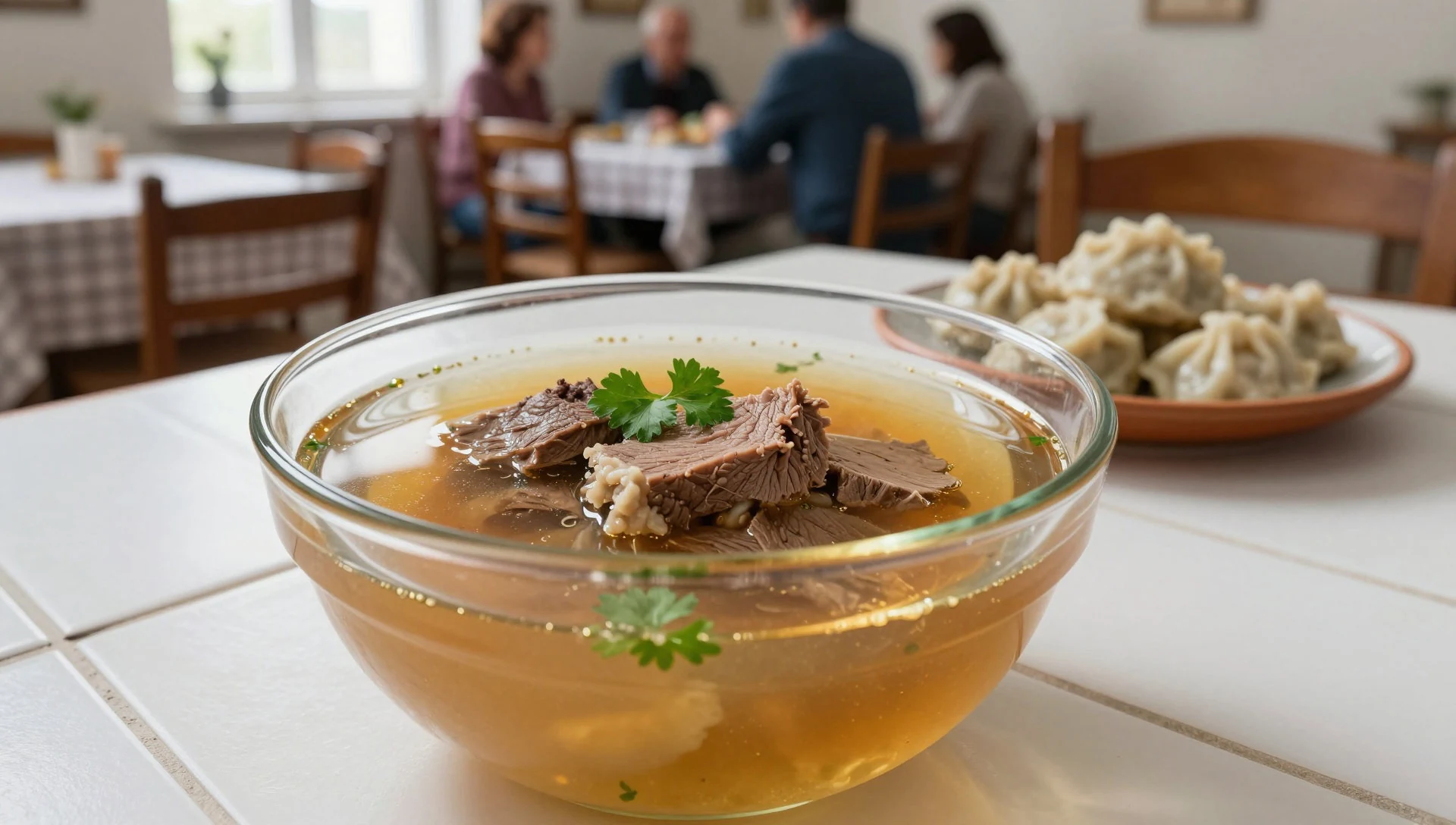
- Gulášovka (thick goulash soup) — Pub menus and regional inns
Gulášovka brings goulash flavours in soup form—hearty and warming after time outside. Find it on Czech menus in pubs or inns, often alongside bread and simple sides. - Zelňačka (sour cabbage soup) — More local Czech restaurants in towns near the park
Zelňačka is thick and tangy cabbage soup, the kind of dish that tastes better in cooler weather. It’s a reliable order in Czech eateries beyond major tourist centres. - Kulajda (mushroom & milk soup) — Seasonal Czech restaurants in the mountain regions
Kulajda combines forest mushrooms with milk in a thick, creamy soup. Because mushrooms are at home here, it often feels especially fitting in mountain regions—order it in places that serve seasonal specials. - Česnečka (strong garlic soup) — Traditional eateries and mountain-area pubs
Česnečka is a strong garlic soup that’s often described as bold and warming. It can be a satisfying pre-hike meal, though it’s not for the faint-hearted.
Plan it
Best time. March–April and late October–November for the calmer, shoulder-season feel; summer can be warm and busy on accessible routes.
How long. 3–4
Getting there. Fly or rail into a major Czech hub, then take regional buses or a combination of train and local transport into the South Bohemian access points for Šumava; the last legs are usually easiest by local bus or car.
Budget. mid
Tips
- Start hikes early to avoid afternoon cloud and to get quieter trail sections
- Carry a map offline: forest routes and viewpoints can be confusing without signal
- Check weather before you commit to longer bog or high-ground paths
- Pack a rain layer and something warm even in spring and autumn
- Keep some cash for small local stops and countryside kiosks
Etiquette
- Stay on marked paths and follow guidance around bogs
- Keep noise down in quieter forest sections—wildlife is present
- If a viewpoint is signposted for access, use the entrance routes rather than shortcuts
Nearby
Sources
- Wikidata Q864799 (CC0)
- Wikipedia (Šumava National Park) (CC BY-SA 4.0)
- Wikivoyage (Czech Republic) (CC BY-SA 4.0)
- Photo: Plešné jezero (Public domain)
