Sucre
Sucre, Bolivia
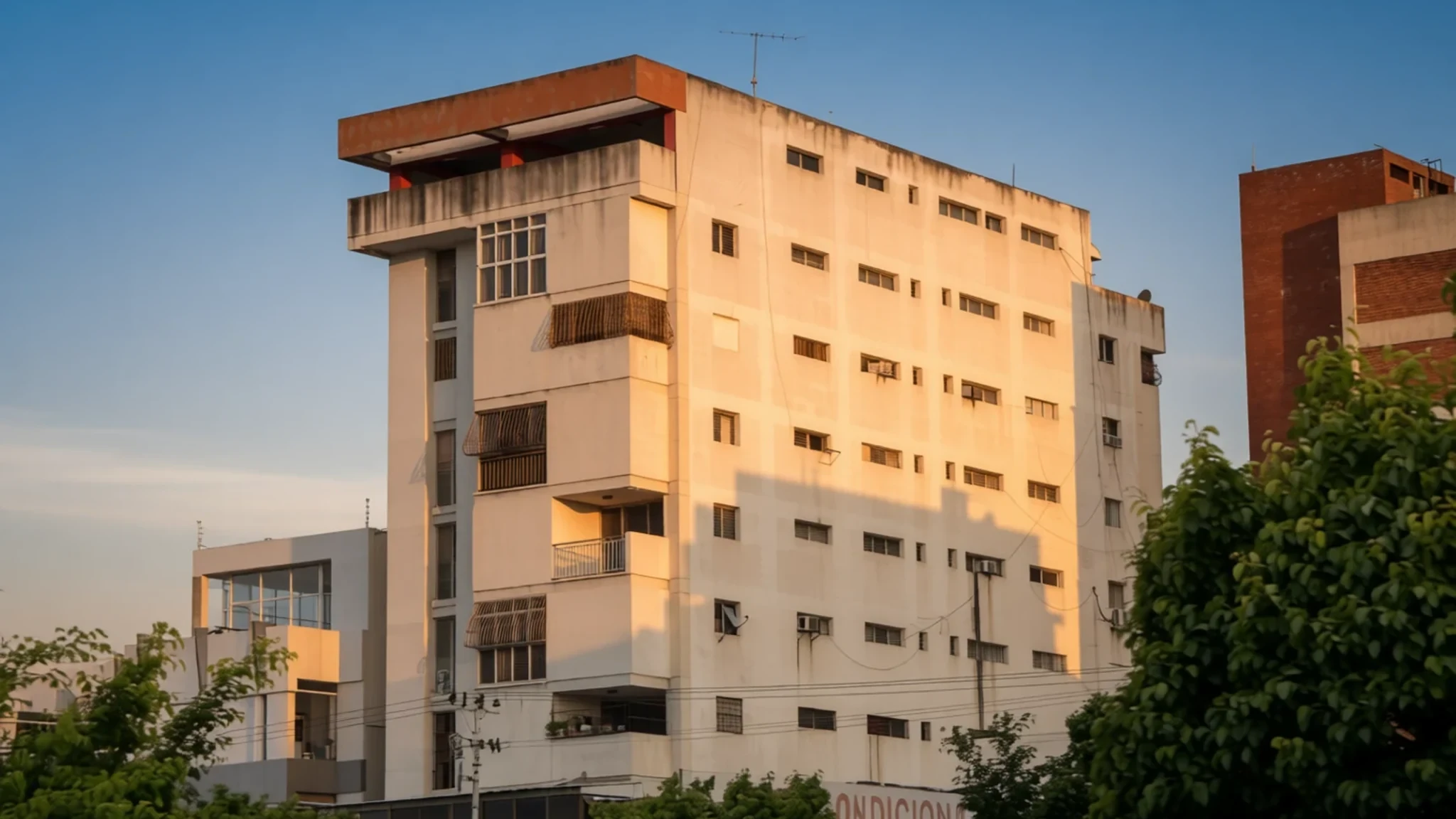
Sucre is Bolivia's constitutional capital, a high, cool city of white colonial streets that rewards slow walking.
The place
Sucre lies in south-central Bolivia, standing 2,810 metres above sea level. That makes it the world's second-loftiest capital, behind Quito. The altitude keeps the days mild and the nights cool throughout the year, so visitors who expect heat are often surprised by a climate closer to a spring afternoon in the Andes. The city has about 360,000 residents and is home to the Bolivian Supreme Court, alongside a strong government and university presence.
Most visitors focus on the historic centre, which is among the best-preserved city cores of Hispanic colonial and republican origin in the Western Hemisphere. Whitewashed walls, carved wooden balconies, tiled roofs and bell towers line narrow streets that climb gentle slopes. The pale tones earned the city its nickname, the White City, and many buildings that were once convents, churches or government offices now house museums and courtrooms.
Because the centre is compact, most sights sit within walking distance of the main square, Plaza 25 de Mayo. Crime rates are low, which is one reason the city has long been popular with both foreigners and Bolivians. Evenings are sociable without feeling rowdy, and the pace is unhurried, with the feel of a place that still sees itself as the country's intellectual heart.
The surrounding hills offer quick escapes to viewpoints and quarries. The city's charm lies in the details: a courtyard glimpsed through a half-open door, a bakery queue at breakfast, a choir practising in a chapel.
Its story
Long before Spanish arrivals, the valley around present-day Sucre lay within Inca reach. The Incas knew the place as Chuquisaca, a name still used today as an alternative for the city. Scholars link it to Quechua words meaning silver or precious metal, and to a heap of small things, so the name can be read as a pile of silver.
The area served as a provincial centre under the wamani of Charca. Topa Inca Yupanqui conquered the Aymara kingdom that had held the land and spread Quechua among its people. The chronicler Garcilaso de la Vega recorded that ambassadors from Tucumán reached the ruler while he stayed here, a sign that the district sat on routes linking distant parts of the empire.
The Charcas people were excluded from many state duties because of their warrior reputation. Many served as soldiers, and Wayna Qhapaq drew large numbers of them for campaigns in the north. During those wars, Guarani-speaking groups from Paraguay pushed onto the Charcas frontier, helped by a band of European explorers. The region was contested long before colonial rule reshaped it.
Under Spanish control the city became a centre of administration and was called La Plata. Later it took the name Sucre. In 1825 Bolivian independence was declared in the chapel of what is now the Casa de la Libertad, a former convent that became the meeting hall for the independence movement.
What to see
- Cal Orck'o — North-east of the city, a limestone quarry
More than 5,000 dinosaur footprints are impressed into a steeply tilted limestone wall, around 70 degrees, in an old quarry that was once a lakeshore. The site sits a short drive from the centre, so allow a half-day for the trip. Wear sturdy shoes, as the paths are uneven, and bring water.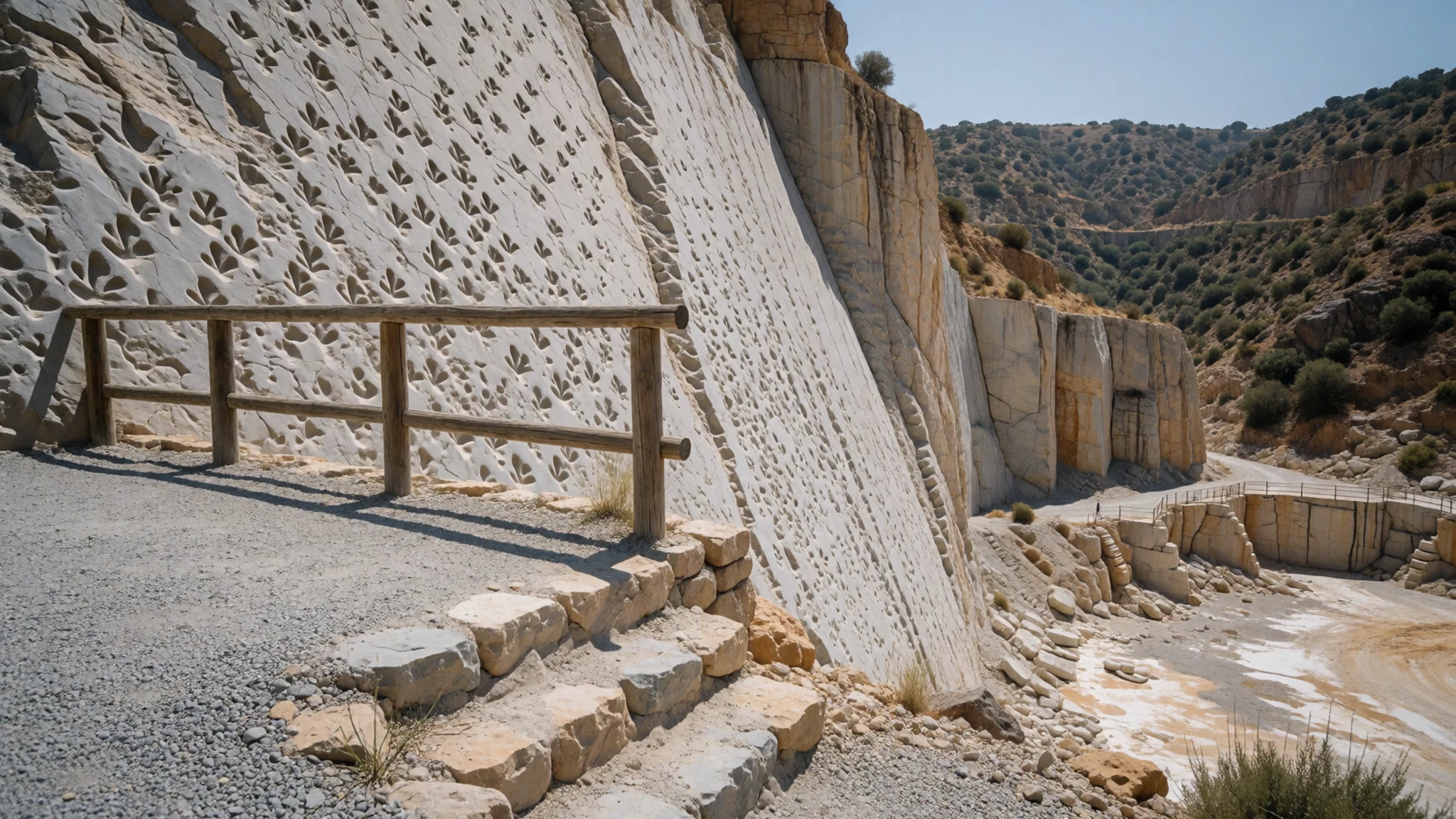
- Casa de la Libertad — Central square, old town
A former colonial convent on the central square, now a museum. Its chapel was the meeting hall where Bolivian independence was declared in 1825, and the rooms around the courtyard hold displays linked to the country's early republic. Allow an hour or more, and go in the morning when it is quieter. Check the official site for current opening times before you go.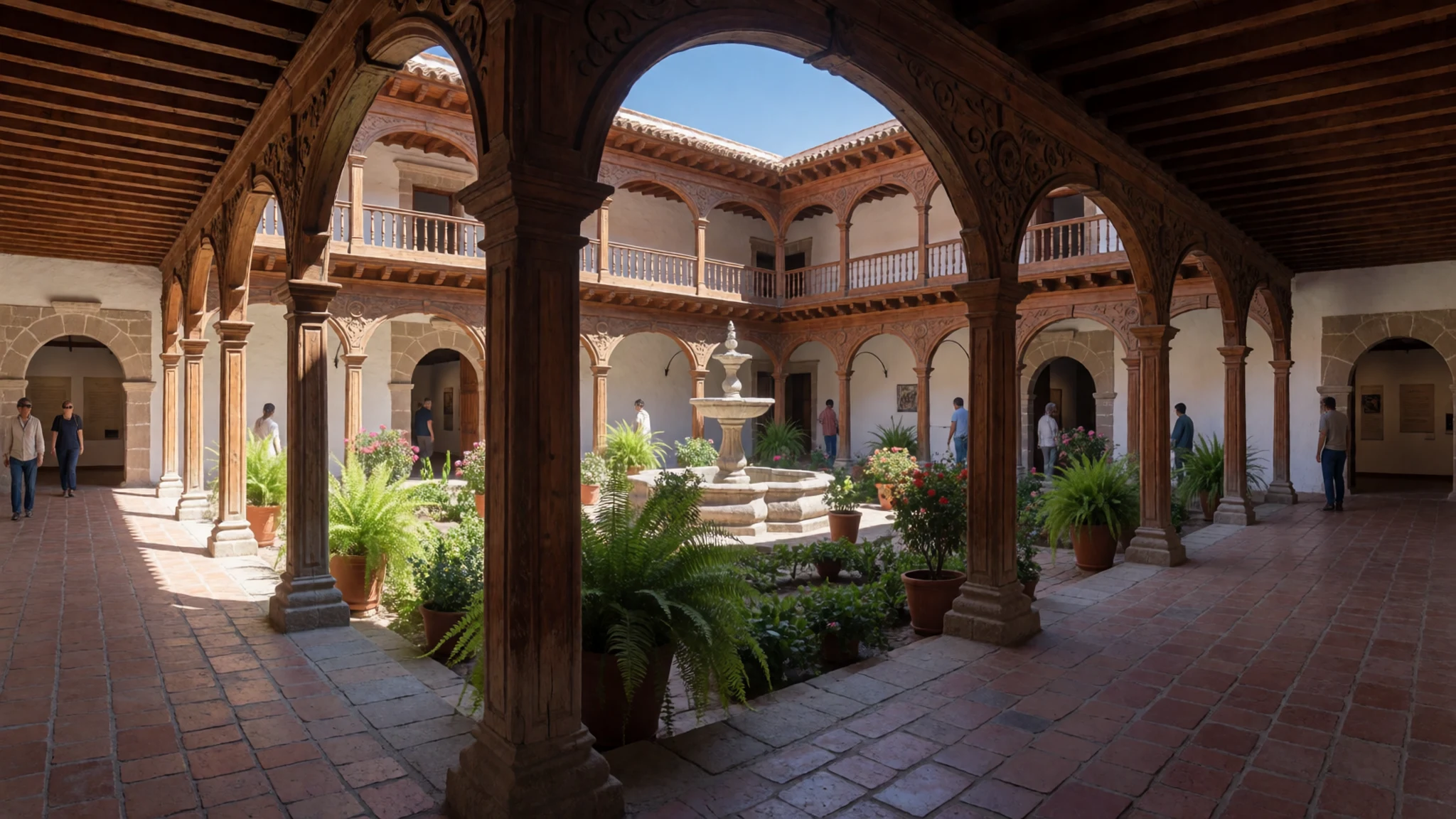
- Plaza 25 de Mayo — Historic centre
The heart of Sucre, the central square is ringed by the cathedral, the prefecture, the town hall and the Casa de la Libertad. Its benches and shaded paths draw a steady crowd through the day, and the surrounding streets hold cafés, bars and restaurants. It is the easiest place to start a walk through the old town.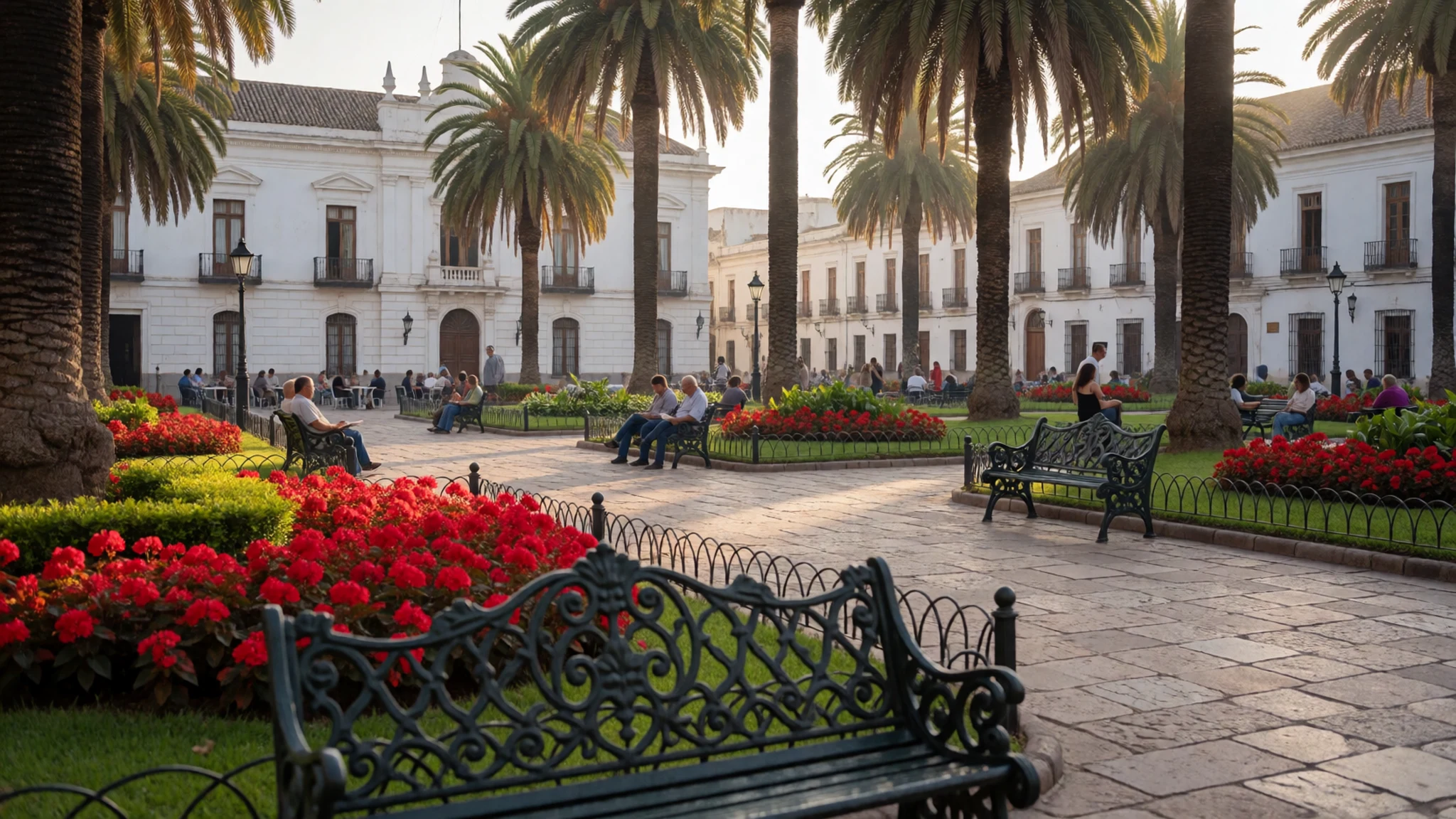
- Glorieta Castle — Residential edge of the city
The castle was home to Francisco and Cotilde, a couple whose self-given royal titles became a local legend. Their story is the main draw, and the building is a rewarding stop for anyone interested in the odd royal claims that arose in the region. Check the official site for opening times and any guided visit arrangements.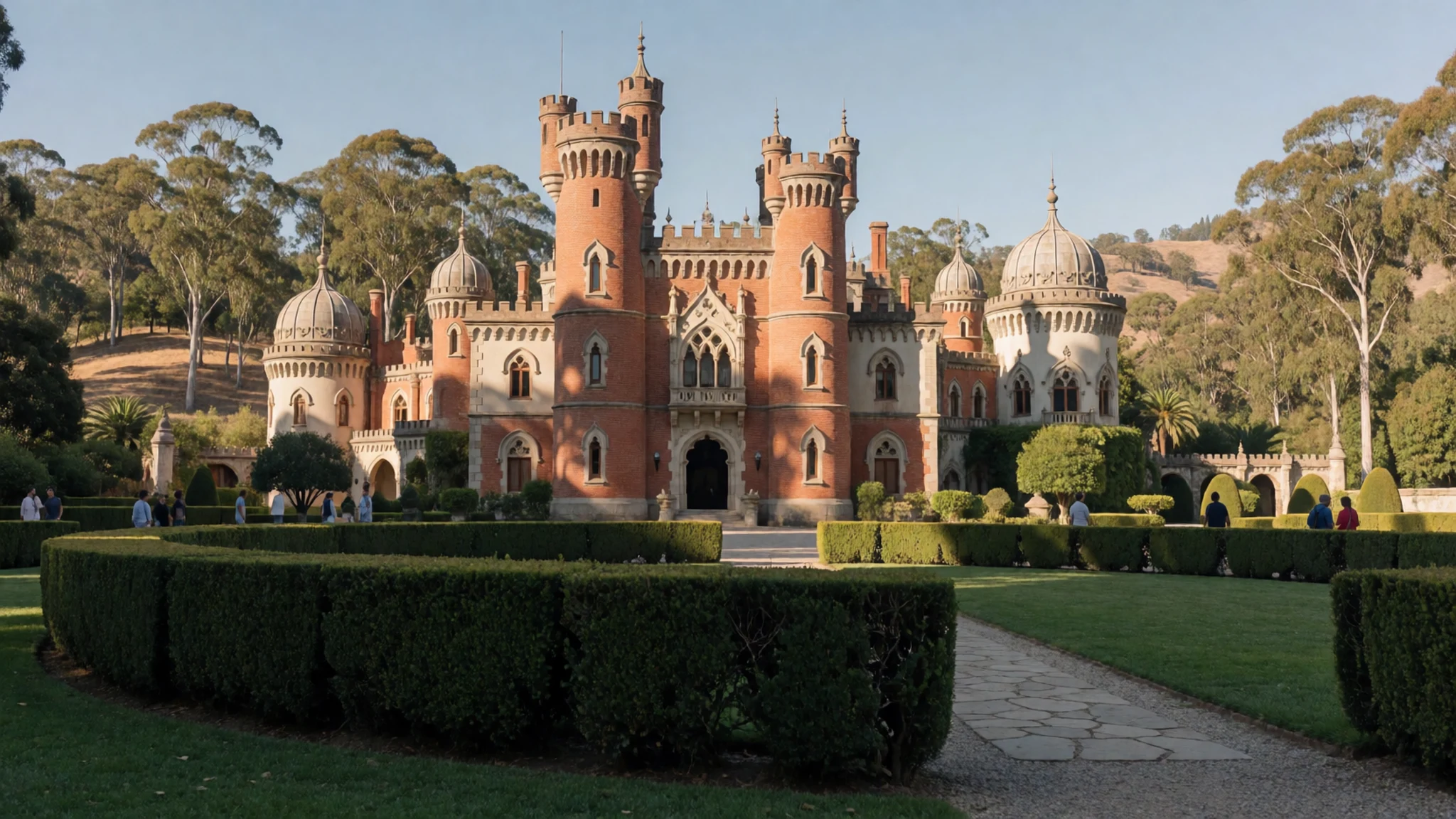
- National Military History Museum — Close to the main square
A museum with a large collection of Bolivian and international weapons. It is most rewarding if you already know something about firearms or military history, and it helps to read the Spanish labels or bring someone who can translate. Allow about an hour and visit during the day, when the central streets are busy.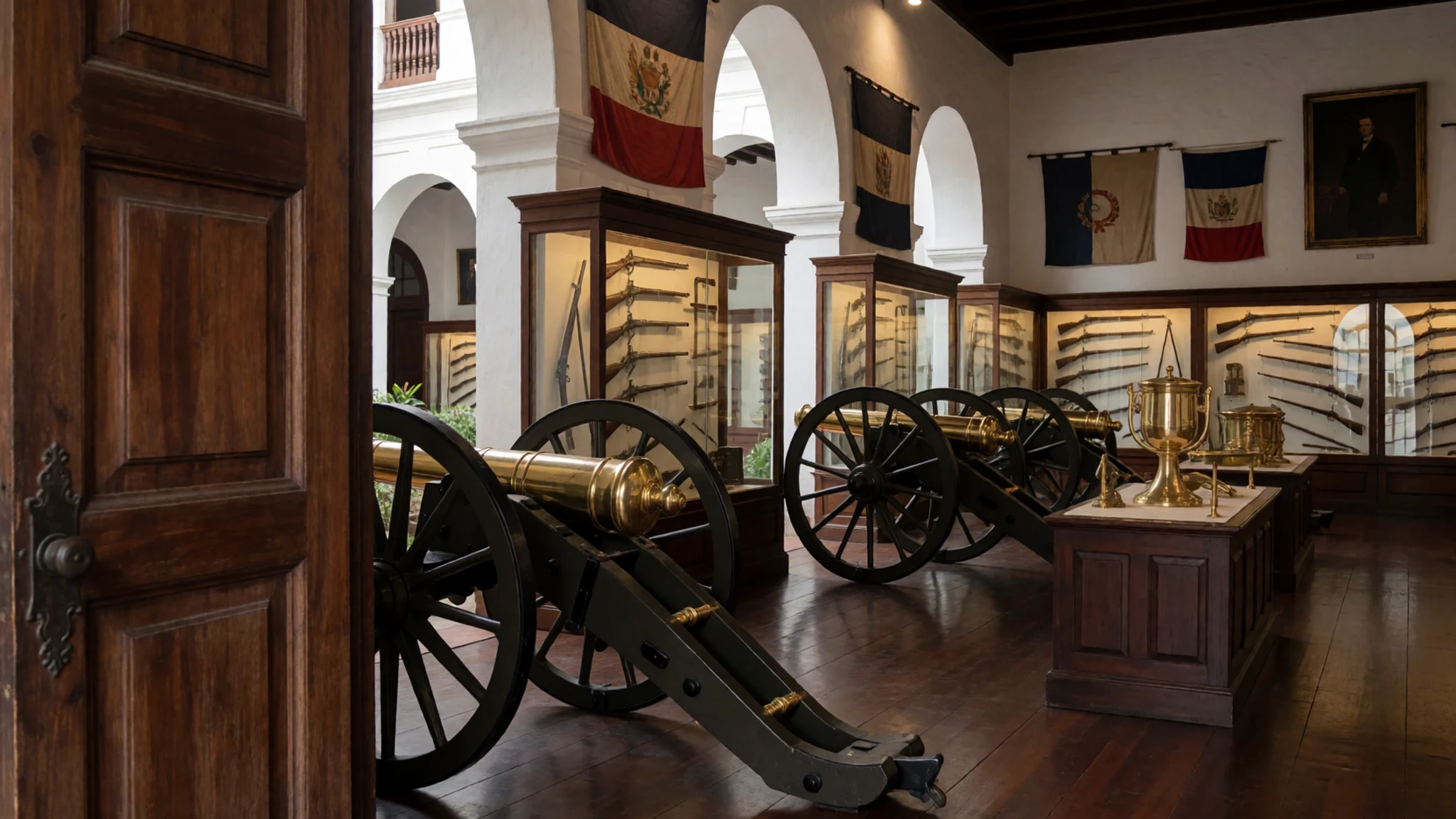
Culture
Sucre's music and dance grew out of the city's bars, student ensembles and celebrations. The cueca is the most widespread, and two forms stand out: a popular version and the salon cueca, which moves more slowly and shares the meter of the Argentine zamba. Authors from Chuquisaca, including Miguel Ángel Valda Paredes and Simeón Roncal, composed some of the genre's oldest and finest pieces.
The bailecito began in the bars and chicherías of the White City, where student ensembles known as estudiantinas performed it. It spread well beyond Sucre and now belongs to other regional identities, including Cochabamba, which has adopted it as a signature rhythm.
The thanta morenos is a staged dance with a cast of characters: demons, maidens (imillas), lions, elders (awelos), small monkeys, a rooster, pairs of dancers, and the sicuris, who play the music. Watching it at a festival shows how much local life still runs on community ritual.
Many of the city's historic buildings remain in working use as offices, courts and homes, so visitors share the streets with people going about their business. Ask before photographing people in dance costume or at religious processions, and step back if anyone declines.
What to wear
Sucre's traditional dress is closely tied to the wider Andean world. Many women of Quechua and Aymara background wear layered pleated skirts, known as polleras, with embroidered blouses and shawls, and a bowler hat is a common finishing touch. Textiles are typically hand-woven wool or alpaca, and the shawls are often worn for carrying goods as well as for warmth. These clothes appear most strongly at festivals, markets and family occasions.
Day to day, people in Sucre dress much as they would in other Bolivian cities. Jeans, jackets, sweaters and trainers are common, with younger residents favouring modern fashion and older residents more often keeping to traditional pieces. Mixing the two is normal, and a bowler hat with a sports jacket is a familiar sight.
For visitors, the main concern is warmth and comfort. Pack layers, because the days can be warm in strong sun and the nights are cold at this altitude. A hat and sunglasses help in the midday sun. Choose closed, flat shoes with good grip for cobbled streets and steep climbs. At churches and convents, dress modestly, covering shoulders and knees.
What to eat
- Papa rellena (stuffed potato) — Cafés in the historic centre, such as Condor Café
A potato filled with a savoury mix of meat and vegetables, and a specialty at Condor Café. It makes a filling lunch and is an easy way to try a regional dish without committing to a full menu.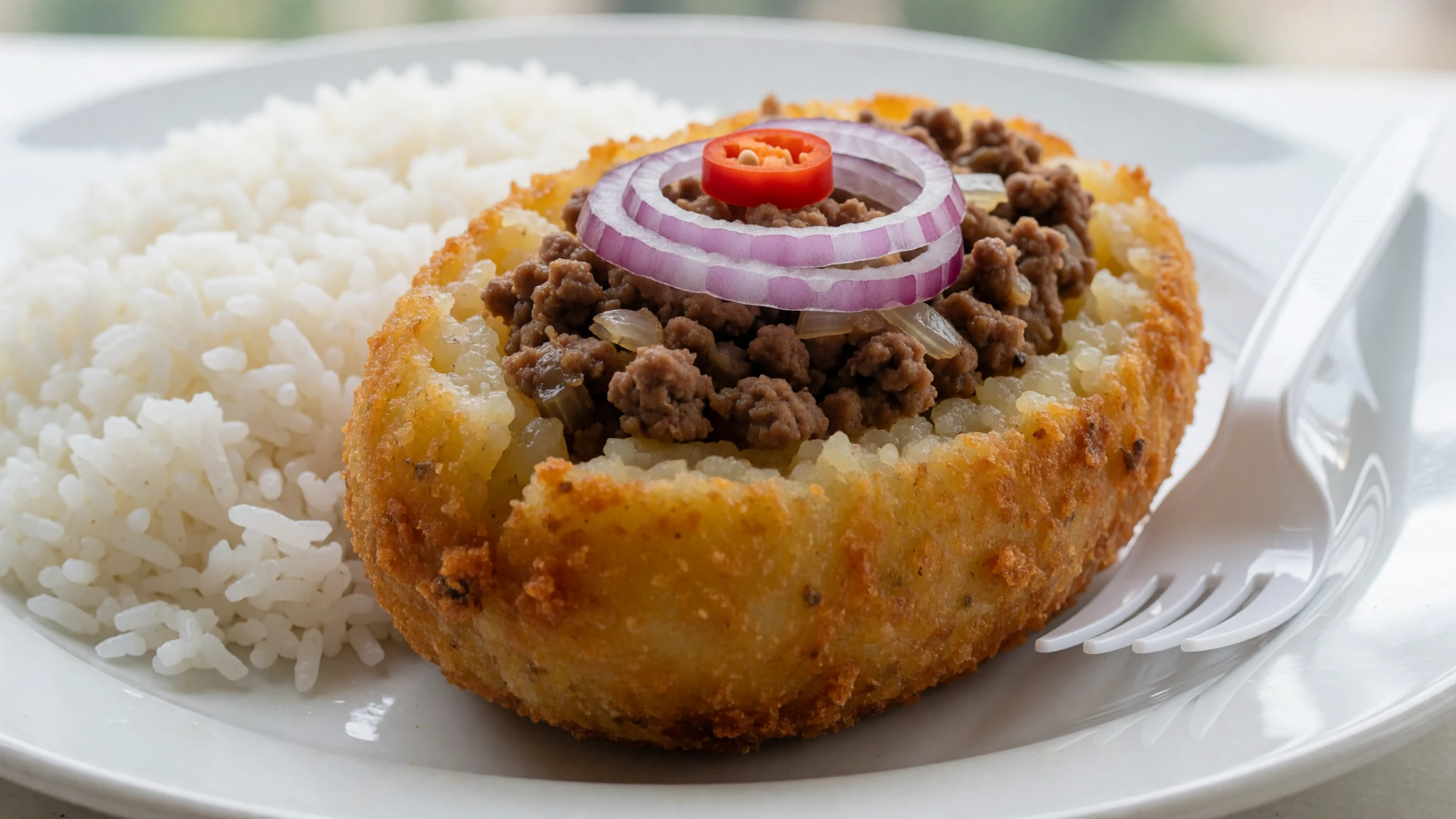
- Quinoa beer — Cafés and bars around Plaza 25 de Mayo
A beer brewed with quinoa, the Andean grain, and one of the more unusual drinks on the café circuit. It tastes different from ordinary lager, so ask for a small glass first. It suits a slow afternoon at a table outside.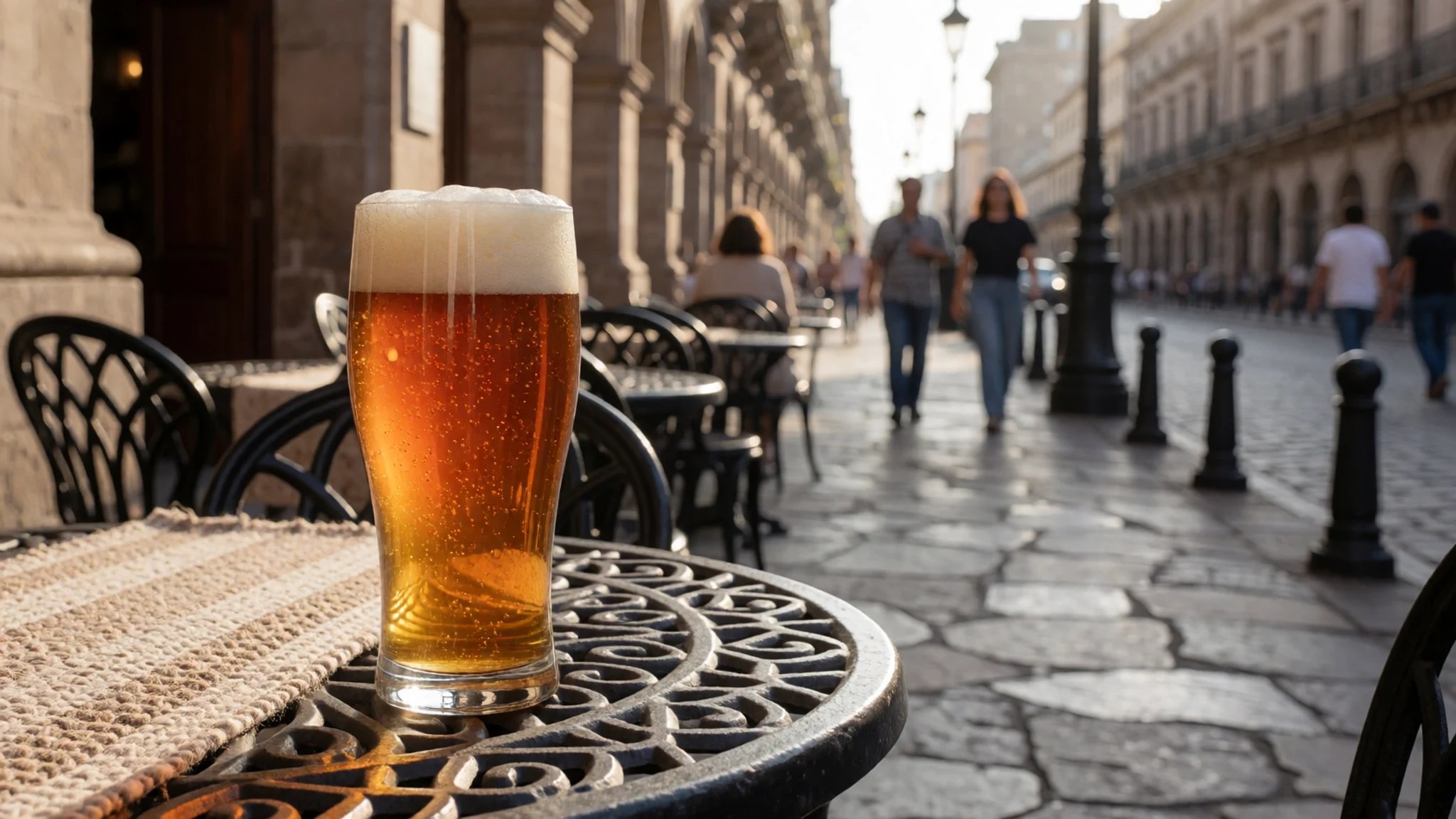
- Meat dishes and pizza — Patio de Comidas, an open-air food court in Parque Bolívar
The outdoor food court inside Parque Bolívar serves mainly meat dishes and pizza, and it is frequented largely by locals. The atmosphere is noisy and sociable, and it is a good place to eat cheaply and watch the city at lunchtime.
- Bolivian-German fusion — A restaurant in the old town, near the central plaza
A blend of Bolivian and German cooking, with lunch specials that are vegetarian, while meat dishes are available from the menu. It is a relaxed way to try local ingredients prepared in an unfamiliar style.
Plan it
Best time. May to September, when skies are clearer and rain is least likely. Nights are cold year-round at this altitude, so pack warm layers whatever the month.
How long. 2–3
Getting there. Alcantarí Airport is the nearest airport, about 30 km south-east of the city, so allow a longer taxi ride into town. Buses from Potosí run hourly and take three to four hours, and shared taxis are quicker. Overnight coaches from La Paz take most of the night.
Budget. low
Tips
- Book overnight buses a day ahead, and choose a semi-cama or cama seat on the rough roads
- Start walking tours early, before the central square fills up
- Carry cash for small eateries and market stalls, as cards are not always accepted
- Drink plenty of water and take the first day gently, as the altitude is high
- Allow a half-day for Cal Orck'o and wear sturdy shoes
Etiquette
- Dress modestly when entering churches and convents
- Ask before photographing people, especially in festival costume
- Keep your voice low inside churches and during services
Nearby
Sources
- Wikidata Q2907 (CC0)
- Wikipedia: Sucre (rev 1379426346) (CC BY-SA 4.0)
- Wikivoyage: Sucre (rev 5387183) (CC BY-SA 4.0)
- Sucre Square, Parallelepiped09, via Wikimedia Commons (CC BY-SA 4.0)
- Sucre, Capital de Bolivia, Parallelepiped09, via Wikimedia Commons (CC BY-SA 4.0)
- Tribunal Supremo de Justicia, Sucre, Parallelepiped09, via Wikimedia Commons (CC BY-SA 4.0)
- Ex Palacio Nacional en Sucre, Bolivia, Parallelepiped09, via Wikimedia Commons (CC BY-SA 4.0)
- Casa de la Libertad en Sucre, Parallelepiped09, via Wikimedia Commons (CC BY-SA 4.0)
- Sucre, Bolivia, Adam Jones, Ph.D., via Wikimedia Commons (CC BY-SA 2.0)
- Estatua de Cristo en el cerro Churuquella, Parallelepiped09, via Wikimedia Commons (CC BY-SA 4.0)
- Convento de San Felipe de Neri en Sucre, Parallelepiped09, via Wikimedia Commons (CC BY-SA 4.0)


