Stone spheres of Costa Rica
Stone spheres of Costa Rica, Costa Rica
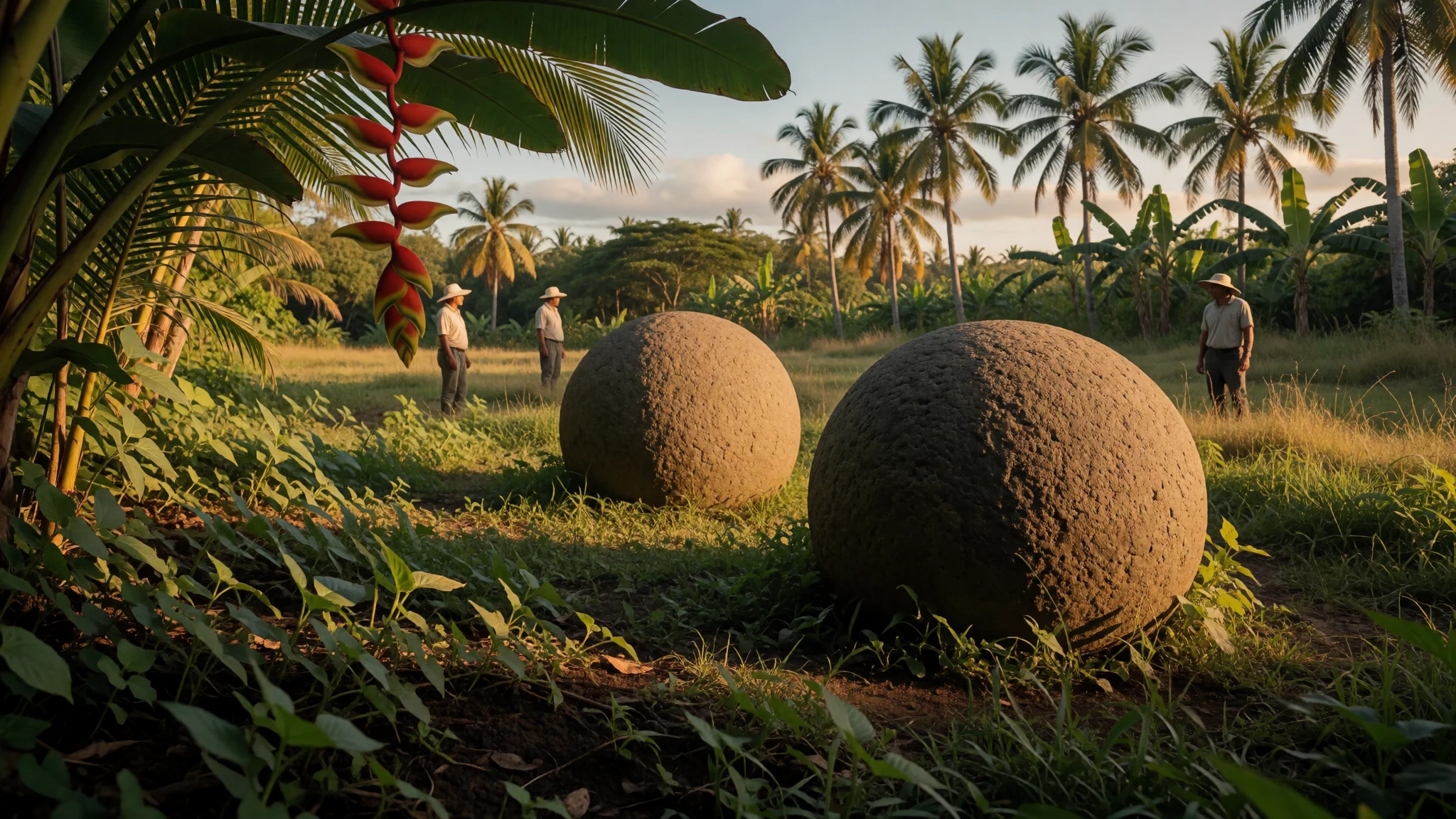
Stone spheres of Costa Rica mix archaeology and mystery, with hundreds of petrospheres tied to the Diquís culture.
The place
Stone spheres of Costa Rica are a remarkable scatter of petrospheres—round stone sculptures associated with pre-Columbian communities—found across the Diquís Delta and on Isla del Caño. Locally they’re often called bolas de piedra (“stone balls”), and you’ll also hear “Diquís spheres” used, because the best-known attribution links them to the extinct Diquís culture.
The spheres aren’t just a single site; they appear in an ensemble of places and displays that let you understand what you’re looking at: some are presented where they were found, and others are exhibited for visitors to compare shapes, sizes, and surface finishing. In the field, they’re often discussed in relation to how communities approached larger dwellings or chiefdom centres, with ideas that the stones were set out in lines. The exact meaning, though, still isn’t pinned down, so the experience leans more “archaeological atmosphere” than “guided story with clear answers”.
Crowd levels tend to track the day and the route—people often swing through on longer Costa Rica road trips—so early arrival usually helps. It’s a tropical country, and the southern lowlands can feel humid; plan for sweaty walking, sun breaks, and the kind of short, uneven paths that go with archaeological parks.
This is also one of those trips where timing matters more than you’d expect: in drier months, the grounds feel easier underfoot and the displays are more pleasant to browse slowly. If the weather turns, the museum options and curated reproductions keep the day moving.
Its story
Stone spheres of Costa Rica sit in a landscape shaped by long-term farming and much more recent plantation history. Before large-scale banana cultivation, the southern region was described as densely vegetated, with livelihoods linked to rich alluvial soils and water resources in the Terraba and Sierpe rivers. That environment mattered: it supported agriculture and also helped create the backdrop for where communities lived and worked.
When banana plantations arrived—driven by the United Fruit Company, which operated through the Compañía Bananera de Costa Rica—the vegetation was cleared and the area changed rapidly during the plantation era. Even today, you can still see agricultural fields across the surrounding countryside, with co-ops and working land devoted to crops such as plantain, bananas and palm plantations.
The spheres themselves are typically linked to Diquís chiefdom settlements. Archaeological work at the Palmar Sur excavations focuses on a site known as “Finca 6”, within the Diquís Delta. Findings there are discussed in period terms including an earlier Aguas Buenas phase and a later Chiriquí phase, framing when the sphere-bearing settlements developed and how the broader region evolved.
On a deeper time scale, the spheres’ meaning remains uncertain: they’re commonly described as being arranged in patterns connected to approaches to leaders’ houses, but the exact significance is still debated. In other words, the story isn’t only about who made the stones—it’s also about what surviving evidence can and can’t tell, and how modern communities choose to interpret that evidence through parks, field sites, and museum displays.
What to see
- Parque de las Esferas de Costa Rica (Finca 6) — Finca 6 area, Diquís Delta
Stone spheres of Costa Rica in Parque de las Esferas are encountered as a field-like setting tied to Farm 6. The experience is slow and visual: walk between clusters, notice the scale, and see why the spheres feel more architectural than decorative.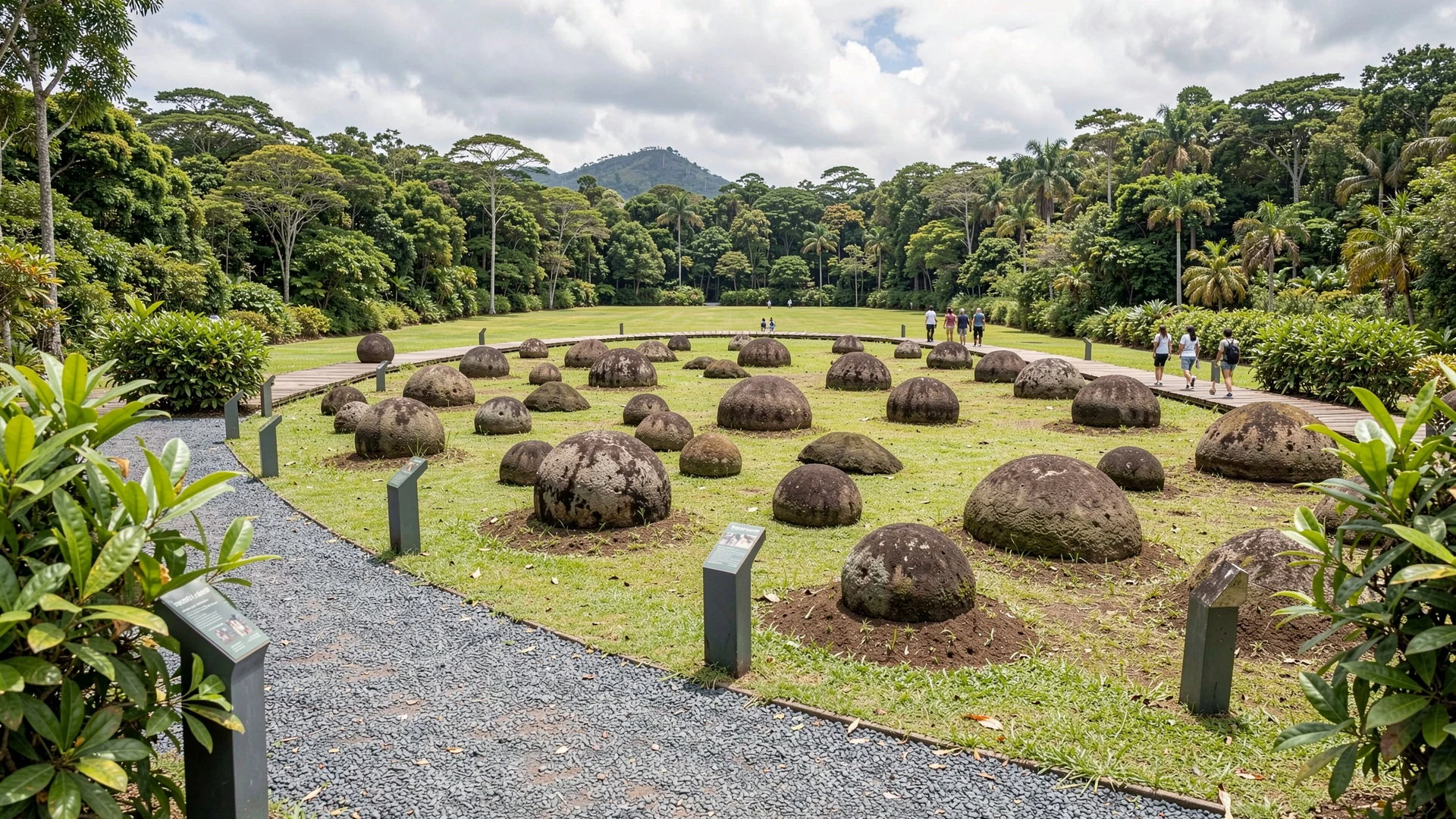
- Museo Nacional de Costa Rica (Diquís spheres displays) — San José
At the Museo Nacional de Costa Rica, stone spheres of Costa Rica are presented for comparison, with Diquís sphere examples displayed so visitors can examine their surfaces and proportions without the same outdoor conditions.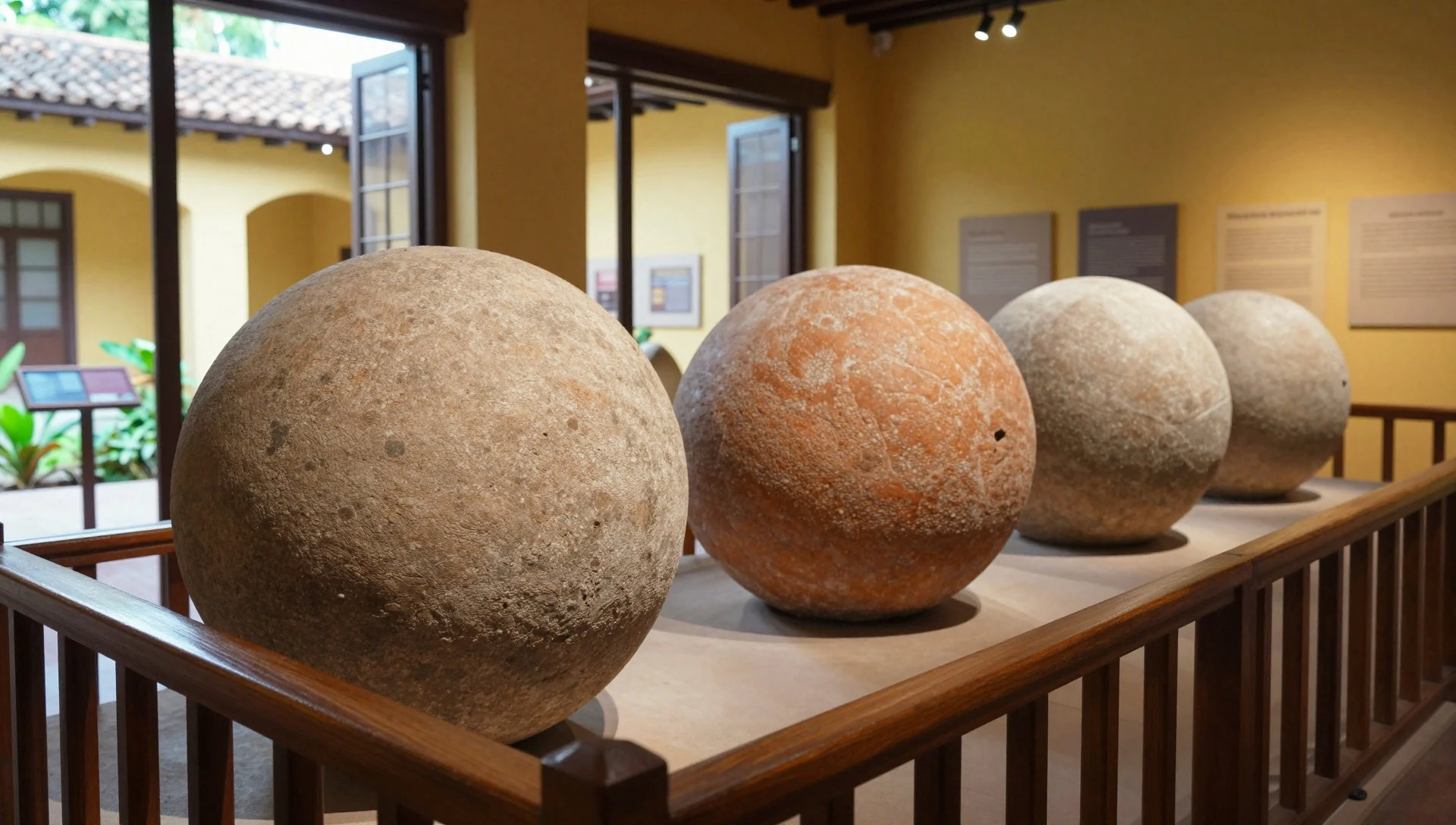
- Farm 6 archaeological site views — Palmar Sur / Finca 6 area
Stone spheres of Costa Rica linked to the Farm 6 archaeological area are best understood from viewpoints that show the broader context around the finds, helping connect the stones to settlement layout rather than isolated objects.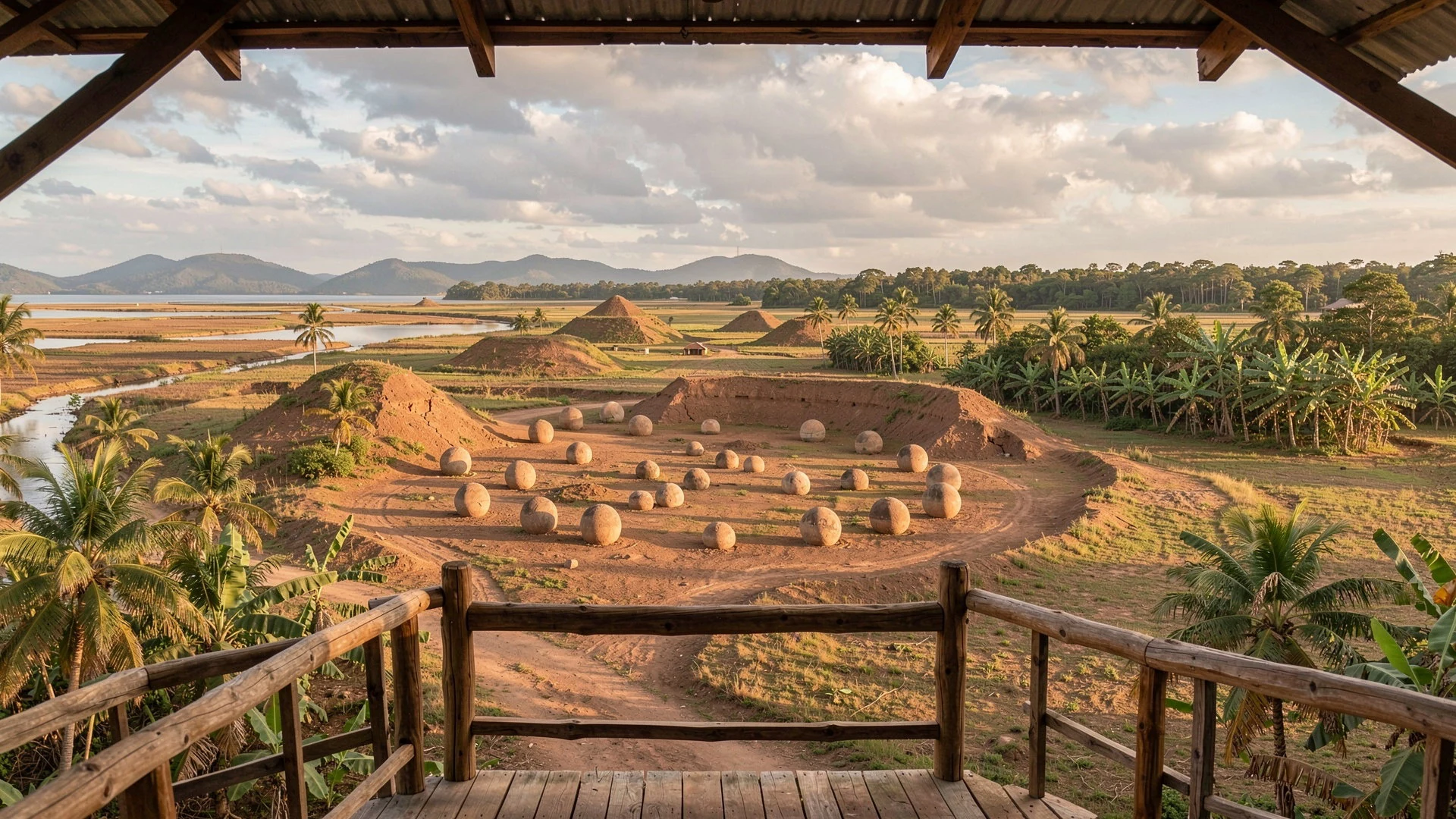
- Jade Museum (INS) sphere exhibits — San José (Jade Museum area)
In the Jade Museum (Museo de Jade) connected with the INS, stone spheres of Costa Rica appear alongside curated collections, giving a clear “object in a museum” contrast to what’s seen in the open air at the delta sites.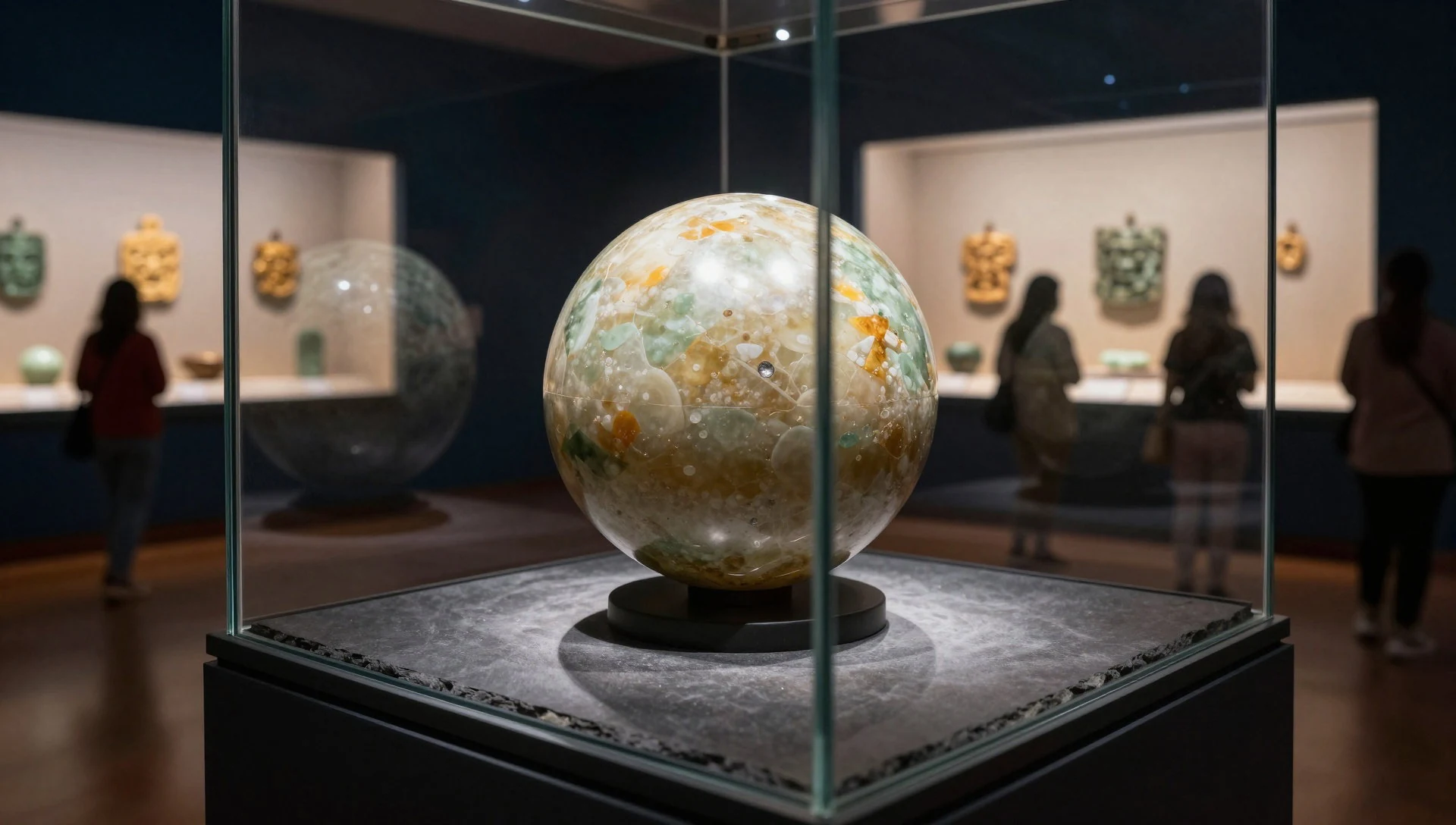
- Plaza de la Democracia / Plaza de la Justicia reproductions — San José (Plaza de la Democracia / Plaza de la Justicia)
In central public squares, stone spheres of Costa Rica show up as reproductions, which are useful for getting the overall look and shape quickly. It’s an easy stop to pair with other city sightseeing when time is tight.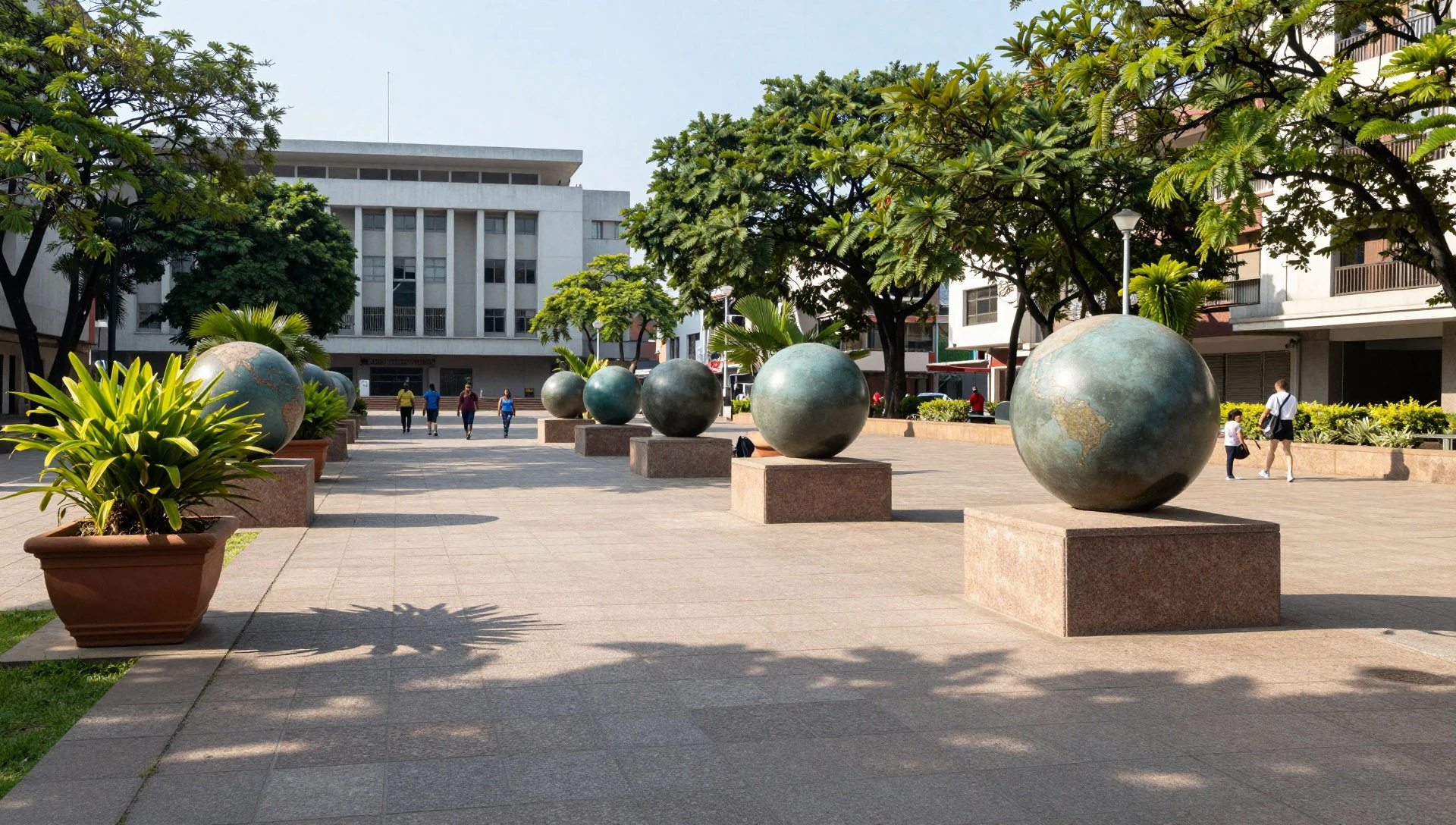
Culture
Costa Rica’s visitors often remember the stone spheres, but the mood of the trip is shaped by how people treat each other. In Costa Rica, people—often called Ticos—are generally hospitable and laidback, and politeness is taken seriously. Common greetings like “buenos días” are expected when entering shops or other establishments, and it’s good practice to respond in kind. Small courtesies matter too: “disculpe” (pardon me) when passing close by, and softer phrasing when asking for help. Direct “give me…” styles don’t fit as well as gentle requests like “¿me podría dar…, por favor?” or “quisiera…”.
Time also runs a bit more relaxed than in many countries. That doesn’t mean plans fall apart—more that schedules may be flexible, especially around casual interactions. For museum and site visits, arriving with buffer time helps keep stress low, particularly in humid conditions where queues and travel between stops can shift.
If the trip includes city stops for museum displays or plaza reproductions, the tone is the same: friendly, patient, and respectful. Speak kindly even if Spanish is basic; staff are usually used to visitors trying their best.
What to wear
For stone spheres of Costa Rica, dressing is mostly about heat, sun, and comfort on uneven paths. Traditional dress in Costa Rica isn’t something you’ll see everywhere daily, but when it does appear it’s typically colourful and woven, worn for cultural events—while everyday clothing today is mostly practical: T-shirts, light shirts, shorts or breathable trousers.
For visitors, the key is to plan for tropical warmth and possible humidity. Lightweight layers work better than heavy fabric, and a hat plus sunglasses help because the delta sites can be bright and exposed. Closed-toe walking shoes are the safest bet: some areas are grassy and uneven, and sandals can feel risky after a wet spell.
If the plan includes museums in San José, comfortable clothing is fine, but modesty and neatness are appreciated—especially when entering formal spaces. Bring a small rain layer or umbrella, and keep a reusable water bottle; carrying fluids makes long pauses between indoor and outdoor stops much easier.
What to eat
- Gallo pinto — Local breakfast spots and everyday diners
Gallo pinto is a staple of rice and beans, commonly with a little onion or cilantro. It’s often a breakfast choice, but you can find it served for lunch or dinner in local eateries and simple family-run places.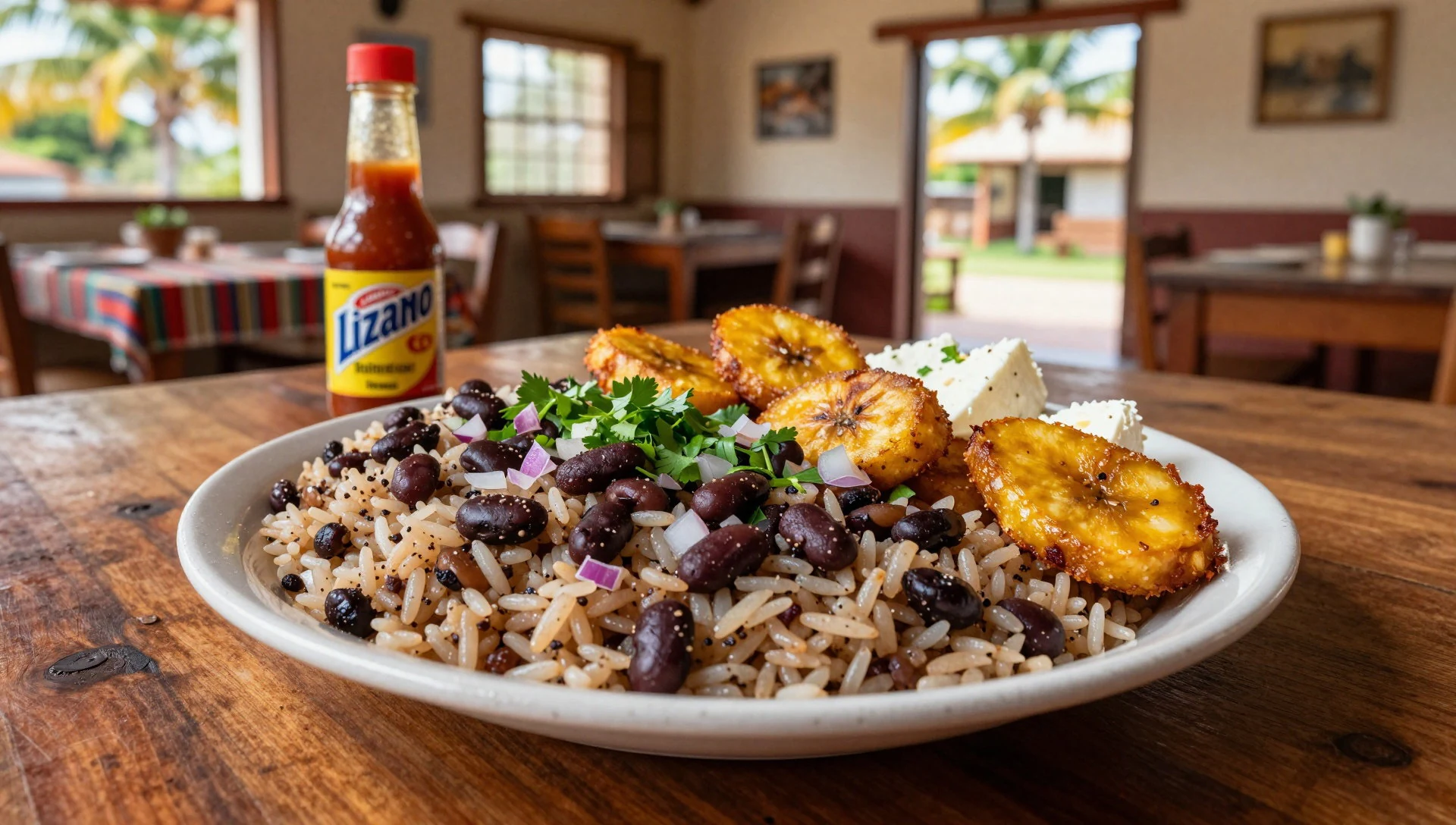
- Casado — Lunch counters and neighbourhood restaurants
Casado is a typical lunch plate built around rice and beans, paired with meat, chicken or fish, plus salad and fried plantain. It’s a straightforward “Costa Rica in one plate” option at many lunch counters.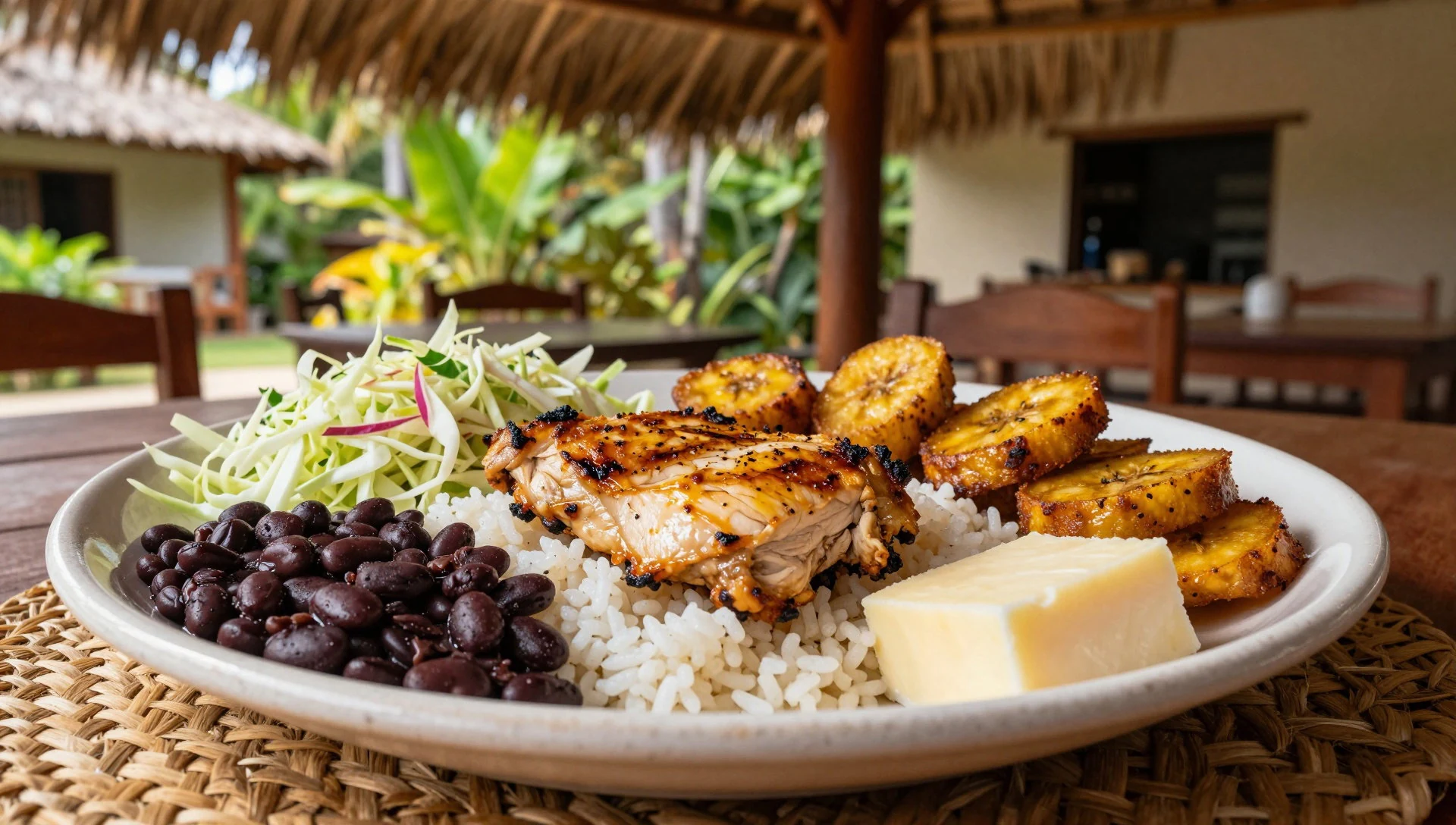
- Plato del día — Small eateries with a daily menu
Plato del día (“plate of the day”) is often a casado-style meal, but with the main protein changing. It’s the kind of menu item you’ll see in day-to-day restaurants when locals want an easy, filling lunch. - Fried plantain served with meals — Lunch plates at local restaurants
Fried plantain shows up alongside several Costa Rican meals, especially the lunch plates that pair rice, beans and salad. Look for it as the sweet, crisp side that complements the savoury components on the tray. - Rice and beans with cilantro (ask about herbs) — Order counters and casual restaurants
Cilantro is common in Costa Rican cooking, and many travellers notice it right away. If it’s not for everyone, it’s normal to ask for it to be left out when ordering rice-and-bean dishes or mixed plates.
Plan it
Best time. March–April and October–November are good for visiting stone spheres of Costa Rica because these months line up with the best travel window and generally suit long outdoor walks in Costa Rica. June is typically rainy, and August tends to feel hot and humid, so expect wetter ground and stickier air.
How long. 3–4
Getting there. Fly into Costa Rica (most itineraries route via San José), then connect by car or domestic transport towards the Diquís Delta for the Finca 6 area. For museum displays, San José is the practical base.
Budget. mid
Tips
- Start with the Finca 6 area early to get better light and fewer people on the walking paths
- Plan at least one indoor display day in San José so weather doesn’t wreck the schedule
- Keep water and sun protection handy for outdoor clusters of spheres
- Build in time for slower travel between the delta area and city museums
Etiquette
- Ask before photographing people and staff in museums or at guided areas
- Keep voices low in indoor exhibits and follow any marked routes on site
- Dress modestly when entering formal public buildings in San José
Nearby
Sources
- Wikidata Q282275 (CC0)
- Wikipedia — Stone spheres of Costa Rica (CC BY-SA 4.0)
- Wikivoyage — Costa Rica (CC BY-SA 4.0)
- Photo: Parque de las Esferas de Costa Rica (01-parque-de-las-esferas-de-costa-rica.jpg) (CC BY 3.0)
- Photo: Diquís Stone Spheres in Museo Nacional (02-diquis-stone-spheres-museo-nacional-cri-01-2020-1880.jpg) (CC BY-SA 4.0)
- Photo: Diquis Stone spheres (03-diquis-stone-spheres-15272809254.jpg) (CC BY-SA 2.0)
- Photo: Farm 6 archaeological site (04-farm-6-archaeological-site-costa-rica.jpg) (CC BY 3.0)
- Photo: Museo de Jade Diquís stone spheres (05-museo-de-jade-diquis-stone-spheres-cri-01-2020-4313.jpg) (CC BY-SA 4.0)
- Photo: Stone sphere (06-stone-sphere.jpg) (CC BY 3.0)
- Photo: MNCR sphere inside glass and metal sphere (07-mncr-03.jpg) (CC BY-SA 4.0)
- Photo: Diquis Stone Spheres Plaza de la Justicia (08-diquis-stone-spheres-plaza-de-la-justicia-06-2023-4148.jpg) (CC BY-SA 4.0)


