Stelvio National Park
Stelvio National Park, Italy
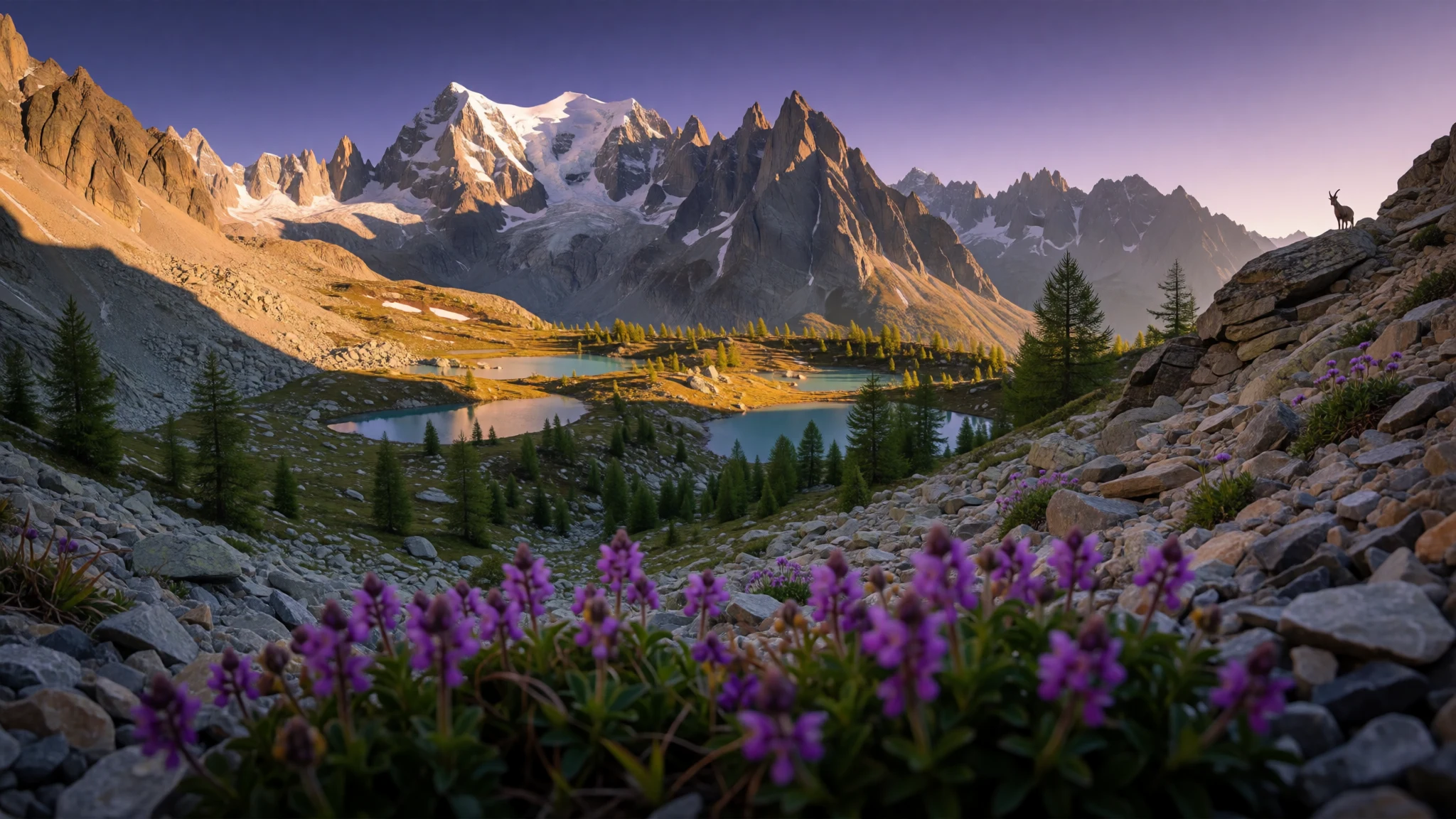
Stelvio National Park packs glaciers, deep gorges, alpine lakes and long hiking valleys into a protected stretch of the Italian Alps.
The place
Stelvio National Park sits in the Italian Alps in the north of the country, close to the Swiss frontier, and spreads across parts of Lombardy and Trentino-Alto Adige/Südtirol. Its land is divided among many municipalities, so the park has no single gate; each valley has its own village, its own visitor centre and its own character. Italian and German are both in daily use, which is why the park has two names, Parco nazionale dello Stelvio and Nationalpark Stilfser Joch. The ground rises from valley floors at about 650 m to a summit of 3,905 m, and that vertical range explains most of what visitors find: orchards and meadows low down, larch and spruce woods above them, then bare rock, snowfields and glaciers. The park links with neighbouring protected areas, including the Swiss National Park, so the whole region works as a large continuous refuge for deer, ibex and eagles. Roads are part of the story too. The Stelvio Pass, a road of tight hairpin bends, lent the park its name and draws cyclists and motorcyclists in summer. Away from the tarmac the valleys are quieter: reservoirs, mountain huts and marked paths run towards the glaciers around Monte Cevedale. Summer brings walkers and some crowding at the better-known car parks, especially at weekends and in August. Winter closes many high roads and huts, and the park then belongs to ski-tourers and the resorts at its edges. Weather turns fast in the mountains, so a sunny morning can end in cold rain or hail by mid-afternoon. The park was set up in 1935, and its official website, http://www.stelviopark.it/, is the place to check access, hut openings and seasonal rules.
Its story
Stelvio National Park was created in 1935, when Italy was setting aside its first large mountain reserves, and its history since has been one of boundaries drawn, shared and argued over. The area crosses a cultural fault line. Lombardy to the south speaks Italian, while the Südtirol valleys to the north-east have a German-speaking majority, shaped by centuries inside the Habsburg lands before the frontier moved after the First World War. That war left its mark on the high ground, because the front line ran across glaciers and peaks near the Ortler and Cevedale, and old trenches, shelters and mule tracks can still be traced by walkers. Management has passed between regions and provinces at different times, which is why the park still feels like a patchwork of local offices rather than one body. Farming made the landscape as much as ice did. Summer pastures, called malghe in Italian, have been grazed for generations, and hay meadows and stone huts still sit high in the valleys. Hydroelectric schemes built in several valleys during the twentieth century created reservoirs that now look natural to most visitors. More recently the park has made news for science. A wildlife photographer reported a huge field of dinosaur tracks on steep cliffs near the Swiss border, left by long-necked plant-eaters in the Triassic, far older than the mountains themselves. Glacier retreat is the quieter story: the ice that carved these valleys is shrinking, and the park is a place where that change can be watched directly.
What to see
- Braulio Gorge — Braulio valley, above Bormio
Braulio Gorge, near Bormio, is a steep, narrow cut in the rock where a stream drops from the high slopes towards the valley floor. The road beside it leads up to the Stelvio Pass, so the gorge makes a short stop on the way up or the start of a longer walk. The rock walls keep the light dim and cool even in midsummer.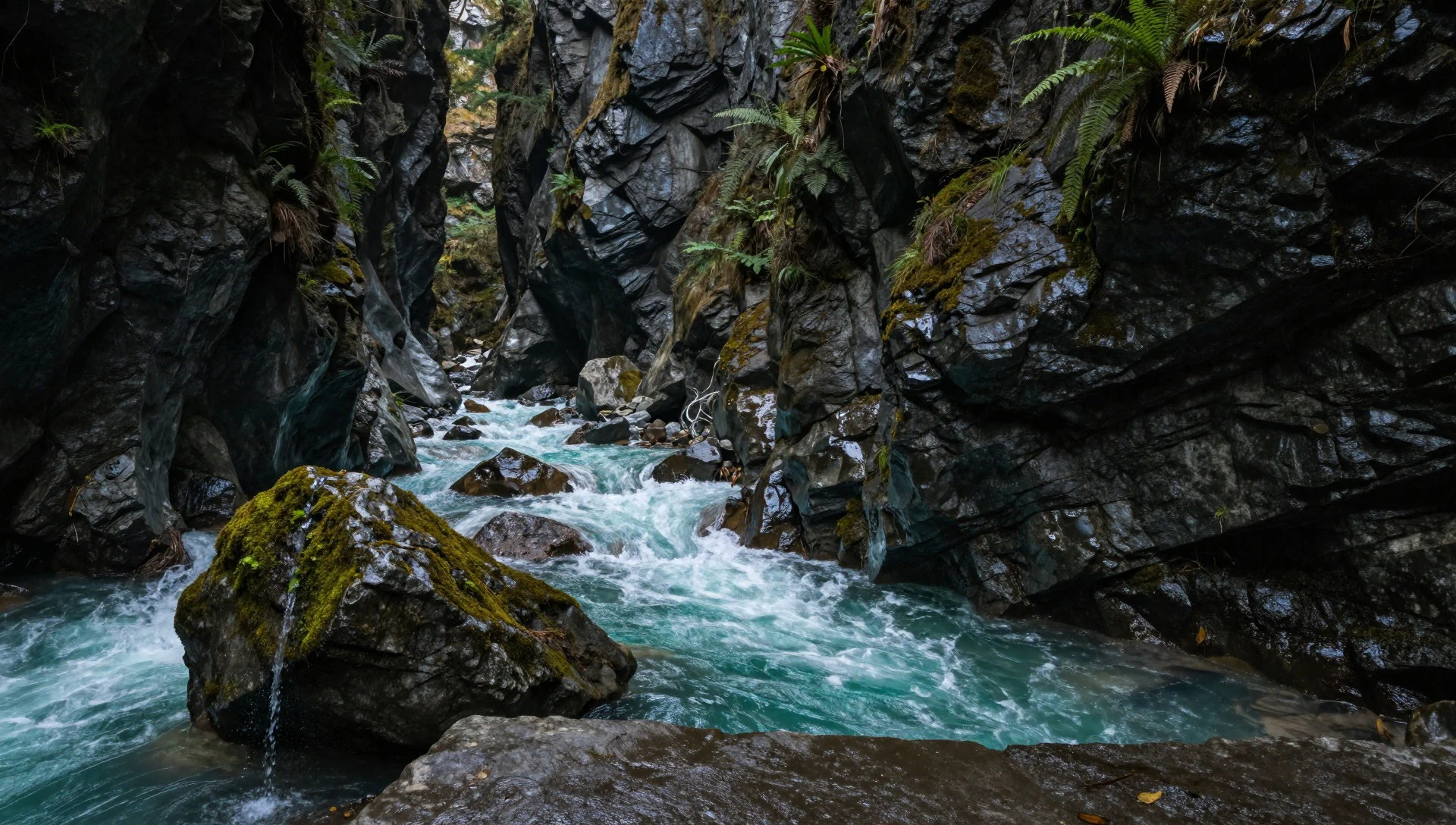
- Lago Covel — Val di Pejo, Trentino
Lago Covel is a small lake at 1,839 m above the village of Pejo, reached by a waymarked walk from the village. The path climbs through woods and meadows, passes information boards on local wildlife and plants, and ends at calm water ringed by trees. It suits a half-day outing and is a gentle first taste of the park's southern side.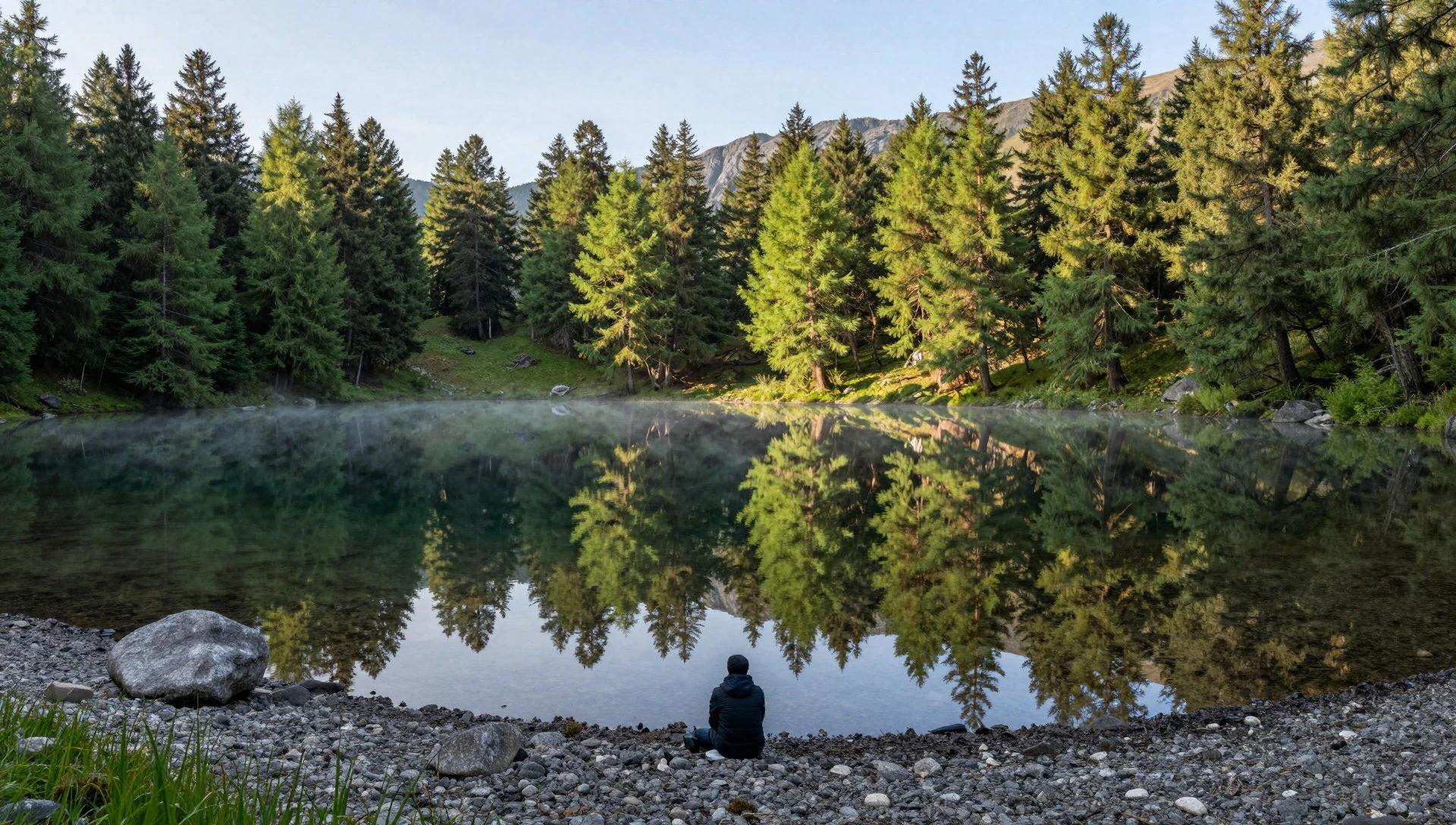
- Lago Lungo and Monte Cevedale — Malga Mare, Val di Peio
A trail from the car park at Malga Mare climbs to Lago Lungo at 2,553 m, with views across to Monte Cevedale and its ice. This is proper high-mountain walking: thinner air, quick weather changes and little shelter. Start early, carry layers and turn back if cloud builds, because the descent feels longer than the climb.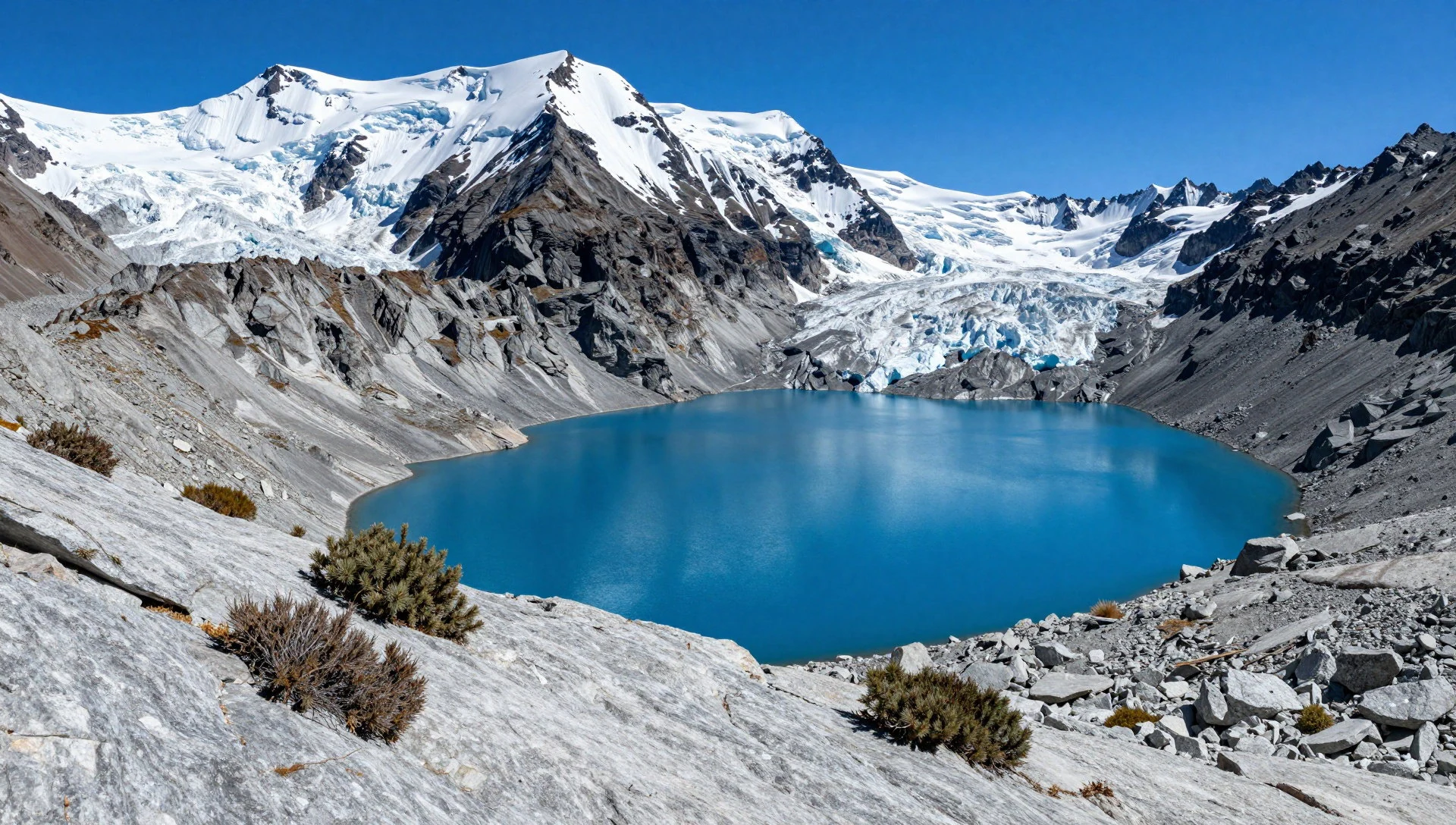
- Lago di Livigno — Livigno, Lombardy
Lago di Livigno is a reservoir beside the town of Livigno, on the park's north-western edge. The valley is a high, open basin with a long ski season and, in summer, plenty of cycling and walking. It is worth visiting for the water and the wide views, though the town itself is a busy, shop-lined resort rather than a quiet village.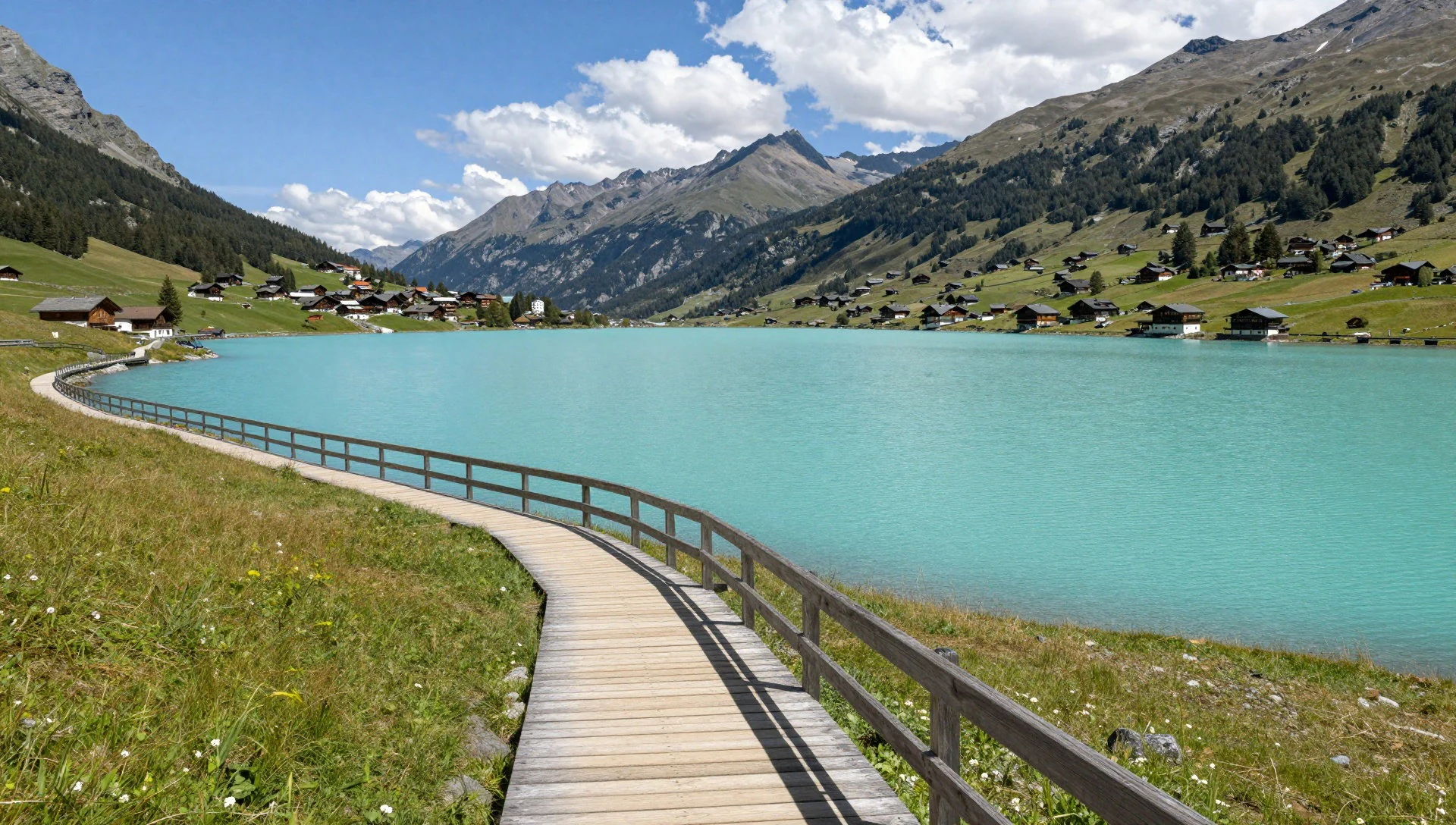
- Waterfalls of the Stelvio valleys — Various valleys across the park
After snowmelt, streams pour off steps of rock all over Stelvio National Park, and the falls are strongest in late spring and early summer. Paths to them are often short and clearly signed, but spray and wet stone make them slippery, so sturdy footwear matters more than the distance suggests. Photographers favour early light, before walkers arrive.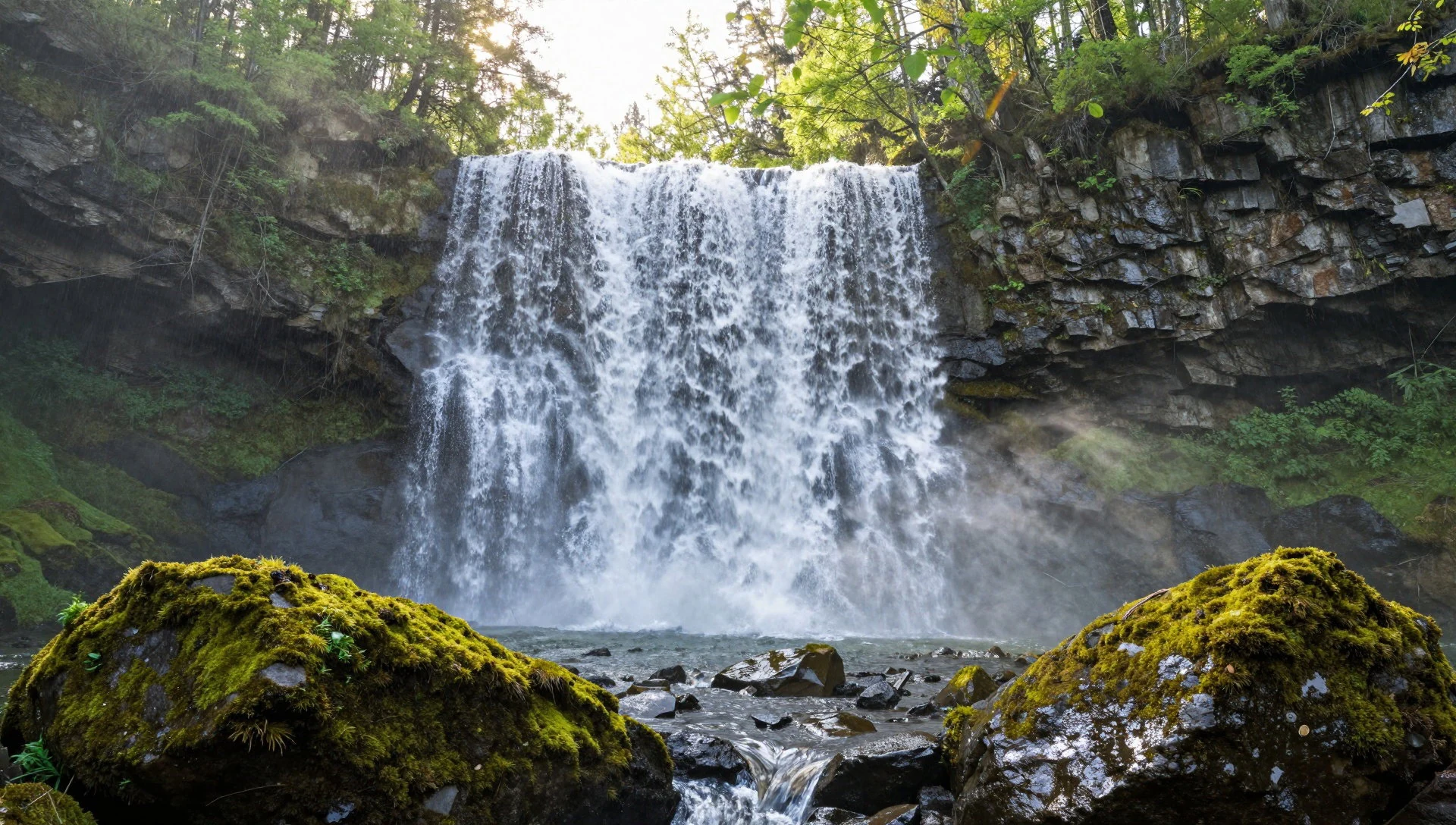
- Stelvio Pass road — Between Bormio and the Südtirol side
The Stelvio Pass road gave the park its name, and its stacked hairpin bends are the best-known way into the high mountains. It is open only in the warmer months and gets busy with cyclists, motorcyclists and coaches. Drive or ride it early or late in the day, and check road status before setting out.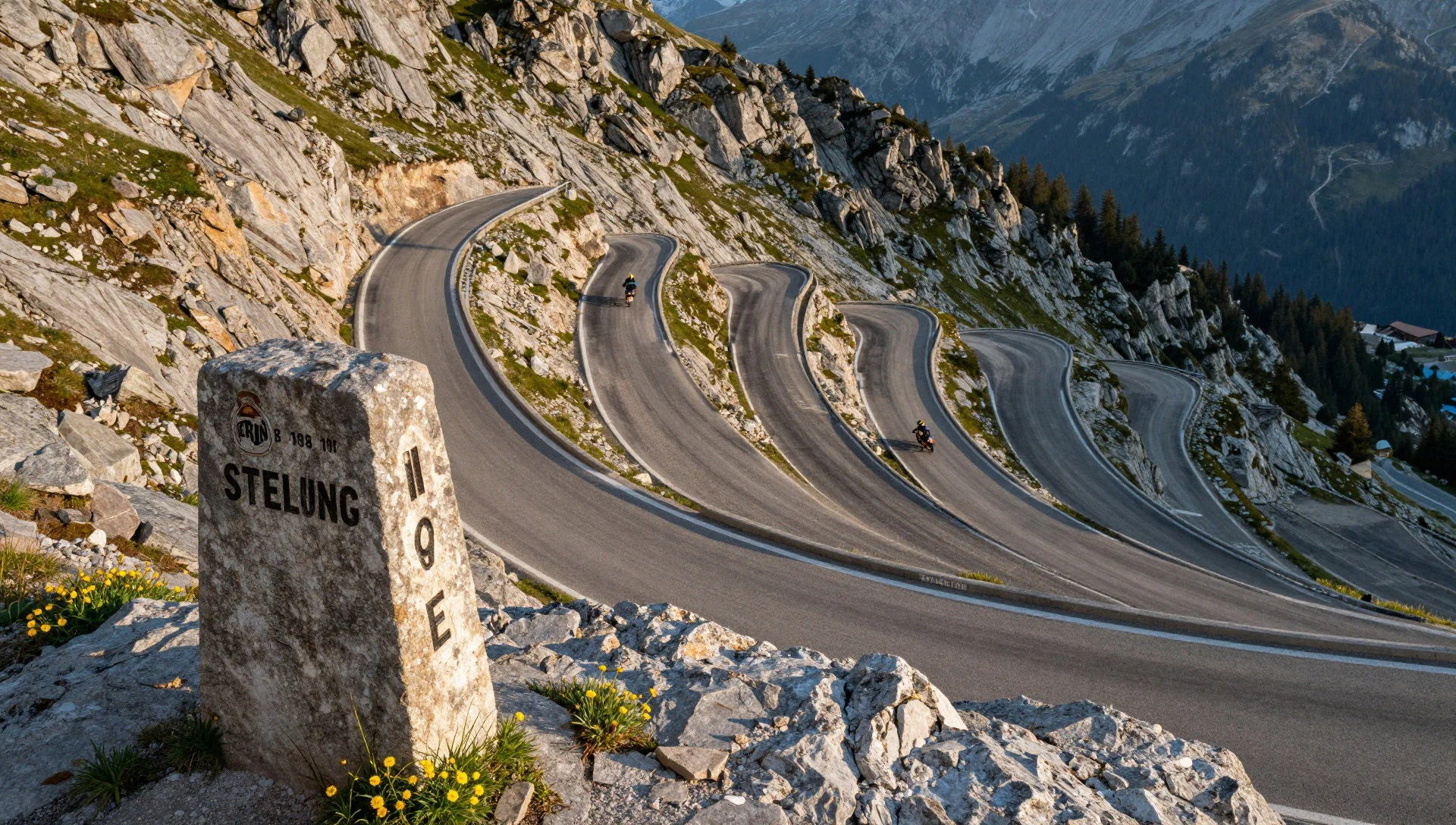
Culture
Stelvio National Park belongs to more than one culture at once. On the Lombardy side, around Bormio and the Valtellina, life has an Italian-speaking Alpine feel, with stone villages, church bells and cheese made on summer pastures. In the Südtirol valleys German is the first language, houses have timber balconies and flower boxes, and greetings such as 'Grüss Gott' are everyday. Trentino villages like Pejo sit between the two. Mountain life shaped the customs. Farmers still move cattle to high pastures in early summer and bring them down in autumn, often with village festivals and decorated animals. Mountain huts, called rifugi in Italian and Hütten in German, are working places that feed and bed walkers, and they run on shared courtesy: boots off at the entrance, quiet in the evening, and a booked bed treated as a promise. The First World War is remembered seriously in these valleys, and small memorials and cemeteries are treated with respect. Local people also value conservation, because the park brings them water, grazing and visitors. Italian works everywhere, German is common in the north, and a few words of either are appreciated. Greet people you pass on the trail with a 'buongiorno' or 'Grüss Gott', close every gate behind you, and carry your rubbish back down with you.
What to wear
Stelvio National Park has two dress traditions, one for each side of the language line. In the German-speaking Südtirol valleys the traditional costume is the Tracht: women wear a dirndl, a bodice-and-apron dress, often in linen or cotton, while men wear a loden jacket, felted wool that sheds rain, with knee-length leather trousers or wool breeches. It appears at festivals, processions, cattle drives and weddings, and some older people still wear parts of it to church. On the Italian side the tradition is plainer, built around wool, felt hats and sturdy work clothes. Day to day, almost everyone wears modern outdoor gear: softshell jackets, fleeces, trekking trousers and boots, with smarter casual clothes in the evening in resort towns such as Bormio and Livigno. Visitors should dress for rapid change. Wear layers, a waterproof shell, a warm hat and sun protection, since UV is strong at altitude. Boots with grip are worth having on rocky or wet paths, and trainers will not do on high trails. In village churches and at memorials, cover shoulders and knees. Many huts ask walkers to leave boots at the door, so carry light indoor shoes or thick socks.
What to eat
- Pizzoccheri — Family trattorias in Bormio and the Valtellina valley towns
Pizzoccheri are short buckwheat noodles cooked with cabbage and potato, then layered with melted local cheese and butter. They are a heavy, warming Valtellina dish that suits a cold day after walking.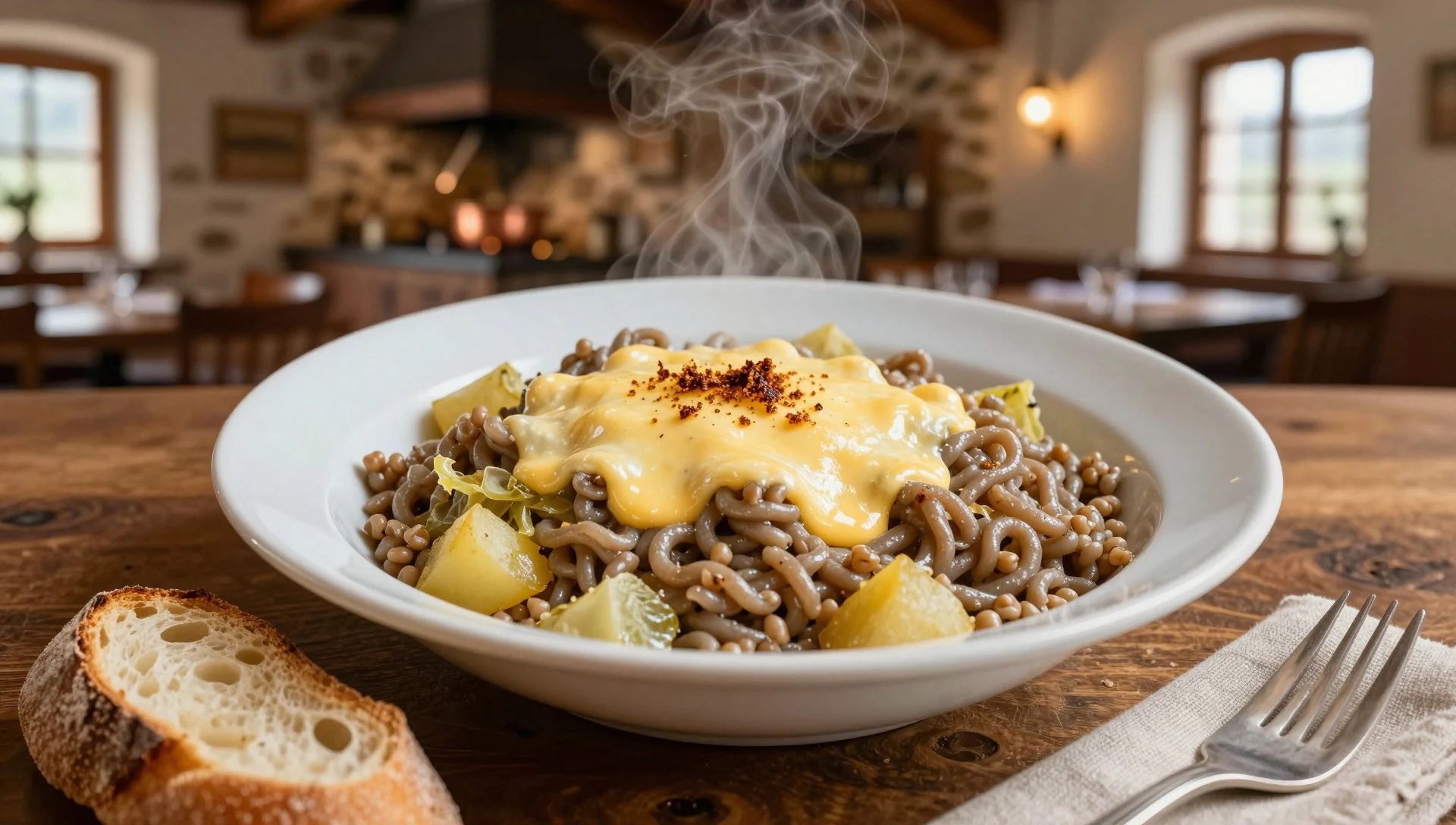
- Bresaola — Delicatessens and cafés in Bormio and Sondrio
Bresaola is air-dried beef, sliced thin and eaten cold, usually with olive oil, lemon, rocket and shavings of hard cheese. It is a Valtellina speciality and a light lunch before a hike.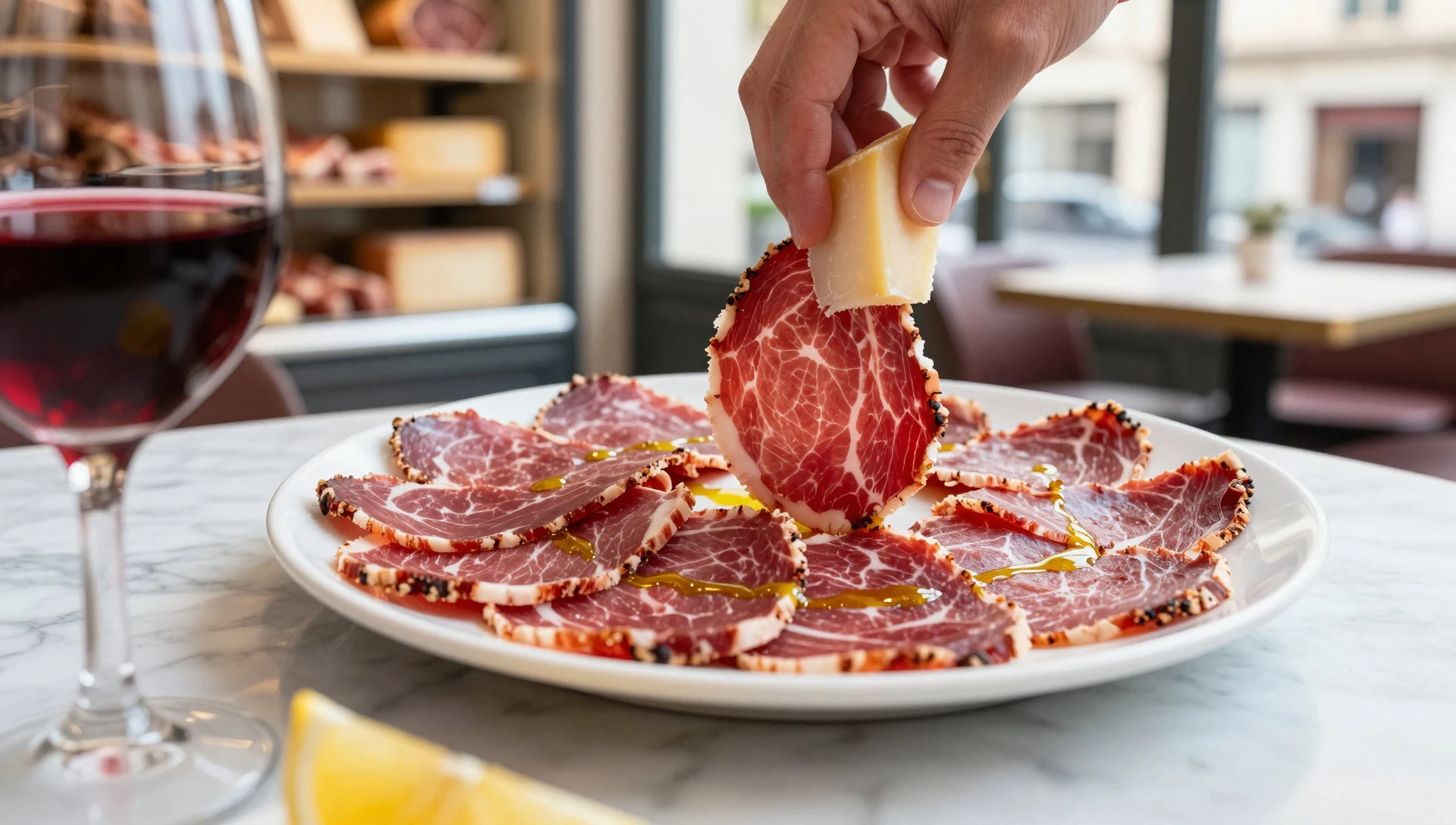
- Polenta taragna — Mountain huts and farm restaurants (agriturismi) in the valleys
Polenta taragna is a coarse polenta made with buckwheat and maize flour, stirred with cheese until stringy. It is a staple of mountain kitchens and pairs well with stews, mushrooms or sausages. - Canederli — Inns and alpine huts on the Südtirol side
Canederli, or Knödel, are bread dumplings, often with speck, served in broth or with melted butter and cheese. They are a Südtirol favourite, filling and cheap to make, and a good way to refuel mid-route. - Apple strudel — Village cafés and huts near the Südtirol valleys
Apple strudel is a thin pastry rolled around sliced apple, raisins and cinnamon, usually served warm, sometimes with cream or vanilla sauce. It is a classic walker's reward after a long ascent. - Valtellina red wine — Wine bars and enoteche in Bormio and valley towns
Valtellina red wines come from steep terraced vineyards and are known for strong flavour. A glass suits an evening meal of pizzoccheri or polenta after the day's walking.
Plan it
Best time. July to September for open high trails, huts and the Stelvio Pass road; snow lingers into June and returns by October, and many huts close outside summer. Winter suits ski touring and resort skiing around the park's edges, but many high roads are shut.
How long. 3–5
Getting there. Fly to Milan Malpensa, Milan Linate or Bergamo, then take a train towards Tirano and a bus on to Bormio, which is the usual base for the Lombardy side. From the Südtirol or Trentino side, use regional trains and buses to the valley villages. Check current timetables, and remember your passport if crossing from Switzerland.
Budget. mid
Tips
- Book huts and rooms early for July and August, when weekends fill fast
- Start walks early, because afternoon storms are common in the high mountains
- Carry some cash for huts, small cafés and car-park machines
- Check the official site, http://www.stelviopark.it/, for road, hut and trail openings before you go
- Pack layers and a waterproof even on warm days
Etiquette
- Greet people you pass on the trail
- Take your rubbish down with you and keep to marked paths
- Take boots off at hut entrances where asked
Nearby
Sources
- Wikidata Q1891711 (CC0)
- Wikipedia: Stelvio National Park (rev 1379790173) (CC BY-SA 4.0)
- Wikivoyage: Lombardy (rev 5077722) (CC BY-SA 4.0)
- Photo: Nationalpark Stelvio Braulioschlucht (Elch33) (CC BY 3.0)
- Photo: Lago Covel (Dominicus Johannes Bergsma) (CC BY-SA 4.0)
- Photo: Falls in Stelvio Nationalpark (Elch33) (CC BY 3.0)
- Photo: Information board 02 (Dominicus Johannes Bergsma) (CC BY-SA 4.0)
- Photo: Information board 01 (Dominicus Johannes Bergsma) (CC BY-SA 4.0)
- Photo: Malga Mare to Lago Lungo (Dominicus Johannes Bergsma) (CC BY-SA 4.0)
- Photo: Lago di Livigno (Cristina.Paveri) (CC BY-SA 4.0)
- Photo: Per la cascata (09Alessandra) (CC BY-SA 4.0)


